Direct Answer: In Santa Cruz County, plan for ants in late winter and spring, fleas and wasps through summer, and rodents right after the first fall rains. Mild coastal weather keeps pressure going year round.
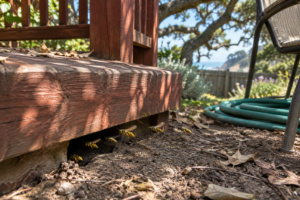
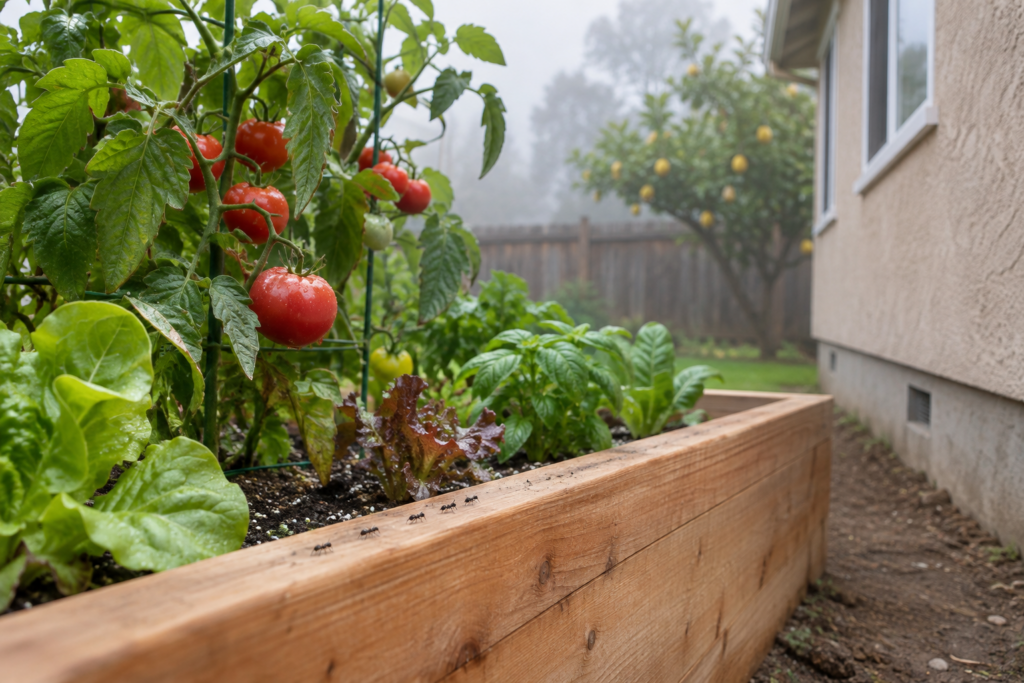
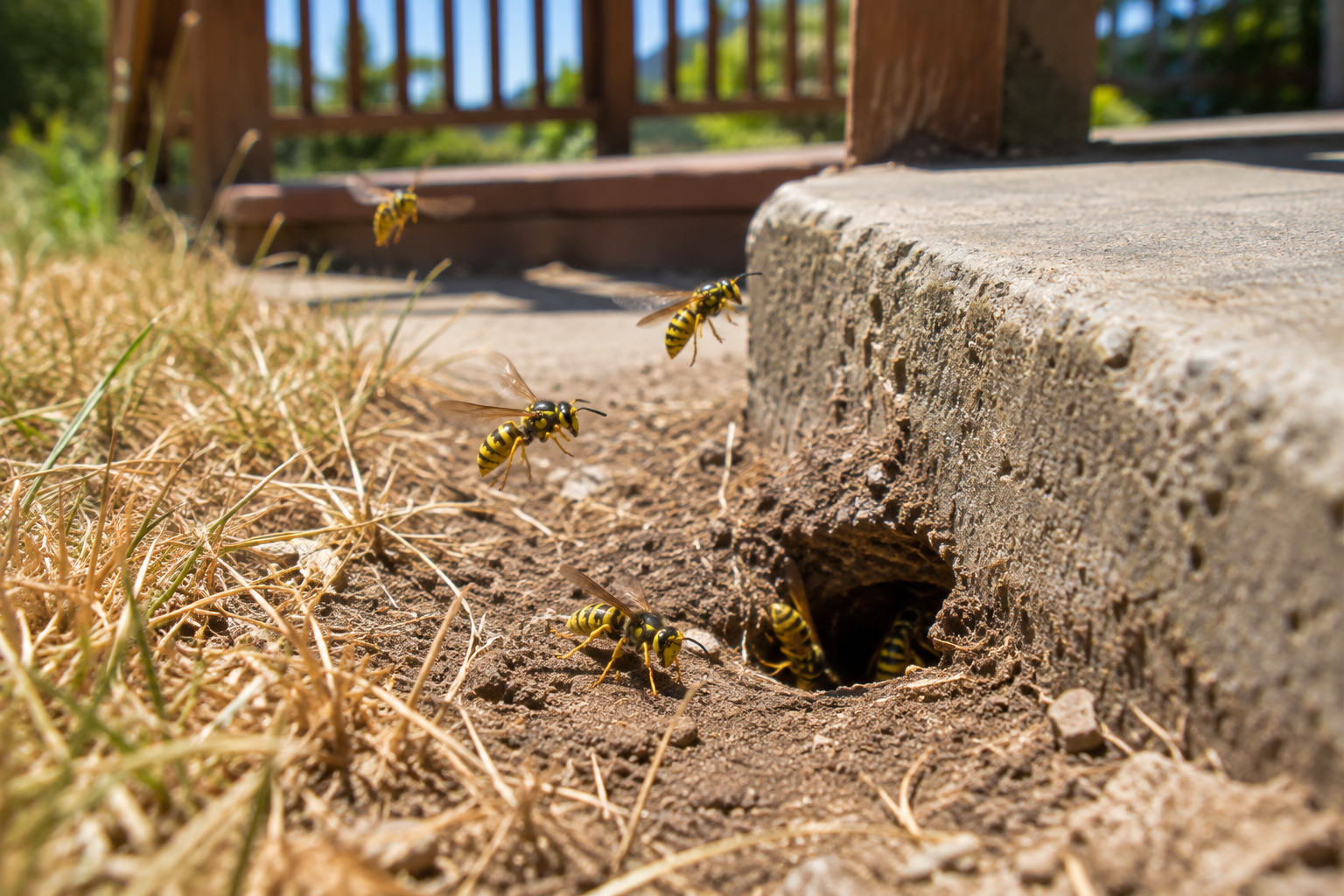
You probably already know the rhythm. Ants in the kitchen sink in February, something scratching above the bedroom after the first real rain, and by August a yellowjacket ground nest right next to the back steps.
Most pest calendars you find online were written for inland California, where hard frosts and dry summers knock populations back. Our coast does not work that way. Fog, soil moisture, and mild winters keep ants, spiders, and cockroaches going through months when the Central Valley gets a break.
Here is my position after years of walking crawl spaces from the Westside to Watsonville: timing matters more than frequency. Two or three well-timed visits paired with fixing the conditions around your house will usually do more than a monthly spray schedule. Below is how I think about the 2027 year, season by season, and how to tell which kind of service your home actually needs.
Why a Santa Cruz County pest calendar looks different
Our weather is the whole story. The marine layer that rolls over Natural Bridges and sits in the San Lorenzo Valley keeps humidity high and soil damp well into summer. Damp soil means ant colonies stay active instead of shutting down.
That creates a few local patterns I see over and over:
- Ants are close to year round. Argentine ants move indoors when soil gets too wet and again when it gets too dry, which is why people see them in both January and July.
- Spiders and cockroaches stay active through winter. A 50 degree foggy February here is nothing like a freeze.
- Rodents push indoors earlier than most homeowners expect. Not December. More like the week of the first real storm in late October or November.
- Vegetation never fully dies back. Ivy, bougainvillea, and redwood duff stay thick year round in places like Ben Lomond and Soquel, which keeps a bridge into the structure open all twelve months.
Housing stock plays into it too. A lot of homes here are older, with raised foundations, open crawl space vents, and additions built in a different decade than the original house. Those seams are where I spend most of my inspection time.
The 2027 season-by-season breakdown
This is the pattern I plan my own route around. Treat it as a rough guide, since a wet March or a warm October shifts things by a few weeks.
| Window | What ramps up | What helps most |
|---|---|---|
| January to March | Ants moving indoors with heavy rain, spiders in garages and corners, rodents still settled in from fall | Trim vegetation off the siding, check crawl space for standing water, treat active ant trails at the source rather than wiping them up |
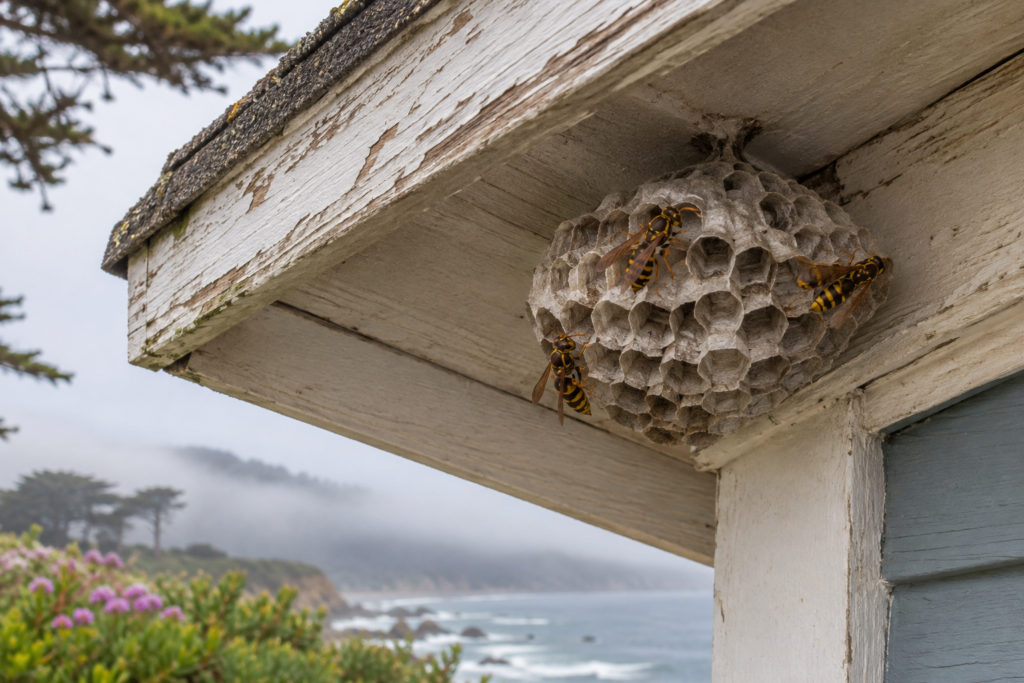
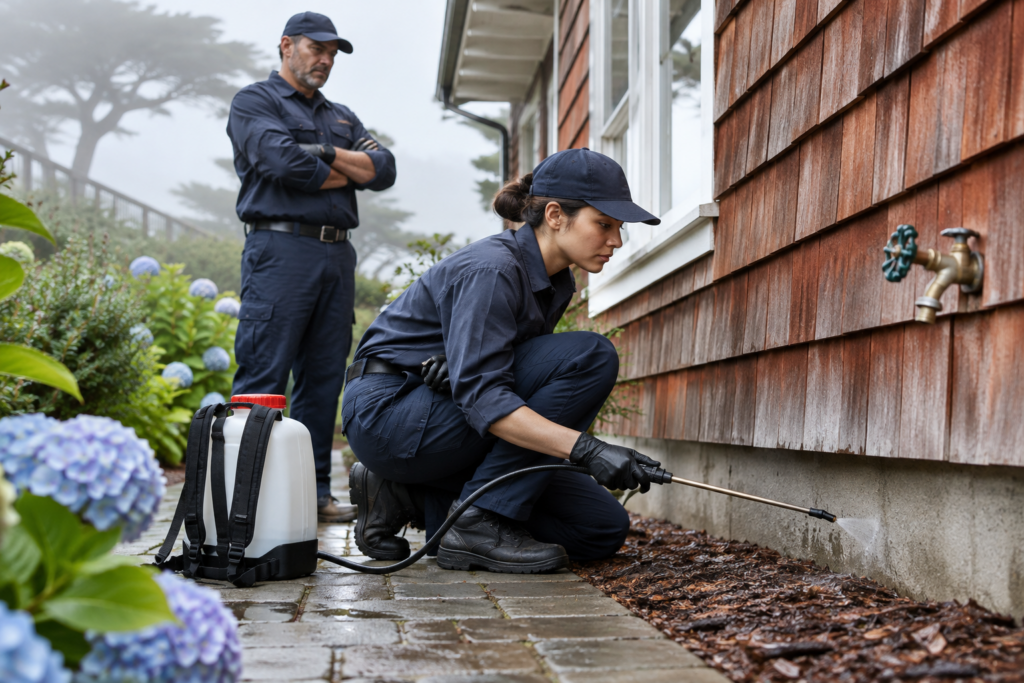
| April to June | Ant colonies expanding and splitting, early wasp queens starting small nests, fleas starting with warmer yard activity | Walk the eaves and deck underside in April and May. A nest the size of a golf ball is a very different job than one the size of a football |
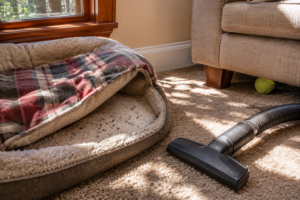
| July to September | Yellowjacket ground nests at peak, fleas and ticks with pets outdoors, spider sightings climbing hard in September | Keep food and pet bowls off patios, watch for ground nest traffic near lawn edges and retaining walls |
| October to December | Rats and mice moving into attics, garages, and crawl spaces with the first storms | Inspect before the rain, not after. Clear woodpiles and fruit drop, check attic and garage for droppings |
The fall rodent window is the one I would not skip
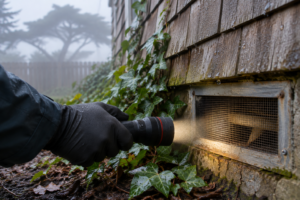
If you only mark one thing on the 2027 calendar, make it a look at your attic, garage, and crawl space in late September or early October, before the first storm.
The calls I get in November all sound the same. Scratching in the walls at night. Droppings on the garage shelf. Somebody already caught one mouse and sealed a vent, and the noise did not stop. By then the rodents are inside and the job is bigger.
What I look for on an inspection:
- Gaps where the siding meets the foundation, especially on older raised-foundation homes
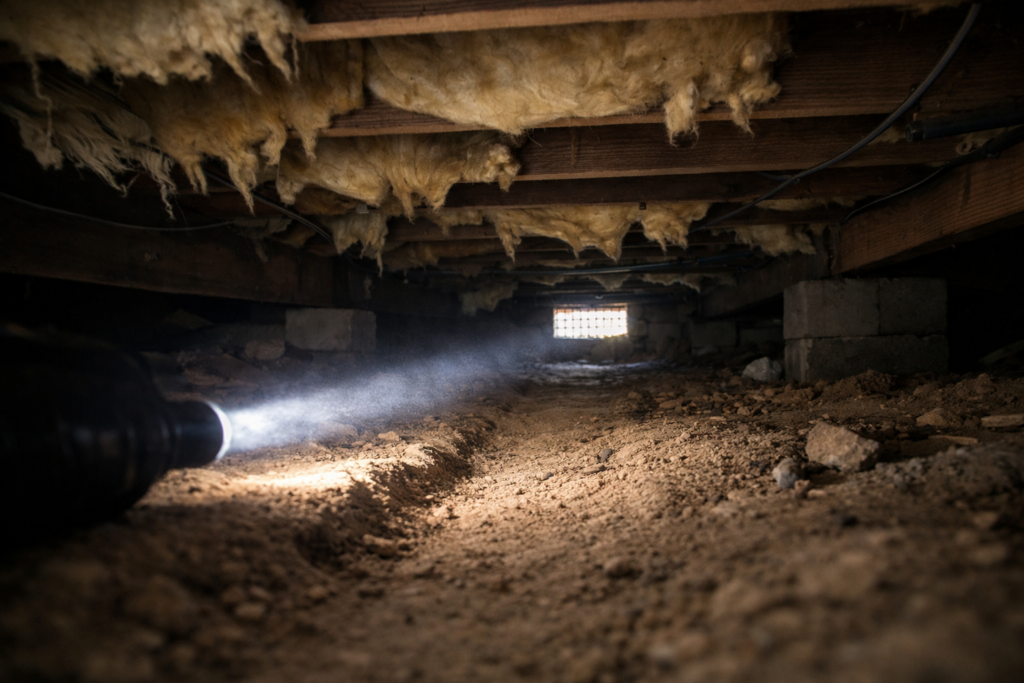
- Crawl space vents with torn or rusted screening
- Roof line gaps at eaves, fascia, and where an addition ties into the original roof
- Utility and plumbing penetrations under the kitchen and bath
- Droppings, grease marks along joists, and chewed insulation that show how long this has been going on
Trapping alone rarely settles it. The openings have to get closed, and the nesting material and droppings need to be dealt with properly. If you want a sense of what that walkthrough covers, I wrote up what a rodent inspection actually looks at and a separate piece on what to do after you find droppings. There is also a good storm season checklist worth running through in early fall.
Why the same pest keeps coming back after treatment
A big share of the people who call me have already paid somebody else. The phrase I hear most often is that the previous service failed. One review put it plainly: “I had two other pest control orgs come out and neither was successful in eliminating the problem.”
In most of those cases the treatment was not the issue. The conditions were. Spraying a baseboard does nothing about a colony living in wet mulch two feet from the foundation.
The three conditions I run into most around here:
- Coastal moisture. Damp crawl spaces and poor drainage under raised foundations keep soil attractive to ants and comfortable for roaches.
- Vegetation contact. Branches, ivy, and shrubs touching the roof or siding give ants and rodents a path that no barrier treatment covers.
- Older construction. Settling, old additions, and original crawl space vents leave gaps that have been there for decades.
Fresh landscaping is a common trigger too. I have had several homeowners describe ants swarming out of new wood mulch in a front yard that never had a problem before. The mulch holds moisture, the colony moves in, and the kitchen is ten feet away. The University of California statewide IPM program has solid background on why ant pressure tracks moisture so closely.
If you grow food, say so up front. Treatment around an organic vegetable bed takes a different approach, which I covered in more detail here.
One visit or an ongoing plan? How to tell
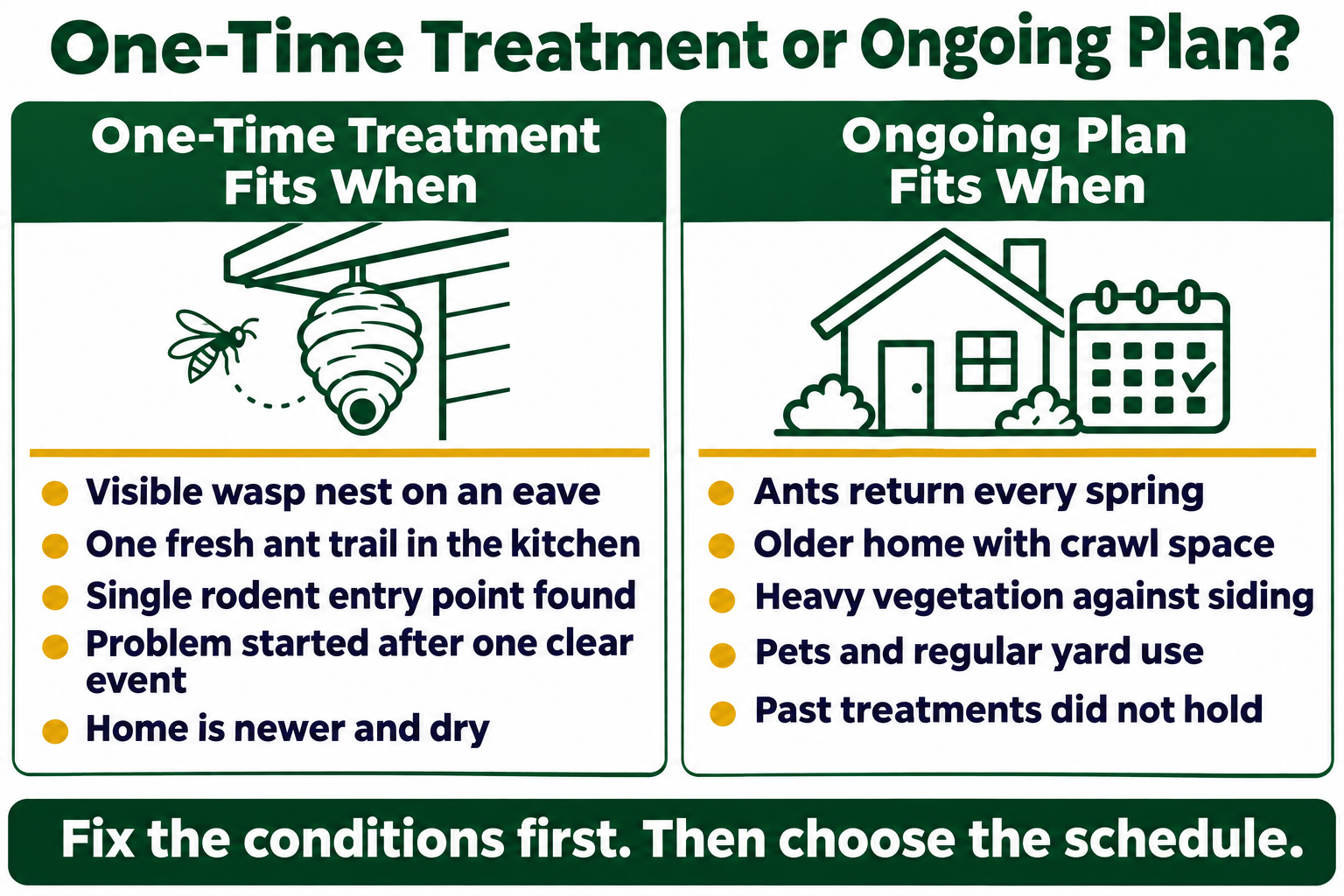
This is the question I get asked more than any other. Here is the simple version of how I sort it.
What I tell people about monthly plans
Monthly spraying is the default offer from a lot of regional companies, and for a typical Santa Cruz County home it is usually more than the situation calls for.
A one-time treatment is the right answer when the problem is clear and contained. A nest under the eave at a Capitola rental. A fresh sugar ant trail along one counter. A single mouse entry found on an inspection.
An ongoing plan earns its keep when the conditions keep regenerating the problem. Older home, damp crawl space, heavy landscaping, pets in and out of the yard all day. In those houses, quarterly timing lined up with the seasons above does more than monthly visits on a fixed calendar, because each visit is aimed at what is actually happening that month.
What I think a plan should include, regardless of who you hire:
- An inspection that identifies why pests are getting in, not just where they are
- Attention to moisture and vegetation, not spray alone
- Monitoring between visits so you catch a change early
- The least disruptive treatment that will do the job, especially with kids and pets in the house
And be honest with yourself about what any plan can deliver. Active pests get treated and pressure gets managed. Nobody can promise a house stays empty forever, and I would be careful with anyone who says otherwise.
What drives the cost of pest work here
Pricing is the question nobody wants to ask first, so let me cover what moves the number. Costs vary quite a bit across Santa Cruz County and I would not trust a flat quote given over the phone before anyone has seen the property.
The factors that matter most:
- Pest and severity. A single accessible wasp nest is a short visit. A rodent job across an attic, garage, and crawl space is not.
- Property size and access. A 900 square foot cottage on the Westside and a one acre lot in Corralitos are different jobs.
- Structure type. Crawl space homes, mobile homes, and multi-unit buildings each take a different approach.
- One visit versus a plan. Ongoing service is generally priced per visit at a lower rate than a single call.
- Follow-up needs. Trapping usually needs a return trip to check and reset.
One thing worth knowing for budgeting in 2027: county registration fees for pest control businesses in California are scheduled to change, and that can filter into what homeowners pay. I broke that down in a separate post on the fee increase.
For an accurate number, a walkthrough is the only honest way to get there.
Frequently Asked Questions About Pest Timing in Santa Cruz County
When are ants worst in Santa Cruz County?
Two peaks, usually. Late winter through spring when heavy rain floods colonies out of the soil, and again in mid to late summer when things dry out and they come looking for water. That second one catches people off guard because the house is clean and nothing changed.
I sealed my vents and still hear rodents in the attic. What now?
That is one of the most common things I hear. Sealing the obvious opening helps, but rats and mice use multiple routes, and a gap the width of a quarter is enough. An inspection should trace the roof line, eaves, utility penetrations, and the crawl space, not just the vents you can see from the ground.
Does rodent work include cleanup and closing up the entry points?
It should involve more than setting traps, and scope varies by company. Ask three things before you book: does the visit include an inspection to find entry points, who handles closing those openings, and is nesting material and droppings cleanup part of the job or separate. Get the answer in writing.
Are treatments safe around kids and pets?
This comes up in almost every conversation, often before price does. Low-toxicity and botanical options exist for ants, spiders, rodents, and garden pests, and targeted placement matters as much as the product itself. One customer called us for an “eco-friendly solution to a stubborn ant problem” and the approach got adjusted for a family member’s lung sensitivity. Tell whoever you hire about kids, pets, chickens, and vegetable beds up front.
Should I book now or wait and see if the problem gets worse?
Monitoring is a reasonable instinct for a few ants on a counter. For anything else, waiting usually costs more. Call when you see nest activity in the morning, a new entry point, or droppings in more than one room, because those three signs mean the situation is growing rather than holding steady.
How far ahead should I schedule for fall rodent season?
Late September and October fill up fast once the forecast shows rain. If you want a pre-storm inspection, reaching out in early September gives you room to pick a date instead of taking whatever is open.
Planning your 2027 pest timing?
If you want a second opinion on what your house actually needs this year, or you would rather have someone look at the crawl space before the first storm instead of after, West Pest Co. covers Santa Cruz, Capitola, Scotts Valley, Aptos, Watsonville, and the rest of the county. Matthew answers the phone himself most of the time, and the shop has been voted Best Pest Control in Santa Cruz two years running. You can reach us at (831) 430-8402 or at westpestco.com when the timing works for you.