Discovering a cockroach scuttling across your kitchen floor is a sinking feeling no homeowner wants to experience. When you find one, your first thought is probably how to get rid of it—and fast. Dealing with these pests can be unsettling, but stopping a cockroach infestation before it truly begins boils down to a powerful one-two punch: immediate sanitation to cut off their food and water, followed by a thorough inspection to find and seal their entry points.
This two-part strategy is the foundation for taking back your home and making it an unwelcome place for these persistent pests.
Your First Steps to Stop a Cockroach Infestation
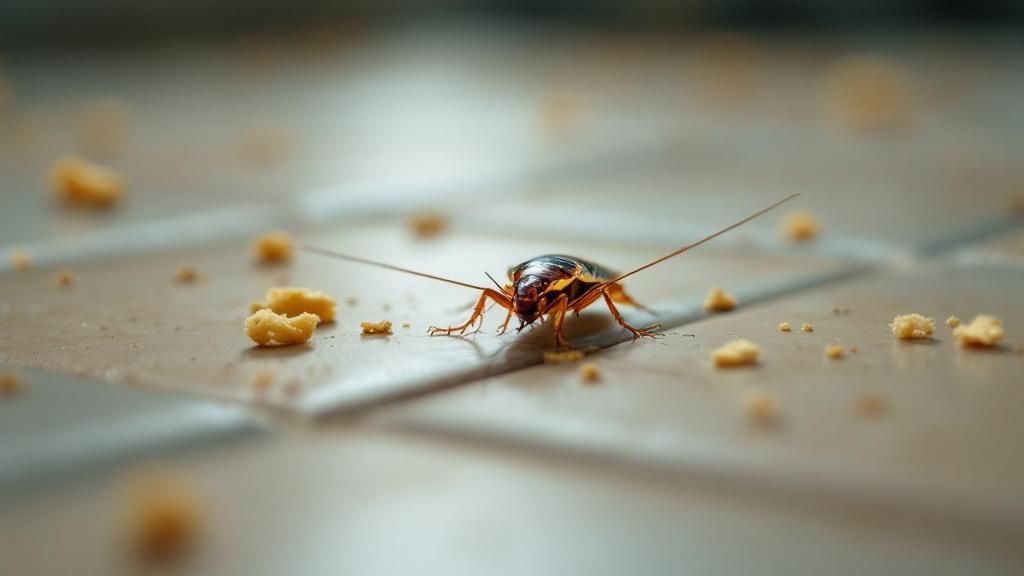
Discovering cockroaches is unsettling anywhere, but it’s a particular concern here in Santa Cruz County. Our mild, coastal climate is a paradise for people, and unfortunately, it's a year-round haven for pests, too. A small roach problem can explode into a full-blown infestation if you don't act quickly.
The moment you suspect roaches, it's time for decisive action. This isn't about panic-buying every spray on the shelf. It’s about a methodical approach that creates an environment where cockroaches simply can't survive. Even if you've only seen one, it's a strong signal that others are lurking just out of sight.
Confirming You Have a Roach Problem
Before you launch an all-out war, you need to be sure you're dealing with cockroaches and not some other common household pest. Roaches are masters of hiding, so you'll have to play detective. Finding definitive proof helps you understand the scale of the problem and where they're hiding out.
Look for these tell-tale signs:
- Droppings: Tiny, dark specks that look a lot like coarse black pepper or coffee grounds. You'll often find them clustered in drawers, along the top edges of cabinets, behind appliances, and in pantries.
- A Musty Odor: A large, established infestation creates a distinct oily or musty smell. This odor, which comes from their pheromones and waste, gets stronger as the roach population grows.
- Egg Casings (Oothecae): Finding these brown, oblong egg capsules is a sure sign you have a breeding population. They’re usually tucked away in dark, sheltered spots—think behind the fridge, under the sink, or even inside furniture.
- Smear Marks: In damp areas, roaches leave behind dark, irregular smear marks. We often see these near water heaters in Capitola garages or under leaky sinks in older Aptos homes.
Cockroach infestations are far more than just a nuisance; they pose a significant public health risk. According to the World Health Organization, cockroaches are known carriers of pathogens that can cause diseases like dysentery and typhoid fever (WHO, 2022). They also contaminate food and surfaces, triggering allergies and worsening respiratory problems like asthma.
Your Immediate Action Plan
Once you've confirmed roaches are in your home, it’s time to get to work. The goal is to eliminate their life-support systems: food, water, and shelter. Roaches are drawn to homes in Scotts Valley and all across Santa Cruz County for these three basic needs. Your initial cleanup and inspection are crucial for disrupting their life cycle and setting the stage for more targeted control methods.
To help you get started right away, here's a quick summary of the most critical first steps.
Immediate Action Plan for Cockroach Control
| Action Step | Why It's Critical | Local Focus (Santa Cruz County) |
|---|---|---|
| Deep Clean the Kitchen | Roaches need crumbs, grease, and food spills to survive. Removing their food source is the single most effective first step. | Our mild climate means outdoor food sources are plentiful. Don't let your kitchen be an easy meal. |
| Eliminate All Water Sources | Roaches can live for a month without food but only a week without water. A dry environment is a hostile one. | Coastal humidity and fog can create dampness. Check under sinks in Aptos or in garages in Capitola for hidden leaks. |
| Seal Food in Airtight Containers | Cardboard boxes and plastic bags are no match for hungry roaches. Use glass or hard plastic containers for everything. | This includes pet food! A common oversight for many local homeowners. |
| Conduct a Preliminary Inspection | Identifying obvious entry points around pipes, vents, and doors helps you start sealing your home's defenses. | Older homes in the Santa Cruz mountains or coastal bungalows often have numerous small gaps that need sealing. |
This table gives you a starting point. Let's break down exactly what to do.
First, tackle the kitchen. Pull your stove and refrigerator away from the wall to clean the grease and crumbs that have inevitably collected behind them. Wipe down every countertop, clean the stovetop thoroughly, and make sure your garbage disposal is clear of any food debris. From now on, all food—and that includes pet food—needs to be stored in airtight containers.
Next, turn your attention to water. Fix that dripping faucet under the bathroom sink or the leaky pipe you've been meaning to get to. Before you go to bed, wipe down sinks and showers so they're completely dry. Place any damp sponges or dish rags in a sealed plastic bag overnight. This step is non-negotiable.
Finally, do a quick inspection for entry points. While a professional will do a more exhaustive search, you can spot the obvious culprits. Look for gaps around pipes under sinks, cracks in the foundation, and worn-out weather stripping on doors. For a more detailed guide on what to look for, check out our information on a professional home pest inspection in Santa Cruz. Taking these initial steps immediately makes a huge difference.
Identifying Common Cockroaches in Santa Cruz County
To win the battle against cockroaches, you first have to know your enemy. It’s a common mistake to think all roaches are the same, but the truth is, different species have entirely different habits, diets, and hiding spots. Figuring out which type has moved into your home is the key to creating a targeted and effective pest control strategy.
Here in Santa Cruz County, from the foggy coast of Capitola to the warmer, drier areas of Scotts Valley, homeowners usually run into a few usual suspects. A correct ID not only guides your treatment plan but also helps you understand why they decided your home was the perfect place to settle down.
Cockroach Types in Santa Cruz County
| Cockroach Species | Size & Appearance | Common Hiding Spots |
|---|---|---|
| German Cockroach | Small (½ inch), light brown with 2 dark stripes on its back. | Kitchens: under sinks, behind refrigerators, inside cabinets and small appliances. |
| American Cockroach | Large (up to 2 inches), reddish-brown with a yellowish "figure-8" on its head. | Damp areas: basements, crawl spaces, sewer drains, and boiler rooms. |
| Oriental Cockroach | Medium (1 inch), shiny dark brown or black. Sluggish movement. | Cool, wet places: below ground level, crawl spaces, leaky pipe areas, and under leaf litter. |
Knowing the difference between a German cockroach that thrives on kitchen grease and an Oriental "water bug" that loves damp basements is critical. It allows you to focus your efforts where they'll have the most impact.
The German Cockroach: The Kitchen Invader
If you've spotted a small, light-brown roach darting across your kitchen counter, you're almost certainly looking at a German cockroach. Adults are only about a half-inch long and are best known for the two dark, parallel stripes running down their backs.
These are the most common indoor cockroaches in the entire country, and for good reason—they are incredibly fast breeders.
A single female German cockroach and her offspring can produce over 30,000 roaches in just one year under ideal conditions (Purdue University, 2021).
They are almost exclusively indoor pests that seek out warm, humid environments. You’ll find them tucked away:
- Behind and under appliances like refrigerators, dishwashers, and stoves.
- Deep inside kitchen cabinets and pantries.
- In the hidden voids of small appliances like microwaves and toasters.
Because they reproduce so quickly, a German cockroach sighting can go from a minor annoyance to a full-blown infestation in just a few weeks. They are drawn to grease, starches, and crumbs, making a clean kitchen your number one weapon against them.
The American Cockroach: The Sewer Dweller
The American cockroach is the big one—the species most people imagine when they hear the word "cockroach." Reaching up to two inches in length, these pests are reddish-brown and have a distinct yellowish figure-eight pattern on the back of their head.
These roaches love dark, damp, and warm spots. While you might find them inside your home, they often live in and travel through sewer systems, emerging from drains.
In Santa Cruz homes, they typically hide out in:
- Basements and crawl spaces.
- Boiler rooms and near water heaters.
- Beneath sinks and around floor drains.
American cockroaches can live for nearly two years and are not picky eaters. They'll consume anything from decaying organic matter to the glue on book bindings. If you see them, it often signals a moisture problem or an easy entry point from the outdoors or sewer lines. For more ideas on keeping them out, check out our guide on natural cockroach deterrents.
The Oriental Cockroach: The "Water Bug"
Often called "water bugs" because of their preference for extremely damp areas, Oriental cockroaches are shiny, dark brown or black, and about an inch long. They are a common sight in the cooler, damp spots our coastal climate provides, especially in basements, crawl spaces, and along foundations.
Unlike their German cousins, Oriental roaches are quite sluggish and prefer to live at or below ground level. They thrive on filth and decaying organic material, often gathering near leaky pipes, clogged gutters, and damp mulch. Spotting one of these indoors is a major red flag that you have a serious moisture issue or a breach in your home's foundation that needs attention.
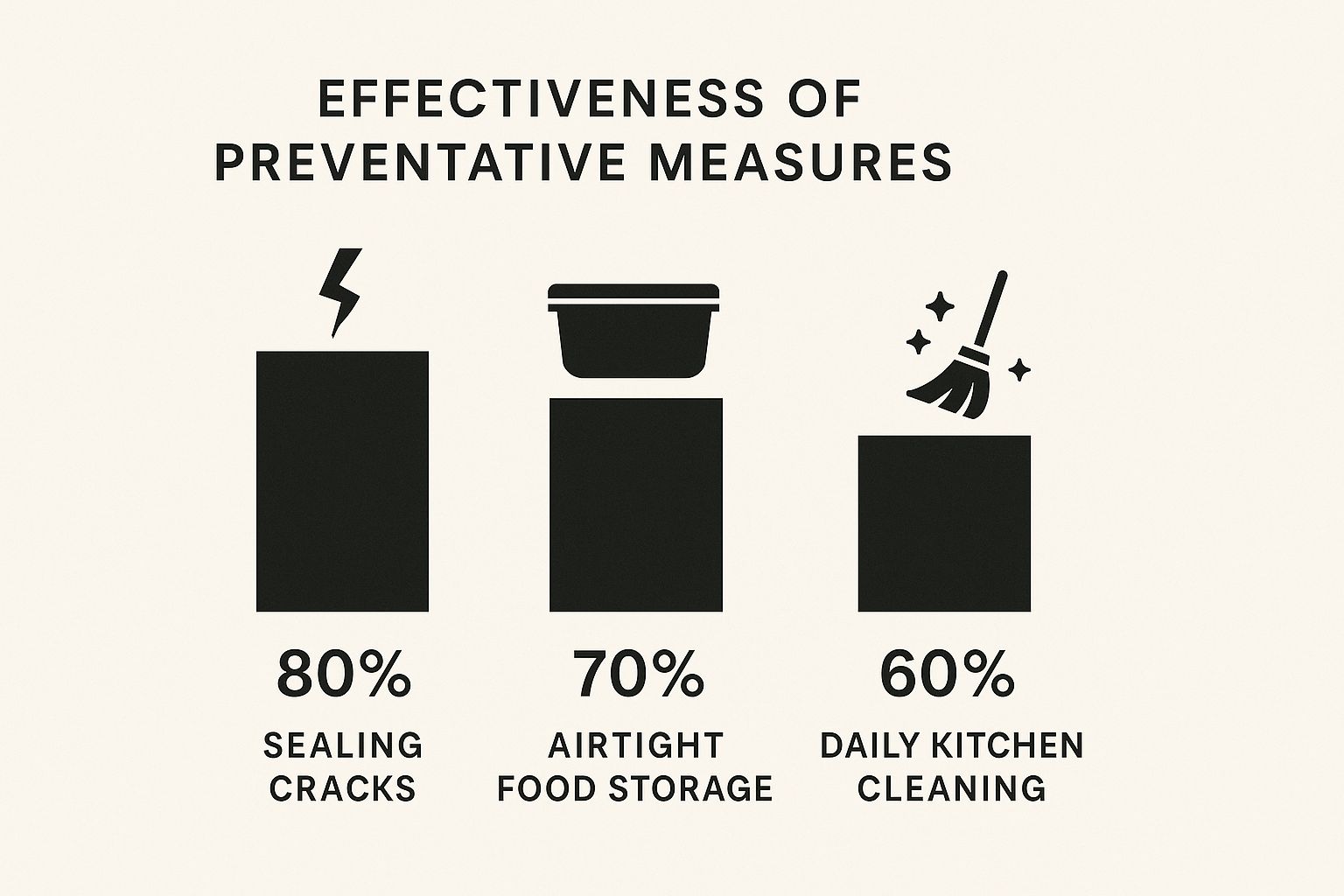
Physically blocking them out by sealing cracks is the single most powerful step you can take to keep cockroaches from ever getting inside in the first place.
Deep Cleaning and Sanitizing to Eliminate Roaches

Simply tidying up your counters won't make a dent in a real cockroach problem. These pests are incredible survivors, perfectly capable of living off the tiniest crumbs and the faintest grease splatters you can't even see. To truly get rid of them, you need to go on the offensive with a deep, systematic clean.
This isn't about making your home look nice—it's about making it completely uninhabitable for roaches. Your goal is to systematically remove their food, destroy the scent trails they use to navigate, and eliminate their favorite hiding spots. It's one of the most powerful, non-chemical ways to take back your home.
The Kitchen Is Ground Zero
For any roach infestation, the kitchen is almost always the epicenter. It’s a perfect storm of food, water, and shelter. Your mission here is to scrub away every last trace of anything they could possibly eat.
This means you have to get serious. Pull the heavy appliances away from the walls. I guarantee the space behind and under your refrigerator, stove, and dishwasher is hiding a buffet of dropped food, caked-on grease, and other gunk. Use a vacuum with a crevice tool to get it all, then degrease the floor and the walls.
This level of detailed cleaning is non-negotiable. It attacks the very foundation of their survival network, a key principle of effective deep disinfection practices.
Beyond the Obvious Surfaces
Cockroaches are small and can hide in places you'd never think to look. A proper deep clean means you have to start thinking like a pest and hunt for food sources in all the overlooked nooks and crannies.
Pay special attention to these hot spots:
- Small Appliances: Your toaster, microwave, and coffee maker are crumb and moisture magnets. Unplug them, turn them upside down over a sink to shake out debris, and wipe them down thoroughly.
- Cabinet Interiors: Don't just wipe around things. Empty your pantry and kitchen cabinets completely. Vacuum out every corner to get rid of stray flour dust, sugar crystals, or rice grains before wiping down the shelves.
- Garbage Disposals and Drains: Food sludge gets trapped in drains, creating a persistent food source and a strong attractant. Regularly flush your drains to break down that buildup.
- Trash Cans: The can itself needs cleaning, not just the bag inside. Wash it out regularly with hot, soapy water to get rid of any sticky residue that could be drawing pests in.
Sanitizing Bathrooms and Laundry Rooms
While the kitchen is the main battleground, don't forget about bathrooms and laundry rooms. These areas are secondary habitats because of the constant moisture. Roaches can survive for a week without food, but they are always on the hunt for water. Our humid Santa Cruz County climate already gives them plenty of moisture in the air, so eliminating indoor water sources is absolutely critical.
Your cleaning checklist for these areas should include:
- Checking for Leaks: Get on your hands and knees and inspect under sinks, behind toilets, and around washing machine hookups for any slow drips or condensation. Fix any leaks you find immediately.
- Cleaning Drains: Hair and soap scum in shower and sink drains combine to create a sludge that roaches will happily feed on. Make sure you're cleaning these drains out regularly.
- Wiping Down Surfaces: Get in the habit of keeping sinks and tubs dry, especially overnight. Don't leave damp towels or bathmats bunched up on the floor—they create the perfect dark, humid hiding spot.
Decluttering to Remove Shelters
Finally, clutter is a cockroach's best friend. It provides an endless supply of dark, tight hiding places where they can rest, breed, and stay out of sight. Getting rid of clutter is just as crucial as cleaning up crumbs.
Start by tackling any stacks of old newspapers, magazines, and especially cardboard boxes. Roaches not only love to hide in the corrugated flutes of cardboard, but they also eat the glue that holds it together. A much better solution is to store your belongings in sealed plastic bins, particularly in garages, attics, or basements.
A clutter-free home gives roaches fewer places to hide, making them more exposed and your other control efforts far more effective.
Sealing Entry Points to Prevent Future Invasions
Once you’ve deep-cleaned and sanitized, it's time to shift your focus to defense. This is where we get into what pest professionals call exclusion—it's hands-down the most powerful long-term strategy to stop cockroaches for good. You're essentially fortifying your home, locking every door and window so roaches can't find a way back in, no matter how spotless your kitchen is.
This means putting on your detective hat and doing a full-blown inspection of your home to find and seal every single crack, gap, or hole a roach could treat as its personal entryway. For a tiny German cockroach, an opening the width of a dime is like a four-lane highway. This proactive mindset is the foundation of any real preventative pest control plan.
Conducting a Systematic Home Inspection
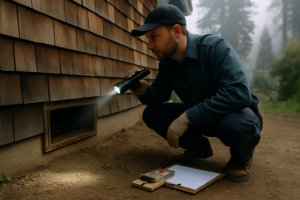
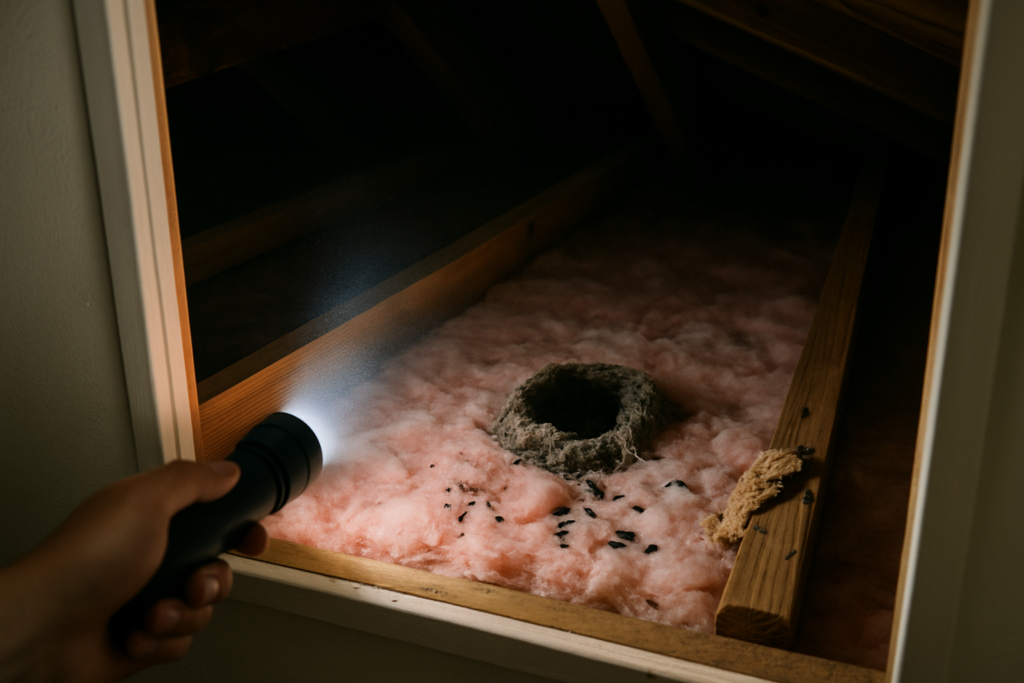
To find these weak spots, you have to think like a cockroach. Look for dark, sheltered pathways that offer a quick route inside. Grab a good flashlight, set aside some time, and methodically check your home's exterior and interior, paying extra attention to where different building materials meet.
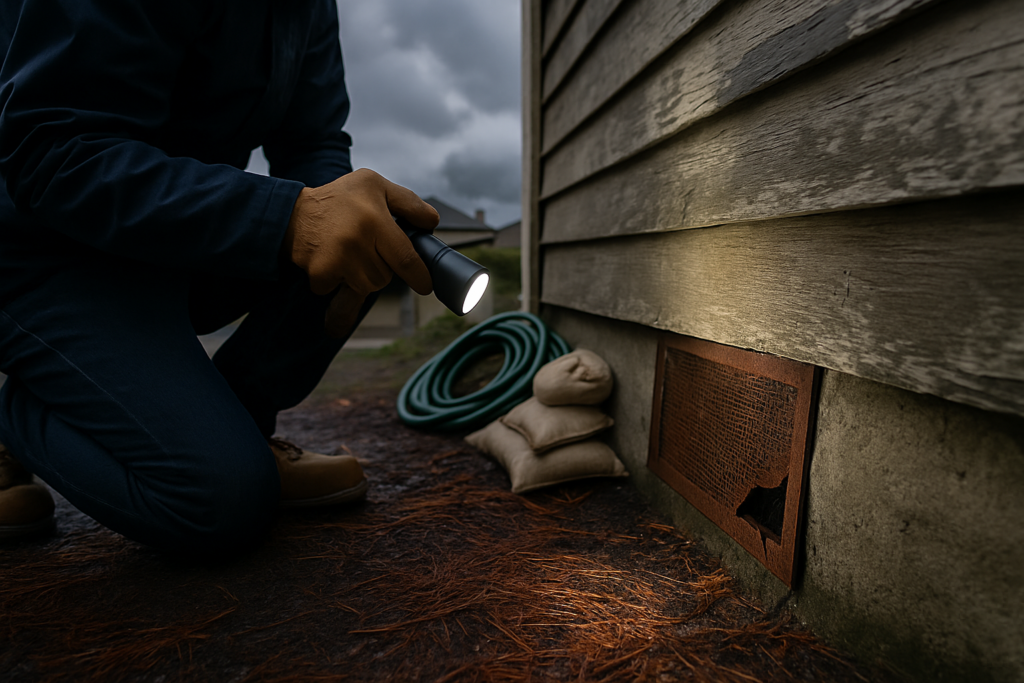
Start outside at your home's foundation. Walk the entire perimeter and inspect it for any cracks in the concrete or stucco. Here in Santa Cruz County, especially with older coastal homes, the shifting soil and constant moisture can create small fissures over time. These are a welcome mat for pests like American and Oriental cockroaches.
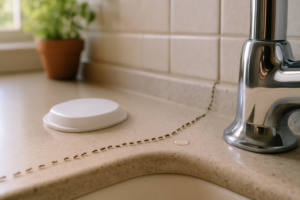
Moving inside, zero in on areas where utility lines enter your home. The gaps around pipes under your kitchen and bathroom sinks are notorious entry points for roaches. Don't forget to inspect where plumbing, electrical wiring, and gas lines come through the walls from the outside or up from a crawl space.
The Best Materials for Sealing Gaps
After you’ve mapped out all the potential entry points, it’s time to seal them up tight. Using the right material for the right gap is key to creating a durable, pest-proof barrier that lasts.
- Caulk: For those smaller cracks and gaps (anything less than 1/4 inch) around window and door frames or where pipes meet the wall, a high-quality silicone or acrylic caulk is your best friend. It’s flexible, waterproof, and creates a permanent seal.
- Steel Wool or Copper Mesh: When you find larger gaps, especially around plumbing, start by stuffing the opening tightly with steel wool or copper mesh. Roaches and rodents can't chew through it. Once it's packed in, seal over it with caulk or expanding foam for an impenetrable barrier.
- Weather Stripping: Take a look at the seals around your exterior doors, including the garage. Can you see daylight peeking through? If so, you've found an open invitation for pests. Installing new weather stripping is a quick fix that creates a tight seal.
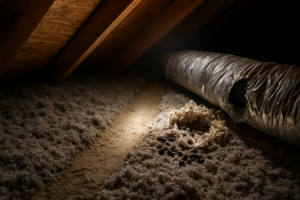
- Screen Repair: A torn window or vent screen is another easy way in. Make sure to repair or replace any damaged screens, including those on your foundation and attic vents.
Overlooked Entry Points in Santa Cruz Homes
Living here on the coast or tucked away in the redwoods comes with its own set of pest challenges. Certain entry points are just more common in our local environment and deserve a closer look.
One spot people almost always miss is the roofline. Gaps where the roof meets the walls—especially near gutters clogged with damp leaves—can give roaches both a highway and a food source. While you're thinking high, check your chimney. A proper chimney cap is a must to keep pests from dropping in.
Beyond just sealing cracks, routine maintenance of household vents, like your dryer vent, is crucial. It's important to avoid common dryer vent cleaning mistakes, as a buildup of lint can create the perfect shelter and food source for pests. By addressing these specific vulnerabilities, you're not just fighting roaches—you're building a fortress.
When to Call for Professional Cockroach Control

While consistent cleaning and sealing up your home are powerful first steps, there comes a point where even the most dedicated homeowner can’t stop a cockroach infestation. It’s incredibly frustrating to feel like you’re doing everything right, only to keep finding these resilient pests.
Recognizing the signs that an infestation has grown beyond a DIY problem is key. It’s not about admitting defeat; it’s about making a smart, strategic move to protect your home and family. Professional technicians bring a level of knowledge, specialized tools, and treatments that just aren't available on store shelves, allowing them to get to the root of the problem with precision.
The Limits of Store-Bought Solutions
When you spot a roach, the first impulse is usually a trip to the hardware store for baits and sprays. These products can definitely kill the roaches you see, but they almost never solve a real infestation. Why? Because they rarely eliminate the entire colony, including the hidden nests and egg casings.
Store-bought products have a few major drawbacks:
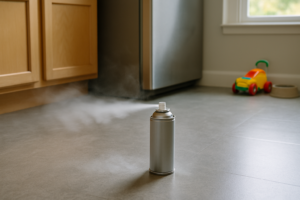
- The Scattering Effect: Many aerosol sprays actually cause roaches to scatter, pushing them deeper into wall voids or other parts of your home. It might seem like the problem is gone, but in reality, it just spread out and became harder to treat.
- Bait Aversion: Believe it or not, cockroach populations can learn to avoid certain bait ingredients. If a colony has been exposed to the same store-bought bait for a while, they may simply stop eating it, making it completely useless.
- Incomplete Eradication: This is the big one. These products almost never reach the hidden nests where roaches reproduce. Unless you wipe out the source, new roaches will just keep hatching, and you’ll be stuck in a frustrating cycle of repeat sightings.
Red Flags That Signal a Serious Problem
So, how do you know you've reached that tipping point? There are a few undeniable signs that your cockroach problem needs a professional touch. If you notice any of these, it’s a strong signal the infestation is much more widespread than it appears.
You See Cockroaches During the Day
Cockroaches are naturally nocturnal. They’d much rather stay tucked away in dark, tight spaces during the day and only come out for food and water at night. Spotting a roach scurrying across your floor or countertop in broad daylight is a major red flag.
This behavior is a classic sign of overcrowding. It usually means the nest is so full that younger or weaker roaches are being forced out into the open to find resources. It’s one of the most reliable indicators of a large, established infestation.
The Problem Is Recurring
You've deep-cleaned the kitchen, sealed every crack you can find, and set out bait traps. The roaches vanish for a few weeks… and then they’re back. This frustrating cycle is a clear sign your DIY methods are only treating the symptoms, not curing the disease.
A persistent problem almost always means there’s a hidden nest or a secret entry point you haven’t found. Professionals are trained to think like pests, allowing them to identify these hidden sources that the average homeowner would easily miss. A complete solution requires a plan that targets the entire life cycle, which is a core part of professional cockroach extermination and control in Santa Cruz County.
Evidence Appears in Multiple Rooms
At first, you only saw roaches in the kitchen. Now, you’re finding droppings in the bathroom, spotted a roach in the living room, or noticed a musty odor coming from a bedroom closet.
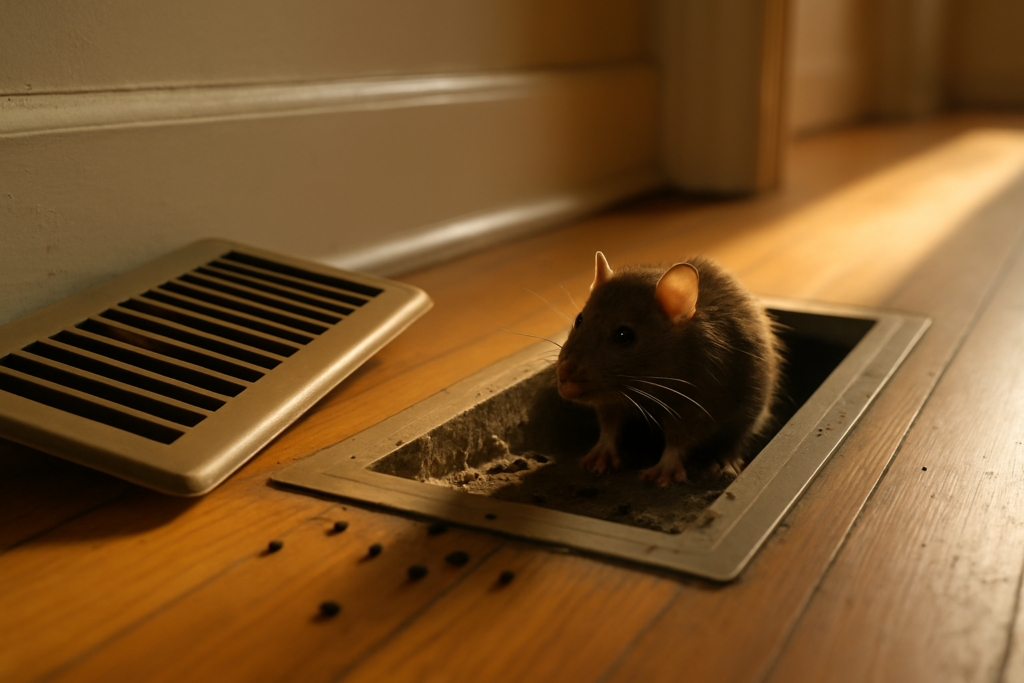
When evidence starts popping up in rooms without obvious food sources, it’s a sure sign the infestation is spreading throughout your home. They are likely using wall voids, plumbing lines, and electrical conduits as highways to establish new satellite nests.
Frequently Asked Questions About Cockroaches
We get it—dealing with cockroaches brings up a ton of questions and a whole lot of stress. Here are some straightforward answers to the questions we hear most often from homeowners across Santa Cruz County, from the coast in Aptos to the hills of Scotts Valley. This is the no-nonsense information you need to tackle your biggest worries head-on.
Why do I have roaches if my house is clean?
This is easily one of the most frustrating things a homeowner can face. You keep your place spotless, but you're still seeing roaches. While a dirty kitchen is definitely a welcome mat for them, roaches are after more than just last night's crumbs.
They're on a mission for three simple things: food, water, and shelter. Even in a meticulously clean home, they can usually find what they need. A tiny, slow drip from a faucet under the sink, some condensation on pipes in a cool Capitola garage, or a damp corner in a basement provides all the water they need to thrive.
Shelter is the other big piece of the puzzle. Roaches crave tight, dark, undisturbed spaces.
- The corrugated channels inside cardboard boxes are a favorite.
- So are stacks of old newspapers or magazines.
- They also love the voids behind walls and underneath big appliances like your fridge or dishwasher.
Your sparkling clean home might be low on food, but it could still be offering the perfect five-star resort when it comes to water and shelter.
Can cockroaches really come up through drains?
Yes, they absolutely can. It's a surprisingly common way for them to get inside, especially for the American cockroach, which many people call a "sewer roach." These roaches love living in the municipal sewer systems running right under our streets. They use this underground highway to travel and can easily pop up through the plumbing right into your home.
You’re most likely to see them emerge from floor drains in basements, laundry rooms, or older bathrooms that don't see a lot of use. They can also come up through sink and shower drains, especially if the P-trap—that U-shaped pipe under the sink—has dried out.
How long does it take to get rid of a cockroach infestation?
The timeline really depends on two things: the species of cockroach you're dealing with and the sheer size of the infestation. A minor issue with a few Oriental "water bugs" wandering in from outside might be wrapped up in a week or two with some good cleaning and sealing up entry points.
A well-established German cockroach infestation, however, is a completely different battle. Wiping them out completely often takes several weeks, or even months, of diligent, professional treatment. It's all about breaking their life cycle. The initial treatment will knock down the active adult population, but follow-up services are crucial to get the nymphs that hatch later from hidden egg casings. With a serious roach problem, patience and persistence are non-negotiable.
Why do I only see cockroaches at night?
Roaches are nocturnal by nature. It's their instinct to stay tucked away in dark, tight spaces during the day to avoid predators (like you) and conserve moisture. At night, under the cover of darkness, they feel safe enough to come out and forage for food and water. Flipping on the kitchen lights at 2 a.m. and seeing a few of them scatter is a classic sign you have a problem.
Seeing them during the daytime, though? That's a much more serious red flag. It almost always means the population has gotten so big that their usual hiding spots are overcrowded. It's a reliable sign that you're dealing with a major infestation that needs professional attention, fast.
What's that musty smell in my cabinets?
If you're noticing an unpleasant, oily, or musty odor, that's another tell-tale sign of a significant cockroach infestation. That distinct smell is caused by a combination of things:
- Aggregation Pheromones: Roaches release chemical signals to tell their friends where the best hiding spots are. Over time, these pheromones build up and create a noticeable odor.
- Feces and Waste: A large number of roaches produce a lot of waste, which definitely doesn't smell great.
- Dead Roaches: As roaches die inside wall voids or other hidden areas, their decomposing bodies add to the nasty aroma.
If you can smell them, it’s a clear indicator the population is large and has probably been there for a while. A deep cleaning can help reduce the odor, but it won't touch the root of the problem.
Feeling overwhelmed by a cockroach problem that just won't quit? You don't have to fight this battle on your own. The team at West Pest Co. has the local expertise and eco-friendly solutions to safely and effectively get rid of cockroaches in your Santa Cruz County home for good.
Schedule your free estimate today and let us help you take back your home.