Direct Answer: In most California rentals, the landlord is responsible for addressing a rodent infestation. The first step is a professional inspection to find how they’re getting in, not just setting traps.
A rodent situation in a rental property is a different kind of problem than the same situation in a home you live in yourself. The pest issue is the same, but the pressure is different. You have a tenant waiting for answers, a lease that implies a habitable space, and a pest company that may or may not know how to communicate clearly with both sides.
I’ve seen this play out a lot in Santa Cruz County. A property manager in Pleasure Point calls needing an inspection done before a tenant deadline. A landlord in Aptos isn’t sure whether they’re looking at a fresh problem or something that’s been building for months. The questions are almost always the same, and they’re good ones.
This article walks through the responsibility question, what a real inspection typically uncovers in coastal rental homes, and how to talk to your tenant while work is in progress. If you’re dealing with rats in an attic or crawl space in a Santa Cruz rental property, here’s what you need to know.
Who Is Responsible for Rodent Control in a California Rental?
Under California Civil Code, landlords are required to maintain rental units in a habitable condition, and a rodent infestation clears that threshold without much debate. If rats or mice are active in the structure, the landlord is generally responsible for addressing it.
That said, the picture gets more complicated when the infestation develops due to tenant behavior, open food storage, pet food left out, gaps created by tenant modifications to the property. In those cases, the conversation about cost-sharing is worth having. But even then, the landlord typically needs to initiate and coordinate the treatment.
The California Department of Consumer Affairs provides general guidance on landlord habitability obligations, which is worth reviewing if you’re managing multiple properties and want to understand where your responsibilities begin and end. The short version: don’t wait and hope it resolves on its own.
What a Real Inspection Finds in Santa Cruz Rental Homes
This is where things get specific, and where I think landlords often learn something they didn’t expect. The entry points in older Santa Cruz rental homes aren’t random. There are a few that come up again and again.
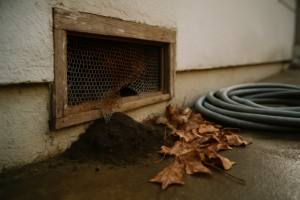
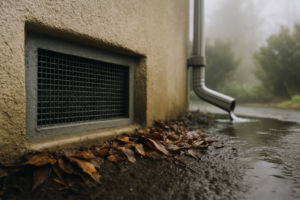
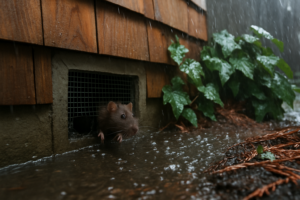
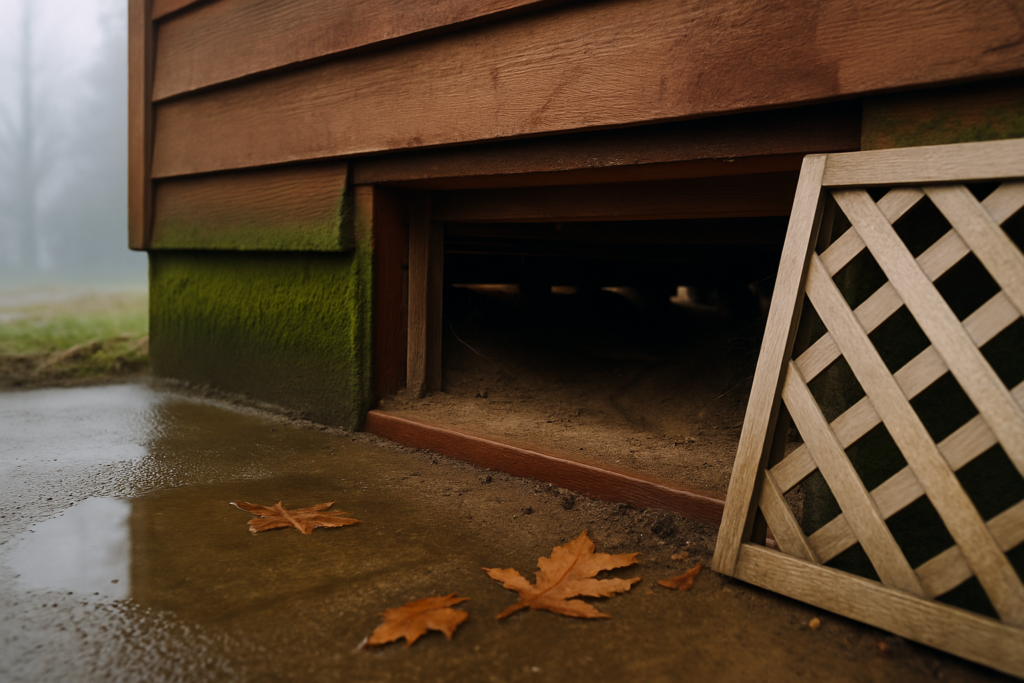
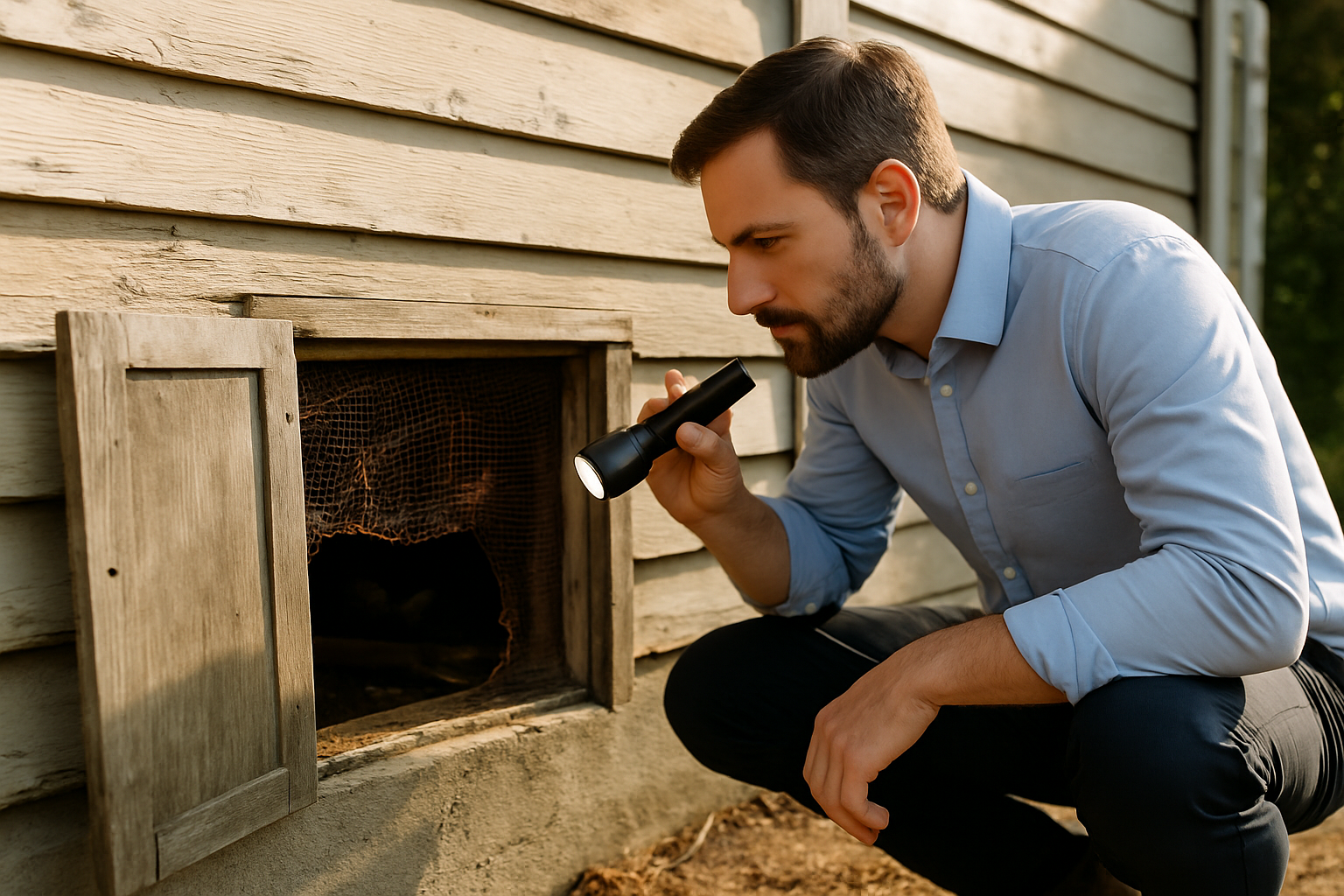
Deteriorated crawl space vent screens are probably the most common finding I see. Coastal humidity accelerates rust and mesh breakdown faster than it would in an inland climate. A screen that looked fine three years ago may now have quarter-sized gaps a rat can push through without effort.
Gaps around mini-split HVAC penetrations are another one. When a ductless mini-split unit is installed through an exterior wall, that penetration needs to be sealed tightly. A lot of installations leave a gap around the conduit or line set, sometimes just a centimeter, which is plenty for a mouse.
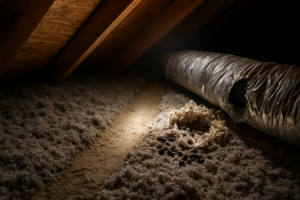
Roof line gaps where clay tile meets fascia board show up on older properties with original roofing. As tile shifts and fascia weathers, small openings form at the roofline that give rats direct access to the attic.
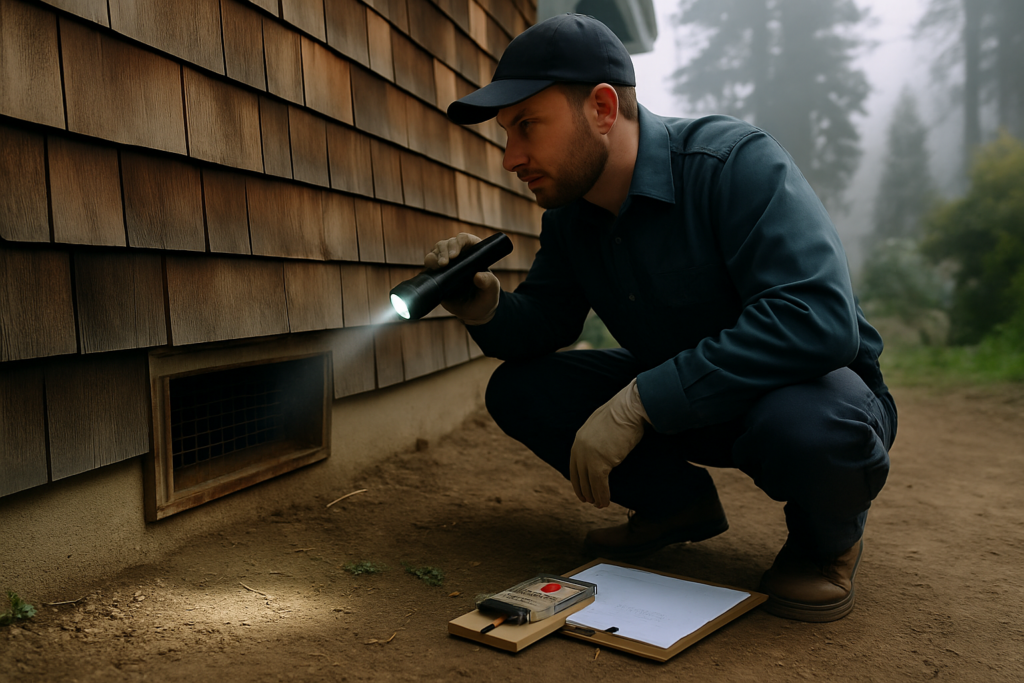
Finding these points matters more than almost anything else. One customer left a review describing Matthew West finding two penetrations in exterior walls where mice were entering and addressing them the same day. That outcome, locating the actual entry and closing it, is what separates a real solution from a trap-and-hope situation. If you’re evaluating pest control quotes for a rental, ask specifically: does the inspection include identifying and addressing entry points, or just setting traps? Those are very different services. You can also read more about what the rodent exclusion and sealing process actually looks like before your inspection appointment.
What Questions to Ask When Getting a Pest Control Quote for a Rental
Not every pest company approaches a rental property the same way. Some will set exterior bait stations and call it done. Others will do a real structural inspection and explain exactly what they found and why.
When you’re vetting a quote for a rental situation, here are the questions worth asking directly:
- Does the inspection include a crawl space check? If not, you may be missing the most common entry point entirely.
- Will you identify the specific entry points? You want a company that can point to the hole, not just confirm there are rats.
- What do you recommend for closing entry points? Ask whether that work is included in the quote or separate.
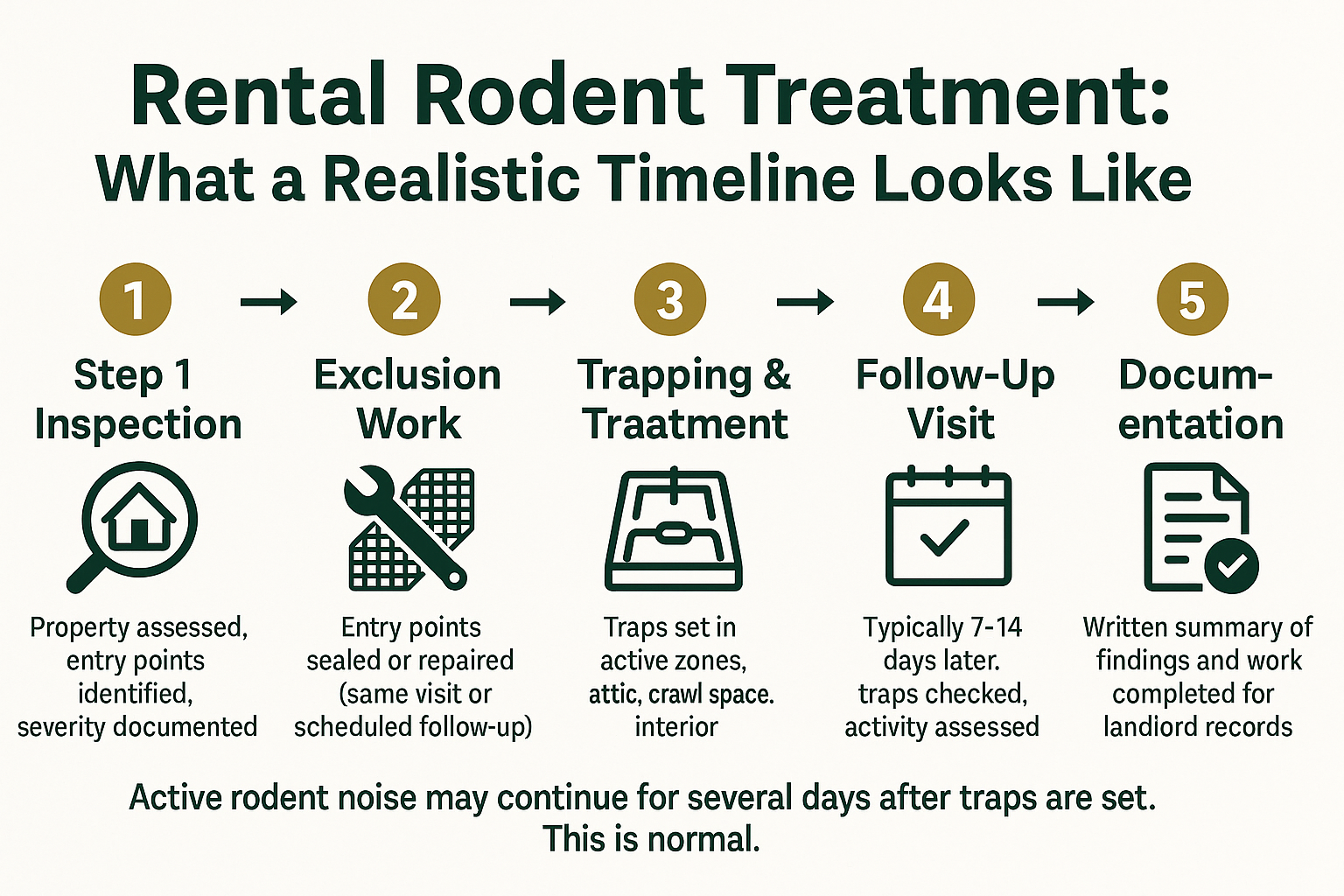
- What does the treatment process look like after the inspection? Understand the sequence, inspection, exclusion, trapping, follow-up, before you commit.
- How do you communicate findings to the property owner? For a rental, you need documentation, not just a verbal report.
Documentation matters here in a way it often doesn’t for owner-occupied homes. Keep a written record of the inspection date, findings, and treatment steps. That paper trail protects you if a tenant dispute escalates later.
From Inspection to Treatment: A Realistic Timeline
One of the most common mistakes landlords make is promising tenants a specific resolution date. Here’s a honest look at what the process actually looks like, step by step.
How to Talk to Your Tenant While Work Is in Progress
This part of the rental rodent situation doesn’t get talked about enough, and it’s where landlords get into trouble.
The instinct is to reassure the tenant quickly, to say the problem will be handled by a specific date, or that after the first treatment everything will be resolved. I understand why landlords do that. But it often sets up a difficult follow-up conversation.
Rodent activity in an attic or crawl space does not always stop the day traps are set. Rats that are already inside the structure may take several days to contact traps. And in some cases, additional follow-up visits are needed once the initial entry points are addressed.
The honest framing for your tenant is: the problem is being actively treated, not that the problem is resolved. There’s a real difference between those two statements, and your tenant will respect the distinction more than a promise that doesn’t hold.
A few things that help:
- Tell the tenant the inspection date and what was found.
- Share that entry points have been identified and addressed.
- Explain that trapping is in place and a follow-up visit is scheduled.
- Commit to updating them after the follow-up, not before.
That kind of communication doesn’t over-promise, and it shows the tenant you’re taking it seriously. You can also point them toward general information about the difference between a rodent problem and a rodent infestation so they understand what the treatment process involves.
Rental vs. Owner-Occupied: How the Approach Differs
The pest issue may be identical, but what a landlord needs from a pest control company is different from what a homeowner needs for their own residence.
| Consideration | Owner-Occupied Home | Rental Property |
|---|---|---|
| Primary goal | Resolve infestation, protect home | Resolve infestation, document work, satisfy tenant |
| Inspection documentation | Nice to have | Important to keep on file |
| Communication needs | Technician talks to homeowner | Technician findings shared with landlord clearly |
| Tenant communication | N/A | Landlord manages this separately, with realistic framing |
| Timeline pressure | As soon as possible | Often tied to tenant deadlines or move-in dates |
| Entry point repair | Address as part of treatment | Critical to document, protects landlord if issue recurs |
Frequently Asked Questions About Rats in Santa Cruz Rental Properties
My new tenants are moving in soon and I just found out there’s a rodent problem. What should I do first?
Get an inspection scheduled before move-in if at all possible. A qualified technician can identify where rats or mice are getting in, address those entry points, and set trapping in the areas of active activity. Moving tenants into a property with a known, untreated rodent problem is the scenario you most want to avoid, both practically and legally. If the move-in date is hard, be honest with the tenant about where things stand rather than hoping the problem resolves itself.
Can I just set traps myself and skip the professional inspection?
You can, but traps alone usually don’t solve the problem if the entry points are still open. New rats will replace the ones you catch. The inspection exists to find the how and the where, which is what actually stops the cycle. For a rental property, skipping the inspection also means you have no documentation of findings or treatment, which matters if questions come up later.
How long before my tenant can expect the problem to be fully resolved?
This depends on the severity of the infestation, how many entry points exist, and whether exclusion work is done promptly. A realistic range from inspection to follow-up is two to four weeks for most situations, though that can vary. What I’d caution against is promising a hard end date to your tenant. Commit to the process and the follow-up visit, not a specific resolution date.
What’s the most common thing technicians find in older Santa Cruz rental homes?
Deteriorated crawl space vent screens come up more than anything else. The coastal climate here accelerates corrosion in a way that doesn’t happen inland, and a lot of older properties in Santa Cruz, Capitola, and Aptos have original screens that are simply worn through. Mini-split HVAC penetrations and roofline gaps where tile meets fascia are also very common. These aren’t unusual findings, they’re the expected reality of older coastal construction.
Does California law require me to disclose a past rodent problem to a new tenant?
California has specific disclosure requirements for rental properties, and past pest infestations can fall within them depending on the circumstances. This is a question for a real estate attorney or a review of current California landlord-tenant law, not something a pest control company can advise on definitively. What I can say is that having documentation of a professionally treated and resolved infestation is far better than having no record at all.
Is rat poison safe to use in a rental property with tenants living there?
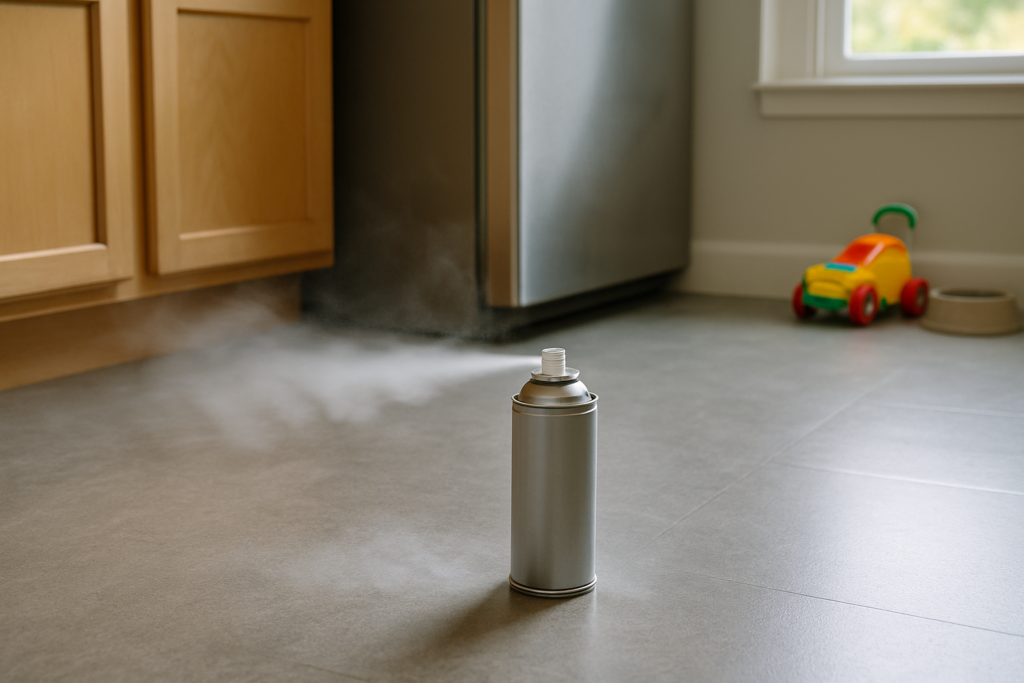
This is worth understanding before you or any company sets bait. California’s rodenticide rules have changed significantly in recent years, and certain second-generation anticoagulant rodenticides are now heavily restricted for general use. You can read more about how California’s rat poison rules affect Santa Cruz homeowners and rental properties. The short answer: a professional using current compliant methods is the right approach, especially in a property where children or pets may be present.
Need an Inspection Before a Tenant Deadline?
West Pest Co. serves landlords and property managers throughout Santa Cruz County, including Pleasure Point, Aptos, Capitola, Scotts Valley, and the surrounding communities. If you’re managing a rental situation with a hard timeline, calling ahead helps, Matthew often answers directly and can talk through what the inspection will cover before you book. Reach out at (831) 430-8402 or visit westpestco.com to get started.