Direct Answer: In Santa Cruz’s year-round humid, coastal climate, common cockroach deterrents lose much of their effectiveness because ambient moisture removes one of the main behavioral levers those products rely on.
A lot of Santa Cruz homeowners who reach out about cockroaches aren’t even sure they have a cockroach problem yet. They spotted something outside at night, or a neighbor mentioned it, and now they’re searching for natural cockroach repellents just to be safe. That research instinct is smart, but the advice they find online was usually written for dry, inland climates, and it doesn’t always translate here.
Santa Cruz’s coastal environment, the daily marine layer, the year-round humidity pushing through older crawl spaces, the mild winters that never really kill anything off, changes how roaches behave. And when roach behavior shifts, the logic behind common deterrents shifts with it.
This article walks through why that happens, what deterrents can still realistically accomplish in a coastal setting, and how to tell whether you’re in early-stage research mode or dealing with something that actually needs treatment.
How Deterrents Are Supposed to Work, and What Coastal Humidity Does to That
Most scent-based cockroach deterrents, cedar, peppermint oil, eucalyptus, bay leaves, operate on a simple principle: roaches find the smell unpleasant and choose to travel somewhere else instead. In drier inland climates like Fresno or the Central Valley, moisture-seeking behavior is one of the strongest drivers of roach movement. A roach in a hot, dry environment is constantly looking for water, and deterrents placed near moisture sources can genuinely redirect where it goes.
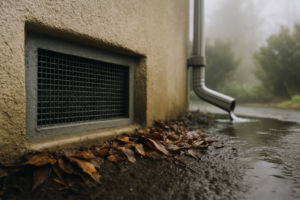
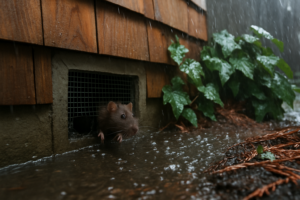
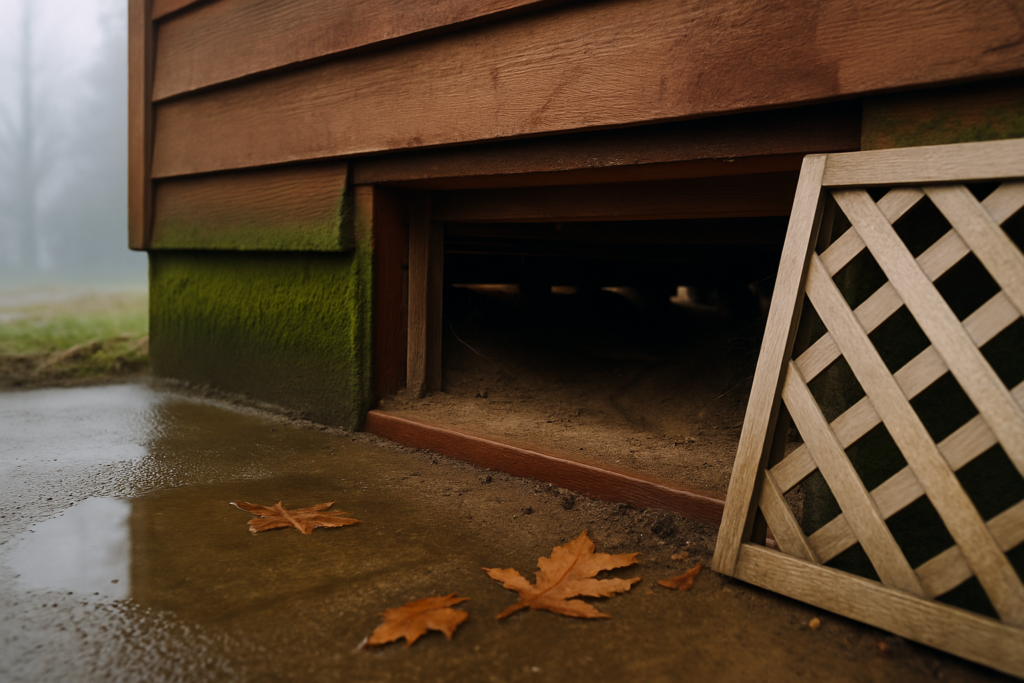
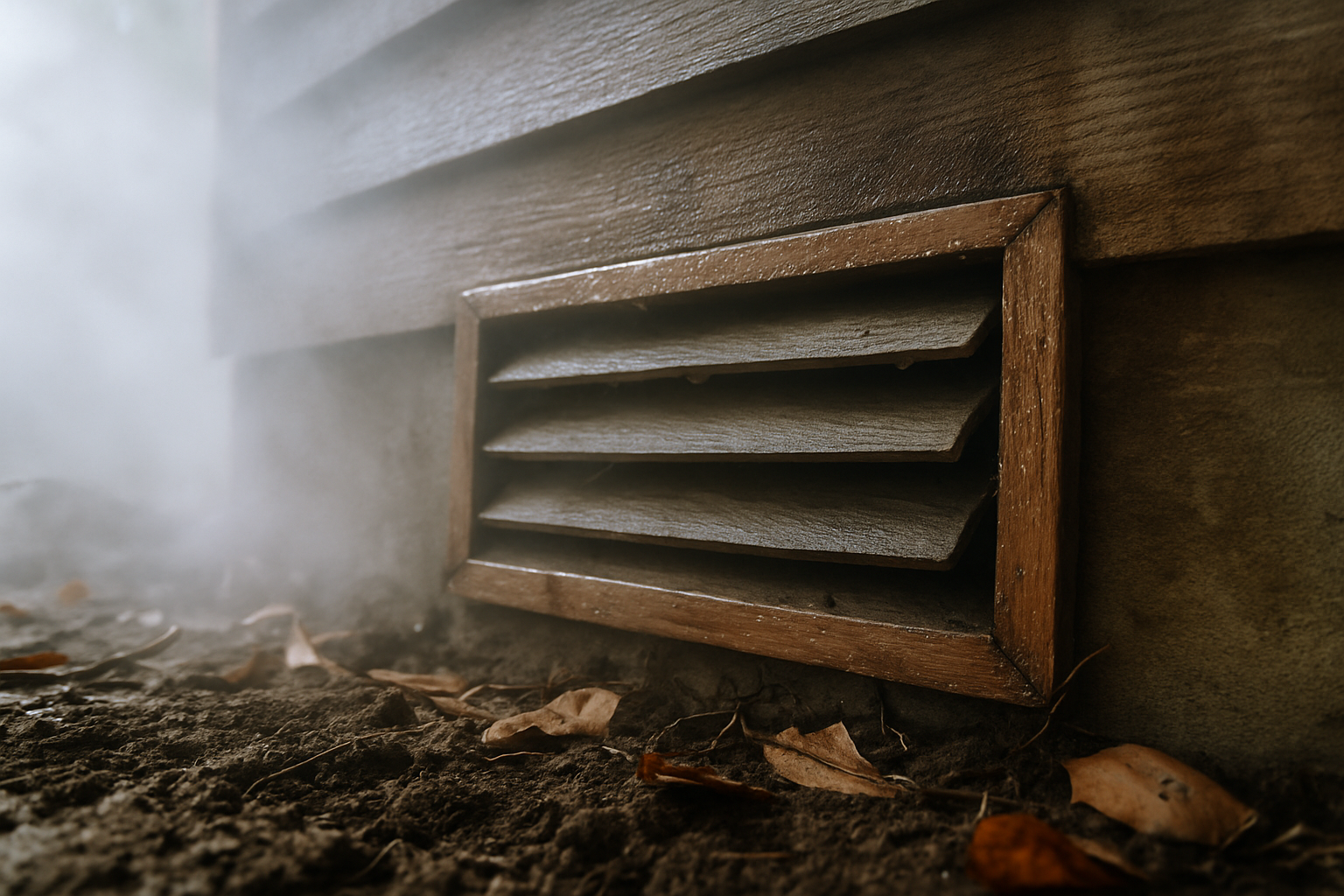
In Santa Cruz, that lever works differently. Ambient humidity along the coast stays high enough that roaches aren’t in a desperate search for a single water source. When moisture is everywhere, seeping through crawl space vents in Soquel, condensing on pipes under a Capitola bungalow, soaking into the soil around older foundations in the Westside, a scent-based barrier near the kitchen faucet just doesn’t carry the same weight.
This isn’t a reason to panic. It’s just a reason to recalibrate what you expect from a deterrent. Scent-based products can still push roaches away from a very specific spot, but they are unlikely to redirect a population that has already found comfortable, moisture-rich harborage nearby.
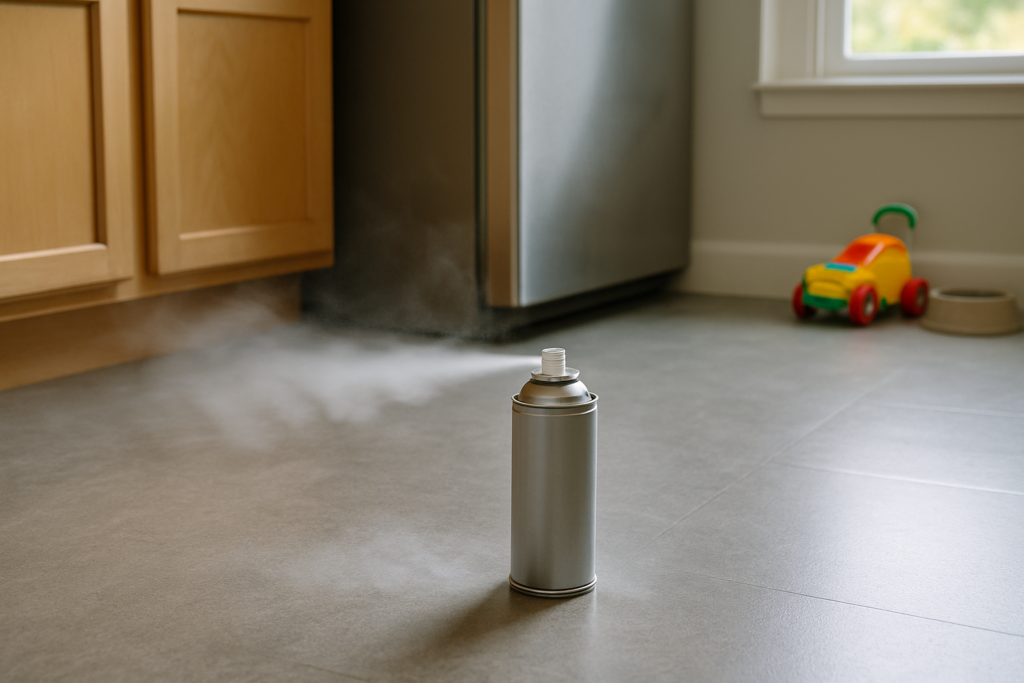
Diatomaceous earth is worth separating out here. Unlike scent deterrents, food-grade diatomaceous earth works by physically damaging the waxy outer layer of a roach’s exoskeleton, causing it to dehydrate. The catch in a coastal climate: diatomaceous earth loses effectiveness when it gets wet or clumps from humidity. In a dry pantry cabinet it can hold up reasonably well. In a damp crawl space or under a sink with any moisture issue, it breaks down faster than most people expect.
The Santa Cruz Winter Problem: No Cold Kill-Off
Inland homeowners get a natural reset every winter. A hard frost or sustained cold snap kills off a meaningful portion of cockroach populations outdoors, which is one reason spring infestations in those areas often start from scratch. Santa Cruz doesn’t get that reset.
Winter temperatures along the coast rarely drop low enough to stress cockroach populations. German cockroaches indoors stay active year-round in any heated structure. Oriental cockroaches, which prefer cool, damp environments, actually do well in Santa Cruz’s outdoor conditions well into December and January, which is not typical for most of California.
What this means practically: a deterrent applied in October that slows activity isn’t eliminating anything. The population is still there through the wet season, often sheltering in crawl spaces or exterior mulch beds. When warmer weather returns in spring and soil temperatures rise, activity picks back up from a population that never really declined.
This is worth knowing if you’ve tried deterrents seasonally and felt like they worked for a while, they may have, at the surface level. But the underlying conditions in a coastal home don’t change the way they do further inland, so the return pattern is more persistent.
If you’ve been seeing roaches come back in the same spots year after year, the existing page on why cockroaches keep coming back after you’ve tried everything goes deeper on that cycle.
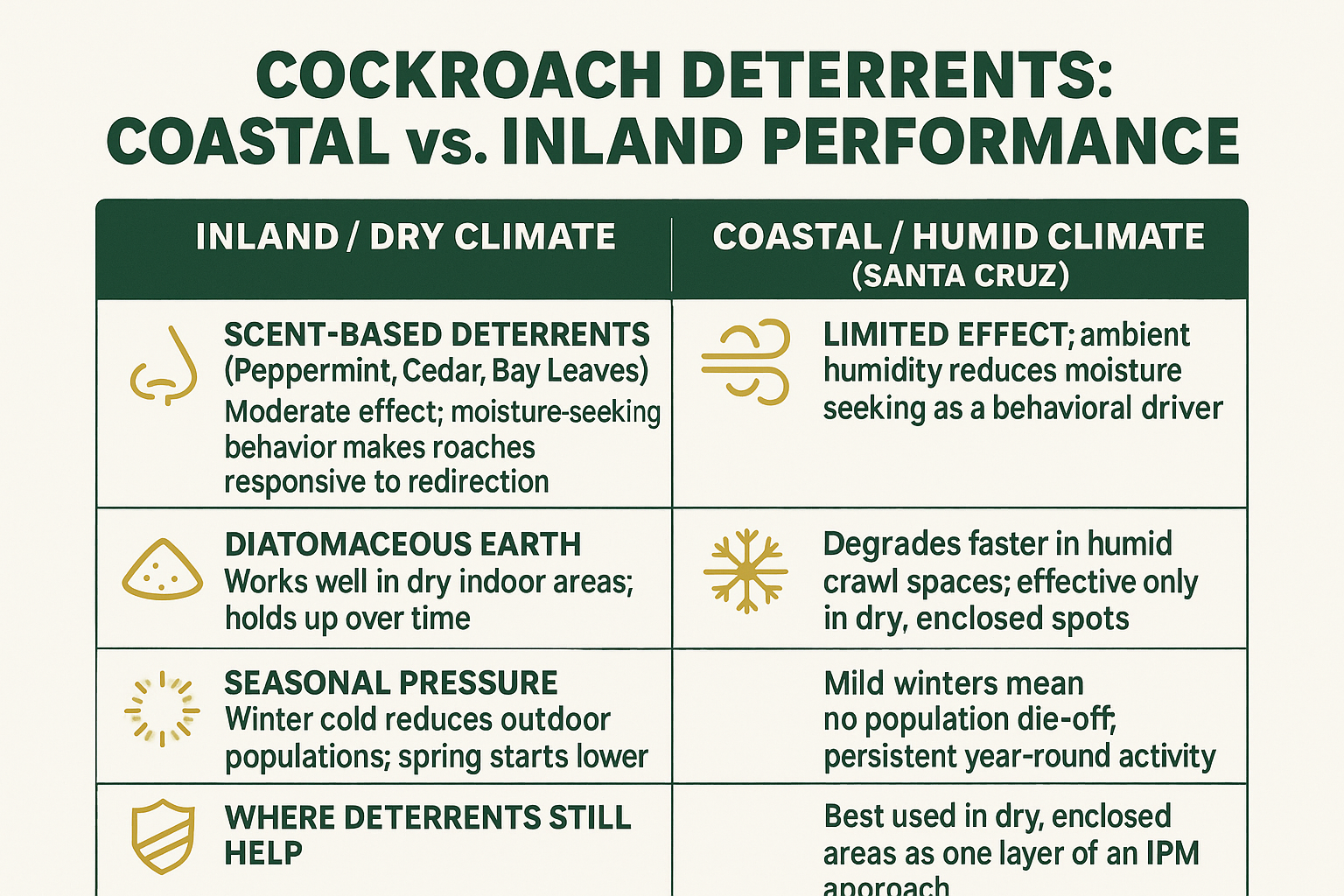
How Common Deterrents Perform in Coastal vs. Inland Conditions
This comparison shows how the same deterrent methods land differently depending on the climate they’re used in.
Are You Actually Dealing With a Cockroach Problem?
Here’s something I see pretty often: a homeowner submits a contact form asking about cockroach control, but when you read the message, they’re actually asking about ants, or they’re not sure which pest they have at all. One recent inquiry that came in under cockroach control was actually from a homeowner asking about the least-toxic ant treatment option because they had a new puppy in the house. That kind of early-stage uncertainty is completely normal.
A lot of Santa Cruz residents searching for natural cockroach repellents are in that same research phase, they spotted something, they want to be prepared, but they haven’t confirmed they have an infestation. That’s worth untangling before spending time or money on deterrents.
Some honest signals to help you sort it out:
- You saw one roach outside at night, this is often normal behavior, not an indoor infestation signal. Roaches forage outside. The article on cockroaches outside at night walks through when that’s worth acting on.
- You found one indoors, worth monitoring, especially near moisture. Check under the sink, behind the refrigerator, and around any pipe penetrations.
- You’re seeing them regularly indoors, especially in daylight, this is a stronger signal. Daytime roach activity often means a population large enough that competition for harborage is pushing them into the open.
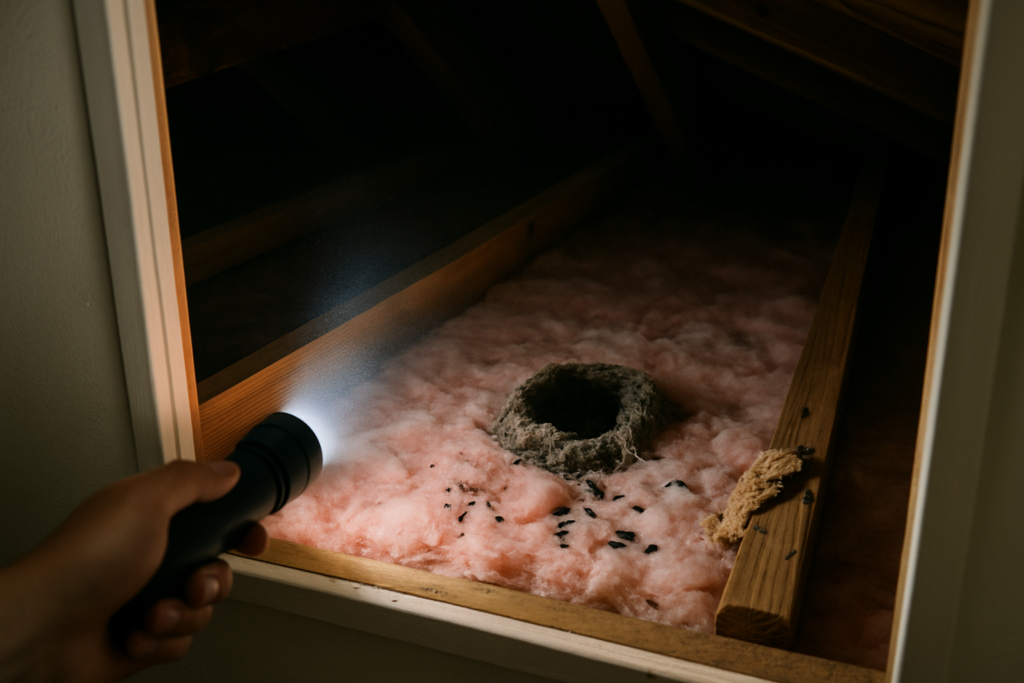
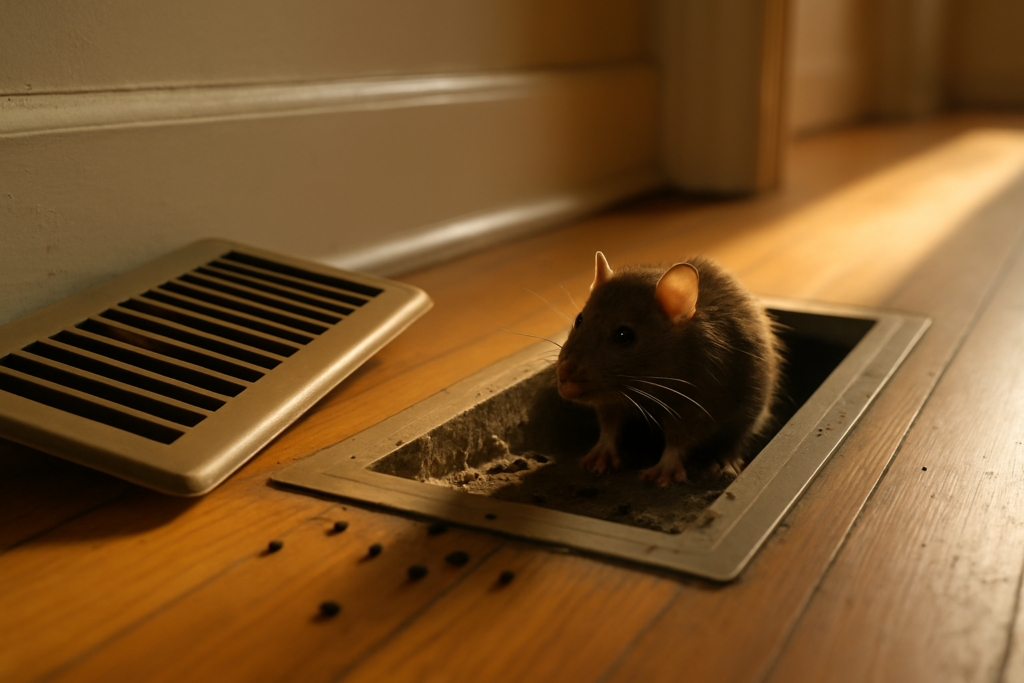
- You’re seeing droppings, small, dark specks that look like coffee grounds, often near cabinet hinges, under appliances, or along baseboards.
- You’re noticing a faint musty odor, larger infestations produce a distinctive smell from aggregation pheromones.
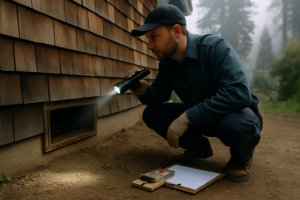
If you’re in the first category, deterrents as a precautionary measure make reasonable sense. If you’re in the third or beyond, deterrents alone are unlikely to move the needle, and it’s worth getting a professional eye on what’s actually there. A good overview of what a proper inspection involves is covered in what pest inspectors actually look for inside your home.
When Deterrents Make Sense vs. When to Call a Professional
This is a rough decision guide based on what I typically see in Santa Cruz homes. It’s not a substitute for an inspection, but it helps calibrate expectations.
| Situation | Deterrents Appropriate? | What to Consider Next |
|---|---|---|
| Single sighting outdoors at night | Yes, as precaution | Monitor indoors; check moisture sources |
| Single sighting indoors, no other signs | Yes, alongside monitoring | Check under sinks and behind appliances for more signs |
| Recurring indoor sightings, no droppings | Partial, one layer only | Look for harborage sites; consider inspection |
| Droppings found, musty odor present | No, population likely established | Professional inspection recommended |
| Daytime roach activity indoors | No | Strong infestation signal; contact a professional |
| Damp crawl space or known moisture issue | Limited, DE degrades in humidity | Address moisture first; deterrents alone won’t hold |
Where Natural Deterrents Still Have a Legitimate Role
I don’t want to leave the impression that deterrents are useless here, they’re just not standalone solutions in a coastal climate. In an IPM-based approach, deterrents can serve as one layer, especially for households with young children or pets where minimizing chemical exposure is a real priority.
The UC Integrated Pest Management Program describes cockroach management as most effective when it combines inspection, sanitation, exclusion, and targeted treatment, with chemical intervention reserved for when other methods aren’t sufficient. That framework maps well onto how the most effective treatments in Santa Cruz actually get applied.
What deterrents can realistically do in a Santa Cruz home:
- Reduce activity in a specific, already-dry zone, a sealed pantry cabinet with low humidity, for example, is a reasonable place to use cedar blocks or bay leaves as a light deterrent layer.
- Buy time while you address root conditions, fixing a dripping pipe or improving crawl space ventilation takes time; a deterrent near an active entry point can slow travel while you work on the bigger fix.
- Support an IPM plan as a non-chemical supplement, after a professional treatment addresses an active population, deterrents in key spots can be one part of reducing re-entry pressure.
What they cannot do: eliminate an established population, compensate for a moisture problem, or reliably redirect roaches that have already found harborage inside the structure. If you’ve been relying on deterrents for more than a few weeks and activity hasn’t changed, that’s usually the signal that you’ve moved past what deterrents can handle on their own. The article on when to stop handling a pest problem on your own lays out those thresholds clearly.
Frequently Asked Questions About Cockroach Deterrents in Santa Cruz
Does peppermint oil actually repel cockroaches?
It can, in the right conditions. Peppermint oil has shown some repellent effect in controlled settings, but the operative word is ‘controlled.’ In a humid Santa Cruz home, the oil disperses quickly and loses concentration fast. It may slow roach movement past a treated spot for a short window, but it won’t stop a population that has already established itself nearby. Think of it as a very light layer, not a solution.
Is diatomaceous earth safe to use around kids and pets?
Food-grade diatomaceous earth is generally considered low-risk for mammals when used appropriately, it’s the inhalation risk during application that warrants caution, not residual exposure. Avoid applying it anywhere pets or children can disturb it into the air. A dry, enclosed cabinet or the back corner of a pantry shelf is a more appropriate application zone than an open floor area. If you have respiratory concerns in your household, talk to a professional about alternatives before applying it yourself.
I only see roaches outside at night. Should I be worried about an indoor infestation?
Not necessarily. Cockroaches are naturally nocturnal foragers and outdoor sightings at night are common along the coast, especially near garden beds, compost, or exterior moisture sources. The concern rises when you start seeing them indoors, finding droppings, or noticing activity during the day. A single outdoor sighting near a patio or trash area in Aptos or Soquel is usually not an emergency, but it’s worth checking entry points around doors and utility penetrations just to be thorough.
Can I use natural deterrents if I have a dog or cat?
Most scent-based deterrents, cedar, bay leaves, diatomaceous earth in enclosed spaces, are low-risk for pets when used as directed. The one to watch is essential oil concentrations: undiluted essential oils applied to surfaces pets contact directly can cause skin irritation or, in cats especially, more serious reactions if ingested. Keep applications to closed cabinet interiors or areas pets can’t access, and check with your vet if you’re uncertain about a specific product.
How do I know when I’ve moved past deterrents and actually need a professional?
A few clear signals: you’re finding droppings in multiple locations, you’re seeing roaches indoors during daytime hours, you’ve noticed a musty or oily smell in a cabinet or under an appliance, or you’ve applied deterrents consistently for several weeks with no reduction in activity. Any one of those tells me the population is already established enough that deterrents are just working around the edges. At that point, a proper inspection to identify harborage sites and entry conditions will do more than any product you can apply yourself.
Still Not Sure What You’re Dealing With?
If you’re somewhere in the middle, not certain you have a roach problem, but not quite comfortable ignoring it either, that’s exactly the kind of situation worth a quick conversation. West Pest Co. serves homeowners throughout Santa Cruz County, including Aptos, Capitola, Soquel, and Scotts Valley, and Matthew West is often the one who picks up the phone. You can reach the team directly at (831) 430-8402 or visit westpestco.com to learn more about how they approach cockroach control and eco-friendly treatment options.