Welcome to your guide for keeping a healthy, pest-free garden in Santa Cruz County. Our special coastal climate, from the redwood hills to sunny beaches, is great for plants. But it also creates a year-round home for pests. Many people worry about indoor pests like ants and spiders, but a healthy home starts with a healthy yard. Pests that live outdoors, like gophers, aphids, and rodents, can quickly damage the gardens you work so hard on.
In a green-minded community like Santa Cruz, using harsh chemicals is often not the best choice. These chemicals can harm bees, pets, and our local environment. Gardeners here need smart, safe ways to manage pests that fit our local values. This guide gives you practical, season-by-season tips to handle common garden pests without hurting your yard's health.
This list of year-round garden pest tips for Santa Cruz yards will help you protect your outdoor space all year. We will cover how to stop rodents in the winter, manage aphids on your summer veggies, and deal with yellow jackets in the fall. You'll learn how to spot problems early, use natural fixes, and know when it’s time to call a professional. Let's get started on keeping your garden beautiful all year long.
1. Winter Rodent Proofing and Sealing (November-February)
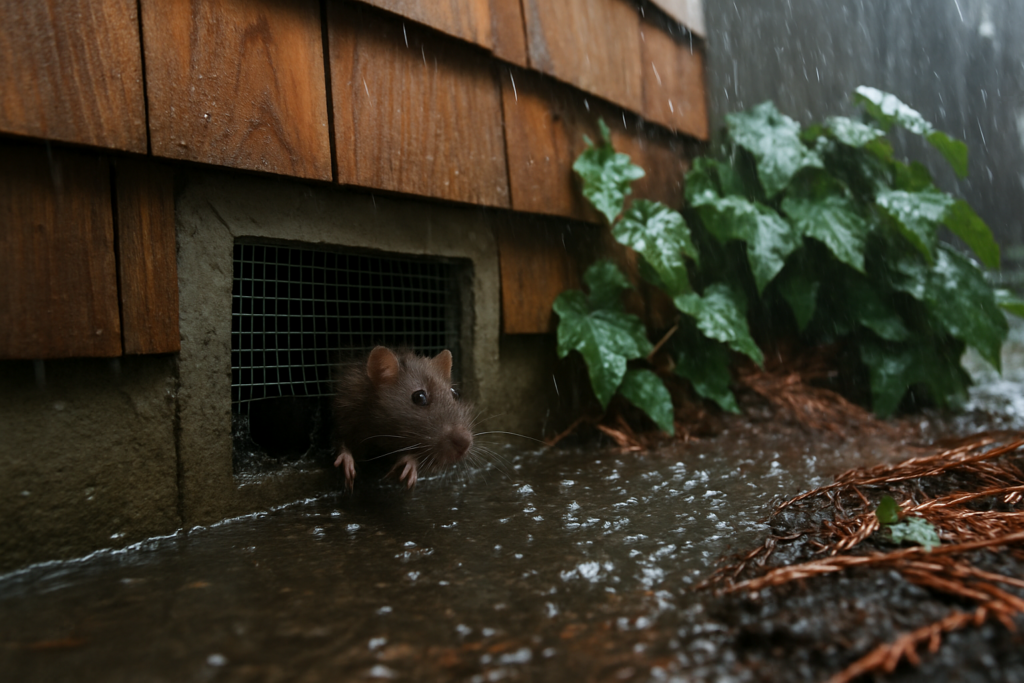
When it gets cooler and food outside is harder to find, rodents like rats and mice look for warm shelter. Our mild Santa Cruz winters make our homes and sheds very inviting to them. Winter rodent proofing is a smart plan to find and seal up holes where they can get in before they move in. This stops an infestation from ever starting and protects your property from the damage and stress rodents cause.
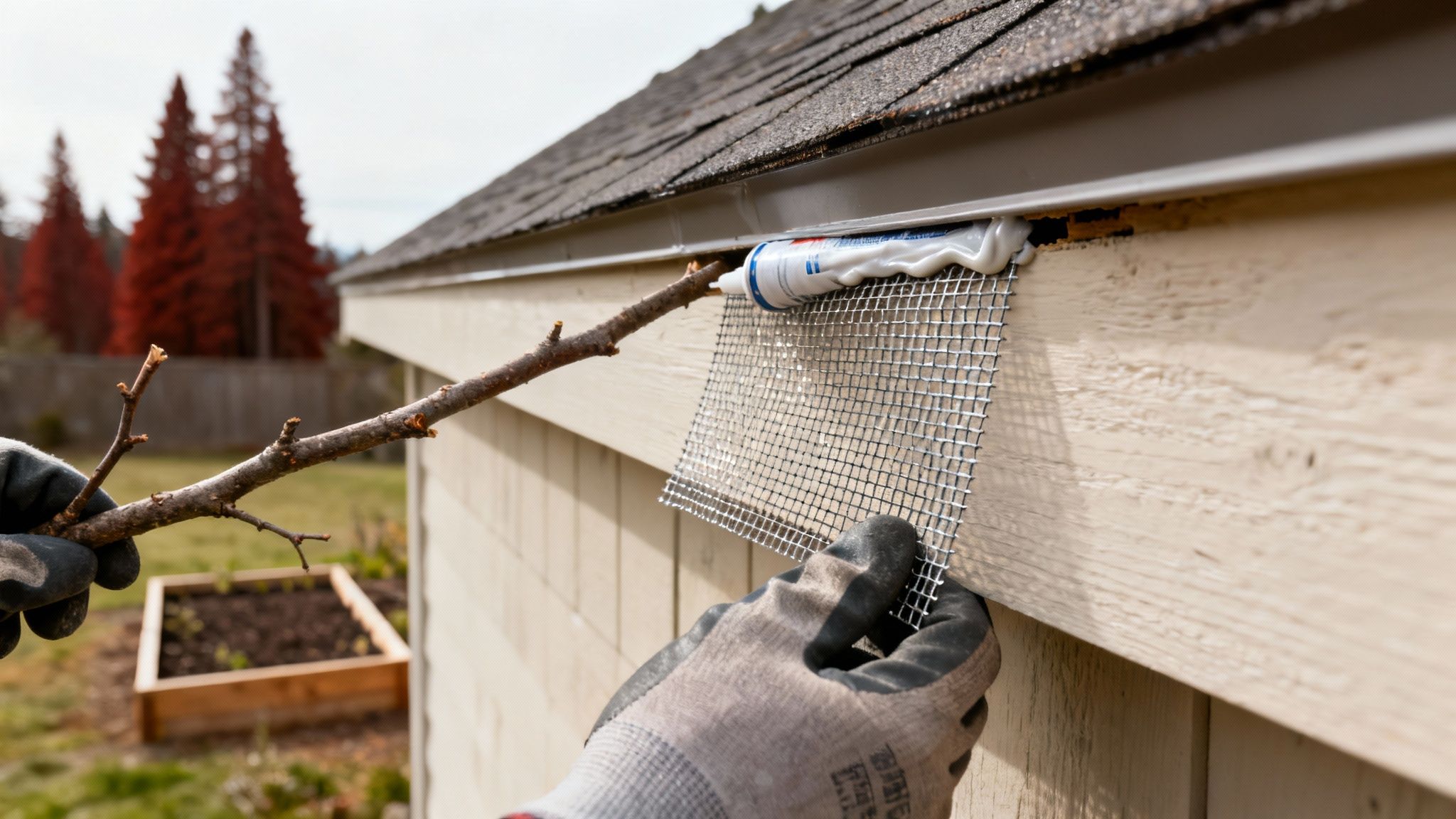
Unlike setting traps after you hear scratching, sealing your home is a permanent fix. For example, some homeowners in Capitola stopped rodents from damaging their gardens by sealing their homes and covering their compost piles. The goal is to make your home impossible for them to enter. This is one of the best year-round garden pest tips for Santa Cruz yards because it lowers the number of rodents living near your property.
Key Actions for Rodent Proofing
To keep rodents out, you need to check your home carefully and seal it up. Start this in the late fall, around September or October, before the first cold nights arrive.
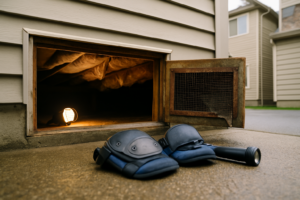
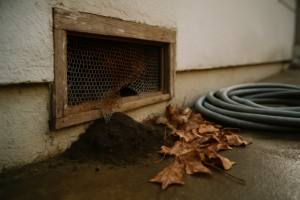
- Inspect and Seal: Check the outside of your home from the ground to the roof. Look for cracks, gaps around pipes, and other small openings. A mouse can fit through a hole the size of a dime.
- Use Strong Materials: Seal gaps with materials rodents can't chew through, like steel wool, wire mesh, and strong caulk. West Pest Co. uses safe, no-chemical methods to seal these entry points.
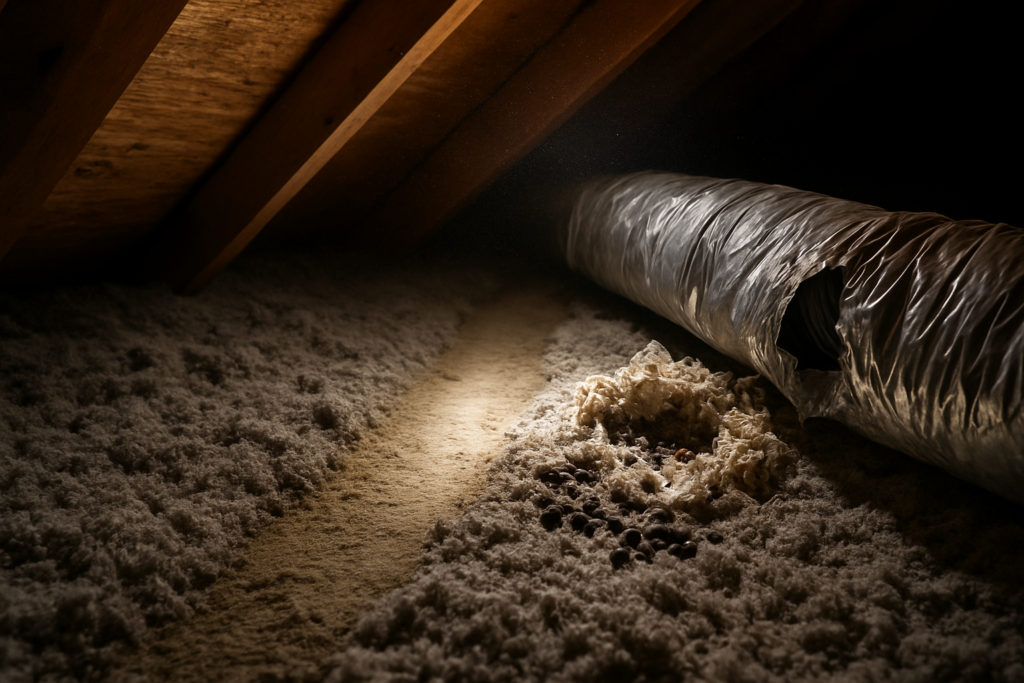
- Remove "Ladders": Trim tree branches so they are at least six feet away from your roof. Roof rats are great climbers and use branches to get into your attic.
- Secure Outdoor Food: Make your yard less attractive. Pick up fallen fruit, bring pet food inside at night, and make sure your garbage cans have tight lids.
For more details on keeping your home secure, check out our guide on mouse proofing your home.
2. Natural Aphid and Whitefly Control (Spring-Summer)
The sunny weather in Santa Cruz during spring and summer is perfect for insects like aphids and whiteflies. These pests can quickly take over your vegetables and flowers. They cause yellow leaves, slow growth, and a sticky residue called "honeydew." Using natural methods to control them helps protect good insects like bees and keeps your garden healthy without harsh chemicals.

Instead of a one-time chemical spray, this approach creates a garden that can defend itself. For example, a recent study found that releasing ladybugs in a garden can reduce aphid populations by more than 70% in just a few weeks. This method is one of the best year-round garden pest tips for Santa Cruz yards because it builds a healthy, balanced environment in your garden.
Key Actions for Natural Pest Control
A good natural plan starts with finding pests early and taking action right away. Start checking your plants each week in March as the weather warms up.
- Check Your Plants: Look at your plants every week. Pay close attention to the undersides of new leaves where aphids and whiteflies like to hide.
- Introduce Good Bugs: Release helpful insects like ladybugs or lacewings when you first see pests. These "good bugs" eat the pests and keep them from taking over. Planting flowers like alyssum and dill can also attract these helpers naturally.
- Use Safe Sprays: If you need to spray, use neem oil or insecticidal soap. Spray in the early morning or late evening when bees are not active.
- Plant Smart: Plant native flowers like California poppies and sage near your garden. These plants give a home to the good insects that eat pests.
A strong spray of water from your hose can also knock many aphids and whiteflies off your plants. For more tips on safe and effective pest control, learn about mastering organic aphid control.
3. Gopher Control for Gardens (Year-Round, with a Focus in Spring)
Gophers are a common problem in Santa Cruz County, digging tunnels that can ruin gardens and lawns. Managing gophers is an ongoing job that includes putting up underground barriers and trapping. Gophers are active all year, but they do the most damage in the spring when they dig new tunnels and have babies. This makes spring the most important time to act.

Just getting rid of the dirt mounds is not enough. You need a full plan to stop gophers from eating plant roots and ruining your yard. For example, a homeowner in Scotts Valley stopped a gopher problem by using traps and installing wire mesh underground around their vegetable garden. This is one of the most important year-round garden pest tips for Santa Cruz yards because it protects your plants from damage you can't see.
Key Actions for Gopher Management
To protect your garden, use a few different methods. Start looking for fresh mounds in early spring (March-April), which is a sign of high activity.
- Install Underground Barriers: Before you plant, protect your garden beds by lining them with hardware cloth (wire mesh). Dig a trench at least 12 to 18 inches deep to stop gophers from burrowing under.
- Make Your Yard Less Tasty: Gophers love to eat clover and alfalfa. Removing these plants can make your yard less attractive to them.
- Use Traps: If you have gophers now, place traps in their main tunnels. You can find these tunnels by poking a stick into the ground between two fresh mounds.
- Check Regularly: Check your traps every day. Removing gophers quickly stops them from causing more damage.
For long-term gopher prevention, planting things they don't like to eat can help. You can find a list of beautiful and tough options in our guide to gopher-resistant plants.
4. Late Summer Wasp and Yellow Jacket Prevention (August-October)
In late summer and early fall, wasps and yellow jackets are most active in Santa Cruz County. Their colonies are at their biggest, and they become more aggressive as they search for food. This can make them a problem at outdoor picnics and barbecues. It's important to watch for them and manage nests during this time to prevent painful stings.
Instead of waiting for a problem, this plan focuses on finding and safely removing nests before they get too big. This is one of the smartest year-round garden pest tips for Santa Cruz yards because it handles the threat when it is most dangerous. It helps keep your family safe while you enjoy the last days of summer.
Key Actions for Wasp and Yellow Jacket Control
To keep your yard safe, start looking for wasp activity in July and August. Acting early can stop a big problem from developing.
- Find Nests: Watch where wasps are flying. Yellow jackets often nest in the ground, while paper wasps build nests you can see under the eaves of your house or on play structures.
- Remove Nests Safely: It is always safest to have a professional remove a nest. If you must do it yourself, do it in the early morning or late evening when the wasps are less active.
- Remove Food Sources: Keep garbage cans tightly sealed. Clean up fallen fruit from trees and don't leave sugary drinks or pet food outside.
- Use Traps: In the summer, place wasp traps away from where people sit. This can help catch them before they bother you.
Dealing with stinging insects can be tricky. For safe and professional help, you can find more information about our wasp nest removal services.
5. Spring Carpenter Ant Prevention (February-May)
When spring arrives in Santa Cruz, carpenter ants wake up and start looking for places to build new nests. From February to May, they are very active. These ants don't eat wood, but they dig tunnels in it to live. This can cause serious damage to homes, decks, and sheds over time. Our area's redwood trees and older wooden homes create the perfect home for these pests.
Finding carpenter ants early is the best way to avoid expensive repairs. For instance, a homeowner in Boulder Creek saw some fine sawdust near a window in March. They found a small carpenter ant colony and took care of it right away, preventing major damage. Acting fast is one of the most important year-round garden pest tips for Santa Cruz yards because it protects your home's structure.
Key Actions for Carpenter Ant Prevention
To protect your home, make it a place carpenter ants don't want to be. Start these steps in late winter or early spring before they become active.
- Look for Sawdust: Check for small piles of fine wood shavings, which look like sawdust. This is a sign that ants are digging. Look along baseboards, in crawl spaces, and near windows.
- Fix Leaks: Carpenter ants love damp wood. Fix leaky roofs, gutters, and pipes right away. Make sure water drains away from your house.
- Remove "Ant Highways": Trim tree branches and bushes so they don't touch your house. Ants use these as bridges to get to your home.
- Protect Wood: Use a wood preservative on untreated wood like fence posts or decks. This makes it harder for ants to dig into the wood.
If you see large, winged ants inside your home in the spring, it could be a sign of a nearby colony. To learn more about what to look for, read our guide on what carpenter ant holes look like.
6. Gutter Cleaning to Prevent Pests (Fall and Spring)
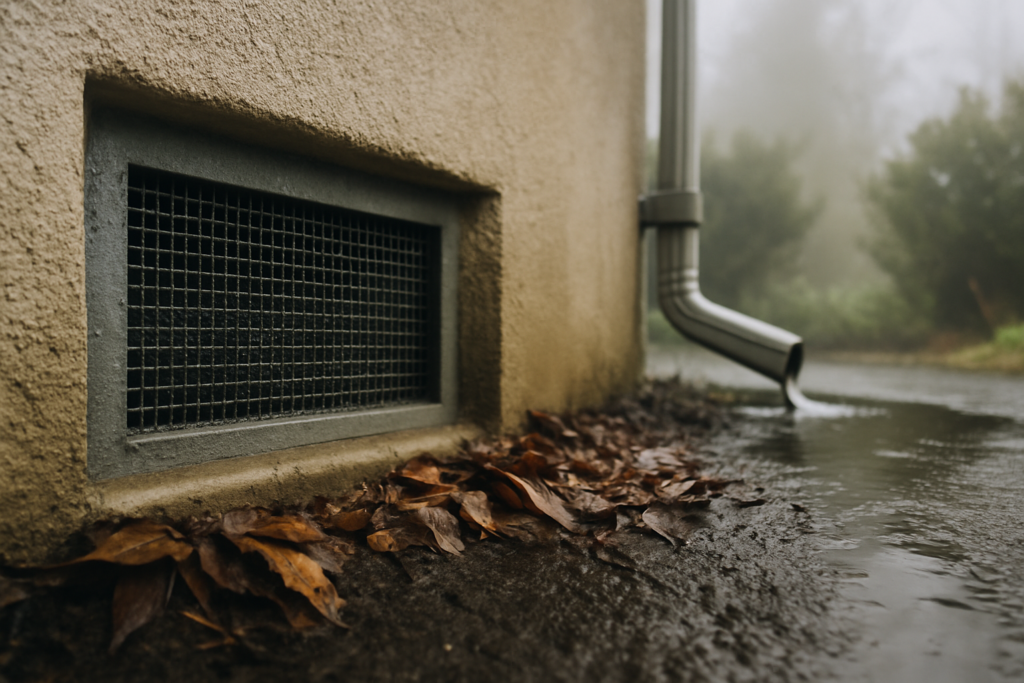
In Santa Cruz, our rainy seasons in the fall and spring can cause leaves and twigs to clog up gutters. This creates a chain reaction of pest problems. Clogged gutters hold standing water, which attracts rodents and gives mosquitoes a place to breed. The moisture can also soften the wood on your house, inviting pests like carpenter ants.
Cleaning your gutters every season is a simple but powerful way to stop many pests at once. Proper gutter care is one of the most overlooked year-round garden pest tips for Santa Cruz yards because it removes the things pests need to survive. It is a small job that prevents big problems.
Key Actions for Gutter Maintenance
To stop your gutters from becoming a home for pests, clean and check them regularly. The best times are in the late fall (September-October) before the heavy winter rains, and again in early spring (March-April).
- Clean Gutters Twice a Year: Make it a habit to clean out leaves and dirt in both September and March. This ensures water can flow freely during the rainiest months.
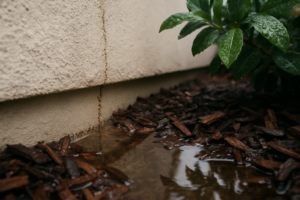
- Extend Downspouts: Make sure your downspouts carry water at least six feet away from your house's foundation. This keeps the ground around your home dry.
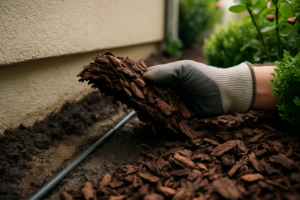
- Remove Debris: Don't leave piles of wet leaves on the ground near your home after cleaning. This material gives pests a place to hide.
- Install Gutter Guards: If you have a lot of trees, consider installing gutter guards. They help keep debris out of your gutters.
For help with this important task, you can look into professional gutter cleaning services to keep your home safe from moisture and pests.
7. Interior Pest Sealing and Cleaning (Year-Round)
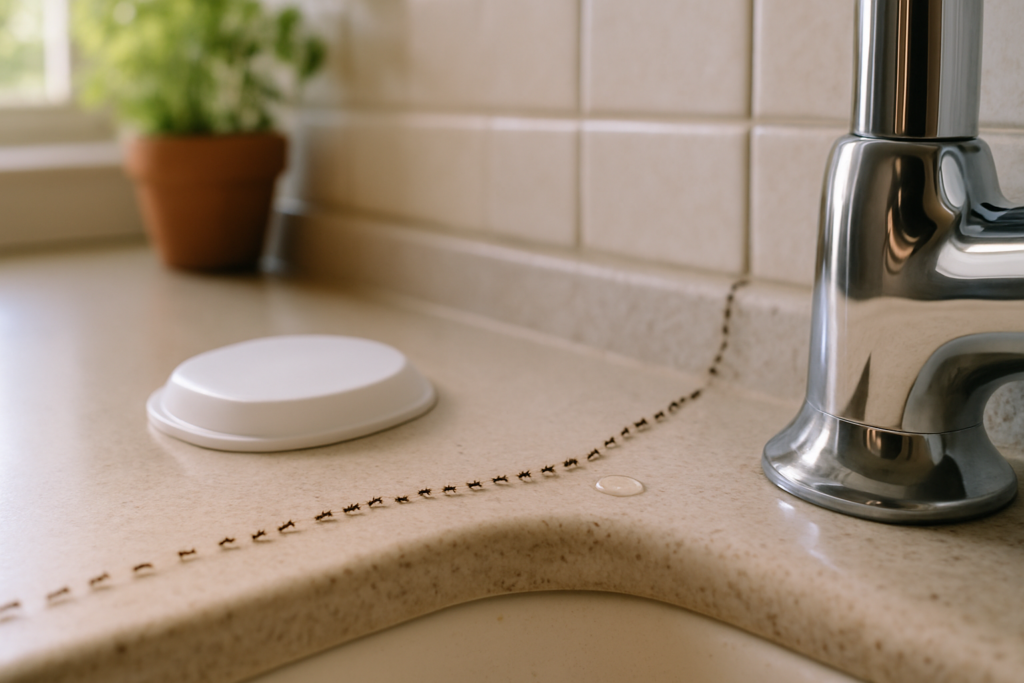
While we often focus on outdoor pests, it's also important to protect the inside of your home. Pests like silverfish, pantry moths, and roaches can live inside Santa Cruz homes, especially during cool, wet months. A good indoor pest plan includes sealing up entry points and keeping things clean. This makes your home a place where pests can't get in or survive.
This is very important for the beautiful older homes in Santa Cruz, which often have small cracks that pests use to get inside. For example, one older home in Santa Cruz got rid of a roach problem not with chemicals, but by sealing 47 small gaps inside and getting rid of cardboard boxes. This shows that sealing and cleaning are key to long-term pest prevention.
Key Actions for an Indoor Program
To make your home unwelcoming to pests, remove their access to food, water, and shelter. This is an ongoing job, but you should check things more carefully in the fall and spring.
- Do an Interior Check: Look for any gaps in your home that are 1/16th of an inch or larger. Check around pipes, behind appliances, and along baseboards.
- Store Food in Sealed Containers: Pantry pests like moths are common here. Put open packages of flour, cereal, and pasta into sealed glass or plastic containers.
- Get Rid of Clutter: Roaches and spiders love to hide in cardboard boxes and old newspapers. Use plastic bins for storage instead.
- Clean Deeply: Once a month, pull out your fridge and stove to clean up crumbs and spills underneath. This removes hidden food sources for pests.
- Seal Gaps: Use caulk to seal any cracks you find around baseboards, windows, and pipes. This physically blocks pests from getting into your living areas.
Pay special attention to kitchens and bathrooms, as they have food and moisture that attract pests.
8. Integrated Pest Management (IPM) Planning (Quarterly Review)
Integrated Pest Management (IPM) is a smart, science-based way to manage pests. Instead of just spraying chemicals, an IPM plan is made just for your property. It considers your home's unique landscape and pest problems. This approach uses many strategies together, like cleaning, sealing, and safe, targeted treatments to get long-term results.
For example, an IPM plan for a Capitola home might focus on stopping ants by sealing entry points. A plan for a small farm in Watsonville might use gopher barriers and natural aphid controls. This is one of the most effective year-round garden pest tips for Santa Cruz yards because it solves the root cause of the problem instead of just treating the symptoms. West Pest Co. creates these custom plans to keep your home and garden protected all year.
Key Actions for an IPM Plan
A good IPM program is a team effort between you and your pest control professional. It focuses on preventing problems before they start.
- Get an Assessment: A professional should check your property to find all potential pest entry points and problem areas. This helps create a custom plan.
- Focus on Prevention: An IPM plan always starts with sealing and cleaning. These no-chemical methods are the first line of defense.
- Schedule Quarterly Reviews: Pests change with the seasons. Your plan should be reviewed every few months to make sure it is still working.
- Track Pest Activity: Keep notes or photos of any pests you see. Sharing this information helps make your IPM plan even better over time. Knowing what to look for helps, like troubleshooting common plant issues like white spots caused by pests.
Your help is important for IPM to work. Following recommendations for cleaning or minor repairs will make your plan much more effective.
Frequently Asked Questions (FAQs)
What is the best way to get rid of gophers without poison?
The most effective and safest way to control gophers is through a combination of trapping and exclusion. Installing underground wire mesh barriers around garden beds prevents them from reaching plant roots. For active mounds, using specially designed gopher traps is a targeted method that avoids harming other wildlife.
How can I stop aphids from eating my vegetable garden naturally?
Start by spraying affected plants with a strong jet of water to knock aphids off. Then, introduce beneficial insects like ladybugs, which are natural predators. Planting flowers that attract these helpful bugs, like dill and yarrow, also creates a long-term, natural defense for your garden.
When is the best time of year to pest-proof my house in Santa Cruz?
The best time to pest-proof your home is in the late fall (September-October) before the cooler, rainy weather arrives. This is when rodents and other pests start looking for warm shelter. Sealing cracks and gaps at this time can prevent winter infestations.
Are yellow jackets dangerous and how should I handle a nest?
Yes, yellow jackets can be dangerous, especially in late summer when they are most aggressive. Their stings are painful and can cause allergic reactions. It is not recommended to handle a nest yourself, especially if it's large or in a high-traffic area. Always call a professional for safe removal.
What are the signs of carpenter ants in my home?
The most common sign of carpenter ants is finding small piles of fine sawdust, called "frass," near wooden structures like window sills, door frames, or baseboards. You might also hear faint rustling sounds in your walls or see the large, black ants themselves inside your home.
Your Partner for a Healthy Santa Cruz Garden
Keeping a garden in Santa Cruz is a year-round job, but it's worth it. These year-round garden pest tips for Santa Cruz yards are designed to give you the knowledge to act. By understanding the seasonal patterns of pests, you can move from reacting to problems to preventing them. You are building a garden that naturally keeps pests away.
Sometimes, though, you need an expert. Tough gopher problems, carpenter ant colonies, or a dangerous yellow jacket nest are jobs for a professional. It's important to choose a company that shares your values and protects our local environment.
West Pest Co. is dedicated to providing eco-friendly solutions that fit the values of our community. We use the same smart, preventative methods in this guide to solve your pest problems for good. We don't just treat the issue; we find the root cause to provide lasting relief.
Ready to protect your garden with safe and effective solutions? Contact the local experts at West Pest Co. for a free estimate. Find out how our custom pest plans can keep your Santa Cruz yard beautiful and pest-free all year long.