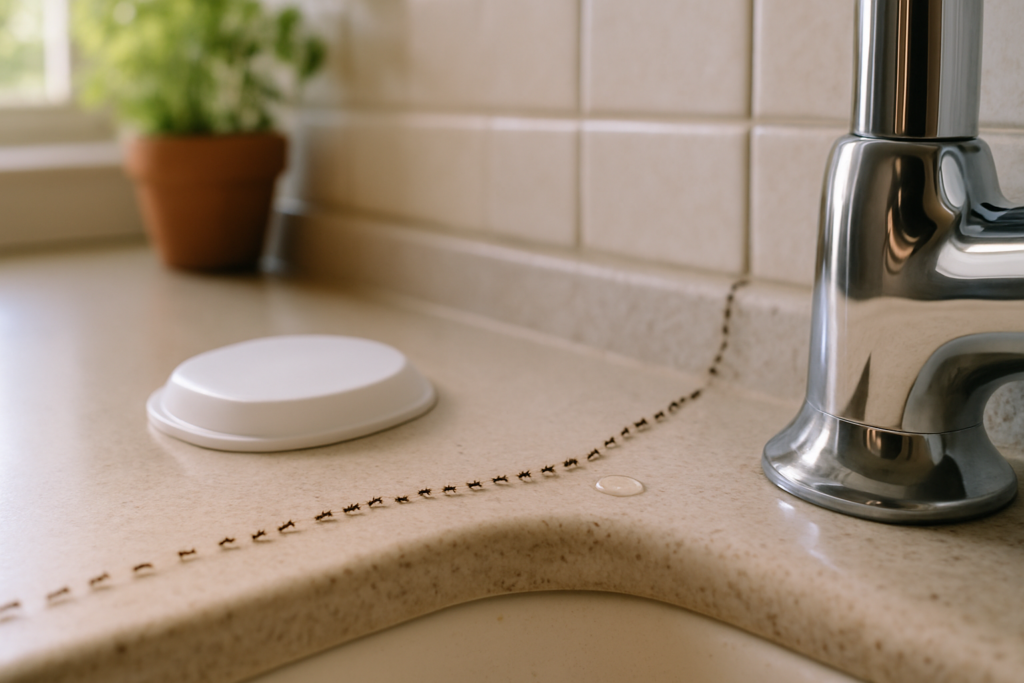
It's an unsettling feeling to find small, mysterious holes in the wood around your home. These little openings, called kick-out holes, are often the clearest sign that you have a carpenter ant nest hidden in your walls, deck, or support beams.
Unlike termites, these ants don't eat wood. Instead, they dig it out to build their nests. They push all the leftover wood shavings out of these holes as they tunnel deeper.
What Are Carpenter Ant Holes?
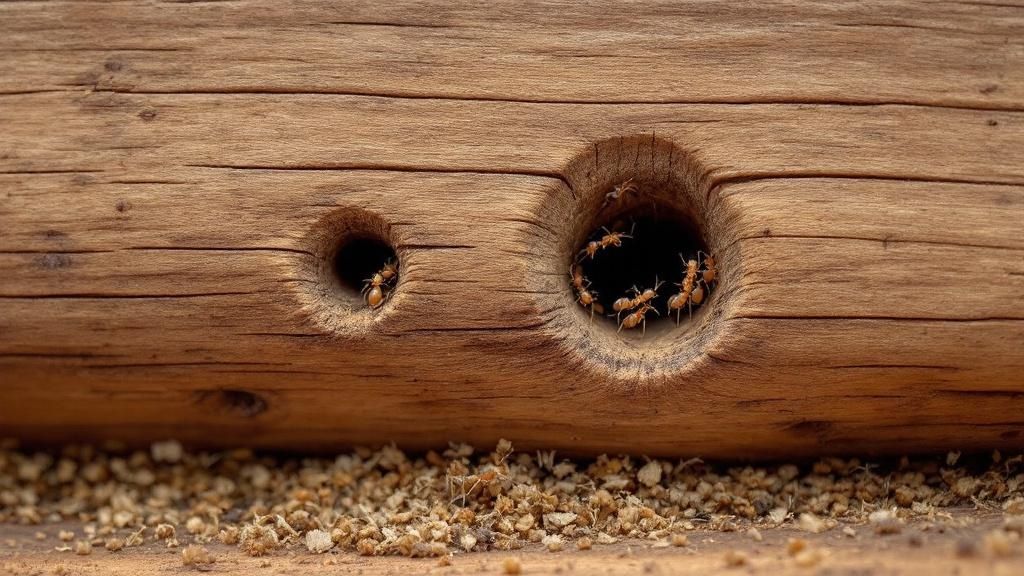
When you spot carpenter ant holes, you're looking at the front door to their colony. These ants act like tiny excavators, carving tunnels and rooms inside your home's wood to raise their young. The holes are simply the entrance and exit points for their construction project.
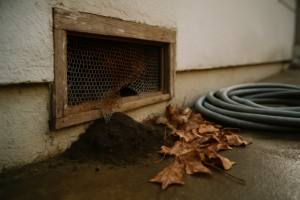
The wood they remove doesn't just disappear. The ants push it out of these openings, which creates small piles of a material called frass. It looks a lot like fine sawdust, but if you look closely, you might see parts of dead insects mixed in. Finding these holes and the frass nearby is a big clue that you need to investigate further.
The Purpose of These Tunnels
For a carpenter ant, a piece of wood is the best place to live, especially if it's been softened by moisture. It's the perfect spot to build a safe, climate-controlled home. Here in coastal Santa Cruz, our fog and humidity can make wooden decks, window frames, and porch columns very inviting to them.
These ants are skilled builders who create a whole network of passages, including:
- Galleries: These are the main "hallways" of the nest.
- Chambers: Think of these as larger rooms for raising their young.
- Kick-Out Holes: These are the openings they use to push out the wood shavings.
According to North Carolina State University, a single colony of western black carpenter ants, a common species in our area, can swell to over 50,000 individual ants. An infestation that large can carve out many tunnels, slowly weakening the wood.
Ignoring these small holes allows the colony to grow larger. As the nest expands, the internal damage gets worse, and you could end up with major structural problems that are expensive to fix.
When you find carpenter ant holes, you are not just seeing a little surface damage. You are seeing the tip of a much bigger, hidden problem. That's why getting a professional evaluation from a team like West Pest Co. is so important to protect your home.
Quick Guide to Identifying Pest Damage in Wood
It’s easy to confuse damage from different pests. This quick guide will help you tell the difference between the work of carpenter ants and their destructive cousins, termites.
| Sign | Carpenter Ants | Termites |
|---|---|---|
| Appearance of Wood | Smooth, clean, almost "sanded" galleries inside the wood. No mud or soil present. | Rough, jagged galleries often packed with soil, mud, and debris. Wood feels soft or sounds hollow. |
| Material Left Behind | Piles of fine, sawdust-like frass (wood shavings mixed with insect parts) found below kick-out holes. | Mud tubes on foundations or walls. No sawdust piles, as they consume the wood. |
| Holes | Small, round "kick-out" holes used to push out debris. They look clean and finished. | Often no visible holes on the surface. Damage is hidden inside the wood, accessed via mud tubes. |
While this table helps with a quick diagnosis, a professional inspection is the only way to be certain what you're dealing with and how bad the problem is.
How to Spot Telltale Signs of Carpenter Ants
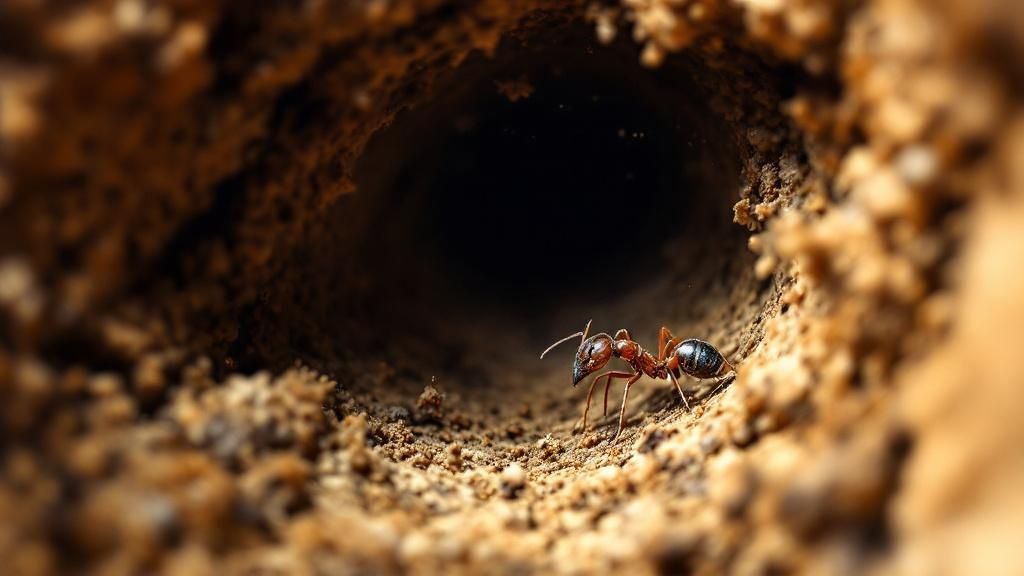
Protecting your home from a hidden carpenter ant infestation starts with knowing what to look for. These pests can be sneaky, but they leave behind clear clues. The most obvious sign is the carpenter ant holes themselves—often appearing as small, smooth, and perfectly round openings in wood.
If you look closely at these holes, you’ll notice they look almost sandpapered from the inside. That’s because carpenter ants are careful excavators, not wood-eaters like termites. They tunnel through wood to create galleries for their colony, pushing all the debris out as they go.
The Giveaway Material Known as Frass
One of the surest signs of an active infestation is a material called frass. This is a fine, sawdust-like substance that the ants push out of their tunnels through small "kick-out" holes. Finding small, unexplained piles of this material under wooden structures is a sure sign you have a problem.
Frass is the direct result of their nest-building. It often contains more than just wood shavings—you might find fragments of soil, parts of dead ants, and other debris from inside their nest. Finding this sawdust-like material means a colony is actively at work somewhere above.
Unlike termites, who eat wood and pack their tunnels with a mud-like material, carpenter ants keep their galleries clean by kicking out the frass. The holes they create for this purpose are typically around 1/8 to 1/2 inch in diameter.
Common Hiding Spots in Santa Cruz Homes
Here in Santa Cruz County, our coastal climate and redwood trees create the perfect environment for carpenter ants. The damp air can soften wood, making it much easier for these pests to start digging. It’s important to know the most common places to find their work.
Be sure to check these high-risk areas regularly:
- Damp Window Sills and Door Frames: These spots often collect moisture from rain or our coastal fog, making them a top target.
- Deck and Porch Supports: The wooden posts and beams that support your outdoor spaces are always exposed to the weather.
- Eaves and Soffits: Areas under the roofline can easily trap moisture, especially if your gutters are clogged.
- Around Leaky Pipes: Plumbing leaks in kitchens, bathrooms, or crawl spaces create the damp wood that carpenter ants love.
If you're unsure what to look for, our guide on how to spot telltale signs of carpenter ants can help. Catching an infestation early can save you from major structural issues down the road.
Understanding Why Carpenter Ants Excavate Wood
If you've spotted carpenter ant holes, it's easy to assume they're eating your house. But one of the biggest myths about these pests is that they eat wood like termites do. The truth is a little different. They aren't eating your home; they're remodeling it to build their own.
Think of carpenter ants as skilled, but unwelcome, woodworkers. They use their powerful jaws to chew through wood, carving out a complex maze of tunnels and chambers called galleries. This network acts as a safe, climate-controlled nursery for the colony to raise its young. The smooth, almost sandpapered finish inside their tunnels is a clear sign of their careful work.
Parent Nests vs. Satellite Nests
To get rid of a carpenter ant problem, you have to understand how their colonies are set up. An infestation is rarely just one nest. It’s usually a whole network of connected colonies working together.
This network is typically made up of two parts:
- A Parent Nest: This is the main headquarters where the queen lives and lays her eggs. Because the eggs need moisture to survive, parent nests are almost always found in damp, decaying wood. Think old tree stumps, firewood piles, or water-damaged wood on your home's exterior.
- Satellite Nests: As the main colony grows, it expands by creating smaller nests nearby. These satellite nests are usually set up in drier, more protected spots—like the wall voids, attics, or structural beams inside your Santa Cruz home.
The ants you find in your kitchen are often just commuters, traveling between these satellite nests and the main parent colony. That's why just spraying the ants you see almost never works. To solve the problem for good, you have to get rid of the entire network, including the hidden parent nest. Knowing how to prevent ants in the house is the first step in making your property a less appealing target.
This graphic breaks down the key things that carpenter ants look for, from the perfect hole size to the moisture levels they need to thrive.
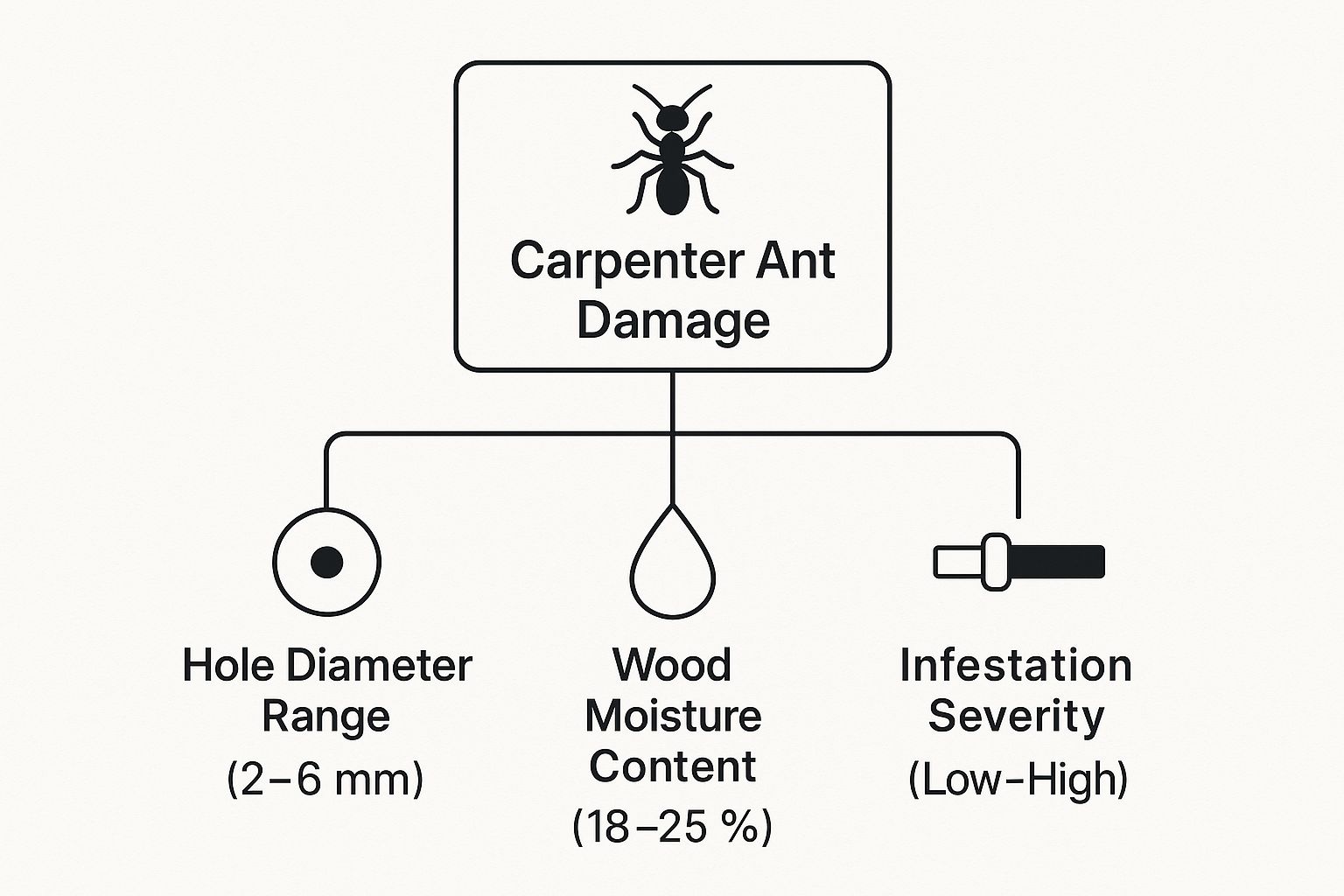
As you can see, these ants get their start where wood moisture is high, which makes our coastal climate the perfect breeding ground for them.
A common species here in Santa Cruz, the western black carpenter ant (Camponotus modoc), can establish large colonies. A big colony can dig out huge galleries, pushing sawdust-like material from their tunnels and leaving behind those smooth walls.
The Hidden Risks of Ignoring Carpenter Ant Damage
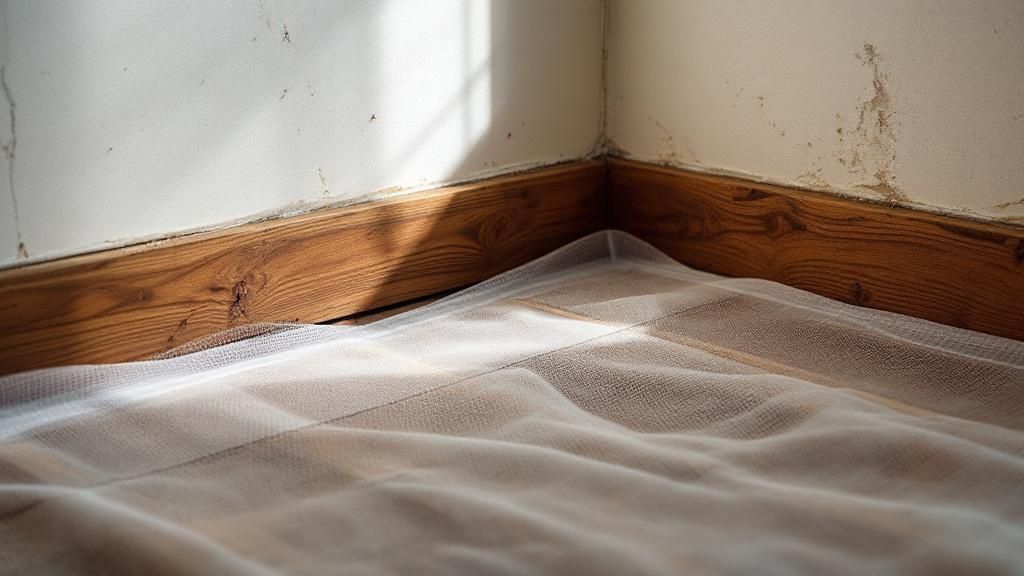
It’s easy to dismiss a few ants on the kitchen counter as a minor issue. But when it comes to carpenter ants, what you see is almost never the real problem. The true danger is the silent, hidden damage they’re causing inside your home’s wood.
Ignoring the subtle signs, like carpenter ant holes and the sawdust-like frass they leave behind, can lead to serious trouble.
Think of an infestation as a slow-moving demolition crew working from the inside out. They quietly hollow out beams, wall studs, and support structures, completely hidden from view. Over time, that solid wood becomes a fragile, hollowed-out shell, threatening the strength of your house.
From Small Holes to Big Problems
This kind of structural damage doesn't happen overnight. It’s a slow process that can take years, but the results can be serious. A colony that is left alone will just keep expanding its tunnels, turning solid wood into a maze of galleries.
Eventually, this internal weakening starts to show up in noticeable ways:
- Floors or ceilings that begin to sag
- Doors and windows that suddenly stick or don't close properly
- A spongy, weak feeling in the wood of your deck, porch, or window frames
According to the University of California's Statewide IPM Program, carpenter ants are one of the most common wood-destroying pests in the state. The damage they cause can lead to expensive repairs if not addressed early.
Protecting Your Biggest Investment
For most of us, our home is our most valuable asset. The cost to repair major structural damage from carpenter ants can be huge, often requiring major construction work. This is why professional pest control should be seen as a smart investment in your property.
By tackling a carpenter ant problem early, you aren't just getting rid of a pest. You're preventing expensive future repairs and protecting your home's value. If you're wondering just how serious this can get, it helps to understand more about whether carpenter ants are dangerous to your home’s health. Taking action at the first sign of trouble is the best way to protect your investment and keep your home safe.
Proactive Steps to Prevent Carpenter Ant Infestations
The best way to deal with carpenter ant holes is to make sure they never appear in the first place. Taking steps to make your home less inviting is the most effective long-term strategy. It all comes down to the two things carpenter ants need most: moisture and easy access.
By fixing weak spots around your property, you can greatly reduce the risk of an infestation. Many of these preventive measures are simple weekend tasks that help you protect your Santa Cruz home.
Your Home Maintenance Checklist
Think of your home's exterior as its first line of defense. Sealing up entry points and getting rid of moisture sources can make a massive difference. Carpenter ants are always looking for damp, softened wood—a common problem in our coastal climate.
Here are a few key tasks to add to your regular home maintenance routine:
- Seal Cracks and Gaps: Carefully check your foundation, window frames, and spots where utility lines enter your home. A simple tube of caulk can seal any small cracks or openings that could let ants inside.
- Repair Leaks Immediately: A leaky pipe in a crawl space or a dripping outdoor faucet can create the perfect damp environment for a parent nest. Fix all plumbing issues as soon as you see them.
- Ensure Proper Ventilation: Attics, basements, and crawl spaces should be well-ventilated. This keeps humidity down and prevents wood from getting too damp, making it less attractive to pests.
Landscaping for Pest Prevention
Your yard can either be a buffer zone or a bridge for pests trying to get into your home. Making smart landscaping choices is a key part of keeping carpenter ants away.
The goal is to create a clear, dry space around your home’s foundation. This simple barrier can stop ants from traveling from outdoor nests to the inside of your house.
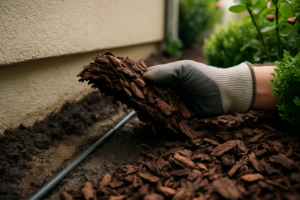
Start by trimming any tree branches or overgrown shrubs that touch your roof or siding—these act as natural highways for ants. You should also store firewood well away from your home's foundation and raise it off the ground to keep it dry. Finally, make sure your gutters are clean and direct water away from the foundation to prevent moisture buildup. For more tips, explore our comprehensive guide to home pest control in Santa Cruz.
A little bit of seasonal maintenance goes a long way. To make it easier, we've put together a simple checklist to help you stay on top of prevention all year.
Year-Round Carpenter Ant Prevention Checklist
| Season | Prevention Task | Why It's Important |
|---|---|---|
| Spring | Inspect and seal foundation cracks, window frames, and utility entry points. | Ants become more active as temperatures rise and will look for any new openings. |
| Summer | Trim tree branches and shrubs so they don't touch your house. | Overhanging plants create "bridges" for ants to get into your home. |
| Fall | Clean gutters and downspouts; ensure water drains away from the foundation. | Clogged gutters create wet spots in wood, attracting pests. |
| Winter | Check for plumbing leaks in crawl spaces and under sinks; store firewood off the ground. | Damp, protected areas are perfect for ants looking to start a winter colony. |
Keeping this checklist in mind helps turn big prevention goals into small, manageable tasks. By making these habits part of your routine, you create a much stronger defense against potential carpenter ant problems.
Why Professional Help Is Crucial for Infestations
Spotting a few carpenter ant holes is one thing, but getting rid of an entire infestation for good is much harder. It’s tempting to grab a can of bug spray, but these quick fixes almost never solve the real problem. In fact, they can make it worse.
Those DIY solutions are designed to kill only the ants you see. The hidden parent nest and its satellite colonies are left untouched, free to keep chewing away at your home's structure.
The West Pest Co Advantage
The key to getting rid of carpenter ants is finding the source. A colony’s main nest is often hidden outdoors in a damp tree stump or woodpile. But there could be multiple satellite nests hidden inside your walls, attic, or crawlspace. Finding this entire network takes special training that most homeowners don't have.
A professional inspection is the only sure way to know exactly what you’re dealing with. Our technicians at West Pest Co. are trained to spot the subtle signs of carpenter ant activity that are easy to miss. We don’t just treat the symptoms you can see; we trace the infestation back to its source to make sure the entire colony is gone.
A common mistake homeowners make is sealing the carpenter ant holes they find. This only traps the ants inside, forcing them to chew new tunnels and create new exits somewhere else. The whole colony has to be found and eliminated, not just blocked in.
Knowing when to call for professional help is the best way to stop a small problem from turning into a major one. To protect your investment, contact West Pest Co. for a thorough inspection. We’ll create a targeted, eco-friendly treatment plan for your Santa Cruz home, ensuring the problem is handled safely and effectively.
Your Top Questions About Carpenter Ant Holes Answered
When you find suspicious holes in your home, many questions come to mind. Here are the answers to some of the most common ones we hear from homeowners in Santa Cruz County.
Do Carpenter Ant Holes Mean My House Has Major Structural Damage?
Not always, but it’s a big red flag to investigate right away. Finding carpenter ant holes is a critical warning sign. The real amount of damage depends on how big the colony is and how long it has been tunneling through the wood.
Catching an infestation early is the key. A professional inspection can stop minor tunneling before it becomes a serious structural problem. Think of it as a sign to act now, not a sign that your home is a lost cause.
Can I Just Fill the Holes to Get Rid of the Ants?
Absolutely not. This is one of the most common—and costly—mistakes homeowners make. The holes you see are just the "trash chutes" for the colony to push out sawdust. The real problem is the nest, which is tunneled deep inside the wood.
Sealing carpenter ant holes only traps the ants inside. They won't die off; they'll just cause more damage and chew new exit holes somewhere else. This can make the problem even harder to track down.
To solve this for good, the entire colony, including any satellite nests, has to be professionally located and eliminated.
Are Carpenter Ants a Problem Year-Round in Santa Cruz?
Yes, they can be. Carpenter ants are most active during the warmer months, from spring through fall. But our mild coastal climate in Santa Cruz County means they can remain a threat even in cooler seasons.
If they’ve already built a satellite nest inside your heated home, they can keep digging and causing damage all through the winter. This is why being watchful year-round is so important for local homeowners.
How Does West Pest Co. Treat Carpenter Ants Safely?
We always put the health of your family, pets, and our local environment first. Our strategy is all about being precise. We focus on finding the nests and then use targeted, low-impact products directly at the source of the infestation.
You won’t see us doing widespread chemical sprays. This approach ensures we get rid of the entire colony safely and responsibly, giving you complete peace of mind.
What Is the Difference Between Carpenter Ant and Termite Damage?
It's easy to get them confused, but they leave behind very different clues.
- Carpenter Ants: They dig out wood to create nests, leaving behind smooth, clean galleries. They push out sawdust-like frass through small, round carpenter ant holes.
- Termites: They actually eat the wood. Their tunnels are messy and rough, and they often leave behind mud tubes on walls or foundations.
A trained professional can easily tell the difference, which is critical for making sure the right treatment plan is used.
If you've discovered suspicious holes in your home's wood, don't wait for the problem to get worse. Contact West Pest Co. today for a comprehensive inspection and a customized, eco-friendly treatment plan. Protect your Santa Cruz home by calling us or visiting our contact page to schedule your free estimate.