Welcome to your local guide for pest activity in Santa Cruz County. Have you ever wondered if that line of ants on your counter is a neighborhood problem? Or if you're seeing more spiders in your garage this year? You’re in the right place. National pest reports are useful, but understanding what’s bugging Santa Cruz means looking at our unique environment.
The top pest problems in your area are shaped by our coastal climate, redwood forests, and love for gardening. After heavy rains in the Santa Cruz Mountains, rodents may seek shelter. During the first warm days of spring, ants might invade kitchens in Capitola. Local trends matter, and this guide is a pest forecast made just for Santa Cruz homeowners. We'll cover the top pests, their peak seasons, and give you simple, eco-friendly prevention tips.
At West Pest Co., our team is out in the community every day, so we see these patterns firsthand. We believe that when you know what to look for, you can protect your home before a small pest becomes a big problem. Let’s look at what’s bugging your corner of the county and how you can take back your home and garden.
1. Argentine Ants: The Uninvited Super-Colony
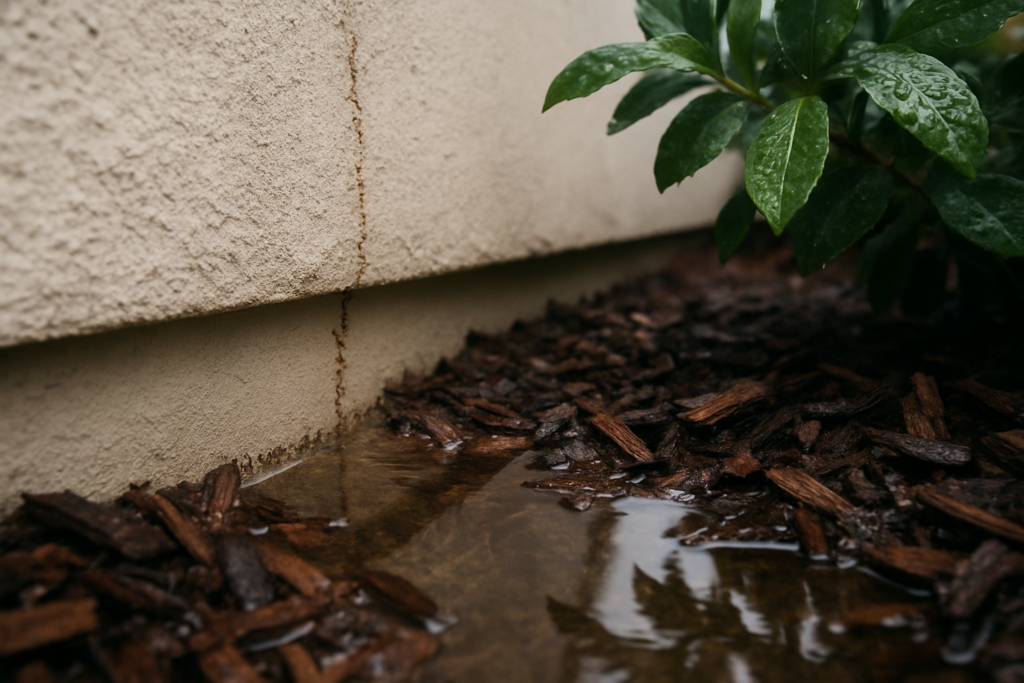
Of all the pests bugging Santa Cruz, the Argentine ant is the most common. These tiny, dark brown ants are the number one pest we hear about across the county. What makes them so tough isn't their size, but how they live. Unlike other ants that fight each other, Argentine ants form giant "super-colonies" that can cover entire neighborhoods.
This means if your neighbor has ants, you might be next. These huge colonies work together, always searching for moisture and food in your home.
Seasonal Patterns and Identification
You will see Argentine ants most often during two key times. They come inside during the dry summer months looking for water. They also appear after heavy winter rains flood their shallow nests. You can spot them by their clear, well-defined trails along sidewalks, foundation walls, and kitchen counters. If you see long lines of small, brown ants, you are dealing with this super-colony.
Health and Property Risks
Argentine ants don’t sting or damage your house, but they can spread germs. As they search for food, they can carry bacteria like Salmonella from the trash into your kitchen. Their huge numbers can quickly become stressful and make your home feel unclean.
DIY Prevention and When to Call a Pro
Good prevention means cutting off their access to food and water.
- Seal Entry Points: Use caulk to fill cracks around windows, doors, and pipes.
- Clean Up Crumbs: Wipe counters and sweep floors every day. Store food in airtight containers.
- Manage Moisture: Fix leaky faucets and pipes. Make sure sprinklers don't spray against your house.
- Trim Landscaping: Keep tree branches from touching your house, as they act as bridges for ants.
Because their colonies are so big, store-bought baits and sprays usually don't work for long. If you see ant trails inside even after cleaning, it’s time for professional help. For more tips, you can learn more about how to prevent ants in your Santa Cruz home.
2. Ants (Argentine & Fire Ants)
While Argentine ants are Santa Cruz's most common uninvited guests, they aren't the only ant causing trouble. Sharing the spotlight are the notoriously aggressive fire ants, whose painful stings make them a significant concern for families and pet owners. Both species thrive in our coastal climate and present unique challenges, whether they're marching through your kitchen or colonizing your backyard.
Argentine ants focus on overwhelming numbers and relentless foraging, while fire ants are known for their defensive, painful stings. Understanding which ant is bugging your Santa Cruz home is the first step toward effective control.
Seasonal Patterns and Identification
Ant activity surges during the warm, dry months from late spring through fall when they aggressively search for food and water. Argentine ants are small, uniformly brown, and travel in distinct, crowded trails. Fire ants are reddish-brown, often with a darker abdomen, and build visible, mounded nests in sunny, open areas like lawns, parks, and along pavement edges. Disturbing a fire ant mound triggers an immediate, swarming attack. If you are unsure which ant you're dealing with, the Santa Cruz County Agricultural Commissioner's office can assist with identification.
Health and Property Risks
The primary risk from Argentine ants is contamination. They can spread bacteria from garbage cans and drains to your food preparation surfaces. Fire ants, on the other hand, pose a direct health threat. Their stings are painful and can cause itchy, burning welts that may last for days. For individuals with allergies, multiple stings can lead to a more severe reaction requiring medical attention, making them a serious hazard in yards where children and pets play.
DIY Prevention and When to Call a Pro
A multi-pronged approach is best for managing both ant types.
- Follow the Trail: Observe ant lines to find and seal the tiny cracks and holes they use to get inside.
- Use Baits Correctly: Place ant baits along known trails but safely out of reach of children and pets. The goal is for workers to carry the bait back to the entire colony.
- Create a Barrier: Keep your home's foundation clear of debris and trim any vegetation that touches the walls, removing easy access routes.
- Manage Outdoor Attractants: Securely cover trash and compost bins, and clean up any spilled food or drink on patios and decks immediately.
Because store-bought products often fail against massive Argentine ant colonies or aggressive fire ant mounds, professional help is recommended for persistent infestations. If you find a fire ant mound in a high-traffic area or can’t stop ants from getting inside, it’s time to call an expert. For more tips, you can learn more about how to prevent ants in your Santa Cruz home.
3. Rodents (Mice & Rats): Unwanted Winter Houseguests
As the coastal fog rolls in and temperatures drop, Santa Cruz homes become a prime target for rodents seeking warmth, shelter, and food. The two most common culprits are the small, curious house mouse and the larger, more destructive roof rat. These pests are more than just a nuisance; they represent a significant threat to both property and health, making them one of the top pest problems in your neighborhood this season.
Their ability to squeeze through tiny openings, reproduce quickly, and chew through materials like wood and wiring means a small problem can escalate into a major infestation before you know it.

Seasonal Patterns and Identification
Rodent activity surges in the fall and winter months as outdoor food sources dwindle and they seek refuge from the cold. You may not see a mouse or rat directly, but their signs are hard to miss. Telltale clues include small, dark droppings in pantries or under sinks, gnaw marks on food packaging or baseboards, and scratching or scurrying sounds in walls or ceilings, especially at night. Roof rats are skilled climbers, often nesting in attics, while house mice prefer to stay closer to the ground in cluttered, dark spaces.
Health and Property Risks
Rodents are notorious for spreading diseases. Their droppings, urine, and saliva can contaminate food and surfaces with pathogens like Salmonella and Hantavirus. Furthermore, their constant gnawing can cause serious property damage, from destroying insulation to creating fire hazards by chewing through electrical wires. The presence of rodents can also trigger allergies and asthma in sensitive individuals, creating an unsafe living environment.
DIY Prevention and When to Call a Pro
A proactive approach is key to keeping your home rodent-free. Focus on sealing your home and removing attractants.
- Seal Entry Points: Inspect your home's exterior for cracks and holes larger than a dime and seal them with steel wool and caulk. Pay close attention to gaps around pipes and utility lines.
- Secure Food Sources: Store all food, including pet food and bird seed, in gnaw-proof containers made of glass or metal.
- Maintain Your Yard: Keep your yard tidy by trimming overgrown vegetation, removing debris, and storing firewood at least 20 feet from your home.
- Use Traps Strategically: Place snap traps along walls where rodents travel, using a small amount of peanut butter as bait. Check them daily.
DIY trapping can manage a small number of mice, but if you hear noises in the walls, find droppings repeatedly, or are dealing with rats, it’s a sign of a larger problem. Professional help is needed to identify all entry points and safely eliminate the infestation. Discover comprehensive strategies by exploring how to start mouse-proofing your home in Santa Cruz.
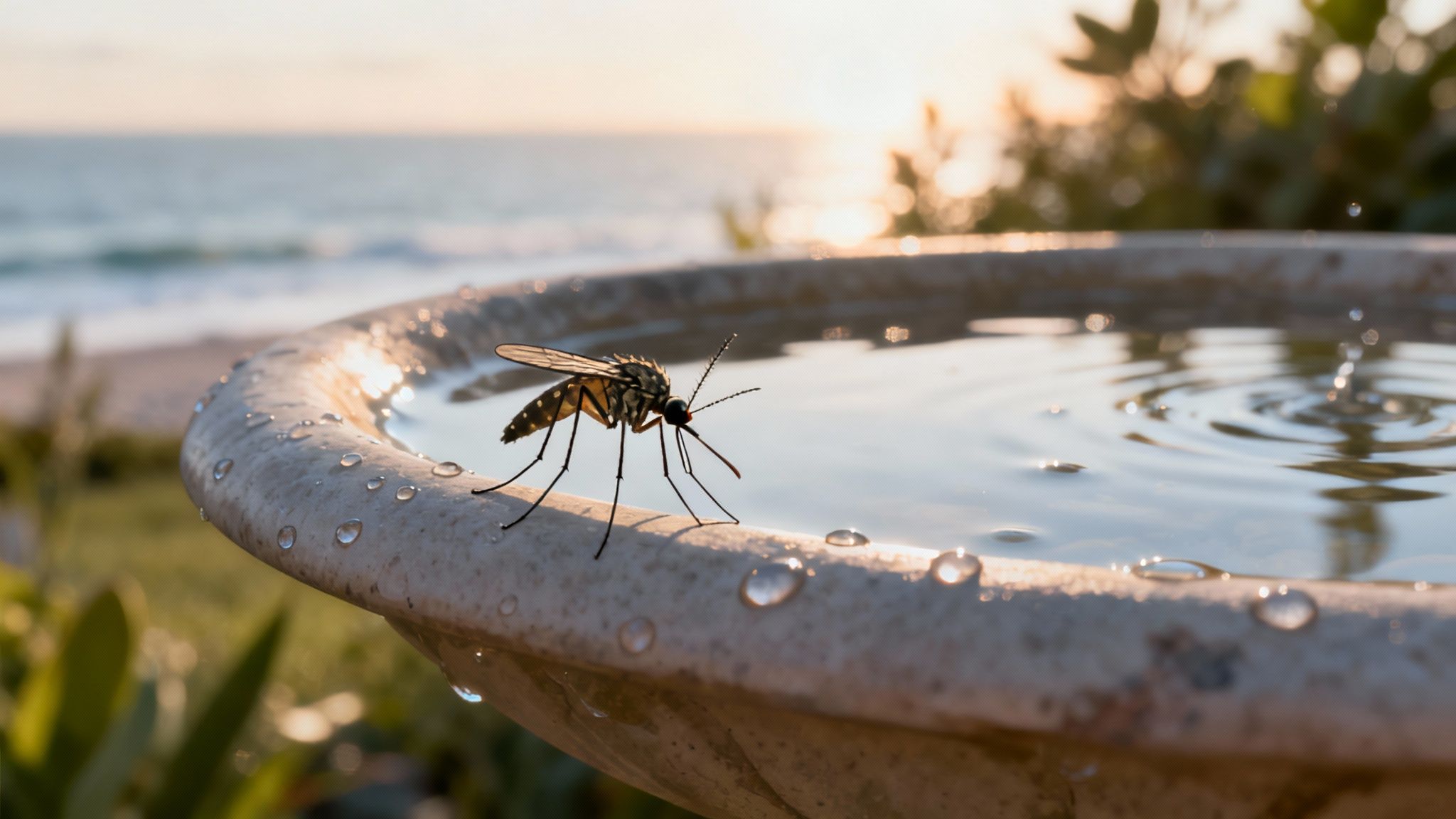
4. Mosquitoes: Unwanted Guests with Serious Risks
While Santa Cruz's coastal climate is a blessing, it can also create ideal conditions for mosquitoes. These biting insects are more than just a summer annoyance; certain species found locally, like Culex pipiens and Aedes aegypti, are vectors capable of transmitting serious diseases such as West Nile Virus, Dengue, and Zika. Their presence turns a relaxing evening on the patio into a high-alert situation.
The primary concern is their breeding cycle, which relies entirely on stagnant water. Even a small amount of standing water in a forgotten flowerpot or a clogged gutter can produce hundreds of new mosquitoes in just a week, creating a neighborhood-wide problem.
Seasonal Patterns and Identification
Mosquito activity in Santa Cruz peaks during the warmer, wetter months of late spring and summer. After winter rains subside and temperatures rise, any lingering pools of water become prime breeding grounds. You'll notice them most often at dawn and dusk. Identifying specific species is difficult without a microscope, but their high-pitched buzzing and itchy, red welts they leave behind are unmistakable signs of their presence.
Health and Property Risks
The most significant threat from mosquitoes is disease transmission. While the risk of contracting an illness like West Nile Virus is relatively low, it remains a serious public health concern, especially for children, the elderly, and those with compromised immune systems. Their bites can also cause allergic reactions and secondary skin infections from scratching. Unlike other pests on our list, they don't damage property, but their impact on health and outdoor comfort is substantial.
DIY Prevention and When to Call a Pro
The best defense against mosquitoes is eliminating their breeding sites. This is a community effort, as mosquitoes can travel from a neighbor's yard to yours.
- Eliminate Standing Water: Once a week, walk your property and empty water from flowerpots, birdbaths, old tires, and toys.
- Maintain Gutters: Keep your rain gutters clean and free-flowing to prevent water from accumulating.
- Use Screens: Ensure window and door screens are in good repair to keep mosquitoes out of your home.
- Report Concerns: If you notice large areas of standing water in public spaces, like ditches or parks, report it to the Santa Cruz County Mosquito and Vector Control.
While DIY methods are crucial for prevention, professional pest control services do not typically handle mosquito abatement. However, understanding their life cycle can help you manage your property effectively. For a deeper dive into their role in the ecosystem, you can explore what bugs eat mosquitoes and why they thrive.
5. Bed Bugs: The Unwanted Houseguest
Few pests cause the same level of distress as bed bugs, and their resurgence is one of the more concerning issues bugging Santa Cruz. These small, reddish-brown parasites are expert hitchhikers, often arriving in luggage, secondhand furniture, or clothing. With travel roaring back to life, Santa Cruz’s hotels, vacation rentals, and multi-unit apartment buildings have seen a notable increase in reports, making this a top pest problem for residents and property managers alike.
Once inside, they hide in tiny crevices in mattresses, bed frames, and even behind wallpaper during the day. At night, they emerge to feed on human blood, leaving behind itchy, red welts and significant psychological stress for those affected.
Seasonal Patterns and Identification
Unlike other pests, bed bugs are not a seasonal problem; they are active year-round as long as they have a host. The primary sign of an infestation is waking up with itchy bites, often in a line or cluster. You may also spot small, dark reddish-brown stains on your sheets or mattress from their droppings or crushed bugs. A musty, sweet odor is another tell-tale sign of a large infestation.
Health and Property Risks
While bed bugs are not known to transmit diseases, their bites can cause allergic reactions, secondary skin infections from scratching, and severe anxiety or insomnia. The primary risk is the rapid spread of the infestation. They multiply quickly, and a small problem can become a full-blown infestation that is extremely difficult and costly to eradicate, often requiring disposal of infested furniture and belongings.
DIY Prevention and When to Call a Pro
Vigilance is the best prevention, especially after traveling or bringing used items into your home.
- Inspect Hotel Rooms: Before unpacking, check the mattress seams, headboard, and nearby furniture for signs of bed bugs.
- Isolate Luggage: After a trip, unpack your luggage in a garage or utility room, and wash all clothing in hot water.
- Be Wary of Used Furniture: Thoroughly inspect any secondhand furniture, especially mattresses and upholstered items, before bringing them indoors.
- Reduce Clutter: Eliminating clutter in your home reduces the number of hiding spots available for bed bugs.
Bed bugs are notoriously difficult to eliminate. Over-the-counter foggers and sprays are largely ineffective against them, as they cannot penetrate the deep crevices where these pests hide. If you suspect you have bed bugs, immediate professional intervention is crucial to contain the problem. To understand why DIY methods often fail, you can learn more about the ineffectiveness of bed bug foggers.
6. Wasps & Hornets (Yellow Jackets & Paper Wasps)
Few things can ruin a Santa Cruz barbecue or a day in the garden faster than the aggressive buzz of wasps and hornets. These stinging insects, particularly yellow jackets and paper wasps, become a major concern during the warmer months. Unlike bees, which are generally docile, wasps can be highly territorial and aggressive, especially when they feel their nests are threatened. Their presence is a common source of anxiety for families wanting to enjoy their outdoor spaces safely.
Yellow jackets are infamous for crashing outdoor meals, drawn to proteins and sugary drinks. Paper wasps, meanwhile, build distinctive umbrella-shaped nests under eaves and overhangs, creating a hazard right outside your door.
Seasonal Patterns and Identification
Wasp and hornet activity ramps up in late spring and peaks during the hot, dry days of summer and early fall. This is when their colonies are at their largest and most active, foraging for food to feed their queen and developing young. You can identify yellow jackets by their distinct yellow-and-black striped bodies and their habit of building ground nests or nesting in wall voids. Paper wasps are more slender with longer legs, and their open-comb nests are often visibly attached to protected structures like roof eaves, porch ceilings, and deck railings.
Health and Property Risks
The primary risk associated with wasps and hornets is their painful sting. Unlike bees, many wasp species can sting multiple times, injecting venom that causes sharp pain, swelling, and redness. For individuals with allergies, a single sting can trigger a severe, life-threatening anaphylactic reaction. Even for those without allergies, multiple stings can be dangerous. Their nests, especially those built inside wall voids, can cause minor property damage over time but the main threat they pose is to the health and safety of your family and pets.
DIY Prevention and When to Call a Pro
Discouraging wasps from nesting on your property is the safest strategy. While prevention is key, it's also important to manage your pets' health. For comprehensive protection, you might also be interested in learning about flea and tick prevention strategies for cats to keep your feline friends safe.
- Seal Openings: Inspect your home’s exterior for cracks and gaps where wasps could build a hidden nest, especially in siding and around utility entry points.
- Secure Trash Bins: Keep outdoor garbage and recycling bins tightly sealed to cut off a major food source.
- Avoid Attractants: When outdoors, keep food and sugary drinks covered. Avoid wearing bright colors and strong perfumes, which can attract them.
- Clear Clutter: Remove clutter from your yard where wasps might find sheltered places to build nests.
Do not attempt to remove a large or active nest yourself. Agitating a nest can provoke a swarm attack. If you discover a nest on your property, especially a ground nest or one in a hard-to-reach area, it is crucial to call a professional for safe and effective removal.
7. Fleas (on Pets & Wildlife)
Few pests are as personally invasive as fleas. These tiny, parasitic insects are a common nuisance for Santa Cruz pet owners, thriving in our mild, coastal climate year-round. An infestation can begin with just a few fleas hitching a ride on your pet from the yard or during a walk, but it can quickly multiply into a full-blown home invasion, impacting every member of your household.
Fleas are not just a pet problem; they are a home and wildlife problem. Raccoons, opossums, and even deer can carry fleas into your yard, creating a constant source of re-infestation. Once inside, they lay eggs in carpets, pet bedding, and furniture, making them notoriously difficult to eliminate.
Seasonal Patterns and Identification
While fleas are active all year in Santa Cruz, their populations explode during the warmer, more humid months from late spring through fall. You’ll know you have a problem if you see your pet excessively scratching, biting, or licking their fur. You might also spot "flea dirt," which looks like tiny black specks of pepper, on their skin or in their bedding. Adult fleas are small, dark reddish-brown, and can be seen jumping or scurrying through your pet's coat.
Health and Property Risks
Flea bites are more than just itchy; they can cause significant health issues for both pets and humans. Pets may suffer from flea allergy dermatitis, a severe allergic reaction that leads to hair loss, scabs, and skin infections. Fleas can also transmit tapeworms to pets and, in rare cases, diseases like murine typhus to humans. An uncontrolled infestation creates a deeply uncomfortable and unsanitary living environment for everyone.
DIY Prevention and When to Call a Pro
Consistent prevention is the key to keeping your home and pets flea-free. These proactive steps can make a huge difference.
- Treat Your Pets: Consult your veterinarian for the best year-round flea prevention treatment. Ensure all pets in the household are treated simultaneously to break the life cycle.
- Clean Thoroughly: Regularly wash pet bedding in hot water and vacuum carpets, rugs, and furniture frequently. Be sure to dispose of the vacuum bag or empty the canister outside immediately.
- Manage Wildlife: Secure trash cans and remove potential food sources to discourage wildlife from visiting your yard. Block access to areas under decks and porches where animals might nest.
- Maintain Your Yard: Keep your lawn mowed and trim back overgrown vegetation to reduce flea habitats.
DIY sprays and foggers often fail to eliminate eggs and larvae hidden deep within carpets and crevices. If you’ve treated your pet but still find fleas in your home, it’s time for professional intervention. A professional can implement a comprehensive treatment plan that addresses all stages of the flea life cycle.
8. Termites (Subterranean & Drywood): The Silent Destroyers
Of all the pests bugging Santa Cruz, few cause more silent, catastrophic damage than termites. Both subterranean and drywood varieties thrive in our coastal climate, quietly consuming the wooden structures of our homes. The immense cost of termite damage, which is rarely covered by homeowner's insurance, makes them one of the most financially devastating pests in the county.
Subterranean termites build colonies in the soil and require moisture, making them common in coastal neighborhoods. Drywood termites, on the other hand, can infest wood directly without soil contact, posing a threat to homes anywhere from the Westside to the Santa Cruz Mountains.
Seasonal Patterns and Identification
While termites are active year-round, you are most likely to spot signs of an infestation during their swarming season in late spring and summer. This is when reproductive termites (alates) fly off to start new colonies. Look for pencil-thin mud tubes along your foundation (subterranean termites) or tiny, granular droppings called "frass" near wooden beams and furniture (drywood termites). Other telltale signs include discarded wings on windowsills, bubbling or peeling paint, and wood that sounds hollow when tapped.
Health and Property Risks
Termites do not pose a direct health risk to humans. Their danger lies entirely in their ability to compromise your home’s structural integrity. By feeding on cellulose-based materials like wood framing, support beams, flooring, and even drywall paper, they can cause thousands of dollars in damage before you ever notice a problem. Left unchecked, a large-scale infestation can make a home unsafe.
DIY Prevention and When to Call a Pro
Preventing termites is far more effective than trying to eliminate an established colony. Focus on making your property less attractive to them.
- Manage Moisture: Ensure water drains away from your foundation. Fix leaky pipes and outdoor faucets immediately.
- Remove Food Sources: Keep firewood, lumber, and other cellulose debris stacked away from your house. Remove old tree stumps from your yard.
- Seal Entry Points: Caulk cracks in your foundation and around utility lines where termites could enter.
- Maintain Clearance: Ensure at least an 18-inch gap between soil and any wood portions of your home.
DIY termite treatments are rarely effective and can be dangerous. Because termite damage is so severe and colonies are hidden, this is a job exclusively for professionals. If you see any signs of termite activity, schedule a professional inspection immediately to assess the extent of the infestation and determine the proper treatment.
9. Spiders (Including Brown Recluse & Black Widows)
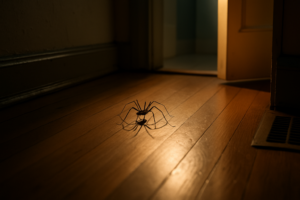
Few pests create as much anxiety as spiders, and while most species in our area are harmless garden helpers, Santa Cruz is home to a couple that warrant serious caution. Black widows and, less commonly, brown recluse spiders, can deliver medically significant bites. These venomous spiders thrive in quiet, undisturbed areas, making woodpiles, cluttered garages, and dark corners of your home potential hiding spots.
Their presence is a key issue bugging Santa Cruz residents because a surprise encounter can lead to a painful and dangerous bite. Understanding how to identify and avoid them is crucial for keeping your family and pets safe, especially in areas like the Santa Cruz Mountains or neighborhoods with dense foliage like the Westside.
Seasonal Patterns and Identification
Spider activity often increases in late summer and early fall as they search for mates and secure overwintering sites. Black widows are easily identified by their shiny black bodies and the iconic red hourglass marking on the underside of their abdomen. You'll find their messy, irregular webs in dark, sheltered locations like crawl spaces, sheds, and under outdoor furniture. Brown recluse spiders are tan to dark brown with a distinct violin-shaped marking on their back, though this can be hard to see. They prefer dry, secluded areas like attics, closets, and behind baseboards.
Health and Property Risks
The primary risk associated with these spiders is their venomous bite. A black widow bite can cause severe muscle pain, cramping, and nausea, requiring immediate medical attention. While a brown recluse bite may initially go unnoticed, it can develop into a necrotic lesion that damages surrounding tissue. It's important to remember that these spiders are not aggressive and only bite when they feel trapped or threatened. They pose no direct risk to property.
DIY Prevention and When to Call a Pro
Reducing clutter and sealing entry points are your best defenses against spiders.
- Declutter and Clean: Regularly clean out garages, sheds, and basements. Store items in sealed plastic tubs rather than cardboard boxes.
- Seal Your Home: Use caulk to seal cracks and crevices around your foundation, windows, and doors. Install tight-fitting screens on all windows and vents.
- Wear Protective Gear: Always wear gloves and long sleeves when working in sheds, woodpiles, or other areas where spiders may be hiding.
- Manage Outdoor Lighting: Use yellow or sodium vapor light bulbs for outdoor fixtures, as these are less attractive to the insects that spiders prey on.
If you suspect you have an infestation of black widows or brown recluse spiders, do not attempt to handle it yourself. Capturing one for identification is helpful, but a widespread problem requires professional intervention to ensure all spiders and egg sacs are safely located and removed. Professional treatment is the safest way to protect your home from these venomous pests.
10. Slugs & Snails: The Garden Saboteurs
For Santa Cruz gardeners, few things are as frustrating as discovering a prized plant decimated overnight. The culprits are often slugs and snails, two of the most destructive garden pests in our moist, coastal climate. Thriving in the fog and damp soil common from the Westside to the San Lorenzo Valley, these mollusks can undo weeks of careful gardening in just a few nights.
They are voracious eaters, targeting tender new growth, leafy greens, and ripening fruits. Their tell-tale slime trails are a sure sign that your garden has been targeted, making them a top concern for anyone trying to maintain a healthy and productive landscape.
Seasonal Patterns and Identification
Slug and snail activity peaks in the spring and fall when mild temperatures and consistent moisture create perfect conditions for them to feed and reproduce. They are nocturnal, emerging after dark or on overcast, drizzly days to eat. During hot, dry spells, they retreat to cool, damp hiding spots. Identification is simple: look for the silvery slime trails on leaves, soil, and walkways, along with large, irregular holes chewed in plant leaves and flowers.
Health and Property Risks
Slugs and snails pose no direct threat to human health and do not cause structural damage to homes. However, the damage they inflict on gardens and landscaping can be extensive and costly. They can destroy entire crops of vegetables, ruin ornamental flowers, and kill young seedlings before they have a chance to establish themselves. For avid gardeners and urban farmers, this represents a significant loss of time, effort, and produce.
DIY Prevention and When to Call a Pro
Managing these pests is all about making your garden less hospitable and trapping them before they feast.
- Clean Up Debris: Regularly remove fallen leaves, old pots, and woodpiles where they hide from the sun.
- Time Your Watering: Water your garden in the morning so the soil surface can dry by nightfall, creating less favorable conditions.
- Hand-Pick at Night: Use a flashlight after dark or go out in the early morning to find and remove them from your plants.
- Set Beer Traps: Place shallow containers filled with beer away from your prized plants. They are attracted to the yeast, fall in, and drown.
While DIY methods can manage smaller populations, a widespread infestation can quickly overwhelm a garden. If your plants are suffering from constant damage despite your efforts, a professional can offer more robust and targeted garden pest control solutions to protect your landscape without harming your plants.
What’s Bugging Santa Cruz: Top 10 Pest Comparison
| Pest | Implementation Complexity 🔄 | Resource & Cost ⚡ | Expected Outcomes ⭐📊 | Ideal Use Cases 💡 |
|---|---|---|---|---|
| German Cockroaches | High — multi‑method, persistent infestations; 2–3+ weeks to see results | Moderate — gel baits, boric acid, IGR; pro services if severe | ⭐⭐☆ — good control with combined baiting + sanitation; resistant strains possible | Kitchens/bathrooms, warm humid homes; early detection + sustained baiting |
| Ants (Argentine & Fire Ants) | Medium — colony‑level treatment; trail tracing required | Low–Moderate — baits, perimeter sprays; professional mound removal for fire ants | ⭐⭐⭐ — effective when entire colony targeted; queens can be hard to eliminate | Gardens, patios, food intrusion; treat trails and colonies rather than single workers |
| Rodents (Mice & Rats) | Medium‑High — exclusion + trapping; multiple entry points complicate control | Moderate — traps, bait stations, exclusion work; pro exclusion increases cost | ⭐⭐⭐ — high success with exclusion + sustained trapping; reinfestation possible | Fall/winter indoor infestations, pantries, attics; combine sealing with trapping |
| Mosquitoes (West Nile/Dengue vectors) | Medium — environmental source reduction; community coordination often needed | Low–High — dunks/larvicides are cheap; professional spraying/community programs costlier | ⭐⭐☆ — strong reduction by eliminating breeding sites; ongoing maintenance required | Yards with standing water; disease‑risk seasons (May–Oct); target larval habitats |
| Bed Bugs | Very High — complex, often multi‑method (heat + chemicals); difficult to eradicate | High — professional heat or multiple chemical treatments; repeat visits typical | ⭐⭐ — variable; high success with professional heat/fumigation but costly | Travel‑related or multiunit infestations; immediate professional action recommended |
| Wasps & Hornets (Yellow Jackets & Paper Wasps) | Medium — nest removal at night; safety risk if DIY | Low–Moderate — DIY sprays for small nests; pro removal for large/ground nests | ⭐⭐⭐ — excellent when nests removed properly; risk of stings if mishandled | Outdoor gatherings, visible nests near structures; remove small nests early spring |
| Fleas (on Pets & Wildlife) | High — multi‑stage lifecycle requires simultaneous pet + environment treatment | Moderate–High — veterinary preventives, home vacuuming, yard treatments | ⭐⭐⭐ — very good when pets treated concurrently and environment addressed | Pet households, properties with wildlife contact; continuous prevention recommended |
| Termites (Subterranean & Drywood) | Very High — detection and long‑term management; silent damage common | High — liquid barriers, bait systems, fumigation; repair costs can be substantial | ⭐⭐⭐ — effective when professionally treated; damage may already be extensive | Homes with wood‑soil contact or coastal moisture; annual inspections advised |
| Spiders (incl. Brown Recluse & Black Widows) | Low–Medium — cleaning/exclusion effective; venomous species need targeted removal | Low — vacuuming, caulking, localized sprays; pro help for dangerous species | ⭐⭐ — good reduction of nuisance spiders; venomous species require caution | Garages, attics, storage areas; monitor and remove webs, seal entry points |
| Slugs & Snails | Low — manual/physical controls highly effective when consistent | Low — hand‑picking, beer traps, iron phosphate baits, copper barriers | ⭐⭐⭐ — strong reduction of plant damage with regular management | Gardens, seedlings, moist coastal yards; night/early‑morning control and barriers |
Stay Ahead of Santa Cruz Pests with Local Experts
This guide answers the question: what’s bugging Santa Cruz? top pest problems in your neighborhood this season. From ants in Capitola to gophers in Scotts Valley, our beautiful coast has its own pest challenges. We’ve seen how wet winters and dry summers affect which pests show up at your door.
The most important takeaway is that prevention is key. You don't have to wait for a pest problem to take action. Simple, regular steps can turn your home from a pest magnet into a fortress.
Your Action Plan: Key Takeaways for a Pest-Free Home
Pest prevention in Santa Cruz is about understanding pests and making your home unwelcoming to them. Here are the most important tips:
- Seal the Gaps: This is your best defense. Walk around your home and seal any crack or hole you find. Look for openings around pipes, vents, and in the foundation. A hole the size of a dime is big enough for a mouse.
- Manage Moisture: Pests need water. Fix leaky faucets, clean your gutters, and use fans in damp areas like basements. Don’t overwater your garden, as this attracts everything from slugs to ants.
- Maintain Your Yard: A messy yard is an open invitation. Keep your grass mowed, trim shrubs away from the house, and clear away leaves and woodpiles. This removes hiding spots for rodents, spiders, and wasps.
- Practice Smart Sanitation: Keep your home clean. Store food in airtight containers, wipe up crumbs right away, and take out the trash often. This is critical for preventing ants and rodents.
When DIY Isn't Enough: The Value of Local Expertise
While these tips help, some pests like termites, black widows, or a large rodent infestation need a professional. Trying to handle them yourself can make the problem worse and be unsafe. This is where local knowledge is so important.
A national company might use the same solution everywhere, but a Santa Cruz expert knows our area. We know which neighborhoods are hotspots for certain pests and how our local climate affects them. We also know that our community values eco-friendly solutions.
Key Insight: Good pest control in Santa Cruz County is about understanding the local environment. A local pro can provide a targeted, effective, and responsible solution that a generic approach can't match.
Living in Santa Cruz means enjoying nature, but you don’t have to share your home with pests. By using these prevention tips and working with a local expert when needed, you can protect your home and family all year long.
Don't let pests take over your home. The team at West Pest Co. has the local expertise to solve your unique pest challenges with safe, effective, and environmentally responsible solutions. Contact us today for a free, no-obligation estimate and let us put our knowledge of Santa Cruz pests to work for you.