Finding a rat scurrying through your home is a deeply unsettling experience. If you’re asking, “Why do I have rats in my house?” the answer is usually simple. Your property is giving them the three things they need to survive: food, water, and shelter.
A rat isn't judging your housekeeping. It is just following its survival instincts to find a safe, reliable place to live and raise a family.
Why Rats See Your Home as the Perfect Target
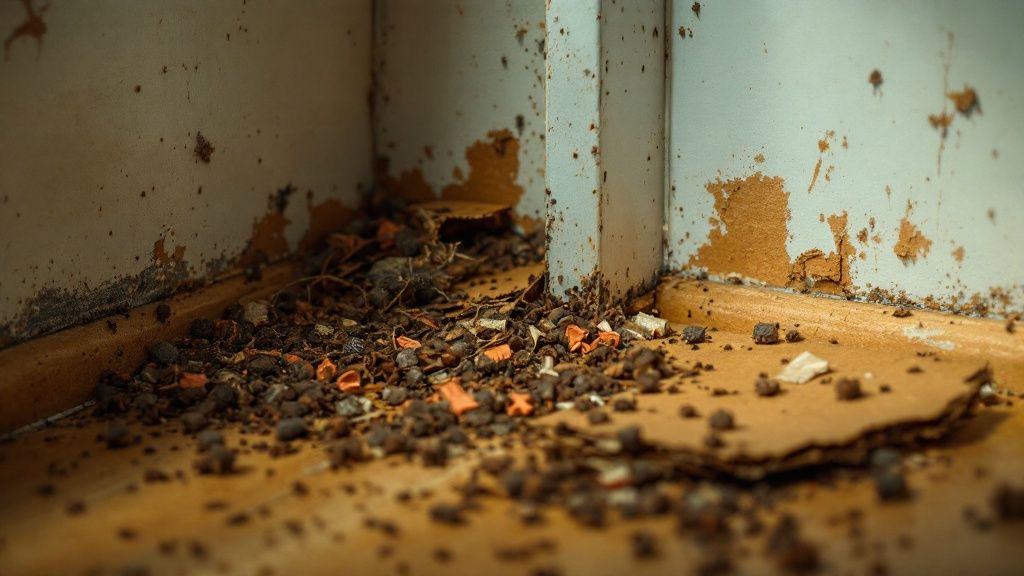
Rats are master survivors. From their perspective, your property is a five-star resort packed with everything they could ever want. What we see as a cozy home, they see as a survival package. Getting inside their mindset is the first step to making your home a less attractive place for them.
Let's break down what rats are looking for and how your home might be unintentionally rolling out the welcome mat.
What Rats Are Looking For in Your Home
| What a Rat Needs | How Your Home Provides It | Common Areas of Concern |
|---|---|---|
| An Endless Buffet | A forgotten bag of pet food, crumbs under the toaster, or fallen fruit from a garden tree. | Kitchens, pantries, garages, compost bins, and outdoor pet feeding stations. |
| A Constant Water Supply | Leaky outdoor faucets, pet water bowls left out, or even condensation on pipes. | Bathrooms, crawlspaces, under sinks, and any area with plumbing leaks. |
| Safe and Secure Shelter | A cluttered attic, a warm crawlspace, or the quiet space behind a wall. | Attics, basements, wall voids, sheds, and dense landscaping. |
By identifying and addressing these key areas, you start to remove the very things that drew them to your property in the first place.
The Santa Cruz Climate Factor
Here in Santa Cruz County, our mild coastal climate creates a year-round challenge for homeowners. Unlike places with harsh winters that naturally lower rodent populations, our weather allows rats to stay active and breed all year long.
While some pests might slow down when it gets colder, rats just keep going. You can learn more by exploring our guide to rodent behavior in winter. This constant activity means rat prevention isn’t a seasonal chore—it’s a continual necessity.
A Growing Global Problem
This isn't just a local issue. Urban rat populations are on the rise worldwide, and environmental changes are a big part of the reason why.
A 2025 study showed that rat complaints went up in 11 of 16 major cities. Over 40% of that increase was directly linked to rising temperatures. Warmer weather means longer breeding seasons and more available food, which leads to explosive population growth. You can discover more insights about these scientific findings on Phys.org.
When you combine this global trend with local conditions here in Aptos and Capitola, it becomes clear why staying ahead of an infestation is more important than ever.
Five Overlooked Food Sources That Attract Rats
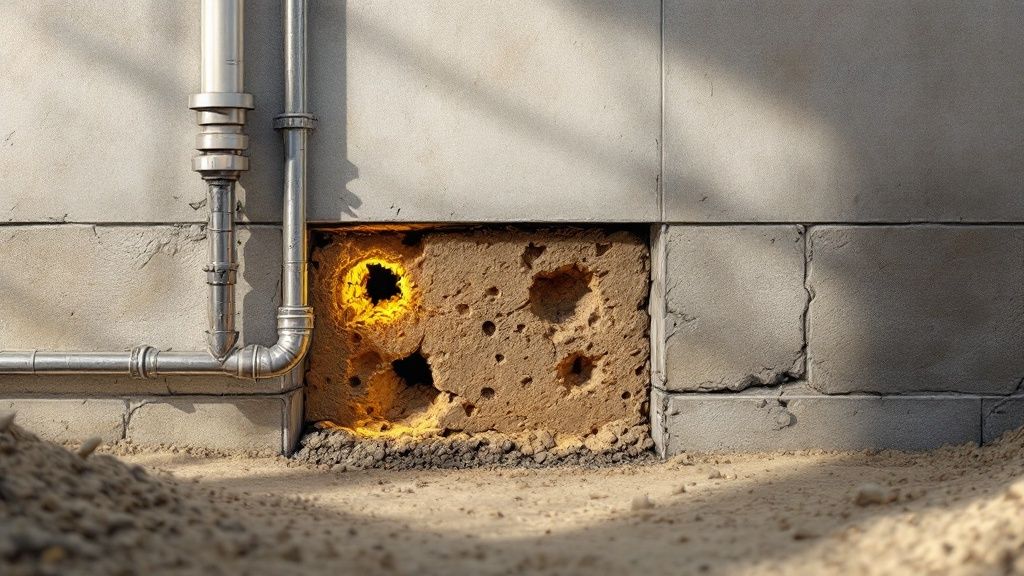
So, you're trying to get to the bottom of a rat problem. The first place to look is their food supply. While an overflowing trash can is an obvious culprit, rats are crafty survivors. They are experts at finding meals in places you’d never expect.
Shutting down their buffet is one of the most powerful things you can do to make your home an unwelcome place for them. This is true for most pests, not just rodents. You can learn more about what draws in another common pest in our guide to keeping cockroaches out of your home.
But for now, let's uncover five of the most common—and often overlooked—food sources that could be turning your property into a five-star rat restaurant.
1. Unsecured Pet Food
That big bag of dog or cat food sitting open in the garage? To a rat, it’s a giant, flashing neon sign that says "EAT HERE." Pet food is packed with protein and fat that rodents crave, making it a perfect meal for them. Even a few pieces of kibble on the floor can be enough to catch their attention.
The fix is simple: always store pet food in airtight containers made of hard plastic or metal. Also, avoid leaving pet bowls full of food outside, especially overnight.
2. Open Compost Piles
For many of us in Santa Cruz County, composting is a fantastic way to handle kitchen scraps. The downside? An open compost pile is basically a warm, all-you-can-eat buffet for rats. They're especially drawn to things like vegetable peels, fruit cores, and eggshells.
A study on urban rat behavior found that compost bins were one of the top three attractants in residential yards. Securing your compost isn't just good practice; it's a critical step in rodent prevention.
To make your compost pile a rat-free zone:
- Use a rodent-proof compost bin that has a secure, tight-fitting lid.
- Never add meat, dairy, or oily foods to your pile.
- Turn the pile regularly to speed up decomposition and make it less appealing.
3. Fallen Fruit from Garden Trees
Our local climate here in Scotts Valley and Aptos is perfect for growing fruit trees. While a backyard orchard is a huge plus, fallen and rotting fruit on the ground is an irresistible sweet treat for rats. They absolutely love citrus, avocados, and figs.
Get into the habit of regularly cleaning up any fruit that has fallen from your trees. If you have a huge harvest, don't let the extra fruit rot on the ground. Toss it in a sealed green bin instead.
4. Spilled Birdseed
Feeding local birds is a wonderful hobby, but your bird feeder can quickly become a rat feeder. Rats are surprisingly good climbers and can easily scale poles or jump from nearby branches to get to the seed. Even easier for them is the spilled seed that piles up on the ground below.
You can install a baffle on the feeder pole to stop them from climbing and use a tray to catch some of the spill. Most importantly, sweep up any seed that hits the ground every single day.
5. Improperly Sealed Pantry Goods
Finally, don't forget to look inside your own home. Once a rat gets indoors, your pantry can become their personal grocery store. They can chew through cardboard boxes and thin plastic bags in no time. Unsealed packages of grains, pasta, and cereal are all prime targets.
Take the time to transfer pantry staples like flour, rice, and oats into airtight glass or thick plastic containers. This not only keeps rats out but also protects your food from other common pantry pests.
How Your House Becomes a Five-Star Rat Hotel

Once rats find a reliable food source on your property, their next mission is simple. They need to find a safe, warm, and hidden spot to build a nest. Think of a rat as a smart homebuyer. It's looking for security, privacy, and easy access to food and water—and our homes offer all three.
To a rat, your house is the ultimate sanctuary. It offers protection from predators and bad weather. The National Pest Management Association (NPMA) reports that an estimated 21 million U.S. homes are invaded by rodents each winter. When the temperature drops, rats are driven to find warmth inside.
Your Home’s Most Desirable Neighborhoods
Rats are masters at finding quiet, out-of-the-way locations to settle down. Their goal is to stay hidden from you, your family, and any pets who might cause trouble.
Some of their favorite nesting spots include:
- Cluttered Attics and Garages: These areas are often packed with boxes and old furniture, creating a perfect maze of hiding spots.
- Wall Voids and Crawlspaces: The dark, insulated spaces between your walls or under your home are warm, quiet, and completely protected.
- Behind Large Appliances: The space behind a refrigerator or stove offers warmth from the motor and is almost never disturbed.
These spots provide everything a rat needs to safely raise its young. This is how a single intruder can quickly become a full-blown infestation before you even realize they've moved in.
The Landscaping Connection
Your yard often acts as a "staging ground" for rats planning their indoor invasion. They don't just magically appear in your attic. They typically start by exploring the outside of your property, using your landscaping for cover while they search for a way in.
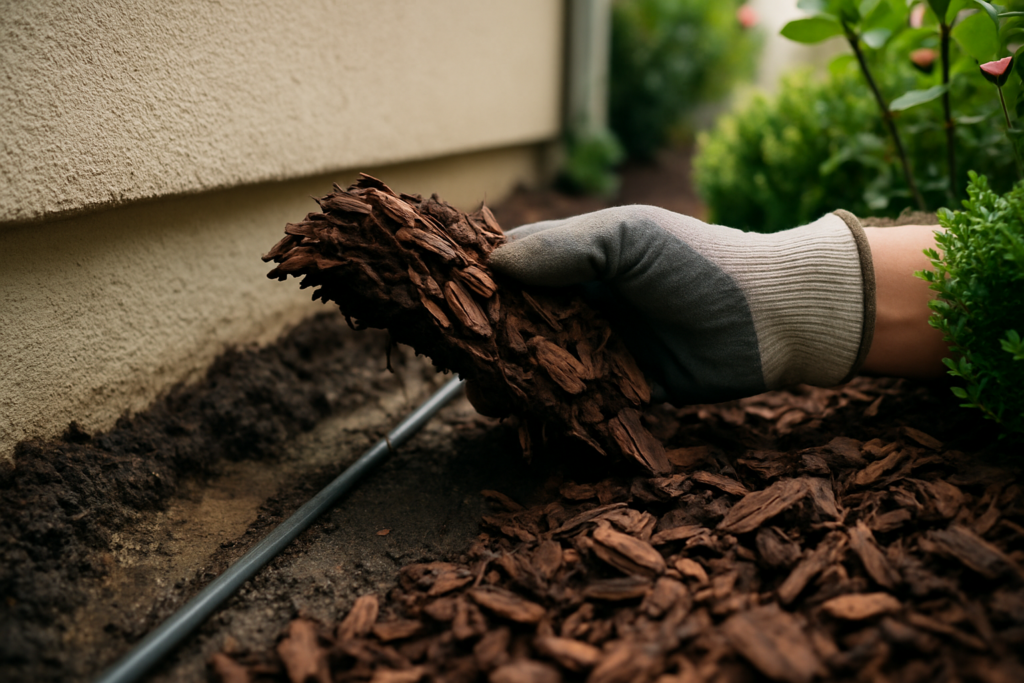
Dense ivy climbing your walls, overgrown shrubs against the foundation, or a woodpile stacked near the house all create sheltered paths for rats to travel unseen. They use this cover to sneak up to your home's exterior and look for any small opening they can use.
Rats are incredibly flexible and can squeeze through an opening as small as a quarter. A tiny gap around a pipe or a crack in the foundation is like rolling out the welcome mat.
This is why routine home maintenance is one of your most powerful defenses. Sealing these tiny entry points is a core part of effective Integrated Pest Management techniques, which always focus on prevention first. By getting rid of outdoor hiding spots and sealing up access points, you make it much harder for rats to get inside in the first place.
Finding and Sealing Every Rat Entry Point
Figuring out why rats are drawn to your home is half the battle. Now comes the most critical part of solving the problem for good: locking them out. To permanently stop rats, you have to find and seal every single entry point they use to get inside.
Think of your house as a castle and the rats as a tiny army looking for any undefended gate. A determined rat can squeeze through an opening as small as a quarter, so you need to become a detective and inspect your home's exterior from the ground up.
Start Your Inspection at Ground Level
Begin by walking around your home's foundation. Pay close attention to the areas where different materials meet, as these are common weak spots that rats love to use.
Keep an eye out for:
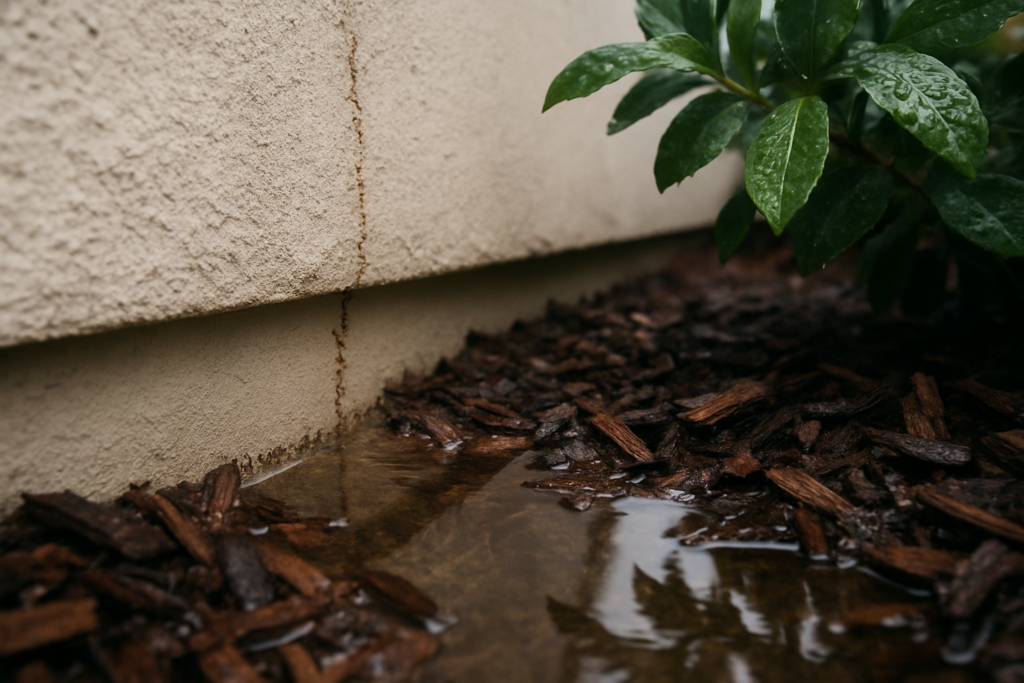
- Gaps Around Pipes: Check where plumbing, gas lines, and electrical wires enter your home. The sealant around these can crack over time, creating a perfect rat-sized doorway.
- Cracks in the Foundation: Even small cracks in the concrete can be widened by a gnawing, determined rat.
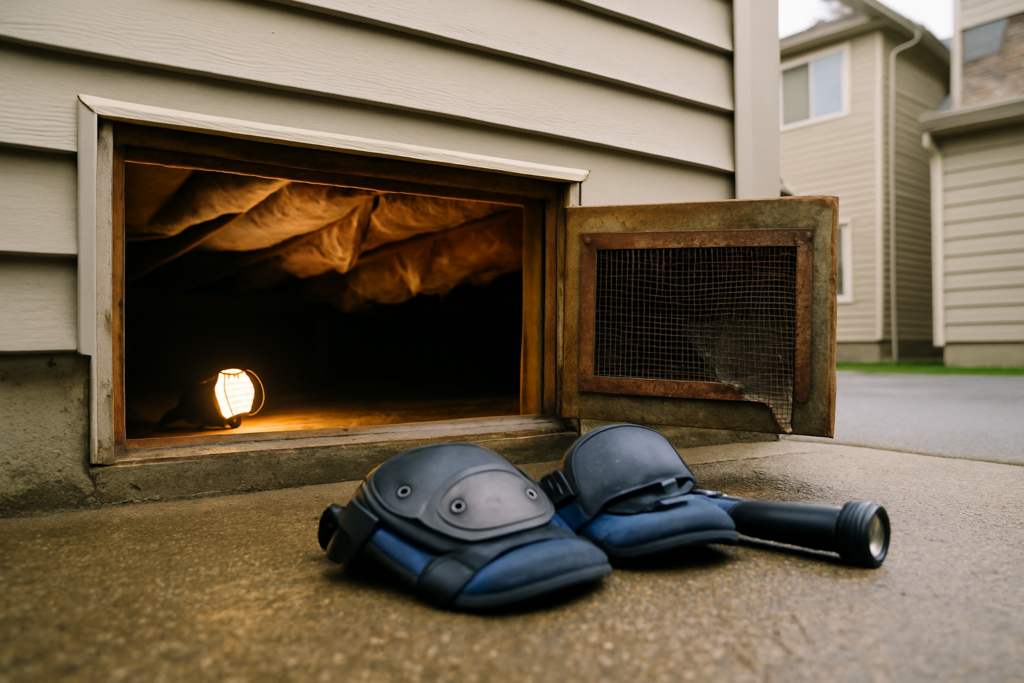
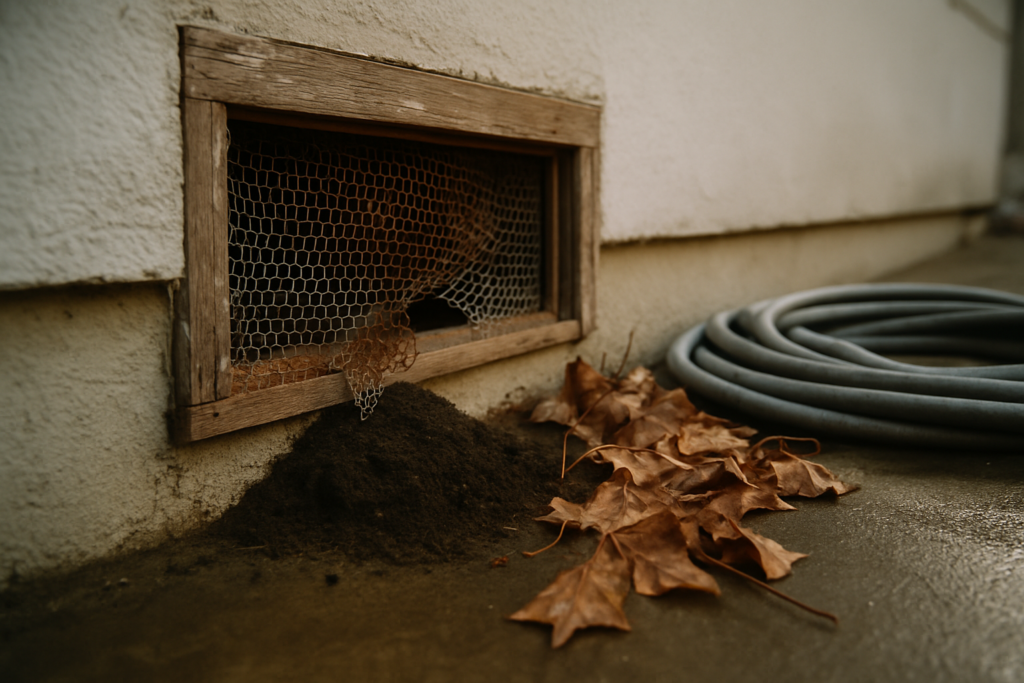
- Vents and Crawlspace Access: Make sure all vents are covered with sturdy metal mesh and that your crawlspace access door seals up tight. A loose door is an open invitation.
This visual shows how crucial this inspection and sealing process is for a rat-free home.
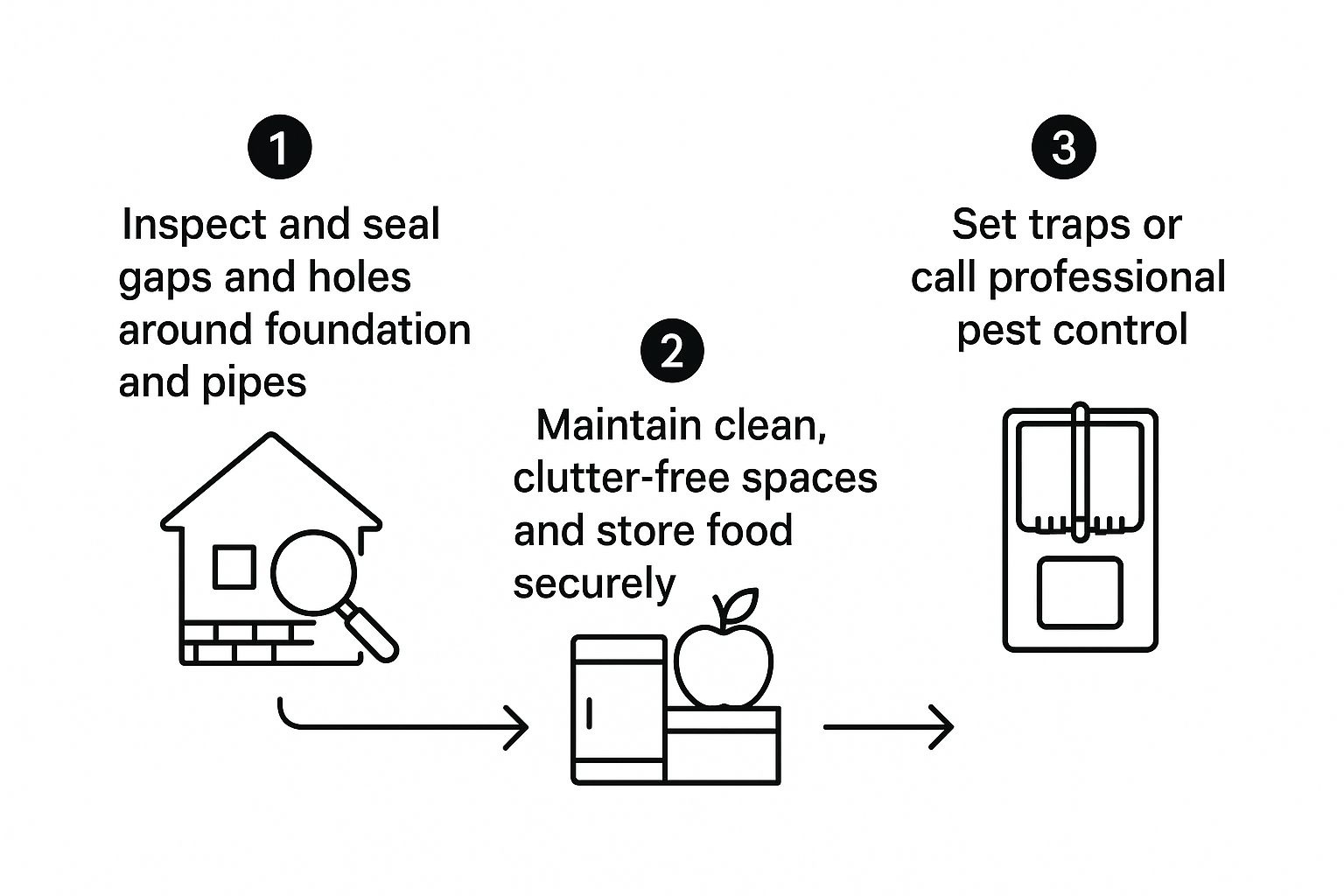
As you can see, exclusion—physically blocking them out—is the foundation of any successful rodent control plan.
Look Higher Up for More Vulnerable Spots
Rats, especially the roof rats common in Santa Cruz County, are excellent climbers. They can easily scale stucco walls, nearby trees, and utility lines to access the upper levels of your house. Don't just look down; look up.
Your high-level inspection should include:
- Roof and Eaves: Check for damaged roof tiles, gaps where walls meet the roofline, and any unscreened attic vents. Learning about repairing roof eaves can be very helpful.
- Windows and Doors: Inspect the weather stripping around all your doors and windows. A worn-out seal is an easy entry point. Also, make sure your window screens are free of holes.
- Chimneys: An uncapped chimney is a rodent superhighway into your home. Installing a chimney cap is a simple, effective fix.
The most effective long-term solution to a rat problem isn't trapping; it's exclusion. By physically blocking their entry, you take away their ability to re-infest your home, creating a permanent barrier.
Once you’ve identified these potential entry points, the next step is to seal them properly. The principles are very similar for different types of rodents, so our detailed guide on mouse-proofing your home is a great resource.
Sealing these gaps is the single most critical action you can take to reclaim your home from these unwanted guests.
Your Home's Rat Entry Point Inspection Checklist
Use this guide to systematically find and seal the common entry points rats use to invade your home.
| Potential Entry Point | Where to Inspect | How to Seal It |
|---|---|---|
| Foundation Cracks | Along the entire base of your home, especially corners. | Use concrete patch or epoxy filler for small cracks. |
| Utility Penetrations | Where pipes, wires, and cables enter the house. | Seal gaps with steel wool and expanding foam or caulk. |
| Vents (Dryer, Attic) | All exterior vents, including those on the roof and foundation. | Cover with 1/4-inch hardware cloth (metal mesh). |
| Roof & Eaves | Where the roofline meets the walls; check for damaged tiles. | Repair damaged sections and seal gaps with metal flashing. |
| Garage Door Seals | The rubber weather stripping at the bottom and sides. | Replace worn-out or chewed seals immediately. |
| Chimney | The very top of the chimney flue. | Install a professional-grade chimney cap. |
If the task feels overwhelming, remember that the team at West Pest Co. specializes in professional exclusion work and can secure your home for you.
The Hidden Costs and Dangers of a Rat Problem
Discovering you have rats is more than just an annoyance. It’s a direct threat to your family’s health and the structure of your home. While the thought of a rodent sharing your space is unsettling, the real problems go far beyond that.
Understanding the serious risks involved makes it clear why taking immediate action is so important. A rat problem quietly introduces dangers that can have lasting, expensive consequences.
Health Risks to Your Family
Rats are known carriers of many diseases that can be transmitted to humans. Their droppings, urine, and saliva can contaminate countertops, food, and even the air you breathe.
- Hantavirus: A rare but serious respiratory illness that can spread when you inhale airborne particles from dried rodent droppings.
- Salmonellosis: If rat feces contaminate food or cooking surfaces, it can lead to this nasty bacterial infection, causing severe digestive issues.
- Leptospirosis: This bacterial disease can spread through contact with water or soil that has been contaminated by the urine of infected animals.
The bottom line is that rats turn your home from a safe space into a potential health hazard. This is why tackling the problem quickly is not negotiable.
Costly Damage to Your Property
Here’s a surprising fact: rats have teeth that never stop growing. This means they have a biological need to gnaw on hard materials to wear them down. Unfortunately, the materials inside your home—like wood, pipes, and wiring—are perfect targets.
Rats cause over $27 billion annually in property damage and control efforts in the United States alone. This huge figure accounts for everything from ruined insulation to contaminated food supplies.
The most alarming risk is fire. When rats chew through electrical wiring, they strip the protective coating. This exposes live wires that can spark and ignite insulation or wood, creating a hidden and catastrophic fire hazard inside your walls.
Many rat infestations start with easy access to food and shelter, often made worse by improper waste management. Understanding the importance of responsible waste disposal in your Santa Cruz County community can significantly reduce your risk.
When you focus on these real financial and health consequences, it becomes obvious that ignoring a rat problem is a gamble you just can’t afford to take.
When to Call a Professional for Rodent Control
Knowing why rats are in your house is a huge first step. But trying to handle an active infestation on your own can get overwhelming—and even risky—very quickly. DIY approaches like snap traps and poisons often fail against clever rats, and they can be a danger to kids and pets.
It's crucial to recognize when it's time to shift from DIY prevention to calling in a professional. Bringing in an expert is often the safest and most effective move you can make.
The Limits of DIY Rat Control
A lingering rat problem is a constant source of stress. If you’re still finding droppings, hearing noises in the walls, or seeing gnaw marks, that's a clear sign the problem is bigger than you thought. Our guide on knowing when to call pest control can help you figure out the best time to make that call.
Many homeowners in Santa Cruz County try to tackle a rat problem themselves first. But these methods have serious drawbacks that can sometimes make things worse.
- You're Only Treating the Symptom: Putting out a few traps might catch a rat or two, but it does nothing to address the entire colony hiding out of sight.
- Serious Safety Hazards: Store-bought rodent poisons can be very dangerous if not handled with extreme care. They can lead to the accidental poisoning of pets, children, or local wildlife.
- A Drain on Time and Money: Going from one ineffective product to the next is a frustrating and expensive cycle. All the while, the rats are continuing to cause damage to your home.
A professional plan goes beyond setting traps. It’s a complete strategy that gets to the root of the problem, eliminates the current infestation safely, and seals up your home to keep them from ever coming back.
What to Expect From a Professional Service
Here at West Pest Co., we use a proven, eco-friendly process built for the unique challenges we see across local communities from Aptos to Scotts Valley. Our goal isn't just to get rid of the rats you have now—it's to make sure they can't return.
Our approach is built on three critical steps:
- A Full, Detailed Inspection: We start by combing through your property to find every single entry point, nesting area, and food source the rats are using.
- A Custom-Built Treatment Plan: Using what we find, we design a plan focused on safe, effective removal and exclusion. We have a variety of options to match your family’s needs.
- Long-Term Prevention and Sealing: This is the most important part. We seal your home to block re-entry, using professional-grade materials to create a permanent barrier against future invaders.
When you choose a professional with local expertise, you're getting a solution designed specifically for the rodent pressures here in Santa Cruz County. That's how you get a reliable, effective, and safe outcome for your home.
Frequently Asked Questions About Rats
Dealing with a potential rat problem is stressful. Getting clear, straightforward answers is the first step toward feeling in control again. Here are some of the most common questions our team hears from homeowners in Santa Cruz County.
How do I know if I have rats or mice?
This is a very common question. The simplest way to tell them apart is by what they leave behind. Rat droppings are much bigger, around 1/2 to 3/4 of an inch long, with blunt ends. Mouse droppings are tiny, only 1/8 to 1/4 of an inch long, and pointed like little grains of rice.
Is seeing one rat a sign of an infestation?
Unfortunately, the answer is almost always yes. Rats are nocturnal and very secretive. If you see one out in the open, especially during the day, it's a huge red flag. It usually means their nest is so overcrowded that other rats are being forced out to find food. A single rat sighting is often the tip of the iceberg.
Are rats a year-round problem in Santa Cruz?
Yes, they absolutely are. Our mild coastal climate in Santa Cruz County is a paradise for rats, allowing them to stay active and breed all year long. You will likely notice a big spike in activity during the fall and winter as they search for warm shelter in homes around Capitola and Aptos.
Is it safe to clean up rat droppings myself?
You have to be extremely careful. Never sweep or vacuum dry droppings, as this can release harmful particles into the air. The Centers for Disease Control and Prevention (CDC) recommends wearing gloves and a mask, ventilating the area, and soaking the droppings with a disinfectant or bleach solution before wiping them up with paper towels.
Can rats climb walls and get into the attic?
Without a doubt. Roof rats, which are common in our area, are incredible climbers. They can scale stucco or wood siding and use overhanging tree branches as a highway to your roof. Once there, they will use any tiny opening to get into your attic, making it just as vulnerable as your crawlspace.
Don't let rats take over your home and your peace of mind. The professional team at West Pest Co. has the local expertise to solve your rodent problem safely and for good. We offer eco-friendly and family-safe solutions designed specifically for Santa Cruz County homes.
Schedule your free estimate today and protect your home for good!