When it comes to pest control, one of the first questions I always get is, "How often do I really need it?" For most homes, the answer is surprisingly simple: quarterly pest control is the industry standard for effective, year-round prevention.
Think of a service every 2-3 months as creating a consistent, protective shield around your home—one that stops pests before they can dig in and make themselves comfortable.
Your Quick Guide To Pest Control Frequency
I like to compare professional pest control to routine maintenance for your car. You don’t wait for the engine to seize up before getting an oil change; you follow a schedule to keep it running smoothly and avoid a much bigger problem down the road. The same logic applies to your home. A one-time spray might offer a moment of relief, but pests are persistent and will always try to find their way back in.
Consistent treatments are designed to break that cycle. From years of experience and industry research, we know that a quarterly schedule aligns almost perfectly with pest biology. It renews the protective barrier just as the old one starts to lose its punch, effectively blocking common invaders right when they're looking for a new home.
A Starting Point for Your Property
Of course, not every situation is identical. A severe cockroach infestation in a restaurant is going to demand a much more aggressive approach than simple preventive care for a small apartment. Likewise, keeping your garden safe from invaders requires a different strategy altogether. If you're dealing with outdoor pests, exploring different natural pest control methods can give you a great foundation for protecting your plants.
To give you a clearer picture, I've put together a table that offers a reliable starting point based on your property type and the severity of the issue you're facing.
Key Takeaway: The goal of a pest control schedule isn't just to react to problems—it's to prevent them from ever starting. A quarterly plan is the most common and effective strategy for keeping a home consistently protected.
Recommended Pest Control Frequency At A Glance
Here’s a quick reference to help you gauge the right service interval for your specific situation. This table breaks down our professional recommendations based on whether you're preventing future issues or tackling an existing one.
| Property Type | Preventive Care (No Active Pests) | Minor Infestation | Severe or Persistent Infestation |
|---|---|---|---|
| Single-Family Home | Quarterly (Every 3 months) | Bi-Monthly (Every 2 months) | Monthly |
| Apartment/Condo | Quarterly or Bi-Annually | Bi-Monthly or Quarterly | Monthly |
| Restaurant/Food Service | Monthly | Bi-Weekly or Weekly | Weekly or more as needed |
| Office/Commercial | Quarterly | Bi-Monthly or Monthly | Monthly or Bi-Weekly |
Remember, this is a guide. Factors like your location, the season, and your property's specific vulnerabilities can influence the ideal frequency. A consultation with a pro can help you lock in the perfect schedule.
Why Consistent Pest Control Beats a One-Time Fix
It’s easy to fall into the trap of thinking about pest control only when you spot a problem. But treating pests this way is like only going to the dentist when you have a raging toothache—it’s reactive, painful, and almost always more difficult to solve.
A far better approach is to see pest management as regular home maintenance, just like mowing the lawn or clearing out the gutters. It’s about being proactive, not just reactive. This mindset shift is built on one simple truth: consistency creates a protective shield around your home.
A single treatment might get rid of the pests you see today, but it’s just a temporary fix. Pests are relentless. They are always on the hunt for food, water, and shelter, and your home is their prime target.
The Problem with One-Time Treatments
Think of a one-and-done pest spray like slapping a single patch on a leaky roof during a storm. Sure, it stops the immediate drip, but it does nothing about all the other weak spots just waiting to give way. Over time, every pest treatment naturally breaks down from exposure to sunlight, rain, and other environmental factors.
Once that barrier is gone, your home is wide open again. This starts a frustrating cycle of infestation, treatment, and re-infestation where you’re always playing catch-up. Consistent service flips the script by refreshing that protective barrier before it fails, stopping invaders before they can even get inside.
The Power of Proactive Prevention
Regular, professional pest control is designed to do one thing exceptionally well: disrupt the life cycles of common pests. Many insects breed shockingly fast, and what starts as a small issue can explode into a full-blown infestation before you know it. A quarterly service plan is specifically timed to interrupt these cycles.
Pests don't operate on a one-time schedule, and neither should your defense. Regular treatments are timed to outsmart pest biology, breaking their breeding cycles and preventing populations from ever taking hold.
This proactive mindset isn't just for bugs. Just as ongoing pest control is key, applying proactive strategies to halt mold growth in damp spots like bathrooms can head off much bigger, more expensive problems down the road.
More and more homeowners are realizing that prevention is the way to go. The global pest control market was valued at around $25 billion in 2023 and is expected to soar past $40 billion by 2032, largely driven by this shift toward continuous management.
Ultimately, ongoing protection isn't just about avoiding creepy crawlies. It’s about protecting your family’s health, your home’s structural integrity, and your peace of mind. When kids and pets are in the picture, safety is everything. We prioritize methods that work without compromising your family’s well-being, which you can learn more about in our guide to child-safe pest control. Investing in a regular schedule is the smartest way to keep your home protected for the long haul.
Factors That Shape Your Pest Control Schedule

Figuring out how often you need pest control isn’t a simple calculation; it’s a personalized assessment. Think of your property as having a unique risk profile. Much like a doctor considers your lifestyle and genetics before recommending a health plan, a pest professional analyzes several key variables to build a schedule that truly protects your home.
There’s no such thing as a "one-size-fits-all" frequency because no two properties are the same. A brand-new house in a sparse suburban development faces entirely different pressures than a century-old home nestled against a wooded creek. Understanding these factors helps explain why a standard quarterly plan might be perfect for your neighbor but completely insufficient for you.
The Type of Pest You Are Facing
The single most important factor shaping your treatment schedule is the pest itself. Different pests have unique behaviors, breeding cycles, and levels of resilience, all of which dictate our strategy.
For instance, those nuisance ants that march across your kitchen counter in the spring can often be managed with a simple quarterly preventive service. A destructive termite colony, however, demands a much more intensive approach. This usually means a comprehensive initial treatment followed by annual inspections and continuous bait station monitoring to ensure they don’t return to threaten your home's structure.
Likewise, a single wasp nest can often be handled in one visit, but a German cockroach infestation requires multiple, precisely timed treatments to break their notoriously rapid breeding cycle.
Your Property's Age and Construction
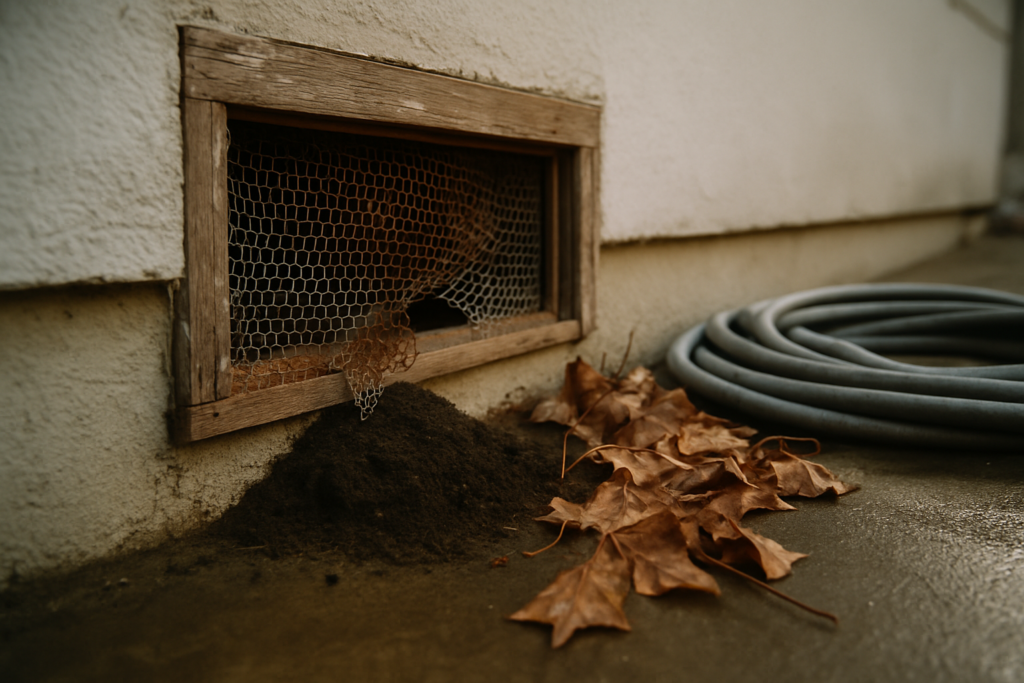
Your home's age and the way it was built play a massive role in how vulnerable it is to pests. Older homes often have countless small cracks, tiny gaps in the foundation, and worn-out seals around windows and pipes that basically serve as open invitations for critters.
But newer construction isn't automatically immune, either. Depending on the building materials and the quality of the work, plenty of entry points can still exist.
Key Insight: A pest professional doesn't just look for pests; they look for potential entryways. The more "opportunities" your home provides, the more frequent and thorough your service may need to be to seal those gaps and maintain a strong defensive barrier.
For a detailed look at what we search for, our pest control inspection checklist gives an excellent overview of the most common vulnerabilities we find.
Your Geographic Location and Environment
Where you live is a massive piece of the puzzle. Our climate here in Santa Cruz County fosters significant pest activity nearly year-round, creating constant pressure on homes. Properties located near high-risk areas face even greater challenges.
Think about these environmental factors:
- Proximity to Woods or Fields: Living near natural landscapes dramatically increases your exposure to ticks, spiders, rodents, and other wildlife looking for shelter.
- Nearby Water Sources: Ponds, creeks, or even drainage ditches are prime breeding grounds for mosquitoes and attract a host of other pests searching for moisture.
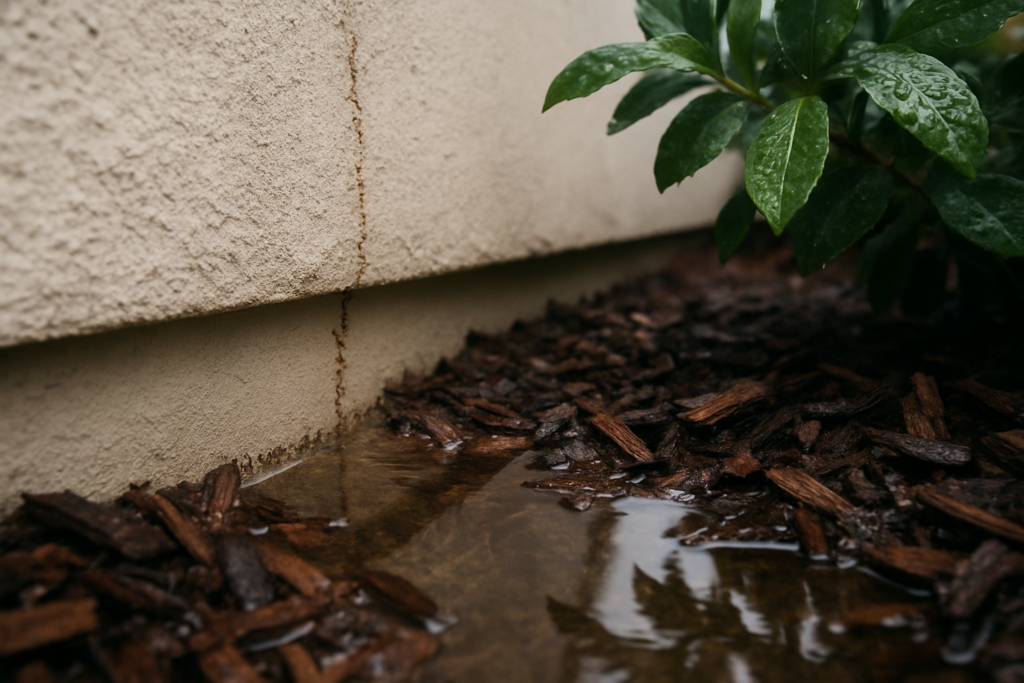
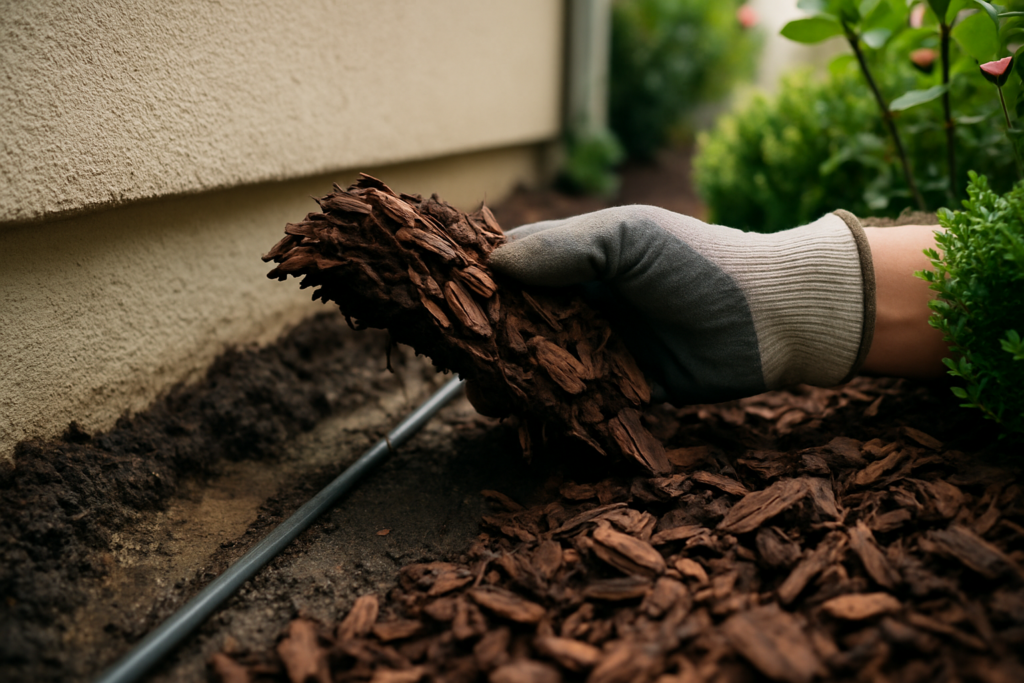
- Landscaping Choices: Dense vegetation, thick layers of mulch, and firewood stacked right up against the house provide ideal hiding spots and create a bridge for pests to access your home.
Each of these elements contributes to your property's specific pest profile. By understanding them, we can move away from a generic schedule and build a truly customized defense plan that keeps your home protected through every season.
A Year-Round Strategy For Seasonal Pests
Pests don’t just disappear in the off-season; they simply change their tactics. Thinking about pest control as a seasonal, year-round commitment is the secret to staying ahead of them. This approach lets you anticipate threats before they breach your home's defenses, instead of just reacting after they're already inside causing problems.
Each season brings a predictable wave of pest activity. Understanding this natural rhythm is the foundation for figuring out how often you need service. It’s not about random treatments—it’s a strategic game plan based on the predictable patterns of the bugs and rodents in our area.
This infographic breaks down the most common professional service frequencies needed to keep a home protected all year.
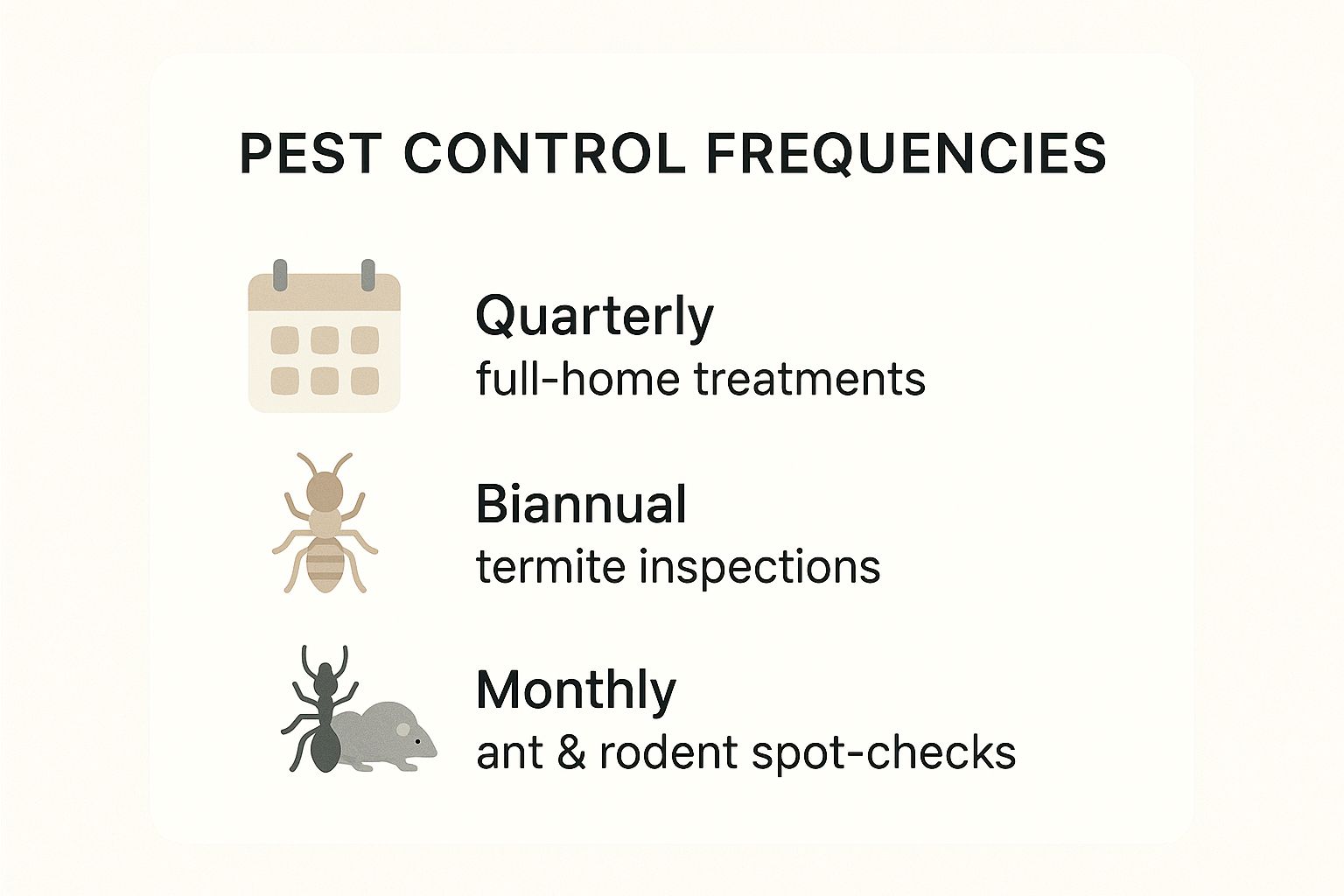
As you can see, a quarterly service is the backbone of any solid plan. This is often supplemented with more frequent visits for high-risk pests like termites or persistent invaders like rodents.
Spring and Summer Swarms
When the weather warms up in spring, the world comes back to life—and so do the pests. This is prime time for swarming termites, which leave their colonies to mate and establish new ones. Ants also kick into high gear, sending out scouts to find food for their rapidly expanding populations. A professional treatment in early spring creates a crucial barrier before these invasions can get a foothold.
Summer brings its own set of headaches. The heat is perfect for stinging insects like wasps and yellow jackets, who love to build nests in eaves, under decks, and inside wall voids. Mosquitoes also thrive in any standing water, quickly turning your backyard into a place you want to avoid. Consistent service through these months targets these aggressive outdoor pests, letting you enjoy your space.
Expert Insight: Many of the world’s most significant pest issues are seasonal. Studies show that pests like mosquitoes, cockroaches, and rodents are a global concern, with their populations peaking based on local climate patterns. This reinforces that effective pest control is not a one-time event but an ongoing, often seasonal activity. Learn more about the findings on pest seasonality.
Fall and Winter Intruders
Once autumn rolls in, the cooling temperatures send a clear signal to many pests: find shelter now or you won't survive the winter. This is when rodents like mice and rats start desperately looking for a way into your home, seeking warmth and a steady food supply. You'll also notice more spiders inside as they follow their prey indoors.
A fall treatment is all about exclusion—sealing up entry points—and reinforcing the exterior barrier to stop these intruders before they can move in.
Winter might seem like a quiet time, but don't be fooled. Many pests are just hiding out inside your walls, attic, or basement. Cockroaches, rodents, and other pests that got inside during the fall will happily breed and multiply all winter long. A winter service is vital for finding and eliminating these hidden infestations, ensuring they don’t explode into a massive problem come spring. This final step completes the cycle of true, year-round protection.
To make this easier to track, here’s a quick guide to what’s happening each season and where your pest control focus should be.
Seasonal Pest Activity And Recommended Actions
This table provides a simple guide to common pests and strategic control measures for each season, helping you stay one step ahead.
| Season | Common Pests | Recommended Pest Control Focus |
|---|---|---|
| Spring | Ants, termites, spiders, mosquitoes | Creating a strong exterior barrier, inspecting for termite swarmers, and managing ant colonies. |
| Summer | Wasps, yellow jackets, mosquitoes, fleas, ticks | Targeting outdoor nesting sites, managing mosquito breeding grounds, and interior flea control. |
| Fall | Rodents (mice, rats), spiders, cockroaches, stink bugs | Exclusion work to seal entry points, exterior perimeter treatments, and placing rodent bait stations. |
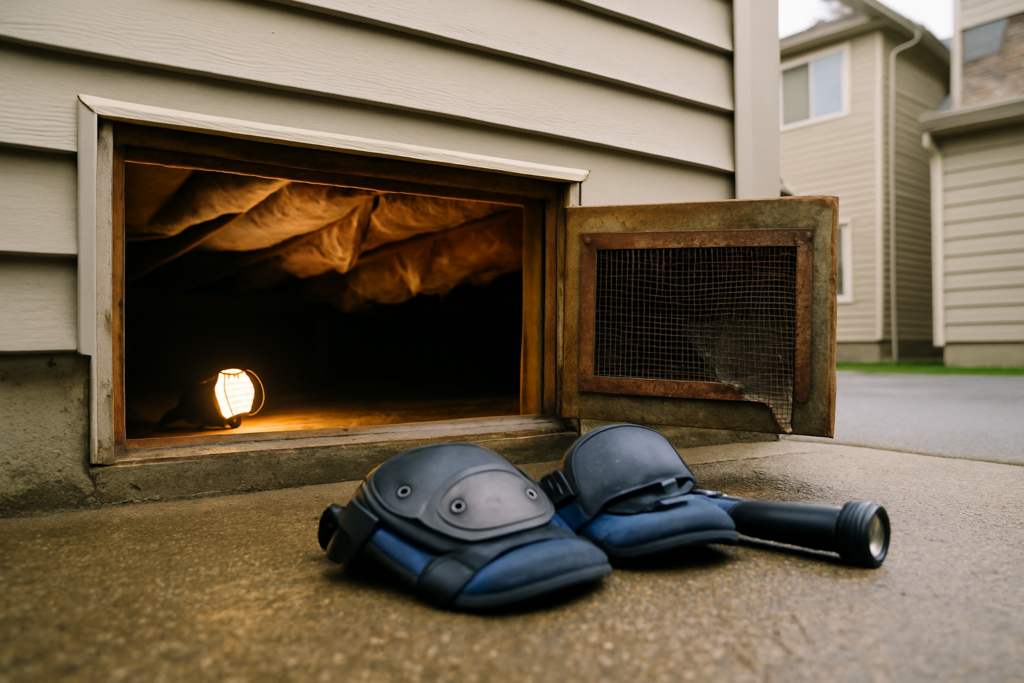
| Winter | Rodents, cockroaches, overwintering insects | Inspecting attics and crawl spaces, targeting hidden interior infestations, and maintaining bait stations. |
By aligning your pest control efforts with these seasonal shifts, you move from a reactive stance to a proactive one, keeping your home secure no matter the time of year.
Of course. Here is the rewritten section, crafted to sound completely human-written and natural, following all the specified requirements.
Tailoring Treatment for Specific Pest Problems
While a standard quarterly plan is the workhorse of home pest defense, some stubborn invaders just laugh in the face of a "one-size-fits-all" approach. When you’re dealing with highly destructive or resilient pests, the question of "how often should pest control be done" gets a much more specific answer. These situations require a specialized strategy that goes far beyond a simple perimeter spray.
Think of it this way: you wouldn't use the same medicine for a common cold and a serious infection. Likewise, pests like termites, rodents, and bed bugs demand their own focused treatment plans with more frequent, targeted actions to ensure they’re gone for good.
The Termite Ticking Clock
Termites are the silent destroyers of homes. Managing them is a year-round commitment, not a one-and-done event. A single treatment might offer a false sense of security, but the real solution involves a multi-layered defense.
This typically starts with a comprehensive initial treatment to eliminate the active colony. But the work doesn't stop there.
Key Insight: The most critical part of termite control is what happens after the initial treatment. Ongoing vigilance is the only way to protect your biggest investment.
Effective termite management isn't just about spraying; it's about strategy. It requires:
- Annual Inspections: A professional should thoroughly inspect your property every single year to look for new signs of termite activity.
- Continuous Monitoring: Bait stations are often installed around your home’s foundation. These are checked regularly (often quarterly or bi-annually) to intercept new colonies before they can ever reach your house.
This combination of annual check-ups and constant monitoring is the only proven method for long-term termite prevention.
The Rodent Removal Process
Rodents like mice and rats aren't just a nuisance; they're a significant health hazard. Getting rid of them for good involves more than just setting a few traps. The process is intensive at the start and then shifts into a maintenance phase.
The initial phase focuses on two key things: trapping and exclusion. A professional will conduct a detailed inspection to identify and seal every possible entry point—from tiny cracks in the foundation to the gaps around utility pipes.
After the initial cleanup and sealing, the frequency of service can often be reduced to quarterly or bi-monthly check-ins. During these visits, the technician will inspect for new activity, check and reset traps, and make sure the exclusion work is holding up. With their rapid breeding cycles, even a short lapse in this schedule can allow a new infestation to take root. For those interested in eco-conscious solutions, you can explore the options available for green pest control that are both effective and responsible.
Winning the War Against Resilient Pests
Pests like cockroaches and bed bugs are notoriously difficult to eliminate. Their secret weapons? Rapid breeding cycles and expert hiding skills. A single treatment will almost never solve the problem. It might kill the adult bugs you see, but their eggs will just hatch days later, starting the cycle all over again.
For these tough pests, success requires multiple, strategically timed treatments. A professional will typically schedule several visits, often 2-4 weeks apart. This schedule is designed specifically to break the pest life cycle, killing off the newly hatched generations before they have a chance to mature and reproduce. It’s a battle of persistence, and a consistent, multi-visit plan is your key to victory.
Got Pest Control Questions? We’ve Got Answers.
When it comes to protecting your home, it’s only natural to have a few questions. You want to be sure you’re making the right calls, especially around things like cost, how often service is really needed, and whether you can just handle it yourself.
Let's cut through the noise. We hear these questions all the time from homeowners just like you. Here are the straightforward, no-nonsense answers you need to feel confident in your pest management plan.
Is Monthly Pest Control Too Much for My Home?
For most homes without a major, active infestation, monthly service is usually overkill. The professional standard for preventive care is a quarterly visit (every 2-3 months). This schedule isn't random—it's timed perfectly to reapply a protective barrier just as the old one starts to wear down from sun and rain.
That said, there are a few situations where a temporary monthly plan makes sense:
- Severe Infestations: If you're dealing with a deeply entrenched German cockroach or rodent problem, more frequent visits are often needed at the beginning to get the situation under control.
- High-Risk Properties: Think homes with commercial-style kitchens or properties located right next to a dense forest, creek, or field. These spots face intense, constant pest pressure and can benefit from more frequent attention.
- Certain Pesky Pests: Some pests have incredibly fast life cycles. A short-term monthly approach can be the key to breaking their breeding pattern for good.
In these scenarios, a pro will typically use a monthly schedule to knock down the population, then switch you to a standard quarterly plan for long-term, cost-effective maintenance.
Can I Just Do My Own Pest Control?
Tackling a small pest issue with a store-bought spray can feel like a quick win. But when it comes to lasting protection, DIY solutions rarely measure up to a professional service. Think of it this way: a DIY spray is like putting a bandage on a small cut, while professional service is like getting a full check-up to prevent problems before they start.
The real difference comes down to three things:
- Product Strength: Professionals have access to commercial-grade products that are not only more powerful but also have a much longer-lasting residual effect than anything you can buy at the hardware store.
- Expert Knowledge: A trained technician is a pest detective. They know pest biology inside and out—where they hide, how they breed, and the smartest ways to stop them in their tracks. They spot the hidden entry points you’d likely miss.
- Safety and Precision: Using pesticides incorrectly isn't just ineffective; it can be hazardous to your family and pets. Professionals are trained to apply treatments precisely where they're needed, ensuring both safety and maximum impact.
For a few ants on the counter, a DIY trap might do the trick. For anything more serious—especially wood-destroying insects like termites or a persistent infestation—a professional is the safer, more reliable investment.
What Happens If I Skip a Scheduled Service?
Skipping a quarterly service is like disabling your home’s security system for a few weeks. It creates a critical gap in the protective barrier around your property. Professional treatments are designed to last about 90 days. After that, their effectiveness fades, and your home is left vulnerable again.
This lapse is an open invitation. It gives pests the window of opportunity they need to move from your yard into your home. For fast-breeding pests like cockroaches or mice, a few unguarded weeks is all it takes for a tiny issue to become a full-blown infestation that’s much harder and more expensive to solve.
Consistency is the cornerstone of prevention. Sticking to your schedule ensures that defensive shield stays strong and unbroken.
Does Apartment Living Change My Pest Control Needs?
Absolutely. Living in a multi-family building like an apartment or condo comes with its own unique challenge: shared walls. Pests like cockroaches, bed bugs, and rodents are experts at traveling between units through common plumbing, wall voids, and electrical conduits.
This means your neighbor’s pest problem can become your problem in a hurry, no matter how spotless you keep your own space. While your building manager might provide some basic pest control for common areas, it often isn’t enough to seal off your individual apartment.
Investing in your own quarterly service creates a specific protective bubble around your unit. It’s also crucial to communicate with property management if you suspect an issue is building-wide. The only way to truly solve large-scale infestations in shared buildings is with a coordinated treatment plan across multiple units.
Are you ready to create a pest-free environment in your home? At West Pest Co., we build customized treatment plans that keep your property protected year-round. Contact us today for a free inspection and see why we were voted the Best Pest Control in Santa Cruz County!