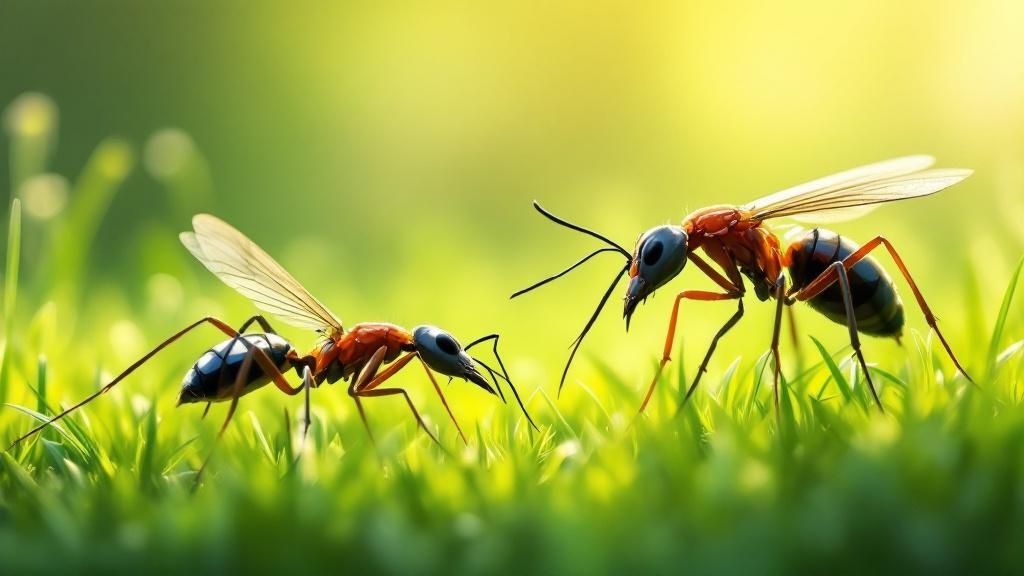
As the weather warms up, it’s not just flowers that start to emerge. Pests like ants and termites are ending their winter slowdown, and they're on an aggressive hunt for food, water, and new places to build their nests. This seasonal surge sends them straight toward the easy pickings found inside your home.
Getting ahead of them now is the whole game. A little preventative action in the spring can save you from a stressful—and expensive—infestation down the line.
Why Spring Is Prime Time for Pests
The shift from winter to spring is like a biological starting gun for countless pests. After months of dormancy or just lying low, the combination of warmer days and more moisture tells them it's time to get busy—breeding, expanding, and finding new territory. Your house, with its cozy temperatures, hidden water sources, and crumbs in the kitchen, looks like a five-star resort.
This isn't just a minor annoyance; it's pure survival instinct. These pests are desperately seeking resources to fuel their growing colonies, and your property offers a one-stop shop for everything they need.
The Science Behind the Seasonal Surge
So, what exactly makes spring the peak season for pest problems? It really comes down to a few key factors that all hit at once:
- Warming Temperatures: Most insects are cold-blooded, which means their metabolism is directly linked to the temperature around them. As the ground thaws and the air warms up, their bodies kick into high gear, fueling their search for food and mates.
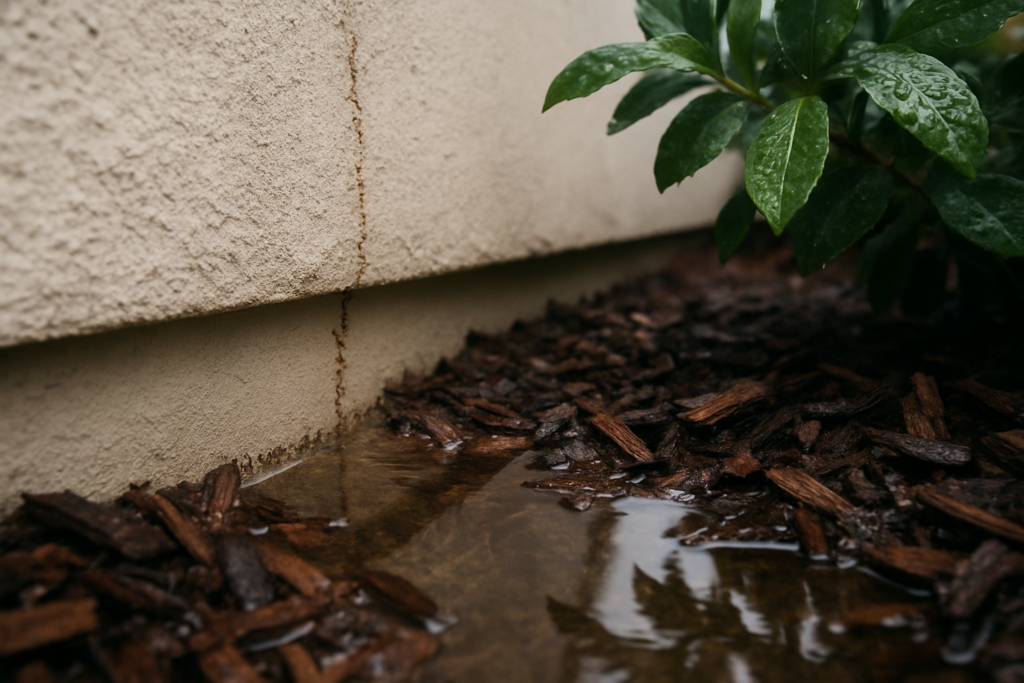
- More Moisture: Spring rains create the exact damp conditions that many pests—especially termites, mosquitoes, and cockroaches—need to thrive and reproduce. That puddle in your yard or the damp soil against your foundation is basically an open invitation.
- A Fresh Buffet: Outside, blooming flowers and new plant growth create a feast. As pests explore these new food sources, they inevitably venture closer to your home and discover the even better stuff inside, like kitchen crumbs or an unsecured bag of pet food.
The spike in demand for spring pest control isn't just a coincidence. It's a real, measurable trend that reflects the very real threat homeowners face each year as pests wake up and get moving.
To give you a better idea of what to look out for, here's a quick rundown of the usual suspects and the trouble they cause.
Spring Pest Hotspots and Associated Risks
| Pest | Primary Threat | Key Area to Inspect |
|---|---|---|
| Ants | Contaminating food, creating unsightly trails | Kitchen counters, pantries, window sills |
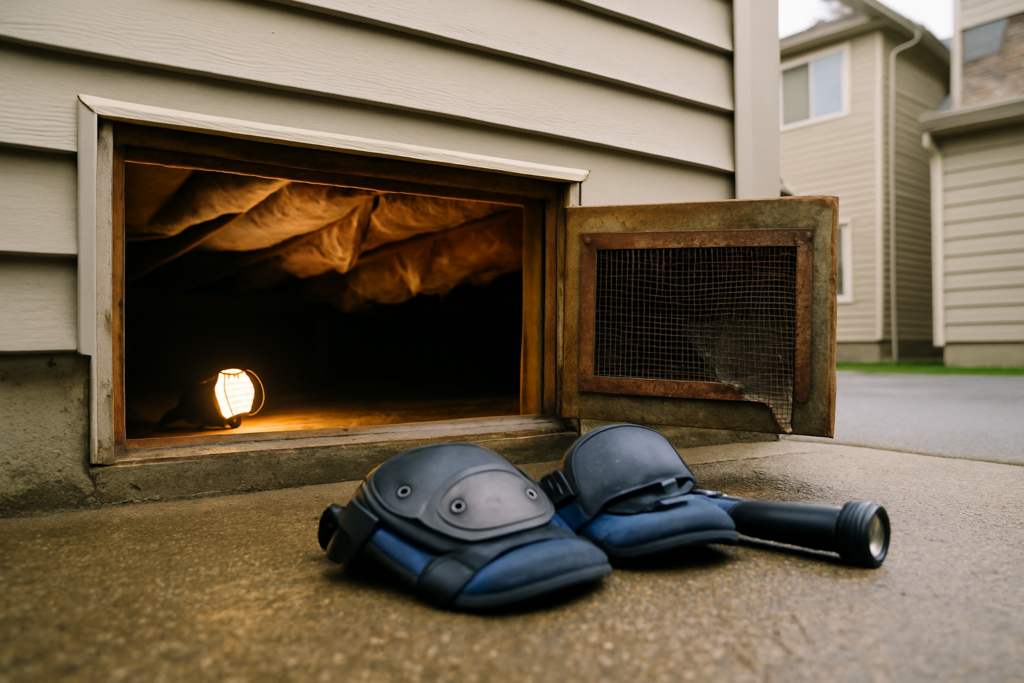
| Termites | Causing severe structural wood damage | Foundation, crawl spaces, wooden decks |
| Mosquitoes | Transmitting diseases, painful bites | Standing water in yards, gutters, bird baths |
| Cockroaches | Spreading bacteria, triggering allergies | Under sinks, behind appliances, in basements |
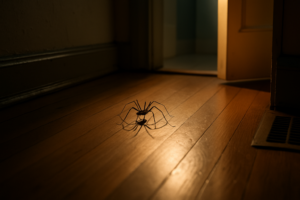
| Spiders | Building webs, some species have venomous bites | Corners of rooms, garages, sheds, woodpiles |
This table shows why a quick walk-around your property is so important. Catching these issues early can make all the difference.
The Economic Impact of Spring Pests
This isn't a small-scale problem; it's so widespread it has a major economic footprint. The global pest control market has seen serious growth, driven heavily by these seasonal demands. In a recent year, the market hit about USD 25.8 billion, with a big chunk of that coming from termite and wood-boring insect infestations that really ramp up in the spring.
If you're curious, you can explore the full analysis to see just how big the industry is. It’s a stark reminder that being proactive isn't just about peace of mind—it's about protecting your wallet before a small issue turns into a major expense.
The Essential Exterior Home Inspection
Your home's exterior is the first—and most important—line of defense against spring pests. Think of yourself as a detective. A thorough walk-around now, before pests really get going, can save you a world of headaches later. You’re looking for clues and weak spots that pests are just waiting to exploit.
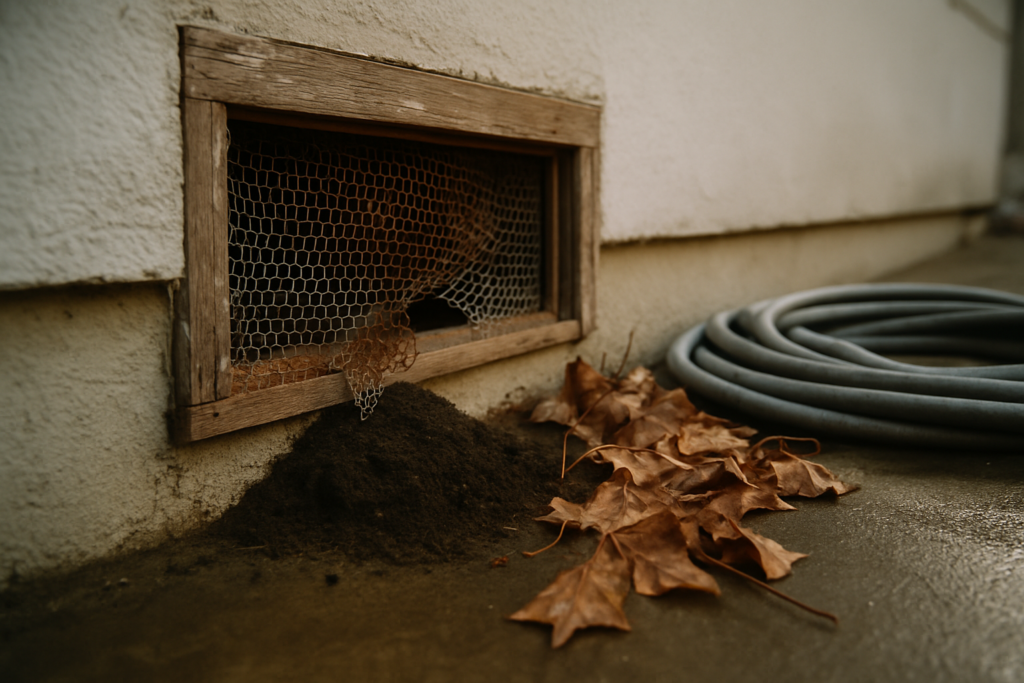
Start with a slow walk around the perimeter of your house, focusing on the foundation. Look for any cracks or gaps, no matter how tiny they seem. It's wild, but an ant can slip through an opening the width of a credit card. Seal every single imperfection you find with caulk. Pay extra close attention to where utility lines, pipes, or faucets enter the home—these are like superhighways for pests.
Checking Key Vulnerabilities
Next up, shift your focus to your windows and doors. Check every window screen for small rips or tears and get them patched or replaced right away. A damaged screen is basically a "welcome" mat for flies, mosquitoes, and spiders. Take a look at the weather stripping around all your exterior doors, too. If it’s cracked, brittle, or peeling, it's time for a replacement. This simple fix not only keeps bugs out but also helps with your energy bills.
Pro Tip: Gently probe any wooden structures like deck posts, stair stringers, or window trim with the tip of a screwdriver. If the wood feels soft or spongy, that could be a sign of moisture damage, which is a huge draw for termites and carpenter ants.
This little test takes just a few minutes but can uncover hidden damage before it turns into a massive structural headache.
This infographic breaks down a simple, repeatable process for protecting your property.
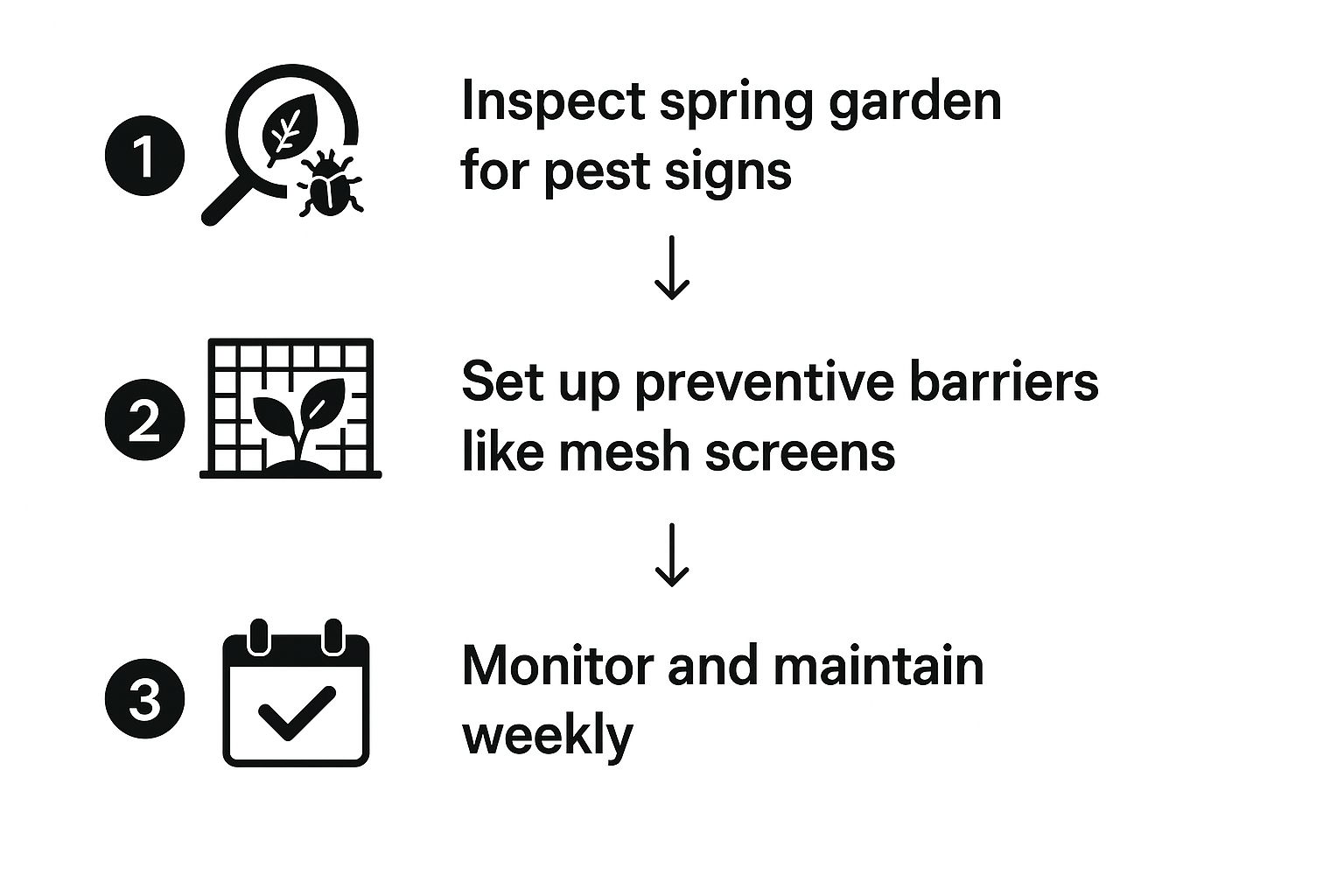
As you can see, good pest management isn't a one-and-done task. It's a continuous cycle of inspecting, preventing, and monitoring.
Inspecting Overlooked Entry Points
Finally, don't forget to look up. Your roofline, vents, and chimney are prime real estate for pests looking for a safe place to set up shop.
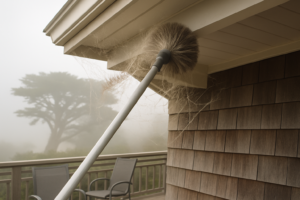
- Soffits and Eaves: Scan the soffits under your roof's eaves. Wasps and hornets absolutely love building nests in these protected corners, so look for gaps or early signs of nesting.
- Dryer and Exhaust Vents: Make sure all your exterior vents have secure covers. It's surprisingly common for birds and rodents to try nesting in uncovered dryer vents, which creates both a pest problem and a serious fire hazard.
- Chimneys: If you have a chimney, it needs a properly installed cap. This is the only thing stopping birds, squirrels, and even raccoons from moving right in.
By methodically checking these often-missed spots, you're building a fortress against pests. This comprehensive exterior check is the cornerstone of any successful spring pest control strategy because it stops infestations before they even have a chance to start. A secure exterior means far fewer pests will ever get the opportunity to see what’s inside your home.
Creating a Pest-Proof Interior
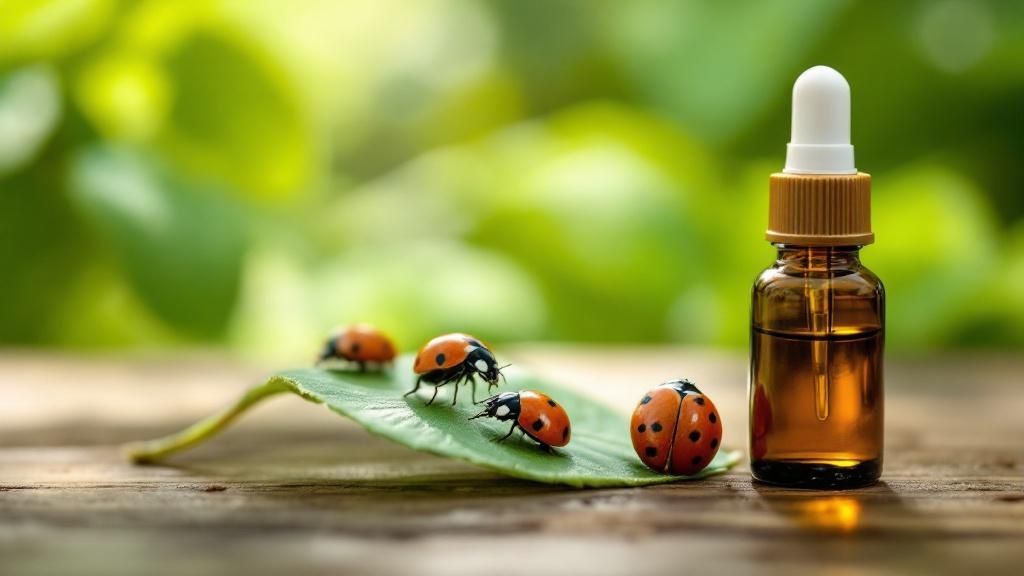
Even with a solid defense around the outside of your home, a determined pest will eventually find a way in. This is where your next layer of defense comes into play: making your home’s interior as unwelcoming as possible. Effective spring pest control is all about eliminating the resources—food, water, and shelter—that these invaders are looking for.
This battle almost always starts in the kitchen, which is the number one magnet for pests like ants and cockroaches. Pay close attention to the spots most people miss, like underneath and behind the refrigerator and stove. Crumbs and grease build up there, creating a feast. A quick pull-out and deep clean can remove a massive food source you didn't even know you were offering.
Eliminating Food and Water Sources
Proper food storage is completely non-negotiable. Pests have an incredible sense of smell and can easily get through thin cardboard boxes or flimsy plastic bags. It's time to transfer all your dry goods from their original packaging into airtight containers made of glass or hard plastic.
This includes things like:
- Cereal, flour, and sugar
- Pasta and rice
- Pet food and birdseed
This one habit alone makes your pantry far less of a target. Next, turn your attention to moisture. Even a tiny, slow drip from a pipe under the sink can provide enough water to sustain an entire cockroach population. Make it a habit to routinely check for leaks in your bathrooms, laundry room, and basement.
A critical part of making your home uninviting is consistency. Wiping down counters after every meal, rinsing dishes promptly, and taking out the trash regularly are small actions that collectively have a huge impact on preventing infestations.
Removing Clutter and Shelter
To a pest, clutter is basically a five-star hotel offering endless hiding spots and nesting materials. Attics, basements, and garages filled with old cardboard boxes are especially vulnerable. Cockroaches, silverfish, and spiders absolutely love cardboard because it provides dark, undisturbed shelter.
A real game-changer is switching from cardboard boxes to plastic storage totes. These bins protect your belongings from both moisture and pests, instantly removing a huge source of shelter. Take the time to organize these areas, keeping items off the floor and away from the walls. This not only reduces hiding places but also improves air circulation.
A well-maintained and clean interior is a powerful deterrent. By systematically removing access to food, water, and shelter, you create an environment where pests simply can't thrive. This internal defense is a key component of a complete strategy, and you can learn more about how it fits into a larger plan with our resources on preventative pest control. Combining a clean interior with a secure exterior creates the most robust defense against the spring pest surge.
Using Your Yard as a Natural Defense
Your yard can be one of two things: a welcome mat for pests or a powerful buffer protecting your home. A bit of smart, strategic yard work is one of the most effective forms of spring pest control because it removes the highways and habitats pests need to reach your house.
Think about it from an ant's point of view. A tree branch touching your roof isn't just a branch; it's a perfectly built bridge leading straight into your attic or second-story windows. By simply trimming back tree limbs and shrubs so they don’t touch your home, you eliminate these easy access points. I always recommend leaving at least a few feet of clearance all around.
Mind the Mulch and Moisture
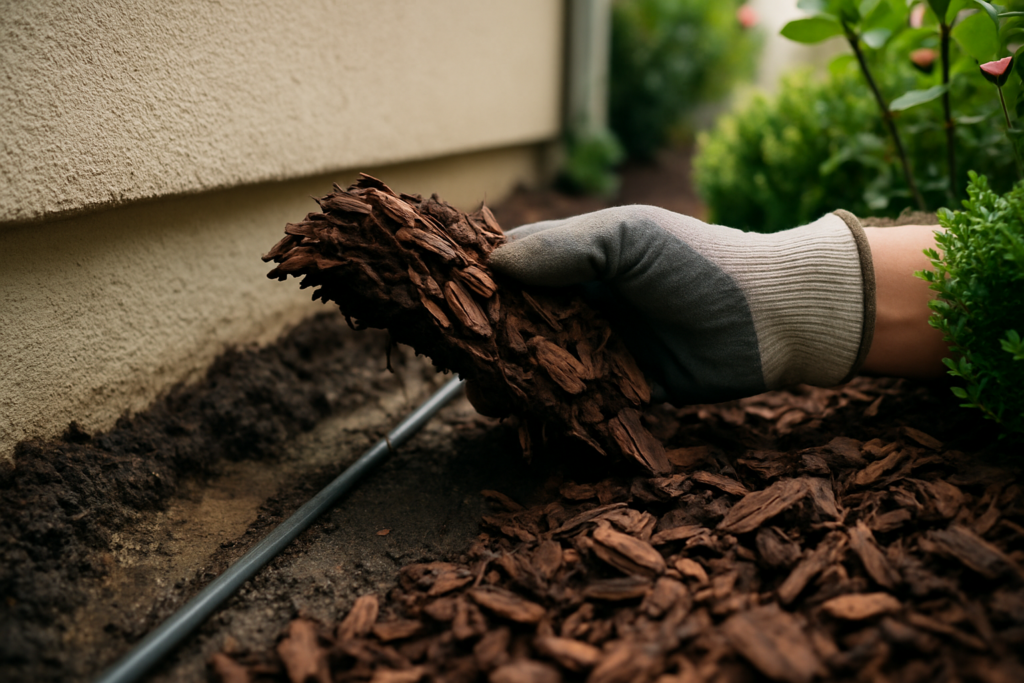
Mulch is fantastic for garden beds, but it becomes a huge liability when it's piled up against your house. Most mulches hold moisture, creating the damp, dark environment that termites, roaches, and earwigs absolutely love. When that mulch is pushed right against your foundation, you're essentially laying out an invitation for them to explore your home's structure.
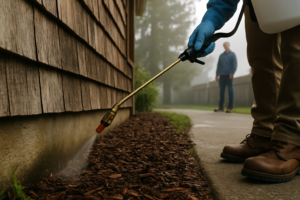
A simple but critical rule of thumb is to maintain a buffer zone of at least six to twelve inches between your foundation and any mulch or dense ground cover. This small gap of bare soil or gravel creates a dry, uninviting barrier that pests are far less likely to cross.
Standing water is just as big of a problem. Even a tiny amount of stagnant water in a clogged gutter, an old tire, or an overturned flowerpot can become a breeding ground for thousands of mosquitoes in just a few days. Taking a quick walk around your property after it rains is a great habit for spotting and getting rid of these trouble spots before they start.
Rethink Your Yard's Layout
Where you place certain features in your yard matters more than you might think. A compost pile, for instance, is a gold mine for your garden but can also be a five-star resort for pests if it's too close to the house.
Make sure to position your compost bin and any firewood stacks as far from your foundation as possible. Firewood, in particular, is a well-known haven for both termites and spiders.
Creating a pest-resistant yard is also right in line with a growing trend toward more sustainable pest management. Consumer interest in eco-friendly solutions is surging. The global pest control market, valued at USD 25.26 billion in a recent year, is projected to climb to nearly USD 38.47 billion as more homeowners seek responsible methods. While chemicals still lead, you can discover more insights about the pest control market on Maximize Market Research to see how biological and physical controls are gaining ground.
Even with a perfectly maintained yard, smaller pests like aphids can still attack your prized plants. For those specific garden issues, you'll need a more targeted approach. If you're seeing your plants suffer, our guide on organic aphid control has some fantastic tips. By combining a secure yard with targeted garden care, you establish a robust defense that keeps pests at a comfortable distance.
Knowing When to Call a Professional

Let's be honest, DIY prevention is a fantastic first line of defense in your spring pest control efforts. But some battles are simply not meant to be fought alone. Knowing when to put down the spray bottle and pick up the phone is just as critical as knowing how to seal a crack or clean up crumbs.
Some pest situations go from a minor nuisance to a full-blown problem in a hurry, and these are the moments that demand immediate professional attention. These are the red flags you can’t afford to ignore.
Critical Red Flags for Homeowners
A few ants marching across your counter can often be handled with some deep cleaning and sealing up entry points. But seeing a sudden swarm of any insect inside your home—whether it's ants, termites, or flies—is a different beast entirely. This usually means a large, established nest is close by, probably tucked away inside your walls or foundation.
Likewise, discovering pests that pose a direct health risk is a clear signal to call for backup. This includes aggressive insects like wasps or yellow jackets building nests near doorways, or any venomous spiders found inside your living spaces. The risk of stings or bites is just too high to tackle on your own.
The most critical sign that requires an immediate call is discovering mud tubes on your foundation or wooden structures. These pencil-thin tunnels are the calling card of a subterranean termite infestation—a problem that can cause catastrophic structural damage if left untreated.
This isn’t just about convenience; it’s a growing necessity. The global pest control market has seen a predicted growth of approximately £6.8 billion in recent years, a surge driven by the complex pest challenges facing modern homes. You can read the full market analysis on Pest Magazine to get a better sense of why professional demand is on the rise.
Vetting a Pest Control Company
When you decide it's time to hire help, choosing the right company is crucial. Not all pest control services are created equal, and asking the right questions upfront will save you a world of time, money, and stress.
Before you commit, make sure to ask any potential provider these questions:
- Are you licensed and insured? This is non-negotiable. It protects you from liability and ensures they meet state standards.
- Can you explain your approach? A good company will walk you through their Integrated Pest Management (IPM) plan, which should focus on long-term prevention, not just spraying chemicals.
- What treatments will you use? Get specifics on the products they plan to use and ask if they offer eco-friendly or low-impact options.
- What does your guarantee cover? You need to understand what happens if the pests come back after the treatment.
For common but persistent invaders, professional help can be a total game-changer. For example, some ant colonies are incredibly difficult to wipe out completely without expert assistance. To get a better handle on their behavior, check out our detailed guide on how to keep ants away for good. Professionals have access to more effective, targeted treatments that go far beyond what you can buy at the hardware store, ensuring the entire colony is eliminated.
Got Questions About Spring Pests? We've Got Answers
Even with the best intentions, spring pest control can bring up a lot of questions. It's totally normal. As homeowners start tackling the seasonal surge of insects, they often run into the same challenges and uncertainties. Let's clear up some of the most common questions we hear from folks just like you.
Getting straight answers helps you make smarter decisions, whether you're handling a small issue on your own or trying to figure out if it's time to call in a pro. The end goal is to feel confident that your home is protected.
Are Eco-Friendly Pest Control Methods Actually Effective?
Yes, they absolutely can be. Many eco-friendly and low-impact methods are fantastic, especially when you use them for prevention or to get a handle on minor issues before they blow up.
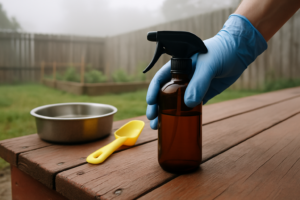
Products like diatomaceous earth create a deadly barrier for crawling insects like ants but are harmless to pets and people when used correctly. Plant-based oil sprays and beneficial nematodes for your garden are also excellent, targeted options.
The trick is knowing their limits. For a severe, widespread infestation—think destructive pests like termites or a serious cockroach problem—these gentler methods might not be powerful enough to solve the root cause. In those scenarios, a professional-grade treatment, which can still be applied responsibly, is often the only way to achieve complete eradication.
How Often Should I Really Inspect My Home for Pests?
You should have a deep, thorough inspection on your calendar at least twice a year—once in the early spring and again in the late fall. There's a good reason for this specific timing.
- Early Spring Inspection: This is your chance to find and seal up entry points before pests get fully active and start looking for a new place to nest.
- Late Fall Inspection: This helps you button up your home against pests like rodents and spiders that are desperate for a warm spot to ride out the winter.
Beyond these two major checks, it's a smart habit to do a quick visual scan of your property after big storms. High winds and heavy rain can easily create new vulnerabilities.
Don't underestimate what a few wandering ants can signal. While a couple of scout ants exploring your kitchen might just be a fluke, a persistent, visible trail is a major red flag. This indicates they've established a scent highway leading directly from their colony to a food source in your home.
I Found a Few Ants. Does This Mean I Have a Major Problem?
Not necessarily, but you do need to act right away. A few "scout" ants are just testing the waters, looking for food. Your first move should be to clean the entire area where you saw them, ideally with a simple vinegar-and-water solution. This erases the invisible pheromone trail they leave for their friends. No trail, no reinforcements.
After cleaning, take a close look at the area for obvious entry points like tiny cracks near baseboards or gaps around window seals. If you seal those spots and keep food put away, but you still see a steady line of ants a day or two later, that's a sign of a larger nest nearby. At that point, a DIY approach probably won't cut it.
Can I Use the Same Pest Products on My House and Garden?
No, definitely not. This is a critical safety point. Many powerful perimeter pesticides designed to create a long-lasting barrier around your home's foundation are not safe for use on or anywhere near edible plants. Using the wrong product in your vegetable garden could easily contaminate your food.
For your garden, you have to stick to products specifically labeled as safe for agricultural use or on food crops. Better yet, focus on organic and mechanical methods:
- Row covers to physically block insects from landing on your plants.
- Companion planting with herbs that naturally repel certain pests.
- Introducing beneficial insects like ladybugs to take care of aphid populations for you.
Always, always, always read and follow the product label's directions to the letter. It's the single most important rule in all of pest control.
Feeling overwhelmed by the spring pest invasion? The team at West Pest Co. has the expertise to protect your home with reliable, eco-friendly solutions tailored to your needs. From comprehensive inspections to targeted treatments, we ensure your property stays pest-free. Contact us today for a free estimate and enjoy peace of mind all season long.