Let's be honest—finding a spider scrambling across your floor is an unwelcome surprise. The good news is that the best ways to prevent spiders aren't complicated. It’s all about a proactive, multi-layered approach that makes your home completely undesirable for them.
This boils down to two core principles I always tell my clients: physical exclusion and habitat disruption. In other words, you block their way in and take away their hiding spots.
Your Spider Prevention Game Plan
Preventing spiders isn't about some magic spray or complex ritual. It's about simple, consistent habits that turn your property into a fortress they just can't breach. The whole strategy is about making your home a terrible place for them to live, hunt, and reproduce.
We need to focus on sealing their entry points and getting rid of the cozy, cluttered environments they love so much.
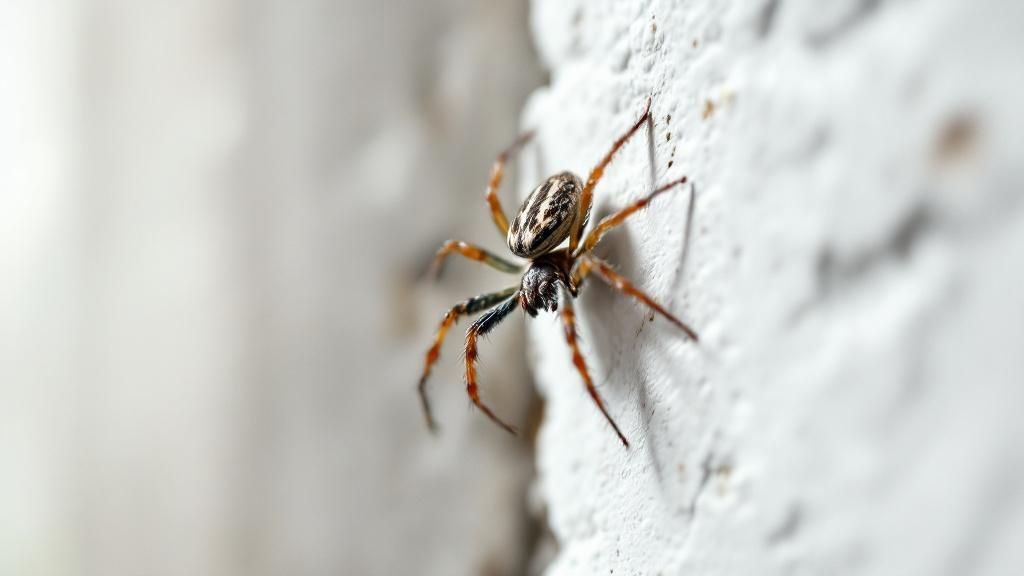
Try to think like a spider for a minute. They're looking for three things: shelter, food, and a safe place to lay eggs. When you systematically take those away, you completely disrupt their lifecycle and give them every reason to move on.
Sealing Common Entry Points
Your first line of defense is blocking the tiny highways spiders use to get inside. They're drawn to dark, quiet, and cluttered spaces—think basements, attics, and storage areas. The single most effective thing you can do is address these spots head-on.
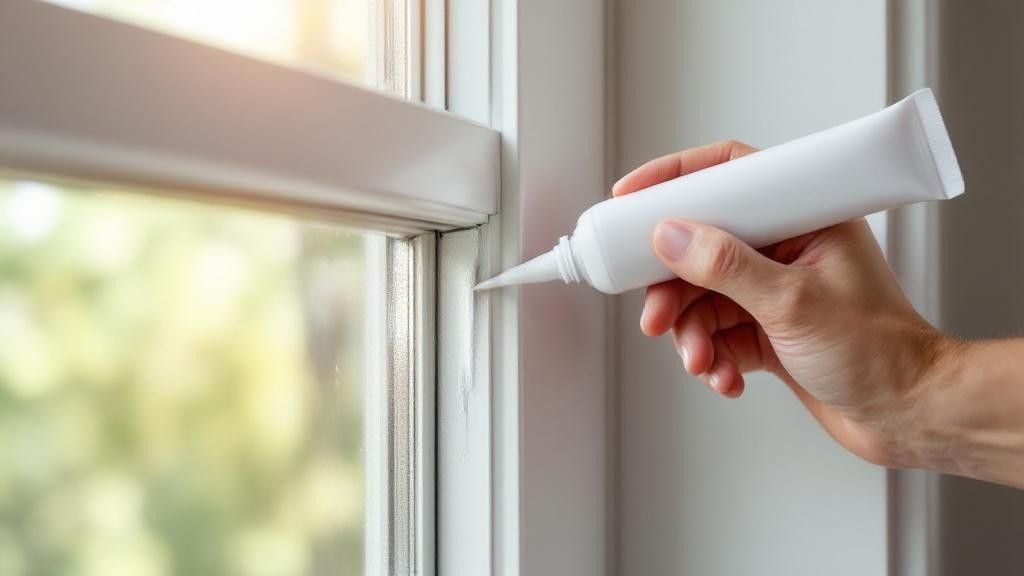
In fact, research shows that reducing clutter and properly sealing gaps around windows, doors, and foundations can slash spider entry by up to 75%. Effective sealing means using a good silicone-latex caulk to close gaps as small as 1/8 inch, which is more than enough for a spider to squeeze through.
A Quick Tip from Experience: Don't underestimate the small openings. A crack that looks like nothing to you is a wide-open door for a spider. A thorough inspection and sealing session is a weekend project that pays off all year long.
Disrupting Indoor Habitats
Once you've sealed the exterior, it’s time to make the inside less inviting. This is about more than just a quick tidy-up; it’s a strategic disruption of their preferred living conditions.
Here’s where to focus your efforts:
- Regular Cleaning: Get in the habit of vacuuming and dusting corners, under furniture, and along baseboards. This removes not only the spiders themselves but also their webs and egg sacs.
- Clutter Reduction: Piles of boxes, stacks of old magazines, or forgotten items in the garage are a spider's paradise. They create perfect, undisturbed hiding spots. Switch from cardboard to sealed plastic bins for storage.
- Food Source Elimination: Spiders go where their food is. If you control other common household insects like flies and ants, you remove the spiders' buffet, and they’ll have no reason to stick around.
This integrated approach is the foundation for any long-term success. For those looking to build a truly robust defense, exploring a comprehensive preventative pest control strategy is a smart next step.
To get you started, here’s a quick checklist summarizing the most impactful actions you can take right away.
Quick Spider Prevention Checklist
This table breaks down the most important first steps for any homeowner looking to get a handle on spiders. Focusing on these three areas will give you the biggest return on your efforts.
| Action Item | Area of Focus | Why It Works |
|---|---|---|
| Seal Cracks and Gaps | Foundation, windows, doors, utility pipes | Blocks the primary routes spiders use to enter from outside. |
| Declutter Storage Areas | Basements, attics, garages, closets | Removes the dark, undisturbed hiding spots spiders need to nest. |
| Maintain a Clean Home | Corners, under furniture, behind appliances | Eliminates existing spiders, webs, and their food sources (other insects). |
By tackling these items, you're not just reacting to spiders you see—you're actively making your home a place they'd rather avoid altogether.
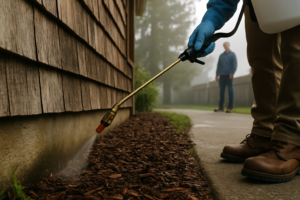
When you want to keep spiders out, the battle begins at your home's outer walls. Forget waiting until you see a web to start spraying. The most effective approach is a proactive one—think of it as conducting a "perimeter audit" to find and block the tiny highways spiders use to get inside.
This isn't just about spotting big, obvious holes. Spiders are masters of exploitation and can squeeze through incredibly small openings. Your mission is to walk the entire perimeter of your property with a critical eye, searching for any gap that could grant them entry. This single activity can make a massive difference in the number of spiders you find indoors.
Seal Every Gap and Crack
Your first and most important task is to block every potential entry point. Pay close attention to areas where different building materials meet or where utilities enter the house, as these spots are notorious for developing gaps over time.
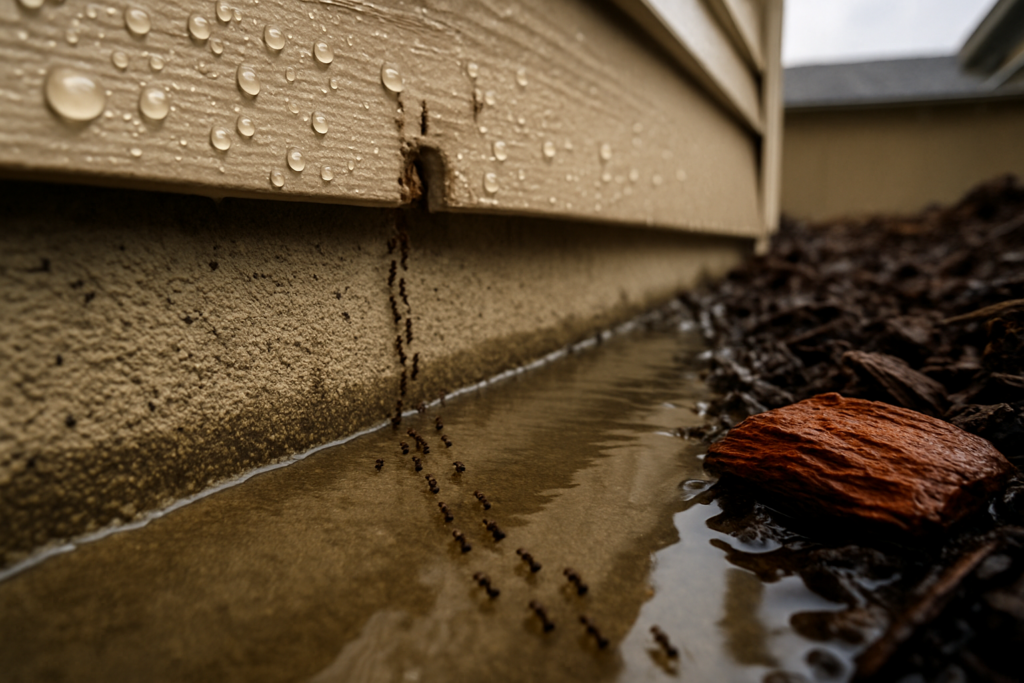
- Foundation and Siding: Carefully inspect your entire foundation for cracks. The seam where the siding meets the foundation is a common weak point that deserves extra attention.
- Windows and Doors: Check the seals around every window and door frame. Worn-out or missing seals are like an open invitation for spiders and all sorts of other insects.
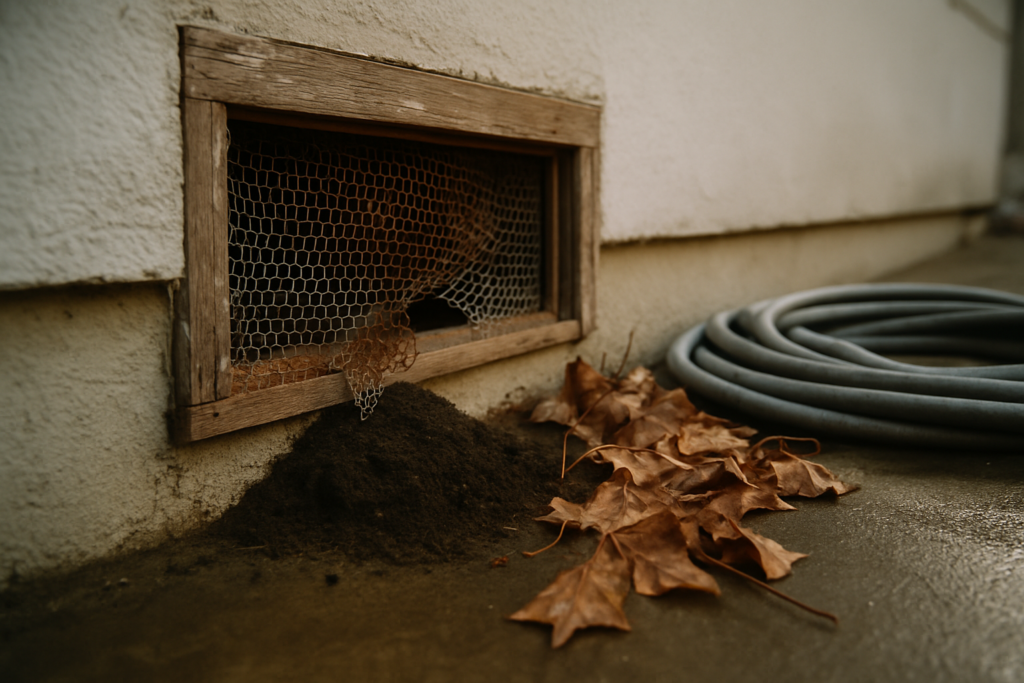
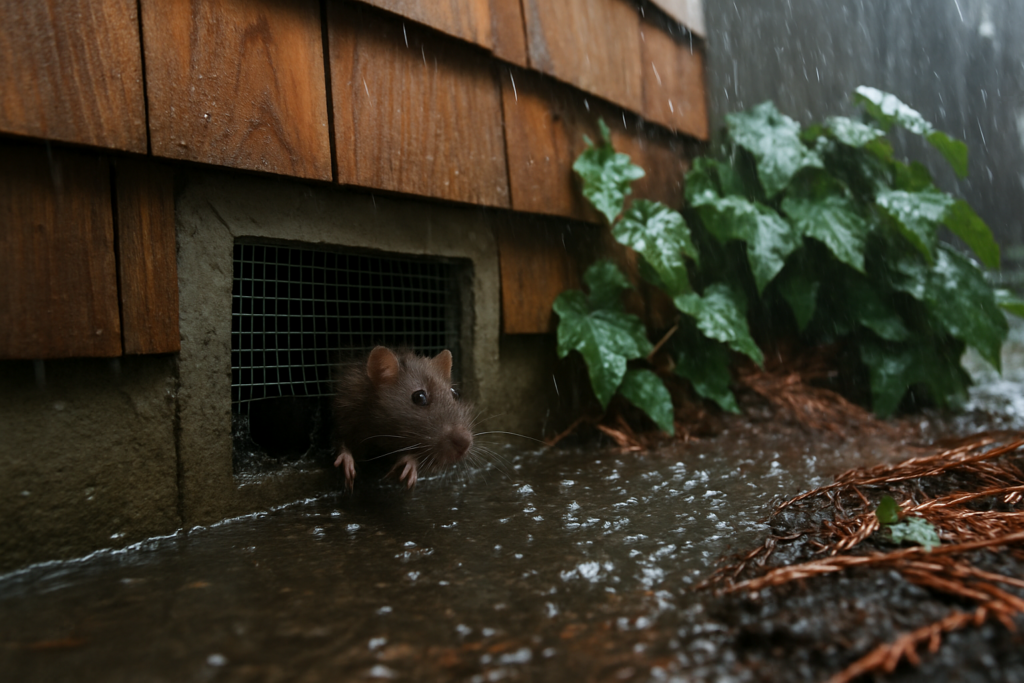
- Utility Entry Points: Pipes, wires, and vents that punch through your exterior walls often have small, unsealed gaps around them. These are prime spider entryways.
Once you’ve identified these trouble spots, the fix is straightforward. Use a high-quality silicone or silicone-latex caulk to fill cracks in the foundation, siding, and around utility lines. This material is flexible enough to handle weather changes without cracking. For gaps under doors or around leaky windows, installing new weatherstripping creates a tight seal that spiders simply can't breach.
By meticulously sealing these entry points, you're not just stopping spiders. You're also blocking other pests and even improving your home's energy efficiency. It’s a weekend project with benefits that last all year.
Make Smart Landscaping Choices
The way you manage your yard has a direct impact on the spider population right outside your door. Spiders are drawn to sheltered areas that also offer a steady supply of insect prey. A few smart landscaping tweaks can completely disrupt this welcoming ecosystem.
Start by creating a buffer zone. Trim back any trees, shrubs, and overgrown vegetation so nothing is physically touching the side of your house. Spiders use overhanging branches like bridges to bypass your ground-level defenses and access higher entry points like second-story windows or eaves. A good rule of thumb is to maintain at least one foot of clearance between plants and your home.
It also pays to think about your plant choices. Some plants are insect magnets, which in turn attracts spiders looking for a meal. You don't need to rip out your entire garden, but be mindful of plants known for hosting large aphid populations or other common pest insects.
Use This Simple Trick for Outdoor Lighting
Ever notice that cloud of insects fluttering around your porch light at night? To a spider, that’s a dinner bell. They’ll strategically build webs near these light sources to catch an easy meal, which is why you so often see webs accumulating around lit-up doorways and in eaves.
You can shut down this all-night buffet with one simple change: switch to yellow or sodium vapor light bulbs. Most flying insects are far less attracted to the yellow-orange end of the light spectrum compared to the bright white or blueish light from standard bulbs.
Here’s a quick look at how your lighting choices stack up:
| Light Bulb Type | Color Spectrum | Insect Attraction | Spider Prevention Impact |
|---|---|---|---|
| Standard Incandescent/LED | White/Blue | High | Poor |
| Yellow "Bug Light" | Yellow/Orange | Low | Good |
| Sodium Vapor | Orange | Very Low | Excellent |
Making this switch won't get rid of all the bugs, but it will significantly reduce the nightly gathering that draws spiders to your home's entry points. By making your porch and doorways less appealing hunting grounds, you force spiders to look elsewhere. Combining this lighting strategy with a sealed exterior and smart landscaping creates a powerful, multi-layered defense.
Making Your Home Interior Uninviting
Once you’ve secured the outside of your home, it’s time to shift focus inward. The goal is to make your interior an actively hostile environment for spiders. This isn't just about being tidy; it's about systematically taking away the three things spiders need to set up shop: shelter, food, and moisture.
That stack of old magazines in the corner? Or those cardboard boxes piled up in the basement? To a spider, that's not clutter—it's a five-star hotel. These spots offer darkness, safety from predators, and a quiet place to lay eggs, making them prime real estate for arachnids.
Declutter with a Purpose
The single most effective indoor strategy is to methodically remove potential spider habitats. Think of it as a room-by-room audit, but instead of looking for misplaced items, you're hunting for spider hiding spots. Spiders aren’t too picky, but they love undisturbed locations where they can spin a web and wait for dinner.
Your mission is to find and eliminate these safe havens. This is less about minimalist design and more about practical changes that make your space unwelcoming.
- Swap Cardboard for Plastic: Spiders absolutely love the nooks and crannies in cardboard boxes. The seams are easy to slip through, and the corrugated structure is perfect for hiding. Make the switch to airtight plastic storage containers, especially for anything stored in basements, attics, or garages. This one move eliminates a major nesting opportunity.
- Reclaim Your Floor Space: Piles of clothes, stacks of books, or unused equipment create a dense undergrowth where spiders can hide and hunt. Get those items up off the floor and onto shelves or into sealed containers.
- Manage Paper and Fabric: Old newspapers, magazines, and bundles of linens offer endless hiding spots. File away important documents and store fabrics in sealed bags or bins to make these areas less inviting.
The Power of Routine Cleaning
Regular cleaning is a powerful weapon in your anti-spider arsenal, but only if you focus on the right spots. A quick vacuum down the middle of the room won't cut it. You have to get into the corners and crevices where spiders build their networks.
Your vacuum cleaner, armed with its hose and crevice attachment, is your best friend here. It sucks up not just adult spiders and their webs, but more importantly, their egg sacs. A single egg sac can unleash hundreds of spiderlings, so removing one is a huge win for preventing a future population explosion.
Key Takeaway: Consistent vacuuming in overlooked areas is far more effective than a massive deep clean every few months. Hit the corners, run along the baseboards, get under furniture, and check behind appliances. This simple habit disrupts the spider lifecycle and also removes their food source—other tiny insects.
Control Indoor Moisture
Spiders, along with the insects they feast on, are drawn to dampness. Basements, crawl spaces, and bathrooms without good ventilation are like magnets for all kinds of pests. When you control the humidity, you make your home less comfortable for the entire pest food chain.
A cheap hygrometer can tell you what your humidity levels are; you want to keep them below 50%. If you’re consistently seeing high numbers, a dehumidifier is a fantastic investment for basements and other damp areas.
In the bathroom, always run the exhaust fan during and after a shower to pull moist air outside. And make sure to fix any leaky pipes or faucets right away. Even a slow drip creates the perfect damp conditions for spiders and their prey.
A Room-By-Room Action Plan
Applying these strategies systematically is the best way to ensure no corner is left for spiders to claim. A structured approach turns your home into a place spiders will want to avoid.
| Room/Area | Primary Action | Why It's Effective |
|---|---|---|
| Basement & Attic | Replace cardboard boxes with sealed plastic bins. | Eliminates the number one spider hiding spot. |
| Living Room | Vacuum under and behind furniture every week. | Removes webs, egg sacs, and adult spiders. |
| Kitchen | Keep food in sealed containers and wipe up crumbs. | Reduces the insect population that spiders feed on. |
| Bedrooms | Avoid storing items directly on the floor under the bed. | Removes dark, quiet, and ideal nesting locations. |
| Bathrooms | Run the exhaust fan and repair any leaks promptly. | Lowers humidity, making the space far less attractive. |
By combining this targeted decluttering, cleaning, and moisture control, you transform your home from a welcoming sanctuary into a fortress. When you pair these interior defenses with a sealed exterior, you create a comprehensive prevention strategy that actually works.
Using Natural and Eco-Friendly Deterrents
If you're looking for ways to keep spiders out without reaching for harsh chemicals, you're in luck. There are plenty of effective, natural options out there. The real trick to making eco-friendly deterrents work is understanding why they work and using them consistently as part of a bigger prevention strategy. These methods are all about using scents and textures that spiders can't stand, creating invisible barriers around your home.
Spiders have a very sensitive relationship with their environment. They essentially "taste" and "smell" with special sensory organs on their legs. This makes them highly reactive to strong scents and certain textures. By placing these deterrents in the right spots, you can make key areas pretty unwelcome.
Essential Oils for Spider Prevention
Essential oils are probably the most popular natural method for spider control, and for good reason. Their potent aromas, which most of us find pleasant, can completely overwhelm a spider's senses, encouraging them to find somewhere else to build their webs. The most effective oils are always the ones with strong, sharp scents.
Here are a few of my top choices for a DIY spider repellent spray:
- Peppermint Oil: This is the most famous spider repellent out there. Its strong menthol scent is incredibly offensive to spiders.
- Tea Tree Oil: Known for its powerful antiseptic properties, its sharp, almost medicinal scent also works great as a deterrent.
- Citrus Oils: Lemon, orange, and grapefruit oils all contain limonene, a compound that spiders really dislike. They're a fresh-smelling and effective choice.
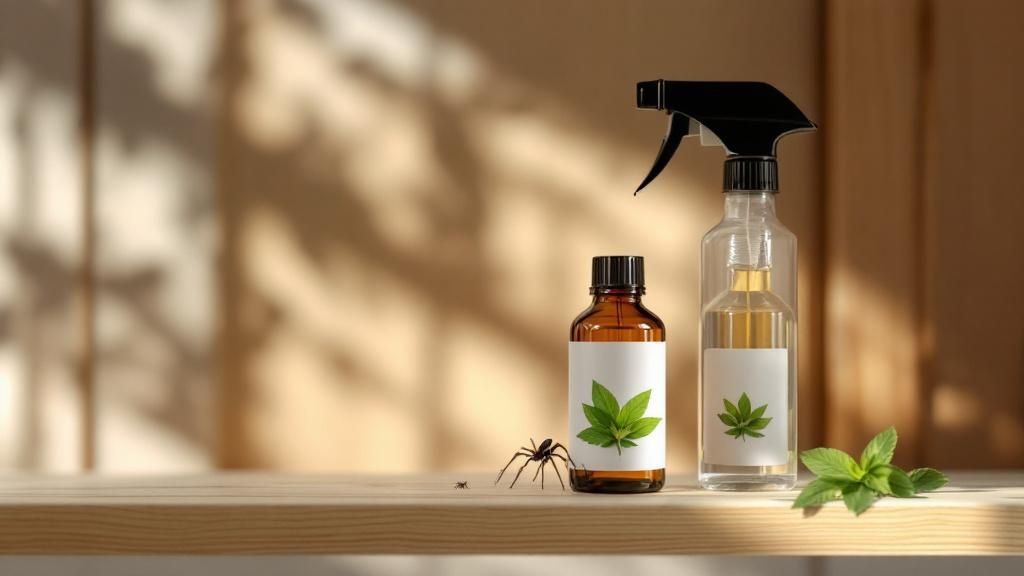
To make a simple spray, just add 15-20 drops of your chosen essential oil to a spray bottle filled with water. Add a small squirt of dish soap—this helps the oil and water actually mix. Shake it well before you spray it around windowsills, door frames, baseboards, and any dark corners where spiders love to hang out.
For a no-spray alternative, put a few drops of undiluted peppermint or tea tree oil on some cotton balls and tuck them into closets, under sinks, or in any tight crevices.
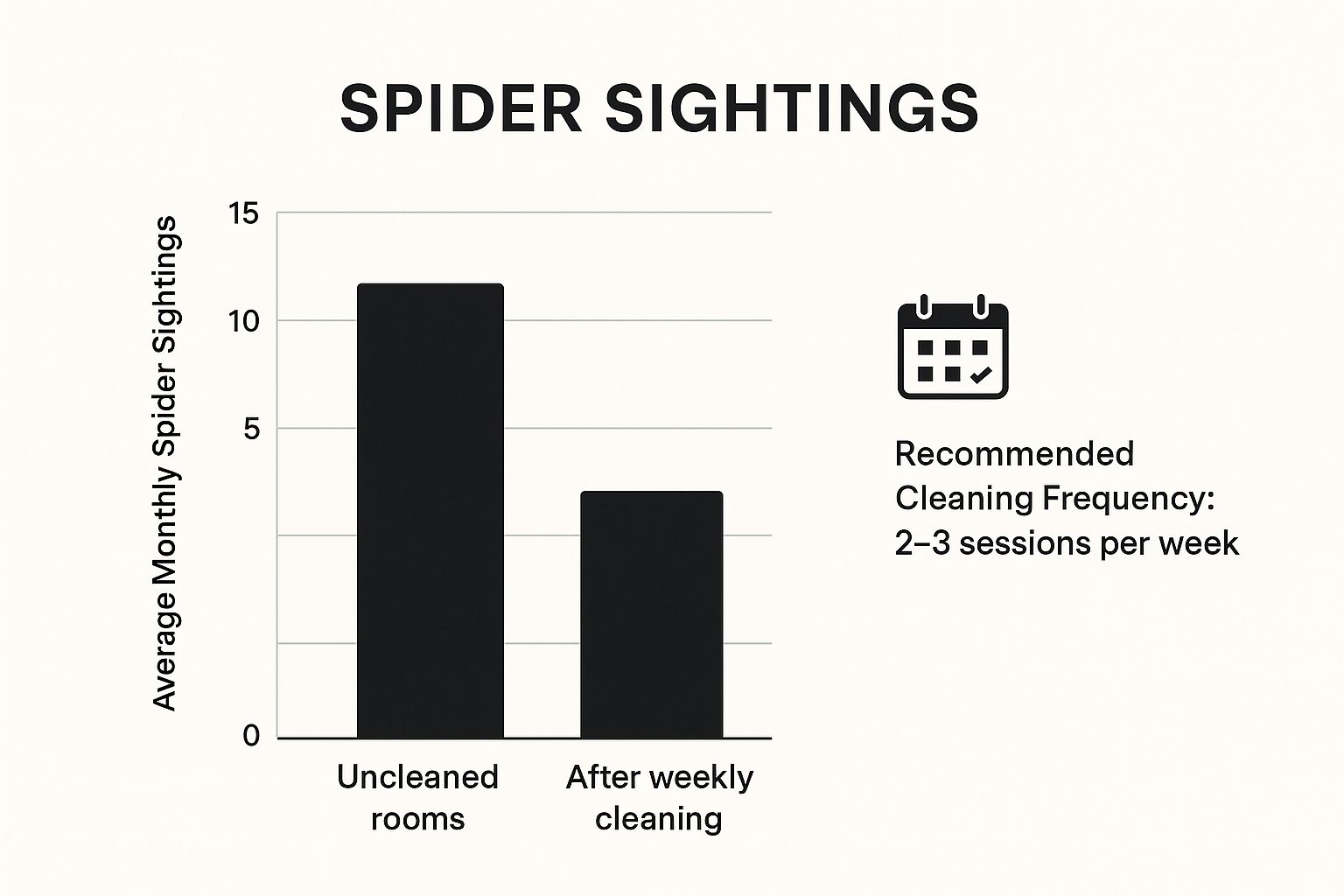
As the data shows, something as simple as consistent cleaning can dramatically lower the number of spiders you see. You're removing their webs, egg sacs, and the other insects they prey on, forcing them to move on.
Physical Barriers and Other Natural Solutions
Beyond just scents, you can use certain physical substances to create no-go zones for spiders. These methods work by creating a barrier that spiders are either unwilling or physically unable to cross.
Diatomaceous earth (DE) is a fantastic tool for this. It's a fine powder made from fossilized algae with microscopic sharp edges. While it's completely harmless to people and pets, those tiny edges are abrasive and damaging to an insect's exoskeleton. Sprinkling a thin line of food-grade DE along windowsills, door thresholds, and foundation gaps creates a powerful deterrent.
Another great approach is using plants that spiders naturally avoid. Planting lavender, mint, or rosemary in pots near your doors and windows can help keep spiders from getting too close in the first place. The aroma these plants release acts as a constant, low-maintenance repellent.
For those wanting to go a step further, there’s a lot to learn about low-impact methods. You can see how experts apply these principles on a larger scale by reading up on professional eco-friendly pest control treatments in Santa Cruz County.
Key Insight: The big takeaway here is that natural deterrents are most effective when used proactively. They’re much better at keeping spiders away than they are at getting rid of a full-blown infestation. Regular reapplication, especially after it rains or after you clean, is crucial to keep them working.
Natural vs. Chemical Spider Prevention Methods
Deciding between natural and chemical methods can be tough. Natural options are safer for families and the environment, but chemical treatments often provide faster, more powerful results for serious infestations. Here’s a quick breakdown to help you compare.
| Method Type | Examples | Pros | Cons |
|---|---|---|---|
| Natural | Essential oil sprays, diatomaceous earth, repellent plants | Safer for kids, pets, and beneficial insects. Eco-friendly. Low cost. | Requires frequent reapplication. Best for prevention, not heavy infestations. |
| Chemical | Professional-grade pesticides, store-bought foggers/sprays | Highly effective for large infestations. Fast-acting. Longer-lasting results. | Can be toxic to pets and humans if used improperly. Potential environmental impact. |
Ultimately, the best approach often involves a mix of both. You can use natural methods for ongoing prevention and call in professionals for targeted chemical treatments when an infestation gets out of hand.
Setting Realistic Expectations for Natural Methods
While natural repellents are excellent tools, it’s important to be realistic about what they can do. They aren't a "set it and forget it" solution. Scents will fade, and physical barriers like DE can get washed away or disturbed. When you're using these techniques to prevent spiders, consistency is your best friend.
A great way to stay on top of it is to create a simple weekly schedule. For example, you could re-spray your essential oil mix every Sunday morning and check your DE barriers once a month. By folding these small tasks into your regular cleaning routine, you build a layered defense system that makes your home a much less attractive place for spiders to call home.
Adapting Your Strategy to Local Spiders
A one-size-fits-all approach to spider prevention simply doesn’t cut it. The truth is, an effective strategy has to be built around your specific environment. A spider problem in humid, rainy Florida looks completely different from one in arid, scorching Arizona. Your local climate, geography, and even the changing seasons dictate which spiders you'll run into and, more importantly, what will actually work to keep them out.
Before you can fight back, you have to know your enemy. Are you in an area known for moisture-loving cellar spiders or dry-climate dwellers like black widows? Getting this right transforms your efforts from pure guesswork into a targeted, intelligent plan.
Tailoring Prevention to Your Climate
Let’s look at a couple of real-world scenarios to see why this matters so much.
Imagine a homeowner in the rainy Pacific Northwest. They're constantly battling high humidity. Here, spiders are drawn indoors not just for shelter, but because damp basements and crawl spaces attract a whole buffet of other pests like silverfish and sowbugs. It's a spider's paradise.
For this homeowner, the most critical prevention tasks are:
- Moisture Control: Running dehumidifiers in basements and making sure crawl spaces are properly ventilated is non-negotiable.
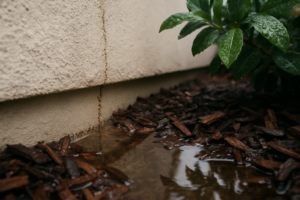
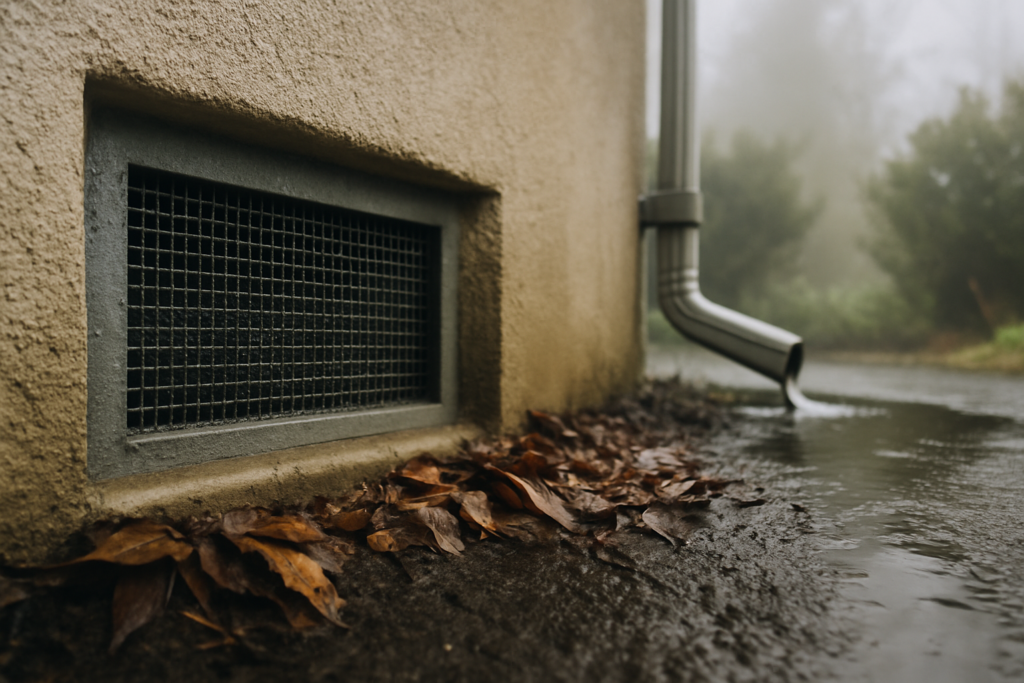
- Gutter Maintenance: Clean gutters are essential. When they're clogged, water overflows and soaks the ground right next to the foundation, creating the perfect damp highway for pests to march right in.
Now, let's head to Phoenix, Arizona, where a resident faces a completely different challenge. During the blistering summer, spiders like the black widow are desperately seeking refuge from the intense heat and bone-dry conditions. They aren't looking for water; they're looking for a cool, dark, and quiet spot to hide.
Their prevention list would look very different:
- Sealing and Exclusion: Their top priority is meticulously sealing every crack in the foundation, any gap around the garage door, and entry points where pipes come into the house.
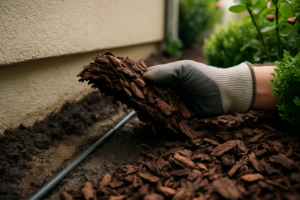
- Yard Debris Management: Clearing away woodpiles, stones, and other clutter near the home is crucial. These spots create the shaded, protected micro-habitats that heat-hating spiders love.
Geographical and climatic factors significantly influence spider populations, thereby shaping prevention strategies globally. A recent analysis of pest patterns across major cities reveals that spider incidents vary with conditions like humidity and temperature. For instance, in humid cities such as Manila and Cape Town, spiders thrive due to abundant insects and nesting sites, leading to more frequent encounters. You can explore additional details about the buggiest cities and their environmental factors on Rentokil.com.
Accounting for Seasonal Behavior
Your strategy also needs to shift with the seasons. The most famous example, of course, is the great autumn migration. As temperatures start to drop, spiders that spent the summer enjoying your yard will begin marching indoors, looking for a warm place to ride out the winter.
When fall rolls around, your focus should pivot to reinforcing your home's exterior defenses. This is the perfect time to double-check weatherstripping on doors and windows, inspect screens for tiny holes, and make sure your door sweeps are intact and creating a tight seal.
By understanding that spider behavior is driven by your local environment, you can finally move beyond generic advice and implement a proactive, customized plan that actually delivers results.
While DIY and natural methods are excellent first lines of defense, there comes a point where even the most diligent efforts just aren't cutting it. Knowing how to prevent spiders effectively also means recognizing when it's time to call in the experts.
Some situations simply demand the tools, training, and specialized knowledge that only a professional pest control service can bring to the table. It’s not about giving up; it’s about making a smart, strategic decision to solve the problem for good.
Identifying High-Stakes Scenarios
Certain discoveries should have you reaching for the phone immediately. The most obvious is finding a potentially venomous spider, like a black widow or brown recluse. These spiders require careful handling and specific treatment protocols to ensure they are removed safely and completely, minimizing any risk to your household.
Another clear sign is a sudden population boom. If you go from seeing one or two spiders a week to finding them daily in multiple rooms, you're likely dealing with a full-blown infestation, possibly from a recently hatched egg sac. Professionals have the experience to pinpoint the source and use targeted treatments to get the population under control fast.
Finally, if your best efforts to seal entry points and clean up aren't making a dent, it's time to bring in a professional. A persistent spider problem often points to a hidden issue a trained eye can spot, like an unseen entry point or a larger infestation of other pests that are providing a constant food source.
The pest control industry is well-equipped to handle these challenges. In fact, spiders are one of the top three pests homeowners report in the United States. With over 167,000 specialists and more than 31,000 companies, there's widespread expertise available to tackle these issues. For more on industry trends, you can review pest control industry insights on Workwave.com.
What to Expect from a Professional Service
When you call a professional, you're not just getting a quick spray-down. A reputable service will start with a thorough inspection of your property, inside and out. They are trained to identify spider species, locate their nests, and pinpoint the structural vulnerabilities that are letting them in.
After the inspection, they'll develop a customized treatment plan. This almost always involves an Integrated Pest Management (IPM) approach, which combines several strategies for long-term effectiveness, not just a one-time fix.
Here’s what a typical IPM plan might look like:
- Targeted Treatments: Applying specific, low-impact products directly to high-activity areas and entry points.
- Exclusion Work: Sealing up the cracks and gaps around your foundation, pipes, and windows that you may have missed.
- Habitat Modification: Giving you real-world advice on landscaping or storage changes to make your property less inviting to spiders and their prey.
Bringing in an expert provides a complete solution that goes beyond just eliminating the spiders you see today. If you're facing a stubborn infestation, consider exploring a professional spider control and extermination plan to achieve a lasting, spider-free environment.
Common Spider Prevention Questions Answered
Dealing with spiders often brings up a lot of questions. We get calls all the time from homeowners trying to separate fact from fiction. Getting clear, practical answers helps you put your energy where it actually counts. Here are a few of the most common queries we tackle.
What Time of Year Are Spiders Most Common Indoors?
While you can spot a spider inside your home any day of the year, most people notice a major surge in activity during the late summer and early autumn. This isn't an illusion or a sudden population boom; it's all about behavior.
Around this time, many male spiders have reached maturity and begin their primary mission: finding a mate. Their search sends them wandering far and wide, and that journey often leads them right through an open door, a torn screen, or a crack in the foundation. At the same time, dropping outdoor temperatures signal other spiders to seek a warm, sheltered place to overwinter. This combination creates a perfect storm for more eight-legged visitors inside your home.
Are Ultrasonic Spider Repellers Actually Effective?
We hear this question a lot, and the science is pretty definitive on this one: ultrasonic pest repellers are generally ineffective against spiders. The idea is that these plug-in gadgets emit high-frequency sound waves that pests find unbearable, driving them away.
The problem is, spiders don't have ears or the right kind of sensory organs to "hear" airborne sound in that way. Study after study has shown no real evidence that these devices have any deterrent effect on spiders. Your time and money are much better invested in proven, practical methods like sealing up entry points and keeping things tidy.
Expert Insight: Skip the unproven gadgets. A one-time, thorough inspection of your home's perimeter to seal cracks and gaps provides a far more reliable and lasting defense against spiders than any electronic device.
Can Spiders Really Come Up Through Drains?
The image of a spider crawling up from the depths of a sink or bathtub drain is a classic horror movie trope, but it’s almost entirely a myth. The reality is much less dramatic.
Nearly every drain in a modern home has a P-trap, which is that U-shaped bend in the pipe just below the drain. This feature is designed to hold a constant plug of water, which creates a seal that blocks sewer gases—and spiders—from traveling up into your home.
So what's really happening? It's far more likely that a spider was already wandering around your bathroom, fell into the slick-sided sink or tub, and simply couldn't climb back out. You're not seeing an invader from the sewer; you're seeing a trapped local.
How Can I Quickly Tell If a Spider Is Dangerous?
In North America, you really only need to be concerned about two types of spiders: widow spiders (like the black widow) and recluse spiders (like the brown recluse). Learning their key features can help you identify them at a glance.
- Black Widows: These spiders are known for their shiny, black, round bodies. The tell-tale sign is the red hourglass shape on the underside of their abdomen. They prefer to build messy, tangled webs in dark, quiet places like sheds, woodpiles, or cluttered corners of a garage.
- Brown Recluse: These spiders are a bit trickier to identify. They are uniformly tan or brown and have a very distinct, dark violin-shaped marking on their back. The "neck" of the violin always points toward the spider's rear. They also have six eyes arranged in pairs, which is unusual since most spiders have eight.
When in doubt, always err on the side of caution. If you can't get a clear look or aren't 100% sure, it's best to treat the spider as potentially dangerous and avoid any direct contact.
When DIY methods just aren't cutting it, especially with persistent spiders or a potentially dangerous species, it's time to bring in the pros. For trusted, effective, and eco-friendly solutions in Santa Cruz County, turn to West Pest Co. and let our experts restore your peace of mind. Get your free inspection and customized treatment plan today at https://westpestco.com.