When it comes to keeping your pet safe from fleas and ticks, simply reacting to a problem isn't enough. True protection is about building a proactive, year-round defense. This isn't just about seasonal treatments; it's a constant commitment to managing every environment your pet encounters, from their bed to your backyard.
Think of it as creating a protective bubble. By tackling pests on multiple fronts, you can effectively break their life cycle and prevent an infestation before it ever starts. A few missed pests can quickly spiral into a major headache, so a comprehensive plan is your best bet for keeping your furry family members healthy and comfortable.
A Three-Pronged Strategy for Protection
From my experience, the most successful flea and tick prevention plans are built on three core pillars. If you neglect one, the whole system can fall apart, leaving your pet vulnerable.
- On-Pet Treatments: This is your first and most direct line of defense. Sticking to a consistent schedule with a vet-approved product—whether it's a topical, chewable, or collar—is non-negotiable. It kills pests before they have a chance to lay eggs and create a bigger problem.
- Indoor Environmental Control: Fleas are notorious for turning a cozy home into their personal breeding ground. You have to be diligent. Regular, thorough cleaning is essential for removing the eggs, larvae, and pupae that hide in carpets, bedding, and furniture.
- Yard Management: Your yard is ground zero for most infestations. Ticks and fleas love to hang out in tall grass, leaf piles, and overgrown bushes, just waiting for a host to walk by. Keeping your yard tidy is a critical step in reducing your pet's exposure.
This simple visual breaks down how these steps work together in a continuous cycle.
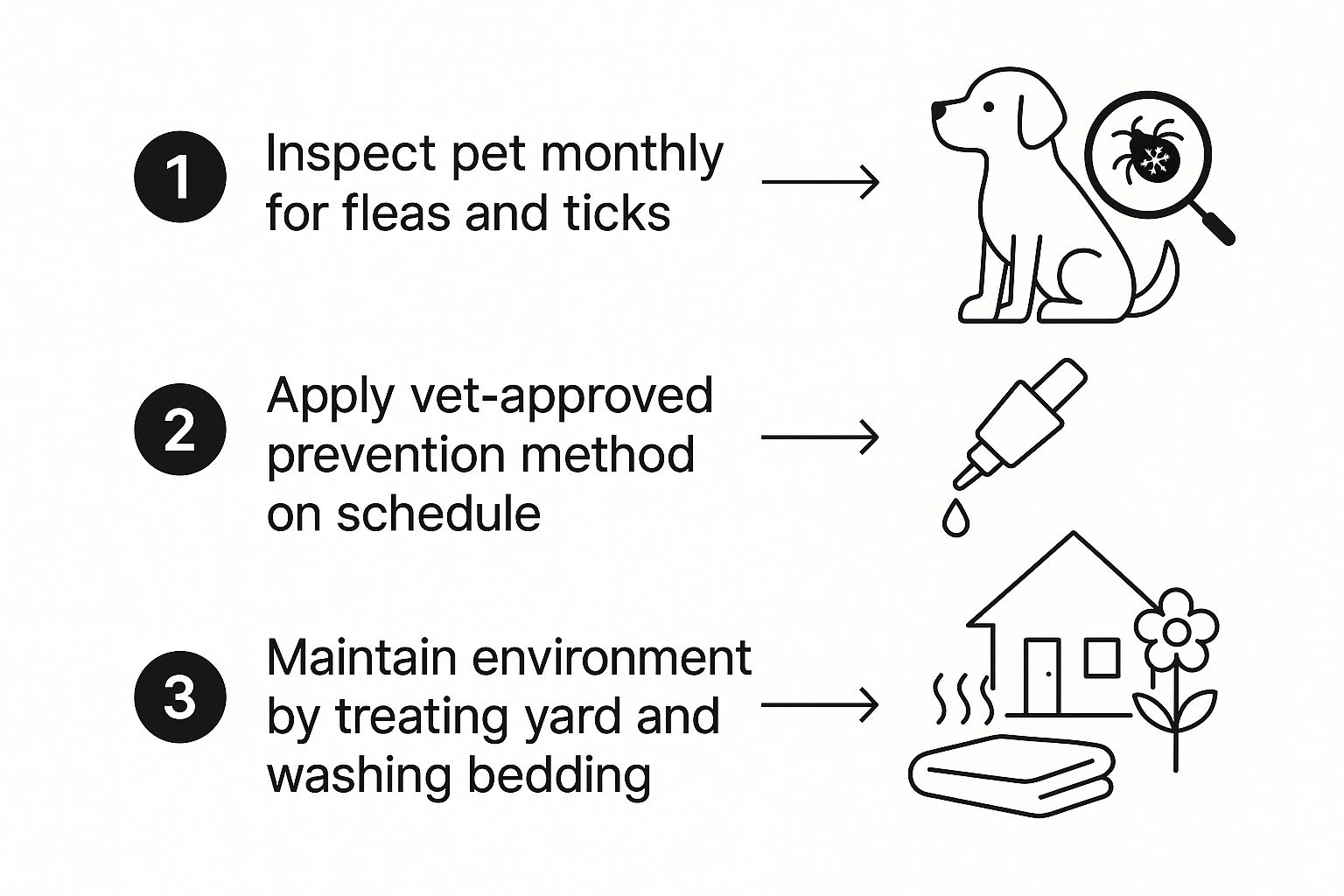
As you can see, prevention isn't a one-and-done task. It’s an ongoing process of inspecting, treating, and maintaining. Each step reinforces the others, creating a powerful shield for your pet against pests and the dangerous illnesses they carry, like Lyme disease.
Why Year-Round Prevention Is Non-Negotiable
A lot of pet owners I talk to think fleas and ticks are just a summer problem. That’s a dangerous myth. Thanks to milder winters and our climate-controlled homes, these parasites can easily survive—and even thrive—all year long. All it takes is one unexpectedly warm day for ticks to become active, and fleas can happily live out their entire life cycle inside your house, no matter the weather.
A single month's lapse in prevention can be an open invitation for an infestation. And trust me, getting rid of an established infestation is far more difficult, stressful, and expensive than just sticking to a consistent schedule.
It’s no surprise that the global market for flea, tick, and heartworm products, valued at around USD 7.21 billion, is expected to skyrocket to USD 12.75 billion by 2033. This massive growth, highlighted in a Straits Research report, shows a clear global shift: pet owners everywhere are recognizing that proactive care is the best care.
To help you stay on track, I've put together a simple checklist that breaks down the key tasks for each prevention area.
Year-Round Flea and Tick Prevention Checklist
This table offers a quick-glance summary of the core actions needed for a truly effective, year-round prevention strategy. Use it as a guide to build your own routine.
| Prevention Area | Key Actions | Frequency |
|---|---|---|
| On-Pet Treatment | Administer vet-approved flea & tick preventative. | Monthly or Quarterly (as directed) |
| Indoor Environment | Vacuum carpets, floors, and furniture. Wash pet bedding in hot water. | Weekly |
| Yard Management | Mow the lawn regularly and remove leaf litter. | Bi-Weekly (during growing season) |
| Pet Inspection | Perform thorough tick checks after outdoor activities. | Daily |
Ultimately, building a solid defense comes down to consistency. Set a calendar reminder for that monthly preventative. Make vacuuming a non-negotiable weekly chore. Keep the yard from becoming a jungle. By adopting this complete strategy, you’re doing more than just preventing itchy bites—you're protecting your pet from serious diseases and ensuring they can live a happy, healthy life right by your side.
Finding The Right On-Pet Treatment
Walking into the pet store to choose a flea and tick product can feel overwhelming. The shelves are packed with topicals, chewables, and collars, all promising to be the ultimate solution. So, how do you figure out what’s actually best for your pet?
The truth is, there’s no single "best" product for everyone. The right choice comes down to your pet's lifestyle, their health, and even what works for your family dynamic. Let's break down the main options to help you have a more informed conversation with your vet.
Spot-On Topical Treatments
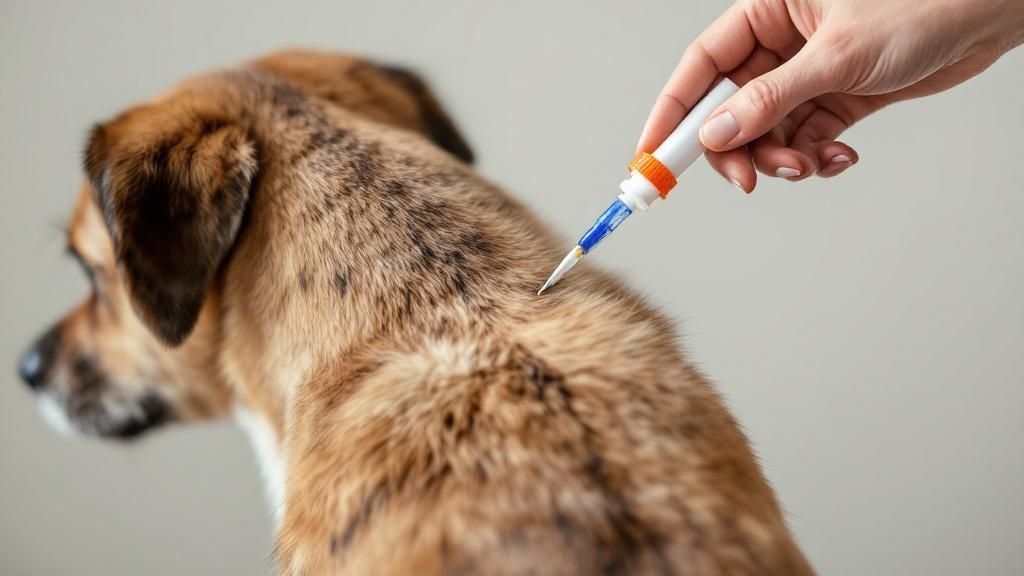
These are the little liquid vials you apply right onto your pet’s skin, usually between the shoulder blades. They've been a go-to for flea and tick prevention for a long, long time.
How They Work: The active ingredients get absorbed into the skin’s oils and spread across your pet's body. They kill fleas and ticks on contact, which is a huge plus because the bugs often die before they even get a chance to bite.
Best For:
- Pets with sensitive stomachs: Since they aren't ingested, topicals are a fantastic choice for animals with food allergies or specific dietary needs.
- Broader pest protection: Many formulas are designed to also repel or kill other pests like mosquitoes, lice, or biting flies.
- Fast-acting relief: Some topicals start killing fleas within just a few hours of being applied.
The main drawback? You have to keep the application spot dry for at least 24-48 hours. That means no baths, no swimming, and trying to keep anyone from petting that greasy spot. This can be tricky if you have small kids or a dog that lives for the water.
Oral Chewable Tablets
Chewables have exploded in popularity, and it's easy to see why—they are incredibly convenient and completely mess-free. You give your pet a flavored tablet, just like a treat, either once a month or every three months.
How They Work: The medication is absorbed directly into your pet's bloodstream. When a flea or tick bites your pet, it ingests the medication and dies very quickly.
Best For:
- Homes with children or other pets: There's absolutely no greasy residue or waiting period. It's a safe and easy choice for a busy household.
- Dogs who love to swim: Your water-loving pup can jump in the lake anytime without you worrying about washing the treatment off.
- Picky pets (sometimes!): Most dogs think they're getting a treat and gobble them right up.
The one thing to keep in mind is that the flea or tick must bite your pet for the product to work. While they die fast, this can be a real issue for pets with severe flea allergies, where just one bite can set off a major skin reaction.
The demand for easy-to-use products is massive. In Europe alone, the flea and tick prevention market is valued at roughly USD 2.4 billion, which is over 30% of the total worldwide revenue. This growth is fueled by pet owners looking for more effective, convenient options like long-acting chewables and collars.
Medicated Collars
Today’s flea and tick collars are nothing like the dusty, stiff plastic rings you might remember from years ago. Modern collars use advanced technology to release a slow, steady dose of active ingredients over a very long time.
How They Work: These collars release medication that spreads across your pet's skin and coat, killing and repelling pests continuously. Many of them provide protection for up to eight months.
Best For:
- "Set-it-and-forget-it" protection: If you have trouble remembering a monthly application, this is a lifesaver.
- Cost-effectiveness: The upfront cost is higher, but a single collar can be much more budget-friendly than buying eight months of individual treatments.
- Pets who are always outdoors: They offer non-stop protection for dogs and cats who spend a lot of time in high-risk areas like fields or wooded trails.
For a collar to work, the fit is everything. It needs to be snug enough that it can't be pulled over your pet’s head, but loose enough that you can comfortably fit two fingers underneath. It has to make contact with the skin to be effective.
Making The Final Choice
Ultimately, your veterinarian is your best partner in making this decision. They'll take your pet's age, weight, breed, and any health issues into account before recommending a product.
But remember, these on-pet treatments are just one piece of the puzzle. If you're struggling with a stubborn pest problem, combining these products with a professional pest management plan is the key to success. For our neighbors here in the area, our guide on flea and tick control in Santa Cruz County explains how a comprehensive strategy provides that crucial extra layer of security. This integrated approach ensures your home and yard aren’t working against the very protection you've chosen for your pet.
Keeping Your Home a Pest-Free Zone
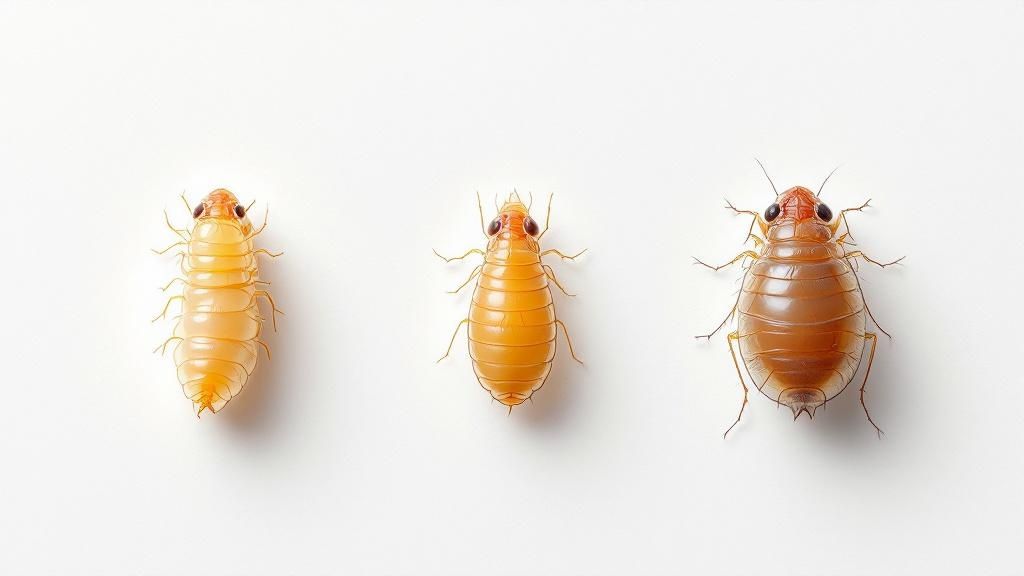
Treating your pet is a critical first step, but honestly, it’s only half the battle. For fleas, your home is the real prize. A single female flea can lay up to 50 eggs a day, quickly turning your carpets, furniture, and your pet’s favorite nap spots into a nursery for the next generation of pests.
This is where a dedicated home cleaning plan becomes your second line of defense. By targeting the entire flea life cycle—from egg to adult—you can break their reproductive cycle and stop an infestation before it spirals out of control.
Your High-Powered Vacuum Is Your Best Friend
The single most effective tool you have against an indoor flea population is your vacuum cleaner. It doesn’t just suck up the adult fleas you can see; it removes a huge percentage of the eggs, larvae, and pupae hiding deep within your home’s fibers.
You’ll want to focus your efforts on the places your pet spends the most time. These are the hotspots where flea eggs are most likely to drop off and start developing.
- Carpets and Area Rugs: Vacuum these thoroughly. I always recommend going over the same area multiple times from different directions to really agitate the carpet fibers and lift out hidden eggs and larvae.
- Upholstered Furniture: Grab the upholstery and crevice tools and get into every single seam and cushion on your sofas and chairs. Don't forget to vacuum underneath the cushions, too.
- Pet Bedding: This is ground zero for flea activity. While vacuuming helps, washing it is even better (more on that next).
- Hardwood and Tile Floors: Pay close attention to the cracks between floorboards and along the baseboards. This is exactly where flea larvae crawl to hide from the light.
Once you're done, immediately seal the vacuum bag in a plastic trash bag and get it into an outdoor bin. If you use a bagless vacuum, empty the canister outside and give it a good wash with hot, soapy water to kill any survivors.
The Power of Heat and Steam
For an even deeper clean, heat is an incredibly effective weapon. Fleas and their developmental stages simply can't survive high temperatures. This makes steam cleaning and a hot water wash powerful allies in your fight.
Steam Cleaning: You can rent a steam cleaner or use a household one on your carpets and upholstery. It kills fleas at all life cycle stages on contact, often without needing any chemicals. The high-temperature steam penetrates deep into fibers where vacuums might not reach.
Washing Pet Bedding: All of your pet’s bedding, blankets, and even soft toys should be washed in the hottest water the fabric can safely handle. A hot wash cycle followed by a high-heat drying cycle is a surefire way to eliminate any lingering pests. I suggest doing this at least once a week during an active infestation, or every two weeks for general prevention.
Tackling a pest issue inside your home requires a methodical approach. It’s not just about what you see; it's about eliminating the 95% of the flea population—the eggs, larvae, and pupae—that you don't. A consistent cleaning routine is the key to breaking their life cycle for good.
Strategic Use of Indoor Treatments
Sometimes, even the most rigorous cleaning routine needs a bit of a boost, especially if you’re already dealing with a noticeable infestation. In these cases, pet-safe indoor treatments can provide the extra power you need.
When you're choosing a product, look for one that contains an Insect Growth Regulator (IGR). IGRs are a real game-changer. They don't just kill adult fleas; they disrupt the life cycle by preventing eggs and larvae from ever maturing. This stops the next generation before it can even start.
For persistent issues that just won't go away, professional help might be the most effective and least stressful option. If you're struggling to get things under control, exploring options for home pest control in Santa Cruz can offer a targeted, professional-grade solution that ensures your home truly becomes a pest-free sanctuary.
Making Your Yard Unfriendly to Fleas and Ticks
While you're busy treating your pet and cleaning the house, the real battle against fleas and ticks is often happening right outside your door. Think of your yard as the primary staging ground where these pests patiently wait for a chance to hitch a ride on your dog or cat. By making your outdoor space less inviting, you can dramatically slash the number of pests that ever make it across your threshold.
This isn't about blanketing your lawn in harsh chemicals. Instead, smart yard management is about simple landscaping and maintenance tweaks that systematically eliminate the exact environments where fleas and ticks love to hide and breed.
Landscaping to Limit Pest Hideouts
Fleas and ticks are surprisingly picky. They don’t just hang out in the open; they actively seek out specific spots that offer moisture, shade, and cover from the sun. Ticks, in particular, are famous for "questing"—climbing to the tips of tall grass or low-hanging shrubs, where they wait to latch onto any warm body that brushes past.
Your first job is to get rid of these prime ambush locations. Put on your "pest glasses" for a moment and scan your yard for their favorite real estate.
- Keep Your Lawn Mowed: This one is simple but powerful. Short grass lets more sunlight hit the soil, drying it out and creating a hot, low-humidity environment that fleas and ticks can't stand. A consistently mowed lawn is one of your best and easiest defenses.
- Trim Overhanging Shrubs and Trees: Get in there and prune back any bushes and tree limbs that hang over walkways, patios, or play areas. This simple task boosts air circulation and sunlight, making these high-traffic zones much less hospitable.
- Clear Out Leaf Litter and Debris: That pile of dead leaves, grass clippings, or brush in the corner of your yard? It's basically a five-star resort for pests—a damp, dark incubator for flea larvae and a perfect hiding spot for adult ticks. Rake it up and get rid of it.
Just by keeping your yard neat and tidy, you’re actively breaking the pest life cycle and taking away their favorite hiding spots.
Creating a Protective Barrier
Here’s a pro tip for tick control: create a physical barrier between your main lawn and the wilder areas surrounding it, like woods, tall brush, or old stone walls. This creates a "no-man's-land" that ticks are surprisingly reluctant to cross.
A three-foot-wide border made of wood chips or gravel is incredibly effective. This dry, unwelcoming strip acts as a clear moat, and it can significantly cut down on the number of ticks migrating into the parts of the yard your pet actually uses. Lay this barrier down along the edge of your property or around the kids' play set.
A well-managed yard is your first line of defense. Remember, ticks don’t fly or jump; they climb and crawl. By strategically changing the landscape, you can stop them in their tracks before they ever reach your pet.
This approach doesn't just help with pest prevention—it also creates a safer, more enjoyable backyard for your whole family.
Smart Yard Treatments (When You Need Them)
For some yards, especially those with heavy pest pressure or bordering wooded areas, targeted treatments can add a crucial layer of security. This doesn't mean you need to spray everything. A focused strategy is almost always more effective and better for the environment.
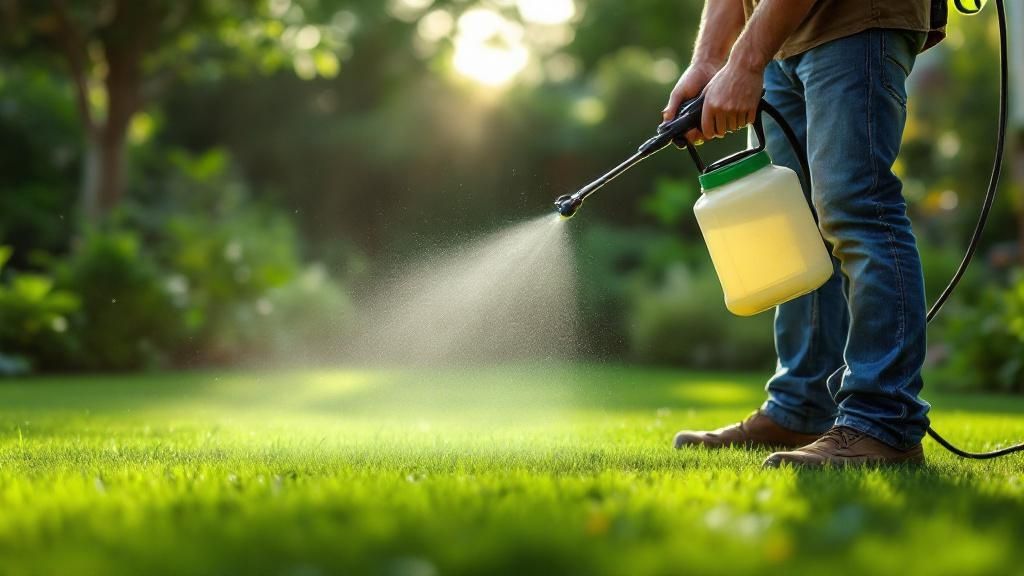
Professional Yard Applications: A pest control expert can pinpoint the high-risk zones and apply professional-grade treatments exactly where they're needed most. This usually means perimeter spraying and hitting those shady, damp areas under the deck or along a fence line. Going with a pro ensures the right products are used safely and effectively.
Eco-Friendly Alternatives: If you're looking for a more natural approach, several options can help knock down pest populations without turning to harsh chemicals.
| Treatment Type | How It Works | Best For |
|---|---|---|
| Beneficial Nematodes | These are microscopic organisms that hunt and kill flea larvae in the soil. | Targeting the flea life cycle in those moist, shady spots of your yard. |
| Diatomaceous Earth | A fine, natural powder made from fossilized algae that dehydrates insects. | Applying to dry areas, like along your home's foundation or under a covered patio. Must be reapplied after it rains. |
| Cedar Mulch | The natural oils in cedar are a well-known repellent for fleas and ticks. | Using in flower beds, around trees, and as the material for that protective barrier we talked about. |
No matter what yard treatment you choose, always read the label carefully. Following the instructions is key to protecting your pets, your family, and the local wildlife. The goal is to make your yard a place where your pet can play freely, not a source of constant worry. With a combination of strategic landscaping and thoughtful treatments, you can absolutely make that happen.
Exploring Natural Prevention Methods
For pet owners trying to sidestep harsh chemicals, the world of natural flea and tick prevention can feel both promising and overwhelming. You want to protect your pets and family, but without dousing your home in synthetic ingredients. It’s all about approaching these methods with a clear-eyed view of what actually works, what might offer some help, and what’s just an old wives' tale.
Let’s be clear: there’s no single magic bullet here. A solid natural prevention strategy is about layering several smaller, eco-friendly tactics to make your environment as unwelcoming to pests as possible. This approach takes consistency and a realistic understanding of its limits, especially if you live in an area with a heavy flea and tick population.
Popular Remedies: Separating Fact from Fiction
Walk through any health food store or scroll through online pet forums, and you'll be bombarded with "natural" flea repellents. Many of these remedies have been around for generations, but their real-world effectiveness varies wildly. It's critical to know which ones have some scientific backing and which are best left on the shelf.
Some popular but largely unproven remedies include feeding your pet garlic or brewer's yeast. Not only is there very little evidence supporting them as flea repellents, but garlic is toxic to dogs and cats and can lead to serious health issues. In the same vein, while some people swear by apple cider vinegar sprays, its acidity can easily irritate a pet's skin without offering any reliable protection.
Essential oils are another hot topic, and while some do have repellent properties, you have to be extremely careful.
- Potential Dangers: Many common essential oils—like pennyroyal, tea tree, and wintergreen—are highly toxic to pets, especially cats.
- Safe Application: If you do decide to use pet-safe oils like cedarwood or lavender, they must be heavily diluted in a carrier oil. Never apply them directly to your pet without talking to your vet first.
- Short-Lived Effects: Any repellent effect you get from an essential oil spray is temporary and needs frequent reapplication, making them an unreliable standalone solution.
Harnessing Nature's Own Pest Controllers
Beyond sprays and supplements, some of the most powerful tools are already found in nature. These methods don't fight against nature; they work with it to hit pests where they live and breed.
Diatomaceous Earth (DE): This is a fine, talc-like powder made from the fossilized remains of tiny aquatic organisms. To an insect like a flea or tick, food-grade DE is like crawling through microscopic shards of glass. It works mechanically by scratching their waxy exoskeleton, which causes them to dehydrate and die.
When you use diatomaceous earth, make sure you get the "food-grade" version, not the high-silica kind used for pool filters. It’s a fantastic, non-toxic tool for dry areas, but be careful to avoid inhaling the dust—for both you and your pets.
You can lightly sprinkle DE where pests like to hide: along baseboards, in cracks and crevices, and under furniture. It’s also great for dry, covered outdoor spots like patios or dog runs. Just remember, it becomes completely useless the moment it gets wet, so you'll have to reapply it after it rains or you clean the area.
Beneficial Nematodes: Think of these as your yard's secret weapon against the flea life cycle. Beneficial nematodes are microscopic, worm-like organisms that naturally live in soil. You can buy them at most garden centers, mix them with water, and spray them across your lawn.
Once they're in the soil, they actively hunt down and destroy flea larvae and pupae before they ever have a chance to hatch into biting adults. They are completely harmless to people, pets, and helpful critters like bees and earthworms, making them a cornerstone of biological pest control. This is a core principle we use in modern, low-impact pest management. If you're in our area and this approach interests you, you can learn more about how we use these kinds of methods in our eco-friendly pest control treatments in Santa Cruz County.
At the end of the day, natural methods can be a powerful part of a bigger flea and tick prevention plan. While they may not offer the same guaranteed, long-lasting punch as conventional treatments, they do an excellent job of lowering the overall pest pressure in and around your home. By combining these strategies, you can make your property a far less inviting place for parasites to set up shop.
Still Have Questions About Flea and Tick Control?
Even with the best plan in place, it's completely normal for questions about flea and tick prevention to pop up. Let's be honest, navigating all the different products, treatment schedules, and safety information can feel a bit overwhelming. Getting clear answers is the key to feeling confident in your approach, so let's tackle some of the most common questions we hear from pet owners.
One of the biggest concerns always comes back to safety. Are these powerful monthly treatments genuinely safe for my pet? The short answer is yes, but only when used exactly as directed. Every reputable product on the market goes through incredibly rigorous testing for both safety and effectiveness before it ever makes it to a store shelf.
Your veterinarian is your absolute best ally here. They can recommend a product that’s a perfect match for your pet’s specific health profile, factoring in their age, weight, breed, and any other health conditions. They'll help you sidestep any potential issues and choose a preventative that fits seamlessly into your pet's life.
How Quickly Do Preventatives Start Working?
Another question we get all the time is about speed. "I just gave my dog the chewable. When will the fleas finally be gone?" The exact timing can vary a bit from one product to another, but you'd be surprised at how fast most modern preventatives get to work.
- Oral Chewables: Many of these start killing fleas within just 2 to 4 hours after your pet eats them, often wiping out nearly all of them in under 12 hours.
- Topical Treatments: These spot-on liquids typically begin working within 12 hours of application, killing fleas and ticks on contact.
- Medicated Collars: While their main job is long-term protection, they usually start killing pests within 24 hours after you've fitted them correctly on your pet.
This rapid action is so important because it stops fleas from laying eggs and kicking off a whole new infestation. It also dramatically cuts down the risk of disease from ticks, since many illnesses require a tick to be attached for at least 24-48 hours to transmit.
What to Do if You Find a Tick on Your Pet
Finding a tick on your dog or cat can be jarring, but the most important thing is to stay calm and handle it the right way. Please, don't reach for old folk remedies like petroleum jelly or a hot match—they don’t work and can actually make things worse by causing the tick to release harmful bacteria into your pet.
The best removal method is also the most direct. You'll need a pair of fine-tipped tweezers or a special tick-removal tool. Grasp the tick as close to your pet's skin as you possibly can, then pull straight up with steady, even pressure. Don't twist or jerk it; that can cause the tick's mouthparts to break off and get stuck in the skin.
After you've removed the tick, clean the bite area well with rubbing alcohol or just plain soap and water. Get rid of the tick by sealing it in a plastic bag or flushing it down the toilet. For the next few weeks, keep an eye on the bite site. If you see any unusual redness, swelling, or if your pet starts acting sick, call your vet right away.
Remember, finding a tick on a protected pet doesn't automatically mean the product failed. It just means the tick managed to hop on for a ride, and the preventative needs a little time to do its job and kill it. Consistent, year-round prevention is truly the best defense to ensure these encounters are nothing more than a minor annoyance.
When you've tried everything at home and still find yourself battling a stubborn pest problem, it's time to bring in the pros. West Pest Co. offers targeted, professional-grade flea and tick treatments for your yard and home. We create a secure perimeter so your on-pet preventatives can work as they should. Protect your pets and your peace of mind by visiting us at https://westpestco.com to schedule a thorough inspection.