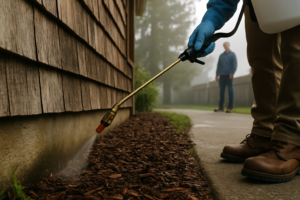
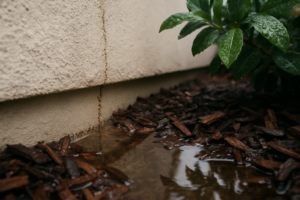
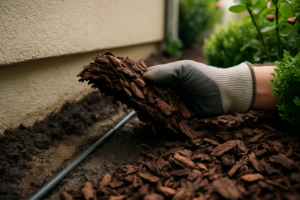
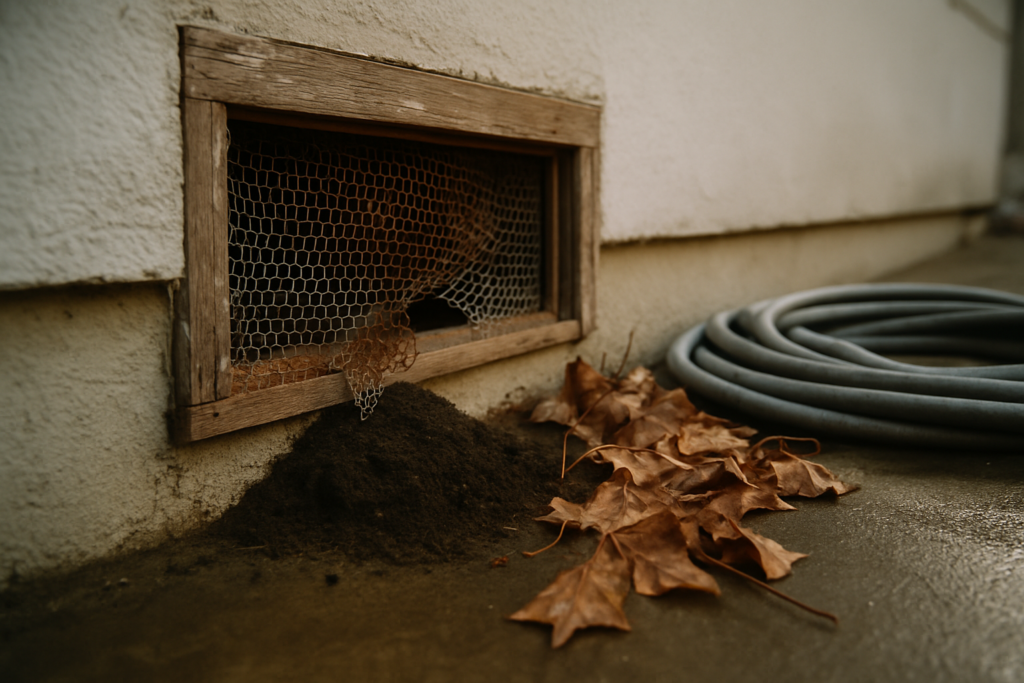
Direct Answer: Most Santa Cruz County homes do well on a quarterly pest control schedule. Homes near creeks, greenbelts, or with a recent rodent or ant history often need a tighter interval, at least for the first year.
Most homeowners guess at this. Some sign up for monthly service and pay for visits they don’t need. Others treat once, assume the problem is solved, and get blindsided three months later when a new wave of ants or spiders shows up.
Santa Cruz County makes this harder than most places. The coastal fog and mild year-round temperatures mean pests here don’t really go dormant the way they do inland or in colder states. A treatment schedule built for Sacramento or Fresno won’t hold up the same way on this side of the hill.
Below is what actually determines how often a property needs service, when quarterly isn’t enough, and what changes the math.
Why Quarterly Is the Starting Point in Santa Cruz County
Santa Cruz’s pest pressure moves in a predictable seasonal cycle, and that cycle is why quarterly service exists in the first place.
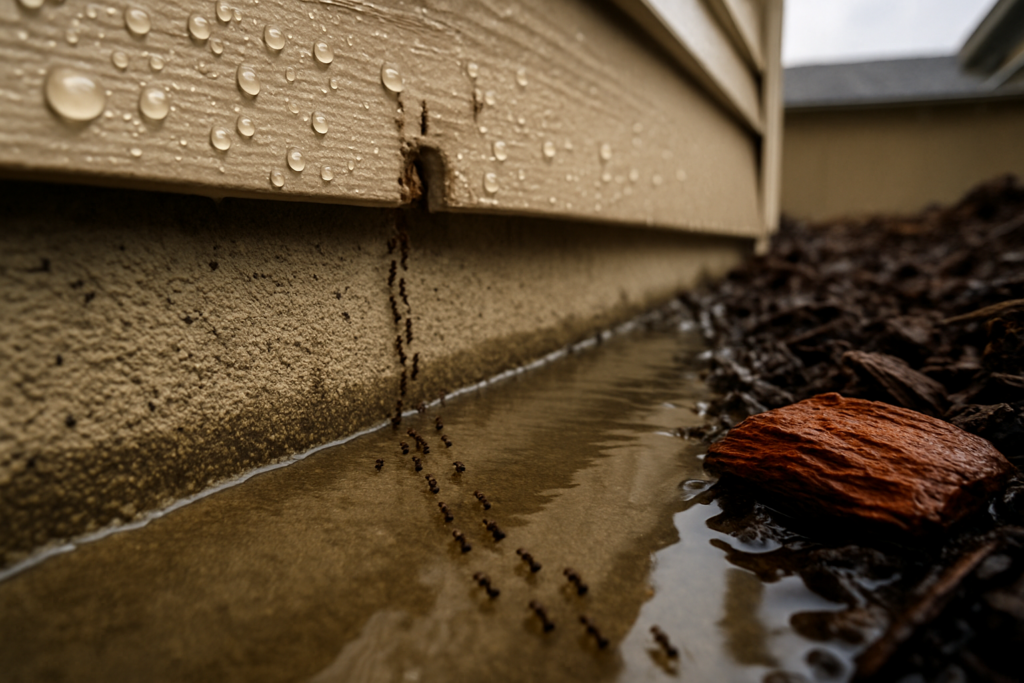
- Spring — Argentine and pavement ant colonies expand fast and start scouting for food sources indoors.
- Summer — Spider populations peak, and wasp and yellow jacket nests become active and aggressive.
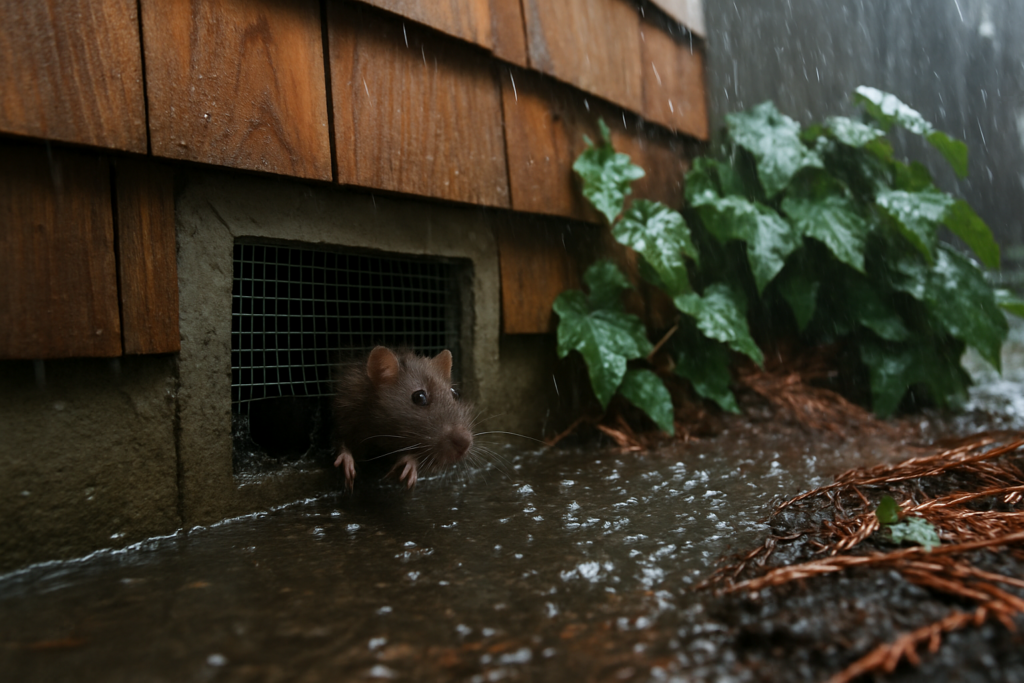
- Fall — Roof rats and other rodents move toward shelter as outdoor food sources dry up.
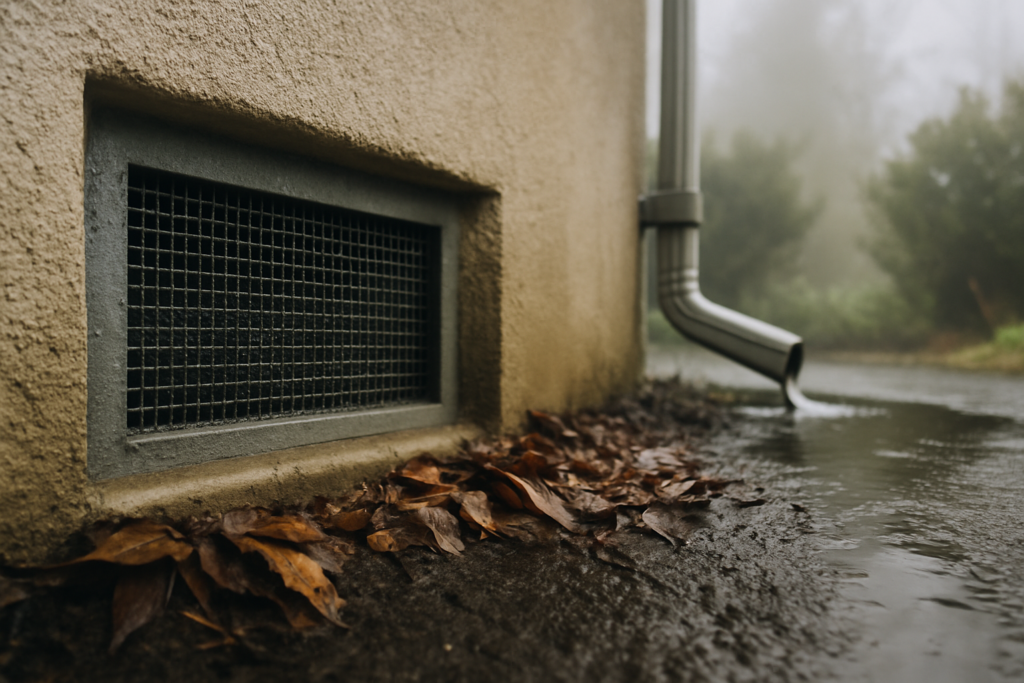
- Winter — Coastal moisture drives silverfish, earwigs, and other dampness-loving pests toward entry points.
A quarterly visit lands roughly in front of each of these shifts. That’s the whole logic behind the interval: treat just before the next seasonal pressure builds, not after it’s already inside the house.
Homes in warmer, drier parts of California can sometimes stretch this out because winter genuinely slows pest activity down. Santa Cruz’s marine layer doesn’t offer that break, which is why stretching past quarterly here tends to leave a bigger gap than homeowners expect.
When Quarterly Isn’t Enough
Some properties need a tighter schedule, at least until things stabilize. The most common reasons:
- A recent infestation. If rodents or ants were just cleared out, the entry points and conditions that let them in the first time are usually still there.
- Proximity to a creek, greenbelt, or redwood corridor. These areas feed a constant supply of rodents and ants onto adjacent properties.
- Older construction. Gaps around foundations, older crawl spaces, and aging weatherstripping give pests more ways in.
- Dense or mature landscaping. Heavy ground cover and wood piles hold moisture and shelter that keep ant and spider activity high.
For properties matching more than one of these, a monthly or every-six-week schedule for the first year is common, tapering back to quarterly once conditions settle down.
Comparing Treatment Schedules
| Schedule | Typical Interval | Best For | What It Covers |
|---|---|---|---|
| One-Time / As-Needed | Single visit | An isolated issue — one wasp nest, a single ant sighting | Solves the immediate problem only, no ongoing prevention |
| Quarterly Maintenance | Every ~3 months | Most Santa Cruz County homes | Stays ahead of the ant → spider/wasp → rodent → moisture-pest cycle |
| Tightened Schedule | Every 4–6 weeks (often first year) | Recent infestations, greenbelt-adjacent homes, older construction | Closes gaps faster while conditions stabilize |
What Actually Changes the Schedule
Two other factors shift how often a property should be treated, beyond location and history.
Treatment type matters. Eco-friendly, botanical-based products break down faster than conventional residual treatments, so homes using eco-friendly options sometimes need slightly closer intervals to maintain the same level of protection. This is a common tradeoff for households prioritizing lower-impact treatments around kids, pets, or edible gardens.
Property type matters too. A beach-flat condo with minimal landscaping faces very different pressure than a wooded property backing onto open space. The second property will almost always need closer attention regardless of how new the construction is.
Frequently Asked Questions About Pest Control Scheduling in Santa Cruz
Can I move from a monthly schedule back to quarterly once things calm down?
Usually, yes. Most properties that start on a tightened schedule after an infestation can step back down to quarterly within a year, once entry points are sealed and activity has stayed low for a couple of cycles.
Does the type of treatment affect how often I need service?
Somewhat. Eco-friendly and botanical treatments tend to have a shorter effective window than conventional residual products, so they’re sometimes paired with a slightly closer interval.
Is a one-time treatment ever really enough?
For a single isolated incident, like one wasp nest removed in summer, yes. For ongoing prevention, a single visit doesn’t address the next seasonal wave.
What happens if I skip a scheduled visit?
The main risk is timing. Skipping the visit that lines up with a seasonal shift — say, the one before ant season — gives that season’s pest pressure a head start before the next treatment catches up.
Does where I live in the county change my schedule?
Yes. Homes near creeks, greenbelts, or redwood corridors generally see more consistent pest pressure than beach-flat properties and often benefit from closer monitoring, especially in the first year.
Pest pressure in Santa Cruz County doesn’t really take a season off, so the right schedule comes down to your specific property, its history, and how close it sits to the creeks, greenbelts, and wooded areas that feed local pest activity. West Pest Co. works with homeowners throughout Santa Cruz, Capitola, Scotts Valley, Aptos, and the surrounding areas to figure out what interval actually fits a given property.