Before you can even think about getting rid of yellow jackets naturally, you have to know your opponent. I mean really know them. Their aggressive nature and tricky nesting habits are what make them such a challenge, so figuring out exactly what you're dealing with is the most important first step.
Know Your Enemy: A Guide to Yellow Jackets
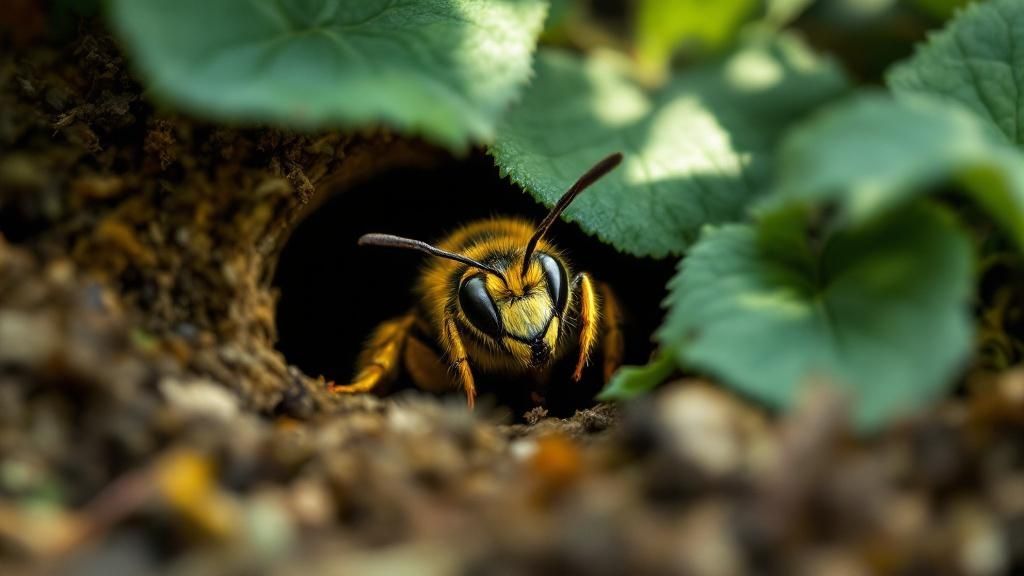
It’s an easy mistake to make, but mixing up a beneficial honey bee with a feisty yellow jacket can have painful consequences. At a glance, they’re both yellow and black. But look closer. Yellow jackets have a very defined, slender "waist," smooth bodies, and almost glossy, vibrant markings. Honey bees, on the other hand, are fuzzy, rounder, and their colors are a bit more muted.
This isn't just a minor detail; their behaviors are completely different. Honey bees are our pollinating allies and usually only sting once as a last-ditch effort to defend their colony. Yellow jackets? They're predatory scavengers that can (and will) sting you over and over, especially if you get anywhere near their nest or their next meal.
To make it even simpler, here's a quick comparison to help you tell these insects apart.
Yellow Jacket Identification At a Glance
| Characteristic | Yellow Jacket | Honey Bee | Paper Wasp |
|---|---|---|---|
| Body Shape | Slender waist, smooth body | Robust and fuzzy body | Very thin waist, slender body |
| Coloring | Bright, glossy yellow & black | Dull yellow/brown & black | Brown, black, or reddish |
| Behavior | Aggressive scavenger, stings repeatedly | Docile pollinator, stings once | Defensive, stings repeatedly |
| Nest Location | Ground holes, wall voids, aerial | Hives, hollow trees | Open, umbrella-shaped combs |
Getting this right is the foundation of any safe and effective removal strategy.
Locating the Nest Safely
Finding the nest is everything, but you absolutely must do it carefully. Yellow jackets are busiest during the day, which gives you an opportunity. From a very safe distance—I'm talking across the yard—just watch where they fly. You’ll start to notice a consistent flight path, a "bee line" straight to their front door. Don't follow it too closely; just observe.
Their choice of real estate makes things complicated:
- Ground Nests: Many common species, like the Western Yellowjacket, love setting up shop in old rodent burrows. The only clue you might see is a single, heavily trafficked hole in your lawn or garden bed.
- Aerial Nests: Then there are the species that build those classic, papery, football-shaped nests. You’ll find these hanging from tree branches, under the eaves of your roof, or even attached to a deck railing.
- Structural Voids: This is the trickiest one. They can get inside wall voids, attics, or behind the siding of a shed. These nests are often invisible and incredibly dangerous to deal with on your own.
A huge part of smart, natural pest management is knowing your limits. If that nest is inside a wall, way up high, or if you or a family member has a known allergy, it’s time to call a professional. It's simply not worth the risk.
Understanding Their Diet and Behavior
Here’s a pro tip: a yellow jacket's menu changes with the seasons, and you can use this to your advantage.
In the spring and early summer, the queen is laying eggs and the colony needs protein to feed the growing larvae. They become tiny hunters, going after caterpillars, spiders, and other insects.
But once late summer and fall roll around, their diet shifts entirely to sugars and carbs. This is precisely when they transform into the uninvited guests that ruin your picnics and barbecues, relentlessly going after your soda, fruit, and dessert.
Knowing about this dietary switch is the key to creating natural traps that actually work. When you're trying to keep your family safe during this process, it's also a good idea to research child-safe pest control methods to ensure everyone's well-being.
Strategic Trapping: A Proven Natural Removal Method
When you're dealing with yellow jackets, trapping is a fantastic strategy for thinning out their numbers without having to get dangerously close to the nest itself. This isn't just about sticking a trap in the yard and hoping for the best. It's about a calculated campaign to intercept foraging workers and make your outdoor spaces livable again.
So, let's get into the practical side of things. Your main choices are grabbing a commercial trap off the shelf or making one yourself. Which path you take often comes down to the severity of your yellow jacket problem and what you're willing to spend.
Commercial vs. DIY Traps: Which Is Better?
Commercial traps are engineered to be effective right out of the box. They use specific, field-tested designs and non-toxic lures that yellow jackets find irresistible. Yes, they come with a price tag, but their efficiency can be pretty impressive.
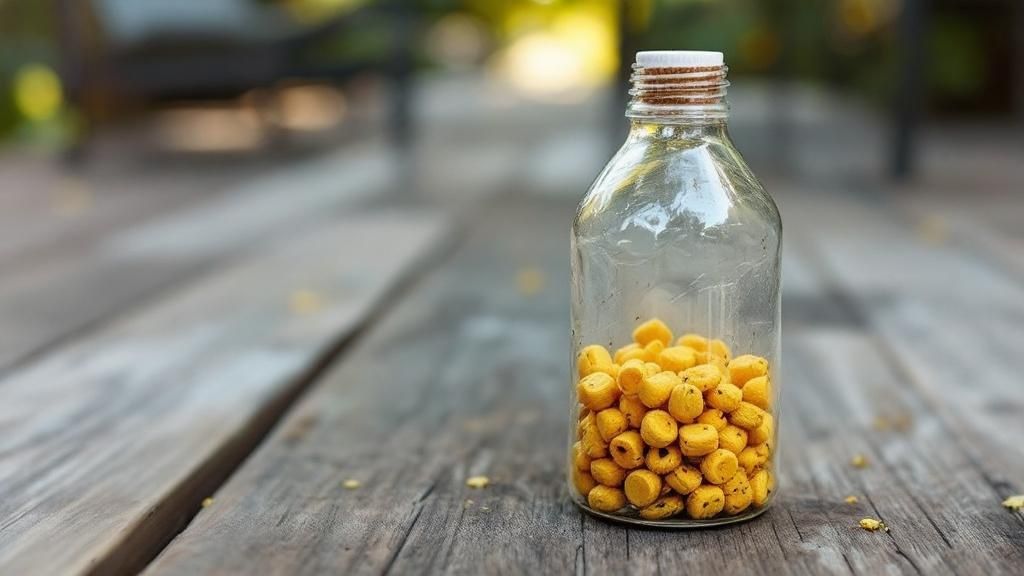
On the other hand, a DIY trap, like the classic two-liter soda bottle version, is about as cheap as it gets. You can whip one up in minutes with things you probably already have. The catch? Their effectiveness can be a bit hit-or-miss. For a minor nuisance—a few curious yellow jackets buzzing around—a couple of homemade traps might do the trick. For a more serious issue, investing in a proven commercial trap is almost always the smarter move.
Expert Insight: The whole DIY versus commercial trap debate really boils down to efficiency. While a homemade trap will certainly catch some yellow jackets, commercial traps are often built with specific entry funnels and super-potent attractants that dramatically boost capture rates. This makes them a far more reliable solution when you have a significant infestation.
The research backs this up. One 2021 study found that a leading commercial trap caught a mind-boggling 19,257 yellow jackets, making it roughly 300 times more effective than the least effective homemade jar trap in the test. The cost-effectiveness was also crystal clear: about $0.40 per 100 yellow jackets caught with the commercial trap, versus over $30 for the jar trap. You can read the full study about trap efficacy on PubMed to see the data for yourself.
The Art and Science of Baiting
The real secret to a successful trap lies in understanding the yellow jacket’s menu, which changes throughout the season. You have to match your bait to their current cravings.
- Spring & Early Summer (Protein-Powered): During this period, the colony is in growth mode and needs protein to feed the developing larvae. Your best baits are things like tuna, canned chicken, raw fish, or a small piece of deli meat. A little bit inside the trap is all you need to lure in those protein-hungry workers.
- Late Summer & Fall (Sugar Rush): Once the colony matures, the workers’ focus shifts to carbs and sugar for pure energy. This is when you'll want to switch your bait to sweet liquids. Think fruit juice, non-diet soda, sugar water, or even some overripe fruit.
This infographic highlights some natural plant repellents that can work alongside your trapping efforts.
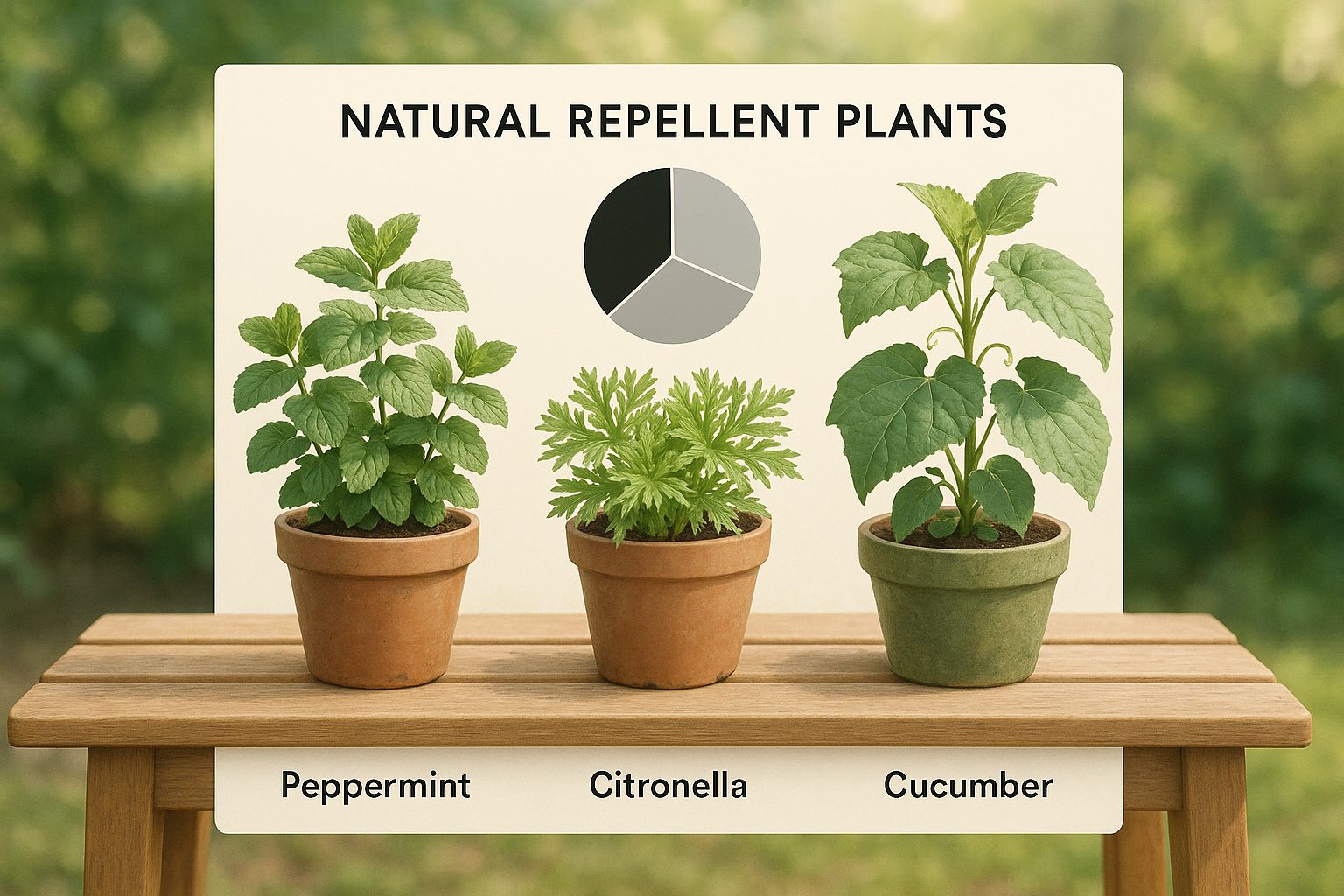
While traps are great for actively removing yellow jackets, planting things like peppermint and citronella can help make your patio and other immediate living areas less inviting to them in the first place.
Perfect Trap Placement for Maximum Impact
Where you hang your traps is just as critical as what you put inside them. The whole point is to intercept yellow jackets before they get to your high-traffic spots.
You've got to think like a yellow jacket. Find their common flight paths—these are usually straight lines between their nest and a consistent food source, like your trash cans, compost bin, or fruit trees. Place your traps 15-20 feet away from your deck or patio, but directly along these flight paths.
Whatever you do, don't put a trap right on your picnic table. That's just an open invitation for them to join your party. The goal is to use the traps to draw them away from where you, your family, and your pets hang out. Setting up a perimeter of traps around the edge of your yard is the best way to achieve this.
Using Natural Repellents to Create a No-Fly Zone
While traps are great for actively knocking down the yellow jacket population, your next line of defense is creating a repellent barrier. It's a fantastic, non-lethal strategy. The goal is simple: make your outdoor living spaces so unappealing that these pests just decide to pack up and go somewhere else.
This whole approach relies on scents from plants that yellow jackets find totally overwhelming. The real workhorses here are essential oils. These highly concentrated plant extracts carry intense aromas that mess with a yellow jacket's ability to smell food sources, effectively creating a "no-fly zone." It's a safe, natural way to get rid of yellow jackets without spraying harsh chemicals all over your yard.
Harnessing the Power of Scent
Certain essential oils have really made a name for themselves as repellents. Their intense aromas aren't just annoying to yellow jackets; they are remarkably effective at keeping them away. Field research consistently shows that oils like clove, pennyroyal, lemongrass, and spearmint are especially potent.
In one particular study, a blend of clove, geranium, and lemongrass oils was enough to almost completely stop yellow jackets from landing on bait traps. Even when the repellent was placed about a foot and a half away, it reduced their proximity by over 60%—a testament to how powerful spatial repellency can be. You can discover more about these powerful natural repellents and the science behind them.
Key Takeaway: Repellents work by masking the attractive smells of your food and creating an aroma barrier that yellow jackets instinctively avoid. It's a proactive defense that makes your space less of a target.
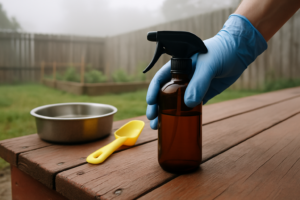
DIY Natural Repellent Spray Recipe
It’s surprisingly easy to mix up your own powerful repellent spray. I keep a bottle of this handy for spritzing around the picnic table, deck railings, patio furniture, and even tent entrances before we settle in outside.
Here’s a simple, proven recipe that works for me:
- Start with a clean spray bottle. A 16-ounce glass bottle is best, as oils can break down plastic over time.
- Add your essential oils. Combine 15-20 drops each of clove, lemongrass, and spearmint essential oils.
- Mix it with a carrier. Add one tablespoon of unscented dish soap or some witch hazel. This is the key to helping the oil and water actually mix.
- Fill with water. Top off the bottle with distilled or tap water, but leave a little room at the top so you can shake it well.
- Shake before every use. Apply it liberally to non-porous surfaces in your outdoor areas. You’ll want to reapply every couple of hours or after it rains to keep it effective.
Strategic Gardening for Lasting Defense
Sprays are great for immediate results, but for a long-term solution, you can integrate repellent plants right into your garden and landscaping. It's a defense that's both beautiful and functional. Planting these herbs around your deck, patio, or garden borders creates a permanent, living barrier that works all season long.
Consider adding these yellow jacket-repelling powerhouses to your yard:
- Mint (Spearmint, Peppermint): These are fantastic repellents, but they are aggressive growers. My advice? Plant them in pots to keep them from completely taking over your garden beds.
- Thyme: This low-growing herb makes for great ground cover or a border plant. It releases its pungent scent whenever it's brushed against.
- Wormwood: Known for its striking silvery foliage, wormwood has a strong, pungent aroma that most insects, yellow jackets included, absolutely detest.
- Lemongrass: Not just a pretty ornamental grass, it contains citronella oil, which is one of the most well-known natural insect repellents out there.
By combining these methods—using targeted sprays for immediate protection and strategic planting for long-term defense—you can build a layered defense that creates a peaceful, yellow jacket-free zone for you and your family to enjoy.
Targeting the Source: How to Handle Nests Naturally
When traps and repellents just aren't cutting it, you might have to go directly to the source: the nest. Let's be clear, this is a high-stakes move and definitely not for the faint of heart. Approaching a yellow jacket nest is incredibly dangerous, and your absolute top priority must be safety. This is the most aggressive natural approach, and it demands a careful, methodical plan.
First thing's first—you have to work on their schedule, not yours. Yellow jackets head back to their nest after dusk and become much less active and aggressive as the temperature drops. Never, ever approach a nest during the day. Wait until it's completely dark. Use a red-light headlamp to see what you're doing; their eyes don't register red light well, which makes you a much less obvious target.
Eco-Friendly Nest Treatment Options
Once you've pinpointed the nest's location and waited for total darkness, you have a couple of solid non-toxic options. For nests in the ground, a simple mix of dish soap and water can be shockingly effective.
- The Soap and Water Method: Mix a generous amount of dish soap into a few gallons of hot water. The soap is the key here—it breaks down the waxy coating on their exoskeletons and also cuts the water's surface tension, causing them to drown almost instantly on contact. You'll want to pour this mixture directly and quickly into the nest opening.
For both ground nests and aerial nests you can safely reach, food-grade diatomaceous earth is another fantastic natural weapon. This fine powder, which is just fossilized aquatic organisms, is like microscopic glass shards to insects. It sticks to their bodies, scratches up their exoskeletons, and causes them to dehydrate and die. Use a puffer or a duster to apply it liberally in and around the nest entrance.
Safety First, Always: Before you even think about approaching, plan a clear, unobstructed escape route. Know exactly where you’ll run to get back inside to safety. Make sure there are no trip hazards like garden hoses, tools, or toys in your path.
Knowing When to Call for Backup
This is the most critical part of the process: recognizing your limits. Not every nest is a candidate for a DIY job. You should immediately stop what you're doing and call a professional if the nest is:
- Inside a structure: If they've made a home in a wall void, attic, or soffit, don't even think about it. You risk driving thousands of angry yellow jackets further into your house.
- Too large: A nest bigger than a football is a mature colony. That means thousands of highly aggressive defenders are ready to protect it.
- Too high up: Any nest that forces you onto a ladder is a serious safety hazard. A swarm can easily knock you off balance, leading to a dangerous fall.
Trying to tackle these situations yourself simply isn't worth the risk of serious injury. For complex infestations, expert wasp and yellow jacket extermination is the only truly safe and effective solution. Professionals have the specialized equipment and protective gear needed to handle dangerous situations responsibly.
Proactive Prevention to Keep Yellow Jackets Away for Good
The best way to handle yellow jackets is to make sure they never see your property as a good place to live. While trapping and repellents are great for dealing with an active problem, prevention is how you win the war before it even starts. The whole idea is to create an environment where a queen wouldn't dream of building her nest.
These long-term strategies are all about removing the very things that attract yellow jackets in the first place. By adopting just a few practical, everyday habits, you can make a huge difference and drastically cut down the chances of an infestation taking hold. It’s all about thinking ahead for a peaceful, sting-free summer.
Eliminate Their Food and Water Sources
Like every living thing, yellow jackets are constantly on the hunt for food and water. If your property offers a reliable buffet, you can bet they'll move in. The trick is to cut off their supply lines before they even realize you're open for business.
A classic mistake is leaving pet food outside. This is a protein goldmine for yellow jackets, especially in the spring and early summer when they're feeding their young. Always feed your pets indoors, or at the very least, pick up any uneaten food as soon as they’re done.
A Real-World Scenario: Picture this—a small crack in your outdoor trash can lid seems harmless, but to a foraging yellow jacket, it’s a constant source of sugary spills and leftover food scraps. Securing your trash is one of the most impactful preventative steps you can take.
You can make your yard far less inviting by following these simple rules:
- Secure All Trash Cans: Always use cans with tight-fitting lids. A bungee cord is a cheap and effective way to guarantee they stay sealed.
- Clean Up After Outdoor Meals: Get in the habit of promptly cleaning up food spills, crumbs, and sticky drink residue from your deck or patio.
- Manage Fallen Fruit: If you have fruit trees, be diligent about picking up fallen fruit before it rots and ferments. That sweet, fermenting smell is a powerful magnet for yellow jackets.
- Remove Standing Water: Fix leaky spigots or hoses and empty anything that collects rainwater, like birdbaths, old tires, or buckets.
Pest-Proof Your Home and Yard
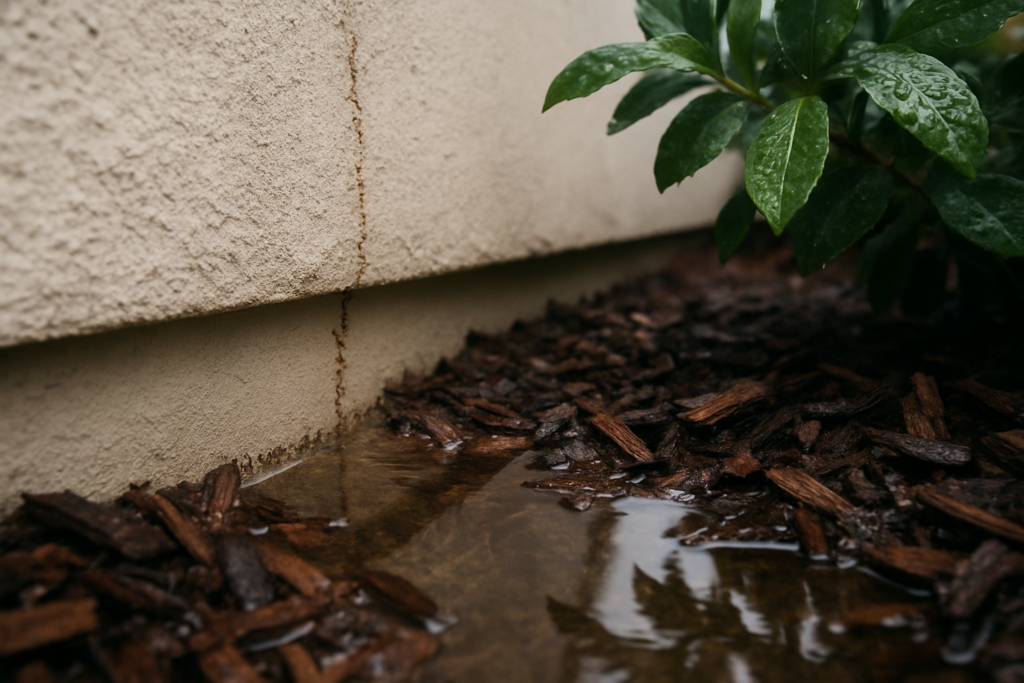
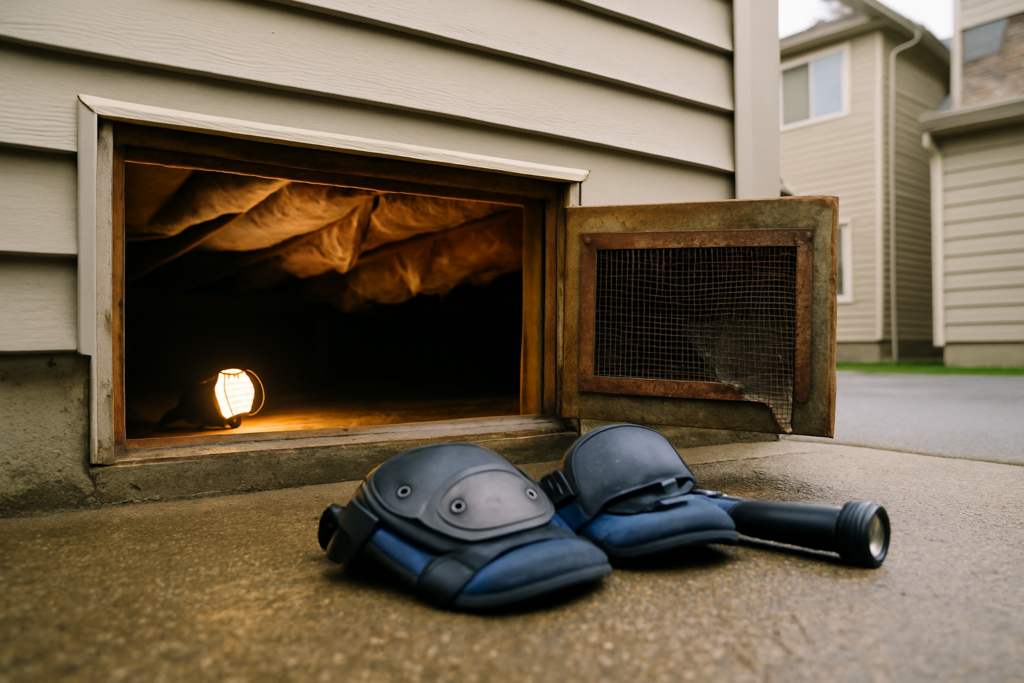
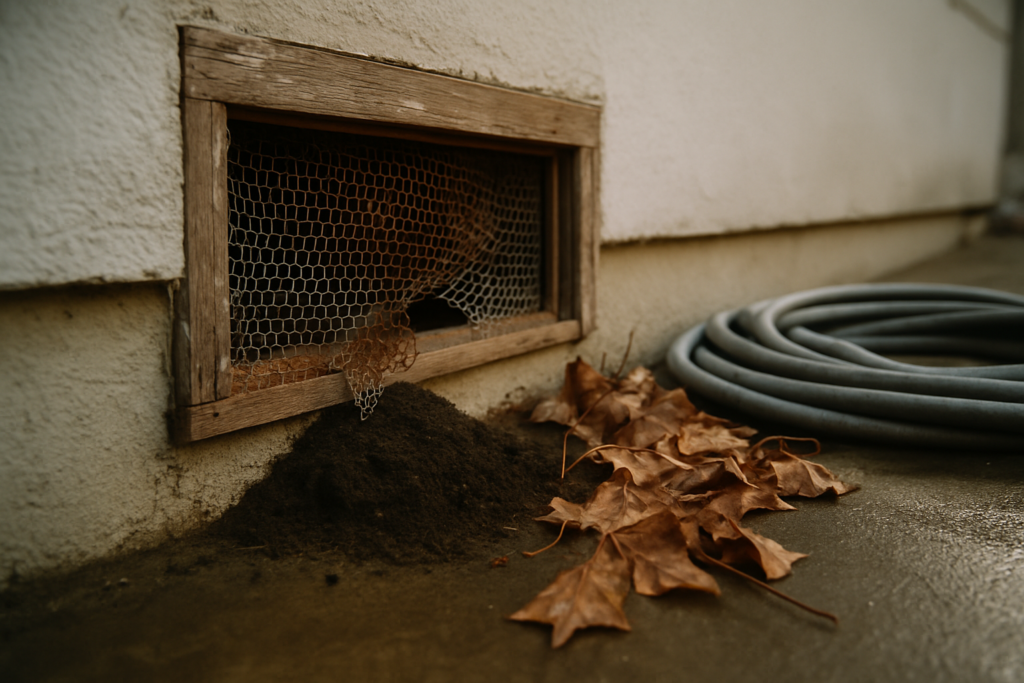
Next up, you need to take down any "For Rent" signs on your property. Queen yellow jackets are always on the lookout for safe, sheltered spots to build their nests. Old rodent burrows, cracks in your home's foundation, and unprotected vents are basically prime real estate to them.
Take a walk around your property with a critical eye, looking for these potential entry points. Sealing a small crack with caulk or covering a vent with fine mesh screen can stop an entire colony from moving into your walls or attic. This is a core principle behind all effective natural pest control strategies—denying pests the shelter they need to thrive.
The ultimate proactive move? Trap the queens in early spring, right after they emerge from hibernation. Capturing a single queen can prevent a future colony of thousands from ever forming. It’s a high-impact strategy that offers the best shot at keeping yellow jackets away for good.
Got Questions About Natural Yellow Jacket Control?
When you're dealing with a yellow jacket problem and want to stick to natural methods, a lot of questions can come up. It's easy to feel unsure about the best approach or when it's time to change tactics. Getting a handle on why they behave the way they do is the first step to winning the battle.
A big point of confusion I see all the time is whether to use traps or repellents. It’s pretty simple when you break it down: traps are for population control, while repellents are for area denial. If your yard is swarming with yellow jackets, traps are what you need to start actively thinning their numbers. I always tell people to place them along the edges of the property or near known flight paths to intercept foragers before they reach your patio.
Repellents, on the other hand, are for protecting specific spots. Think of them as a "No-Fly Zone" for your deck, picnic table, or kids' play area. A good peppermint oil spray or strategically placed repellent plants won't kill the yellow jackets, but their strong scent sends a clear message: "This spot is taken, move along."
Why Are Yellow Jackets So Aggressive?
It's not your imagination—they really do seem to have a personal grudge. This aggression is hardwired into their biology as territorial, predatory scavengers. Unlike honeybees that are mostly just focused on flowers, yellow jackets are fierce defenders of their nest and any food source they’ve claimed as their own.
Their defensive nature kicks into high gear in late summer and early fall. By then, the colony has exploded to its peak size, often with thousands of hungry workers. At the same time, their natural food sources like insects and flower nectar are starting to disappear. This creates a perfect storm: a massive, starving population that sees your sugary drink or BBQ plate as a five-star meal they're willing to fight for.
Expert Insight: Remember, a single yellow jacket can sting over and over again. Their aggression is a survival instinct designed to protect the colony and its food. That's why getting too close to a nest—or even just their lunch—can provoke a massive, painful response from the entire crew.
When Is It Time to Call a Professional?
Knowing your limits is the most critical part of tackling a yellow jacket problem, especially with natural methods. While DIY solutions are fantastic for small-scale issues, some situations are just too dangerous to handle on your own.
Here's a quick checklist I run through with clients to help them decide:
- Is the nest inside a structure? If they're in your walls, attic, or under the eaves, don't even think about touching it. A botched removal attempt could drive the entire angry swarm inside your house.
- Is the nest bigger than a football? A nest that size is home to thousands of hyper-defensive workers. The risk of a mass-stinging event is incredibly high.
- Is the nest in a hard-to-reach spot? Any job that requires climbing a tall ladder or reaching into a precarious position is best left to a pro with the right safety gear.
- Does anyone in your home have a bee sting allergy? If the answer is yes, the risk is simply not worth it. Period.
If you answered "yes" to any of these, it's time to put the peppermint oil down and pick up the phone.
When an infestation gets too big, too dangerous, or too complicated to handle yourself, don't hesitate. For safe and effective solutions that respect the Santa Cruz County environment, trust the experts at West Pest Co. to protect your home and family. Learn more about our services at westpestco.com.