That gut-sinking feeling when you discover a pest invasion is universal. Your first reaction in those critical moments can mean the difference between a controlled situation and a chaotic one. Dealing with an emergency pest control scenario isn’t about becoming a DIY exterminator—it's about making smart, safe choices to keep everyone out of harm's way while you wait for the pros.
The goal is simple: calmly manage the immediate environment.
Your First Moves in a Pest Emergency
Panic is the enemy in a pest crisis. I've seen it time and time again. A clear head and a simple mental checklist will help you navigate the chaos and keep the situation from escalating. Your priority is not to fight the pests, but to secure the scene.
Secure the Immediate Area
First and foremost, make sure people and pets are safe. This is non-negotiable. If you've just discovered a raccoon has made itself at home in your garage, your immediate job is to close the interior door to the house and get everyone out of the garage. Found a buzzing wasp swarm right by the back door? Guide your family to use the front door instead.
A few quick actions can make all the difference:
- Isolate the space: Shut any doors that lead into the affected room or area.
- Relocate people and pets: Move them to a separate, secure part of the house, far from the problem.
- Communicate clearly: Let everyone in the house know what’s going on and which areas are off-limits.
Identify from a Safe Distance
Whatever you do, don't get close to an unknown or potentially aggressive pest. Your job isn't to trap it; it's to gather intel for the professionals who will. If you can do it from a safe spot, use your phone's camera to zoom in and snap a photo. A clear picture is incredibly helpful for us—it allows our experts to identify the species and show up with the right tools for the job.
The difference between a few harmless ants on the counter and a full-blown carpenter ant colony chewing through your wall is huge. A clear photo can be invaluable for our emergency pest control team, allowing for a much faster and more accurate response.
Contain the Problem if Possible
Now, "containing" the problem doesn't mean you should try to trap the pest yourself. It’s about preventing it from spreading.
For instance, if you find rodent droppings all over your pantry, just close the door tightly. If you see a swarm of termites emerging from a specific spot on a wall, leave it alone. Disturbing the area could cause them to scatter throughout your home, making our job much harder.
The less the pests are disturbed, the easier it is for a professional to locate and treat the heart of the infestation. By making these calm, strategic moves, you turn a potential disaster into a manageable problem that the experts at West Pest Co. are equipped to handle.
How to Assess Your Pest Infestation Level
That sinking feeling you get when you find pests is universal. But after the initial shock wears off, your next move is crucial. You need to figure out just how bad the problem is. Are you dealing with a single lost ant, or is it the scout for an entire colony hiding just out of sight?
Knowing the difference helps you communicate the urgency when you call for professional help. The evidence you find tells a story, and learning to read it is the first step toward taking back your home.
What to Look For: From a Single Pest to a Full-Blown Invasion
Look beyond the one bug you saw scuttling across the floor. The real clues about an infestation’s size are often hidden. It’s all about the quantity and location of the evidence.
A single mouse dropping behind a dusty box in the garage might just be from a one-time visitor. But finding fresh droppings scattered along your kitchen baseboards or, worse, on your counters? That points to an active, established colony that feels right at home. The same logic applies to any pest.
This visual guide breaks down the key signs that separate a minor nuisance from a true emergency.
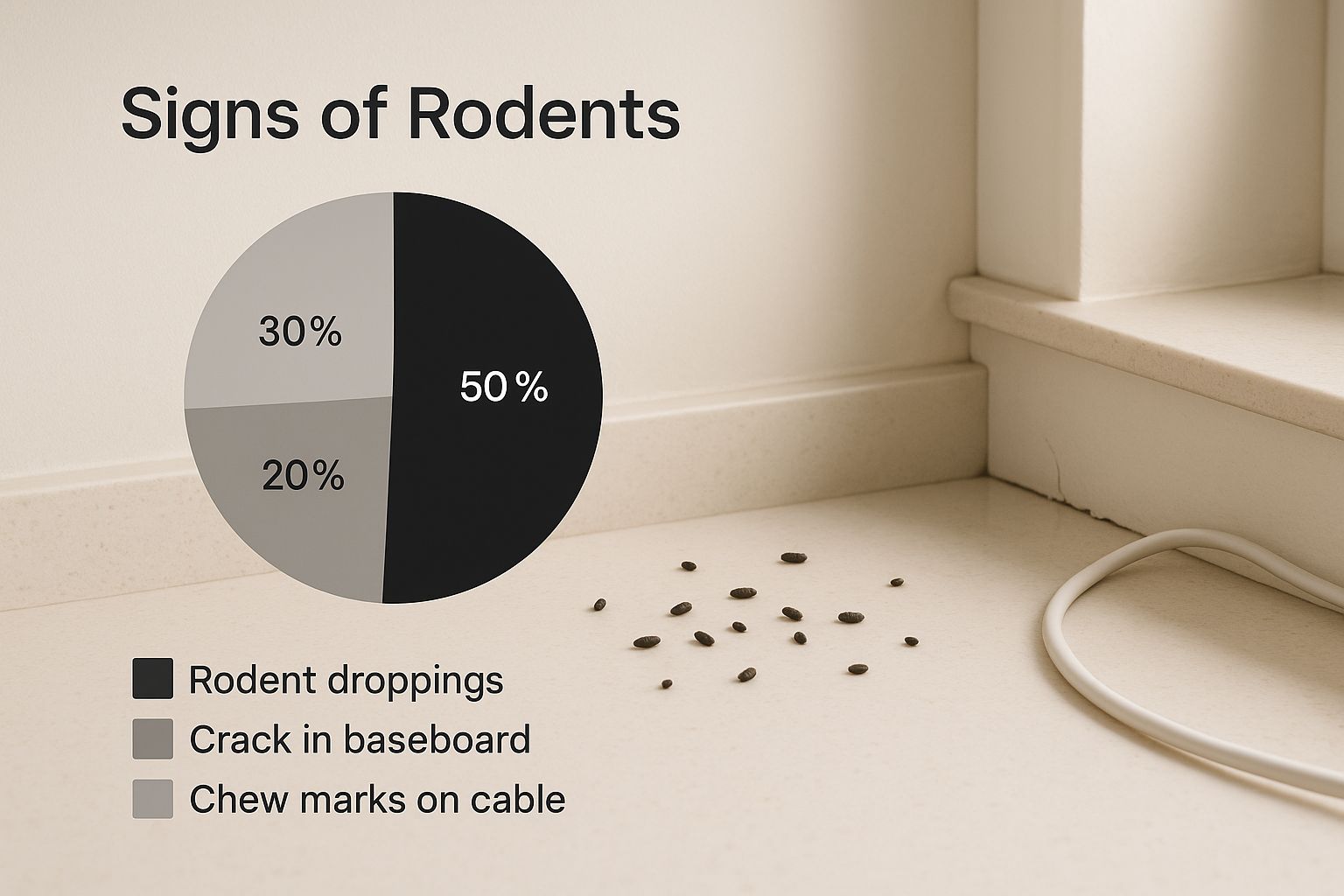
As you can see, things like widespread droppings, chew marks on food packaging, and visible entry points signal a much more serious problem that needs immediate attention.
Putting the Clues Together
Once you've gathered your evidence, it's time to think like a detective. Are the signs all concentrated in one room, or are they spread throughout the house? Evidence that’s widespread suggests a larger, more mobile infestation that has been there for a while.
To help you quickly gauge the situation, we've put together this simple guide. It's a quick way to compare what you're seeing with common emergency scenarios.
Emergency Pest Situation Severity Guide
| Pest Type | Sign of a Minor Issue | Sign of an Emergency | Immediate Risk |
|---|---|---|---|
| Rodents | A few old droppings in one isolated area (garage, shed). | Fresh droppings in multiple rooms, chewed wires, nests found. | Fire hazard, disease transmission, property damage. |
| Ants | A small trail of ants near a spilled crumb. | Multiple, persistent trails in kitchen, bathrooms, and pantry. | Food contamination, potential property damage (carpenter ants). |
| Spiders | Occasional web in a corner. | Multiple black widow or brown recluse sightings, egg sacs found. | Venomous bites, rapid population growth. |
| Cockroaches | One or two seen at night near a drain. | Sightings during the day, strong oily odor, droppings that look like coffee grounds. | Allergen triggers, spread of bacteria (Salmonella, E. coli). |
This table isn't exhaustive, but it gives you a solid framework for understanding when to sound the alarm.
Ultimately, some signs are undeniable red flags.
The most critical signs that signal an emergency include visible property damage (like chewed wires or gnawed wood), nests or hives, and strong, unusual odors. These are hallmarks of a significant problem that has moved beyond a minor nuisance.
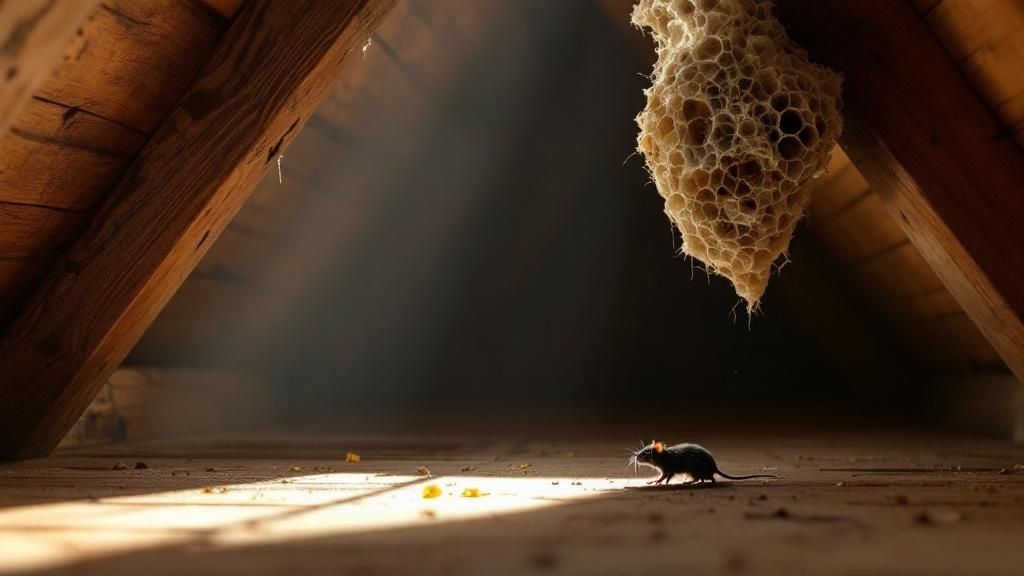
Don't forget to use your ears, too. Scratching, scurrying, or buzzing sounds coming from inside your walls or attic are clear indicators of a hidden colony. Pests you can hear but can't see mean the problem is already well-established within the structure of your home, and it’s time to call in the pros.
The need for expert help is growing everywhere. The global pest control market was valued at $24.71 billion and is projected to climb to $37.48 billion by 2029, a trend driven by the increasing complexity of these infestations.
Assessing the situation correctly helps you take the right next step. If your detective work points to a serious problem, don't wait. Calling an emergency pest control service now can prevent costly damage and bring back your peace of mind. But remember, the best defense is a good offense. To learn how to keep them out for good, check out our guide on preventative pest control strategies.
The Hidden Dangers of DIY Emergency Treatments

When a pest crisis hits, your first impulse might be to grab a can of store-bought spray. It feels like you’re taking immediate, decisive action. But I’ve seen this go wrong more times than I can count. In an emergency, that common impulse can make a bad situation much, much worse.
Let’s talk about a real-world scenario I see all the time with cockroaches. You find them in your kitchen and set off a generic fogger, hoping to wipe them out in one fell swoop. Instead of killing the colony, the irritating chemical just scatters them. Now, instead of one central infestation, you have roaches hiding in wall voids and spreading throughout the house. This makes our job—and your final bill—significantly more complex.
From Bad to Worse
Things get even riskier when you try to handle aggressive pests yourself. Spraying a wasp nest with a product from the hardware store might seem like a good idea, but it can provoke the entire colony. Suddenly, you’re facing a defensive swarm and the potential for dozens of painful stings. It’s just not worth it. Professionals like us use specialized gear and fast-acting, regulated materials to neutralize the nest safely and completely.
The difference between DIY and professional methods is stark:
- DIY Sprays: These often act as simple repellents. They don't kill the colony; they just push the pests into other areas of your home.
- Professional Treatments: We use targeted, non-repellent products. Pests unknowingly carry these back to the nest, eliminating the entire colony at its source.
The most critical mistake we see is underestimating a pest’s behavior. A panicked, improper treatment can turn a localized issue into a widespread infestation or a dangerous confrontation. This is exactly why expert intervention is essential in an emergency pest control situation.
Even the wider pest control industry is shifting away from brute-force chemical attacks. The agri natural enemy pest control market, which uses natural predators to manage pests, grew from $19.67 billion to $21.03 billion in just one year. This shows a clear trend toward smarter, more strategic solutions. You can read more about this growing market segment and its trends.
Finding a Reputable Emergency Pest Service Fast
When you’re staring down a genuine pest crisis, you don’t have the luxury of spending hours comparing dozens of companies. The goal is to make a quick, confident decision and get the right help on the way, fast. The key is knowing exactly what to look for and what to ask.
Your search really boils down to a few non-negotiable criteria. The most obvious one is guaranteed 24/7 availability. If a company’s website mentions “emergency services” but doesn’t explicitly state they answer the phone around the clock, they might not be equipped for a true after-hours nightmare.
Your Quick Vetting Checklist
Next, you need to look for a clearly stated rapid response time. A reputable emergency pest control service gets it—time is critical. They should be able to give you a specific window for when a technician can arrive, not just a vague, unhelpful “as soon as possible.”
Finally, do a quick check on their legitimacy. Proper licensing and insurance are absolutely crucial. This protects you from liability and ensures the technicians are actually qualified to handle professional-grade treatments safely. Any legitimate company, like West Pest Co., will have their credentials displayed proudly on their website.
In an emergency, your goal isn't to find the cheapest option; it's to find the most competent and responsive one. A swift, professional response can prevent thousands of dollars in property damage and eliminate serious health risks.
Critical Questions to Ask on the Phone
Once you have a potential company on the line, a few direct questions will tell you everything you need to know. Don't be shy about being specific—this is your home and your safety on the line.
- "Are your technicians trained for this specific pest?" You wouldn't want someone who only handles ants trying to manage a raccoon in your attic. The skills are totally different.
- "Can you walk me through your treatment process and safety protocols?" They should be able to clearly outline the steps they'll take and tell you exactly what you need to do to keep your family and pets safe.
- "Are there any hidden fees for after-hours or weekend service?" A trustworthy business is always transparent about pricing. No one likes surprise charges.
Asking these simple questions helps you cut through the noise in minutes. You’ll be able to identify the professionals who are truly prepared for your emergency pest control situation and get them dispatched to your home without any more stress or delay.
What Happens During an Emergency Service Call
Knowing what to expect when you make that urgent call can make a stressful situation feel much more manageable. An emergency pest control visit isn't some big mystery—it's a systematic process we've refined for speed, safety, and most importantly, getting the job done right. When our technician arrives at your door, their first job is to listen to your concerns and then see the problem firsthand.
This initial walkthrough is more than just a quick look; it's a critical inspection. The technician will assess the situation you've described, identify the specific pest, pinpoint how they're getting in, and figure out just how big the problem is. For instance, if you've called about wasps, they won't just glance at the visible nest. They’ll hunt for any hidden satellite nests and evaluate the immediate risk to your family. This careful, professional evaluation is exactly what separates a real solution from a risky DIY attempt.
Explaining the Treatment Plan
Once the assessment is done, our technician will walk you through the plan of action. They'll clearly explain what needs to be done, the specific materials they’ll use, and any safety precautions you might need to take, like keeping pets out of a certain area for a bit. This is your chance to ask anything and everything. A true professional will always make sure you understand and are comfortable with the process before they even think about starting.
A key part of our service is total transparency. The technician will explain the treatment step-by-step, including any areas you may need to avoid for a short time and what you can expect to see and hear. Your safety and peace of mind are always our top priorities.
The treatment itself is precise and targeted. For a sudden rodent issue, this might involve strategically placing secured bait stations where kids and pets can't reach them. For a wasp emergency, it means gearing up with specialized equipment to safely neutralize the nest and its aggressive occupants. Our experts are trained to handle these materials effectively, ensuring the problem is solved without putting your household at risk. For particularly tough situations, like dealing with aggressive stinging insects, you can learn more about our specialized wasp nest removal process.
After the treatment is complete, the technician will give you some crucial post-service advice. This includes what to expect in the hours and days ahead and practical tips to help prevent the problem from coming back. This type of comprehensive guidance is central to integrated pest management, a forward-thinking approach that's becoming a major part of the growing $25.26 billion global pest control market. You can discover more insights about these industry trends on maximizemarketresearch.com.
Preventing Your Next Pest Crisis
After the stress of an emergency pest situation, the last thing anyone wants is a repeat performance. The key to long-term peace of mind is shifting from a reactive mindset to a proactive one. It’s all about turning your home from a welcome mat for pests into a fortress they can’t breach. It starts by looking at your property through a pest’s eyes.
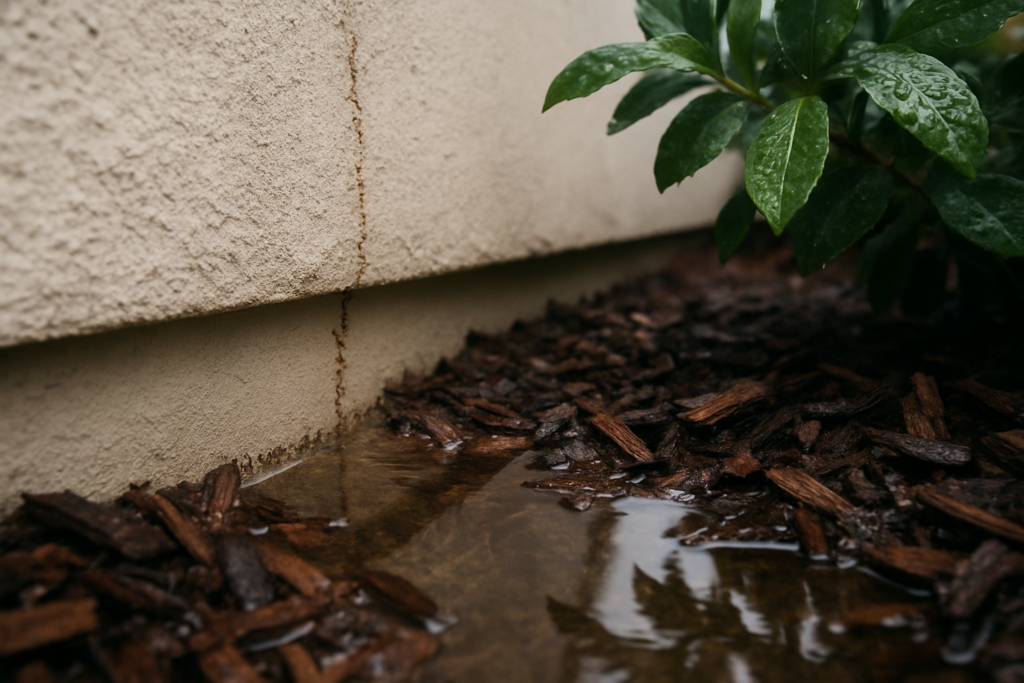
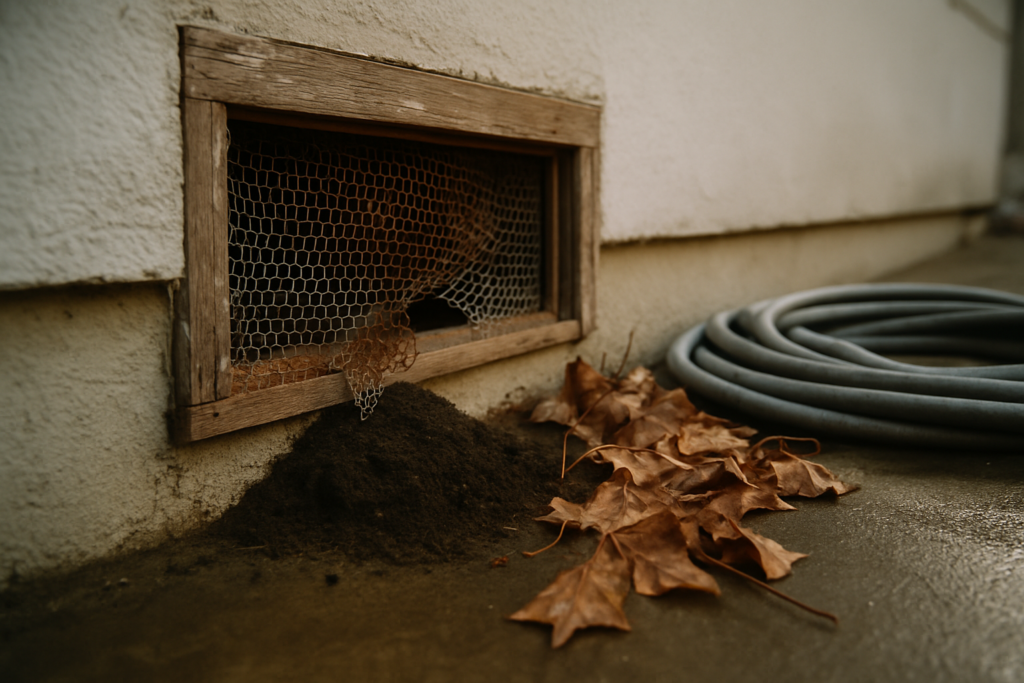
The most common entry points for rodents are surprisingly small. A mouse can squeeze through a hole the size of a dime, and a rat only needs a gap the size of a quarter. Take a walk around the perimeter of your home, paying close attention to the foundation, siding, and anywhere utility lines enter. Sealing any cracks or holes you find with steel wool and caulk is a simple fix that creates a powerful barrier.
Fortifying Your Defenses
Water is life for nearly every pest, especially insects. That leaky outdoor spigot, clogged gutters, or even the dog's water bowl left out overnight can create a five-star resort for thirsty invaders. Make it a habit to check for and get rid of any sources of standing water. Inside, fix those dripping faucets and make sure your basement or crawl space is dry and well-ventilated. A dehumidifier can be a fantastic investment for perpetually damp areas.
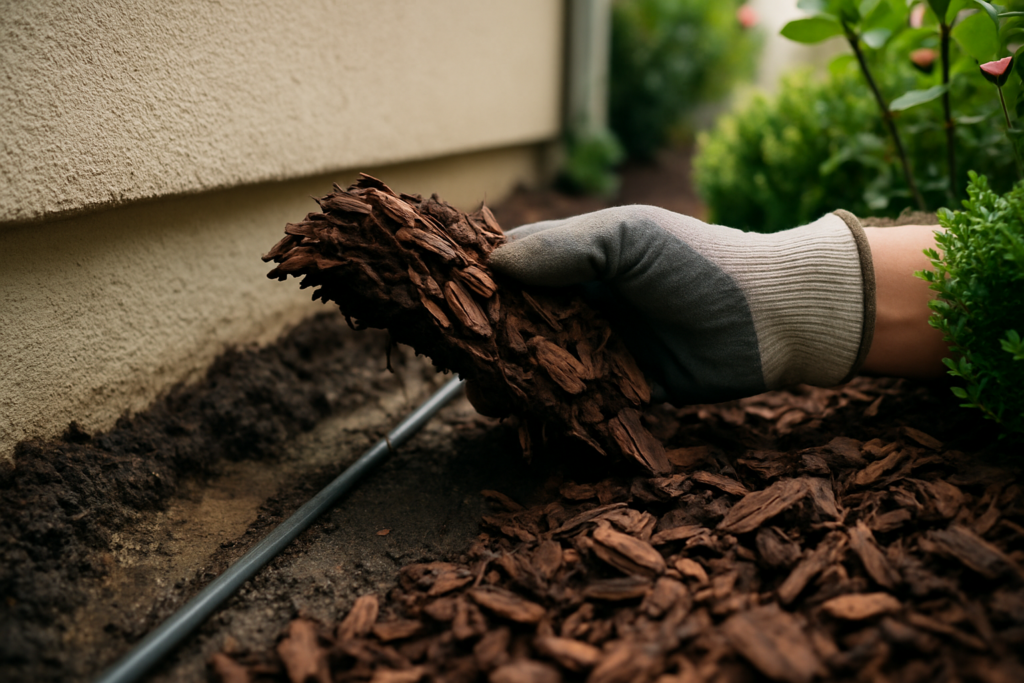
Don't forget your landscaping—it plays a huge role. Overgrown bushes, firewood stacked right up against the house, and thick layers of mulch give pests the perfect hiding spot right next to your home.
One of the best rules of thumb our pros share is to keep an 18-inch clear zone between any vegetation and your home's foundation. This creates a "no-man's-land" that makes it much harder for pests to bridge the gap from your yard to your living room.
Creating Pest-Proof Habits
Finally, a few simple, consistent habits can make a world of difference. Wiping down kitchen counters, storing food in airtight containers, and taking out the trash regularly cuts off the food supply that pests depend on. These small actions really do add up.
For more targeted advice on specific intruders like ants, our comprehensive guide on how to keep ants away offers detailed strategies you can put to use immediately.
By sealing entry points, eliminating moisture, managing your landscaping, and maintaining clean habits, you are actively stacking the deck against another pest crisis. This proactive approach is the absolute best way to make sure your last pest emergency was truly your last.
Common Questions About Emergency Pest Control
When you’re staring down a pest problem that feels urgent, your mind starts racing. You need clear answers, and you need them fast. We get calls all the time from homeowners in a panic, so we’ve put together the most common questions we hear to give you some clarity right now.
Is My Situation Really an Emergency?
This is, without a doubt, the number one question we get. It’s easy to second-guess yourself, but the answer is usually simpler than you think. An emergency isn't just about seeing a pest; it's about the immediate risk it poses to your family, pets, or property.
Think of it this way: a single garden spider in the bathtub is a nuisance. But discovering a black widow near your child's sandbox? That's an emergency pest control situation that needs a professional, now.
Other situations that absolutely qualify as emergencies include:
- A swarm of bees or wasps has started building a nest on your deck, near a doorway, or anywhere people might get stung.
- You've found rodents—or evidence of them—in your kitchen or pantry, where they can contaminate food and spread disease.
- Any pest that is causing visible and rapid structural damage, like a termite swarm emerging from a wall.
If you feel a pest is an immediate threat to health, safety, or your home itself, treat it as an emergency. Trust your gut. It's always better to call and get an expert opinion than to wait and let the problem get worse.
How Quickly Can You Get Here?
When you call for emergency service, "soon" isn't a good enough answer. A professional company understands the urgency and should be able to give you a clear, realistic timeframe for arrival—not a vague, four-hour window.
For critical situations, our goal at West Pest Co. is always same-day service. When you call us, we'll give you an honest ETA based on your location and our current schedule. Speed is part of the service.
Are the Treatments Safe for My Family and Pets?
This is a huge concern for nearly every homeowner we talk to, and rightly so. Your family’s safety is non-negotiable.
Our licensed technicians are trained to use targeted treatments that are tough on pests but low-risk for people and pets. We don’t just show up and start spraying. We’ll walk you through the entire process, explain what we’re using and why, and let you know about any simple precautions you might need to take—like keeping your dog out of a treated room for a little while. The goal is to solve one problem without creating another.
When a pest crisis hits, you need a local team you can count on to be there fast. West Pest Co. delivers reliable, rapid emergency services to protect what matters most. Contact us now for immediate assistance.