As a parent in Santa Cruz, you're constantly juggling the beauty of our coastal life with its less glamorous side—persistent pests. You shouldn't have to choose between a pest-free home and your child's safety. The great news is you don't have to. With smart prevention and the right low-impact treatments, you can have both.
Why A Child-First Approach Matters
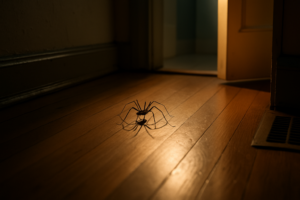
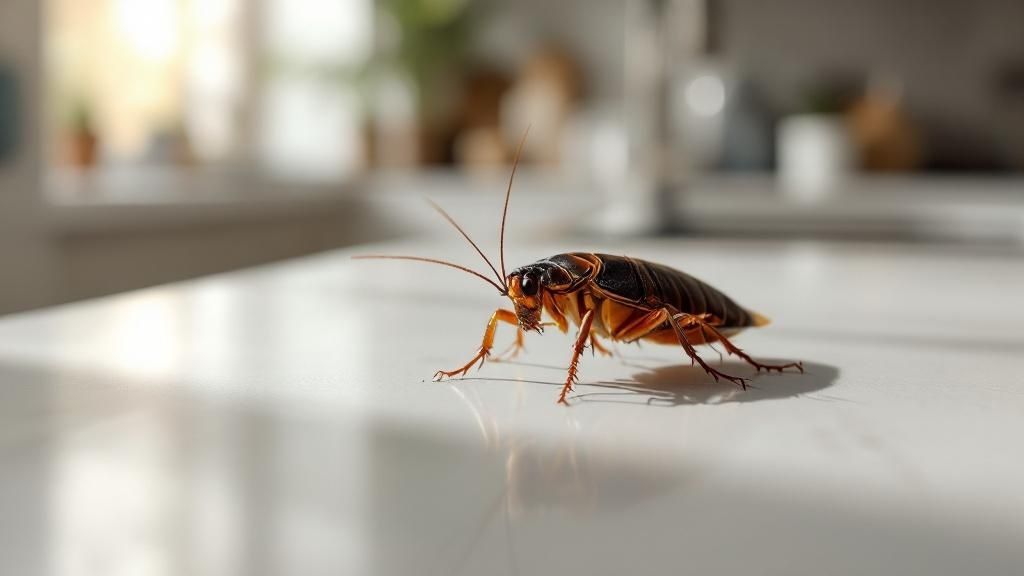
Living here means dealing with everything from a line of sugar ants making a beeline for your kitchen counter to spiders setting up shop in quiet corners. Grabbing a can of conventional pesticide might feel like the fastest solution, but the potential risks for curious kids are serious and often invisible.
This guide is designed to give you the knowledge and practical steps to take back control. We’ll walk through non-toxic strategies and show you what to look for when hiring a professional service that puts your family’s health first. It's about creating a home where your kids can play freely without you worrying about exposure to harsh chemicals.
The global impact of pesticide exposure on kids is staggering. An estimated 490 million children and adolescents are potentially exposed through various sources. Even in developed countries, studies have found that up to 90% of children have detectable levels of pesticides in their bodies. This is why safer alternatives are not just a preference—they're a priority.
Building A Safe Environment
A truly safe home is more than just pest-free; it’s a place where every angle of your child’s well-being has been considered.
We’ve seen firsthand that the most effective approach combines a few key elements:
- Integrated Pest Management (IPM): This is just a technical way of saying "prevention first." It means focusing on practical things like sealing up cracks where pests get in and being diligent about cleaning up crumbs and food waste.
- Professional Expertise: When you do need help, it's about partnering with experts who use modern, https://westpestco.com/pest-control-methods/ that target pests without blanketing your home in unnecessary chemicals.
- Comprehensive Home Safety: A secure home goes beyond pests. To cover all your bases, this practical room-by-room guide on how to childproof your home is an excellent resource for a complete safety overview.
Why Children Are More Vulnerable to Pesticides
When you're a parent, keeping your home safe is always top of mind. And when it comes to pest control, it’s critical to understand that what’s a minor inconvenience for an adult can be a major risk for a child. A child’s body isn’t just a mini-version of ours; it’s a system in constant, rapid development. Their organs, nervous system, and immune responses are all still maturing, which means their natural defenses just aren't ready to handle and flush out harmful chemicals.
This biological vulnerability gets a serious boost from their everyday behavior. Think about it: young children explore the world with their hands and mouths. They spend a huge amount of time crawling on floors, playing on carpets, and touching just about every surface in reach—all areas where pesticide residues can settle and linger.

This constant contact dramatically increases what's known as their "toxic load," or the total amount of chemicals their small bodies have to process.
Common Exposure Pathways in the Home
Let's picture a typical day for a toddler here in Santa Cruz. They might crawl across a floor that was recently treated, put a toy in their mouth that rolled through a sprayed area, or simply breathe in the airborne particles from an aerosol spray. These aren't wild scenarios; they're the everyday moments that create multiple pathways for pesticide exposure.
Here are a few ways it happens:
- Dermal Absorption: A child’s skin is much thinner and more permeable than an adult's. This allows chemicals to be absorbed far more easily from treated surfaces like carpets, lawns, or even furniture.
- Ingestion: This is a big one. Residues easily transfer from floors and surfaces to their hands, and from their hands straight into their mouths. This classic hand-to-mouth behavior is a primary route of exposure for little ones.
- Inhalation: Aerosol sprays don't just disappear. They can linger in the air long after you've put the can away. Since children breathe more air relative to their body weight than adults do, they end up taking in a higher proportional dose of anything in the air.
The most important thing to remember is that even low-level exposure matters. It's not about a single, large dose. The real concern is the cumulative effect of small, repeated exposures over time, which can interfere with a child's healthy development.
This is exactly why choosing child-safe pest control in Santa Cruz is about so much more than just avoiding a rash or immediate irritation; it’s about protecting their long-term health. The research is clear: exposure to pesticides during these critical developmental windows has been strongly linked to negative effects on neurological and behavioral growth. With an estimated 75% of U.S. households using pesticides, understanding these risks empowers parents like you to make safer choices for your family. For a deeper dive, you can discover more insights about the neurotoxic effects of pesticides on children from PMC.
Proactive Pest Prevention: The IPM Mindset
The single most effective child-safe pest control strategy in Santa Cruz isn't something you spray—it's a mindset you adopt. This is the heart of Integrated Pest Management (IPM), a common-sense approach that flips the script from reacting to pests to proactively preventing them. It’s all about making your home less attractive to them in the first place, which drastically cuts down on the need for chemical treatments.
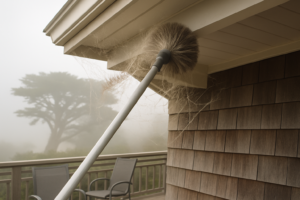
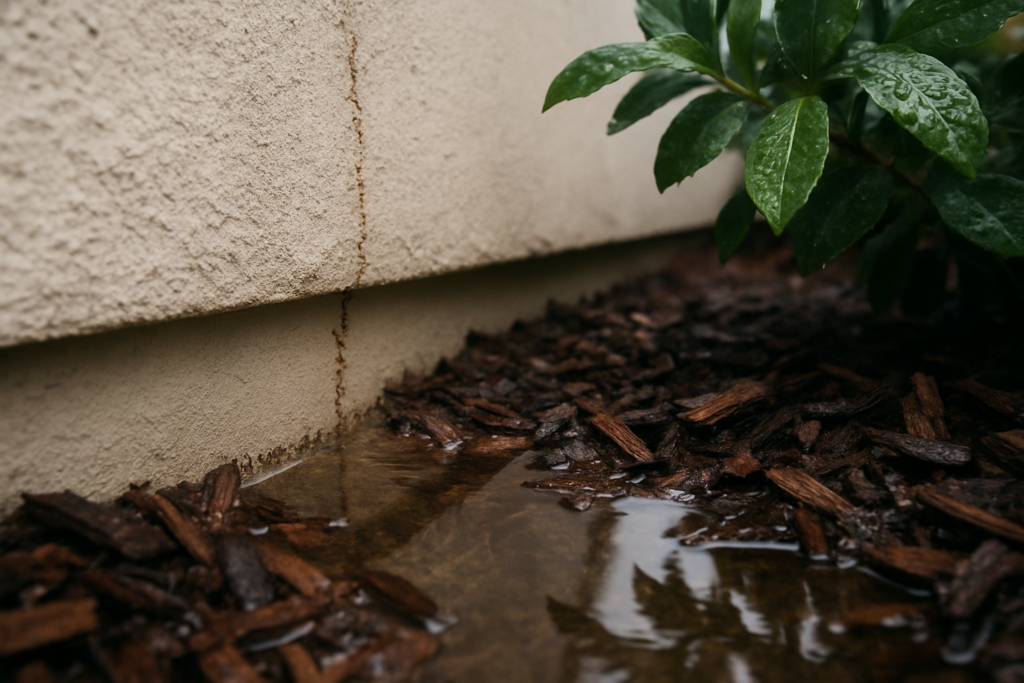
Think of IPM as building a protective bubble around your home. For those of us living in Santa Cruz, this often starts with tackling the unique challenges of our coastal climate. That persistent fog and moisture can be a five-star invitation for pests like ants, termites, and silverfish.
Sealing Your Home from Unwanted Guests
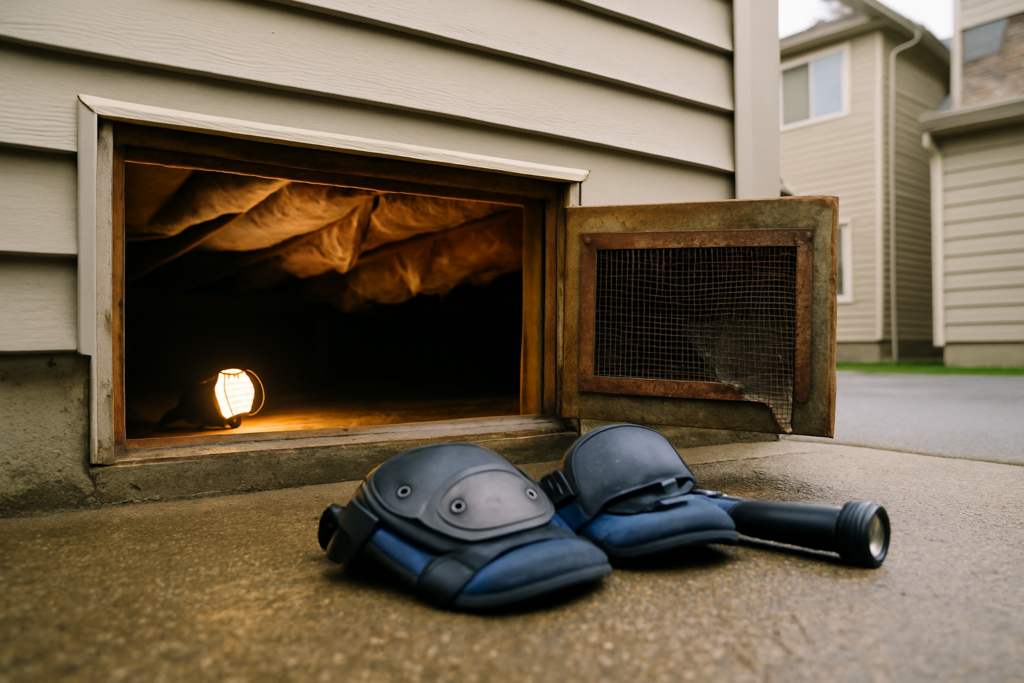
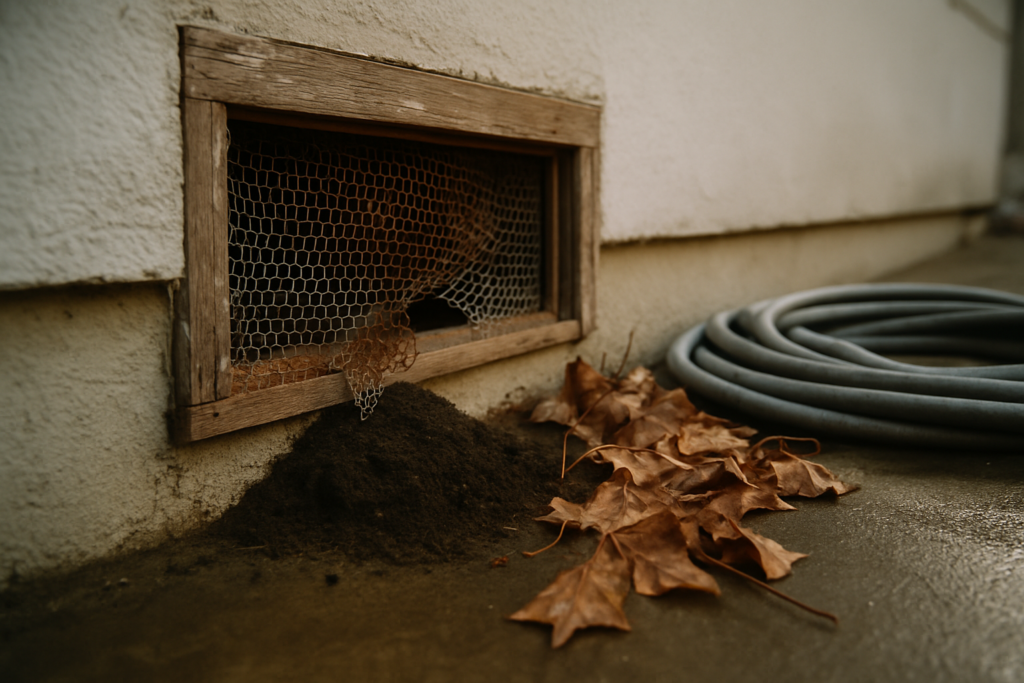
Your first move is to block every possible entry point. Pests are natural opportunists, and they'll exploit the tiniest gaps to get inside. Taking a regular walk around your home, both inside and out, can quickly reveal these weak spots.
- Seal cracks and crevices: Grab some silicone caulk and fill the gaps around windows, door frames, and where utility pipes and wires enter your house.
- Check your screens: We all love the ocean breeze, but torn window or door screens are a wide-open door for spiders and flies. A quick repair or replacement goes a long way.
- Mind the garage door: Make sure the rubber seal at the bottom of your garage door sits completely flush with the concrete. You'd be amazed at the small spaces rodents can squeeze through.
This simple cycle shows just how a successful IPM strategy works over time.
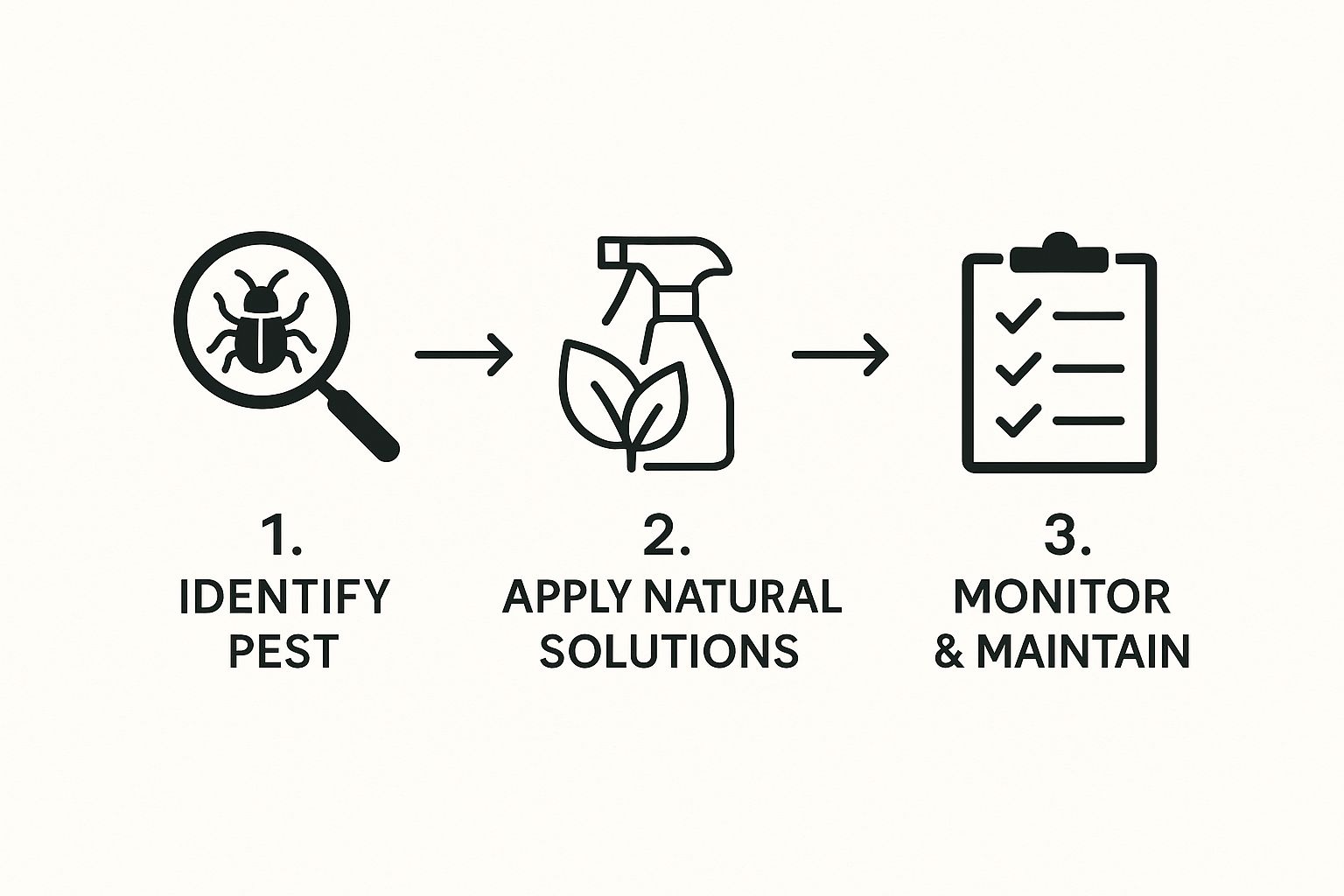
The key takeaway here is that prevention isn't a one-and-done task. It's an ongoing process of identifying issues, trying non-chemical solutions first, and keeping a close eye on your home.
Managing Your Indoor and Outdoor Environment
Controlling what attracts pests is just as critical as sealing up entryways. This really boils down to managing food sources and getting rid of their favorite hiding spots.
Inside, it’s about building strict habits. Store all food—and that includes pet food—in airtight containers. Be diligent about wiping up crumbs and spills right away.
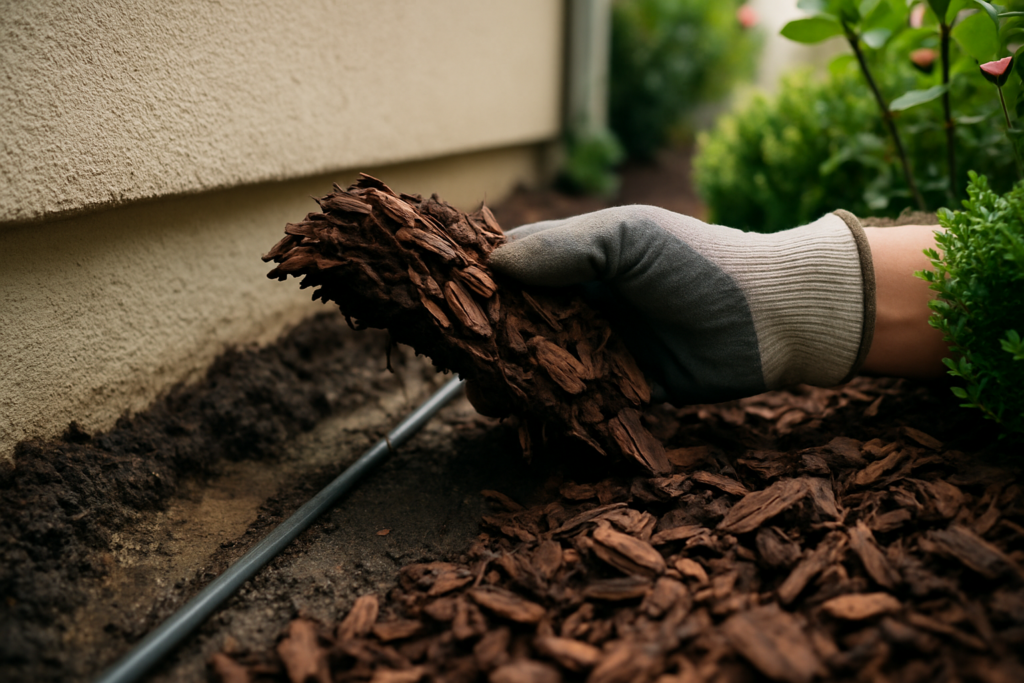
Outdoors, keep yard debris like leaf piles and wood stacks away from your home's foundation. These are prime real estate for nesting rodents and insects. For more specific strategies tailored to our area, our guide on preventative pest control offers practical tips for long-term protection.
When you take these proactive steps, you become your family’s first and best line of defense against pests.
How to Choose a Child-Safe Pest Control Pro in Santa Cruz
Sometimes, even with your best efforts, a pest problem digs in and won't let go. When it’s time to call for backup, choosing the right child-safe pest control company in Santa Cruz is the most critical decision you'll make. Not all services are created equal, and you need a partner who prioritizes your family’s health as much as you do.
Finding that perfect fit means looking past the splashy "green" or "eco-friendly" labels. You have to be willing to dig a little deeper and ask the right questions to understand what they actually do. A genuinely child-safe approach is a philosophy, not just a product line. It starts with a firm commitment to Integrated Pest Management (IPM), where chemicals are a last resort, not the first tool out of the truck.
Questions To Ask Before You Hire
When you start making calls, have a few questions ready. The way a company answers will tell you everything about their commitment to safety.
- “Can you walk me through your Integrated Pest Management (IPM) process?” A true pro will be happy to explain how they start by identifying the pest, figuring out the root cause, and using non-chemical methods first. If they jump straight to talking about spraying, that's a red flag.
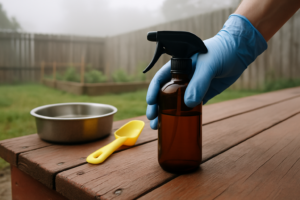
- “What specific products would you use inside my home, knowing I have kids?” Vague answers won't cut it. They should be able to name specific, low-impact products like botanical oils, diatomaceous earth, or precisely placed gel baits. Ask them how that compares to a standard broadcast spray.
- “What kind of training do your technicians get on child-safe application methods?” This question reveals if they invest in their team's expertise beyond a basic license. You want to hear about training on precise, out-of-reach applications that keep products far away from little hands and paws.
A professional company should welcome these questions. Their goal is to educate you and build trust, making sure you feel completely comfortable with every step. Transparency about products and methods isn't just a bonus—it's essential.
Ultimately, you’re hiring a partner to protect your home's health. To get a better feel for how a modern, safety-first company operates, learning more about professional home pest control services in Santa Cruz County can give you a great baseline. The right expert will work with you to create a targeted, effective plan that solves the pest problem and gives you total peace of mind.
Of course. Here is the rewritten section, following all the specified requirements.
What to Expect During a Professional Treatment
The thought of someone coming into your home to spray for pests can be a little unsettling, especially with kids running around. I get it. Many people picture the old days of fumigation tents and smelly fogs, but modern, child-safe treatments are a world away from that.
Today’s approach is much more strategic and precise. It's really a team effort between you and your technician, designed to be as non-disruptive as possible while still getting the job done right. Knowing what’s coming makes the whole process smoother for everyone.
Before the Technician Arrives
A little bit of prep work on your end goes a long way. Your main goal here is to clear the path for the technician and keep your kids' favorite things out of the way.
- Tuck Away Toys and Play Zones: It's a good idea to gather any toys, stuffed animals, and play mats from the floor. You can put them in a spare room, a closet, or just pop them into a few bins. This makes sure they don’t get any accidental contact from the treatment.
- Clear Off Counters: In the kitchen and bathrooms, move food, dishes, toothbrushes, and other toiletries off the counters and into cabinets. This allows for a clean, targeted application in the cracks and crevices where pests hide, without cross-contaminating your everyday items.
- Give Us Some Room to Work: If you can, pull furniture a few inches away from the walls, especially in areas where you've seen ants or spiders. This gives the technician direct access to the baseboards and entry points that pests use as their personal highways.
Taking these few steps helps the technician be incredibly efficient and deliver the most effective child-safe pest control in Santa Cruz.
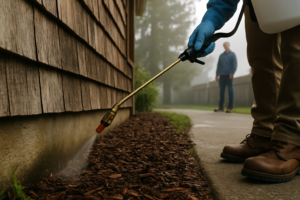
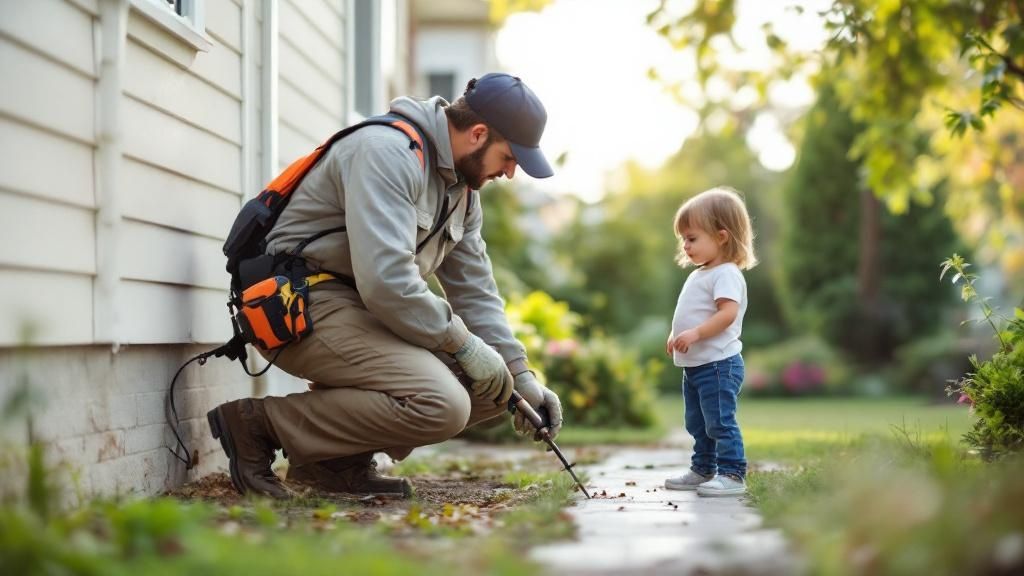
The goal isn’t to spray everywhere. A professional will focus on applying low-impact products directly into wall voids, behind appliances, and along hidden entry points—places pests live, but your children can’t reach.
After the service, your technician will walk you through exactly what to do next. This usually just involves letting the products dry, which is often a very short wait time. They’ll also give you advice on airing out the house, like opening a few windows for a bit, to make sure everything is fresh before your kids get back to their playtime.
Your Questions Answered
As Santa Cruz parents, it's natural to have questions when you're thinking about pest control. You want to make smart, confident choices for your home and family. We get it. Here are some of the most common questions we hear from local homeowners just like you.
Are Natural Pest Controls Really Effective?
Absolutely, especially when they're part of a bigger strategy called Integrated Pest Management (IPM). Things like diatomaceous earth or botanical oils can be surprisingly powerful against specific pests. The key is using them correctly and tackling the root of the problem—like sealing up the tiny cracks ants are using to get inside.
For bigger issues, a professional can use eco-friendly products with surgical precision. This gives you maximum impact without spraying chemicals all over the place.
It's a common myth that "safe" means "weak." The truth is, modern child-safe pest control in Santa Cruz is about being smarter than the pests, not just using stronger chemicals. This approach delivers real results and priceless peace of mind.
What Does Child-Safe Actually Mean?
This isn't just a marketing buzzword. For a reputable company, "child-safe" signals a deep commitment to an IPM-first philosophy. It means pesticides are the last tool out of the bag, not the first.
When products are necessary, it involves a few critical steps:
- Starting with the least-toxic options available that will still get the job done.
- Applying them in targeted, out-of-the-way places like inside wall voids or in sealed, tamper-proof bait stations.
- Clearly communicating with you about what was used and any simple precautions to take, like letting a product dry completely, to ensure there's zero exposure risk for your kids and pets.
Which Pests Need Professional Help?
You can definitely manage a lot of common annoyances, like the seasonal ant parade, with good IPM habits. But some of our local Santa Cruz pests are a different story and usually need a pro to step in.
Termites, a serious rodent infestation, or a stubborn bed bug problem are complex issues. They can cause major damage to your home or create genuine health risks. A qualified professional has the right tools, training, and experience to eliminate these tough pests for good, protecting your home and family far more effectively than DIY methods ever could.
When you need a professional partner you can trust, West Pest Co. provides reliable, responsible, and effective child-safe pest control solutions throughout Santa Cruz County. Schedule your inspection today.