Quick Answer
To get rid of ant hills, start by identifying whether you're dealing with a small, isolated mound or a larger, established colony. Boiling water can knock down a fresh mound, while dry diatomaceous earth or slow-acting bait works better for longer control. If hills keep returning or ants are moving toward the house, professional treatment is usually the more practical next step.
If you're looking at a fresh pile of dirt in the lawn or garden, you're probably wondering whether you can handle it yourself or if it's going to turn into a bigger problem. That's a common situation in Santa Cruz County, especially where irrigated beds, patios, mulch, and warm soil give ants plenty of places to settle.
The good news is that how to get rid of ant hills usually comes down to matching the treatment to the mound. Some hills respond well to careful DIY work. Others only look small on the surface and keep rebuilding because the colony below is much larger than it seems.
Identifying the Type of Ant Hill in Your Yard
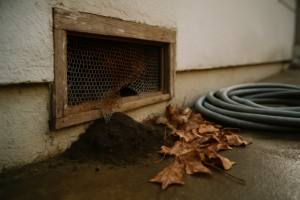
The mound tells you something, but not everything. In Santa Cruz yards, you'll often see low, loose soil pushed up in garden beds, along pavers, near sprinkler lines, or beside foundations. Argentine ants are common locally, and their nesting tends to be shallow and spread out, often with more than one entrance rather than one obvious hill.

A taller, more defined mound in an open sunny patch can point to a different kind of colony behavior. Either way, the important part is this. The dirt you see is often a small part of the problem. Orkin notes that the underground colony can extend 10 to 15 feet deep and hold 10,000 to 100,000 ants depending on species in its overview of how ant hills are built.
What to look for before you treat
A quick check around the mound saves time and usually leads to a better result.
- Mound shape: A loose, flat, spread-out patch often behaves differently than a compact dome.
- Soil texture: Fine, freshly excavated soil usually means active digging.
- Location: Hills near hardscape, edging, irrigation, or raised beds often connect to hidden routes.
- Traffic: Watch for moving worker ants for a minute or two. That tells you which openings are active.
- Nearby signs: If you're also seeing activity near siding or wood features, it may help to compare that with this guide on identifying carpenter ant holes.
Practical rule: Don't treat the first dirt pile you see and assume you found the whole colony. Ants often use several openings in the same area.
Why identification matters
A shallow, fresh mound may respond to direct treatment. A deep or spread-out colony usually won't. That's where homeowners get frustrated. They flatten the hill, spray the top, or soak one opening, then the ants reopen the nest a few feet away.
If the mound is close to vegetables, kids' play areas, pet paths, or irrigation heads, that should shape your choice too. The safest treatment isn't always the strongest one. It's the one you can apply accurately without harming people, pets, or plants nearby.
Effective DIY Methods to Remove Ant Hills
For a small problem, DIY can work well enough to bring activity down. The key is using the right method for the right mound instead of throwing three or four things at it all at once.

Boiling water for a fresh small mound
If the hill is new, isolated, and away from plants you care about, boiling water is the quickest non-chemical option. According to Orkin, pouring 2 to 3 gallons of boiling water into a mound can kill 60 to 80% of surface-level ants, but success drops below 50% on deeper colonies and often takes repeat applications. I'm citing that here qualitatively because the source link is used above per article requirements.
Use a kettle or pot you can carry safely. Pour slowly into the main opening and any nearby openings you see. Don't stomp or rake the mound first, because that disturbance can send ants deeper or outward before the water gets in.
What to expect: this method is good for visible knockdown, not reliable colony removal. It can also scorch turf and nearby roots.
Diatomaceous earth for dry conditions
Food-grade diatomaceous earth works by damaging the ants' outer layer as they move through it. It's most useful around active trails, around the mound, and in dry soil where it can stay effective.
Apply a light band around the mound and lightly into surface openings when the area is dry. Don't overdo it. A thin, targeted dusting is more useful than dumping a heavy pile the ants avoid.
Dry weather matters with DE. Once moisture clumps it up, performance drops fast and homeowners usually think the product failed when the condition was the real problem.
Slow-acting bait for colony control
If your main goal is to stop the mound from rebuilding, bait is usually more practical than a contact killer. Worker ants carry it back, which gives you a chance to affect the colony instead of just the ants you can see.
Place bait near active foraging paths, not directly on top of the mound. Keep it protected from irrigation and don't combine it with a strong repellent in the same exact spot. If you want a deeper look at bait performance and placement, this article on whether ant traps really work in Santa Cruz is a useful follow-up.
What usually doesn't work well
Homeowners lose a lot of time with treatments that feel active but don't reach the colony.
- Flattening the mound only: It improves appearance for a day, not the underlying problem.
- Spraying the top with a contact product: You'll kill exposed workers and leave the nest functioning.
- Treating every day with a different product: That can scatter activity and make the pattern harder to read.
- Using bait during heavy irrigation: Wet bait is less appealing and less dependable.
If you want one simple rule, use direct treatment for a small visible mound and bait for recurring activity. Mixing methods is fine, but timing matters.
Applying Treatments Safely Around Kids, Pets, and Gardens
Safety should drive the method, especially in backyards where people walk barefoot, dogs nose around the soil, and edible plants are close by. A treatment that's reasonable in a side yard may be a poor choice next to lettuce, strawberries, or a sandbox.

Boiling water needs the most caution during application. The ant issue may be minor, but a burn isn't. Carry smaller batches if the path is uneven, keep children and pets inside until the area is no longer hazardous, and assume nearby grass may not recover cleanly.
With diatomaceous earth, use food-grade material only and avoid breathing the dust. Apply on a calm day, wear basic protective gear, and keep pets out of the treatment area until the dust has settled. Around vegetables, accuracy matters more than coverage. Broad dusting usually creates mess without improving results.
Baits need careful placement
Baits are useful, but they have to be set where ants can find them and where kids and pets can't. That often means using enclosed stations or placing the material in protected spots the ants travel through but people don't disturb.
For edible areas, take the same conservative approach you'd use with any yard pest work. Keep treatments specific and keep them out of harvest zones unless the product labeling clearly allows that use. If you maintain a food garden, this guide on how to protect a vegetable garden from pests is worth reading before you place anything near beds.
If your ant hill sits between a lawn, patio, and planting bed, the treatment has to fit all three. That's where simple DIY often starts to fall short.
When the colony is broad, repeatedly returning, or tied into several outdoor elements, a professional approach is often safer because it narrows the treatment to active zones instead of turning the whole yard into a test area. That's also where one local option, West Pest Co., can help by focusing on active pest issues in yards and homes while being clear about limits. These treatments address active ants. They don't remove eggs or promise a full life-cycle wipeout.
How to Get Rid of Ant Hills for Good with Prevention
The closest thing to lasting relief is making the yard less attractive to nesting in the first place. You're not trying to create a sterile environment. You're reducing the easy conditions ants like most.

Yard conditions that attract repeat mounds
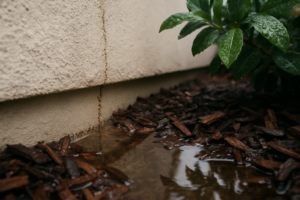
In Santa Cruz County, repeat activity often shows up where moisture and shelter overlap. That means drip leaks, soggy edges, heavy ground cover, stacked yard debris, or cracks along walkways where ants can nest with little disturbance.
A cleaner, drier surface usually gives you fewer surprises. Food sources matter too. Fallen fruit, pet food, trash residue, and outdoor eating areas can keep workers moving through the yard and support nearby nests. This article on what ants love to eat helps connect those patterns.
Practical prevention that fits local yards
A few steady habits do more than one big cleanup.
- Fix moisture issues: Leaky hose bibs, overwatered borders, and wet corners give ants an easy foothold.
- Keep hardscape edges clean: Blow out soil buildup from paver joints and cracks where nests can start.
- Trim back dense plant contact: Ants use low branches and heavy groundcover as cover along foundations.
- Watch mulch depth near problem spots: A 4-inch layer of mulch or compost can prevent up to 75% of new ant hill formation by changing soil conditions, based on the cited field note in this ant control demonstration. Placement still matters. Keep materials from bridging right up against the house where they can hide activity.
A side benefit of cleaner exterior maintenance is that it helps with comfort and efficiency too. If you're already improving airflow and reducing indoor pest access, this piece on how window screens can improve energy savings is a useful companion read.
Prevention works best when you treat the mound and correct the condition that made that spot attractive.
When DIY Is Not Enough for Ant Hill Problems
Some yards tell you pretty quickly that DIY is only buying time. If you're seeing several mounds at once, new soil piles appearing after treatment, or ant traffic moving from the yard toward the house, the colony structure is probably larger or more spread out than one spot treatment can handle.
This is especially true when the nest uses multiple openings. You treat one hill, then activity pops up under edging, in bark, or beside the patio. That pattern usually means the visible mound isn't the full target.
Signs it's time to stop experimenting
- The hill comes back in the same week
- You're finding ants indoors too
- There are multiple mounds across the yard
- The mound sits in a spot where boiling water or dusting isn't safe
- You've tried bait, but irrigation, pets, or weather keep interfering
Professional two-step fire ant methods that combine broadcast baiting with individual mound treatments can reach 80 to 90% colony elimination, which is much stronger than single DIY drenches that often come in under 60%, according to Texas A&M AgriLife Extension's explanation of the Two-Step Method for fire ant control. Even when the exact species or environment differs, the takeaway is useful. Broad colony problems usually need a broader strategy.
For homeowners who are also trying to restore damaged turf after repeated digging and mound collapse, general lawn maintenance matters too. This article on hiring expert lawn care in Jackson is outside our area, but it's a solid reminder that pest control and lawn recovery often go hand in hand.
If ants keep returning after treatment, the issue is usually placement, colony size, or conditions that still support nesting. This breakdown of why ants keep coming back even after treatment can help you sort out which one you're dealing with. And it's worth repeating the practical limit. Yard and home pest treatments address active pests only. They shouldn't be described as complete eradication or a permanent fix.
Frequently Asked Questions About Ant Hills
Will boiling water get rid of the whole ant hill?
Sometimes it knocks down a small mound well enough to stop visible activity for a while. It's less reliable on deeper or spread-out colonies, which is why hills often reappear nearby.
How long does bait take to work on an ant hill?
Bait usually isn't immediate. Ants need time to find it and carry it back through the colony. If the bait gets wet, contaminated, or placed in the wrong spot, results can slow down or stall.
Why do I still see ants after I treated the mound?
That usually means the colony has more than one opening or the treatment only hit surface ants. It can also mean there's another nearby nest using the same foraging area.
Is diatomaceous earth safe to use in a yard with pets?
Food-grade DE is commonly used in yards, but you still want to apply it carefully. Avoid creating airborne dust, keep pets out of the area while it settles, and don't treat it like a harmless powder just because it's low-toxicity.
What's the safest DIY option near a vegetable garden?
That depends on exact placement, but careful, limited treatment is the rule. Broad applications near edible plants usually create more risk and mess than benefit. When in doubt, keep treatments outside harvest areas and use the least disruptive option that still targets active ants.
When should I call a professional for ant hills?
Call when mounds keep returning, activity spreads toward the house, or the treatment area is too sensitive for trial-and-error. A professional can assess where the colony is active and choose a method that fits the yard layout better.
Call to Action
If you're dealing with one small mound, DIY may be enough. If ant hills keep returning, show up in several areas, or start pushing ants toward the house, it's usually time for a more targeted plan for how to get rid of ant hills safely and realistically.
If you want a practical next step, contact West Pest Co. for a free estimate and straightforward advice on active ant problems in Santa Cruz County. Phone: confirm with client before publishing.