The way we handle rat and mouse control is changing for good. It is no longer about setting out a few traps and hoping for the best. The future—happening now in 2026—is a smarter strategy built on prevention, exclusion, and eco-friendly solutions. A modern approach means starting with a full inspection to find out how rodents are getting in. Then, we professionally seal those entry points and use smart sanitation to make your property less inviting. This is the core of Integrated Pest Management (IPM), a strategy that delivers long-term results that are safer for your family, pets, and the unique wildlife here in Santa Cruz.
The Future of Rodent Control Is Already Here

Finding a rat or mouse in your home can be unsettling. For years, the common solution was to put out bait stations filled with poisons. But that old method is quickly becoming a thing of the past, especially here in an eco-conscious community like Santa Cruz County. Many providers still suggest old, risky methods, but modern, legally-compliant solutions are what homeowners now demand.
The world of pest control is shifting. Tougher rules, like California’s rodenticide ban, and a growing public demand for safe practices have made one thing clear: poisons are on their way out. The industry data tells the same story.
A recent poll shows that 92% of homeowners now prefer sustainable pest control options. People are not just thinking about the environment; they are demanding solutions that are safer for their families and provide a permanent fix.
This is not just a trend; it is a major change in how we think about rodent control. We see it every day in neighborhoods from Aptos to Capitola. Homeowners want to fix the problem at its source, not just treat the symptoms. They want to protect their homes without putting local wildlife—or their own families—at risk.
Old School vs. New School Rodent Control
This table breaks down the key differences between outdated methods and the advanced strategies we use today. It shows why the industry is moving toward prevention.
| Control Method | Traditional Approach | Advanced Eco-Friendly Approach |
|---|---|---|
| Primary Goal | Kill rodents after they get inside. | Prevent rodents from ever getting inside. |
| Key Tactic | Poison bait stations, snap traps. | Professional exclusion, habitat modification. |
| Safety Risk | High risk to pets, children, and wildlife. | Very low risk; focuses on non-toxic methods. |
| Long-Term Result | Recurring infestations ("the revolving door"). | A permanent, lasting solution. |
The takeaway is simple. The old way created a cycle of ongoing pest problems. The new way builds a fortress around your home, solving the issue for good.
Shifting From Reaction to Prevention
Advanced eco-friendly rodent control is about ditching a reactive mindset. Instead of waiting for an infestation and then using chemicals, the focus is on smart prevention.
This modern strategy involves a few key steps:
- Top-to-Bottom Inspections: We start by finding every potential entry point, from tiny gaps in the foundation to unsecured roof vents.
- Professional Exclusion Work: This is where we use durable, professional-grade materials to permanently seal rodents out of your home.
- Habitat Modification: We help you make your property less attractive to pests by managing overgrown plants, securing trash, and removing hiding spots.
- Strategic Trapping: If rodents are already inside, we use effective traps inside the sealed home—never poisons.
This strategy is not just better for the environment; it is more effective. By turning your home into a sealed space, you create a lasting barrier that keeps rodents out permanently. You can learn more in our article on why 2026 is the end of traditional rodent control methods. This change delivers peace of mind and aligns with the values of our Santa Cruz community.
Why Traditional Rat and Mouse Poisons Are Failing
For decades, the response to a rodent problem was to put out some poison. It felt like a quick fix. But that whole approach is not just old-school—it is failing our communities and is now heavily restricted by California law. This is a critical shift, driven by the real dangers these poisons pose to our local ecosystem and our families.
The biggest problem with old rodenticides is the harm they cause to wildlife. When a rat or mouse eats poison, it does not die on the spot. It wanders around for days, becoming a slow, toxic meal for a natural predator.
Here in Santa Cruz County, this starts a tragic chain reaction. A poisoned rodent gets eaten by a hawk, an owl, or a bobcat. That poison then builds up in the predator's body, a process called secondary poisoning. It can cause internal bleeding and, often, a slow death. This is a documented crisis that hurts the incredible wildlife that makes our area so special.
The Problem Hits Closer to Home, Too
Beyond the ecological damage, these poisons are a direct threat inside our homes. Kids and pets are curious, and bait boxes are far from foolproof. An accidental bite can turn into a medical emergency, a risk no family should have to worry about.
Worse, relying on poison is like trying to fix a leaky pipe by mopping the floor. It deals with the symptom—the rats you see—but does nothing to fix the real problem. It does not seal the holes they use to get in, and it does not address why they showed up.
A recent poll drives this home, showing that 92% of homeowners now prefer sustainable pest control options. People are demanding solutions that are safer for their families and provide a permanent fix.
California's New Regulations Force a Smarter Approach
California has taken a stand. Recognizing the harm these poisons cause, the state passed strict regulations (Assembly Bill 1788) that ban their use in and around homes. As of 2024, the old way is no longer a legal or responsible choice.
This legal shift means we must pivot to smarter strategies. The focus now is on methods that work and are safe for everyone. This includes:
- Professional Exclusion: Physically sealing every crack and hole to keep rodents from getting inside.
- Habitat Modification: Making your property less inviting by removing food sources and hiding spots.
- Humane Trapping: Using modern traps inside a sealed home to remove any rodents already there.
- Botanical Products: Using plant-based repellents that are safe to use around kids and pets.
These are the building blocks of Integrated Pest Management (IPM), an approach that gets to the root of pest problems. To get a better handle on this, you can learn more about how IPM offers a smart, eco-friendly solution that is compliant with today's laws. For homeowners in Santa Cruz, choosing modern methods is about protecting your home and the beautiful environment we all share.
The Three Pillars of Modern Rodent Exclusion
At the core of any serious, eco-friendly rodent strategy is exclusion. This is the art and science of physically blocking rats and mice from ever getting inside your home. This is not about setting a few traps; it is about fortifying your home from the ground up. This modern approach is the only way to get lasting peace of mind and is key to any advanced guide to eco-friendly rat and mouse control in 2026.
This strategy is built on three pillars that work together. When combined, they create a powerful, permanent barrier that protects your home, your family, and the local Santa Cruz environment.
Pillar 1: Expert Inspection
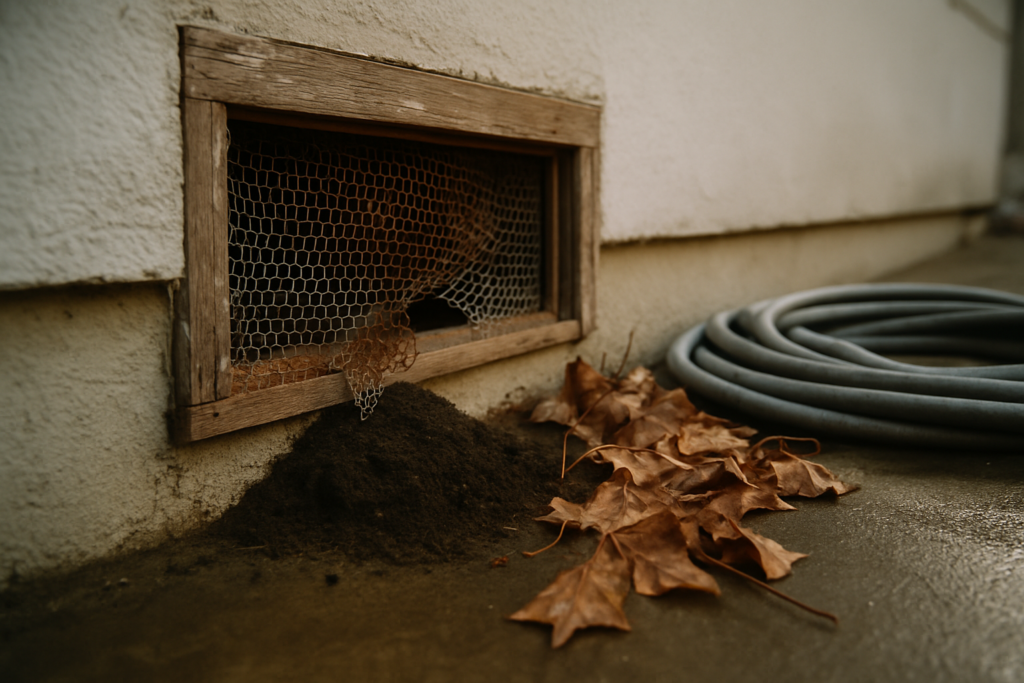
Before sealing any gaps, a professional needs to think like a rodent. This means doing a thorough inspection of your property to find every potential weak spot. A mouse can slip through an opening the size of a dime, and a rat only needs a gap the size of a quarter.
Our inspections are more than a quick walk-around. We are trained to spot:
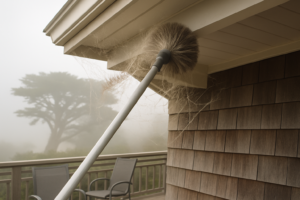
- Rodent Highways: We identify the common paths rodents use to access your home, like utility lines or tree branches touching the roof.
- Hidden Entry Points: This includes checking for cracks in the foundation, gaps around pipes, and tiny openings in the roofline.
- Signs of Activity: We look for droppings, gnaw marks, and nesting materials. These clues tell us where they are most active.
This detailed review gives us a complete roadmap for securing your home.
Pillar 2: Professional Sealing and Securing
Once we have found every weak spot, the next step is to seal them with professional-grade materials built to last. This is not a job for spray foam, as rodents will chew right through it. Real exclusion work requires durable materials.
We use a combination of proven materials to turn your home into a fortress:
- Steel Wool and Wire Mesh: These are packed tightly into gaps to stop rodents from gnawing through.
- Specialized Caulks and Sealants: We use industry-grade sealants that are tough and resistant to pests.
- Custom-Fitted Barriers: For larger openings like vents, we install custom-fitted screens and guards.
This careful sealing process is the most critical step in preventing future infestations and is central to our home mouse-proofing services.
Pillar 3: Strategic Habitat Modification
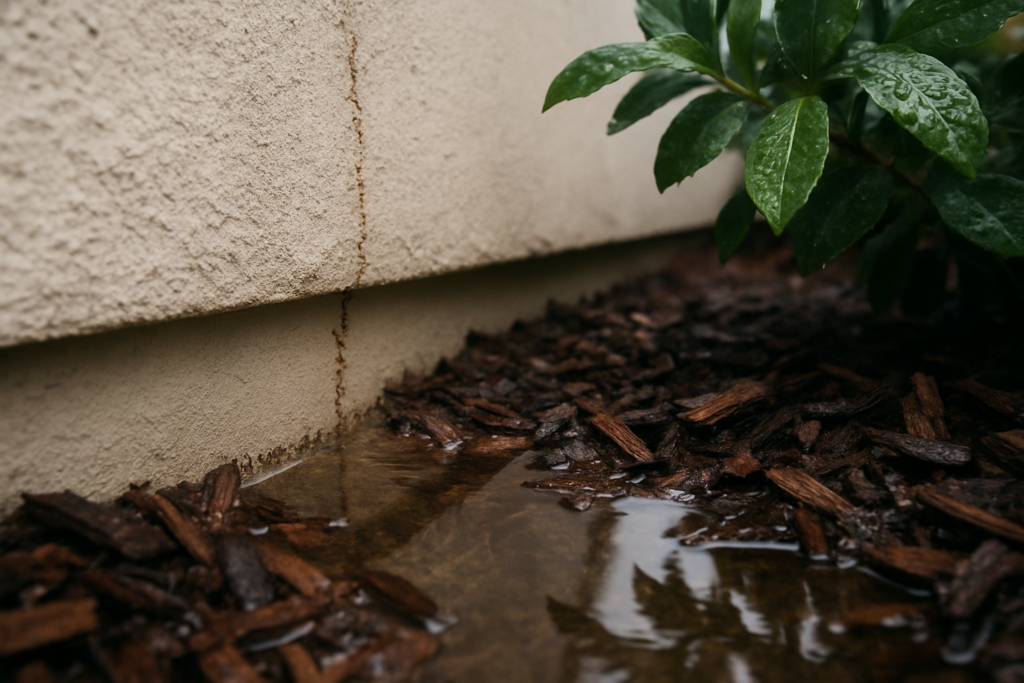
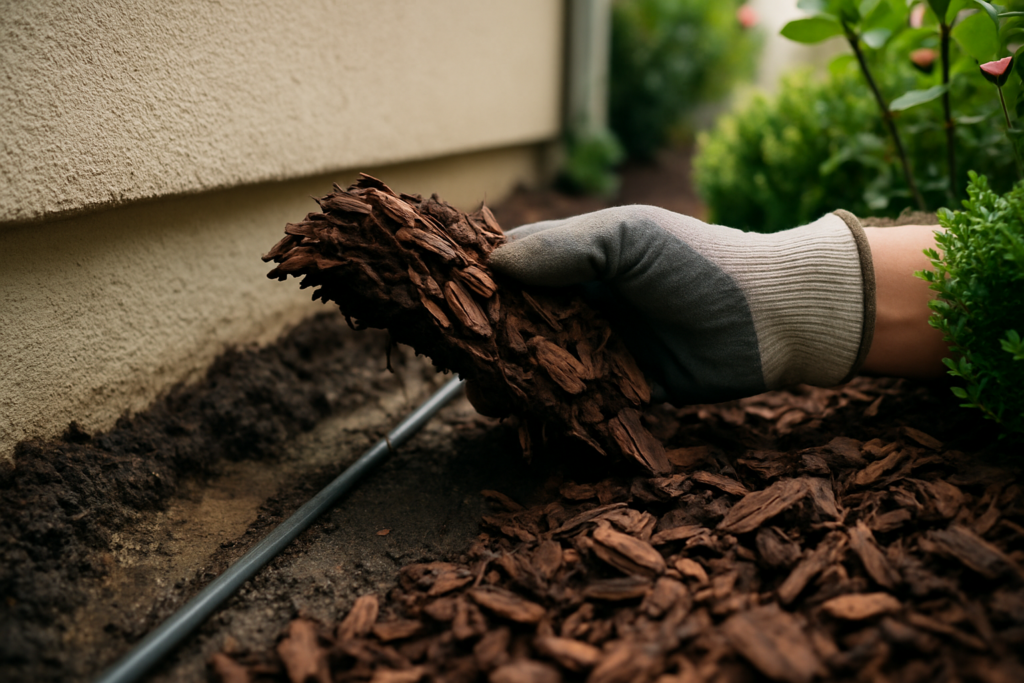
The final pillar is about making your property less attractive to rodents. Think of your yard as a welcome mat. If it offers easy food, water, and shelter, you are inviting pests to check out your home. Habitat modification is about rolling up that welcome mat.
This infographic shows the chain reaction that outdated poison-based methods have on our local ecosystem.

By focusing on exclusion and habitat modification, we break this toxic cycle and protect local wildlife from secondary poisoning.
Key habitat modifications are simple but effective:
- Trimming Vegetation: Keep tree branches and dense shrubs trimmed back at least three feet from your home.
- Managing Food Sources: Secure compost bins, keep pet food indoors, and clean up fallen fruit from trees.
- Eliminating Shelter: Clear away woodpiles, overgrown ivy, and other debris that give rodents places to hide.
By embracing these three pillars, homeowners in Santa Cruz, Aptos, and across the county can achieve effective rodent control. This is the expert-driven, sustainable approach that defines responsible pest management in 2026 and beyond.
Using Humane Traps and Eco-Friendly Products Effectively
Once your home’s exterior is sealed, the plan shifts to dealing with any rodents already inside. Forget old methods like glue traps—they are inhumane and ineffective. The smart approach to rodent control in 2026 is about using humane and safe solutions inside your home.
This means using modern trapping technology along with botanical products to create a one-two punch that is both effective and responsible.
Modern Trapping: The Ethical and Effective Choice
Today’s technology gives us better options that are designed for a quick, clean solution. This is what you want once all entry points to your home have been sealed.
Here are some of the most effective modern tools we use:
- Electronic Traps: These devices deliver a quick, high-voltage shock that ensures an instant and humane death for the rodent. They are fully contained and safe to use around pets and kids when placed correctly.
- Smart Traps: These traps use sensors to send real-time alerts to a professional's phone the moment a rodent is captured. This allows for immediate removal.
- Mechanical Snap Traps: The classic snap trap has also improved. When a properly set trap is placed by a professional, it remains one of the most effective and humane methods available.
These modern traps are the gold standard for interior control because they are targeted, fast, and do not add toxins to your living space.
The Role of Botanical and Eco-Friendly Deterrents
Alongside trapping, eco-friendly deterrents play a powerful supporting role. These products, made from plant-based essential oils, help make certain areas of your home less appealing to rodents. They are not a standalone fix, but they are an excellent tool in a larger Integrated Pest Management (IPM) plan.
It is important to understand that botanical products are not a magic bullet. They are designed to push rodents away from sensitive areas and toward traps inside a sealed home.
Think of them as a gentle nudge, not a force field. Common ingredients like peppermint oil and cedarwood oil have strong scents that can overwhelm a rodent’s nose. This encourages them to avoid treated spots like pantries or under sinks. This is helpful for steering any remaining rodents away from new areas while trapping is underway.
This mindset of using safer solutions can extend beyond pest control. It is a natural next step to consider other parts of your home, like choosing eco-friendly pet supplies to create a healthy environment for everyone.
Ultimately, the most effective rodent control strategy for 2026 is a combination of a sealed home and a smart interior plan. By using humane traps to remove existing rodents and botanical products to manage their movement, you create a system that is safe, effective, and compliant with California's regulations.
A Year-Round Prevention Plan for Santa Cruz County Homes

Living on the coast means rodent activity does not follow a simple schedule. In Santa Cruz County, mice and rats adapt to our mild winters and food-rich summers. Tackling them only when you spot droppings will not stop the next wave of invaders.
When September rains start, rodents move indoors for warmth. By March, those same critters scatter into overgrown yards to nest. Understanding these seasonal shifts is key to a year-round defense.
Global data backs this up. The pest control market will reach $39.99 billion by 2030, driven by eco-friendly approaches. For a closer look at these trends, you can read the full research about these pest control market trends.
Your Santa Cruz County Seasonal Checklist
A focused, quarterly routine makes rodent-proofing manageable. Tackle a few targeted tasks each season to keep critters from getting comfortable.
Fall (September – November)
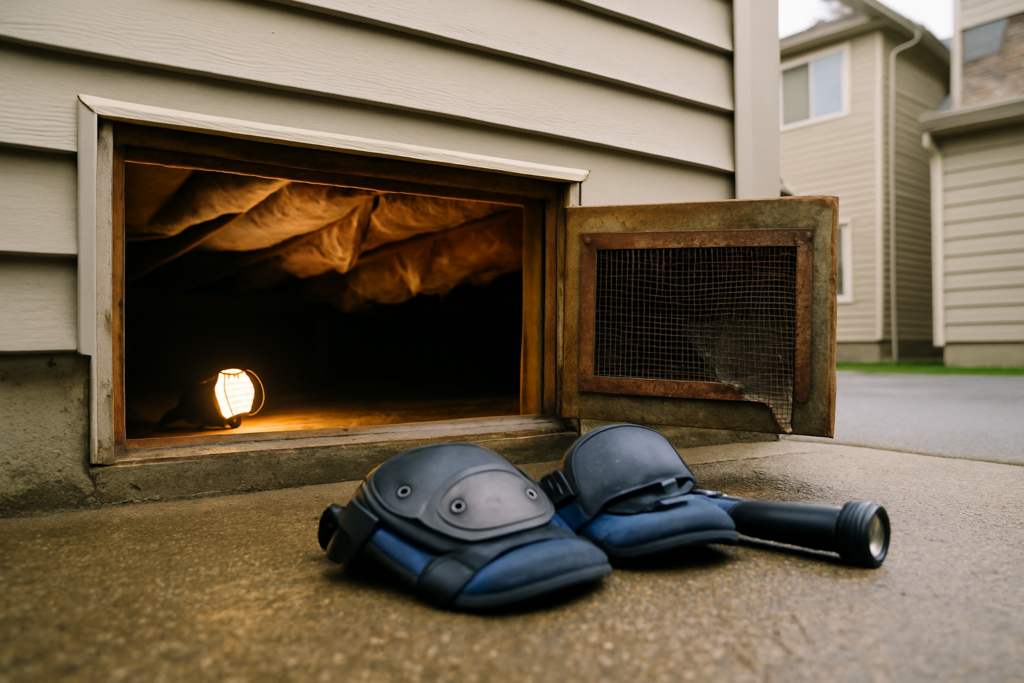
- Inspect Your Foundation: Shine a flashlight along basements and crawl spaces for cracks. Even small splits can be an open door.
- Seal Openings: Check seals around utility lines and vents. A mouse can squeeze through a dime-sized hole.
- Firewood Storage: Keep woodpiles at least 20 feet from your home and off the ground to remove hiding spots.
Winter (December – February)
- Check Indoor Storage: Look in attics and basements for droppings or nests. Early detection stops problems from growing.
- Secure Food: Move all food—including pet kibble—into glass or heavy-duty plastic containers.
- Monitor Traps: If you use traps indoors, check them weekly. Winter drives rodents inside to seek food.
By following a seasonal prevention plan, you move from reacting to pest problems to proactively preventing them. This Integrated Pest Management (IPM) approach is proven to reduce re-infestations by a large margin long-term.
Spring (March – May)
- Yard Cleanup: Remove leaf piles and clutter that offer nesting sites. A tidy landscape is less inviting.
- Trim Landscaping: Cut back ivy and bushes that touch your siding. Do not create rodent highways to your roof.
- Check Exterior Vents: Ensure dryer and foundation vents are properly screened and secured.
Summer (June – August)
- Manage Gardens: Harvest ripe fruits and vegetables promptly. Clean up fallen produce.
- Secure Trash Bins: Use bins with tight-fitting lids to cut off easy food sources.
- Eliminate Standing Water: Fix leaks and remove buckets that collect rainwater. Rodents need to drink, too.
A proactive mindset is your best defense. For more insight into how local pests behave through every season, check out our guide on seasonal home pest control in Santa Cruz.
Partner with Experts for a Rodent-Free Home
The biggest takeaway is clear: effective, eco-friendly rodent control in 2026 is a complete strategy, not a quick-fix product. It is about building a permanent solution that is safe for your family, follows California law, and gives you lasting peace of mind. While DIY efforts are a good start, a true, long-term fix often requires a professional touch.
Figuring out how rodents are getting in and putting together a full exclusion plan is a complex job. This is where partnering with a professional makes all the difference, turning a stressful problem into a solved one.
At West Pest Co., we live and breathe this modern approach. Our team uses the same advanced techniques covered in this guide, from detailed inspections to professional-grade exclusion. We are deeply rooted in Santa Cruz County and are committed to eco-conscious practices that protect our unique coastal environment.
Your Local, Compliant Rodent Control Solution
Santa Cruz homeowners deserve rodent control that works and follows the law. We do not just treat the symptoms; we get to the root of the problem, making sure your home is secure from the ground up. Our personalized approach means we design a plan for your property’s unique challenges, whether you’re in Aptos, Scotts Valley, or right by the coast.
Our research shows that 92% of homeowners now prefer sustainable pest control—and California law requires it. West Pest Co. provides compliant solutions that protect your home, family, pets, and our shared habitat.
The real benefit of working with us is a safer, more effective outcome. You get a solution that is free from harmful rodenticides, with no risk to kids, pets, or local wildlife. Most importantly, you get results that last because we fix the problem at its source.
Ready to take the next step toward a rodent-free home? Learn more about our approach by exploring our services for a local rodent control professional. We invite you to contact us today for a professional inspection and a free, no-obligation estimate.
Frequently Asked Questions About Eco-Friendly Rodent Control
You may still wonder what eco-friendly rodent control looks like day to day. It is different from using rodent baits and poisons. Below are some questions homeowners in Santa Cruz and Capitola ask us most often.
How Long Does a Professional Exclusion Service Take?
Think of exclusion work as a home improvement project, not a quick fix. First, we spend about 1 to 2 hours inspecting your house to find every entry point.
Then comes the real work—patching holes and sealing gaps. That can take anywhere from a half-day for a small home to two full days for larger properties. We would rather take the extra time up front than have you deal with the same problem a few months later.
Is This Approach Safe for My Pets and Children?
Yes. One of the best reasons to choose a green strategy is safety. Our methods focus on prevention and physical barriers, with no harsh chemicals in your living areas.
Here is what makes it safe:
- No Rodenticides: Zero poisons mean no risk of secondary poisoning for pets, kids, or wildlife.
- Targeted Trapping: We use humane traps placed where only rodents can reach them.
- Botanical Deterrents: Plant-based oils like peppermint provide a gentle barrier.
In fact, 92% of homeowners now choose sustainable pest control for peace of mind.
How Much Does Eco-Friendly Rodent Control Cost?
Costs depend on your home’s size, the number of access points, and the size of the rodent problem. A single trapping session is cheaper than a full exclusion service.
But think of exclusion as an investment. A higher upfront cost means fewer return visits and less stress. After our initial inspection, we will give you a clear, itemized estimate with no surprises.
Why Can’t I Just Use Poisons If I Put Them in a Safe Box?
Even "tamper-resistant" bait stations cannot prevent secondary poisoning. A poisoned rat may wander off and be eaten by a hawk or cat, passing toxins up the food chain.
California’s 2024 regulations ban these practices for a reason. Our exclusion and trapping methods comply with state law and protect Santa Cruz County’s ecosystem.
Ready for a permanent, eco-friendly solution to your rodent problems? The team at West Pest Co. specializes in modern exclusion and humane control methods that are safe for your family and compliant with California law.
Contact us today for a free estimate and professional inspection!