Direct Answer: Fleas enter pet-free homes through wildlife, rodents, used furniture, or previous tenants’ infestations. You don’t need a pet — you just need a way in.
Most people assume fleas are a pet problem. If you don’t have a dog or cat, you shouldn’t have fleas — right? That assumption is wrong, and it’s exactly why so many Santa Cruz County homeowners end up confused and itchy with no obvious explanation.
Santa Cruz’s mild coastal climate keeps wildlife active nearly year-round. Raccoons, opossums, squirrels, and rats move through yards in Aptos, Soquel, and Scotts Valley every month — and they carry fleas with them. Your home doesn’t need a pet to become a flea problem. It just needs the right entry point.
This article breaks down the two most common and least obvious ways fleas get into pet-free homes, what the signs look like, and what actually works to address them.
Wildlife and Rodents Are the Most Common Source
When homeowners picture fleas, they picture a dog scratching in the backyard. But for pet-free homes, the real delivery system is almost always wildlife or rodents.
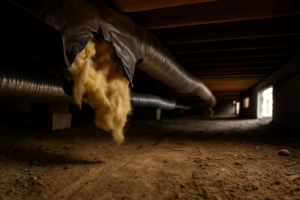
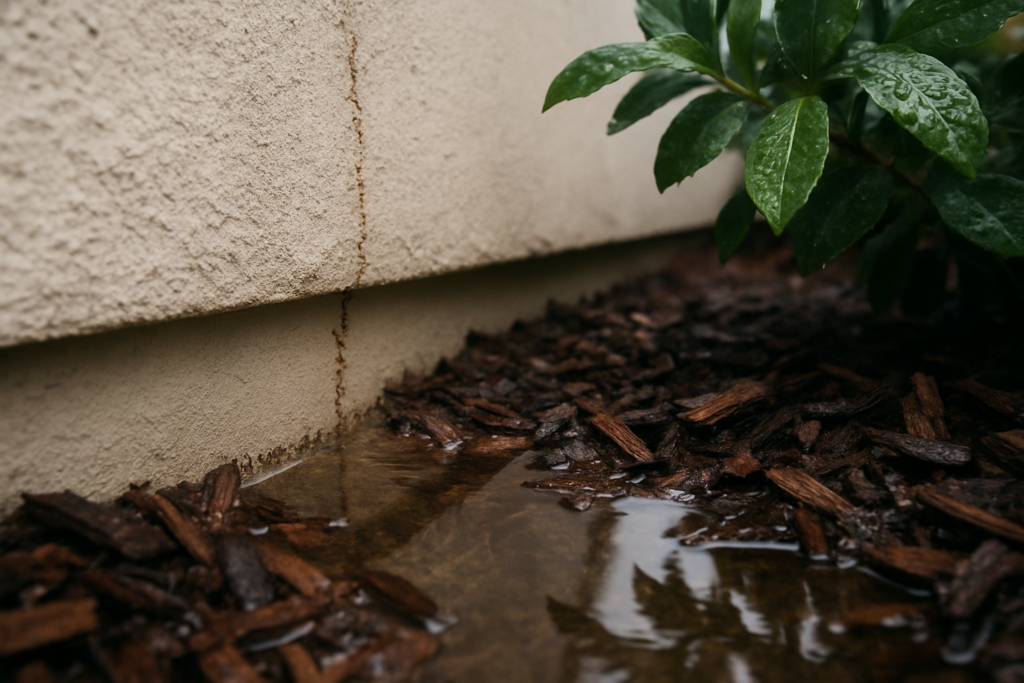
Rats, mice, raccoons, and opossums carry fleas just as effectively as any dog or cat. When a rat runs along your foundation, nests under your deck, or pushes into your attic, the fleas on that rat can drop off anywhere along the route — and flea eggs don’t need the host to survive. They fall into carpet fibers, floor cracks, and insulation, where they can wait weeks before hatching.
This is especially common in Santa Cruz County. The coastal terrain — with its creek corridors, redwood-adjacent neighborhoods, and year-round mild temperatures — keeps wildlife moving through residential areas in every season. A neighborhood like Ben Lomond or Corralitos can see heavy rat activity even in January, which means flea pressure follows.
Signs that wildlife or rodents are behind your flea problem:
- Flea bites concentrated near baseboards, not in the middle of rooms
- Flea activity in areas where pets would never go (attic, crawlspace, garage corner)
- Scratching or rustling sounds in walls or attic at night
- Droppings or gnaw marks near entry points
If you’re noticing fleas and you’ve already ruled out pets, it’s worth reading about the difference between a rodent problem and a rodent infestation — because what looks like a flea issue is sometimes a rodent issue wearing a disguise.
The Second Way Fleas Move In: They Were Already There
The other major source that catches pet-free homeowners off guard is the home itself — specifically, what happened in the home before you moved in.
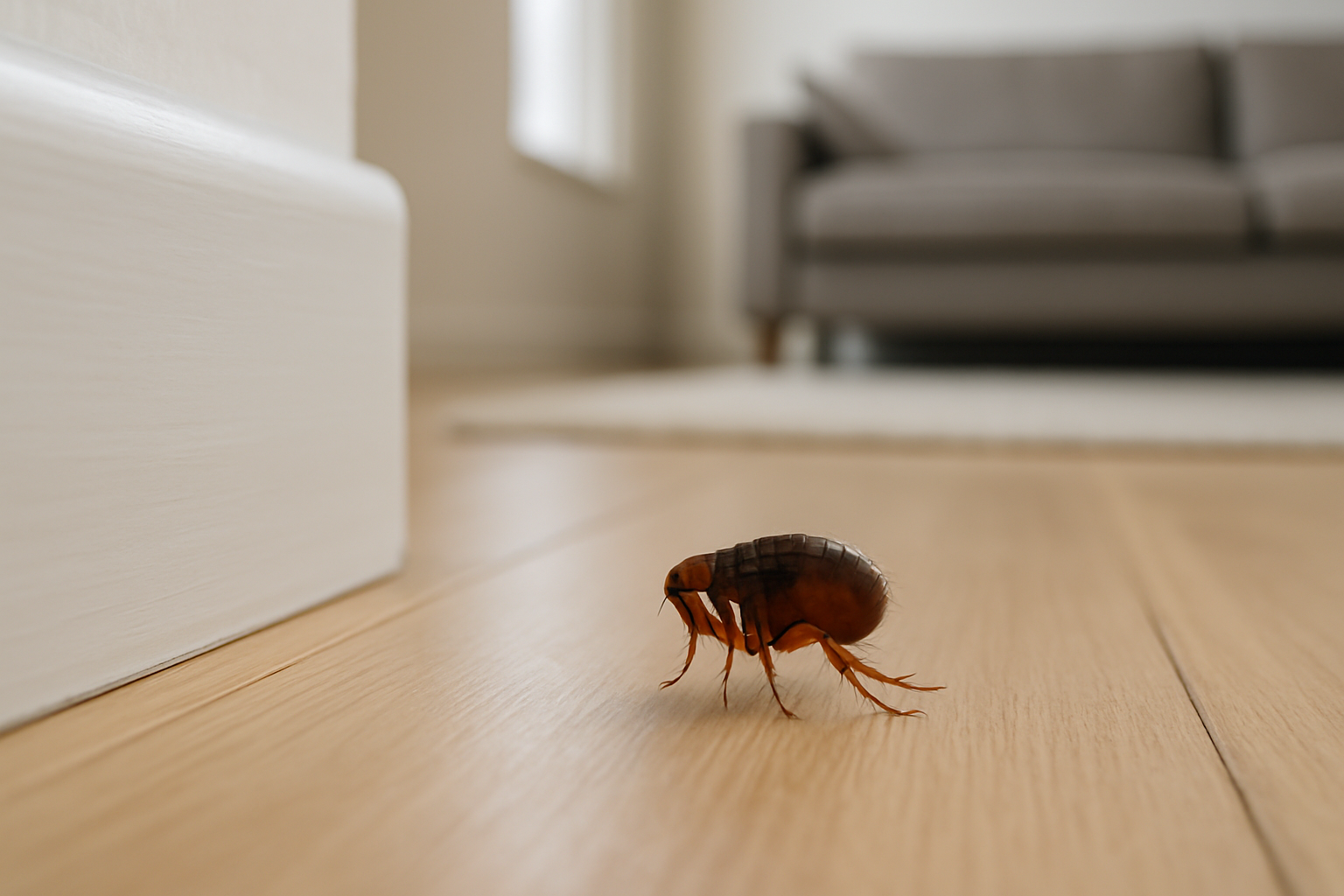
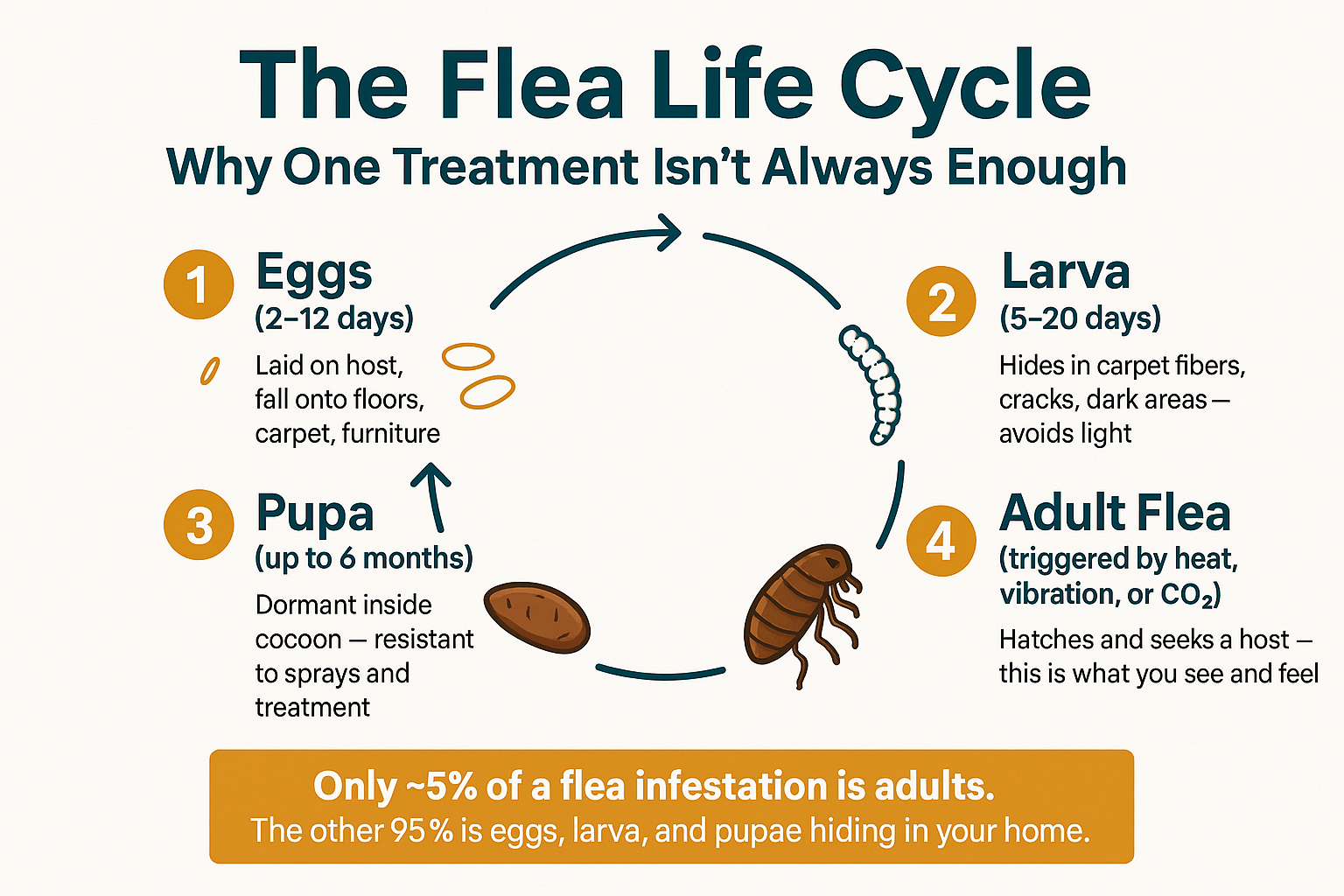
Flea pupae are the toughest stage of the flea life cycle. Inside a cocoon, they can go dormant for up to 6 months without a host. They don’t respond to sprays. They don’t hatch until they sense vibration, heat, or carbon dioxide — which is exactly what happens when new people move into a vacant home and start walking around.
This is why so many new renters and recent buyers report a sudden flea explosion within their first 1 to 2 weeks in a home, even though the place looked completely clean. The previous occupants had pets. The flea pupae waited. You moved in and triggered the hatch.
Used furniture and secondhand rugs are a smaller but real version of the same problem. A sofa picked up from an estate sale in Watsonville or Capitola can harbor dormant flea eggs in the fabric without any visible sign. Once it’s in your home, the cycle starts.
For context on what a professional looks for in situations like this — things that aren’t obvious to the average homeowner — the article on what pest inspectors look for that homeowners usually miss covers that ground well.
Common Flea Entry Points in Pet-Free Homes
These are the most frequently confirmed sources in residential flea cases where no pets are present. Knowing which applies to your situation changes how you respond.
| Entry Source | How It Happens | Most Common In |
|---|---|---|
| Roof rats or mice | Rodents carry fleas into attics, crawlspaces, and walls | Older homes, wooded neighborhoods, creek-adjacent properties |
| Wildlife in yard | Raccoons, opossums, squirrels drop flea eggs along travel paths | Properties with decks, sheds, or dense landscaping |
| Dormant flea pupae | Previous tenants’ pet fleas waited out vacancy and hatched on arrival | Rentals, recently purchased homes, newly occupied units |
| Secondhand furniture or rugs | Flea eggs embedded in fabric hatch after introduction to a warm home | Any home that recently brought in used upholstered items |
| Human clothing or shoes | Fleas can hitch a short ride on fabric after outdoor exposure | Yards with known wildlife activity or neighboring pet households |
The Flea Life Cycle: Why Treating Adults Isn’t Enough
Understanding the flea life cycle explains why a flea problem in a pet-free home can feel like it came out of nowhere — and why a single treatment rarely resolves it completely.
What to Actually Do When You Find Fleas and Have No Pets
The first step is figuring out which source applies to your home. That determines whether you need to address an active rodent issue, treat dormant eggs in your floors, or focus on the yard where wildlife has been active.
For rodent-linked flea problems, treating fleas without addressing the rodent access is a losing move. New fleas keep arriving as long as rats or mice are present. If you suspect this is your situation, knowing when to stop handling a pest problem on your own is worth reading before you spend money on sprays that won’t hold.
For dormant flea infestations left by previous tenants, the challenge is reaching flea pupae. Most over-the-counter flea sprays hit adults but don’t penetrate cocoons. A professional treatment typically uses products designed to interrupt the growth cycle after pupae hatch — not just kill what’s visible today.
Practical steps you can take right now:
- Vacuum thoroughly and daily — baseboards, under furniture, along carpet edges; the vibration can trigger early hatching, and the vacuum captures what emerges
- Wash any fabric items that came from outside the home in hot water above 130°F
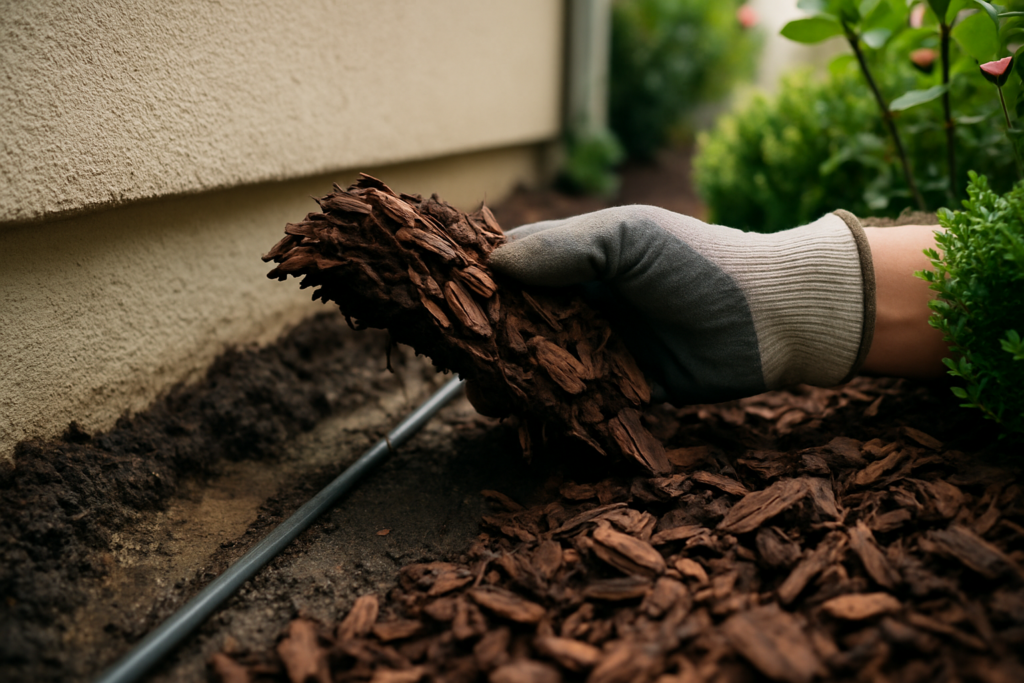
- Check your yard for wildlife harborage — dense brush piles, open compost, gaps under decking
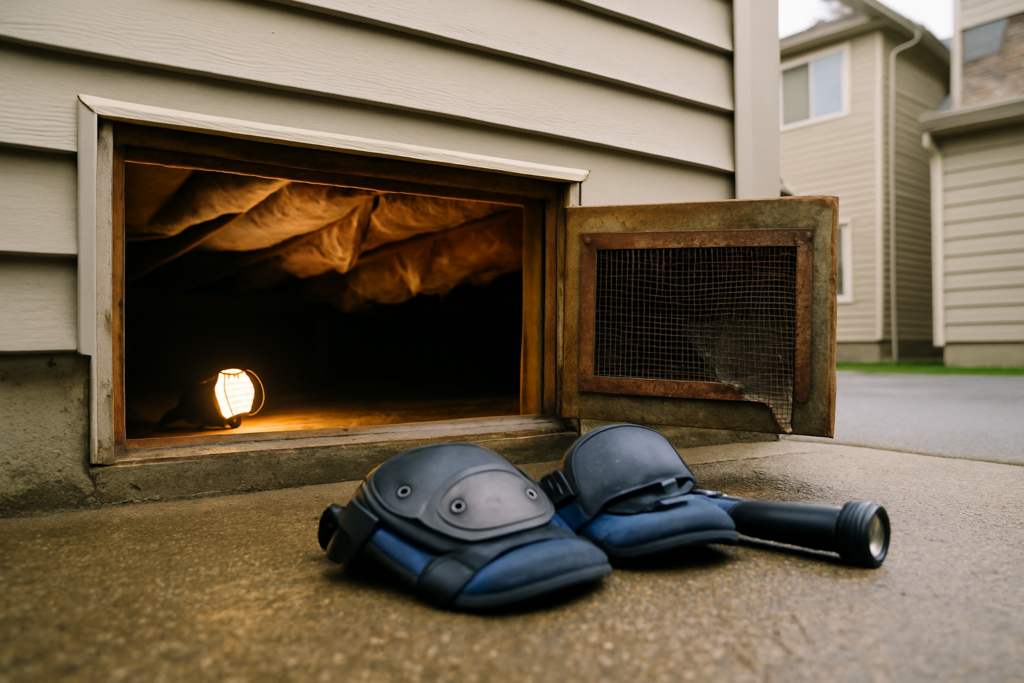
- Seal foundation gaps and low vents where rats or wildlife could push through; a gap as small as half an inch is enough for a young rat
- Don’t fog the whole house — aerosol foggers disperse product into the air, not into floor cracks and carpet pile where flea eggs actually live
For non-toxic approaches to treating the home environment, the article on non-toxic flea treatment for home breaks down what works and what doesn’t without relying on heavy chemical applications.
Frequently Asked Questions About Fleas in Pet-Free Homes
Can fleas survive in a home with no pets for long?
Yes — longer than most people expect. Adult fleas without a host will die within a few days to a week. But flea pupae can survive up to 6 months in a dormant state, waiting for a warm body to trigger hatching. This is why a home that sat vacant for months can still produce a flea outbreak the week new occupants move in.
Do I have to treat the yard too, or just inside?
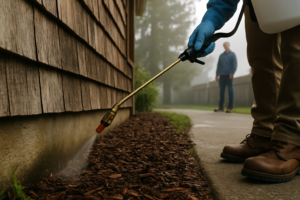
If wildlife is the source, yes — the yard matters. Fleas spend most of their life cycle off the host, in soil and organic debris. Shaded areas under decks, leaf piles near the foundation, and overgrown shrub beds are common harborage zones. Treating only inside the home while the yard stays active is like mopping the floor with the faucet still running.
How do I know if my flea problem is coming from rats or mice?
Look at where the flea activity is concentrated. If you’re getting bites near walls, in closets, or in rooms you rarely use, that points toward a rodent source more than a people-traffic source. Check for droppings along walls and in cabinet corners. Gnaw marks near utility penetrations are another tell. A professional inspection can confirm it quickly.
Will store-bought flea spray fix the problem?
It can reduce adult flea counts, but it won’t touch pupae in cocoons. Most over-the-counter sprays kill on contact but have no effect on the dormant stage — which makes up the large majority of an active infestation. If you spray today and see fleas again in 7 to 14 days, that’s why: a new hatch cycle just completed.
Is it safe to treat for fleas if I have young children at home?
It depends on the products used and how they’re applied. A professional applying targeted, eco-friendly treatments can work around children’s and occupants’ schedules — keeping kids out of treated areas for a defined period, then confirming it’s safe to return. This is very different from fogging a whole room with aerosol cans, which scatter product unpredictably. Ask specifically about product safety before any treatment starts.
Still Seeing Fleas and Can’t Figure Out Why?
West Pest Co. serves Santa Cruz County homeowners dealing with exactly this kind of situation — no pets, no obvious source, and fleas that don’t make sense. Matthew West can inspect the home, identify where fleas are entering or hatching from, and recommend a safe, targeted treatment plan that addresses the actual cause. Call (831) 430-8402 or visit westpestco.com to get in touch — Matthew typically answers the phone himself and can often get out the same day.