Quick Answer
Eco-friendly pest control works better than DIY remedies because it uses Integrated Pest Management, not just a spray or a home mix. A good professional approach identifies the pest correctly, finds where it’s living, reduces what’s attracting it, and uses targeted low-impact treatments so the problem is managed at the source, not just pushed around.
You’ve probably seen this pattern already. Ants show up near the sink, you spray them, they disappear for a few days, then they’re back by the pet bowl or coming in from a window track.
That’s usually the moment people start asking what makes eco-friendly pest control work better than diy remedies? It’s a fair question, especially if you want something safer around kids, pets, gardens, and the wider Santa Cruz County environment, but you also want it to be effective.
The Frustrating Cycle of DIY Pest Control
A lot of DIY pest control feels effective because it changes what you can see right away. You kill the ants on the counter, knock down a few spiders in the garage, or set traps and catch one mouse. Then the activity shifts instead of ending.

That’s the main difference between a home remedy and a professional approach. Most DIY methods are trying to repel or kill the visible pest. Professional eco-friendly work is usually built around Integrated Pest Management, or IPM, which means identifying the pest, finding why it’s there, and treating the conditions that let it keep returning. If you want a plain breakdown of where home fixes help and where they usually fall short, this guide on DIY pest fixes and what actually works is a useful place to start.
The visible pest is often the smallest part of the problem. The nest, entry point, moisture source, or food source is what keeps the cycle going.
What Eco-Friendly Pest Control Really Means
People often hear “eco-friendly” and picture vinegar, peppermint oil, or a homemade spray bottle. That’s not what professional eco-friendly pest control means in the field.

A professional eco-friendly program usually means using IPM first. The treatment starts with inspection, species identification, and property conditions. Then it combines sanitation advice, exclusion work, habitat changes, monitoring, and targeted low-impact products where they’re needed. The USDA notes that eco-friendly pest control through IPM can achieve up to a 90% long-term reduction in pest populations while cutting chemical use by 50 to 70% in urban settings (USDA ARS, 2024).
If you want a homeowner-level explanation of that framework, this article on what integrated pest management is and how it works lays it out clearly.
It starts with the right pest
Ant control is different from cockroach control. Spider reduction is different from rodent exclusion. Even within one category, the species matters because behavior matters.
A professional doesn’t just ask, “What can I spray?” Instead, they focus on where the pest is nesting, what it’s feeding on, how it’s getting inside, and whether a repellent, bait, exclusion repair, or monitoring approach makes the most sense.
It changes the environment pests depend on
Eco-friendly work is often more effective because it removes the conditions pests need. That can include:
- Food access through trash management, pet food storage, and cleanup
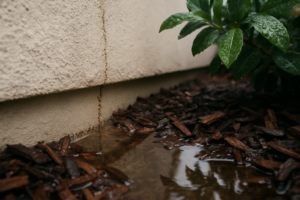
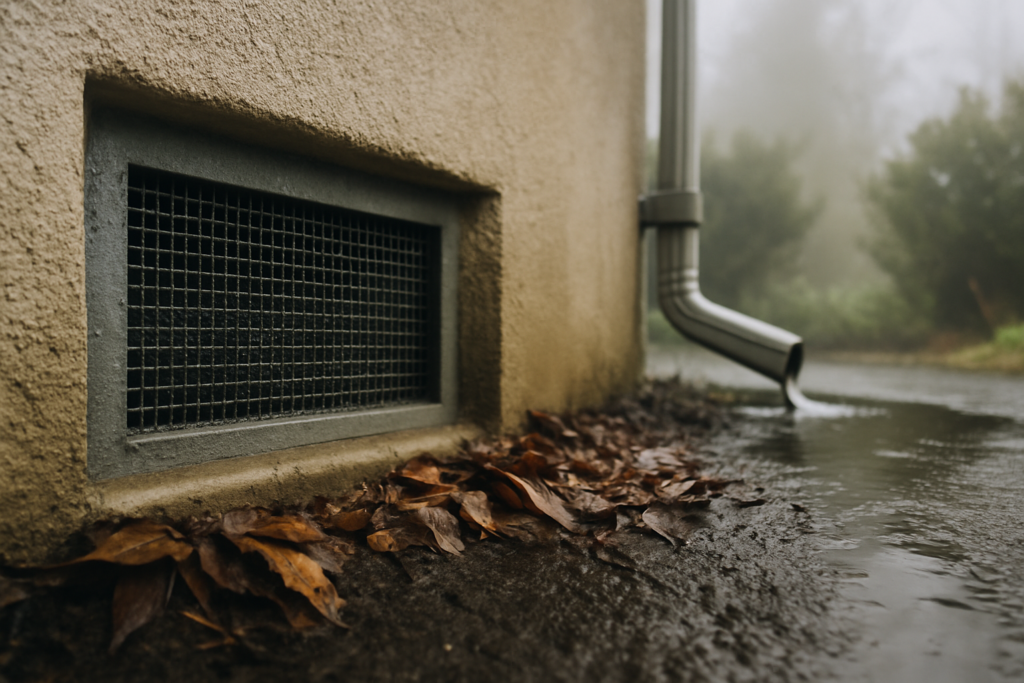
- Water sources like leaks, damp crawlspaces, and overwatered edges near the home
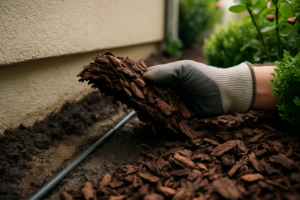
- Shelter in cluttered storage areas, dense vegetation against the structure, or debris near foundations
- Entry points such as door gaps, utility penetrations, and worn weather stripping
That part matters because pests don’t stay just because a product failed. They stay because the site still works for them.
It uses targeted products, not broad guessing
A professional eco-friendly treatment isn’t “weaker.” It’s usually more selective. The point is to place the right material in the right spot, in the right amount, after the pest and conditions have been confirmed.
That’s similar to the logic behind natural weed control methods. The goal isn’t to throw harsher material at the problem. It’s to use a smarter method that fits the site and reduces unnecessary exposure.
It works on the life cycle, not just today’s activity
DIY remedies often fall short. Repellents can move ants. Contact sprays can kill exposed insects. Homemade mixes can disturb activity for a short time.
But if eggs, nesting sites, queens, entry routes, or attractants are still in place, the pressure usually comes back. Yard and home pest treatments can address active pests, but they don’t eliminate eggs or every stage of a pest life cycle, so it’s important to expect management and reduction rather than a blanket “everything is gone forever” result.
Practical rule: If a treatment only changes what you see for a few days, it probably didn’t solve why the pests were there.
How Professional Eco-Friendly Methods Outperform DIY Remedies
A homeowner sees ants at the sink, sprays the trail, and gets relief for a day or two. Then the activity shows up by the dishwasher or along the window track. That pattern is usually not a product problem. It is a control strategy problem.

| Factor | Professional Eco-Friendly (IPM) | Common DIY Remedies |
|---|---|---|
| Pest identification | Confirms species and behavior before treatment | Often treats based on guesswork |
| Treatment goal | Reduce active pests and address source conditions | Kill or repel pests you can see |
| Product use | Targeted, measured, site-specific application | Broad application or repeated spot spraying |
| Prevention | Includes exclusion, sanitation, and habitat changes | Usually limited to sprays, traps, or repellents |
| Follow-up | Adjusts plan based on results and monitoring | Repeats same method when pests return |
| Safety approach | Selects lower-impact methods where appropriate | Homemade mixes and overuse can be inconsistent |
Professionals match the method to the pest’s biology
The significant gap becomes apparent.
Different pests feed differently, nest differently, and move through a property differently. Ants may require non-repellent baiting that workers carry back to the colony. Cockroaches often need harborage treatment, monitoring, and sanitation correction at the same time. Wasps may need direct nest removal, but pantry pests usually call for source removal and storage changes more than pesticide use.
DIY remedies often treat all of those problems with one idea. Spray the insect you can see. Professional eco-friendly work starts with the question that matters more. What is sustaining this population, and which life stage needs to be interrupted?
Professionals use placement and timing that consumer treatments rarely match
A lower-impact product can work very well if it reaches the right spot. A stronger product can fail if it is applied where the pest never contacts it.
In the field, results usually come from details homeowners are not expected to know. How far ants are trailing before they split. Whether a roach issue is centered around a warm motor, a plumbing void, or cluttered storage. Whether spiders are feeding on another insect issue that has to be reduced first. Those details change where materials go, how much is used, and whether treatment should happen at all that day.
That is one reason professional work often lasts longer. The application is tied to behavior, not convenience.
A good comparison is DIY pressure washing versus hiring a professional company. Equipment and products matter, but technique, surface knowledge, and judgment usually decide the result.
Professionals work within a trained and regulated system
Eco-friendly does not mean casual. Licensed technicians are trained to read labels as legal directions, choose approved application sites, measure correctly, and reduce unnecessary exposure to people, pets, and non-target organisms. The EPA explains that using pesticides safely depends on following the label, because the label gives legally enforceable directions for use, storage, and disposal (EPA pesticide labels).
That structure matters in real homes. It affects bait placement around food areas, treatment choices near storm drains, and whether a crack-and-crevice application makes more sense than a broad surface spray. If you want a clearer picture of that lower-impact service model, this guide to getting pest control without using harsh chemicals lays out how those decisions are typically made.
Professionals avoid one-method repetition
Repeatedly using the same consumer spray can create two problems at once. It may push pests into new areas, and it may keep missing the part of the population that is driving the infestation.
Researchers have documented pesticide resistance across many arthropod pest species, which is one reason integrated pest management relies on combining tactics rather than depending on one repeating chemical response (Michigan State University Extension on pesticide resistance and IPM). In practice, that means monitoring, exclusion, sanitation changes, mechanical control, and selective product use are all part of the same plan.
That mix is not fancy. It is practical.
Professionals know where eco-friendly methods have limits
A seasoned technician should say this plainly. Lower-impact control is not magic, and it is not always the fastest possible knockdown. Some jobs need multiple visits. Some pests are strongly tied to moisture, clutter, or structural gaps, so progress depends on repairs the homeowner has to complete. Some severe infestations can require a broader treatment program before the property is stable again.
Home remedies have trade-offs too, but they usually hide them. A vinegar mix, essential oil spray, or random trap setup can feel low risk because it is familiar. The downside is inconsistency. Strength varies. Placement is often off target. Persistence is short. Beneficial insects or nearby plants can still be affected if the material is used carelessly.
The professional advantage is not just access to products. It is the ability to inspect, choose, place, monitor, and adjust based on how that pest lives on that property.
Why DIY Fails the Long-Term Test
The usual pattern is easy to recognize. Ants show up on the counter, someone sprays what they can see, the trail disappears for a day or two, then the activity comes back from a different crack, outlet, or window frame.

That cycle happens because DIY treatment usually targets visibility, not biology. The pests you notice are often only one part of the problem. The nest, moisture source, entry gap, food source, or breeding site is still active.
In Santa Cruz County, I see this with coastal ant pressure, pantry pests, and occasional invaders that shift with weather. A warm spell, irrigation leak, or tiny exterior gap can keep the problem going even when the first treatment seemed to work.
Misidentification changes the outcome
Correct identification is not a minor detail. It decides whether a bait, trap, exclusion repair, dust, growth regulator, or simple sanitation correction has the best chance of working.
Ants are a good example. Some species respond well to baiting. Others split into multiple nesting sites when they are pressured the wrong way. With stored-product pests, homeowners often treat the cabinet shelf and miss the infested bag of dry goods that keeps reseeding the problem. With fleas, treating the pet alone rarely solves the issue because eggs and larvae are still developing in the environment.
A home remedy can fail before the product even touches the pest.
Surface control rarely reaches the source
Consumer sprays and homemade mixtures often give quick visible relief because they hit exposed insects. That result feels convincing. It also fades fast if the colony, harborage, or egg stage is protected in a wall void, crawlspace, subarea, or hidden storage zone.
The long-term issue is repetition without a plan. Using the same approach over and over selects for the pests that avoid it, outlast it, or return as soon as the residue breaks down. As noted earlier, resistance is one reason professionals rotate tactics and combine physical, environmental, and selective treatment methods instead of repeating one response.
Homeowners dealing with that repeat pattern often recognize it in this guide on five times DIY pest control fails and what to do.
Homemade remedies have limits people do not always see
People reach for vinegar, essential oils, soap sprays, and off-the-shelf traps for understandable reasons. They want lower exposure and lower cost.
Those are fair goals. The trade-off is precision.
A homemade mix is rarely calibrated to the pest species, the surface, the temperature, or the place where the population is established. Some remedies repel insects from one visible area and push activity deeper into the structure. Others break down too quickly to interrupt a breeding cycle. Some leave odor or residue in food-prep areas without doing much to the infestation itself.
If the same pest keeps showing up in different spots in the same room, the problem is usually access, shelter, or reproduction, not a lack of spray.
Waiting too long often makes a small job harder
Early problems are usually easier to correct. That is true for eco-friendly service and for a careful DIY cleanup.
What changes the job is delay. Repeated trial-and-error gives pests more time to spread into adjacent rooms, build numbers, contaminate stored food, or establish themselves in voids and subareas that are harder to treat with low-impact methods. By the time a professional is called, the work often needs more follow-up because the infestation has had time to mature.
DIY can help with isolated, low-level issues. It holds up poorly when the cause has not been identified and corrected.
Real-World Examples in Santa Cruz County
Pest pressure in Santa Cruz County has its own patterns. Coastal moisture, older homes, crawlspaces, gardened spaces, and mild weather all shape how pests settle in. The useful question isn’t whether a home remedy can do something. It’s whether it matches the problem in front of you.
Ants in kitchens and around foundations
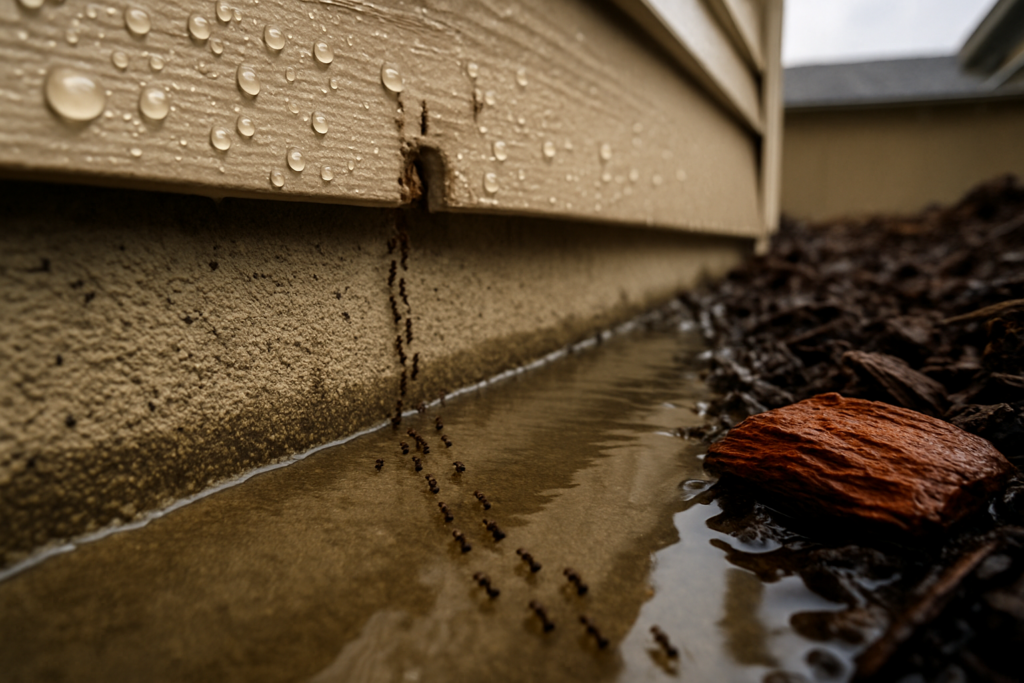
Ant problems often start with a small indoor trail. A homeowner sprays the trail, wipes it up, and feels some relief. Then the ants reappear at a nearby outlet, window, or door sweep.
A professional eco-friendly approach usually looks outside as much as inside. The work may involve tracking where the ants are moving along the structure, identifying likely entry points, and using targeted treatment that the colony can carry back instead of just killing exposed foragers. If the access gap stays open and the food source stays available, the activity often continues.
Spiders around garages, eaves, and storage areas
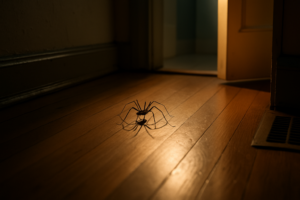
With spiders, the issue is often not just the spider. It’s the food source and the shelter conditions. In wooded or coastal pockets, garages and exterior corners can support steady insect activity, which then supports spider activity.
A better approach usually includes de-webbing, reducing clutter, checking door sweeps and screens, and looking at exterior lighting that draws insects close to entry doors. The eco-friendly part isn’t just the product choice. It’s reducing the conditions that make the space attractive in the first place.
Rodents in older homes and crawlspace-heavy properties
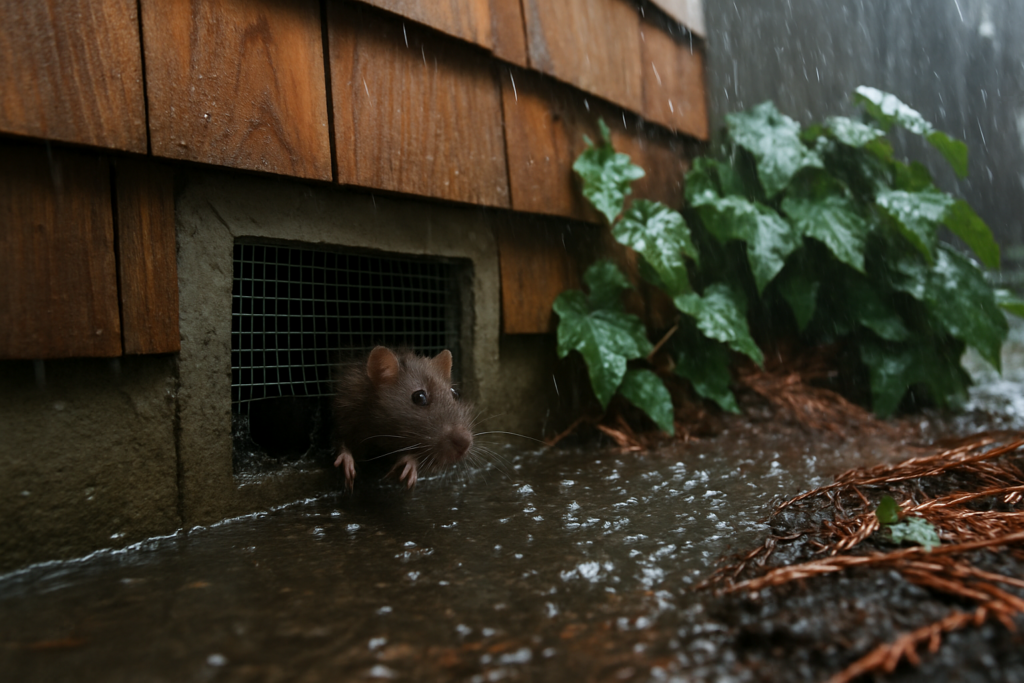
Rodent work is one area where DIY often feels productive at first. You set traps, maybe catch one, and assume the problem is shrinking. But if the entry point under the siding, garage door edge, or vent gap remains open, the pressure usually continues.
Professional rodent control is less about trap quantity and more about inspection. The important questions are where the rodents are entering, what they’re using for cover, and how to combine trapping with exclusion so the activity doesn’t keep restarting. That’s especially important in older homes where small structural gaps are easy to miss.
DIY can help with prevention. Once you have recurring indoor activity, source tracing becomes the part that matters most.
When a DIY Approach Might Be Enough
There are situations where DIY is perfectly reasonable. If you have a minor, early issue and you can clearly see the cause, basic prevention steps may be all you need.
Good DIY jobs around the house
Homeowners can often handle simple prevention work well, including:
- Cleaning food residue from counters, under appliances, and around pet feeding areas
- Sealing pantry goods in tighter containers
- Replacing door sweeps or worn weather stripping
- Knocking down fresh webs in low-risk areas
- Reducing clutter in garages, sheds, and storage rooms
- Fixing moisture issues like small leaks or standing water near the home
These steps matter because they remove the conditions pests are using. They’re often the foundation of a good professional plan too.
When it’s time to stop experimenting
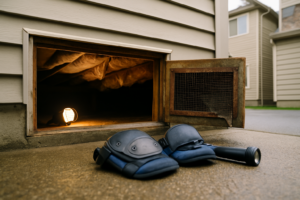
DIY tends to stop being efficient when the same pest returns after repeated treatment, when activity spreads into multiple rooms, or when you can’t tell where the pests are coming from. That’s also true when you need ladder work, roofline access, crawlspace inspection, or species-specific treatment decisions.
For wasps and yellow jackets, caution matters. A very small, early nest in an accessible location may look manageable, but once nest size or activity increases, removal can get risky fast. If you’re dealing with recurring rodents, active roaches, persistent ants, or widespread spider activity, a professional inspection usually saves a lot of trial and error.
What to expect from yard and home treatments
This is worth stating plainly. Yard and home pest treatments address active pests only. They do not eliminate eggs or full pest life cycles, and they should never be viewed as complete eradication or a permanent solution.
That doesn’t make them ineffective. It means the honest goal is control, reduction, and better prevention over time.
Frequently Asked Questions About Eco-Friendly Pest Control
Does eco-friendly pest control actually work, or does it just repel pests?
A homeowner usually asks this after trying a spray that seemed to work for a few days, then seeing the same trail, web, or droppings come back.
Eco-friendly pest control works when it is built on pest biology, not just product choice. A professional starts by identifying the pest, finding where it is feeding, nesting, or entering, and then choosing the least disruptive method that still fits the problem. That can include exclusion, habitat correction, monitoring, mechanical removal, and carefully placed materials. The goal is to reduce the conditions that let the pest keep reproducing around the home.
Why do ants keep coming back after I spray them myself?
Because the ants in the kitchen are often only part of the problem.
Surface sprays usually kill foragers. They rarely address the colony structure, satellite nesting, moisture source, or entry route that keeps the trail active. With ants, the method matters as much as the product. Some species respond better to baiting, some shift food preference with the season, and some split into multiple nests when they are disturbed. That is one reason DIY ant control often looks successful at first and then fades fast.
Is eco-friendly pest control safer for kids and pets?
Usually, yes, if the work is done correctly and the treatment plan is matched to the site.
Safer does not mean casual. It means using targeted placements, lower-exposure methods, and clear instructions instead of broad, unnecessary application. A good technician should tell you what was used, where it was placed, how long any precautions last, and what changes at home will improve results. If you are comparing companies, this guide on how to tell if a pest control company is trustworthy helps you ask better questions before service starts.
Will eco-friendly treatment solve the problem in one visit?
Sometimes, but not always.
A single visit can make a visible difference with a small, isolated issue. Ongoing pest activity usually takes more than one step because eggs, hidden harborage, outdoor pressure, and re-entry points all affect the outcome. In practice, the best results come from a plan that includes inspection findings, treatment timing, and follow-up based on what the pest is doing.
Why is professional service better than buying a store product?
Store products are made for general use. Pest problems are rarely general.
Professional service improves results because it adds identification, placement skill, label knowledge, and adjustment when the first approach is not the best one for that species or condition. It also adds access to tools and treatment strategies that work as part of an integrated plan instead of as a one-step fix. That difference matters with pests like roaches, ants, rodents, and fleas, where hidden activity is usually the issue.
Is DIY ever the right call?
Yes, for small and low-risk issues.
Cleaning up crumbs, storing pantry goods in sealed containers, replacing a torn screen, or trimming vegetation back from the house are all useful DIY steps. Homeowners can do a lot to lower pest pressure. DIY starts to lose value when activity keeps returning, spreads to more than one area, or points to nesting and access problems you cannot easily inspect.
Will I still need to make changes around my home if I hire a pro?
Usually, yes. Good pest control works best when treatment and home maintenance support each other.
If water is collecting under the house, pet food stays out overnight, or a garage door has a half-inch gap, pests still have what they need. Professional eco-friendly control works better because it combines treatment with corrections that interrupt the pest’s life cycle and access to the structure. That is the part many DIY remedies miss.
Your Next Step to Effective Pest Control
If you’re stuck in the loop of spraying, wiping up activity, and seeing it return, you’re not imagining the pattern. That’s how a lot of DIY pest control goes when the actual issue is nesting, access, or conditions around the home.
Knowing what makes eco-friendly pest control work better than diy remedies? comes down to one thing. Professional IPM treats the cause, not just the sighting. If you want an honest second opinion before spending more time on trial and error, it helps to read a guide on how to tell if a pest control company is trustworthy and then ask direct questions about inspection, treatment limits, and follow-up.
Sources
The references below support the biology, resistance, and treatment principles discussed throughout this article.
USDA Agricultural Research Service. "Biological Green Alternatives to Chemical Pesticides." 2024. https://www.ars.usda.gov/oc/utm/biological-green-alternatives-to-chemical-pesticides/
For pesticide resistance and the limits of repeated single-product use, see the earlier EPA citation already referenced in the article.
For a general comparison of DIY and professional pest control, see the earlier ATEX Pest citation already referenced in the article.
If you want a practical, low-pressure opinion on a pest issue in Santa Cruz County, West Pest Co. can help you sort out what’s active, what’s attracting it, and what kind of treatment makes sense for your home. You can request a free estimate through the website. Phone details should be confirmed before publishing.