Yes, you absolutely can get effective pest control without using harsh chemicals. Many homeowners in Santa Cruz worry about this, especially with kids, pets, and gardens to think about. It’s smart to be cautious.
The key is knowing the difference between DIY remedies you see online and professional, science-backed solutions. A real pro will focus on preventing pests for good, not just spraying chemicals over and over again.
Why Green Pest Control Is a Smarter Choice
If you're unsure about chemical treatments, you're not alone. You want pests gone, but not at the risk of your family’s health or the Santa Cruz environment. The good news is, you’re part of a huge shift. In fact, 92% of homeowners are actively looking for more sustainable options. This isn't just a trend—it’s the new standard.
Here in California, laws like the 2024 rodenticide ban have made poison-free solutions a legal necessity. This pushes the whole industry toward safer, smarter methods.
The global market for organic pesticides is set to grow by USD 5.01 billion between 2025 and 2029, with North America leading the way. This growth is powered by homeowners who know that organic options are a much better choice for homes with children and pets. You can explore more about this market growth and its drivers.
The Problem With DIY "Natural" Remedies
When dealing with pests, it’s tempting to grab a quick fix. Many people try essential oils or store-bought gadgets, only to find the pests are right back a week later. This often leads people to wrongly assume that "eco" means "ineffective."
The real issue isn't that green methods don't work. The problem is that DIY solutions almost never get to the root cause of the infestation. Peppermint oil might keep ants away for a day, but it won't seal the tiny crack they're using to get into your kitchen.
This is where a professional makes all the difference. True eco-friendly pest control is a complete strategy, not just one product. The infographic below shows the three core ideas a professional uses to get results that actually last.
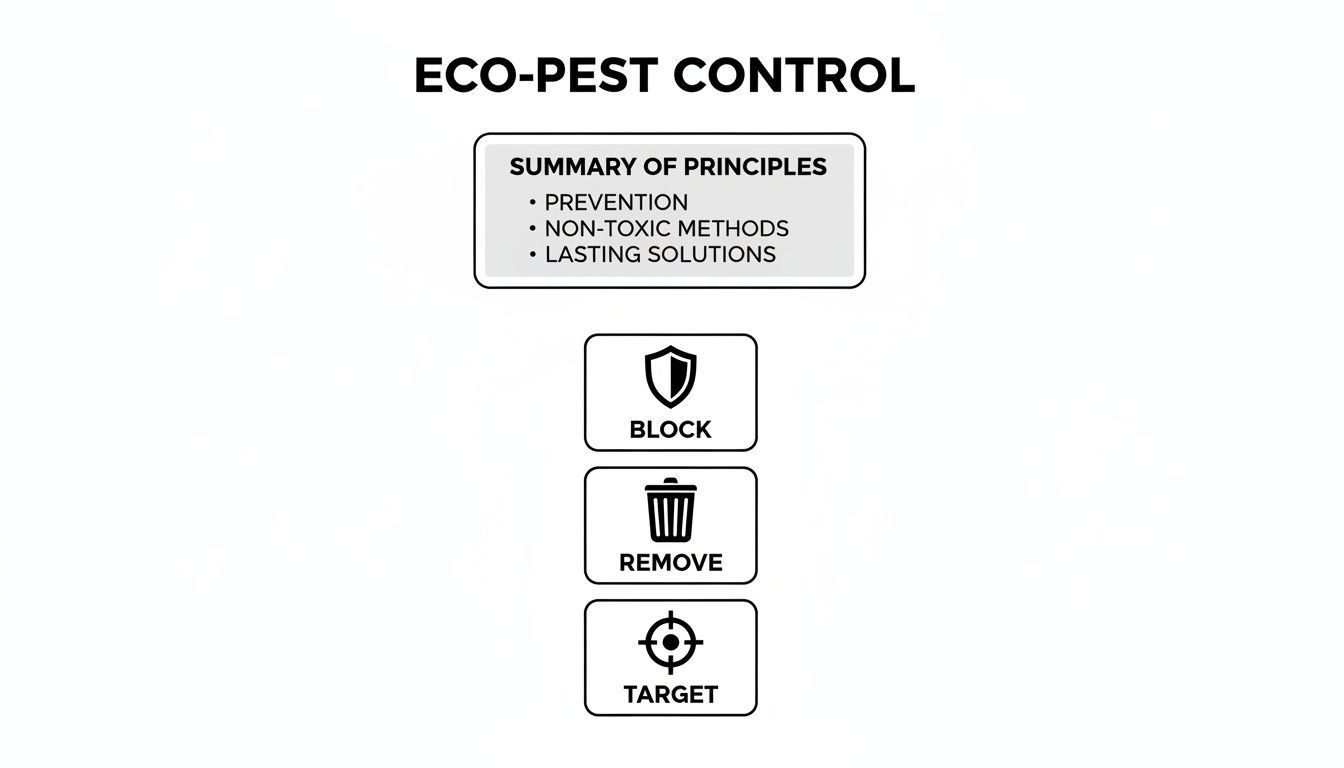
This smart approach—blocking entry points, removing things that attract pests, and targeting the source—is what separates a professional Integrated Pest Management (IPM) plan from a simple DIY spray. It’s a science-backed method designed for long-term success.
It’s easy to get discouraged by home remedies that promise a lot but do very little. Let's look at why these common DIY attempts often fall short compared to a professional strategy.
DIY Natural Remedies vs. Professional Eco-Friendly Strategies
| Approach | Effectiveness | Common Issues | Best For |
|---|---|---|---|
| DIY Home Remedies | Temporary & Localized: Might repel pests from a small area for a short time. | Fails to address the nest or source. Pests often just find a new route. Requires constant reapplication. | Very minor issues, like a few ants on a countertop, or as a temporary deterrent. |
| Professional IPM | Comprehensive & Lasting: Identifies and eliminates the root cause of the infestation. | Requires professional expertise to diagnose entry points, nesting sites, and environmental factors. | Any established infestation or for homeowners who want a permanent, preventative solution. |
While a DIY approach feels empowering, it often just treats the symptoms. A professional plan, on the other hand, is like getting a diagnosis and a cure, ensuring the problem doesn't keep coming back.
Understanding Integrated Pest Management: A Modern Approach
If you're looking for pest control that doesn't rely on harsh chemicals, you've probably heard the term Integrated Pest Management (IPM). It’s the gold standard for safe and sustainable pest control because it’s a smart process—not just a one-time spray. Instead of just reacting to pests, IPM gets to the source of your problem.
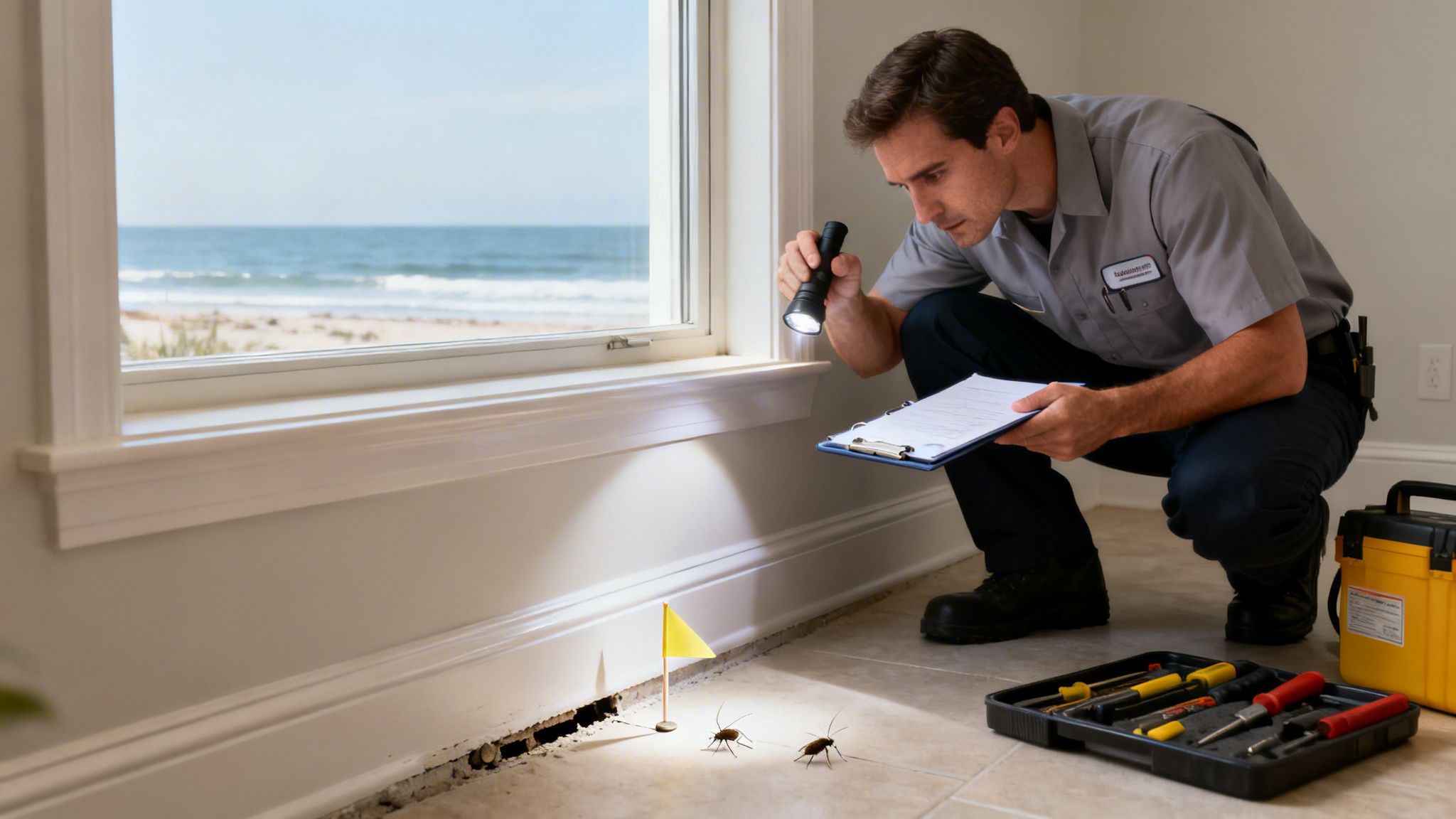
It all starts with a thorough inspection. A trained pro doesn't just look for pests. They figure out what conditions in your home are inviting them in. In a coastal climate like Santa Cruz, this could mean finding a tiny moisture issue under a sink that's attracting ants. Or it could be discovering small gaps in your foundation that rodents are using as an entrance.
Building a Defense Before Treating
After the inspection, the focus shifts to prevention. This means physically sealing those entry points—the cracks, gaps, and holes pests use to sneak in. It's a simple yet powerful step that creates a permanent barrier, something a chemical spray can never do.
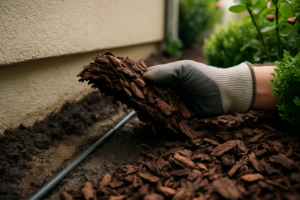
We also walk you through simple sanitation habits. This includes the best way to secure food sources or manage yard debris that might be offering pests a place to live. Only after these steps are handled do we think about using targeted treatments. To learn more about this philosophy, it helps to understand what makes for a smarter pest control strategy, as detailed in this guide to Integrated Pest Management.
This prevention-first approach makes IPM safer for families, pets, and our local Santa Cruz County environment. It's about being proactive, not reactive.
The Core Principles of IPM
The entire process is a smart cycle that focuses on long-term solutions. Think of it as a partnership between you and your pest control expert.
- Inspection: A deep dive into your property to find not just pests, but also the factors that help them thrive.
- Identification: Getting the pest right is key. Treating Argentine ants, for example, is very different from managing carpenter ants.
- Monitoring: This is ongoing observation to track pests and decide if and when action is needed.
- Action: This is where we use a control method, but IPM always prioritizes non-chemical actions first:
- Mechanical Controls: Using things like traps, physical barriers, and direct removal.
- Cultural Controls: Changing the environment itself, like improving sanitation or adjusting garden watering schedules to make it less inviting for pests.
- Evaluation: We then check how well our actions worked. This helps confirm the problem is solved and allows us to fine-tune the plan for the future.
This systematic approach is what makes IPM so effective. It breaks the cycle of infestation by taking away what pests need to survive. It’s a common-sense method that delivers lasting results for homeowners from Scotts Valley to Aptos. To learn more about how West Pest Co. puts this smart, eco-friendly solution to work for our neighbors, check out our detailed guide on what is Integrated Pest Management.
Practical Non-Chemical Strategies for Your Home
You can take several powerful, non-chemical steps to make your home less attractive to pests. These basic strategies create a strong, lasting defense without relying on chemicals. Your help is key to keeping your home pest-free.
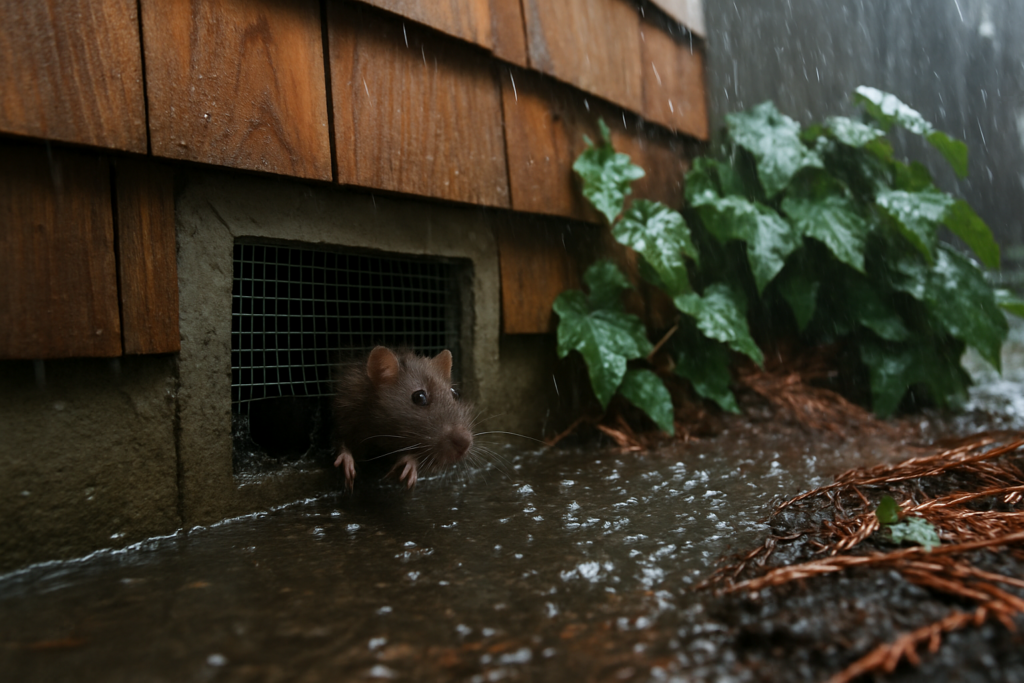
For rodents, this means sealing any cracks or holes in your foundation and around pipes. Even a dime-sized gap is an open door for a mouse.
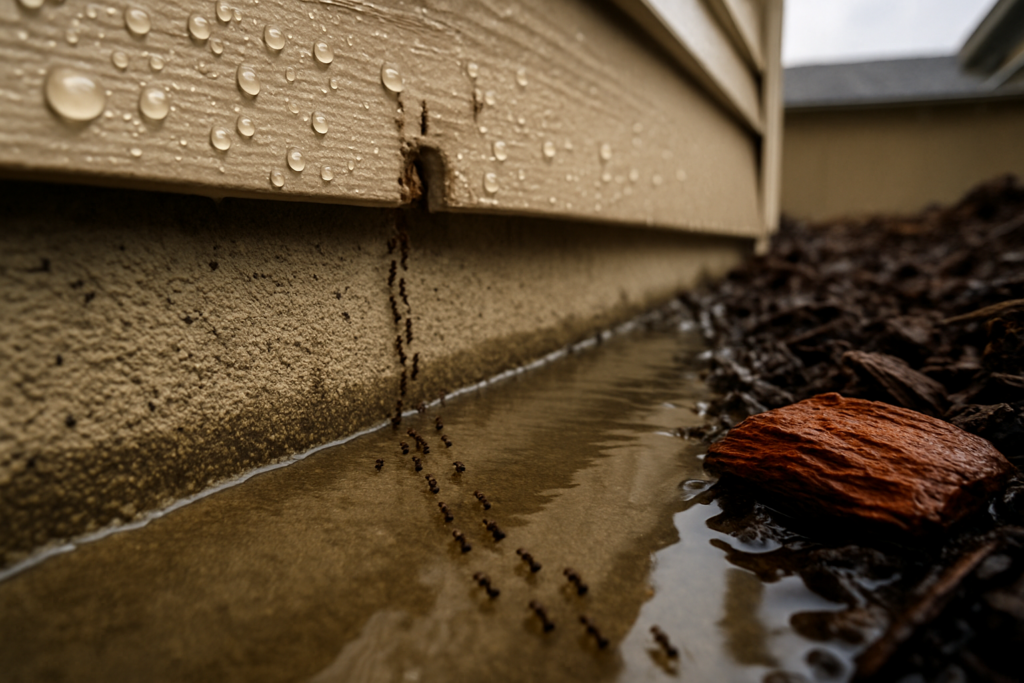
For ants, a common problem in Santa Cruz County, the focus is on trimming back tree branches that touch your house. Pests use these as bridges to get to your siding. Of course, keeping kitchen surfaces clean and free of crumbs is also key for preventing ant trails.
Exclusion: The First Line of Defense
The most effective non-chemical strategy is exclusion. It's a simple idea: physically block pests from getting inside in the first place. This is a core part of Integrated Pest Management and something we focus on at West Pest Co. because it provides a permanent solution.
Simple but effective exclusion tactics include:
- Installing Door Sweeps: Place sweeps on the bottom of all exterior doors to close the gap between the door and the threshold.
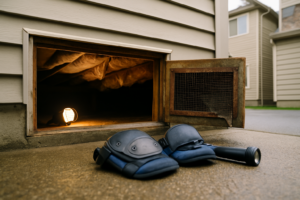
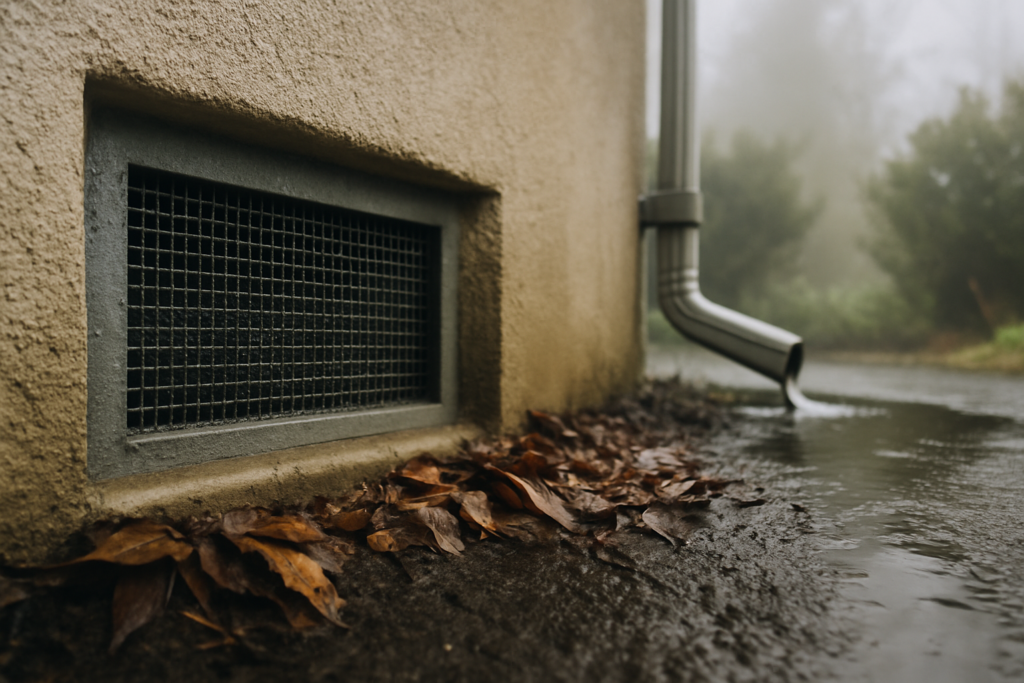
- Securing Vents: Cover attic, crawl space, and dryer vents with sturdy mesh screens to block rodents and insects.
- Caulking Gaps: Use weather-resistant caulk to seal small cracks and gaps around windows, door frames, and where utility lines enter your home.
For detailed information on another effective physical barrier, you can check out a homeowner's guide to fly screens for windows. These preventative measures are your best defense.
Modifying Your Home Environment
Besides blocking entry points, you can make your whole property less inviting. Simple changes to your routine and landscape can make a huge difference.
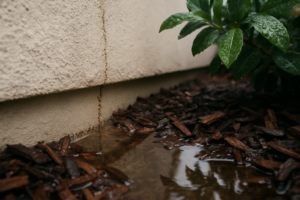
Start by managing moisture. Pests like cockroaches and ants are drawn to water. Fixing leaky faucets and ensuring proper drainage around your foundation is critical. Keep gutters clean to prevent water from pooling near your home.
This proactive mindset is catching on everywhere. The demand for natural pest control has fueled massive growth in the biopesticides market, which was valued at USD 9.91 billion in 2025 and is projected to skyrocket to USD 40.61 billion by 2034. This shift is driven by health-conscious families who want safer alternatives.
Key Takeaway: A pest-resistant home is built on prevention. Sealing entry points and removing things that attract pests are the most powerful non-chemical steps you can take.
By taking these practical steps, you build a strong foundation for a pest-free home. To learn more about how we integrate these methods into a complete strategy, see our guide on natural pest control for your home.
How Eco-Friendly Products Work When Needed
Sometimes, even with the best prevention, a direct treatment is needed to get rid of a pest problem for good. But if you're asking, “can I get pest control without using harsh chemicals?”, you’ll be glad to know the answer is a definite yes.
‘Eco-friendly’ doesn’t mean ineffective. It means we’re using smarter, more targeted products instead of outdated, synthetic pesticides.
At West Pest Co., we use professional-grade botanical-based products. These are powerful compounds derived from plants—like chrysanthemums, which naturally produce pyrethrins. They work by disrupting a pest's nervous system or by creating a strong barrier that pests are hardwired to avoid.
The Difference Is in the Application
The real magic of these eco-friendly products isn't just what they're made of, but how they're used. Botanical products break down quickly when exposed to sunlight and moisture. This is a huge advantage, as it reduces their impact on other species like pollinators in your Santa Cruz garden.
It's a far safer and more responsible approach than older methods. To learn more about how these natural methods stack up against conventional chemicals, check out our insights on whether organic pest control methods actually work.
A licensed professional applies these products with great precision, treating only active pest hiding spots. This avoids the old practice of blanket-spraying an entire property, ensuring safety for your family and pets.
Strategic and Targeted Treatments
Instead of spraying everywhere and hoping for the best, a trained technician focuses only on the areas where pests are active.
This could mean:
- Treating an ant trail directly along a windowsill where they're marching.
- Addressing a wasp nest hidden under the eaves of your roof.
- Applying bait in concealed areas where rodents travel, like behind appliances.
This minimal-impact approach delivers powerful results exactly where they are needed. It protects your home in Capitola or Scotts Valley without unnecessary chemical exposure. It’s a modern, responsible method that aligns with California’s strict environmental standards.
The goal is always to use the least amount of product necessary to achieve complete and lasting control. That's the cornerstone of a truly green pest management plan.
Why Local Expertise Matters in Santa Cruz County
When you're trying to control pests without harsh chemicals, a one-size-fits-all approach doesn't work. Pest problems are very local. A strategy that works in another state might fail completely here. Santa Cruz County has its own unique ecosystem and challenges.
Our coastal climate, for instance, creates the perfect humid environment for Argentine ants to thrive. Meanwhile, the rich soil in the valleys is a paradise for gophers that can ruin a garden overnight. Rodents often seek shelter in the older, charming homes you find from Felton to Boulder Creek.
Navigating California’s Strict Regulations
A true local expert understands these local conditions and knows which green methods work best against our regional pests. But there’s another critical reason local knowledge is so important: California has some of the strictest pesticide regulations in the country.
Recent laws, including sweeping rodenticide bans, have completely changed pest control. Partnering with a compliant, local company like West Pest Co. ensures your treatment is not only effective but also safe and legal. We stay on top of these complex regulations so you don't have to. You can learn more about how localized pest insights build trust.
This commitment to safer options is part of a massive global shift. The insect pest control market is projected to hit USD 19.4 billion in 2024 and is expected to grow to USD 32.1 billion by 2032. This growth is driven by homeowners demanding eco-friendly methods. You can read the full research about these market trends.
A Partner in Your Community
Choosing a local company means you’re hiring your neighbors. We are deeply committed to protecting our shared community with transparent, trustworthy service that respects our unique Santa Cruz environment.
We understand the specific pest challenges you face because we live here, too. Our goal is to provide solutions perfectly suited to your home and our local ecosystem, keeping your family safe and your home pest-free.
Frequently Asked Questions
Are eco-friendly pest treatments truly safe for my kids and pets?
Yes, absolutely. Safety is the number one priority. A professional green approach always starts with non-chemical methods, like finding and sealing up cracks pests use to get in.
When a product is needed, we use botanical-based options applied in very specific, targeted areas—far away from where your kids and pets hang out. A licensed pro will always walk you through the process so you have total peace of mind. For a deeper dive, you can learn more about our commitment to child-safe pest control.
Does chemical-free pest control take longer to work?
It's a different way of thinking about results. An Integrated Pest Management (IPM) plan delivers a more permanent solution than a quick chemical spray, which is often just a temporary band-aid.
The goal isn't just to knock down the pests you see today. It's to break their entire life cycle for long-term relief. This is a far more effective strategy than a chemical fog that allows pests to come right back once it wears off.
Is green pest control more expensive than traditional methods?
While the initial cost is often similar, eco-friendly pest control is more cost-effective in the long run. By focusing on the root cause of the infestation—like sealing gaps rodents are using—IPM reduces the need for repeated emergency treatments.
Key Takeaway: Investing in prevention and source control means fewer emergency calls and less damage to your property down the road, making it a smarter financial choice.
What kinds of pests can be managed without harsh chemicals?
Good news—most common household pests in Santa Cruz County can be managed effectively without harsh chemicals. This includes the usual suspects that thrive in our coastal climate. A successful plan just comes down to creating a smart IPM strategy for that specific pest’s behavior.
This approach works incredibly well for:
- Rodents like rats and mice
- Ants, including persistent Argentine ants
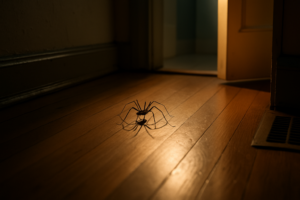
- Spiders, wasps, and gophers
- Fleas and cockroaches
What is my role in an Integrated Pest Management plan?
Your participation is a huge part of the long-term success. Think of it as a partnership. A professional will handle the technical work, but they might also recommend a few simple changes around your home that can make a massive impact.
For instance, they might suggest trimming bushes away from your house or making sure your garbage can lids are always sealed tight. These small actions support the professional treatments and help create a truly pest-proof home.
Ready to protect your home with solutions that are both effective and safe for your family? West Pest Co. specializes in eco-conscious, family-safe pest control that complies with California law. If you're in Santa Cruz County and want pest control that’s both safe and effective, we are the local expert in green, poison-free solutions.
Contact us today to schedule an eco-friendly inspection at https://westpestco.com.