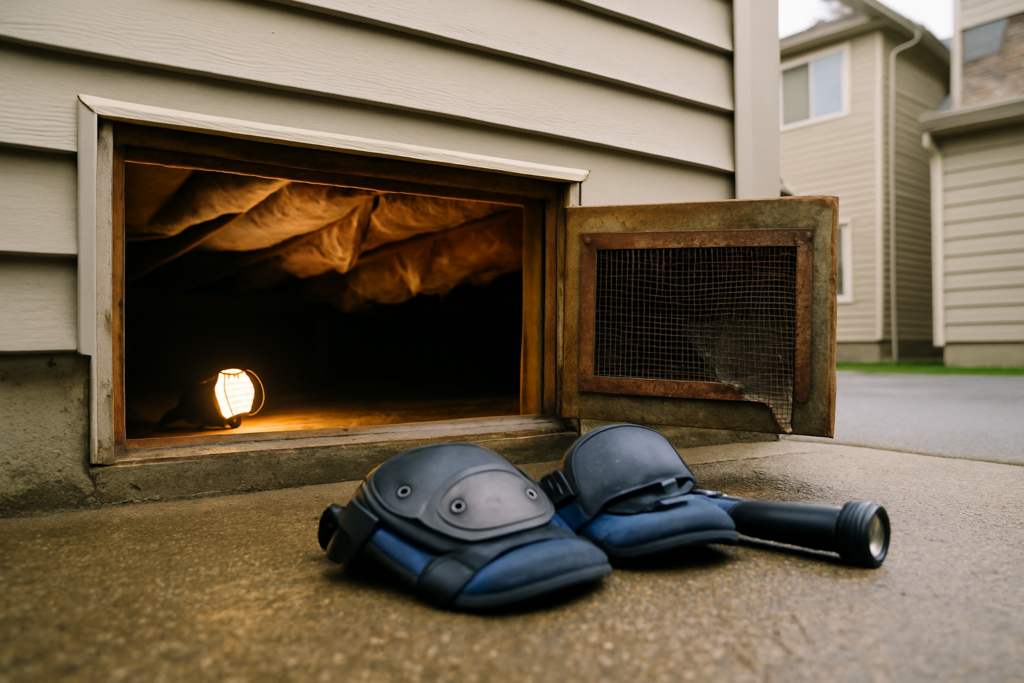
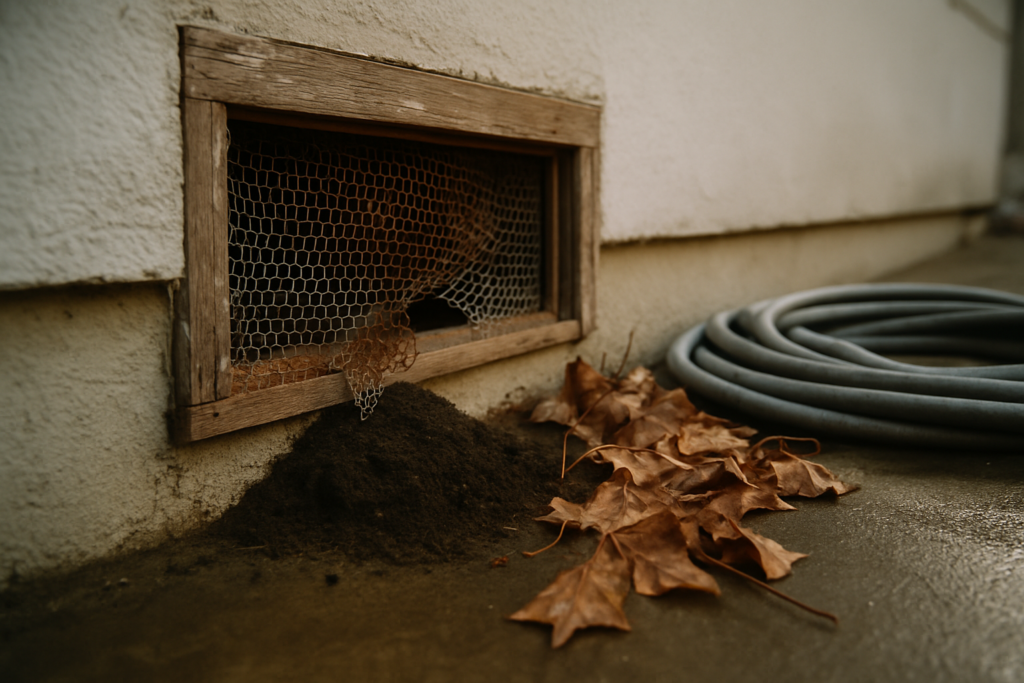
It’s a common question for homeowners in Santa Cruz County: "Am I overpaying for pest control?" The short answer is, it's possible. Many plans are based on generic contracts instead of your home's actual needs, which can lead to you paying for services you don't even use.
Decoding Your Pest Control Bill
That monthly pest control charge on your credit card can feel like a mystery. Is it for a valuable service, or just an automatic bill for… what, exactly? If you've ever felt this way, you're not alone. Many homeowners wonder if their plan is customized for local issues or if it's just an overpriced, cookie-cutter contract.

It's completely understandable. The U.S. pest control market is huge and growing, expected to reach about $28.5 billion by 2025. With over 34,000 businesses competing for your attention, it’s easy for pricing to get confusing.
This often leaves homeowners without a clear idea of what’s fair. It makes it easy to overpay without even realizing it.
Breaking Down the Costs
So, what are you actually paying for? A fair bill should match your situation. This could be a one-time wasp nest removal in Scotts Valley or an ongoing rodent plan for a coastal Aptos home. The costs need to line up with the work.
To understand this better, it helps to see how other service industries set their fees. This article on decoding service costs in property management shares a similar idea: you just want clarity on what you're getting for your money.
For pest control, a few key things affect your bill:
- The type of pest: Argentine ants need a different strategy than gophers.
- The size of the infestation: A small problem will cost less than a widespread issue.
- The size of your property: More ground to cover costs more.
- How often they visit: This is a big one. Costs can get inflated here if you're not careful.
The real question is whether your plan is a real solution or just a way for a company to hit its sales goals. A good plan solves your specific problems. A generic contract might have you paying for spider treatments all year when you only have seasonal ants.
Figuring out how often pest control should be done is a great first step. A good provider will recommend a schedule that makes sense for your property and our unique Santa Cruz environment—not just what makes them the most money.
Quick Audit Your Pest Control Plan
Use this simple checklist to check your current pest control agreement. Answering 'Yes' to any of these questions might mean it's time to look closer at your plan.
| Checklist Item | What It Means If You Answer 'Yes' | What to Do Next |
|---|---|---|
| Is your service frequency the same year-round (e.g., monthly)? | You may be paying for treatment when your target pest isn't active. Pest pressure changes with the weather. | Ask your provider to justify the frequency and suggest a seasonal or quarterly plan instead. |
| Are you paying for "preventative" treatment for pests you've never had? | This is a classic upsell. While a general spray is standard, paying extra for specific pests you don't have is a red flag. | Request a list of all pests covered and ask to remove coverage for any that aren't a realistic threat. |
| Does your contract include vague terms like "General Pest Control"? | This makes it impossible to know what you're paying for and what's considered an "extra" charge. | Ask for a detailed list of services performed, including the products used and areas treated. |
| Have your annual costs increased by more than 5% without new services? | Small price hikes are normal, but big increases without added value suggest you're being overcharged. | Call your provider and ask for a reason for the price increase. Use this as a chance to renegotiate. |
| Is it hard to get a detailed breakdown of your charges? | A lack of transparency is a major red flag. Good companies can explain every line on your bill. | State that you need an itemized invoice. If they can't provide one, it's time to find a new company. |
This quick audit is about being an informed homeowner. After using this checklist, you'll have a much clearer picture of where your money is going.
What to Look for in Your Service Agreement
A pest control contract can be your home's best defense or an expensive trap. Before you sign, it's important to understand the fine print. This is where homeowners often get locked into long-term agreements for services they don't need.
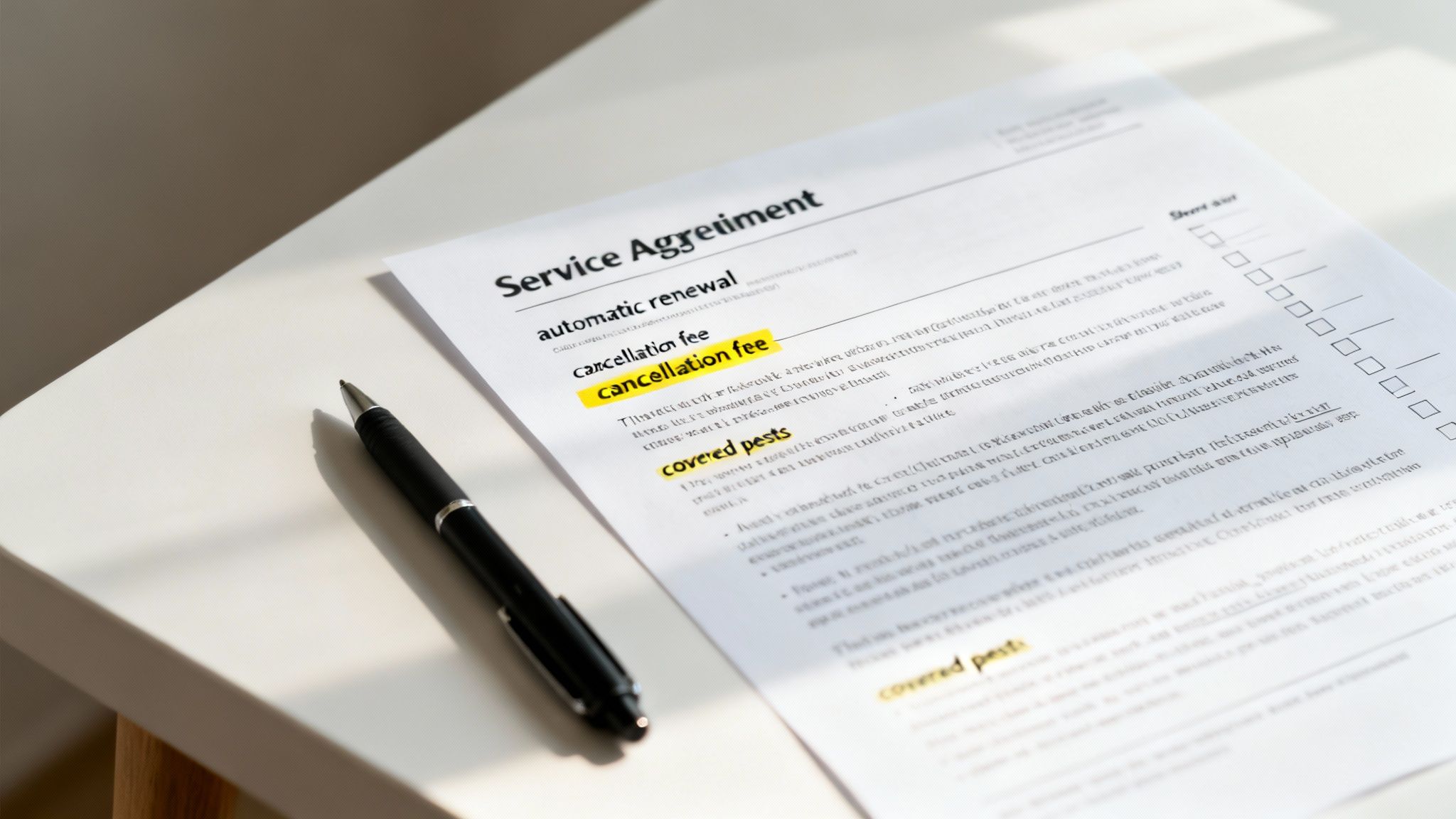
Many homeowners feel pressured to sign right away, but a good company will give you time to review the details. A contract should fit your situation, not a company’s sales goals. A real professional will start with a full inspection to understand your pest issues before suggesting a plan.
Covered Pests and Exclusions
One common way people overpay is by thinking their plan covers everything. A standard agreement might protect you from spiders and ants but leave out the gophers in your Aptos garden or rodents in your crawlspace.
Always look for a specific list of covered pests. If a pest you're worried about isn't on the list, it's not included.
Here’s what to check:
- Is there a clear list of included pests? Vague terms like “general pest control” are a red flag.
- Are common local pests covered? For us in Santa Cruz County, check for things like Argentine ants and gophers.
- What is excluded? The agreement should clearly state which pests are not covered.
Service Frequency and Flexibility
Does your home really need monthly visits, or is a quarterly service a better option? The frequency of service is a huge part of your total cost. A plan with monthly treatments for a seasonal ant problem is a clear sign you might be overpaying.
A good provider will tailor the schedule to the pest's life cycle and our local conditions. Your plan should make sense for the coastal climate. For example, a home near redwood trees might need more frequent tick prevention.
Cancellation Policies and Hidden Fees
This is where the fine print really matters. Many agreements, especially from big national chains, make it hard or expensive to end your service.
Before you sign, ask these direct questions:
- What pests are included?
- How often do you come?
- Can I cancel anytime?
- Do I have another option?
A trustworthy local company should offer flexibility. You want a partner, not a contract that holds you hostage. A great first step is scheduling a no-pressure pest inspection to get an expert opinion on what your home actually needs.
Red Flags That Signal Inflated Pricing
How can you tell if a quote is a fair price or just an inflated number? Spotting the difference is key to not overpaying. Some companies use high-pressure tactics to scare homeowners into expensive, unnecessary contracts.
Knowing these red flags will help you tell the difference between a local expert and a sales-focused national brand.
One of the biggest warning signs is getting a high-priced quote over the phone before anyone sees your property. For example, one person was quoted $750 before the technician even looked at their home. A professional inspection is needed for a fair price. Without one, a quote is just a guess.
Another red flag is constant upselling. If you have a small, seasonal ant problem in your Capitola kitchen, you probably don't need a year-long contract. A trustworthy provider will offer a one-time treatment that solves your problem without locking you in.
Why Your Residential Plan Might Seem Overpriced
It also helps to understand the market. Large national chains often focus on big commercial contracts. This can lead to inflexible and inflated plans for residential customers. The commercial pest control market is massive, valued at around USD 9.6 billion and making up 39.8% of the total market share.
This focus on commercial clients often means homeowners get stuck with generic service bundles. You can discover more insights about the pest control market to see how these trends work.
Because of this, you could be paying a premium for a generic plan. A local expert is more likely to offer flexible solutions tailored to the unique pest pressures here in Santa Cruz County.
Key Takeaway: A fair price is always based on a thorough, in-person inspection. Be careful of any company that pressures you into a long-term contract for a minor issue or gives a high price sight unseen.
The goal is to find a provider who offers real solutions, not just sales pitches. Understanding what goes into effective preventative pest control helps you find a plan that offers real value instead of just another monthly bill.
Finding Fair and Trustworthy Pest Control in Santa Cruz
Finding a local pest control provider in Santa Cruz County you can trust shouldn't feel like a gamble. Many homeowners worry about being upsold or locked into a bad contract. The good news is, you can find a fair and effective partner to protect your home. It’s about finding true value, not just the lowest price.

Your first move? Compare quotes from several local companies. Getting two or three detailed, written estimates is key. A transparent company will have no problem breaking down their pricing and itemizing the costs.
Asking the Right Questions to Find Real Value
Once you have a few quotes, it’s time to dig deeper. A company’s honesty and local knowledge are just as important as their price. A recent survey showed that 65% of homeowners find it difficult to find a provider they trust.
Before you sign anything, ask the right questions to understand their approach. You're looking for a partner, not just a service.
Here’s what I recommend asking:
- What’s your experience with local Santa Cruz pests? You need a team that understands our specific challenges, from Argentine ants to gophers.
- What is your approach to Integrated Pest Management (IPM)? IPM focuses on long-term prevention with minimal impact on the environment.
- Which pests are included in this plan, and what’s excluded? Get this in writing so there are no surprises.
- Can I cancel my service at any time, and are there any fees? Flexibility is a huge sign of a customer-focused company.
A contract should fit your situation, not a company’s sales goals. For a seasonal ant issue, you probably don’t need a year of service. But for a home with a rodent-prone crawlspace, a maintenance plan might save you money in the long run.
Choosing a provider that values transparency is the way to go. Our guide on choosing Pest Control Near Me can walk you through how to find a provider that offers value, speed, and trust instead of pressure.
Not sure if you need a contract? West Pest Co. offers no-pressure inspections and flexible service plans. We’ll explain what makes sense—and what doesn’t—so you can make the right call for your home.
When a Pest Control Contract Is Actually a Smart Investment
After learning to spot bad contracts, it's easy to think all service agreements are a bad deal. But that’s not the whole story. For certain situations, a recurring service plan is the smartest and most cost-effective way to protect your home.
A single wasp nest in your eaves doesn't need a year-long commitment. That’s a one-time job. But some pest issues are chronic and rooted in our local Santa Cruz County environment. These are problems that a single treatment can’t solve for good.
Scenarios Where a Contract Makes Sense
A well-designed maintenance plan is a partnership. It gives you predictable costs and peace of mind, especially for homes that are constantly dealing with pests.
Think about these common local situations where a contract is a smart move:
- Homes with Rodent-Prone Crawlspaces: If your property in Scotts Valley backs up to open space, rodent pressure is a constant battle. A maintenance plan ensures traps are checked and new entry points are sealed before you have a big infestation.
- Properties in the Santa Cruz Mountains: Living near the redwoods is beautiful, but it means ticks are a year-round concern. A seasonal plan creates a protective barrier around your property.
- Older Homes with Chronic Ant and Spider Issues: Charming older homes in Capitola or Aptos often have tiny entry points. This makes them magnets for recurring ant and spider problems. Regular exterior treatments can stop these pests before they get inside.
The professional pest control industry is growing, with a projected increase of USD 11.86 billion by 2029. This shows that more homeowners see the value in professional help over DIY battles. You can discover more insights about pest control service trends to see why picking the right plan is so important.
Proactive care saves you money and stress compared to expensive emergency calls. For these chronic issues, a maintenance plan is a good investment in your property's value and your family's health.
For homeowners facing these challenges, a recurring service isn't overpaying—it's smart homeownership. To learn more, you can explore the case for recurring pest plans and see how they provide long-term protection.
Your Next Steps for Fair and Effective Pest Control
Feeling confident about your pest control choices is the goal. The best way to make sure you aren't overpaying is to arm yourself with the right questions. You shouldn't have to settle for a generic contract if your home only needs a targeted solution.
Many homeowners wonder if pest control contracts are worth it—or if they’re being upsold. Recent insights show that many national providers push high-pressure contracts without properly diagnosing the issue. In fact, 65% of homeowners report it's difficult to find a provider they trust.
A contract should fit your situation, not a company’s sales goals. For example, if you have seasonal ants or a one-time wasp nest, you probably don’t need a year of service. But if you have a rodent-prone crawlspace, a maintenance plan may save money long term.
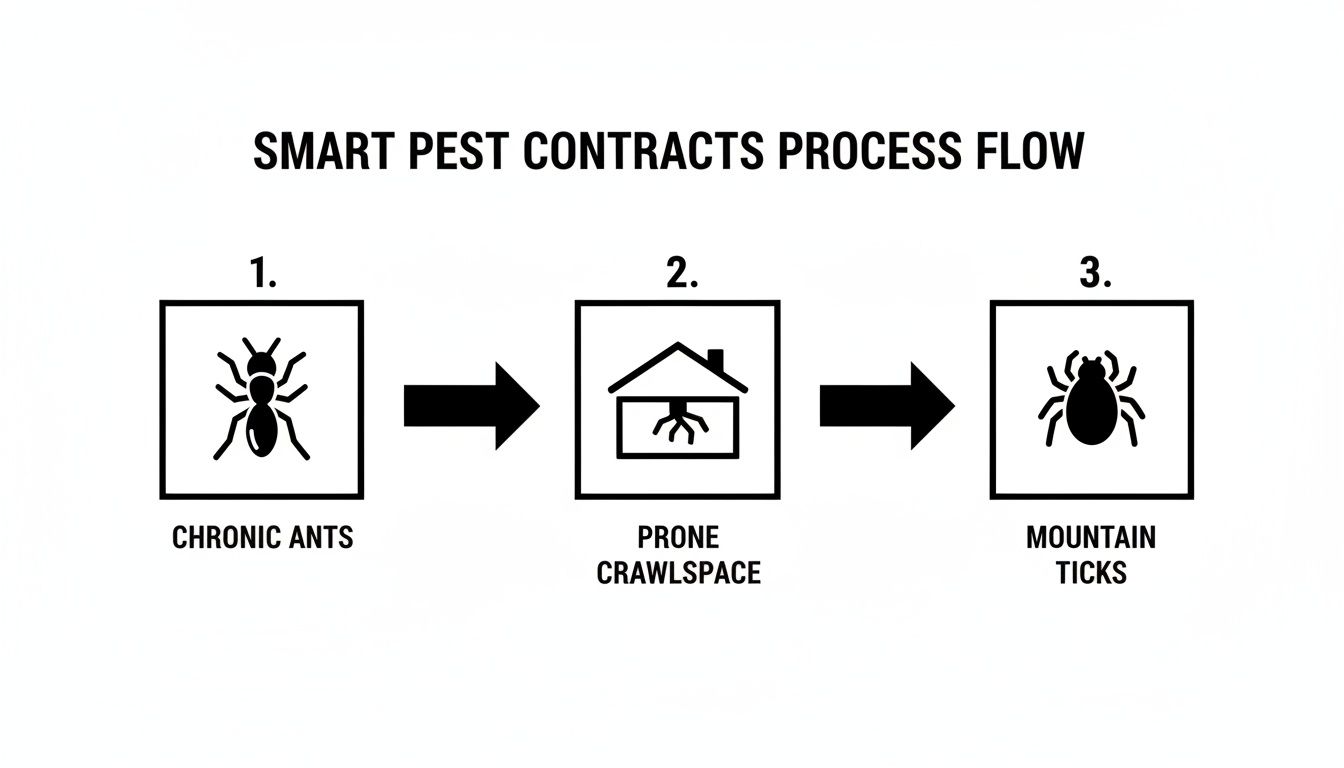
This shows how a recurring plan makes sense for chronic ant problems, homes with rodent-prone crawlspaces, or properties in tick-heavy areas.
Not sure if you need a contract or not? West Pest Co. offers no-pressure inspections and flexible service plans. We’ll explain what makes sense—and what doesn’t—so you can make the right call for your home.
Frequently Asked Questions
Homeowners across Santa Cruz County often have the same questions about pest control costs. It’s smart to get a few things straight before you sign anything. Here are clear answers to common questions.
Is a long-term pest control contract always a rip-off?
Not at all. For stubborn issues common in our area—like rodents in crawlspaces or yearly ant invasions—a maintenance plan is often more cost-effective than paying for multiple emergency calls. The key is making sure the contract fits your specific problem, not a generic template.
How can I tell if a pest control quote is fair?
A fair quote always comes after a thorough, on-site inspection. Be skeptical of any company that gives a high price over the phone without seeing your property. A trustworthy pro will walk the property with you and give you a written breakdown of the costs and treatment plan. Get two or three written estimates to compare.
Can I cancel my pest control contract if I'm not happy?
This depends on the terms you agree to, which is why reading the fine print is so important. Always ask about the cancellation policy upfront. Some companies charge large fees for ending a contract early. A reputable provider will be transparent and offer flexible plans.
What should a standard pest control service include?
A standard service agreement should not be vague. It needs to list which pests are covered, how often a technician will visit, and what treatments will be used. It should also be clear about which common pests are excluded from the plan so there are no surprises.
Do I really need a year-round contract for a seasonal pest problem?
Usually, no. If you have a predictable issue that only appears at certain times of the year, like summer ants or a single wasp nest, a one-time treatment makes more sense. A company that has your best interests at heart will offer one-time services for these kinds of problems instead of pushing an unnecessary year-long contract.
Not sure if you need a contract or not? West Pest Co. offers no-pressure inspections and flexible service plans. We’ll explain what makes sense—and what doesn’t—so you can make the right call for your home.
Contact us today to schedule your free, no-obligation inspection.