Many people search for organic or green pest control because they want to avoid harsh chemicals around kids, pets, or gardens. But they often doubt these methods will truly work.
According to industry data, 92% of homeowners look for sustainable pest solutions, but many are misled by DIY tricks that lack scientific proof. Common missteps include leaning on peppermint sprays or ultrasonic devices, which often fail in real infestations.
Instead of one-off fixes, a better path is Integrated Pest Management (IPM). IPM blends prevention, habitat changes, and safe botanical treatments for proven results. At West Pest Co., we offer eco-friendly solutions — from botanical options to physical exclusion — tailored to Santa Cruz County’s unique challenges.
Yes, organic pest control can be highly effective when you take a thoughtful, layered approach. Methods like botanical sprays, mesh barriers, and beneficial insects deliver targeted results — and leave no harsh residues behind. What follows is a concise look at where these tactics excel and when they might need backup in Santa Cruz County.
When Organic Pest Control Methods Actually Work Best
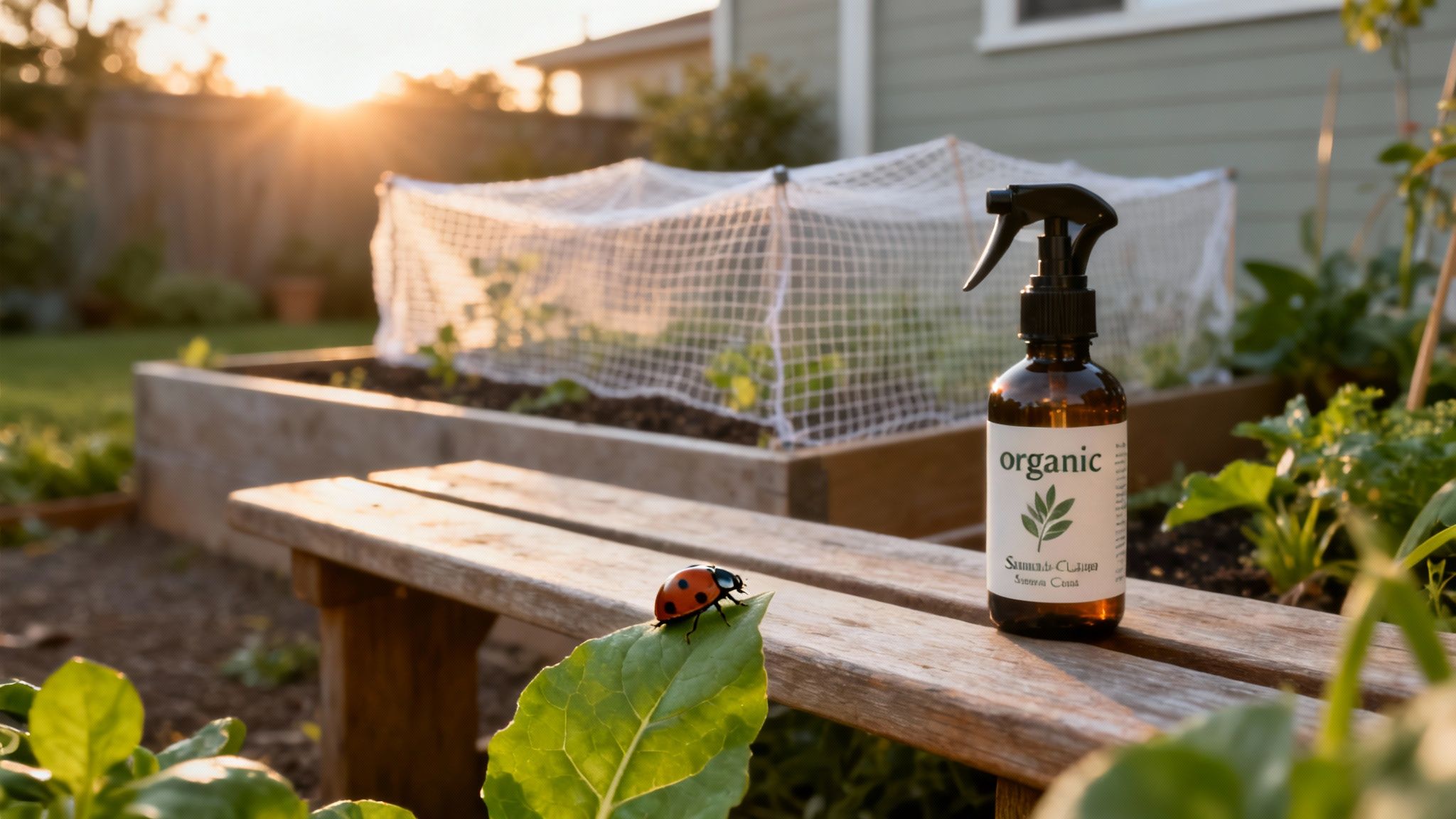
Organic tools work best in small infestations on healthy plants.
- Botanical sprays knock back aphids, mites, and other soft-bodied pests before they multiply.
- Physical barriers like row covers or fine mesh keep insects and rodents out without harming birds or bees.
- Beneficial insects, such as ladybugs and predatory nematodes, provide a living defense against small outbreaks.
Below is a quick side-by-side to help you choose the right tool for the job.
When Organic Methods Perform Best Versus Key Limitations
| Method | Ideal Scenario | Limitations |
|---|---|---|
| Botanical Sprays | Light infestations on leafy plants | Wash off in rain; frequent reapplication |
| Physical Barriers | Preventive protection in gardens and yards | Installation effort; may reduce airflow |
| Beneficial Insects | Enclosed or small-scale infestations | Slow to establish; can disperse in open areas |
This chart shows when you can go it alone — and when to consider a pro.
Key Scenarios In Santa Cruz County
In our area, spring often brings Argentine ants into kitchens and patios. Installing fine mesh at entry points helps keep them out.
- Inspect foundation cracks and door seams monthly.
- Layer botanical sprays with barriers for a multi-tier defense.
- Introduce predators only in greenhouses or screened areas to keep them contained.
Enclosed patios and hoop houses can see pest visits drop by 30% when predators get established. Gardens that get regular watering and pruning also respond best to botanical treatments.
When your organic toolbox runs up against a big infestation or hard-to-reach nest, the experts at West Pest Co. can step in with eco-friendly, IPM-driven solutions tailored to Santa Cruz County’s unique challenges.
Understanding Organic Pest Control Methods
Think of your garden as a kitchen. Each part matters. Organic pest control uses plant-based repellents, helpful insects, and smart habitat tweaks to keep pests away.
These methods go back centuries. Farmers watched birds eat grasshoppers and noted which plants kept aphids away. Today, researchers and home gardeners have refined that wisdom for backyard veggie patches and local farms.
Evolution Of Organic Pest Control Methods
Long before chemical companies existed, farmers in Asia and the Mediterranean used neem oil and sulfur dust to fend off beetles. European gardeners tried companion planting—marigolds beside tomatoes—and fine mesh over seedlings for silent protection.
By the 20th century, scientists bred predatory mites and beneficial nematodes, proving you can fight pests with their natural enemies. That shift moved us from broad sprays to targeted, eco-sensitive solutions.
- Plant-Based Repellents like pyrethrin extracts keep leaf-eaters from munching on your greens.
- Living Allies such as ladybugs and lacewings patrol plants, eating aphids and scale.
- Physical Barriers like row covers or netting block pests at the gate — no chemicals needed.
Market Growth And Adoption Trends
Interest in organic pest control has surged. In the early 2020s, the global natural-enemy biocontrol market topped USD 4.96 billion, growing at a 6.7% annual rate from 2020 to 2023. It’s clear: farmers and gardeners trust these green tools enough to drive billion-dollar growth. Read the full market report.
Sustainable pest control isn’t a passing fad — it’s a move toward safer, ecosystem-friendly strategies.
Why These Methods Matter Locally
Santa Cruz County’s coastal fog, redwood shade, and sunny clearings create a playground for pests — and for their predators. High humidity under the canopy can weaken botanical sprays, but it helps nematodes hunt soil pests.
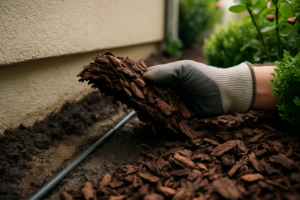
Gardeners in Aptos and Scotts Valley report cutting soil-borne pests by 40% after adding nematodes to mulch beds. That drop means fewer chemicals in our creeks and more pollinators in your garden.
Check out our guide on 7 proven methods for natural pest control for home to explore strategies you can layer across your property.
Key Ingredients Of Organic Pest Control
- Botanical Sprays and Oils: Neem, rosemary, and mint extracts disrupt pest growth and feeding.
- Predatory Insects and Microbes: Ladybugs, lacewings, nematodes, and Bacillus thuringiensis join your team as living defenders.
- Habitat Management: Mulching, crop rotation, and clearing debris starve out breeding sites.
Blending these parts creates a self-regulating system that shields your garden, supports wildlife, and keeps your family safe.
Comparing Organic And Conventional Impact
Organic tactics leave almost no residue and pose minimal risk to your family and pets. Conventional chemicals often linger in soil and waterways, affecting fish, bees, and other non-target organisms.
| Factor | Organic Method | Conventional Chemicals |
|---|---|---|
| Residue | Low and biodegradable | Persistent |
| Non-Target Effects | Safe for pollinators | Can harm bees and fish |
| Soil Health | Often beneficial | May degrade structure and microbiome |
| Application Frequency | Regular, light treatments | Less frequent but heavier doses |
For Santa Cruz gardeners growing edibles, those differences matter. Green methods keep your harvest safe and nourish the local web of life.
Local organic farms in Watsonville and Felton note healthier soils and steady yields when they use these natural tools. Over time, they need fewer synthetic inputs — and their crops taste the difference.
- Sustained yields support both farmers and backyard growers.
- Wildlife-friendly approaches maintain biodiversity.
- Enjoy effective, long-term pest control without sacrificing safety.
Evaluating Common Organic Pest Control Options
Sorting myth from reality in DIY organic pest control can feel like chasing your own tail. Peppermint sprays and ultrasonic gadgets often promise a lot — and deliver little. On the other hand, nematodes and pheromone traps often show real results.
Below is a quick look at how popular approaches compare in effectiveness, cost, and application frequency.
Comparison Of Organic Pest Control Options
| Method | Effectiveness | Cost | Application Frequency |
|---|---|---|---|
| Peppermint Spray | Low for large infestations | Low | Weekly |
| Ultrasonic Device | Very low; mixed real-world results | Moderate | Continuous |
| Beneficial Nematodes | Moderate in soil | Moderate-High | Monthly |
| Pheromone Traps | High for targeted insects | Moderate | Biweekly |
| Diatomaceous Earth | Moderate on hard-shelled pests | Low | After rain |
“Biological and cultural methods can cut pest pressure in protected systems, but open fields vary due to ecology and supply,”
Read the full meta-analysis here
Expert Insights On Effectiveness
Local agronomists say early sprays can cut caterpillar numbers by 50% when timed right. By contrast, ultrasonic devices may startle rodents in garages but fail in open areas.
Real World Gadget Performance
Ultrasonic repellents emit high-frequency waves to drive pests away. Studies show:
- Sound intensity drops quickly, creating dead zones.
- Many pests learn to ignore the noise.
- Devices need constant power and can irritate pets.
Application Costs And Effort
Budget and time often decide your choice:
- Peppermint Spray: Under $10 per bottle, but washes off in rain.
- Ultrasonic Device: $30–$60, with mixed results.
- Beneficial Nematodes: Around $50 per pack; take weeks to work.
- Pheromone Traps: $15 each; last 2–3 weeks.
- Diatomaceous Earth: $10 per pound; reapply after moisture.
Mix low-cost barriers with proven biocontrol agents for best results. For step-by-step strategies, see our guide on organic pest control for vegetable gardens.
When To Reach For Each Tool
Choose the right method by infestation size, habitat, and crop type. For example:
- Light soil pests in mulch beds: use nematodes monthly.
- Moth outbreaks in a greenhouse: set pheromone lures biweekly.
- Surface bugs on leaves: dust diatomaceous earth after rain.
- Early aphid clusters: spray botanical oils weekly.
Combining tactics reduces reliance on one tool and boosts success.
Practical Tips For Santa Cruz Gardens
Coastal fog can wash away oil sprays quickly. Yet sheltered patios and courtyards are perfect for biocontrol agents. In Aptos, gardeners saw a 40% drop in fungus gnat larvae after two nematode treatments.
Tip: Test sprays on a small leaf patch to avoid sunburn.
Integrating Organic Tactics
Organic pest control isn’t “set and forget.” A flexible, observant approach works best:
- Monitoring: Check sticky cards or do a visual sweep every 7–10 days.
- Rotation: Switch treatments to prevent pests from adapting.
- Habitat Tweaks: Clear fallen leaves and debris to limit breeding sites.
By weaving these practices into chores, you’ll use fewer chemicals and build healthier soils.
Recognizing Limitations Of Organic Methods
Organic pest control is like a gentle shield. It protects without a chemical footprint. But it can falter if pests reproduce faster than predators can catch them.
- Rapid Reproduction: Pests can double in 48 hours, outpacing natural enemies.
- Coastal Humidity: Washes away or dilutes botanical sprays.
- Single-Tactic Reliance: Oils or traps alone leave gaps in your defense.
In one Scotts Valley yard, an aphid colony grew from a few dozen to thousands in two days. Homeowners had to call in experts before things got worse.
Environmental Constraints
Santa Cruz County’s damp sea breeze can thin neem and rosemary sprays. As a result, you may need frequent reapplication.
A global survey and modeling found that sustainable pest management boosts biodiversity and health, but gains vary by local practices. Without ongoing monitoring and training, benefits stay uneven.
“Organic methods thrive when paired with proper monitoring and habitat tweaks,” says Matthew West, owner of West Pest Co.
| Challenge | Impact |
|---|---|
| Rapid Reproduction | Outpaces natural predators |
| Coastal Humidity | Reduces spray effectiveness |
| Single-Tactic Reliance | Creates weak spots in defense |
When To Combine Methods
Relying on one tactic is like locking the front door but leaving the back gate open. Layer barriers, botanical oils, and beneficial insects to seal your strategy.
For stubborn infestations, bring in professional monitoring and habitat adjustments. This mirrors the steps of Integrated Pest Management.
See our guide on whether foggers work on bedbugs to learn why foggers alone often fall short.
Implementing Integrated Pest Management Effectively
Integrated Pest Management (IPM) is a proven recipe. It weaves organic methods in steps for a strong defense in Santa Cruz County.
Rather than spraying at the first sign of ants, IPM tells you to monitor, prevent, and treat only when numbers cross a useful threshold. This blend keeps pests under control and safe.
Studies and local experience show that when each IPM phase is done right, green tactics perform well — even in our coastal humidity.
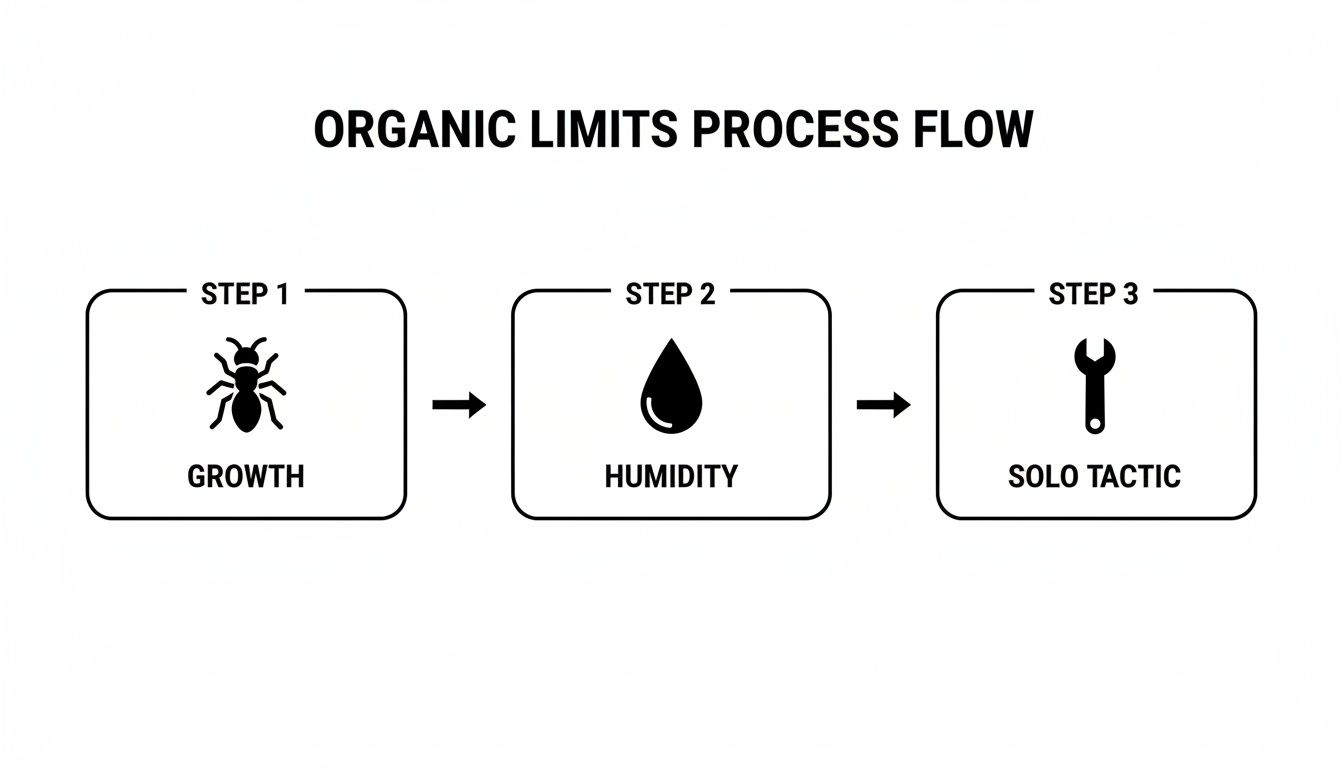
That visual makes it clear: solo tactics can buckle under humidity and fast pest growth. A multi-step IPM plan gives organic methods the support they need.
Identify And Monitor
First, know your enemy. Identify the pest and count numbers to see if action is needed.
Use sticky traps and weekly visual walks to track ant trails or gopher tunnels. Record your findings to spot trends early.
“In Aptos, placing traps along garden paths and logging humidity helped cut ant lines by 85% in 14 days.”
- Place sticky cards near entry points.
- Inspect cracks around doors and windows.
- Note humidity spikes that could wash away treatments.
Set Thresholds And Prevent
Once you know pest levels, set action thresholds. Only intervene when numbers exceed your limit. This saves time and cuts down sprays.
In Santa Cruz County, seeing 5–10 pests on a trap usually means it’s time to act. That threshold protects good insects and avoids unneeded sprays.
- Seal foundation cracks with silicone caulk.
- Install door sweeps on all exterior entries.
- Use row covers in vegetable beds to block pests.
Apply Targeted Organic Treatments
When pests cross your threshold, use precise organic treatments:
- Botanical oils for soft-bodied insects
- Beneficial nematodes for soil larvae
- Diatomaceous earth as a dry barrier
Timing is key. In dry afternoons, rosemary oil sticks better. Cool mornings help neem spray stay in place.
Evaluate And Adapt
After treatment, return to monitoring. Compare new counts with your threshold. If pests rebound, tweak your tactics.
Keep a journal of dates, weather, and outcomes. These notes help you improve your IPM cycle and fix past mistakes.
Monthly Review Tips:
- Check nearby areas for fresh pest activity.
- Rotate treatments to stop pests from adapting.
- Adjust application rates based on past results.
“IPM succeeds when each phase informs the next, creating a dynamic defense,” says Matthew West of West Pest Co.
Below is a quick reference chart of IPM steps and top organic tools:
IPM Steps And Organic Tools
| IPM Step | Organic Tools |
|---|---|
| Identification And Monitoring | Sticky traps, visual inspections |
| Threshold Setting And Prevention | Mesh barriers, door sweeps, silicone caulking |
| Targeted Treatment | Botanical sprays, nematodes, diatomaceous earth |
| Evaluation And Adaptation | Treatment logs, weather tracking, strategy updates |
Use this chart to build a toolkit that cuts chemicals and boosts long-term success with IPM.
Learn more in our article on what is integrated pest management a smart eco-friendly solution.
Ready to put IPM to work in your Santa Cruz home? West Pest Co. can guide you through each phase with eco-friendly treatments and professional monitoring. Contact us today to schedule a free estimate and see how science-backed organic pest control can protect your property and the local ecosystem.
Eco Friendly Services From West Pest Co
West Pest Co believes eco-friendly shouldn’t mean half-measures. Our Santa Cruz County team crafts low-toxicity plans that protect your family, pets, and garden.
When you wonder if organic pest control really works, we walk you through each step and show results. From backyard insects to orchard gophers, our methods balance safety with real-world performance.
- Botanical Sprays harness plant oils to knock back aphids, mites, and other soft-bodied invaders.
- Beneficial Insects like ladybugs and nematodes join your garden as living defenders.
- Mechanical Barriers such as fine mesh and buried gopher fencing block pests without harming wildlife.
Key Eco Friendly Treatments
We mix botanical pesticides, live biocontrol releases, and subtle barriers in every plan. This layered approach clears pests but leaves pollinators and soil microbes untouched.
- Neem Oil Sprays that interrupt insect development without residue
- Citrus & Garlic Extracts that keep ants, fleas, and surface foragers at bay
- Diatomaceous Earth dust that dehydrates hard-bodied pests on contact
Physical Exclusion Techniques
Before pests settle, we build a barrier around your home and garden. Our technicians seal every tiny gap — doors, windows, foundation cracks — tight.
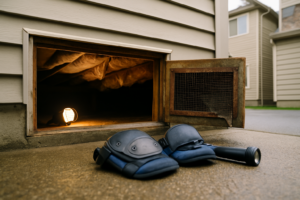
- Fine Mesh Screens over vents, soffits, and crawlspaces
- Door & Window Sweeps that block ant trails and small rodents
- Gopher Fencing buried around planting beds to deter burrowing damage
Customized IPM Framework
Owner Matthew West creates an Integrated Pest Management plan just for you. We focus on prevention, monitoring, and spot treatments to cut chemicals and boost impact.
- Identification via traps, visual surveys, and moisture checks
- Prevention with exclusion barriers, habitat cleanup, and homeowner education
- Targeted interventions like botanical sprays and mechanical traps
- Evaluation through follow-up visits and treatment logs
“Our IPM system is like a neighborhood watch for your home,” says Matthew West.
Real Service Story
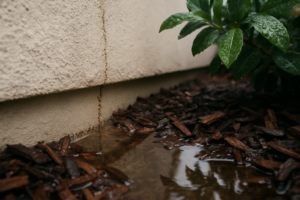
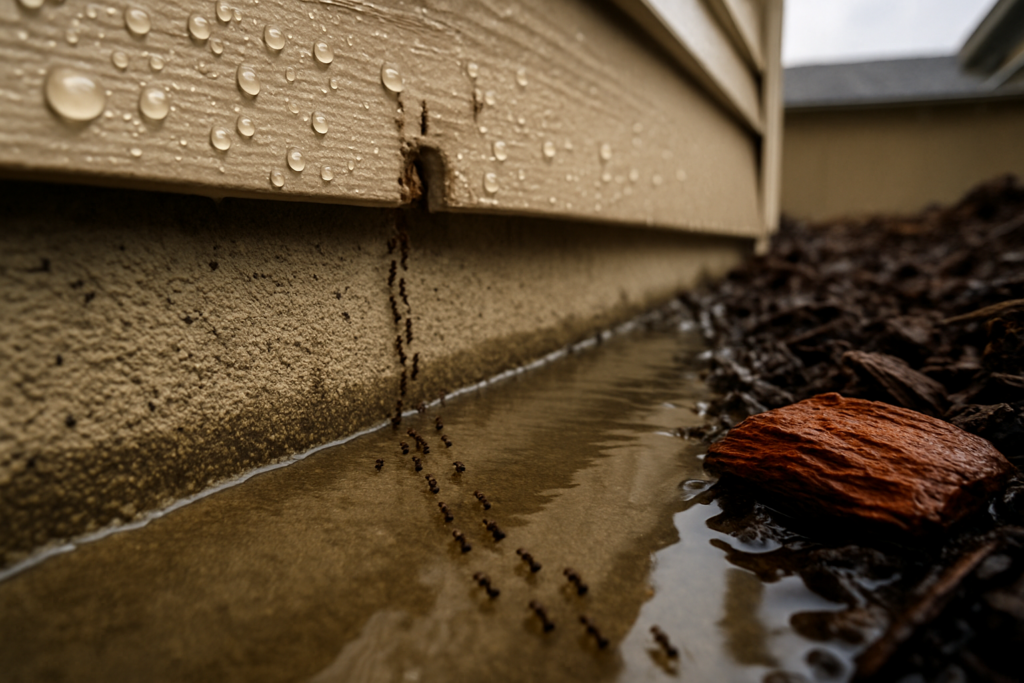
A Capitola homeowner saw tiny Argentine ants in their kitchen. They followed irrigation lines and pooled near damp mulch after winter rains.
Our team tracked their trails, applied a rosemary-oil spray, and sealed about two dozen cracks around the kitchen. Within days, the ant highways vanished.
- Before: Over 1,000 ants spotted daily indoors
- Actions: Botanical spray, moisture fix, barrier sealing
- Outcome: 90% drop in indoor ant activity within two weeks
Local Gopher Control Example
In Watsonville, a young orchard struggled with gopher tunnels. Our team dug trenches, installed gopher fencing, and set low-toxicity traps.
By week four, fresh soil mounds were gone and the trees were healthier.
- Challenge: Tunnels and root damage near new trees
- Action: Trenching, fencing, and trapping
- Result: 100% reduction in fresh mounds within four weeks
Inspection Protocols And Guarantees
Every service starts with a full inspection and risk check. Technicians look for pest paths, moisture sources, and habitat spots.
You get a clear report with:
- Photos of entry points and risk areas
- A written summary of treatment steps and habitat changes
- A follow-up visit within 30 days to confirm control
- A service guarantee with free return visits if needed
Community Trust And Follow Up
We back our work with proactive check-ins and local know-how. From Scotts Valley to Aptos, residents rely on our monitoring and tweaks.
Ongoing logs let you track pest trends. Learn more in our Eco-Friendly Guide.
Why Eco Friendly Services Pay Off
Green treatments often mean fewer callbacks and healthier soils. Over time, customers see a 30% reduction in pest visits compared to one-off spray plans.
- Less plant stress and stronger garden yields
- Minimal risk of chemicals reaching waterways
- Peace of mind knowing you support local wildlife
Streamlined Scheduling And Support
West Pest Co makes pest control easy. We offer flexible appointments, send reminders, and deliver digital reports. Live phone support is there if you need help.
- Online booking for one-time or recurring services
- Text and email alerts for upcoming visits
We serve Aptos, Capitola, Soquel, and beyond. Contact West Pest Co today to schedule your free estimate and see why eco-friendly pest control truly works.
Frequently Asked Questions
Wrapping up, here are answers to common questions about organic pest control in Santa Cruz homes.
Do I Need To Reapply Treatments After Rain?
Coastal storms and heavy irrigation can wash away sprays and dusts. After rain, recoat botanical oils or dust diatomaceous earth once the ground dries. This small step stops pests from returning fast.
Are Essential Oils Enough Or Should I Hire Experts?
Essential oils like peppermint or clove can send ants and mites packing but their punch fades in days. You might need weekly reapplication. By contrast, pros use:
- Botanical sprays that need reapplication after rain or irrigation
- Mesh covers and barriers that last until removed
- Beneficial insects that establish over 7–14 days
Our blends are lab-tested and backed by ongoing monitoring. We also fine-tune treatments to your home’s moisture and pest spots.
Are Beneficial Insects Safe Around Kids And Pets?
Absolutely. Ladybugs or nematodes target only specific pests and fade away when their food runs out. You can let these tiny allies loose in supervised areas.
“Beneficial insects pose minimal risk to non-target animals or humans,” says Matthew West.
When Should I Consider Non Organic Backup?
If pests grow faster than natural controls can handle, it’s time for low-toxicity backup. These targeted treatments help when pest numbers cross your action threshold. Always call a pro — they’ll avoid overuse and protect wildlife.
How Long Before I See Results?
Patience pays off. Diatomaceous earth works on contact, so you’ll see activity drop almost immediately. Predator releases and microbial sprays take 1–3 weeks to settle in. Regular check-ins keep you on track and help tweak your plan.
Enjoy peace of mind with every eco-friendly choice.
Contact West Pest Co. for expert guidance and eco-friendly solutions.