In Santa Cruz County, our pets are family. From sunny beach days in Capitola to hikes in the Aptos hills, our four-legged friends are part of our active, outdoor lifestyle. But this beautiful coastal environment also brings unwanted pests like fleas, ticks, and ants.
As a pet owner, you face a tough choice. How do you get rid of pests without exposing your beloved animals to harsh chemicals? The good news is, you don't have to choose between an effective solution and your pet's safety.
Many Santa Cruz residents are discovering the power of natural, eco-friendly pest control. This guide will walk you through proven, pet-safe methods that work with our local climate. We'll explore why these solutions are not only safer for your pets but also better for our shared environment.
1. Diatomaceous Earth (Food-Grade)
One of the most effective and affordable natural methods is food-grade diatomaceous earth (DE). This fine, white powder is not a chemical poison. It’s made from the fossilized remains of tiny aquatic organisms called diatoms.
When crawling insects like fleas, ticks, or ants touch DE, the powder scratches their waxy outer layer. This causes them to dehydrate and die without using synthetic toxins. Because it works physically, insects cannot build a resistance to it.
How to Use DE for Pet Protection
For Santa Cruz pet owners, DE is an excellent tool for controlling pests indoors and outdoors.
- In Your Yard: Lightly dust DE over dry grass, patios, and garden soil where fleas and ticks may hide. This creates a barrier that targets pests before they can get on your pet. Reapply after it rains.
- Inside Your Home: Sprinkle a thin layer on pet bedding, carpets, and along baseboards. Let it sit for several hours before vacuuming it up thoroughly. This helps eliminate fleas and their larvae.
- Preventative Care: Understanding pest life cycles is key to prevention. You can find a detailed explanation and learn more about the flea life cycle and how long they live here.
Important Safety Note: Always use food-grade diatomaceous earth, not pool-grade. While food-grade DE is non-toxic, it's best to wear a mask during application to avoid breathing in the dust.
2. Essential Oil-Based Repellents
Harnessing the power of plants is another great strategy for protecting pets naturally. Essential oils from plants like lavender, cedarwood, and peppermint have strong scents that many pests dislike. These oils act as natural repellents, creating a barrier that discourages insects.
When properly diluted, certain essential oils can be a safe and effective part of your pest prevention plan. This method is popular among environmentally conscious Santa Cruz residents who prefer plant-based solutions.
How to Use Essential Oils for Pet Protection
Using essential oil-based sprays can help make your home less attractive to pests. Here’s how to apply them safely:
- On Pet Bedding: Create a diluted spray using a pet-safe oil like lavender or cedarwood. Lightly mist your pet's bed, blankets, and crate to repel fleas.
- Around the Home: Spray diluted peppermint or cedarwood oil along baseboards, window sills, and entryways to deter pests like ants and spiders. Find a guide to making a natural spider repellent for your home here.
- In Outdoor Spaces: Apply a cedar oil-based spray to dog houses or covered patio areas. Reapply weekly or after it rains for the best results.
Important Safety Note: Never apply undiluted essential oils directly to your pet's skin or fur. Always dilute them. Avoid using oils like tea tree, eucalyptus, and citrus around cats, as they can be toxic. Always consult your veterinarian before using essential oils.
3. Neem Oil
Derived from the seeds of the neem tree, neem oil is a powerful botanical pesticide. Instead of acting as a harsh chemical poison, it works by disrupting the life cycle of insects. It makes it difficult for them to grow and reproduce.
This makes neem oil an excellent tool for managing populations of fleas, ticks, mites, and aphids. It acts as both a repellent and a growth inhibitor. When used correctly, it is a safe part of an integrated pest management plan.
How to Use Neem Oil for Pet Protection
For Santa Cruz residents, neem oil offers a sustainable solution for yards and outdoor pet areas. It breaks down easily and doesn't leave behind harmful residues.
- In Your Yard and Garden: Mix pure, cold-pressed neem oil with water and a small amount of mild soap. Spray this solution on lawns and garden beds where pests hide. For more details, see The Green Gardener's Guide to Sustainable Pest Solutions.
- On Outdoor Pet Structures: Apply the diluted spray to dog houses or outdoor cat enclosures. This helps create a repellent barrier against fleas and ticks.
- Perimeter Protection: Regularly spray the perimeter of your home and patio areas. Reapply every 7 to 14 days, or more often after heavy rain.
Important Safety Note: Always purchase 100% pure, cold-pressed neem oil. Dilute it according to the manufacturer’s instructions. Never apply neem oil directly to your pet’s skin without guidance from your veterinarian.
4. Beneficial Insects and Predatory Species
One of the most sustainable strategies is to use nature itself. Introducing beneficial insects creates a self-regulating ecosystem in your yard. This approach uses natural predators to manage pest populations without chemicals.
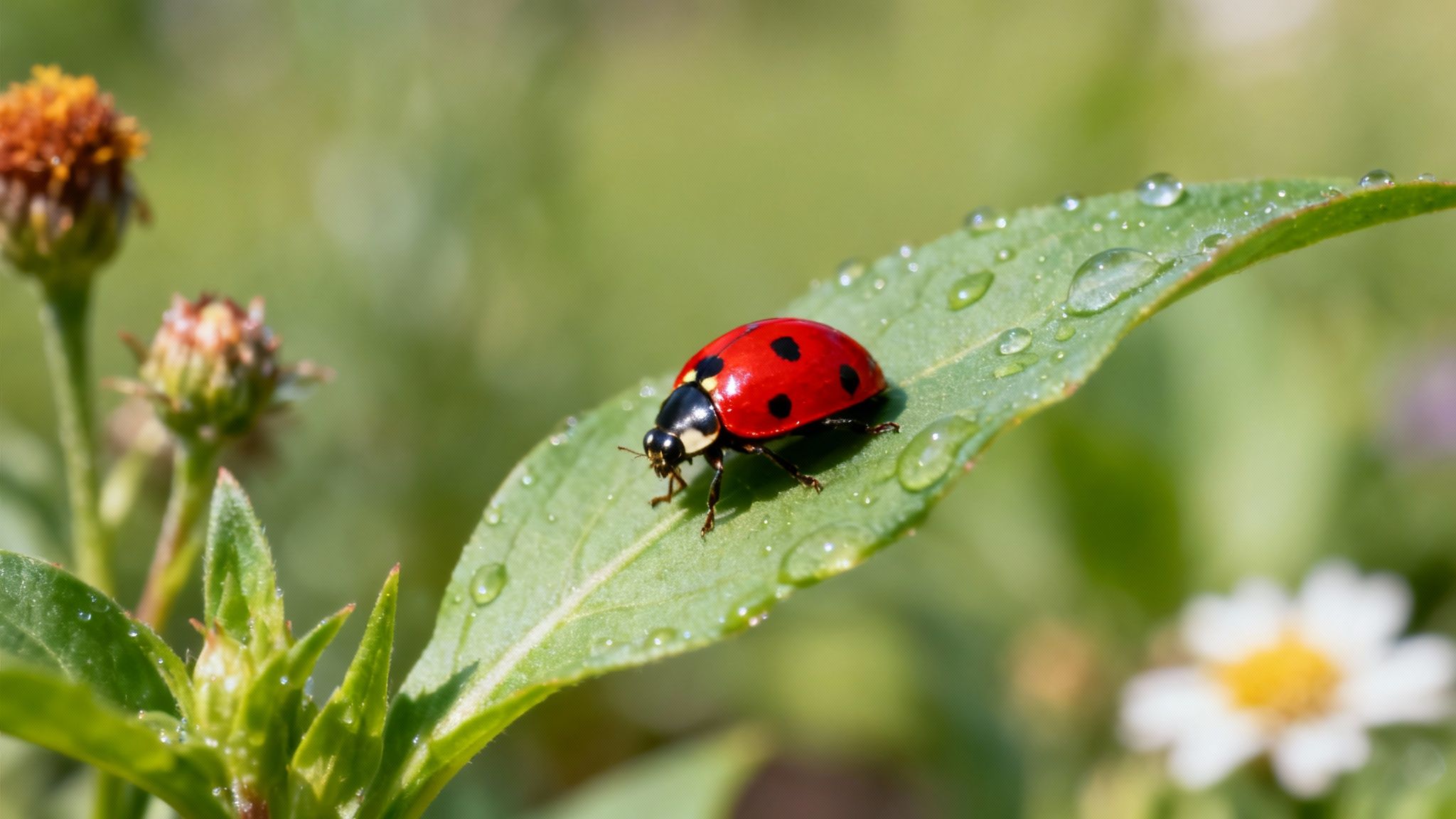
These "good bugs" act as your personal pest control team. Ladybugs feast on aphids, while microscopic beneficial nematodes attack flea larvae in the soil. This biological control is a core principle of Integrated Pest Management (IPM).
How to Use Beneficial Insects for Pet Protection
For Santa Cruz homeowners with yards, this method provides an eco-friendly barrier against common pet pests like fleas.
- Introduce Flea Predators: Apply beneficial nematodes to your lawn and garden soil in the spring and fall. These organisms hunt down and destroy flea larvae, disrupting their life cycle.
- Encourage Ladybugs: Release ladybugs in your garden. They help create a healthier ecosystem that is less hospitable to nuisance pests.
- Create a Welcoming Habitat: To keep your beneficial insects around, plant native flowers and provide a small water source. Avoid using broad-spectrum pesticides.
Important Safety Note: Always purchase beneficial insects from a reputable supplier. Release them according to the supplier’s instructions, typically in the early morning or evening.
5. Salt-Based and Powder Treatments
Another powerful option for protecting pets naturally is using simple salt or baking soda. These common household items draw moisture out of their environment. This dehydrating action is lethal to pests like fleas and their larvae.
When fleas come into contact with these fine crystals, the salt or baking soda absorbs their bodily fluids. This causes rapid dehydration and death. Because this method is mechanical, it offers a safe, non-toxic way to treat indoor areas.
How to Use Salt and Powders for Pet Protection
For Santa Cruz homeowners, these treatments are a cost-effective way to manage flea populations inside the home.
- On Carpets and Rugs: Sprinkle finely ground salt or baking soda evenly over your carpets. Use a brush to work the powder deep into the carpet fibers.
- On Pet Bedding: Lightly dust your pet’s bedding and surrounding areas. This helps kill any fleas that may have fallen off your pet.
- Application and Removal: Let the powder sit for at least 12 to 48 hours. Afterward, vacuum the area thoroughly. Empty the vacuum bag or canister outside immediately.
Important Safety Note: Prevent your pets from eating large quantities of salt. Keep pets out of the treated room until after you have vacuumed. Repeat this process every few weeks during an active infestation.
6. Regular Grooming and Manual Removal
One of the most basic methods for protecting pets is consistent grooming. This hands-on approach involves regular brushing, combing, and bathing to physically remove fleas and ticks. It is a proactive, non-toxic strategy that allows you to catch infestations early.
For Santa Cruz pet owners who frequent local trails and parks, manual removal is a key first line of defense. Making grooming a routine part of your pet care directly reduces the number of pests on their coat.
How to Use Grooming for Pet Protection
Integrating grooming into your weekly routine can significantly lower pest risks. Learning how to groom your dog at home can help your pest control efforts.
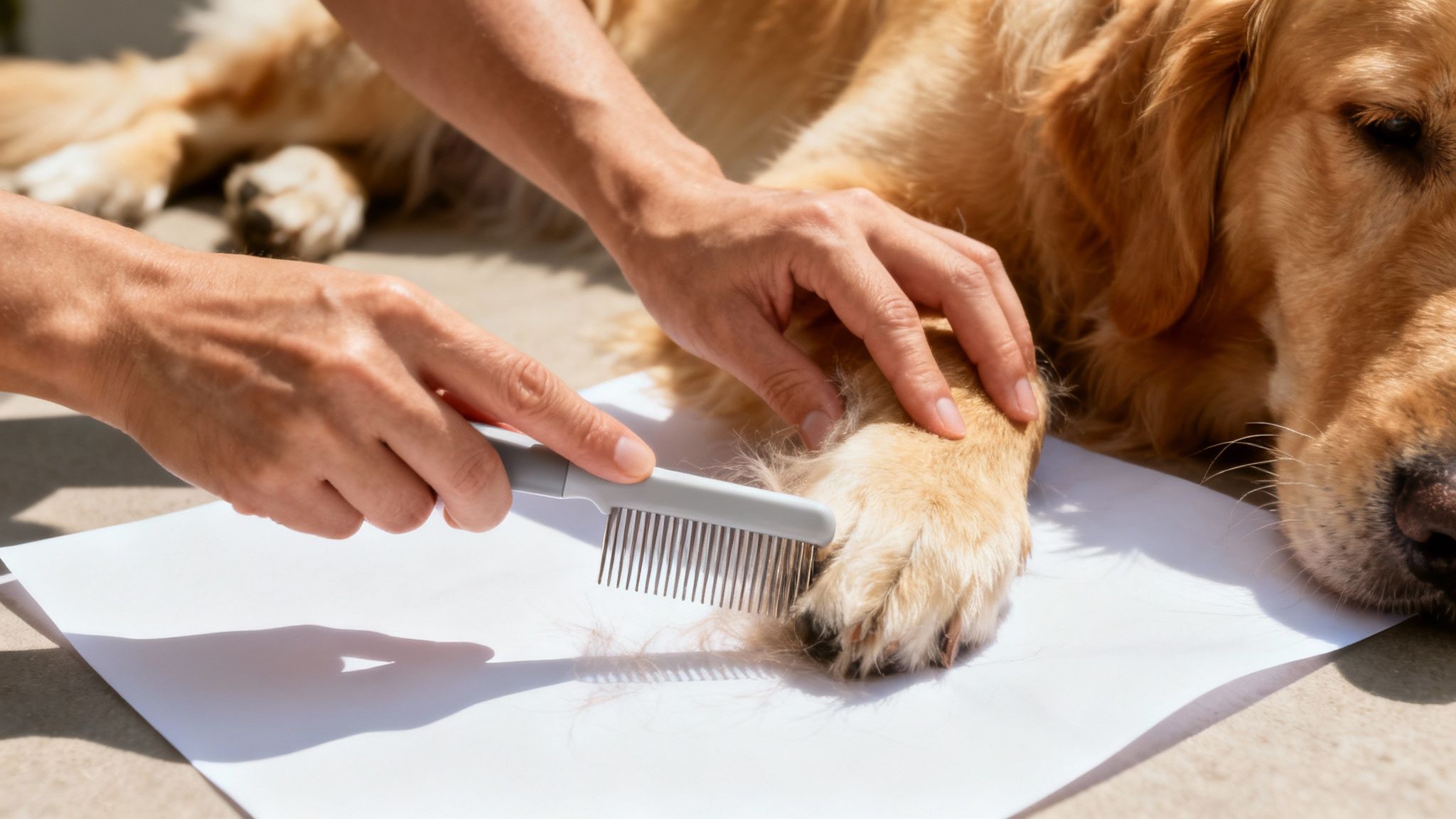
- During Pest Season: Use a fine-toothed flea comb on your pet a few times a week. Comb your pet over a white towel to easily spot any fleas or "flea dirt."
- Post-Adventure Checks: After any outdoor activity, perform a thorough tick check. Pay close attention to areas where ticks hide, such as between the toes, inside the ears, and around the neck.
- Effective Removal: If you find a tick, use tweezers to grasp it as close to the skin as possible. Pull upward with steady pressure. Dip a flea comb in a bowl of soapy water to drown any fleas.
Important Safety Note: Be gentle during grooming to avoid irritating your pet’s skin. If you find a tick that is deeply embedded or see signs of infection, contact your veterinarian.
7. Natural Herbal Flea and Tick Collars
For continuous protection, natural herbal flea and tick collars offer a chemical-free alternative. These collars are infused with essential oils of repellent plants like cedarwood or lavender. They work by slowly releasing these scents, creating a barrier around your pet.
This method provides ongoing protection without daily sprays. The natural oils are generally safe for pets and do not rely on harsh neurotoxins. For Santa Cruz pet owners, these collars can be a key part of protecting pets naturally.
How to Use Herbal Collars for Pet Protection
Integrating an herbal collar into your pet’s routine is simple. Follow these best practices to ensure it's effective and comfortable.
- Choose High-Quality Collars: Look for products that use certified natural essential oils.
- Monitor for Sensitivity: When first putting the collar on, check the skin underneath for any signs of redness or irritation.
- Combine with Other Methods: Herbal collars work best as one layer of a complete pest control strategy.
- Know When to Replace: The natural oils fade over time. Most need to be replaced every 4 to 8 weeks.
Important Safety Note: Ensure the collar fits properly; you should be able to fit two fingers between the collar and your pet's neck. Never use a collar designed for a dog on a cat.
8. Yard and Environment Management (Habitat Modification)
One of the best strategies for protecting pets naturally is managing your home's environment. This approach, known as habitat modification, focuses on making your property less attractive to pests. You proactively remove the conditions that allow fleas and ticks to thrive.
By altering your yard, you eliminate the food, water, and shelter that pests need. This creates a less hospitable landscape for unwanted critters. It’s a holistic method that builds a powerful defense.
How to Use Habitat Modification for Pet Protection
For Santa Cruz homeowners, environmental management is key to year-round pest prevention.
- Maintain Your Lawn and Garden: Keep your lawn mowed short, as tall grass is a favorite hiding spot for ticks. Regularly remove leaf litter and weeds.
- Declutter Spaces: Ticks love to hide in cluttered areas. Keep basements, garages, and storage sheds tidy. A clean space is less appealing to pests. This approach is a core part of a sustainable strategy. You can learn more about Integrated Pest Management (IPM) here.
Important Safety Note: Create barriers in your yard. Use cedar mulch or gravel to create a border between your lawn and any wooded areas. This can reduce the number of ticks migrating into your pet's play areas.
Frequently Asked Questions About Pet-Safe Pest Control
Are "natural" pest control methods really safe for pets?
Generally, yes, but it's important to use them correctly. "Natural" doesn't always mean harmless. For example, some essential oils are toxic to cats. Always follow instructions, use food-grade products like diatomaceous earth, and consult your vet.
How effective are natural solutions compared to chemical treatments?
Natural solutions can be very effective, but they often work more slowly. They focus on prevention and disrupting pest life cycles. According to recent consumer reports, over 30% of pet owners now specifically request natural pest control options because they are seen as a safer, long-term solution.
Can I apply diatomaceous earth directly to my pet?
While some sources suggest this, it is best to avoid applying DE directly to your pet's fur. It can be very drying to their skin and may cause irritation if inhaled. It's much safer and more effective to apply it to their environment, like bedding and carpets.
What are the most common pests in Santa Cruz that affect pets?
In our coastal climate, the most common pests affecting pets are fleas, ticks, and Argentine ants. The outdoor lifestyle in areas like Aptos and Capitola means pets are frequently exposed, making prevention critical.
Do I still need to use a flea and tick preventative from my vet?
Yes. The natural methods in this guide are excellent for managing your home and yard environment. However, they should complement, not replace, the preventative medications recommended by your veterinarian.
When Natural Methods Aren't Enough: Your Santa Cruz Partner
Navigating pest control as a pet owner in Santa Cruz can feel tricky. You want to protect your home from pests, but you refuse to compromise the health of your furry family members. This guide provides effective, natural solutions to help you take a proactive approach.
By keeping your yard tidy, grooming your pet regularly, and using natural repellents, you create multiple layers of defense. These methods work in harmony with our local Santa Cruz environment, not against it.
However, some pest problems can become overwhelming. A stubborn flea infestation or an army of ants might require professional help. In these situations, you don't have to abandon your commitment to pet-safe principles.
West Pest Co. specializes in Integrated Pest Management (IPM). This is a science-based approach that prioritizes prevention and low-impact, eco-friendly treatments. We understand that for Santa Cruz pet owners, safety is non-negotiable. Our team designs custom plans that tackle tough pest issues while ensuring the wellbeing of your pets and family.
Ready to partner with a local expert who puts your pet’s safety first? If you're facing a pest challenge that feels too big to handle alone, contact West Pest Co. for a free, no-obligation estimate. We provide Santa Cruz County with tailored, eco-friendly pest control that gives you and your pets the peace of mind you deserve.