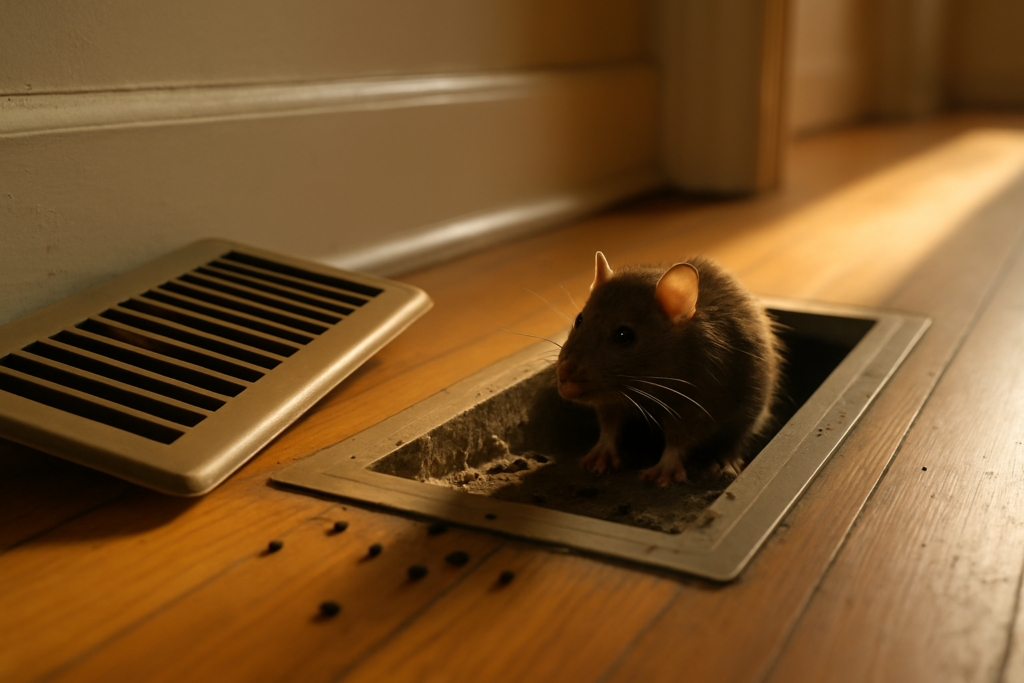
Living in Santa Cruz County means enjoying a beautiful coastal climate all year. But pests like ants, rodents, and spiders love it here, too. Our unique environment, with foggy summers and mild, rainy winters, makes pest control a four-season job. The key isn't just reacting to bugs you see; it’s about using proactive, smart seasonal pest control strategies for Santa Cruz homes that work with our local ecosystem.
This guide goes beyond generic advice. Based on what our West Pest Co. field team sees every day, we've created a year-round plan just for our community. You'll learn expert, eco-friendly tactics that protect your family, pets, and local bees.
Inside, you’ll find simple steps for each part of the year. We'll cover everything from spring deep-cleaning to stop pests from breeding to fall techniques that seal your home before winter pests arrive. Think of this as your calendar for year-round peace of mind, making sure your home stays a safe and comfortable space.
1. Integrated Pest Management (IPM) for Our Coastal Climate
Instead of reacting with harsh chemicals after pests have moved in, Integrated Pest Management (IPM) is a smarter approach. It's a complete plan that focuses on long-term prevention and uses the least toxic solutions first. This makes it one of the most effective and eco-friendly seasonal pest control strategies for Santa Cruz homes, where our mild, foggy climate creates unique challenges.
IPM isn't a single action but a cycle of watching, preventing, and taking action when needed. It works by understanding how pests live and interact with our local environment. For example, our damp coastal air is perfect for pests like silverfish. An IPM approach focuses on fixing the moisture problem instead of just spraying the visible bugs.
How IPM Protects Your Home and the Environment
By focusing on prevention, IPM reduces the need for harsh pesticides. This protects your family, pets, and Santa Cruz's delicate coastal ecosystem, including important pollinators like bees. According to the University of California, which leads research in this area, IPM has proven its effectiveness across the state. This proactive mindset is key to keeping pests out for good.
Here are some practical IPM steps you can take:
- Seal Entry Points: Before pests get active in the spring, check your home's exterior. Use caulk to seal small cracks in the foundation and around pipes. Install door sweeps and repair window screens to create a strong barrier.
- Control Moisture: Our coastal fog means indoor humidity can be a problem. Use dehumidifiers in basements, make sure bathrooms are well-ventilated, and fix any leaks right away to make your home less inviting to pests.
- Maintain Your Yard: Keep shrubs and tree branches trimmed away from your house, as these act as bridges for ants and spiders. Clean up fallen fruit and manage compost piles to avoid attracting rodents and insects.
By using an IPM framework, you switch from reacting to problems to actively preventing them. To learn more about specific methods, you can read about Integrated Pest Management techniques and their benefits.
2. Fall Perimeter Defense and Exclusion
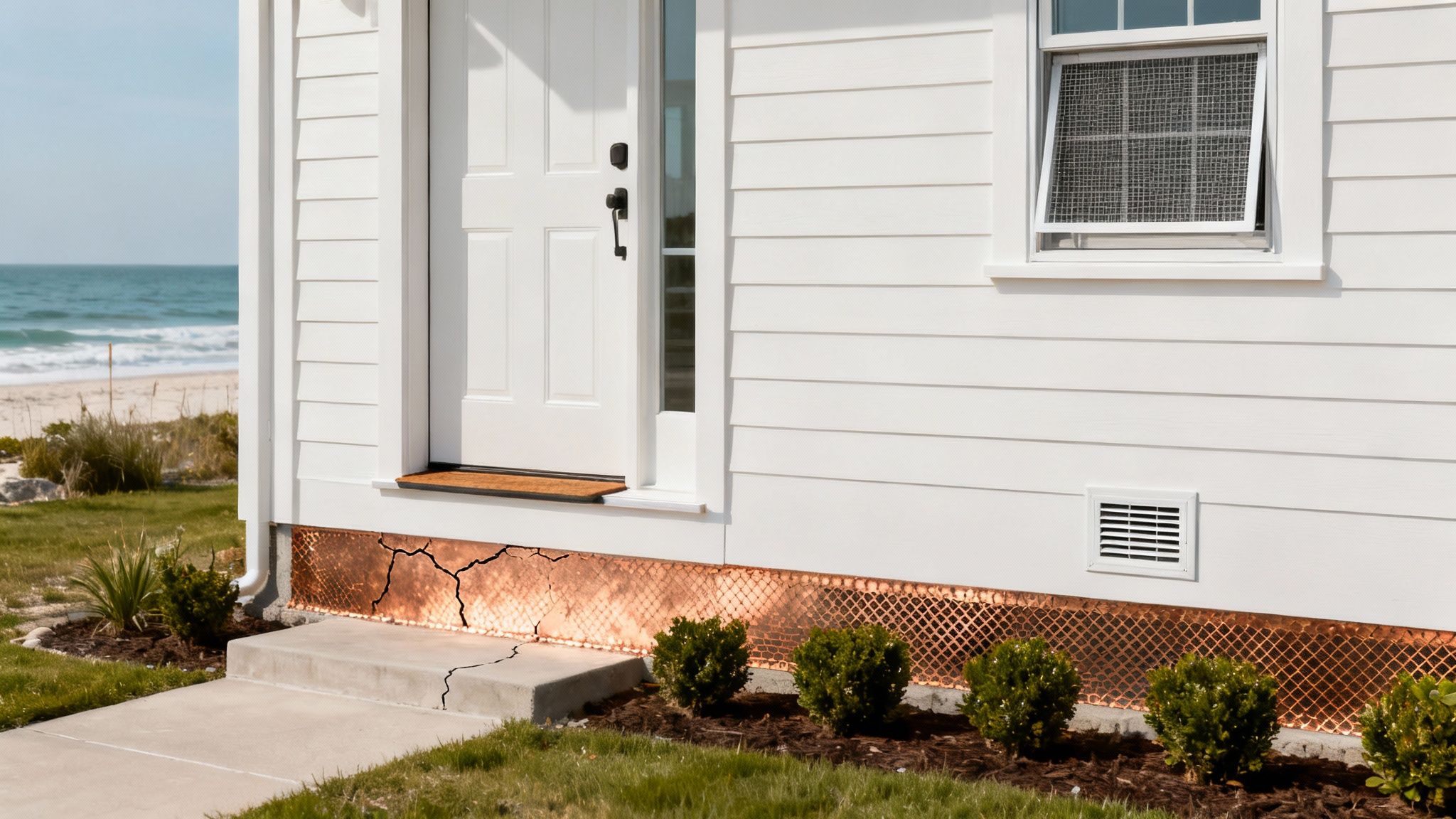
As the Santa Cruz air turns crisp and the first autumn rains arrive, many pests start looking for a warm, dry place for the winter. Fall Perimeter Defense is a proactive strategy focused on creating a protective barrier around your home. It involves sealing off entry points before pests like rodents, spiders, and earwigs try to move indoors.
This is one of the most important seasonal pest control strategies for Santa Cruz homes because it stops problems before they start. Instead of waiting for pests to become a winter issue, you fix your home's weak spots during the fall. It’s about making your home a fortress.
Why Fall Exclusion is Crucial for Coastal Homes
Preventing pests from getting inside is much easier and more eco-friendly than removing them later. In Santa Cruz, our older homes often have small gaps that pests can use. For example, a local neighborhood association reported a 60% drop in winter rodent calls after homeowners worked together on fall exclusion tasks.
Here are some essential fall exclusion steps for your home:
- Seal Gaps and Cracks: Carefully check your foundation, siding, and where utility lines enter the house. Use copper mesh to fill gaps around pipes, as it won't rust in our damp air. Caulk any remaining cracks.
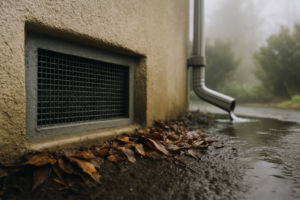
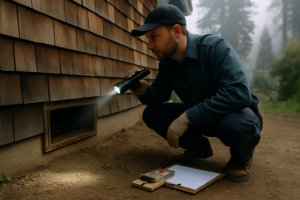
- Secure Vents and Openings: Pay close attention to attic vents, dryer vents, and weep holes. These are common pest highways. Install screens or covers to block access.
- Inspect Doors and Windows: Make sure garage doors seal tightly to the floor, as this is a major entry point for rodents. Repair or replace torn window screens; even tiny holes are an open invitation. For help, see this A Practical Guide to Bug Screen Installation.
By spending time on fall exclusion, you create a strong defense that lasts all winter. To see how this fits into a year-round plan, explore our resources on seasonal home pest control in Santa Cruz.
3. Spring Deep Clean and Sanitation Protocol
A deep spring clean is more than just tidying up; it's a powerful pest prevention tool. This intense cleaning, best done from March to April, is designed to get rid of the food, water, and shelter that pests used over the winter. This is one of the most effective seasonal pest control strategies for Santa Cruz homes, as our damp winters create ideal conditions for pests like ants and spiders.
This goes beyond surface cleaning by targeting the hidden spots where pests breed. Think of it like the strict cleaning standards Santa Cruz restaurants follow. By removing crumbs, grease, and moisture, you make your home a much less attractive place for pests as the weather warms up.
How Deep Cleaning Deters Spring Pests
This proactive cleaning disrupts pest life cycles by removing eggs and larvae before they can grow. It also helps you spot and repair moisture issues or entry points you might have missed over the winter. This is a basic step that makes all other pest control efforts more effective. In one Live Oak neighborhood, coordinated spring cleaning helped reduce ant problems by an estimated 45%.
Here are some practical deep cleaning steps you can take:
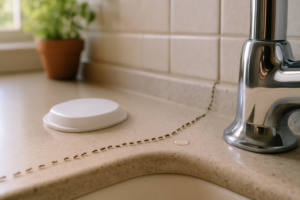
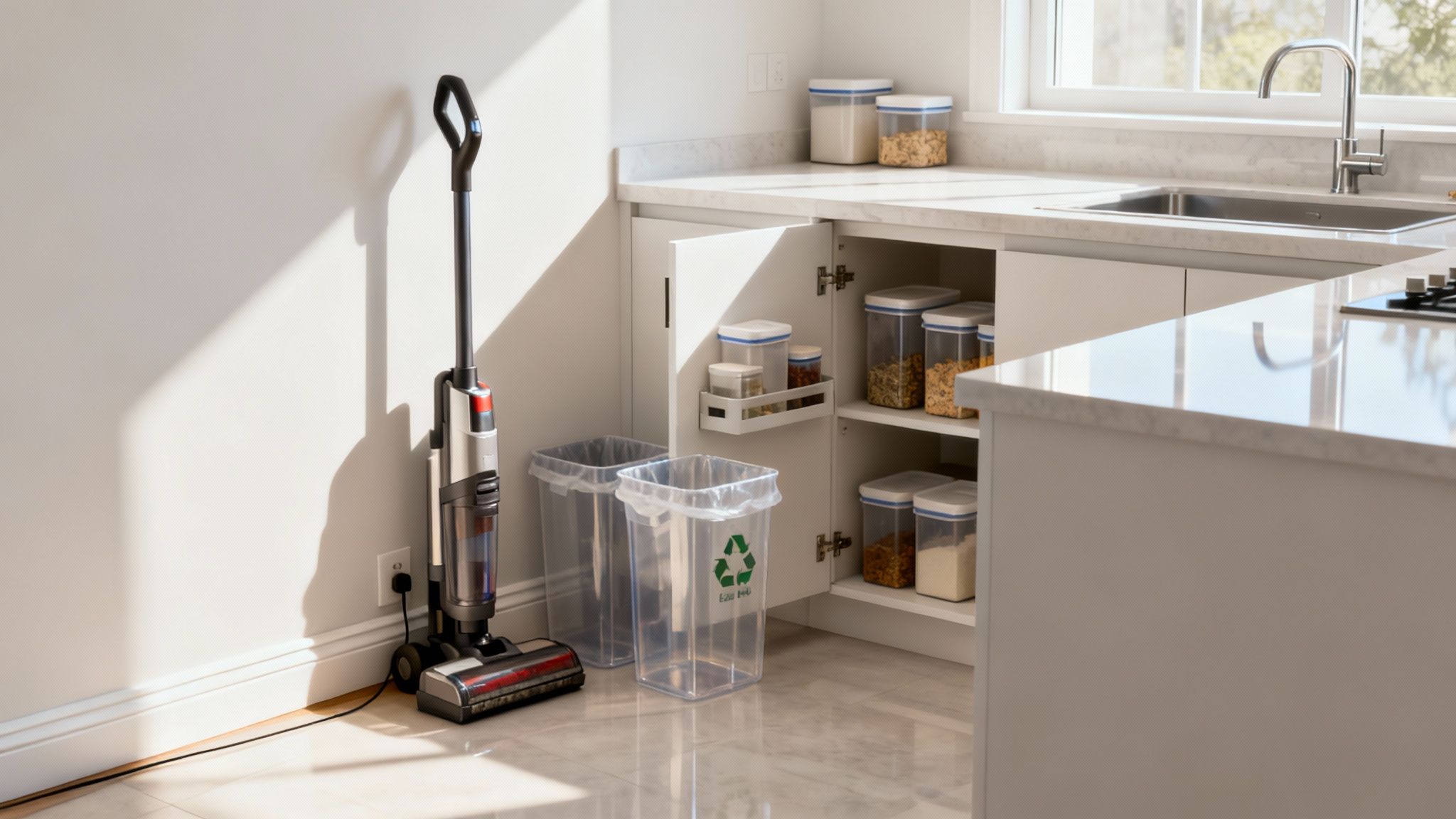
- Target Kitchen Hotspots: Pull out your refrigerator and stove to clean behind and under them. These areas often hide food spills that attract ants. Scrub recycling bins with hot, soapy water to remove sugary residue.
- Declutter and Sanitize Storage: Thoroughly clean pantries, garages, and closets. Store dry goods like grains and pet food in airtight glass or plastic containers to keep out pantry moths and rodents.
- Eliminate Outdoor Hiding Spots: Clear leaves, fallen fruit, and other debris from around your home's foundation. These piles provide shelter for spiders, snails, and earwigs.
By doing a thorough spring clean, you address the root causes of pest problems. For a complete guide, you can learn more about a comprehensive spring pest control plan.
4. Summer Moisture Management System
While many people think of summer as dry, Santa Cruz’s coastal climate is different. Our famous summer fog creates a high-humidity environment, especially in the mornings. This constant dampness makes homes a perfect breeding ground for pests like silverfish, fungus gnats, and millipedes that love moisture.
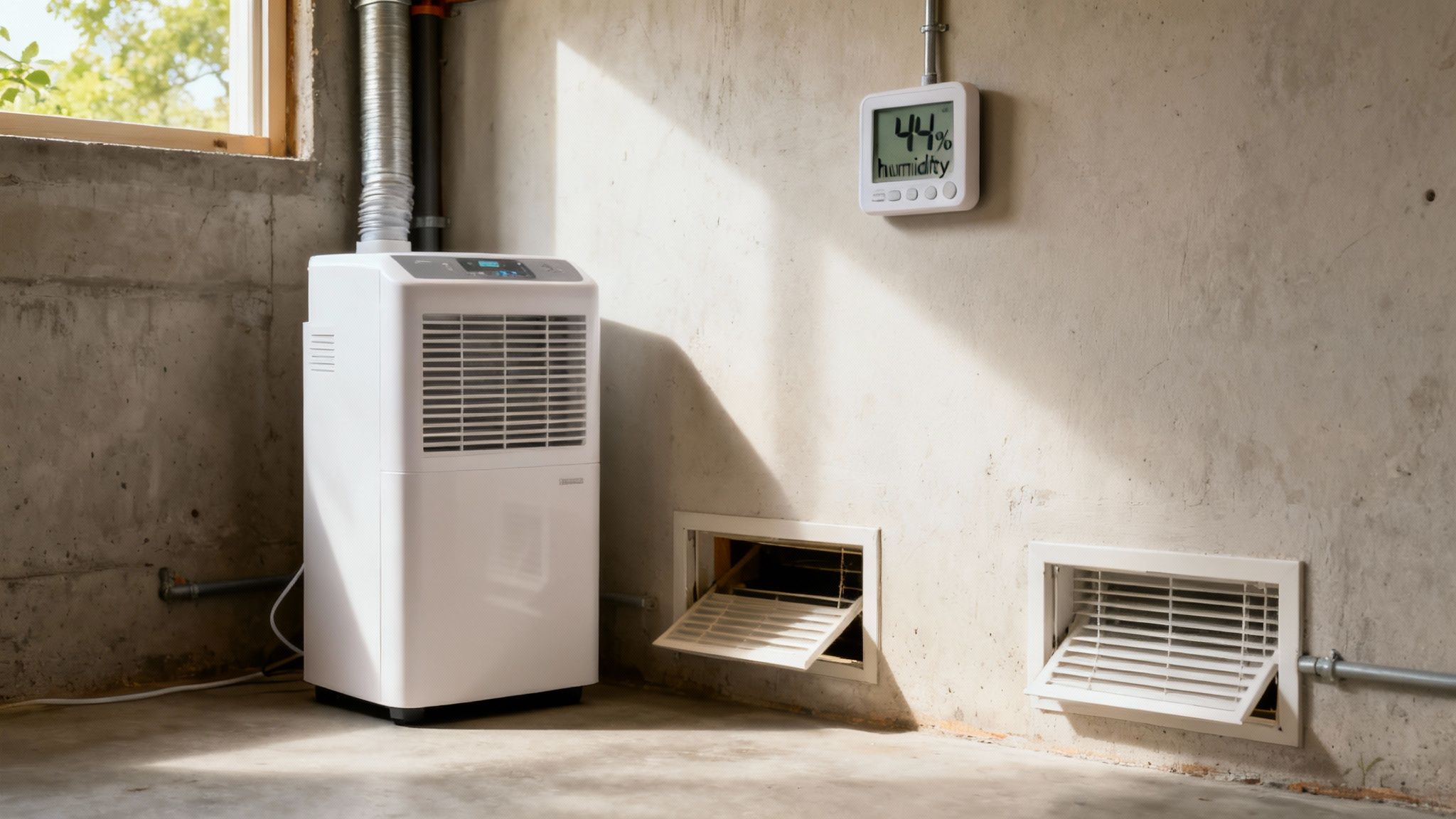
A Summer Moisture Management System is a focused strategy to control indoor humidity and prevent the conditions these pests need to live. Instead of just treating the pests, this approach fixes the root cause: too much moisture. By managing humidity, you make your home less welcoming to these invaders. It’s a key part of any smart seasonal pest control strategy for Santa Cruz homes.
How Moisture Management Protects Your Home
By reducing indoor humidity, you not only keep pests away but also protect your home from mold and mildew. This proactive approach creates a healthier living space for your family. For instance, homeowners in the West Cliff area have seen silverfish numbers drop by over 80% after installing crawlspace dehumidifiers. This shows how effective tackling moisture can be.
Here are some practical moisture management steps you can take:
- Monitor Humidity Levels: Use inexpensive humidity meters to find problem areas like basements, bathrooms, and crawl spaces. Aim to keep indoor humidity below 50%.
- Improve Ventilation: Run your bathroom fan for at least 20 minutes after every shower. Open windows in the afternoon when the air is usually drier, not in the foggy mornings.
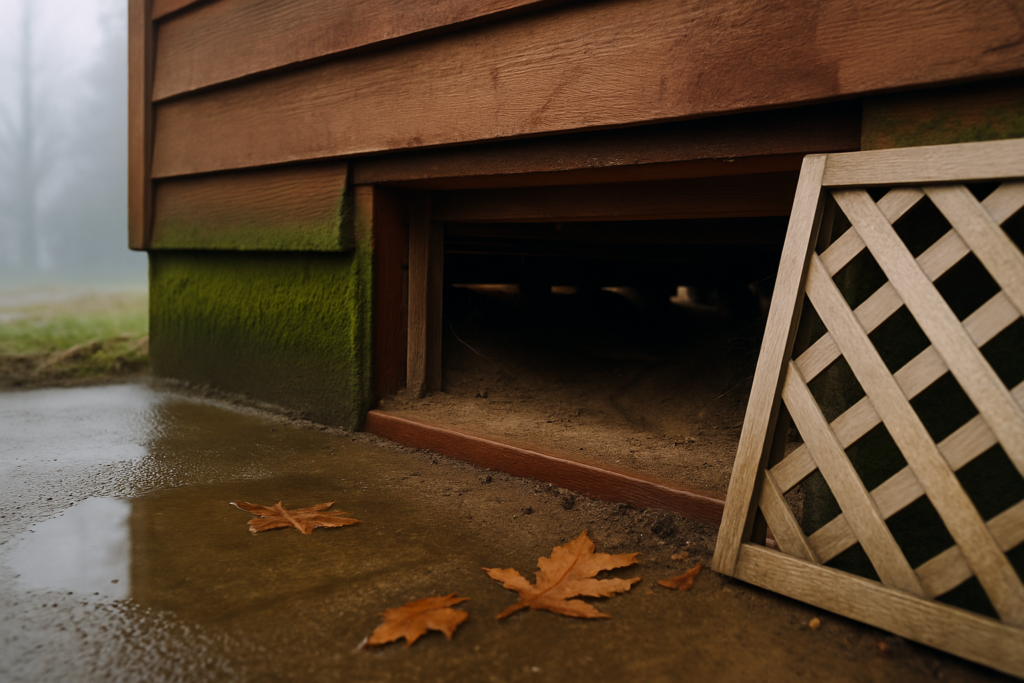
- Manage Crawl Spaces: Make sure your crawl space has a vapor barrier to block moisture from the soil. A professionally installed dehumidifier can be a game-changer for constant dampness.
- Handle Condensation: Regularly check your air conditioner's condensation drains. Use moisture-absorbing products like DampRid in closets and under sinks.
5. Native Plant Landscaping and Beneficial Insect Habitat
Turning your yard into a balanced ecosystem is one of the best year-round smart seasonal pest control strategies for Santa Cruz homes. Instead of using common garden plants, this approach focuses on landscaping with native California plants. These plants are perfectly suited to our climate, naturally repel certain pests, and attract good insects that act as your own pest control team.
This strategy creates a self-regulating environment right outside your door. Native plants grew up with local insects, forming relationships that keep pest populations in check without chemicals. For example, many native plants attract predators like ladybugs, which eat common garden pests like aphids. You can see this approach at the UCSC Arboretum.
How Native Plants Create a Pest-Resistant Yard
By replacing pest-friendly plants with tough native species, you build a landscape that works with Santa Cruz's environment. This method supports local wildlife, saves water, and reduces hiding spots for pests like earwigs. This creates a healthier outdoor space that is less welcoming to invaders.
Here are some practical steps for establishing a native plant habitat:
- Choose Pest-Resistant Plants: Use hardy natives like coyote brush and coffeeberry around your home’s foundation. These plants are naturally resistant to many common pests.
- Attract Helpful Insects: Plant California fuchsia, yarrow, and buckwheat to draw in beneficial predators and pollinators. These insects will help manage pest populations naturally.
- Deter Pests Near Entryways: Place aromatic plants like lavender and rosemary near doors and windows. Their strong scents are natural deterrents for ants and spiders.
- Time Your Planting: The best time to plant natives in Santa Cruz is in the fall (October-November). This allows them to grow strong roots with the winter rains.
6. Winter Rodent Prevention Program
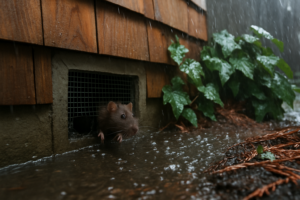
As Santa Cruz's mild, rainy winters set in, mice and rats start looking for warm, dry shelter. A Winter Rodent Prevention Program is a seasonal plan, usually from October through March, designed to stop these pests before they get inside your home. This proactive approach focuses on sealing entry points, cleaning up, and monitoring.
The program works by thinking like a rodent. When winter rains start, outdoor food sources disappear, and rodents are driven indoors. This program creates a strong defense by removing the access points and things that attract them to your property. For Santa Cruz homeowners, especially those in older homes or near open spaces, this is one of the most critical smart seasonal pest control strategies.
Why Proactive Rodent Control is Essential in Winter
By focusing on prevention, a winter program protects your home from the damage and health risks rodents bring. According to the Centers for Disease Control and Prevention (CDC), rodents can spread over 35 diseases to humans. Successful prevention in neighborhoods like Beach Flats shows that sealing and sanitation are key to a rodent-free home.
Here are some practical steps for your winter rodent program:
- Seal Entry Points: Before the first heavy rains, check your foundation, siding, and roof for any gaps larger than a dime. Use steel mesh, which rodents can't chew through, to seal vents and other openings.
- Manage Outdoor Attractants: Trim tree branches at least six feet away from your roofline to cut off access for roof rats. Store firewood away from your home and off the ground.
- Eliminate Food Sources: In Santa Cruz, fallen fruit is a major rodent magnet. Remove it from your yard daily. Keep all garbage in tightly sealed bins and use rodent-proof compost containers.
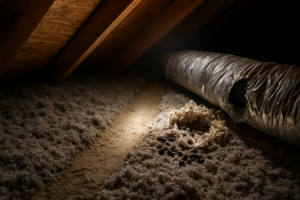
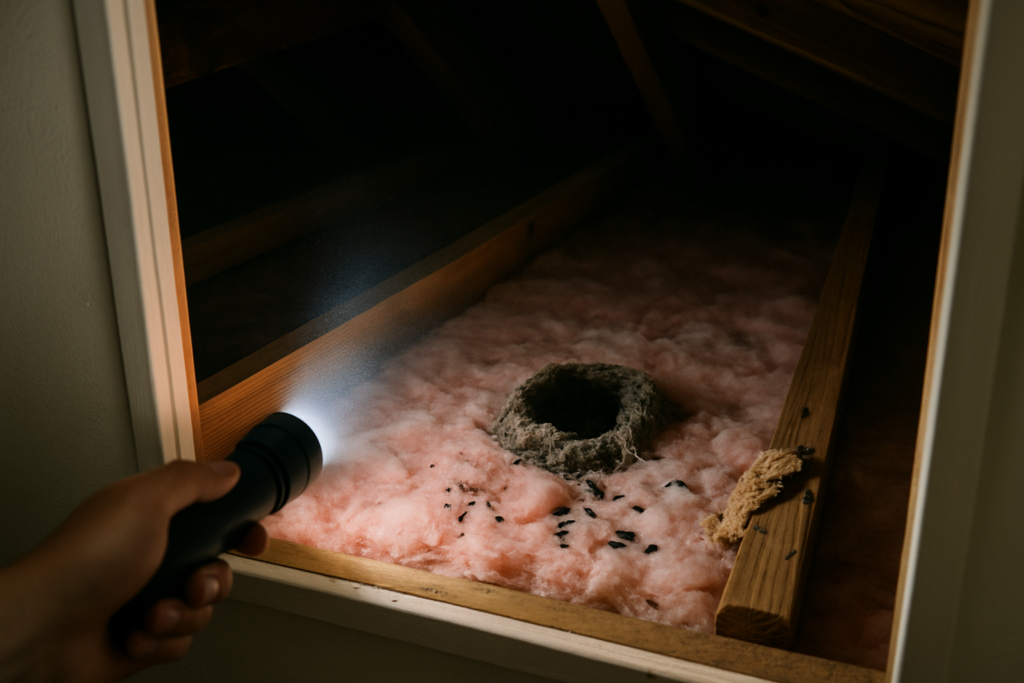
- Monitor for Activity: Check your attic and crawl space for signs like droppings or gnaw marks. Placing traps in these areas can help you detect any intruders early on.
Adopting these steps creates a strong defense against winter invaders. To explore a complete strategy, learn more about the best rodent prevention program for Santa Cruz homes.
7. Organic and Low-Toxicity Treatment Rotation
Instead of using the same chemical treatment every year, rotating organic and low-toxicity products stops pests from becoming resistant. This approach involves using different methods with different ways of working throughout the seasons. It’s one of the smartest seasonal pest control strategies for Santa Cruz homes, especially with our community's goal to protect the Monterey Bay.
This strategy is like the sustainable methods used by local organic farms. By rotating treatments like botanical sprays and mineral-based dusts, you disrupt pest life cycles without harming the environment. For example, you can manage ant invasions by using diatomaceous earth in the dry fall and boric acid baits during the damp winter when ants move indoors.
How Treatment Rotation Protects Your Home and Environment
Rotating products makes sure they stay effective long-term because pests can't adapt. It also reduces the chemical load on your property, protecting your family, pets, and Santa Cruz's beneficial insects. This thoughtful method uses the most effective, least harmful solution for each season and pest.
The following infographic shows a simple seasonal rotation for common pests.
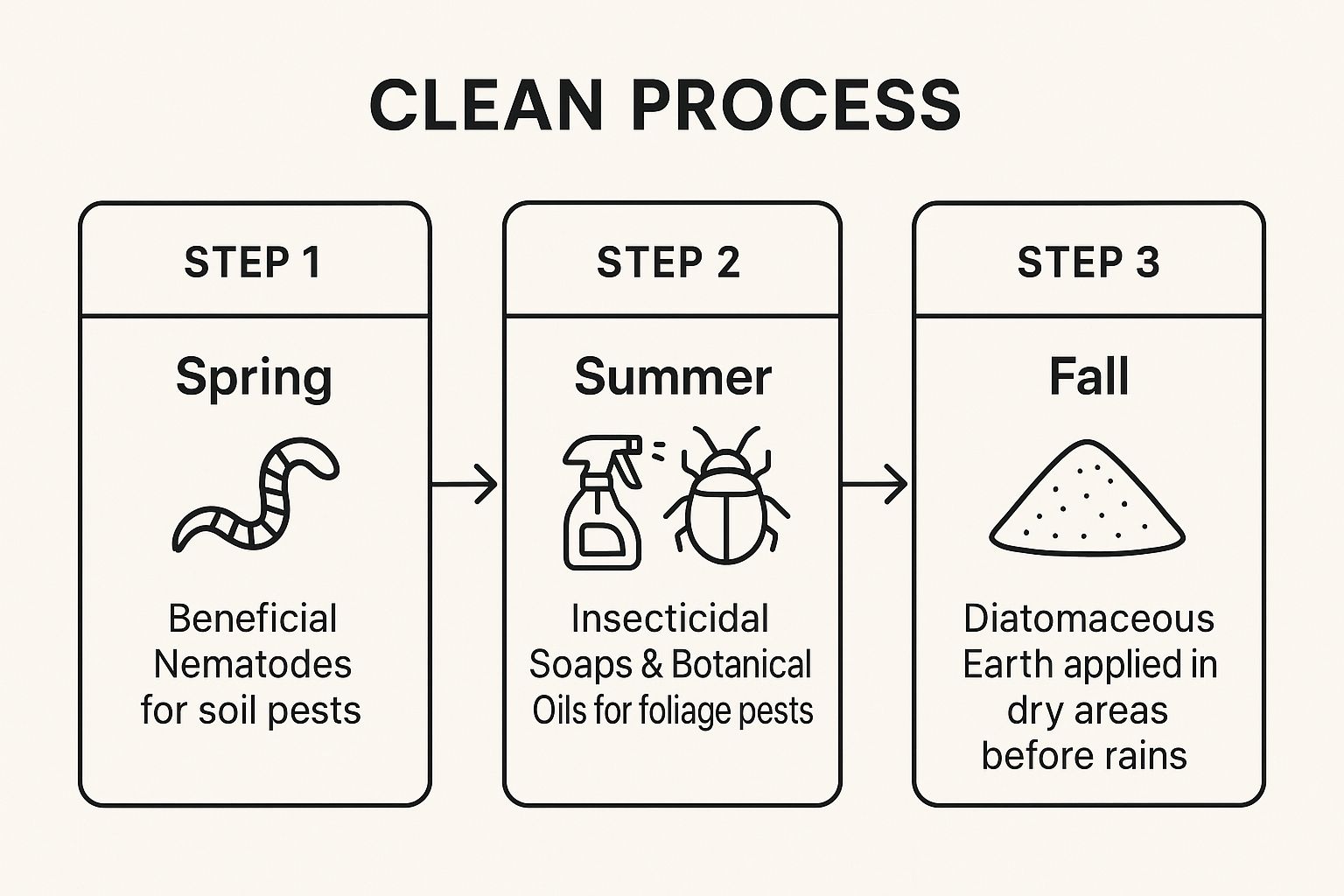
This visual shows how treatment types can be timed to match seasonal pest activity.
Here are some practical tips for a treatment rotation:
- Spring Soil Health: Apply beneficial nematodes to garden beds in early spring. They are tiny organisms that hunt and destroy soil pests like fungus gnats before they can grow.
- Summer Foliage Protection: During the growing season, switch between insecticidal soap and neem oil sprays to control soft-bodied insects like aphids on plants.
- Fall Crawling Insect Barrier: Before the winter rains, create a perimeter around your home’s foundation with diatomaceous earth. This natural dust works well against crawling pests when the ground is dry.
- Winter Indoor Baiting: If ants come inside looking for shelter, use boric acid bait stations. This slow-acting method lets worker ants carry the bait back to the colony, which stops the problem at its source.
8. Smart Technology and Monitoring Systems
Using technology is a modern, proactive approach to seasonal pest control. Smart monitoring systems use sensors and cameras to give you real-time information about pest activity. Instead of finding a problem after damage is done, this technology alerts you at the first sign of trouble.
This modern method combines IPM principles with new tools. For example, in a damp Santa Cruz crawlspace, a smart sensor can detect rising humidity levels that attract pests. It will notify you long before an infestation starts. This data-driven approach turns pest management from a reaction into a preventative system.
How Smart Monitoring Provides Year-Round Protection
By providing constant watch, smart technology helps you understand how pest pressures change with the seasons. A rodent monitor might detect more activity in your garage when the first winter rains begin. This level of information is great for protecting your property, especially for second homes or rentals in areas like Capitola or Aptos.
Here are some practical ways to implement smart pest control:
- Install Moisture Sensors: Place smart moisture sensors in your crawlspace, attic, and under sinks. Set alerts for humidity levels above 55 percent, as this is a key level for mold and pests in our coastal climate.
- Deploy Electronic Rodent Monitors: Before winter, place rodent monitors in your attic and garage. These devices provide 24/7 watch without using traditional baits.
- Utilize Thermal Imaging: Schedule a thermal imaging inspection in the fall. This technology can find hidden moisture behind walls or reveal heat from rodent nests that you can't see.
Adopting these tools provides a powerful layer of defense, making it one of the most effective smart seasonal pest control strategies for Santa Cruz homes. To learn more about how these devices work, you can explore the benefits of Smart Technology and Monitoring Systems.
Seasonal Pest Control Strategies Comparison for Santa Cruz Homes
| Pest Control Strategy | Implementation Complexity 🔄 | Resource Requirements ⚡ | Expected Outcomes 📊 | Ideal Use Cases 💡 | Key Advantages ⭐ |
|---|---|---|---|---|---|
| Integrated Pest Management (IPM) for Coastal Climate | High – multi-step monitoring and adjustments | Moderate – ongoing monitoring, homeowner participation | Long-term pest reduction, environmental safety | Year-round control in coastal Mediterranean climate | Environmentally responsible, reduces pesticide use |
| Fall Perimeter Defense and Exclusion | Moderate – seasonal, labor-intensive | Low to moderate – materials and some professional help | Prevents winter pest entry, energy savings | Pre-winter home exterior sealing, rodent and insect exclusion | One-time seasonal effort, cost-effective prevention |
| Spring Deep Clean and Sanitation Protocol | Moderate – thorough cleaning effort | Low to moderate – labor intensive, few materials | Prevents pests by removing food and harborage | Post-winter preparation, kitchens and storage areas | Chemical-free method, improves hygiene and air quality |
| Summer Moisture Management System | Moderate – equipment installation and maintenance | Moderate to high – dehumidifiers, fans, monitoring tools | Reduces moisture-driven pests, mold prevention | Foggy summer climate moisture control | Improves air quality, targets root causes of pest issues |
| Native Plant Landscaping and Beneficial Insect Habitat | High – initial design and planting effort | High – plant purchase and professional consultation | Long-term pest balance and water savings | Sustainable landscaping with natural pest control | Water-efficient, supports ecosystem, reduces chemicals |
| Winter Rodent Prevention Program | Moderate to high – exclusion and monitoring | Moderate – materials, traps, ongoing maintenance | Rodent infestation prevention, disease risk reduction | Winter season rodent control in mild climate | Humane, disease prevention, property protection |
| Organic and Low-Toxicity Treatment Rotation | High – seasonal planning and varied applications | Moderate to high – product costs and frequent applications | Minimizes resistance, low environmental impact | Eco-conscious pest control near protected areas | Safe for family and environment, aligns with regulations |
| Smart Technology and Monitoring Systems | High – setup, data interpretation, maintenance | High – equipment purchase and maintenance | Early detection, precise targeted treatments | Tech-savvy homes, remote monitoring needs | Data-driven, reduces pesticide use, convenient alerts |
Partner with West Pest Co. for a Pest-Free Home
Protecting your Santa Cruz home from pests is a year-round job that changes with the seasons. You've now seen how being proactive and strategic can make all the difference. From sealing entry points in the fall to managing moisture in the summer, each season gives you a chance to make your home stronger against pests.
We've covered a full toolkit of smart seasonal pest control strategies for Santa Cruz homes. We’ve looked at everything from IPM for our coastal climate to using native plants to create a balanced backyard. These methods are designed to be effective, sustainable, and safe for your family and our local environment.
Your Year-Round Pest Control Blueprint
Let’s review the most important tips for a pest-free home:
- Prevention is Key: Sealing cracks, cleaning gutters, and managing moisture are the most important first steps. Preventing a problem is always better than fixing one.
- Follow the Seasons: Pests operate on a seasonal clock. By lining up your efforts—like a deep spring clean and summer moisture control—with their natural cycles, you can stop them from thriving.
- Work with Nature: Using native plants, encouraging good insects, and choosing low-toxicity treatments creates a strong home environment. This approach uses fewer chemicals and gets better results.
- Consistency Matters: A single action won't solve a long-term problem. Real pest management comes from using these strategies all year, from regular checks to maintaining your smart monitoring systems.
Mastering these ideas changes your role from someone who reacts to problems to a proactive guardian of your home. This shift saves you the stress and cost of dealing with pests and also leads to a healthier living space. You gain peace of mind knowing your home is a safe and secure sanctuary, no matter the season.
Combining your efforts with professional help creates the ultimate defense. While these DIY strategies are powerful, a trained professional can spot issues you might miss. At West Pest Co., we partner with homeowners like you, building on your hard work with custom plans that address the specific pest pressures of your Santa Cruz property. We know the local landscape and how to use smart seasonal pest control strategies for Santa Cruz homes effectively.
Ready to create a custom, year-round protection plan for your home? The experts at West Pest Co. specialize in eco-friendly solutions made for our unique coastal seasons. Contact us today for a free estimate and take the first step toward a pest-free home.