Before you can solve a pest problem, you need to know what you're dealing with. Proper bee nest identification is the first step. The tricky part is that many flying insects around Santa Cruz County, like yellow jackets and paper wasps, build nests that look a lot like a bee's home. Telling them apart is key before you decide what to do next.
Is It a Bee Nest or Something Else?
Finding a buzzing, active nest on your property can be unsettling. Whether you live in Aptos, Capitola, or Scotts Valley, your first goal is to figure out if you're actually dealing with bees. Many flying insects get grouped together, but they act very differently. A honey bee colony is nothing like an aggressive yellow jacket nest hidden in the ground.
This guide will show you the main differences between bee nests and those of their more aggressive relatives, wasps. Knowing what to look for is important for your safety and for choosing the right solution. When in doubt, it’s always best to get professional help. If you're not sure what you're seeing, our team offers expert pest control in Santa Cruz to safely identify and handle the situation.
To make it easier, here’s a quick chart to help you compare the common flying insects we see in Santa Cruz County.
Quick Bee & Wasp Nest Identification Chart
| Insect Type | Nest Appearance | Common Santa Cruz Locations | Insect Behavior |
|---|---|---|---|
| Honey Bees | Waxy, hexagonal comb structure. Usually hidden inside a cavity. | Hollow trees, wall voids, chimneys, shed interiors. | Busy and focused on their work. Usually gentle unless the hive is disturbed. |
| Paper Wasps | Open, umbrella-shaped comb made of a gray, papery material. | Under eaves, porch ceilings, window frames, play structures. | Territorial and will sting if you get too close. Not as aggressive as yellow jackets. |
| Yellow Jackets | Hidden nest with a small, single entry hole. Nest itself is papery but rarely seen. | Underground in old rodent burrows, in wall voids, attics, or thick bushes. | Very aggressive and defensive. They are scavengers attracted to your food and sweet drinks. |
| Carpenter Bees | Perfectly round, half-inch holes drilled into soft, untreated wood. | Decks, railings, fascia boards, wooden fences, and outdoor furniture. | Solitary. Males are territorial but can't sting. Females can sting but are very gentle. |
This chart is a good start, but let’s look closer at the clues you can find by watching from a safe distance.
Appearance and Location Clues
The materials and shape of a nest tell you a lot. Honey bees are great builders, creating detailed wax combs that they almost always hide inside a protected space, like a hollow tree or deep inside the walls of a home.
Paper wasps, as their name suggests, build nests from a papery pulp that look like an open umbrella. You'll often see them hanging under the eaves of your roof. Yellow jackets are the sneakiest—they usually nest underground or inside walls, leaving only a small, hard-to-see entrance.
This visual shows where you're most likely to find different types of bees.
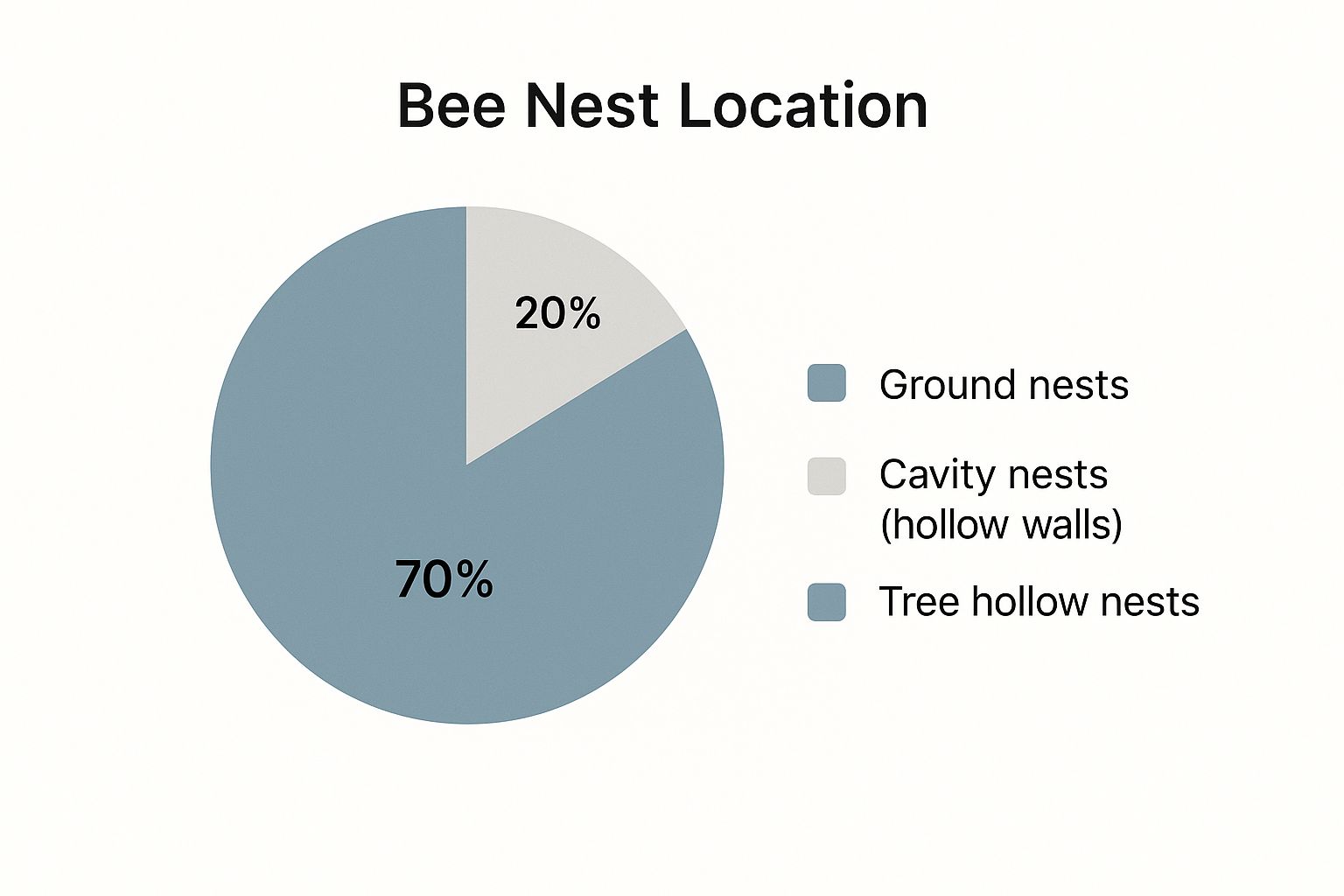
It surprises many homeowners to learn that most bees are solitary and nest in the ground. So, if you see activity in your yard, don't assume it's yellow jackets.
Observing Insect Behavior
How the insects act is just as important as what their nest looks like. Honey bees are focused on their jobs of collecting pollen and nectar. You'll see a steady stream of them flying to and from the nest, but they will usually ignore you unless you threaten their hive.
Wasps, however, act very differently.
Key Takeaway: Wasps, especially yellow jackets, are scavengers that are often drawn to your food during picnics or barbecues. They are known for being defensive and aggressive, especially near their nest. This behavior is one of the clearest signs you are dealing with wasps, not bees.
Identifying Common Bee Nests in Santa Cruz
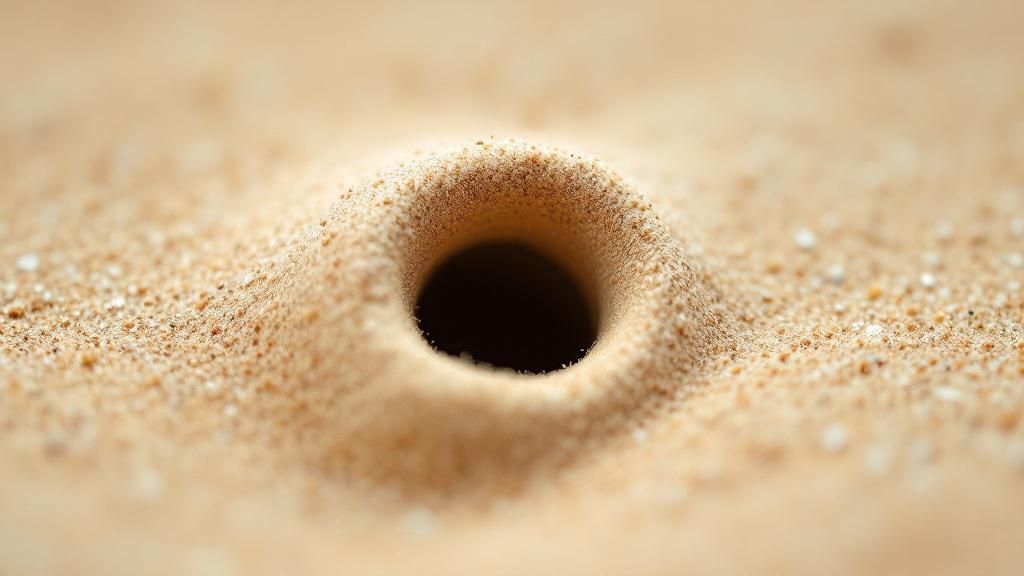
So, you think you have bees. The next step in bee nest identification is figuring out what kind. The bees around Santa Cruz County have different nesting habits, and not all of them are a threat to your home.
Knowing the species helps you understand what to do. Are they helpful pollinators that just need space, or could they cause real damage? In our coastal communities, there are a few common bees you should know.
Honey Bees: A Community Inside Your Walls
Honey bees are social insects that live in large, organized colonies. When they build a nest in the wild, they look for a protected, enclosed space.
Common honey bee nest locations include:
- Hollows in old redwood or oak trees
- Empty spaces inside the walls of your home
- Unused chimneys or attics
- Inside irrigation valve boxes
You will rarely see the nest itself, which is made of wax comb. Instead, the biggest clue is a constant stream of bees flying in and out of a single crack or hole. They are generally not aggressive unless you bother their hive.
Globally, there are an estimated 102 million managed honey bee colonies, but wild colonies are thought to be much more numerous. This shows how often they build homes in natural or structural spaces. If you're interested, you can read the full research about honey bee colonies to learn more.
Carpenter Bees: The Wood-Boring Loners
Unlike honey bees, carpenter bees are solitary. They don’t form big colonies, but they can still cause problems for homeowners in areas like Scotts Valley and Aptos.
The main sign of carpenter bees is their nest entrance: a perfectly round, smooth hole about a half-inch wide drilled into soft, unpainted wood. You'll often find these holes in:
- Wooden deck railings and posts
- Fascia boards under your roof
- Pergolas and gazebos
- Cedar or redwood siding
Don't be scared by male carpenter bees—they can buzz around you aggressively, but they can't sting. Females can sting but are very gentle and rarely do. The real problem is the structural damage from their tunnels, which can weaken wood. Spotting these pests can be hard, which is why we have a guide on how to figure out what bugs are in your house.
Bumblebees: The Underground Dwellers
Bumblebees are the fuzzy, gentle giants of the bee world. Like honey bees, they are social, but their colonies are much smaller.
Key Takeaway: Bumblebees almost always nest underground. They prefer to use existing burrows, making them common in Santa Cruz gardens where gophers or other animals have dug holes.
Look for bumblebee nests in old rodent burrows, under sheds, or in compost piles. The main signs are a low buzzing sound and fuzzy bees flying close to the ground. They are important pollinators and are very unlikely to sting, making them a low risk.
Where to Look for Nests on Your Property
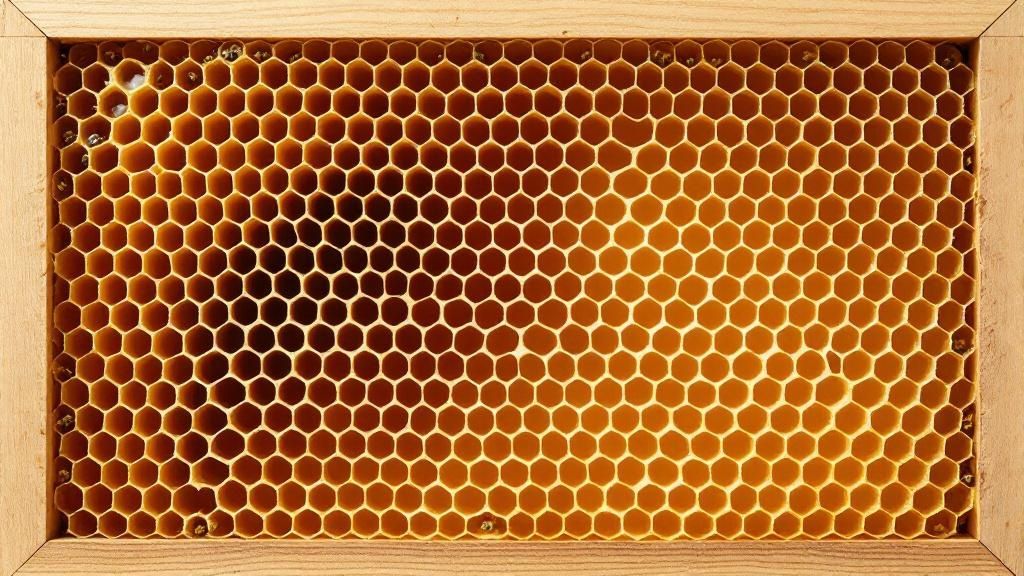
Bees are resourceful and often find hidden spots to build their homes. Knowing where they like to nest is a big part of early bee nest identification and can help you find a problem before it gets worse.
For homeowners in Santa Cruz County, certain areas on your property are very attractive to these insects. A walk around your yard can show you a lot. Look for signs of constant activity—a steady flight path of bees is a clear giveaway. You might even hear a faint buzzing coming from a wall or the ground.
Common Above-Ground Nesting Spots
Many bees, especially honey bees and carpenter bees, prefer high, protected locations. These spots offer shelter from weather and predators.
Start your search by checking these common areas:
- Hollow Trees and Logs: Properties near redwood forests or with old oak trees often have hollows perfect for a honey bee hive.
- Exterior Wall Voids: Small cracks in stucco or gaps around vents can give bees access to the space inside your walls.
- Eaves and Attics: The areas under your roofline are warm and protected, making them attractive to bees.
- Decks and Sheds: Look under decking, inside unused sheds, or within old planters.
A single honey bee colony can have 10,000 to 60,000 members. However, over 80% of bee species are solitary and nest in less obvious places like hollow branches, which can make them hard to find. For more information, you can discover more insights about bee populations and their habits.
Nests at Ground Level
Don't forget to look down! Many bee species, including most of California's native bees and the fuzzy bumblebee, nest in the ground.
Local Tip: Our coastal climate in Santa Cruz keeps the soil moist, making it easy for ground-nesting bees to dig. This makes local gardens, especially those with gopher activity, very attractive nesting sites.
Check these ground-level areas:
- Old Rodent Burrows: These pre-dug tunnels are perfect homes for bumblebees.
- Compost Bins: The warmth and soft material in compost piles can be an appealing spot.
- Dense Landscaping: Thick patches of ivy or overgrown grass can hide a nest entrance.
- Under Pavers or Concrete Slabs: Empty spaces beneath walkways can also house a colony.
If you spot activity that concerns you, it's safest to call a professional. A thorough home pest inspection can safely identify the problem and help decide on the best plan.
Observing Nest Activity From a Safe Distance
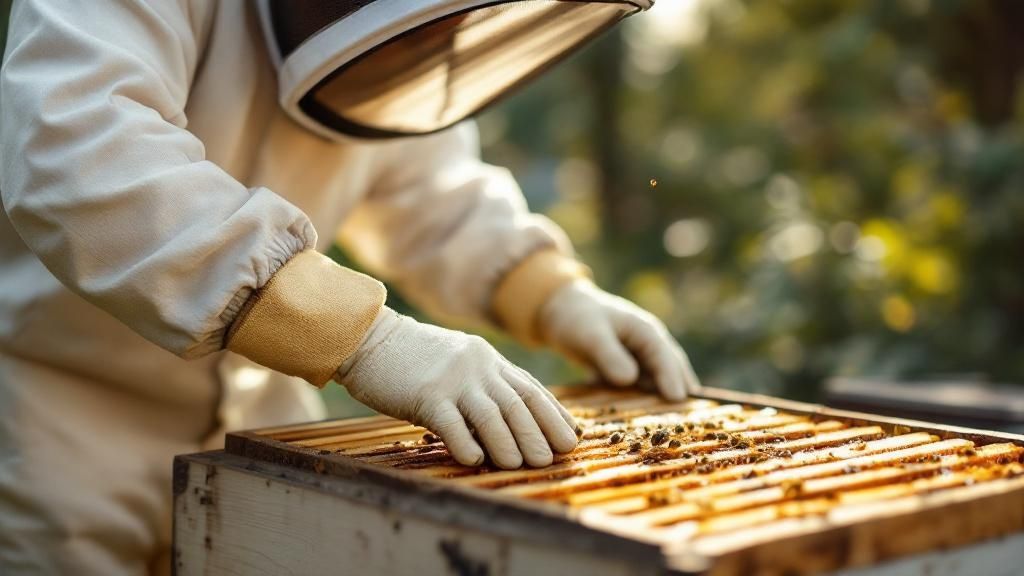
Watching how insects move is a key part of bee nest identification. More importantly, it helps keep you safe. By watching from far away, you can gather clues about the species without putting yourself at risk.
The number one rule is simple: always keep a safe distance. Stay at least 20-30 feet away from any potential nest. Do not get on a ladder to get a closer look or stand in their flight path. These actions can trigger a defensive swarm. Your job is to observe, not to bother them.
Spotting a "Bee Line"
One of the best tricks is to look for a "bee line." This is the straight, direct flight path that honey bees take when flying between a food source and their hive.
If you see a steady stream of bees flying in the same line toward one spot on your home, you have likely found their entrance.
This flight pattern is very different from the random, zig-zagging movements of wasps and yellow jackets, which search for food more randomly.
Decoding Insect Behavior
An insect's attitude tells you a lot. Honey bees are usually focused on their work and will probably ignore you if you keep your distance.
Aggressive behavior, on the other hand, is a major red flag. If insects fly out to check on you from far away, you are almost certainly dealing with yellow jackets or another wasp species. Their defensive nature is your sign to back away slowly and call a professional.
Here are some common behaviors to watch for and what they mean.
Bee Behavior Safety Cues
This table explains what you might see from a safe distance, what it likely means, and the safest way to react.
| Behavior to Observe | What It Means | Your Safe Action |
|---|---|---|
| Consistent, direct flight path to one spot | Likely honey bees returning to a hive. | Watch from 20+ feet away to find the entrance. Do not block their path. |
| Random, zig-zagging flight patterns | Could be wasps or yellow jackets looking for food. | Keep your distance and try to find where they are nesting. |
| Insects ignore you from a distance | Typical of non-aggressive species like honey bees. | Continue watching from a safe distance to learn more. |
| Insects fly out to investigate you | A clear sign of defensive behavior, common with wasps. | Immediately and slowly move away from the area. Do not swat at them. |
| A large number of insects swarming | Shows a very upset colony or a honey bee swarm looking for a new home. | Leave the area right away and call a professional. |
Knowing the difference in behavior is very important. If you see aggressive insects that seem like wasps, your safest choice is to get expert advice on safe wasp nest removal. Trying to handle it yourself is not worth the risk.
When Professional Bee Removal Is Necessary
Figuring out what kind of nest you have is a great first step, but removing it is a different story. This is when you should call in the experts. Trying to remove a nest yourself can be very dangerous for you and your family.
Your safety is the top priority. The risks of a DIY removal are serious, from causing a swarm to falling off a ladder. Certain situations are clear signs that it's time to call a professional.
Clear Signs to Call an Expert
If you see any of these on your Santa Cruz property, it's time to contact a professional pest control company:
- Nests Inside Structures: If you think a nest is inside a wall, attic, or chimney, do not seal the entrance. The bees will find another way out, which could be inside your house.
- Nests in High-Traffic Areas: A nest near a doorway, on a play structure, or along a walkway is a constant risk.
- Large or Aggressive Colonies: A very large nest or any colony that acts defensively requires expert handling.
- Known Allergies: If anyone in your home is allergic to bee or wasp stings, the risk is too high for a DIY approach.
A professional has the right training, gear, and tools to remove the nest safely. You can learn more about when to call pest control to help make a smart choice.
Why Eco-Friendly Removal Matters
Calling a professional is also about protecting our local environment. This is especially true for honey bees, which are important pollinators.
In the U.S., managed honey bee colonies have dropped from about 5 million in the 1940s to roughly 2.66 million today. You can learn more about honey bee population findings from the USDA.
An experienced professional can see if you have a honey bee colony that can be moved to a local beekeeper. For other species, a pro like West Pest Co. can use targeted, eco-friendly methods that solve your pest problem while protecting other helpful insects.
Frequently Asked Questions About Bee Nests
Can a bee nest damage my house?
Yes, it can, but it depends on the bee. Carpenter bees drill tunnels into wood, which can weaken decks, railings, and roof eaves over time. Honey bees can build huge hives inside walls, and the weight of the honey (sometimes over 100 pounds) can damage drywall. If the honey melts, it can cause stains and attract other pests like ants.
How fast does a bee nest become a problem?
A paper wasp nest can appear and grow quickly in just a few weeks, becoming a stinging risk. A carpenter bee problem is slower, as damage happens over several years. A honey bee colony can grow to thousands of bees in a year, so it's best to address it as soon as you find it.
What should I do about a nest in the ground?
First, identify the insect from a safe distance. Fuzzy bumblebees are usually gentle. Sleek, shiny yellow and black insects are likely yellow jackets, which are very aggressive. Because yellow jackets are common in Santa Cruz County, any ground nest in a busy area should be checked by a professional.
Are those giant swarms of bees dangerous?
A large, buzzing cloud of bees is usually a honey bee swarm looking for a new home. In this state, they are not very aggressive because they have no nest to defend. The best thing to do is give them space and call a local beekeeper, who can often collect the swarm safely.
Dealing with a bee nest can feel overwhelming, but you don’t have to handle it alone. For safe, effective, and eco-friendly bee and wasp solutions in Santa Cruz County, trust the experts at West Pest Co. to protect your home and family.
Schedule your free, no-obligation estimate with West Pest Co. today!