For any homeowner in Santa Cruz, a professional home pest inspection is a critical investment, not a luxury. Think of it as a complete health check-up for your property, designed to uncover hidden threats like termites and rodents before they can cause serious—and seriously expensive—structural damage.
Why Pest Inspections Are Non-Negotiable in Santa Cruz
Living in Santa Cruz means we get to enjoy a unique blend of coastal beauty and lush redwood forests. But the very things we love about this area—the persistent coastal fog and all that beautiful wood—also happen to create a paradise for destructive pests that can silently eat away at your home's foundation.
This isn't just about finding a few ants in your kitchen. We're talking about pests that cause real, costly damage. Our damp, temperate climate is especially inviting for subterranean termites and carpenter ants, two of the most destructive wood-destroying organisms out there. They thrive in moist wood, which is often found in dark, undisturbed places like crawl spaces, basements, and foundation timbers.
The Real Financial and Structural Risks
An unseen infestation is a massive financial liability waiting to happen. Termites alone cause an estimated $5 billion in property damage across the United States every single year, and those costs are almost never covered by a standard homeowner's insurance policy. The worst part? The damage can go completely unnoticed for years, slowly compromising your home's structural supports.
By the time you see visible signs like sagging floors or crumbling wood, the damage is already extensive and the repair bill is going to be steep. A proactive pest inspection is your best line of defense, catching these issues when they're still small and manageable.
For example, treating a small, new termite colony might only cost a few hundred dollars. But if that colony is left to grow and damages your support beams, you could be looking at repairs costing tens of thousands. It's the same with rodents like roof rats. They don't just chew on wires (a serious fire hazard); they also shred your insulation, making your home less energy-efficient and driving up your utility bills.
An Essential Step for Home Protection
A yearly professional pest inspection is, hands down, the most effective way to protect your most valuable asset here in Santa Cruz. It’s far more than a simple check-up; it’s a strategic assessment designed to spot risks specific to our local environment. A seasoned pro knows exactly where to look and what subtle signs to search for—from the faint mud tubes termites build along a foundation to the tell-tale frass left behind by carpenter ants.
This proactive approach is really the core of smart home maintenance. Knowing what to look for is the first step, and you can learn more about how preventative pest control creates a long-term shield for your property. An annual inspection gives you priceless peace of mind, knowing your home is protected from the silent destroyers that love our beautiful coastal community as much as we do.
Get Your Home Ready for a Flawless Inspection
To get the most out of your professional home pest inspection in Santa Cruz, a little prep work on your end makes a huge difference. This isn’t about being perfectly tidy—it’s about giving your inspector strategic access to the places where pests love to hide. By clearing the way, you empower them to give you the most thorough and accurate assessment of your property.
Think of your inspector as a detective on the hunt for tiny clues. Their job is to spot things like the faint mud tubes left by subterranean termites, the delicate wings shed by swarmers, or the nearly invisible gnaw marks from rodents. These signs are almost always in hard-to-reach spots. If those areas are blocked by furniture, boxes, or clutter, a critical clue can easily be missed.
Creating Clear Inspection Pathways
Your main goal is to make the key structural parts of your home accessible. Pests aren't going to hang out in the open, so your inspector needs to get into the nooks and crannies. I always tell my clients to start with the perimeter walls inside the garage and any storage rooms.
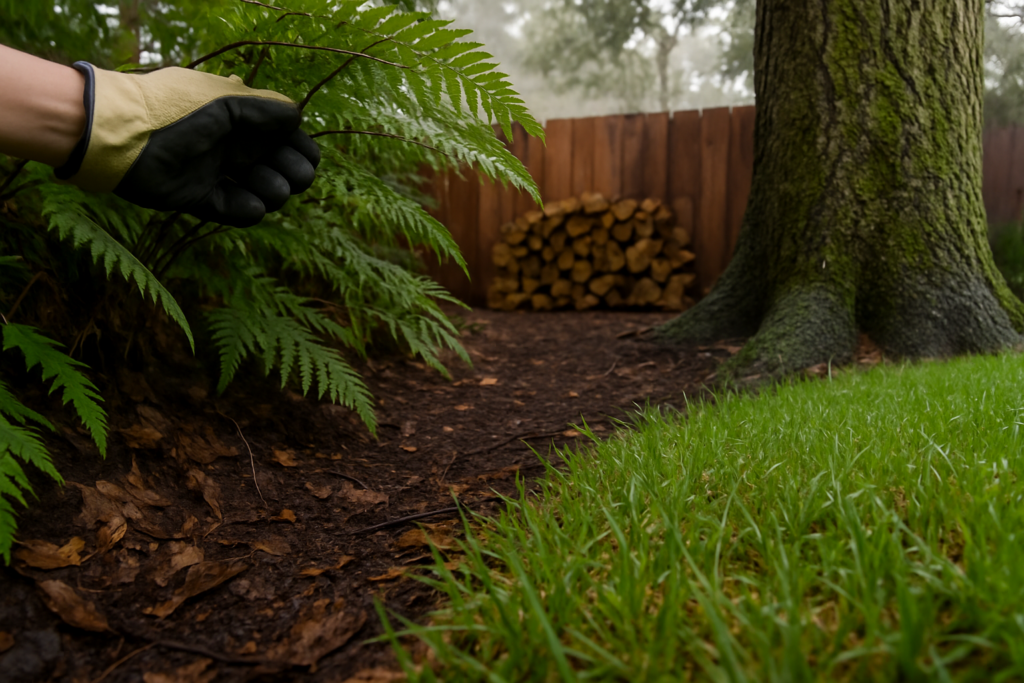
Move every stored item—boxes, bikes, tools, you name it—at least two feet away from the foundation walls. This one simple step gives the inspector a clean line of sight to check the concrete slab and sill plate, which are prime entry points for termites and other pests coming up from the ground.
Next up, focus on anywhere there’s plumbing. Pests are drawn to moisture, making these spots absolute must-see zones for any good inspection.
- Under-Sink Cabinets: Completely empty out the cabinets under every sink in your home. That means the kitchen, all bathrooms, and the laundry room. This lets us get a close look at the plumbing pipes where they come through the wall—a common highway for ants, roaches, and rodents.
- Water Heater and Utility Closets: Make sure there's a clear path to and around your water heater and furnace. These warm, dark, and often slightly damp areas are five-star resorts for a whole host of pests.
Granting Access to Attics and Crawl Spaces
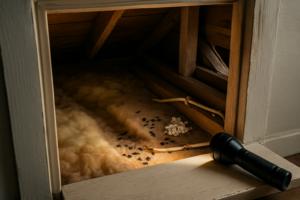
The attic and crawl space are, without a doubt, two of the most important areas for a complete inspection. This is where we often find widespread issues with rodents, termites, and carpenter ants. A blocked hatch is a complete roadblock for your inspector.
Make sure any attic access panels or pull-down stairs are totally clear. If the hatch is inside a closet, pull out the clothes and boxes that could stop it from opening all the way. The same goes for your crawl space access, whether it's in a closet or on the outside of your house.
This preparation helps your pest control pro develop the most effective strategy. In fact, local research from the University of California, Santa Cruz has explored how to improve pest management by modeling the best times and methods for treatments. When you provide full access, you're ensuring that any recommendations you get are based on a complete picture of your home’s condition. You can actually explore more about these advanced pest management models and their findings.
Ultimately, taking these simple steps turns the inspection from a basic check-up into a true partnership to protect your home. You’re not just cleaning up; you’re playing an active role in defending your property.
Identifying Common Santa Cruz Pests and Their Hideouts

Before you can protect your home, you have to know what you’re up against. A successful home pest inspection in Santa Cruz means knowing which pests thrive in our coastal environment and, just as importantly, where they like to hide. Around here, pests aren’t just a nuisance; many are a genuine threat to your property's structure and your family's health.
Our local uninvited guests fall into a few key categories. Getting familiar with the differences is critical because the evidence they leave behind is unique. What might look like a simple water stain to you could be a massive red flag to a professional.
Wood-Destroying Organisms: The Silent Destroyers
These are the pests that cause the most significant—and most expensive—damage. They go after the very bones of your house, often working completely undetected for years until the problem becomes severe.
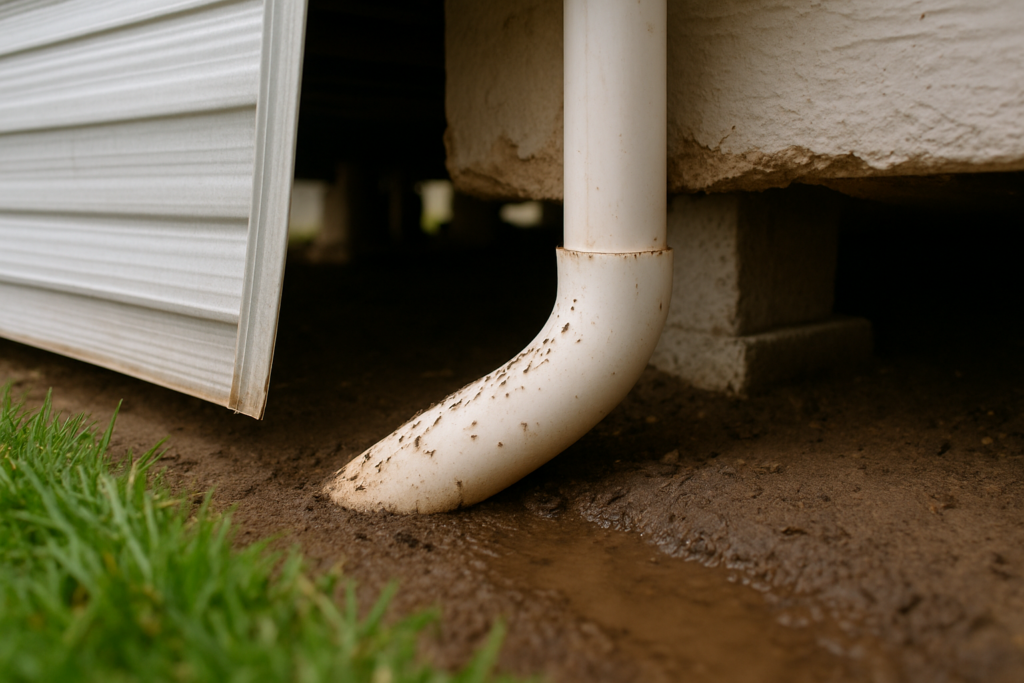
- Subterranean Termites: In Santa Cruz, these are public enemy number one. They live underground and build distinctive mud tubes—pencil-sized tunnels made of soil and wood particles—to commute from their colony to the wood in your home. Be sure to check along your foundation, in the crawl space, and near plumbing for these tell-tale signs.
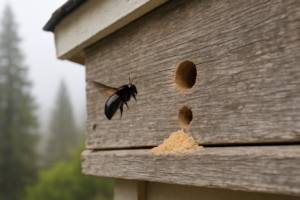
- Carpenter Ants: Unlike termites, carpenter ants don’t actually eat wood; they just excavate it to build their nests. Their calling card is a fine, sawdust-like material called frass, which they push out of their galleries. You might find small piles of it on windowsills, in corners, or under wooden beams.
A classic scenario I see all the time is a homeowner who spots what looks like sawdust near a deck post. On closer inspection, it’s obvious carpenter ants have moved in, drawn to wood that was softened by a leaky gutter.
Key Takeaway: Spotting the difference is crucial. Termite damage usually has mud packed into the galleries, while carpenter ant galleries are smooth and clean. Catching either early can save you thousands in structural repairs.
Nuisance Invaders and Health Risks
While they might not bring your house down, this next group poses health concerns and can quickly make your home feel overrun. They are masters at finding tiny entry points, constantly on the hunt for food and shelter.
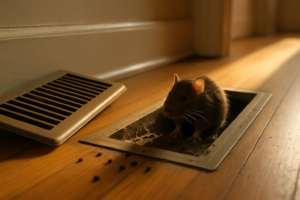
Rodents are a huge issue, especially the agile roof rats common in our area. They’re great climbers and often nest in attics, wall voids, and any dense vegetation right up against your house. The first sign is often noise—that unmistakable scratching or scurrying in the walls or ceiling, almost always at night. Other evidence includes droppings, gnaw marks on food packaging, and shredded material they use for nesting.
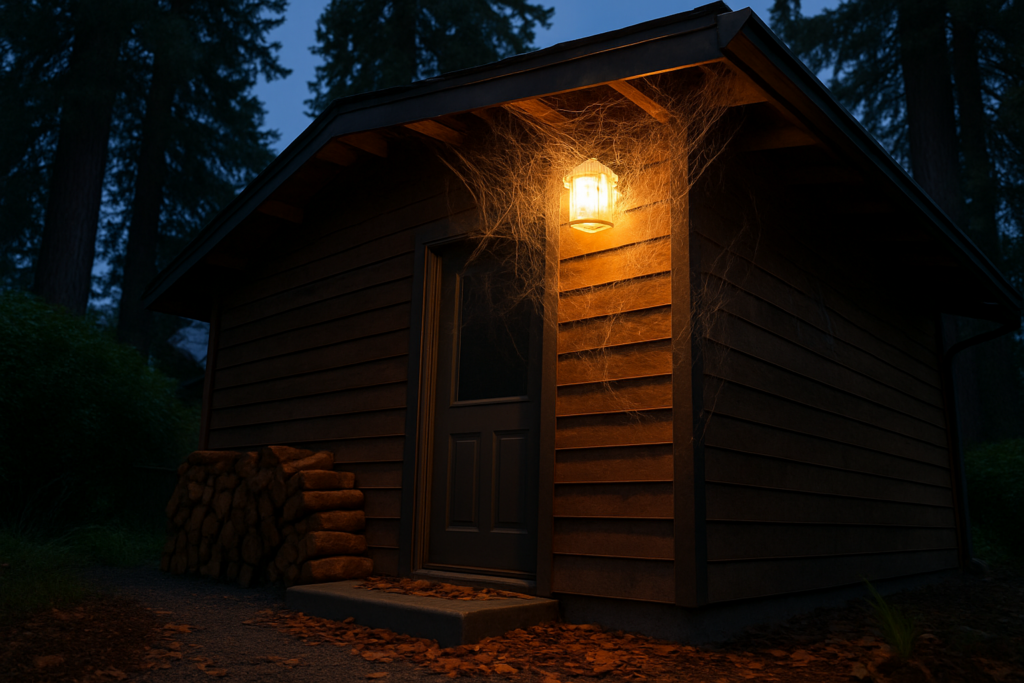
Spiders, particularly black widows, are another big concern. They love dark, undisturbed spots like woodpiles, garages, and crawl spaces. A proper inspection involves carefully checking these zones for their messy, irregular webs.
Sometimes, the most direct sign of a pest problem is waking up with bites. For help understanding what's biting you, resources like this can be a good starting point. Fleas or bed bugs can easily hitchhike into a home and are notoriously difficult to get rid of without professional help.
Knowing what to look for transforms a simple walk-through into an informed inspection. To help you connect the dots, here’s a quick-reference table for identifying the evidence you might find.
Santa Cruz Pest Identification Guide
This guide will help you connect common local pests with the evidence they typically leave behind.
| Pest | Key Identifying Feature | Common Hiding Spots | Evidence to Look For |
|---|---|---|---|
| Subterranean Termites | Small, creamy-white insects that avoid light. | Crawl spaces, foundation walls, moist wood. | Mud tubes, damaged wood, shed wings. |
| Carpenter Ants | Large black or reddish-black ants. | Damp wood, decks, window frames, attics. | Piles of frass (sawdust), faint rustling sounds. |
| Roof Rats | Sleek rodents with long tails. | Attics, wall voids, trees near the house. | Droppings, gnaw marks, scratching noises. |
| Black Widows | Shiny black spider with a red hourglass mark. | Woodpiles, garages, sheds, under eaves. | Irregular, messy, and strong webs. |
Using this as a cheat sheet during your inspection will give you a much clearer picture of what might be happening behind the scenes in your home.
What to Expect During a Professional Pest Inspection
So, what actually happens when a pest professional shows up at your door? Knowing what to expect can take the mystery out of the process and give you confidence that you’re in good hands. A proper home pest inspection in Santa Cruz is way more than a quick glance around—it's a methodical, top-to-bottom investigation of your property to find active pests and, just as importantly, spot conditions that could invite them in later.
The whole thing usually kicks off with a simple conversation. Your inspector will want to hear about what you’ve been noticing. Have you heard strange scratching in the walls? Found mystery droppings behind the stove? Seen any specific bugs? Your answers are crucial clues that help them zero in on potential hotspots. After that initial chat, they’ll get to work, typically starting with the outside of your home.
This quick guide shows a few simple things you can do to prep. A little tidying up goes a long way in helping your inspector do a thorough job.
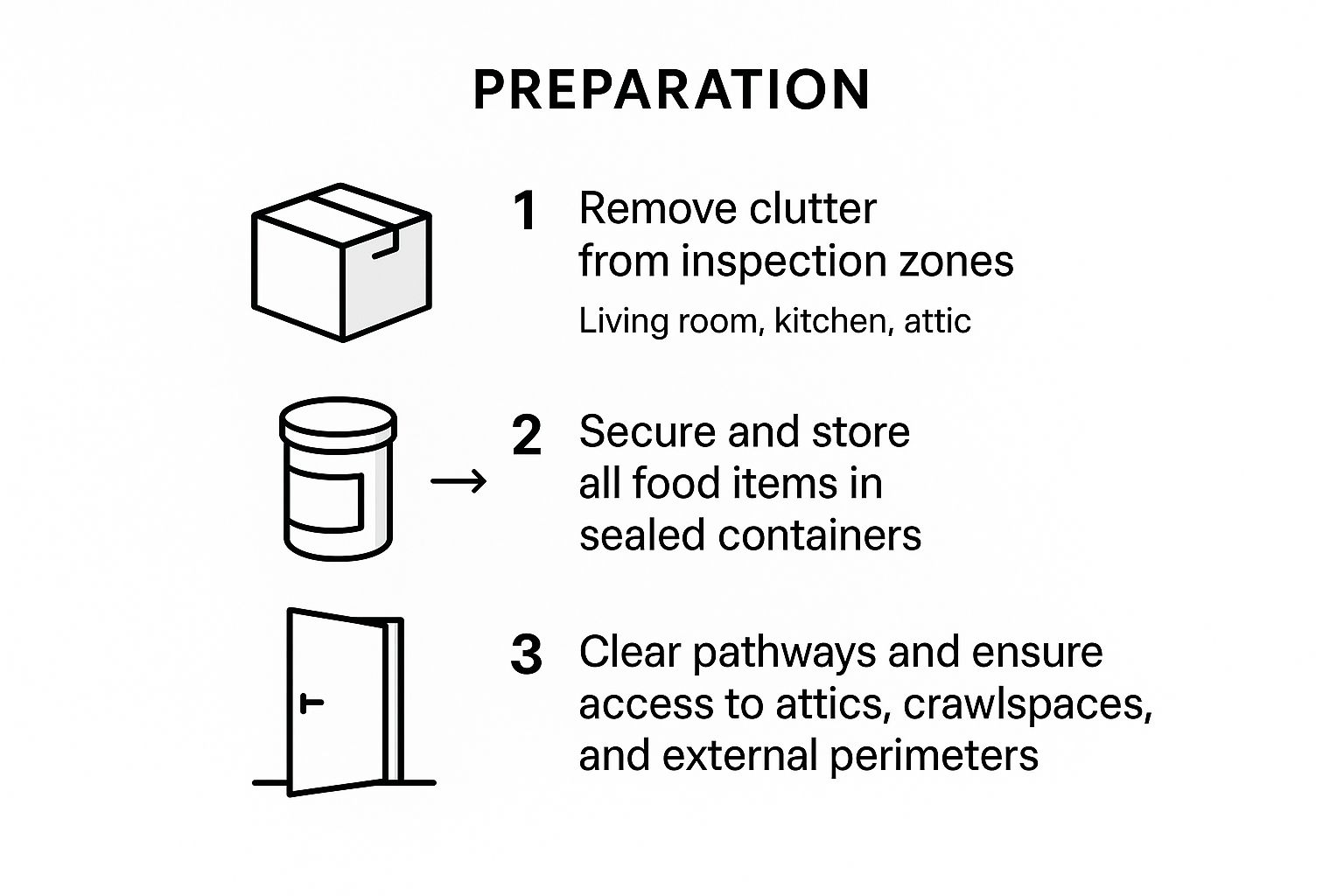
As you can see, just clearing out clutter and making sure they can get into key areas makes a huge difference in how effective the inspection can be.
Key Inspection Zones and Tools
A real pro is systematic. They don't just wander around; they target specific zones where pests love to hide, feed, and get in.
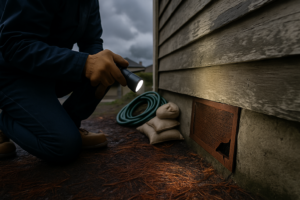
- Exterior Foundation and Perimeter: The first lap is around the outside. They're scanning the foundation for cracks, looking for termite mud tubes climbing up the walls, and checking for any wood-to-soil contact that’s basically a welcome mat for pests.
- Interior Living Areas: Inside, kitchens and bathrooms are prime real estate for pests. They’ll be checking under sinks, behind appliances, and anywhere else moisture and food crumbs might accumulate.
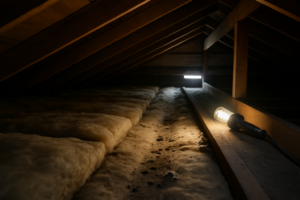
- Attics and Crawl Spaces: These are the big ones. Armed with a high-powered flashlight, your inspector will brave the dark and dusty corners. They’ll be looking for rodent nests in the insulation, checking wooden beams for the tell-tale damage of termites, and scanning for moisture that attracts everything from mold to carpenter ants.
They come equipped with more than just a flashlight, too. A moisture meter is a key tool for finding hidden water leaks that pests are drawn to. You might also see them use a probing awl, which lets them gently test wood to feel for the hollowed-out galleries left behind by termites or rot.
The final step is the report. This isn't just a bill; it's a detailed summary of all findings. A good report will include photographs of problem areas, a diagram of your property showing where evidence was found, and clear recommendations for treatment and prevention.
This thorough process is also why hiring a licensed professional is so important. For more details on what a trained eye looks for, check out our guide on expert home pest inspection tips.
Interpreting the Final Report
Once the inspection is done, you’ll get a report that lays everything out. It will clearly separate active infestations—the problems that need immediate attention—from "conducive conditions" that could cause trouble down the road. For additional context, seeing how tenant inspections for pest damage are structured can offer a wider perspective on property assessments.
A trustworthy pro will take the time to walk you through the report. They’ll explain the severity of each issue, answer your questions, and give you the information you need to make a smart, informed decision about what to do next.
Navigating Inspection Costs and Choosing a Pro
Let's get down to the two questions every homeowner eventually asks: "What's this going to cost me?" and "How do I find someone I can actually trust?" Getting a handle on the cost of a home pest inspection in Santa Cruz and knowing how to properly vet a pro are the keys to getting real value and, more importantly, peace of mind.
The price tag isn't a one-size-fits-all deal. It really depends on what's happening at your property. The size of your home, the specific pest we're dealing with, and just how bad the infestation has gotten all factor into the final cost. For example, a basic look-over for common ants will be a lot less than a specialized termite inspection, which demands a much deeper dive into your home's structure.
Understanding Local Inspection Costs
When you're budgeting for pest control services here in Santa Cruz, it helps to have a ballpark figure in mind. On average, you can expect a professional home pest inspection and the first treatment to run somewhere between $329 and $481.
Of course, this can swing quite a bit. A minor issue might only set you back around $102, but a really severe infestation could easily top $1,000. The initial inspection itself usually lands in the $150 to $190 range. For a more detailed breakdown, you can check out this Santa Cruz pest control cost data. Think of it as an investment—one that protects you from much bigger repair bills down the road.
I've seen it time and again: a cheap quote is rarely a good deal. The goal isn't to find the lowest price, but to hire a qualified, thorough professional who will solve the problem right the first time.
Your Checklist for Choosing the Right Professional
Picking the right company is every bit as important as the inspection itself. An inexperienced or, worse, unlicensed operator can miss critical signs of damage or use treatments that are unsafe for your family and pets. Arm yourself with the right questions to make sure you're hiring a true expert.
Before you agree to anything, make sure you get solid answers to these questions:
- Are you licensed, bonded, and insured in California? This is a deal-breaker. Ask to see their state-issued license number and proof of insurance. It's there to protect you and your property.
- Do you have experience with pests specific to Santa Cruz? You want someone who knows our coastal climate inside and out. A pro who understands the unique challenges we face with termites, roof rats, and carpenter ants is worth their weight in gold.
- Do you offer Integrated Pest Management (IPM) options? This is a huge green flag. It shows they're committed to responsible, long-term solutions that go way beyond just spraying chemicals. You can explore a variety of modern pest control methods that focus on sustainable, lasting results.
- Can you provide a detailed, written report and estimate? A reputable company will always put everything in writing. You should get clear, transparent documentation of their findings and the proposed plan before any work begins.
Use this checklist, and you can confidently find a pest control partner who is qualified, trustworthy, and genuinely dedicated to protecting your home.
Answering Your Questions About Santa Cruz Pest Inspections

Even with a detailed guide, a few questions always pop up. When it comes to protecting your Santa Cruz home, you deserve clear answers. Let's tackle some of the most common things homeowners ask us so you can feel confident about your next steps.
We’ll get straight to the point, cutting through the jargon to give you the practical insights you need to protect your property.
How Often Should I Get a Pest Inspection?
For most homeowners here in Santa Cruz, we strongly recommend a professional pest inspection annually. Our unique coastal climate is a paradise for moisture-loving pests like termites and carpenter ants, so a yearly check-up is just smart, proactive defense.
However, some situations demand a closer watch. If your home is in a high-pressure zone—say, backing up to a wooded canyon, a creek, or open fields—you should think about bi-annual inspections. Likewise, if you've battled infestations in the past, a more frequent quarterly service can catch new problems before they take root.
Key Insight: Think of it like this: an annual inspection is your baseline defense. If your home's location or history puts it at a higher risk, you need to step up your patrols. This proactive approach is what separates simple prevention from a costly, stressful reaction.
Are Eco-Friendly Options Really Effective?
Absolutely. Eco-friendly pest control and Integrated Pest Management (IPM) are incredibly effective, especially for the pests we see all the time in Santa Cruz. These modern methods are a perfect match for our community’s environmentally-aware mindset.
Instead of just spraying chemicals and hoping for the best, IPM gets to the root of the problem for long-term results. This means we focus on:
- Sealing Entry Points: Finding and closing off the tiny cracks and gaps that rodents and insects use to sneak inside.
- Reducing Moisture: Fixing leaky pipes and improving ventilation to make your home far less inviting to pests.
- Targeted Treatments: Using smart, precise solutions like botanical-based products, strategic baiting systems, or even heat treatments that have a minimal impact on the surrounding ecosystem.
It’s a responsible approach that’s not only powerful but also safer for your family, pets, and our local wildlife.
What's a WDO Report?
This is a really common point of confusion. A general pest inspection looks for a wide range of common critters like ants, spiders, and rodents. A termite inspection, on the other hand, is a specialized assessment that produces a Wood-Destroying Organism (WDO) report—a legally significant document often required for California real estate deals.
A WDO report focuses exclusively on organisms that can cause structural damage to your home, including:
- Termites
- Carpenter ants
- Wood-boring beetles
- Fungus and dry rot
Because of the potential for serious damage, mortgage lenders almost always require a clear WDO report before they’ll approve a home loan. It’s a crucial step in the home-buying process.
Ready to schedule a thorough inspection with a local expert you can trust? Contact West Pest Co. today for reliable, eco-friendly solutions designed for your Santa Cruz home.