From the persistent march of Argentine ants in your kitchen to the destructive tunneling of gophers in your garden, unwanted pests pose a significant threat to the comfort, safety, and value of properties across Santa Cruz County. Navigating the world of pest control can feel overwhelming, with a vast array of solutions ranging from potent chemical treatments to subtle, eco-friendly strategies. For homeowners, business owners, and property managers, choosing the right approach is crucial not only for eliminating current infestations but also for preventing future problems. The stakes are high, impacting everything from structural integrity and landscape health to customer satisfaction and regulatory compliance.
This comprehensive guide is designed to demystify the process by providing a clear, actionable roundup of the most effective pest control methods available today. We move beyond generic advice to deliver practical insights tailored to the unique environmental and structural challenges found in the Santa Cruz area. You will discover a balanced mix of conventional and innovative techniques, ensuring you can make an informed decision that aligns with your specific needs, budget, and environmental values.
Inside, we will explore ten distinct strategies, each presented with practical implementation details and real-world scenarios. You will learn about:
- Integrated Pest Management (IPM): A holistic, multi-faceted approach.
- Biological & Microbial Controls: Using nature's own defenses to manage pests.
- Chemical & Botanical Pesticides: Understanding the differences and applications.
- Physical & Cultural Controls: Proactive methods to make your property less inviting to pests.
Whether you're a homeowner seeking a safe solution for your family, a commercial property manager needing reliable, long-term prevention, or an eco-conscious resident looking for sustainable options, this list provides the expert knowledge you need to reclaim your space and maintain a pest-free environment.
1. Integrated Pest Management (IPM)
Integrated Pest Management, or IPM, is a smart, sustainable approach to managing pests that prioritizes long-term prevention over immediate chemical reaction. Rather than simply spraying pesticides at the first sign of a problem, IPM uses a combination of strategies to create an environment that is inhospitable to pests. This holistic framework is one of the most effective and environmentally conscious pest control methods available.
IPM operates on a tiered system, beginning with understanding the pest and its life cycle. The goal is to manage pest populations, not necessarily eradicate them entirely, while minimizing risks to people and the environment. This method is widely adopted by institutions that prioritize safety and sustainability, from the University of California's statewide program to local Santa Cruz County school districts reducing student pesticide exposure.
How IPM Works in Practice
Implementing an IPM strategy involves a continuous cycle of monitoring, assessing, and acting. It's a proactive rather than reactive system.
- Prevention: The first line of defense involves making a property less attractive to pests. This includes sealing cracks and crevices, eliminating standing water, managing waste properly, and choosing pest-resistant plant varieties for gardens.
- Cultural & Physical Controls: These are hands-on actions. For example, a Santa Cruz gardener might use row covers to protect vegetables from aphids or set traps for gophers instead of using baits. Adjusting irrigation schedules can also deter moisture-loving pests.
- Biological Controls: This step introduces natural enemies of pests. A classic example is releasing ladybugs to control aphid populations in a garden, a common practice in the eco-conscious communities around Santa Cruz.
- Chemical Controls: Pesticides are used only as a last resort when other methods are insufficient. IPM calls for selecting the least toxic, most targeted chemical and applying it precisely to minimize harm to non-target organisms.
Key Takeaways for an IPM Approach
The following graphic summarizes the core principles of Integrated Pest Management for quick reference.
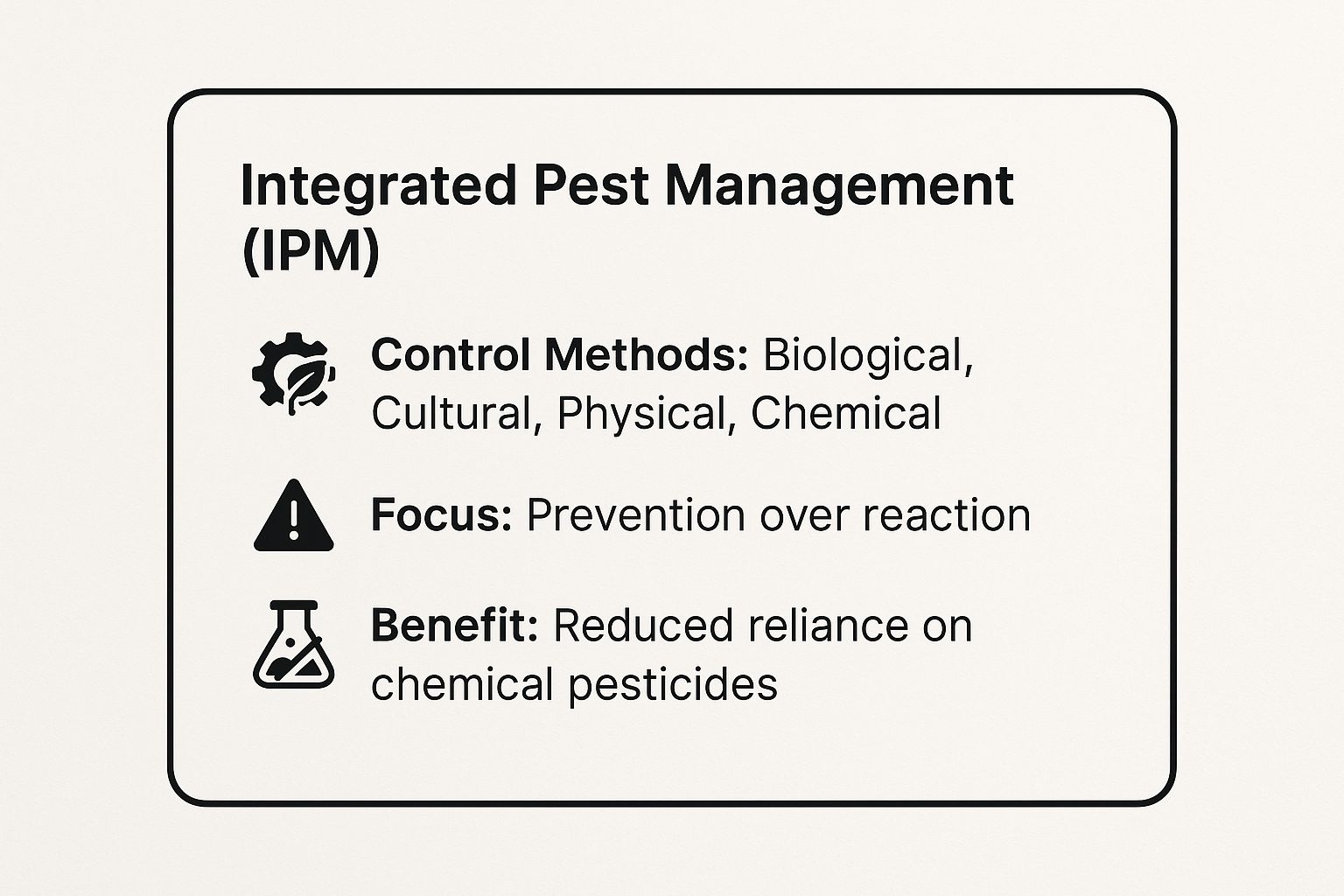
As the summary shows, the strength of IPM lies in its layered, prevention-first model that significantly reduces the need for broad-spectrum pesticides, making it a safer choice for homes, businesses, and agricultural settings.
2. Biological Control
Biological control is a pest management strategy that uses living organisms, often called "beneficials," to suppress pest populations. This method leverages nature's own system of checks and balances by introducing predators, parasitoids, and pathogens to control unwanted insects and weeds. It is a cornerstone of many eco-friendly pest control treatments in Santa Cruz County because it reduces the reliance on synthetic chemicals.
This approach is highly specific, targeting only the problem pest while leaving other organisms unharmed. The historical success of this method is well-documented, from Albert Koebele's pioneering introduction of the vedalia beetle to combat cottony cushion scale in California citrus groves to modern applications regulated by the USDA. For local gardeners and farmers, it represents a sustainable way to protect crops and landscapes.
<img src="https://cdn.outrank.so/2cc13dec-bac6-4c8a-8b1c-c3d8875ce757/ce495dd6-a9e1-4f3f-b099-3fb7768b6a4d.jpg" alt="Ladybug on a leaf, illustrating biological pest control“>
How Biological Control Works in Practice
Implementing biological control requires careful planning and an understanding of the local ecosystem. The goal is to establish a self-sustaining population of beneficial organisms that will keep pest numbers below a damaging threshold.
- Classical Biological Control: This involves introducing a natural enemy from a pest's native region to control it in a new area. The vedalia beetle's success against the cottony cushion scale is a prime example.
- Augmentative Biological Control: This method involves periodically releasing natural enemies to supplement existing populations. A Santa Cruz gardener might release ladybugs to manage an aphid outbreak or deploy Trichogramma wasps to parasitize moth eggs on their fruit trees.
- Conservation Biological Control: This focuses on modifying the environment to protect and encourage naturally occurring beneficial organisms. Planting nectar-rich flowers can provide food and shelter for beneficial insects, making a property less hospitable to pests.
Key Takeaways for a Biological Control Approach
This method is most effective when used proactively and with a solid understanding of the pest-predator relationship. It is a key component of a holistic pest management plan and is particularly valuable in sensitive environments like organic gardens, farms, and schoolyards where chemical use is restricted. The specificity of biological control makes it one of the safest and most targeted pest control methods available, protecting biodiversity while effectively managing problem species.
3. Chemical Pesticides
Chemical pesticides are substances, either synthetic or naturally derived, specifically formulated to kill, repel, or control pests. This category includes a wide range of products like insecticides for insects, herbicides for weeds, and rodenticides for rodents. They are often chosen for their rapid action and high efficacy, making them a powerful tool among various pest control methods, particularly when pest populations are large or pose an immediate threat.
These compounds work through different modes of action, such as disrupting a pest's nervous system, inhibiting its growth, or interfering with its metabolism. While highly effective, their use requires careful consideration and adherence to strict safety protocols to mitigate risks to non-target organisms, humans, and the environment. The EPA regulates pesticides to ensure they can be used safely and effectively when label instructions are followed precisely.
How Chemical Pesticides Work in Practice
Proper application is the key to using chemical pesticides safely and successfully. It's a method that demands precision and knowledge of both the target pest and the product being used.
- Identification and Selection: The first step is to correctly identify the pest. This ensures the selection of the right type of pesticide, such as using Sevin (carbaryl) for specific garden insects or a targeted herbicide like 2,4-D for broadleaf weeds in a lawn, without harming the grass.
- Correct Application: Application must follow the product label's instructions to the letter. This includes using the correct dilution rate, applying at the right time of day (often early morning or late evening to protect pollinators), and avoiding windy or rainy conditions to prevent drift and runoff.
- Safety First: Using Personal Protective Equipment (PPE) like gloves, masks, and eye protection is non-negotiable. It is also crucial to ensure that pets and people stay out of the treated area for the recommended period.
- Resistance Management: To prevent pests from developing resistance, it's wise to rotate products with different modes of action. Relying on a single chemical, like Malathion for mosquito control, year after year can lead to reduced effectiveness over time.
Key Takeaways for Using Chemical Pesticides
Chemicals are a potent component of a pest management strategy, but they must be used responsibly. They are most effective when a pest problem has exceeded a tolerable threshold and other methods have proven insufficient. Because of the potential risks involved, many residents and businesses in Santa Cruz County prefer to rely on professionals for application. A skilled technician can ensure the correct product is used in the most targeted and safest way possible.
For those situations requiring immediate and decisive action, professional-grade chemical treatments can offer a reliable solution. To explore the specific chemical treatment options available for your property, you can learn more about West Pest's treatment options on their website.
4. Physical and Mechanical Control
Physical and Mechanical Control involves using direct, hands-on methods and devices to block, trap, or remove pests from an area. Unlike chemical or biological approaches, these pest control methods rely on physical intervention, creating barriers pests cannot cross or using tools to capture them. This tangible, straightforward strategy is a fundamental component of effective pest management, especially for prevention.
This method is highly favored in organic farming and by environmentally conscious homeowners, as promoted by organizations like the University of California Agriculture and Natural Resources. It directly addresses a pest issue without introducing toxins, making it a safe choice for gardens, homes, and sensitive environments. For a Santa Cruz County resident, this could mean using hardware cloth to block a gopher's burrow or installing door sweeps to keep spiders out of a home.

How Physical & Mechanical Controls Work in Practice
Implementing these controls is about proactive prevention and direct action. The key is to understand the pest's physical capabilities and behaviors to choose the right tool or barrier.
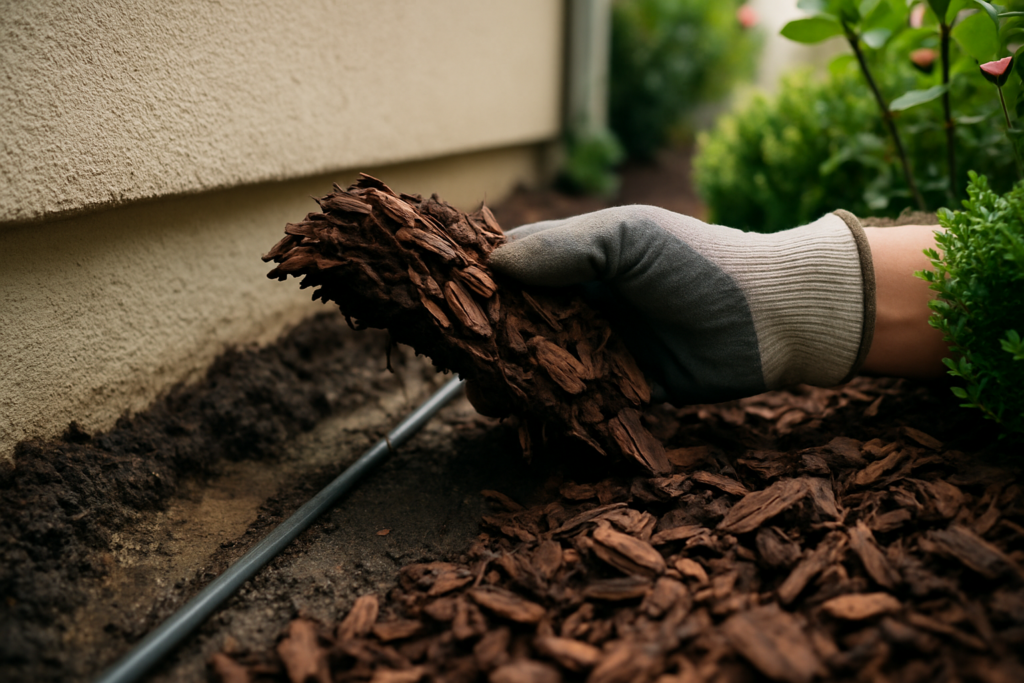
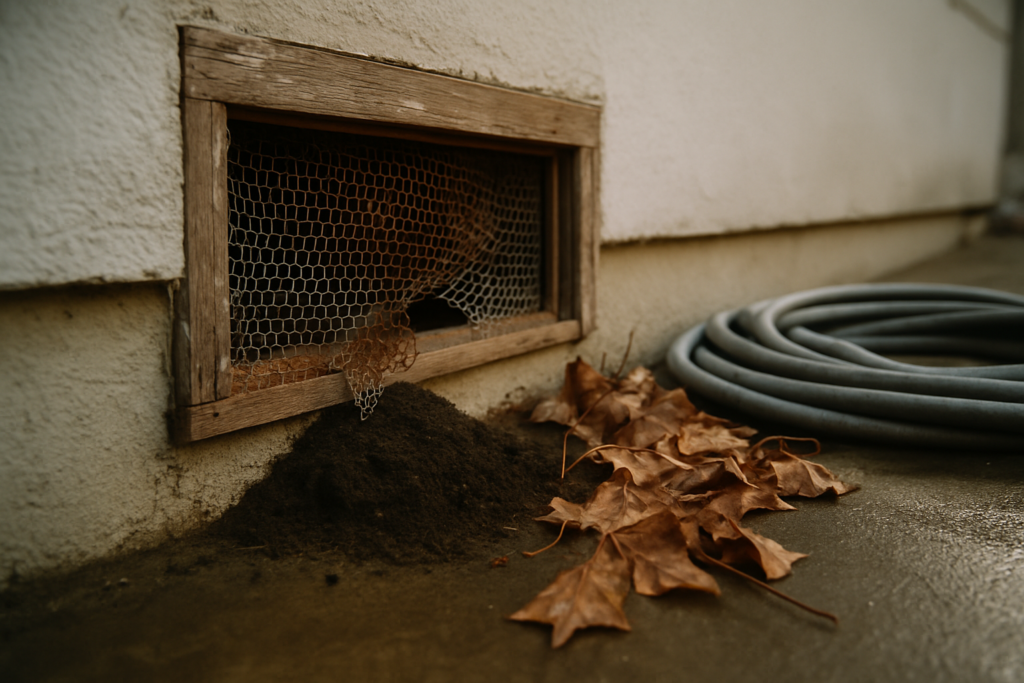
- Exclusion: This is the act of physically blocking pests from entering a space. For Santa Cruz homeowners, this means sealing foundation cracks to stop rodents, using copper mesh to deter slugs from garden beds, and ensuring window screens are in good repair to block flying insects.
- Trapping: Traps are used to capture pests. This includes setting snap traps for mice in a garage, using sticky traps to monitor for cockroaches under sinks, or placing pheromone traps in a pantry to catch Indian meal moths.
- Removal: Sometimes, the best method is direct removal. This can be as simple as hand-picking snails off plants in the morning dew or using a high-pressure water spray to dislodge aphids from rose bushes. For larger pests like gophers, specialized trapping systems are a common mechanical solution.
Key Takeaways for Physical & Mechanical Control
This approach is highly effective when applied correctly and consistently. The focus is on creating a pest-proof environment through physical means.
Combining different physical and mechanical pest control methods often yields the best results. For example, sealing entry points and setting traps provides a two-layer defense system against rodents. The primary benefit is its targeted nature; it directly affects the pest without the risk of harming non-target species or contaminating soil and water, making it an ideal choice for the eco-aware communities of Santa Cruz County.
5. Cultural Control
Cultural control is a foundational, proactive pest control method rooted in agricultural and horticultural practices that make an environment fundamentally less hospitable to pests. It involves modifying standard growing and maintenance procedures to disrupt pest lifecycles, reduce their food sources, and eliminate their habitats. This preventive approach focuses on creating healthy, resilient ecosystems, from large-scale farms to a residential garden in Santa Cruz, thereby minimizing the need for reactive treatments.
This method leverages deep knowledge of plant and pest biology to create conditions that favor plant health over pest proliferation. Instead of waiting for an infestation to appear, cultural controls are built into the routine care of a landscape or garden. It’s a smart, sustainable strategy that aligns perfectly with the eco-conscious values of many Santa Cruz County residents, promoting robust plant growth while naturally deterring common pests like aphids, spider mites, and various plant diseases.
How Cultural Control Works in Practice
Implementing cultural controls means making strategic decisions before and during the growing season. It’s about cultivating a strong defense through thoughtful gardening and landscape management.
- Crop Rotation and Placement: A cornerstone of cultural control, this involves not planting the same type of plant in the same spot year after year. This practice breaks the life cycles of soil-borne diseases and pests that target specific plant families. Proper spacing between plants is also crucial for improving air circulation, which helps prevent fungal diseases common in coastal climates.
- Sanitation: This is one of the simplest yet most effective cultural practices. It involves regularly removing fallen leaves, weeds, and other plant debris where pests and diseases can overwinter or breed. A clean garden is a less inviting target for pests.
- Strategic Planting and Timing: Planting is timed to avoid the peak activity periods of specific pests. For example, planting certain crops earlier or later in the season can help them mature before their primary pests become numerous. Additionally, choosing plant varieties that are naturally resistant to common local pests is a powerful first line of defense.
- Companion Planting: This involves placing specific plants near each other for mutual benefit. A gardener in Aptos might plant marigolds around their tomatoes to deter nematodes or place aromatic herbs like rosemary and basil throughout the garden to repel aphids and other insects.
Key Takeaways for a Cultural Control Approach
Cultural controls are an empowering set of practices that put prevention at the forefront of pest management. They work by creating an environment where plants thrive and pests struggle, significantly reducing reliance on chemical interventions. The best results come from a consistent application of these techniques, which become more effective over time as the health of your soil and plants improves.
Integrating these methods requires observation and planning, similar to conducting a thorough property assessment. To identify potential pest-friendly conditions around your own property, you can reference expert home pest inspection tips. By understanding where pests might find shelter or food, you can better tailor your cultural control strategies for maximum impact.
6. Pheromone Traps
Pheromone traps are a highly targeted and clever pest control method that uses synthetic versions of insect hormones to attract and capture specific pests. Instead of relying on broad-spectrum baits or sprays, these traps use powerful chemical signals, known as pheromones, that insects use to communicate. This precision makes them an excellent tool for monitoring pest populations and, in some cases, disrupting their mating cycles.
This approach offers a non-toxic way to gather critical data or reduce pest numbers without affecting beneficial insects, pets, or people. Pioneered by organizations like the USDA Agricultural Research Service and commercialized by companies such as Trécé Inc. with its Pherocon line, pheromone traps are a cornerstone of modern, data-driven pest management, especially in sensitive agricultural settings common to Santa Cruz County.
How Pheromone Traps Work in Practice
Using pheromone traps effectively is all about strategy and timing. They can be used for monitoring to determine if and when other control measures are needed, or for mass trapping to lower local pest populations.
- Monitoring: The most common use is to monitor pest activity. For example, a Santa Cruz orchardist might deploy codling moth traps to pinpoint the exact timing of moth flights, allowing for a perfectly timed, targeted treatment instead of preventative spraying. This is a key part of many IPM programs.
- Mass Trapping: In some situations, deploying a high density of traps can capture enough males to significantly disrupt mating. This "mating disruption" technique can reduce the next generation of pests. Japanese beetle traps are a common example seen in gardens, though they can sometimes attract more beetles to the area than they capture.
- Detection: Government agencies often use these traps for early detection of invasive species. Programs to detect the Mediterranean fruit fly or the Gypsy moth rely on a wide network of pheromone traps to spot new infestations before they become widespread.
Key Takeaways for a Pheromone Trap Approach
To get the most out of this pest control method, placement and maintenance are crucial for success.
- Place traps according to manufacturer guidelines, paying attention to height, spacing, and prevailing wind direction to maximize pheromone dispersal.
- Check traps regularly (e.g., weekly) to count pests and assess population trends. This data informs whether further action is necessary.
- Replace the pheromone lures as recommended, as their effectiveness diminishes over time.
- Use traps designed to be weather-resistant to ensure they remain functional throughout the monitoring period.
7. Botanical Pesticides
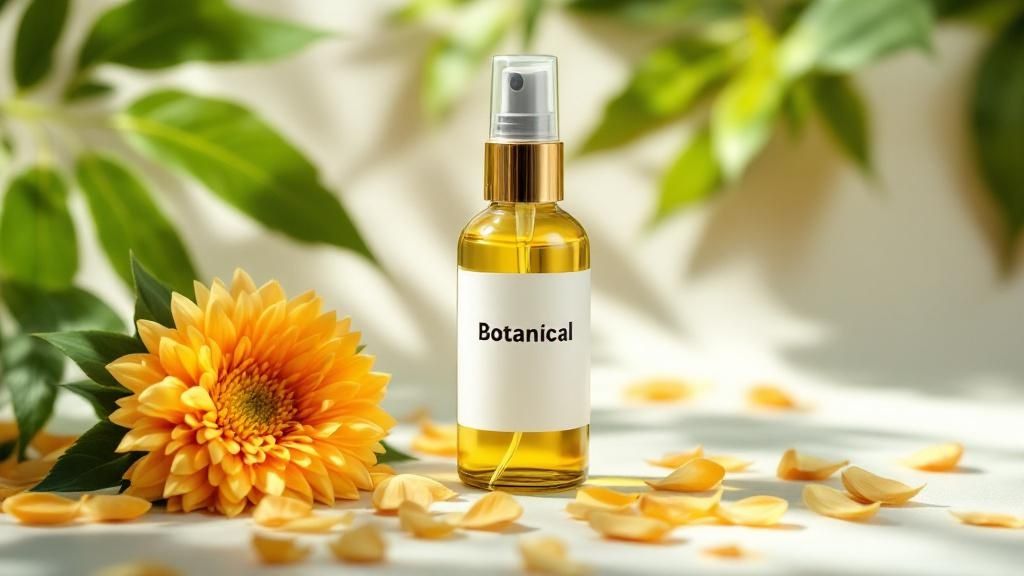
Botanical pesticides are naturally occurring chemicals extracted from plants that have insecticidal or repellent properties. These plant-derived compounds offer a powerful alternative to synthetic chemicals, breaking down more quickly in the environment and often posing a lower risk to non-target organisms. As one of the oldest pest control methods, botanicals are a cornerstone of organic farming and are favored by eco-conscious gardeners.
These pesticides are derived from various plant sources, each with unique properties. Their effectiveness comes from plant defense mechanisms honed over millennia. For instance, companies like Safer Brand and Garden Safe have popularized these options, making them accessible for residential use in communities like Santa Cruz County, where environmental stewardship is a priority.
How Botanical Pesticides Work in Practice
Using botanical pesticides effectively requires understanding their specific characteristics and limitations compared to synthetic options. They are most effective when integrated into a broader pest management strategy.
- Neem Oil: Extracted from the seeds of the neem tree, this oil is excellent for controlling soft-bodied insects like aphids, mites, and whiteflies. It works as a repellent, growth regulator, and feeding deterrent.
- Pyrethrins: Derived from chrysanthemum flowers, pyrethrins are fast-acting nerve toxins for insects but have low toxicity for mammals. They are commonly used in household insect sprays to control flying pests.
- Essential Oils: Oils from plants like peppermint, cedarwood, and rosemary can be effective repellents. A common Santa Cruz home remedy involves using peppermint oil-soaked cotton balls to deter ants from entering a kitchen.
Key Takeaways for Using Botanical Pesticides
Botanicals are highly effective but require precise application and handling for the best results. They are not entirely non-toxic, so always follow label instructions carefully.
When using botanical pesticides, remember that they often have a shorter residual effect than synthetics because they can be broken down by sunlight and microbial action. This means applications may need to be more frequent. Always test on a small leaf area first to ensure the plant is not sensitive, and apply during the cooler, less sunny parts of the day to prevent leaf burn and maximize effectiveness.
8. Habitat Modification
Habitat Modification is a proactive and ecological pest control method that involves altering the physical environment to make it less welcoming for pests. Instead of directly targeting the pests themselves, this strategy focuses on removing the resources they need to survive, thrive, and reproduce, such as food, water, and shelter. It's a foundational, long-term approach that creates a less hospitable landscape for pests while often enhancing it for beneficial organisms.
This technique is a cornerstone of sustainable land management and is widely promoted by ecological restoration groups and sustainable agriculture programs. For homeowners and businesses in Santa Cruz County, modifying a property’s habitat can fundamentally solve pest issues at their source. It addresses the "why" behind a pest infestation, rather than just treating the symptoms, making it an incredibly efficient long-term solution.
How Habitat Modification Works in Practice
Implementing habitat modification requires observing your property and identifying what specific environmental factors are attracting pests. The goal is to strategically disrupt these factors.
- Eliminate Water Sources: Mosquitoes, a common nuisance in Santa Cruz, breed in stagnant water. Regularly draining birdbaths, clogged gutters, and old tires removes their breeding grounds. Similarly, fixing leaky outdoor faucets can deter rodents and insects seeking moisture.
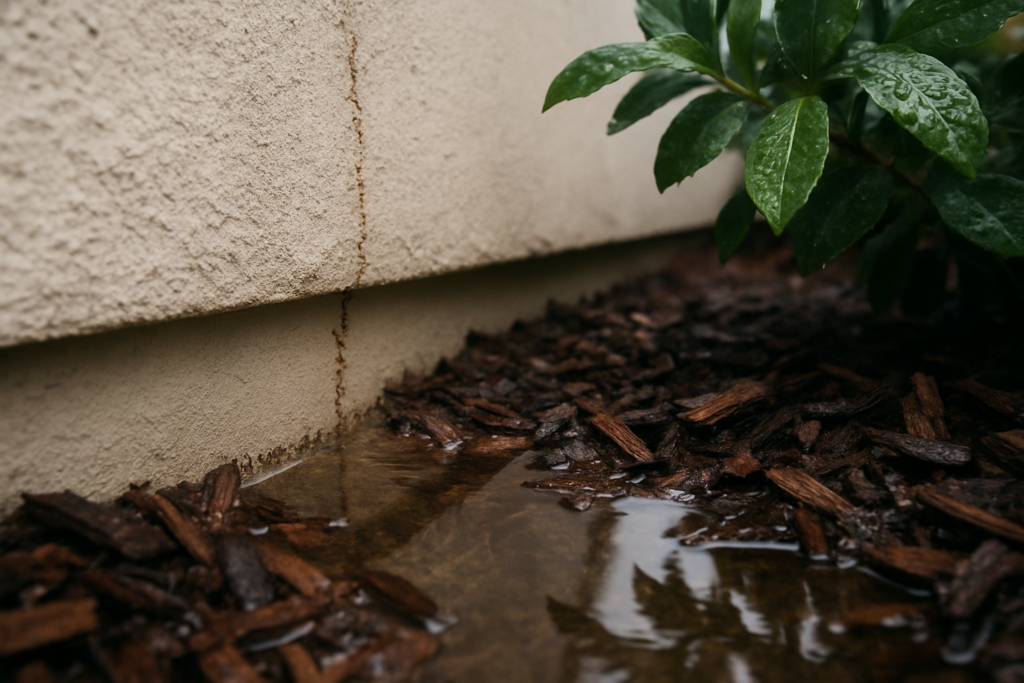
- Remove Shelter: Pests need places to hide and nest. Clearing away woodpiles, dense overgrown vegetation, and debris from around a building’s foundation eliminates harborage for rodents, spiders, and termites. Keeping lawns mowed and gardens tidy also reduces cover for pests.
- Manage Food Supplies: Securing trash cans with tight-fitting lids is a simple yet powerful modification. In gardens, cleaning up fallen fruit promptly prevents attracting yellow jackets and rats.
- Promote Beneficials: This method isn't just about removal; it's also about encouragement. Planting native flowers that attract predatory insects or installing bat houses to encourage natural mosquito control are excellent examples. In agricultural settings near Watsonville, creating "beetle banks" or maintaining hedgerows provides habitat for natural enemies of crop pests.
Key Takeaways for a Habitat Modification Approach
This method is about creating a balanced ecosystem on your property where pests struggle to gain a foothold. By thoughtfully managing the landscape, you can significantly reduce your reliance on other pest control methods. The key is to identify what a specific pest needs and then take that resource away, effectively designing them out of your environment.
9. Sterile Insect Technique (SIT)
The Sterile Insect Technique, or SIT, is a sophisticated and highly targeted biological pest control method. It functions like a form of insect birth control by introducing sterile mates into a wild pest population. This environmentally friendly approach suppresses, and can even eradicate, specific pest species without the use of conventional pesticides.
SIT involves mass-rearing a target pest, sterilizing the males using radiation, and then strategically releasing them into infested areas. These sterile males mate with wild females, but these pairings produce no offspring. Over time, with repeated releases, the pest population crashes. This method is a cornerstone of large-scale agricultural and public health programs, including the successful eradication of the screwworm from North and Central America and efforts to control the Mediterranean fruit fly in California.
How SIT Works in Practice
Implementing SIT is a large-scale, coordinated effort typically managed by government agencies or international bodies like the USDA or the FAO/IAEA Joint Programme. It's a powerful tool for area-wide pest management.
- Mass Rearing: Millions of insects, such as the Medfly, are produced in specialized, factory-like facilities.
- Sterilization: The male insects are sterilized, usually with low doses of ionizing radiation, in a way that does not otherwise harm their health or mating competitiveness.
- Strategic Release: Sterile males are released in carefully calculated numbers across an entire pest-infested region to significantly outnumber the wild, fertile males.
- Population Suppression: As wild females increasingly mate with sterile males, the reproductive rate of the population plummets, leading to its decline and potential elimination.
Key Takeaways for a SIT Approach
While SIT is not a method homeowners can implement themselves, understanding it highlights the advanced science used in modern pest control. For Santa Cruz County residents, it represents the kind of large-scale, eco-friendly thinking that protects local agriculture, such as apple orchards and berry farms, from devastating invasive species. It is one of the most effective and specific pest control methods for preventing widespread infestations without harming beneficial insects like bees or natural predators.
10. Microbial Pesticides
Microbial pesticides are a form of biological control that uses naturally occurring microorganisms like bacteria, fungi, viruses, and protozoa to manage pest populations. Instead of relying on synthetic chemicals, these living agents infect and cause disease specifically in target pests, offering one of the most precise pest control methods available. This approach is highly effective while posing minimal risk to humans, pets, wildlife, and beneficial insects.
These specialized biopesticides are gaining traction among Santa Cruz’s eco-conscious gardeners and agricultural producers for their targeted action. Companies like Valent BioSciences and Certis USA have pioneered their development, making them accessible for both residential and commercial use. They work by disrupting the pest's life cycle from the inside, providing a powerful yet environmentally gentle solution.
How Microbial Pesticides Work in Practice
Using microbial pesticides successfully requires understanding that you are deploying a living organism. Their effectiveness depends on proper application and environmental conditions.
- Bacteria: The most famous example is Bacillus thuringiensis (Bt), a soil bacterium. When ingested by caterpillars or mosquito larvae, it produces a protein that destroys their digestive system. It is harmless to other organisms, making it a safe choice for vegetable gardens in Santa Cruz.
- Fungi: Fungi like Beauveria bassiana and Metarhizium anisopliae act as contact pesticides. Their spores attach to an insect's exoskeleton, germinate, and penetrate the body, eventually killing the host. They are effective against aphids, whiteflies, and soil-dwelling grubs.
- Viruses: Certain viruses, such as nuclear polyhedrosis viruses (NPVs), are highly specific to particular insect groups, like moth larvae. The pest must eat the virus, which then replicates and causes a fatal infection.
Key Takeaways for a Microbial Approach
Proper storage and application are critical for the success of these living pesticides.
- Timing is Everything: Apply microbial pesticides in the evening or on overcast days to protect the live organisms from UV radiation.
- Check Conditions: Most microbial agents require specific temperature and humidity levels to thrive. For example, fungal pesticides often work best in higher humidity.
- Store Properly: Always store products in cool, dry conditions and pay close attention to the expiration date, as their viability decreases over time.
- Avoid Mixing: Do not tank-mix microbial products with fungicides, which can kill the active fungal ingredient in your biopesticide.
By leveraging these microscopic allies, you can implement a sophisticated pest control method that protects your property and the local Santa Cruz ecosystem.
Pest Control Methods Comparison Matrix
| Pest Control Method | Implementation Complexity 🔄 | Resource Requirements ⚡ | Expected Outcomes 📊 | Ideal Use Cases 💡 | Key Advantages ⭐ |
|---|---|---|---|---|---|
| Integrated Pest Management (IPM) | High: requires knowledge, planning, ongoing monitoring | Moderate: combines multiple methods, needs equipment and training | Long-term pest reduction, environmentally sustainable | Diverse settings requiring balanced, sustainable control | Reduces pesticide use, addresses root causes, protects beneficials |
| Biological Control | Moderate: expertise needed for agent selection and release | Low to Moderate: initial release & habitat support | Slow establishment, selective pest suppression | Gardens, orchards, where natural enemies thrive | Environmentally safe, self-sustaining, no chemical residues |
| Chemical Pesticides | Low: standardized application, follows guidelines | Moderate: pesticides, equipment, safety gear | Fast-acting, reliable pest suppression | Immediate pest outbreaks needing quick control | Rapid effects, widely available, cost-effective immediate solution |
| Physical and Mechanical Control | Low to Moderate: labor intensive, requires maintenance | Low: physical tools, barriers, traps | Immediate, visible pest removal, limited scale control | Small areas, organic farming, when chemicals avoided | Non-toxic, no resistance risk, reusable equipment |
| Cultural Control | Moderate: requires planning and consistent implementation | Low: changes to farming practices | Preventive, improves plant health and reduces pest pressure | Farming and gardening with emphasis on sustainability | Cost-effective, compatible with organic methods, holistic pest reduction |
| Pheromone Traps | Moderate: requires species-specific lures and regular upkeep | Low to Moderate: traps, synthetic lures | Early detection, population monitoring, mating disruption | Targeted pest monitoring and population control | Highly selective, environmentally safe, non-toxic |
| Botanical Pesticides | Low to Moderate: application similar to chemicals but product variable | Moderate: sourcing or producing botanical extracts | Variable effectiveness, environmental biodegradability | Organic farming, situations favoring natural products | Biodegradable, lower toxicity, multiple active compounds |
| Habitat Modification | High: requires planning and environmental changes | Moderate to High: landscape alterations and maintenance | Long-term pest habitat suppression, ecosystem enhancement | Large landscapes, ecological and sustainable pest management | Enhances biodiversity, sustainable, reduces pest pressure naturally |
| Sterile Insect Technique (SIT) | High: sophisticated mass-rearing and release coordination | High: infrastructure, operational costs | Species-specific population suppression, area-wide control | Targeted pest eradication over large areas | Environmentally safe, no resistance, highly specific control |
| Microbial Pesticides | Moderate: specific application conditions, formulation handling | Moderate: purchase and storage of living agents | Targeted pest disease, slow but sustainable control | Organic and conventional systems needing reduced chemical use | Safe for non-targets, reduced resistance risk, organic approved |
Choosing the Right Pest Control Strategy for Your Santa Cruz Property
Navigating the world of pest control can feel overwhelming, but as we've explored, you have a powerful and diverse toolkit at your disposal. From the holistic, prevention-first philosophy of Integrated Pest Management (IPM) to the targeted precision of microbial pesticides and pheromone traps, the right solution for your Santa Cruz property exists. The key is understanding that effective pest management isn't about finding a single silver bullet; it's about building a customized, multi-layered strategy that addresses your unique challenges while respecting our local coastal environment.
We've covered a wide spectrum of pest control methods, each with distinct advantages. For the eco-conscious homeowner, a combination of cultural controls, such as adjusting irrigation schedules, and biological controls, like introducing beneficial insects, can create a resilient, self-regulating garden. For a commercial property manager facing persistent rodent issues, a strategy blending physical barriers with sophisticated pheromone monitoring offers a robust, long-term defense.
Synthesizing Your Strategy: Key Takeaways
The most crucial takeaway is that knowledge is your greatest asset. Understanding the "why" behind a pest problem is just as important as the "how" of eliminating it. Instead of simply reacting to an infestation, a proactive approach saves time, money, and environmental impact.
Consider these core principles as you move forward:
- Prevention Over Reaction: The most effective pest control happens before you ever see a pest. Habitat modification, sealing entry points, and smart cultural practices form the foundation of a pest-free property. This is the central lesson of IPM.
- Specificity is Power: Generic solutions often yield generic, and temporary, results. Using specific pest control methods like botanical pesticides for certain insects or the Sterile Insect Technique for a targeted population is far more effective and less disruptive than broad-spectrum chemical applications.
- Integration is Essential: Don't rely on a single method. The most successful strategies layer several techniques. For example, you might use physical traps to monitor an initial problem, habitat modification to remove the source, and a targeted biological control agent to handle any remaining population. This integrated approach creates a more durable and sustainable outcome.
Actionable Next Steps for Santa Cruz Residents
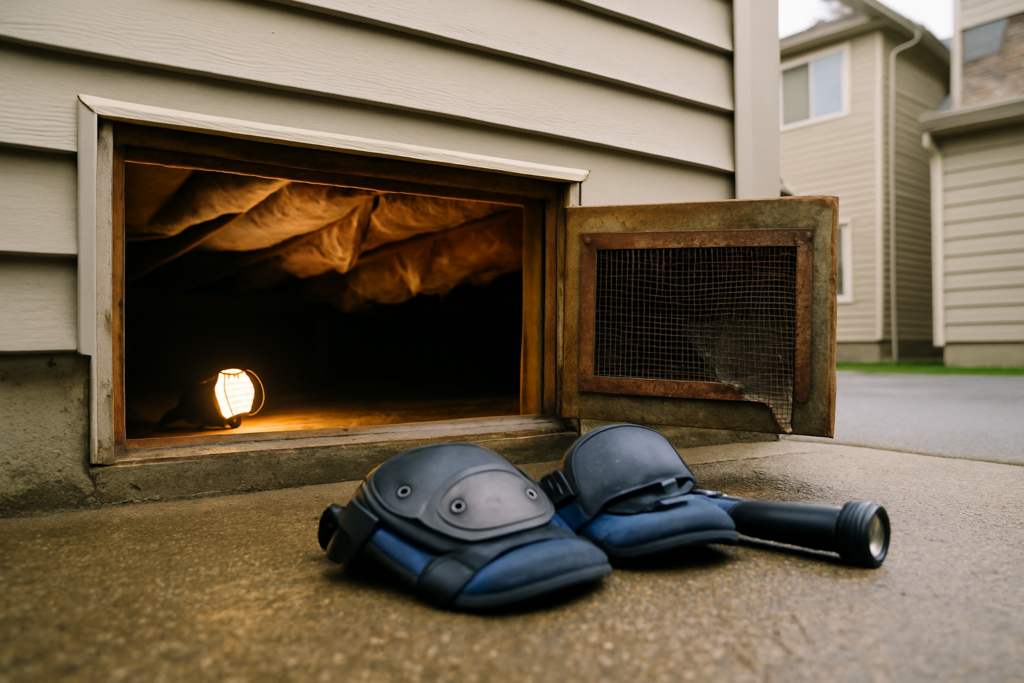
Armed with this information, your next step is to apply it directly to your home or business. Begin with a thorough inspection of your property. Look for potential entry points for rodents, areas of standing water that attract mosquitoes, and signs of plant stress that could invite garden pests. Use the principles of habitat modification and physical controls to address these vulnerabilities immediately. This initial effort can dramatically reduce your reliance on more intensive treatments later on.
If you're facing a more complex or established infestation, remember that identifying the pest is paramount. Is that a subterranean termite or a drywood termite? Is your lawn being damaged by gophers or moles? The answer dictates the entire course of action. Once identified, you can revisit the methods we've detailed, from pheromone traps to microbial pesticides, and select the most appropriate and targeted solution. This thoughtful process ensures you're not just treating symptoms but solving the core problem effectively.
Embracing a strategic, informed approach to pest management does more than just protect your property; it empowers you to be a better steward of your environment. By choosing methods that are targeted, minimally invasive, and environmentally conscious, you contribute to the health and beauty of the entire Santa Cruz County ecosystem. This commitment to intelligent pest control methods ensures your home or business remains a safe, healthy, and thriving space for years to come.
Navigating these methods to create a perfect plan can be complex, but you don't have to do it alone. The experts at West Pest Co. specialize in developing customized Integrated Pest Management strategies tailored specifically for Santa Cruz County's unique environment. Contact West Pest Co. today to partner with a team that prioritizes effective, long-term, and environmentally responsible solutions for your property.