As a pet owner in Santa Cruz, you have one big question: is your pest control truly pet-friendly?
The honest answer? It depends on the methods and products used. Truly safe pest control isn't a simple "yes" or "no." It's a full strategy built on using the right tools and being open about the process.
Why Pet-Friendly Pest Control Is a Must in Santa Cruz
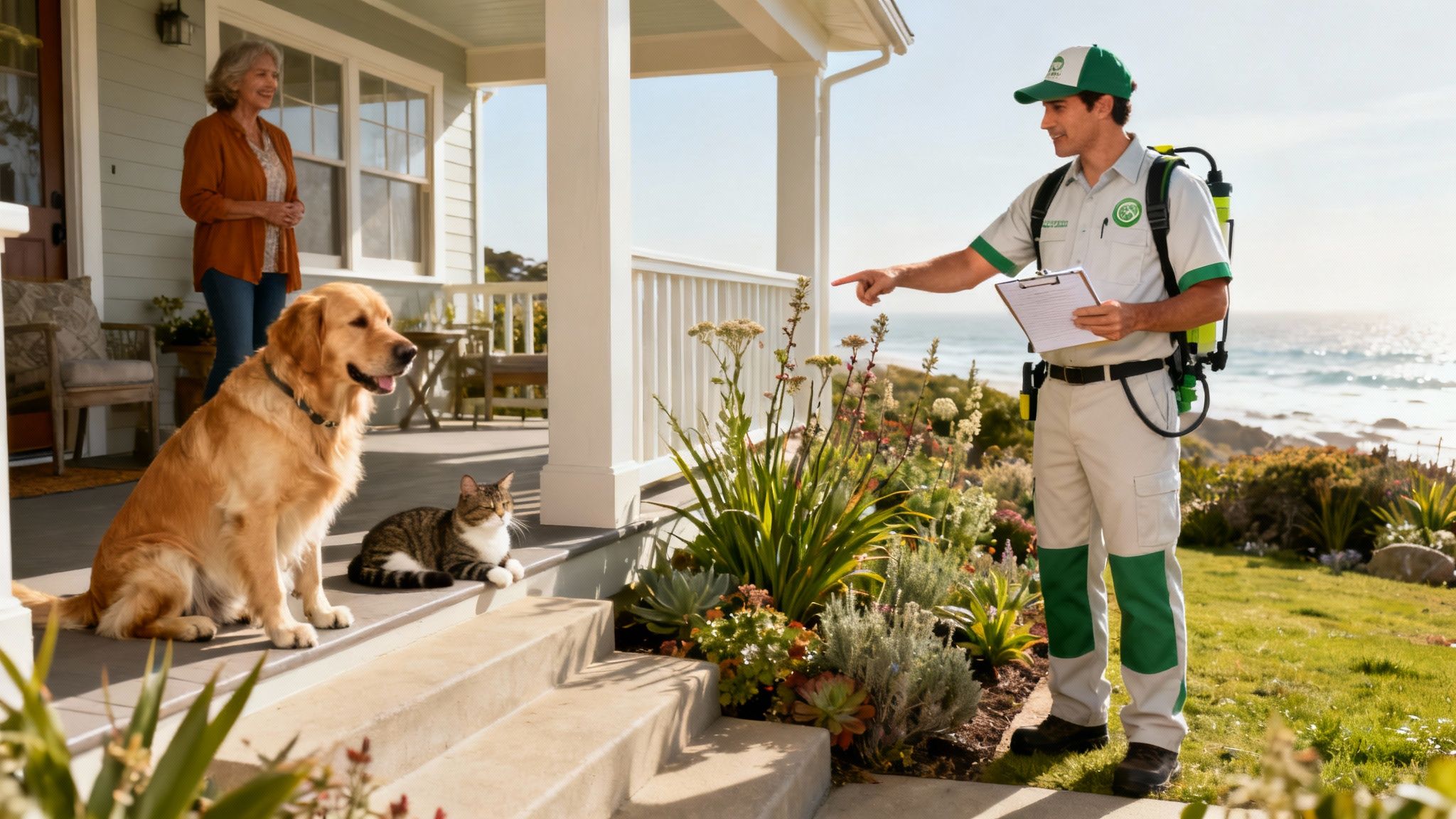
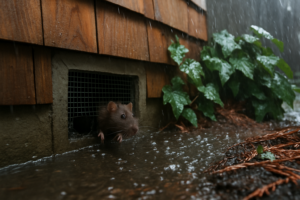
Living anywhere from Aptos to Scotts Valley means pests are a fact of life. Our coastal climate, with its foggy summers and mild winters, creates a perfect home for pests like ants, spiders, and rodents. This isn't just a small bother; it’s an ongoing challenge.
For those of us who treat our pets like family, finding a safe solution is a top priority. In fact, about 1 in 5 families adopted a pet during the pandemic, showing just how important they are in our lives.
This is where a professional, transparent strategy matters. Simply spraying generic chemicals around your property can create risks for curious dogs and cats. Pests also bring their own dangers, which is why understanding the hidden health risks of common pests is so important.
Real pet-friendly pest control is a smarter approach. It means:
- Using targeted treatments that solve the problem without covering your home in chemicals.
- Choosing eco-friendly and botanical products that are effective but have a lower impact.
- Using exclusion methods that physically block pests from getting inside in the first place.
- Communicating openly so you know what’s being used and what simple steps you need to take.
Keeping your pets safe is more than just a marketing promise. It’s about working with a pest expert who understands our local area and shares your goal of protecting every family member.
Recognizing the Hidden Risks of Common Pest Control
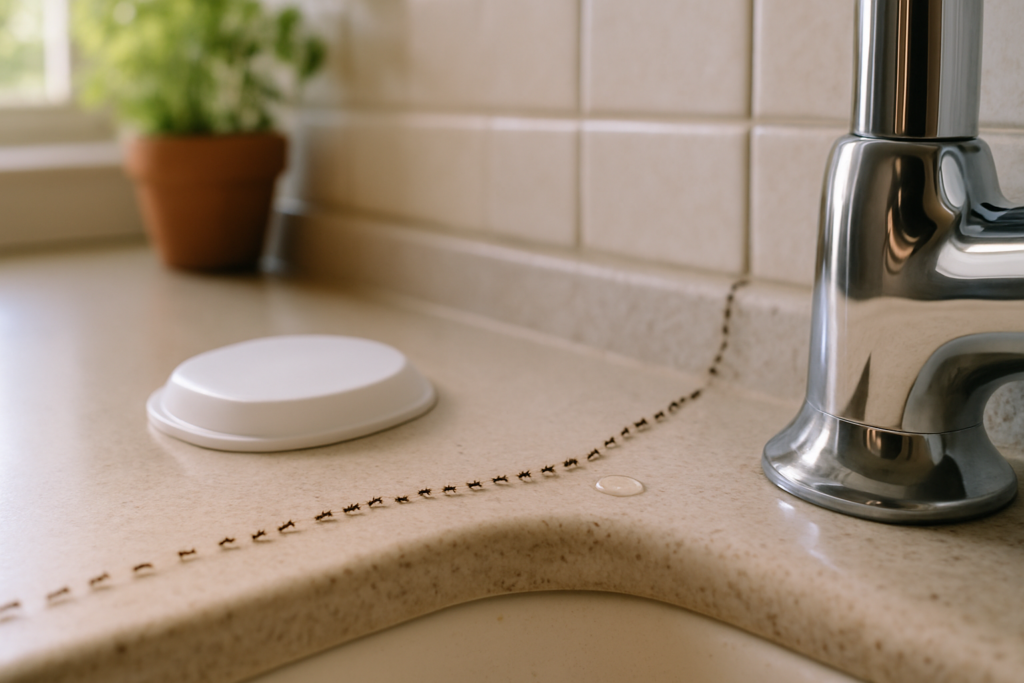
When you see a line of ants in the kitchen, it’s easy to grab a spray from the store. The problem is, many common pest treatments use chemicals that can be dangerous for your pets.
Understanding these risks helps you make a smarter, safer choice for everyone in your home.
The main issue is that these chemicals can't tell the difference between a bug and your cat. Pets explore with their noses, mouths, and paws, putting them in direct contact with treated surfaces.
How Pets Can Be Exposed to Harmful Chemicals
A pet’s normal behavior can lead to accidental exposure to pesticides. Think about your dog or cat's daily routine.
- Eating It Directly: This is the most obvious risk. A pet might find and eat poison bait pellets for rodents.
- Licking Paws and Fur: After walking on a sprayed floor or lawn, your pet will groom itself. When it does, it licks those chemical residues.
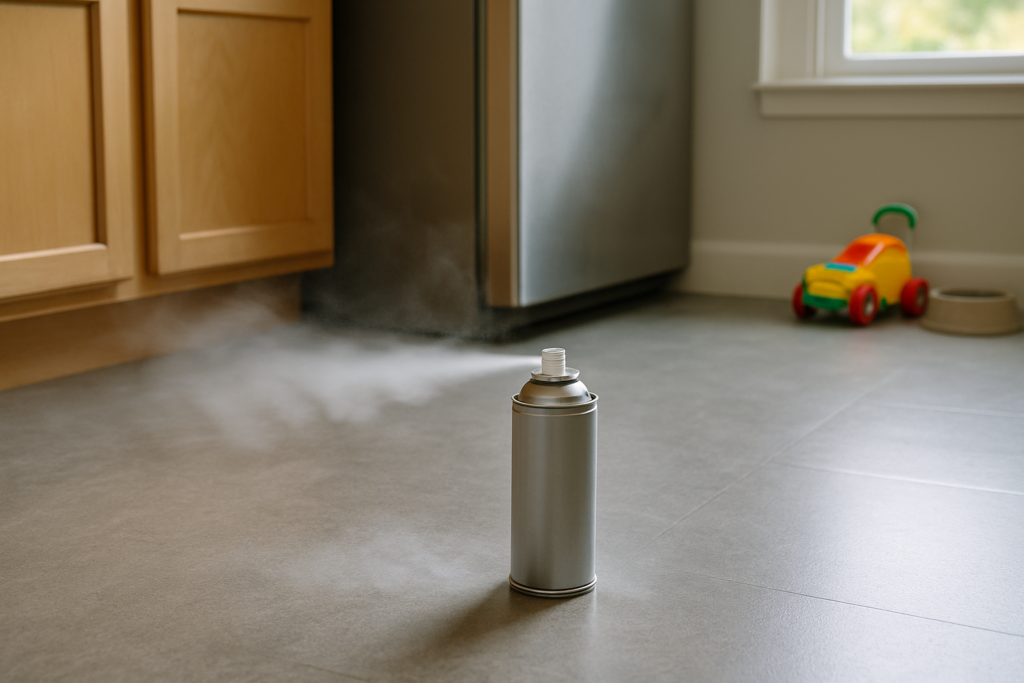
- Breathing in Sprays: Aerosol sprays and bug bombs can linger in the air. Pets can easily breathe them in.
- Absorbing Through Skin: Rolling around or napping on a treated carpet can let chemicals soak through your pet’s skin.
These situations show why a one-size-fits-all chemical spray isn't always the best answer. The growing trend of sustainability storytelling in pest management shows that Santa Cruz homeowners want smarter options.
Warning Signs of Pesticide Exposure in Pets
Knowing the warning signs can help you act fast. Symptoms can change depending on the chemical, but there are common red flags to watch for.
Crucial Takeaway: Mild symptoms can look like a simple upset stomach. If you recently used a pesticide and notice your pet acting strange, it's always best to be cautious.
Common signs of pesticide poisoning in pets include:
- Drooling or foaming at the mouth
- Vomiting or diarrhea
- Acting very tired or weak
- Muscle tremors or seizures
- Trouble breathing or coughing
- Not eating or being clumsy
The goal here isn't to scare you, but to give you knowledge. Knowing these risks helps you ask the right questions and see why a professional, pet-conscious approach is so important.
What "Pet-Friendly" Pest Control Really Means
The term "pet-friendly" is used a lot, but what does it actually mean? It's more than a sticker on a bottle. Real pet-friendly pest control is a smart strategy that goes beyond just spraying chemicals.
This modern approach is called Integrated Pest Management (IPM). Think of it as preventative care for your home. Instead of just reacting to pests, IPM focuses on why they're there and stops them from becoming a big problem. You can learn more in our guide on what Integrated Pest Management is.
The IPM Strategy for Pet Safety
An IPM approach is designed to protect your whole home—and that includes your pets. It’s a careful process that uses different tactics for the safest results.
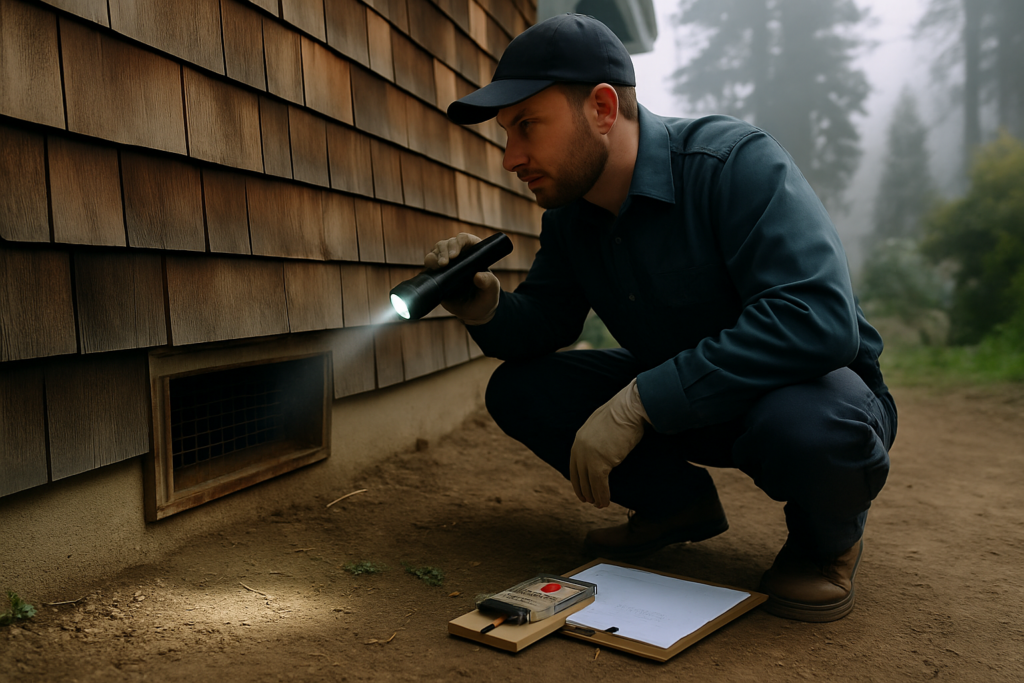
- Inspection: First, we find out exactly what pest we're dealing with and how it's getting in.
- Prevention: Next, we focus on non-chemical solutions. This could mean sealing cracks where rodents get in or fixing a leaky pipe that attracts ants.
- Targeted Treatments: When a treatment is needed, we choose the safest, most precise option to solve the problem at its source.
This infographic shows the main ways pets can be exposed to common chemicals.
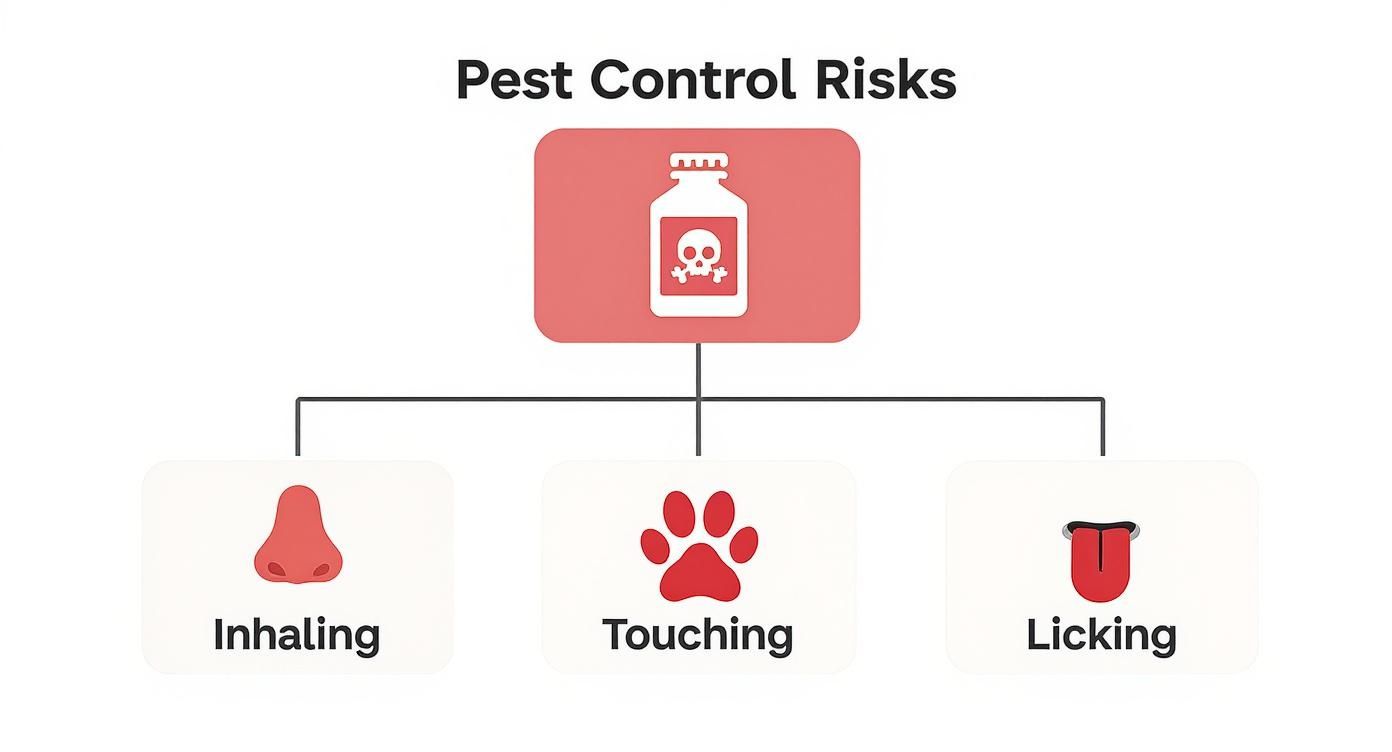
Understanding these risks—inhaling, touching, and licking—makes it clear why a smarter IPM strategy is so important for any home with pets.
Pet-Safe Tools We Use
At West Pest Co., our IPM strategy uses tools designed to protect your pets and family. It’s all about choosing options that are tough on pests but gentle on your home.
True pet safety isn't about using weaker products; it's about using smarter ones. By understanding pests and your home, we can solve the problem without putting your furry friends at risk.
Here are a few examples of what this looks like:
- Botanical-Based Products: We often use solutions made from plants, like chrysanthemum flowers. These work well against insects but have very low toxicity for mammals.
- Tamper-Proof Bait Stations: For rodents, we use secure stations that only rodents can access. This keeps the bait safely away from pets and kids.
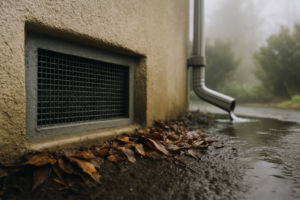
- Physical Barriers: Sometimes the best tool isn't a product at all. It might be installing a mesh screen over a vent to block pests.
Here in Santa Cruz County, we face pests like Argentine ants. An IPM approach gets to the root cause of these problems, using methods that work with our local environment, not against it.
Getting Your Home and Pets Ready for a Service Visit
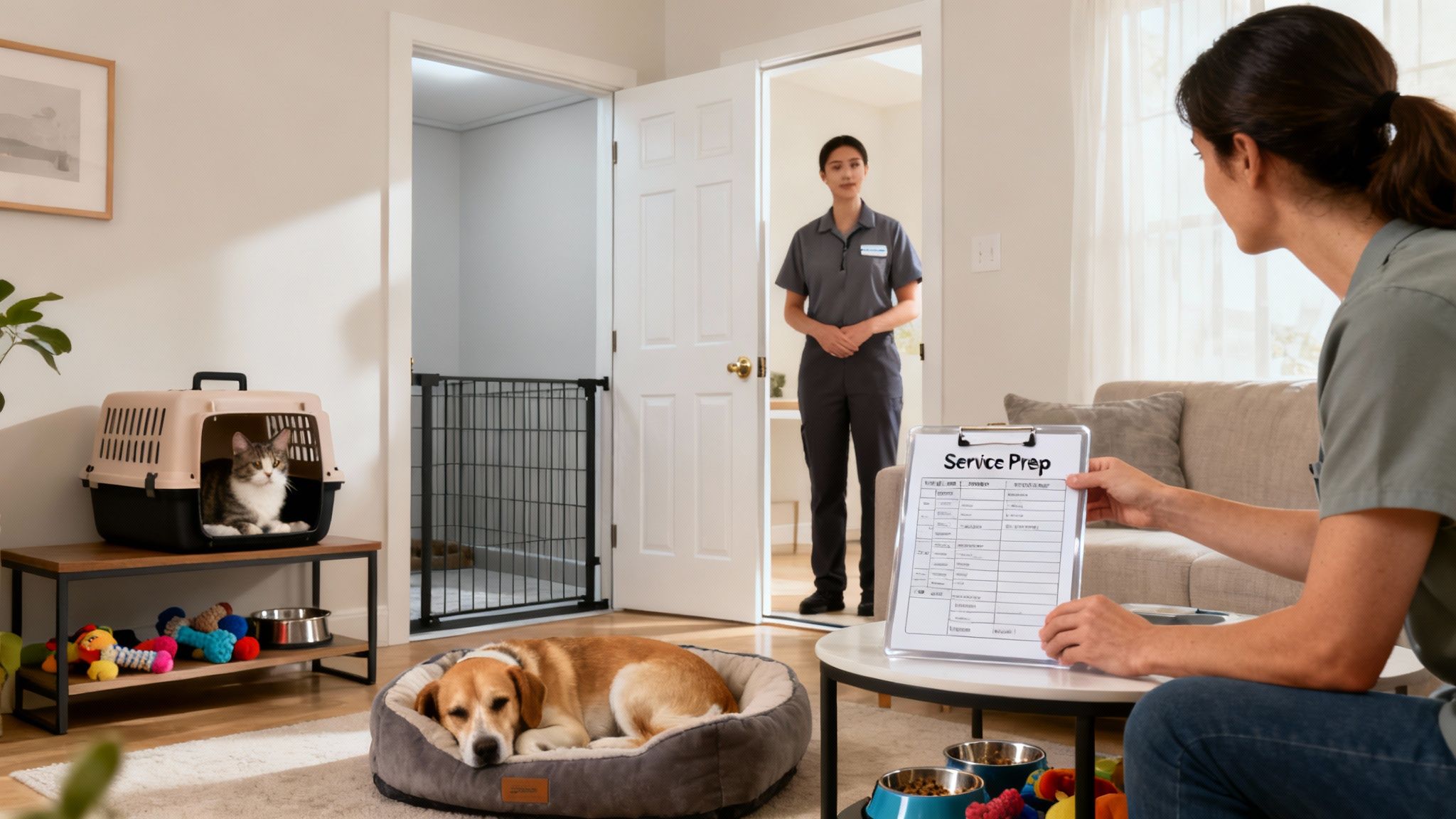
Even when we use the safest products, a little prep work makes a big difference for your pets. Taking a few simple steps ensures the process is smooth, effective, and stress-free for everyone.
Working together helps us target pests precisely while your pets stay comfortable and secure. For a full checklist, you can always read our guide on how to prepare for pest control before we arrive.
A visit from our team shouldn't cause you stress. These easy steps will help you get ready.
Before Your Technician Arrives
A few minutes of prep before we show up can improve the safety and success of the service. Your goal is simple: create a clear space for us to work and a cozy area for your pets to wait.
Your Pre-Treatment Checklist:
- Secure Your Pets: Find a comfortable, closed-off space for your pets. A bathroom, laundry room, or a crate in a spare room is perfect. Make sure they have water and a toy.
- Clear Pet Items: Pick up all food and water bowls, toys, and bedding from the areas that will be treated. This prevents accidental contact with our products.
- Provide Clear Access: Move pet beds, crates, or large toys away from walls and under furniture. This gives us easy access to pest hiding spots.
- Mention Health Issues: Good communication is key. If your pet has health problems, like breathing issues or allergies, please let our technician know. We can then take extra care.
During and After the Service
While your technician is working, just keep your pets safely put away. Once the service is done, there are just a couple of final steps.
Peace of Mind Pro-Tip: The most important thing to do after we leave is wait for any liquid products to dry completely. This usually takes about one to two hours. Your technician will give you specific instructions.
After the technician leaves:
- Wait for the "All Clear": Keep your pets in their safe space until all treated surfaces are totally dry.
- Air Out the Room: You can open a few windows to let in fresh air, but our low-odor products rarely make this necessary.
Taking these small steps helps us provide the most effective and pet-friendly pest control possible for your Santa Cruz home.
Knowing What to Ask a Pest Control Company
Not all pest control services are the same, especially when it comes to pet safety. Before you hire anyone, it’s important to ask the right questions. This helps you find a company that truly puts your pet’s well-being first.
When you have a few key questions ready, you can confidently pick a professional who is open and honest. It's your home and your pet, so you deserve peace of mind.
Questions About Products and Safety
First, you need to know what products they plan to use. A trustworthy company will be open about its methods and materials.
Key Questions to Ask:
- Can I see the Safety Data Sheet (SDS) for the products you use? An SDS gives you all the details on a product, including any potential hazards. Any pro should have this ready for you.
- What are the active ingredients in your products? Knowing the ingredients lets you do your own research or ask your vet about them.
- What are your non-chemical options? A company committed to pet safety should explain its IPM strategies. This includes things like sealing entry points, trapping, and using botanical products.
Questions About How They Apply Treatments
How a product is applied is just as important as what it is. A targeted application lowers any potential risk to your pets. The goal is to solve the pest problem without making your home unsafe.
Expert Insight: The best technicians are problem-solvers, not just sprayers. They should explain why they are treating a spot and how their method protects your pets.
Before they start, be sure to ask:
- Where and how will you apply the treatment? Are they spraying along walls or placing bait in secure stations? This gives you a clear picture of the treated areas.
- What specific steps should I take for my pets? They need to give you clear instructions, like keeping pets out of a room until a product is dry.
- Are your technicians trained in pet-safe practices? Professional training makes all the difference. It ensures the technician knows how to apply products to reduce risks for everyone in your home.
Asking these questions helps homeowners from Aptos to Scotts Valley make a smart choice. At West Pest Co., we encourage these questions—we know our transparent, pet-first approach will give you confidence.
Proactive Prevention Tips for Pet Owners
The best way to keep pets safe from pest control products is to not need them in the first place. Effective, pet-friendly pest control starts with prevention. When you make your home less inviting for pests like ants and rodents, you reduce the need for treatments.
Think of it like building a protective bubble around your home. Instead of just reacting when pests appear, you are actively making your property a bad place for them to live.
Simple Habits for a Pest-Resistant Home
A few small changes in your daily routine can make a big difference. These steps are all about removing the three things pests need: food, water, and shelter.
- Secure All Food: Store pet food in airtight containers made of plastic or metal—not the paper bag it came in. This simple change removes a major food source for rodents and ants.
- Clean Up Quickly: Wipe up food crumbs and water spills from your pet’s eating area right after they finish. A clean floor is less appealing to pests.
- Manage Your Yard: Keep your yard tidy. Mow the lawn and clear away leaves or woodpiles where pests like to hide. A clean yard gives pests fewer places to live before they try to move inside.
A Partner in Prevention: We believe in helping Santa Cruz homeowners. Think of West Pest Co. as your partner in keeping a safe, pest-free home for every family member—especially the four-legged ones.
Maintaining a Healthy Yard and Pet
Your yard is your first line of defense. By taking care of your outdoor space and protecting your pets, you're creating multiple layers of security. This is a big deal in Santa Cruz County, where our pets’ active lifestyles can expose them to more pests.
Yard work is only half the battle. Protecting your pet directly is just as important. You can learn more in our guide to flea and tick prevention. When you combine a clean home with direct protection for your pet, you get the most complete defense.
Your Top Questions Answered
FAQs About Pet-Friendly Pest Control
Is "natural" pest control always safe for pets?
Not always. It's a common belief that "natural" automatically means "safe." While products from botanical oils are often better than harsh chemicals, some can still bother pets. Cats, for example, can be sensitive to certain essential oils. The real key is a trained technician who knows how to apply the right product safely.
How long should I keep my pet away from treated areas?
It depends on the treatment. For most of our liquid products, the rule is to wait until the area is completely dry. In our local climate, this usually takes about one to two hours. Your West Pest Co. technician will always give you clear, specific instructions before they leave.
What should I do if my pet is exposed to a pesticide?
If you ever think your pet has touched a pesticide, call your vet or the ASPCA Animal Poison Control Center right away. Their number is (888) 426-4435. If possible, have the product name ready. Your pet’s health is the top priority.
Beyond pest control, creating a safe space for your pets means looking at your whole home. For more great tips, check out this ultimate guide to creating a truly pet-friendly home.
Are your rodent bait stations safe around dogs and cats?
Yes, absolutely. We use professional, tamper-resistant bait stations. They are designed so that pets and children cannot get inside them. This lets us target rodents where they live without putting your other animals at risk. It’s a much safer choice than the loose poison pellets sold in stores.
What makes West Pest Co. different from other companies?
We focus on Integrated Pest Management (IPM), which means we solve the root cause of your pest problem instead of just spraying chemicals. Our technicians are trained to protect your family, pets, and the local Santa Cruz environment. We are transparent about our methods and always put safety first.
Your pets deserve a home that is both safe and free from pests. West Pest Co. offers truly pet-conscious pest control, using proven green methods that work. If you're unsure about your current service or want to learn more, we’re here to help you protect every member of your household—especially the four-legged ones.
Schedule your free estimate by visiting https://westpestco.com.