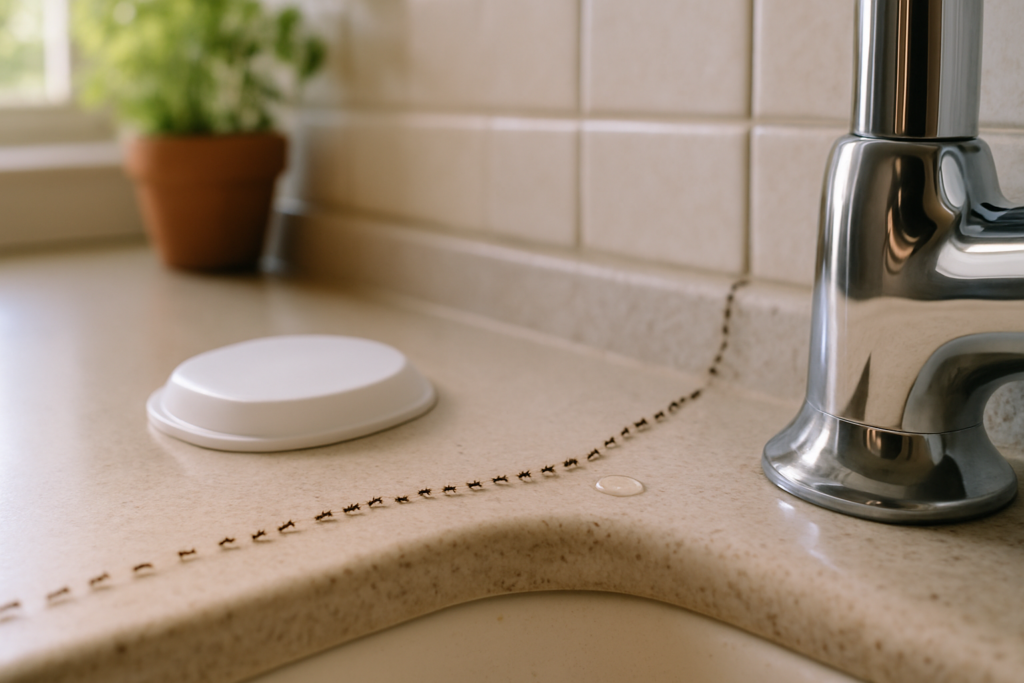
When you see ants marching across your kitchen counter or hear scratching in the walls, your first thought is probably to find a quick fix. For many Santa Cruz homeowners, DIY pest control seems like the right first step. It puts you in control and can save you money.
The problem is, what works in other places often fails here. Our unique coastal climate in Santa Cruz County means we have our own set of pest challenges. This guide will help you understand what DIY methods work, what to avoid, and when it’s time to call a professional.
Why Santa Cruz Homeowners Try DIY First
Living anywhere from the redwood forests of Scotts Valley to the sunny coast of Aptos means dealing with specific pests. Many of us like to solve problems on our own and prefer using eco-friendly solutions. This makes do-it-yourself methods a popular first choice.
This hands-on approach is very common. Research shows that over half of homeowners try to handle pest issues themselves. But, only about 10-14% of them use a recurring plan, which is often what’s needed for long-term control. By learning about safe DIY options, you can handle small problems before they become big ones.
The Basics of Pest Management
Whether you handle it yourself or hire a pro, the basic ideas of pest control are the same. It’s not just about getting rid of the pests you see. It’s about making your home a place where they can’t live and grow.
- Identification: First, you must know what pest you are dealing with. Treating for the wrong bug is a waste of time and can make the problem worse.
- Exclusion: This simply means blocking pests from getting inside. Sealing cracks in your home's foundation, fixing torn window screens, and adding door sweeps works wonders.
- Sanitation: Pests need food, water, and shelter. Keeping your home clean, storing food in sealed containers, and fixing leaky pipes removes what they need to survive.
Focusing on these core ideas will help you build a solid pest control plan in Santa Cruz.
What Works: Effective Natural Solutions for Local Pests
If you want to use a natural approach for pest control, you need to use the right tool for the job. Eco-friendly DIY methods can work well for smaller pest issues, especially when you use them correctly. These solutions also protect your family, pets, and our beautiful coastal environment.
Diatomaceous Earth: A Physical Barrier
One of the best natural tools is diatomaceous earth (DE). This is not a poison. It’s a fine powder made from the fossilized remains of tiny sea creatures.
Under a microscope, DE particles are sharp. For small insects like ants or fleas, walking across DE is like crawling over broken glass. It scrapes their protective outer layer, which causes them to dry out and die.
Expert Tip: For DE to work, it must stay completely dry. Our coastal fog in places like Capitola can make it useless overnight. Always apply it in dry, protected areas.
Here’s how to use it right:
- Use Food-Grade DE: This type is safe for use around pets and children.
- Apply a Thin Layer: Use a powder duster to apply a very thin layer along baseboards and under appliances. Pests will avoid thick piles.
- Reapply When Needed: You must reapply DE after you clean or if the area gets damp.
Vinegar and Soap Traps for Ants
For the pesky Argentine ants common in Santa Cruz County, a simple trap can help. This method won’t get rid of the whole colony, but it can reduce the number of ants inside your home.
Mix apple cider vinegar, a few drops of dish soap, and a little sugar with water. This creates a trap that ants can't resist. The sugar attracts them, and the dish soap breaks the water’s surface, causing them to sink.
Essential Oils for Spiders
Many pests, especially spiders, use scent to find their way. You can use strong smells that they hate to keep them away. Peppermint oil is a well-known spider deterrent.
To use essential oils safely:
- Add 10-15 drops of peppermint oil to a spray bottle filled with water.
- Add a small squirt of dish soap to help the oil and water mix.
- Lightly spray the mix around windows, doors, and dark corners where spiders build webs.
This method acts as a repellent, not a killer, so you will need to reapply it every few days as the scent wears off.
For more ideas on how to manage pests in your yard without harsh chemicals, check out our guide on natural garden pest control in Santa Cruz. For more green tips, this guide details 10 effective natural pest control methods for your garden.
What Doesn’t Work: Common DIY Pest Control Myths
A quick search online for a pest fix can lead you to "hacks" that sound good but rarely work. It's frustrating to waste time on methods that fail against our local pests, like Argentine ants or rodents. Knowing what doesn't work is as important as knowing what does.
Many of these popular tricks only deal with the pests you can see. They ignore the source of the problem, like a hidden nest or colony. This approach is bound to fail.
Food Scraps Don't Make Real Barriers
A common myth is that you can stop ants by sprinkling a line of cinnamon or coffee grounds. The idea is that the strong smell will create a barrier they won't cross. While a thick line of powder might confuse a few ants for a short time, this is not a long-term solution.
Our local Argentine ants are very determined. They live in huge colonies and will quickly find a way around a small line of powder. The moment the scent fades or our coastal fog makes the powder damp, the barrier is gone.
Key Takeaway: Food-based barriers are easily bypassed by pests and do nothing to the main colony. They are only a very temporary fix.
The Truth About Ultrasonic Pest Repellers
Ultrasonic pest repellers are small devices you plug into an outlet. They claim to send out high-frequency sound waves that drive away pests like rodents and spiders. The idea of a silent, chemical-free solution is nice, but the science doesn't support it.
Studies from universities have shown these devices have almost no lasting effect. Here’s why:
- Limited Range: The sound waves cannot pass through walls or furniture. This creates "sound shadows" where pests can hide.
- Pests Get Used to It: Even if the sound bothers pests at first, they quickly learn to ignore it.
- Unsupported Claims: The Federal Trade Commission (FTC) has warned makers of these devices about making claims they can't prove.
In the end, these gadgets rarely solve your pest problem.
The Problem with Store-Bought Sprays
Grabbing a can of bug spray feels like taking action. And you will kill the few ants or spiders you spray directly. The problem is, this often backfires, especially with social insects like ants.
Many commercial sprays are repellents. When you spray a trail of ants, you might kill a few, but you can also cause the colony to split. This is called "budding." A queen and some workers will break off to start a new colony somewhere else in your house. Now you have two problems instead of one.
Also, misusing these products can be risky for your family and pets. For more detail, read our post on why ammonia is not a long-term ant solution. Real pest control is about strategy, not just spraying what you see.
The Power of Proactive Pest Prevention
The best DIY pest control in Santa Cruz is stopping pests before they ever become a problem. Prevention is about making your home as uninviting as possible to pests. It is a much better approach than reacting to a problem after it starts.
By focusing on a few key areas, you can build a strong defense. Think of your home as a fortress. Your goal is to seal it up and remove anything that might attract pests.
Seal Every Crack and Crevice
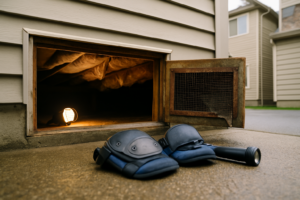
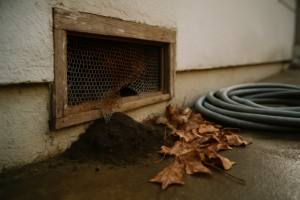
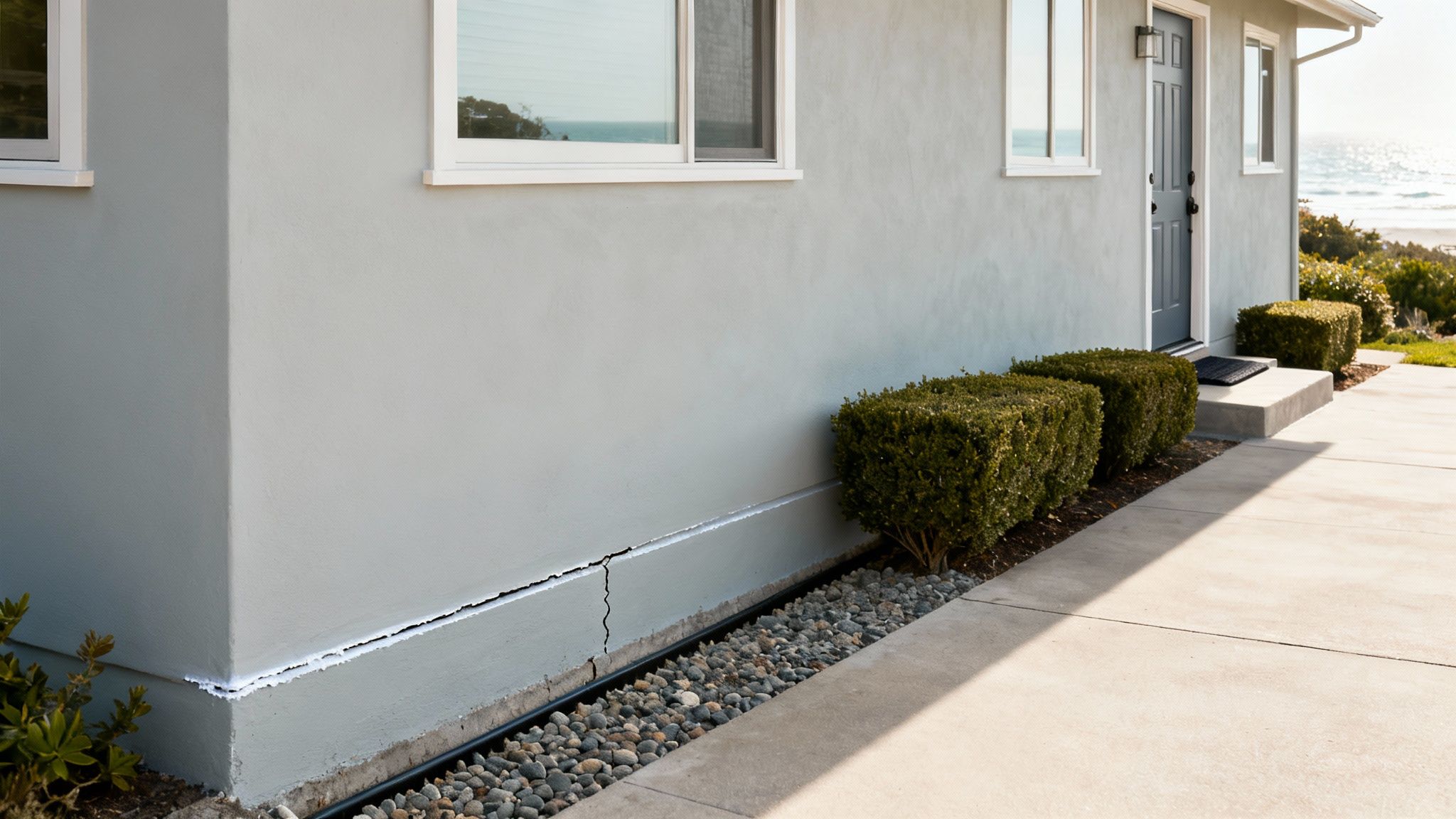
Pests can get inside through the smallest openings. A small crack in your foundation or a gap around a pipe is an open door for ants, spiders, and rodents. Sealing these entry points is the most important step you can take.
Walk around the outside of your home and look for gaps. Pay close attention to these common spots:
- Foundation: Use caulk to fill any cracks in the concrete.
- Utility Lines: Seal gaps where pipes and wires enter your home.
- Windows and Doors: Fix damaged screens and install door sweeps to close the gap at the bottom of your doors.
This process is called exclusion. It physically blocks pests from getting inside and is a key part of preventative pest control.
Manage Your Yard and Landscape
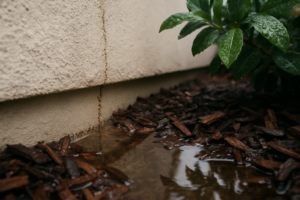
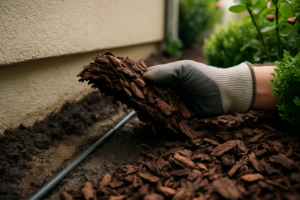
Your yard can either protect your home or be a bridge for pests. Overgrown plants, piles of leaves, and standing water create perfect homes for pests right next to your house. A little yard work can make your property less attractive to them.
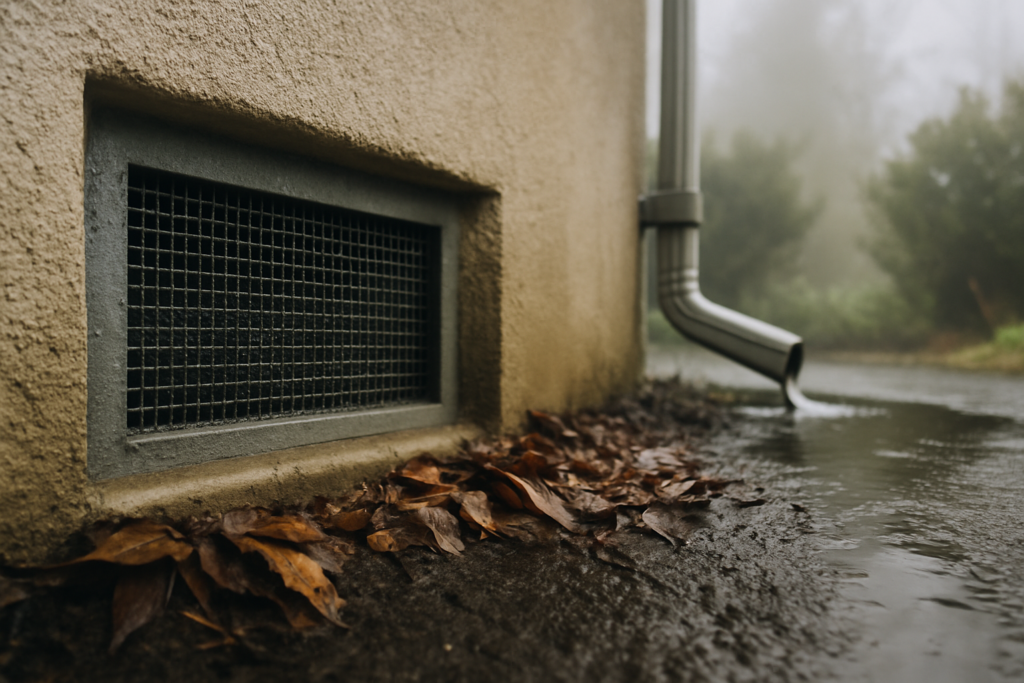
Start by creating a clear space around your foundation. Trim back tree branches and shrubs so nothing touches your house. This removes the "bridges" that ants and spiders use to get inside. Also, make sure your gutters are clean so water drains away from your home.
Local Insight: In Santa Cruz County, our damp coastal climate makes moisture control very important. A dry area around your home is a pest-free area.
Keep Your Home Clean and Tidy
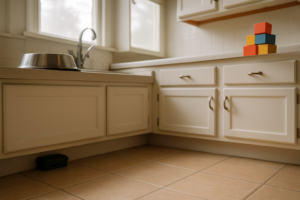
Inside your home, the best defense is good cleaning. Pests are always looking for food, water, and shelter. By taking away these things, you make your home a much less appealing place for them.
Simple daily habits can make a huge difference:
- Secure Food: Store all food, including pet food, in airtight containers.
- Clean Often: Wipe up spills right away, sweep or vacuum floors, and don't leave dirty dishes in the sink.
- Reduce Clutter: Piles of boxes and old clothes create perfect hiding spots for pests like spiders.
Good pet care can also help. Using effective cat litter mats can help keep the area cleaner and less friendly to pests.
When to Call a Professional for Pest Control
DIY methods can work for a small, single issue, like a few ants on the counter. But knowing when a problem is too big for you is key to protecting your home. Some pest problems grow quickly and need an expert to handle them safely.
Knowing the warning signs can save you time, money, and stress.
Signs of a Large Infestation
A few pests are an annoyance. A large infestation is a real threat to your property. If you feel like you're fighting a losing battle, you probably are.
Here are signs that a problem has grown beyond your DIY skills:
- They Keep Coming Back: You treat the pests, they disappear for a few days, and then they return. This means your methods are not reaching the hidden nest or colony.
- Pests Seen During the Day: Many pests, like rodents and roaches, are active at night. Seeing them during the day often means their nests are overcrowded.
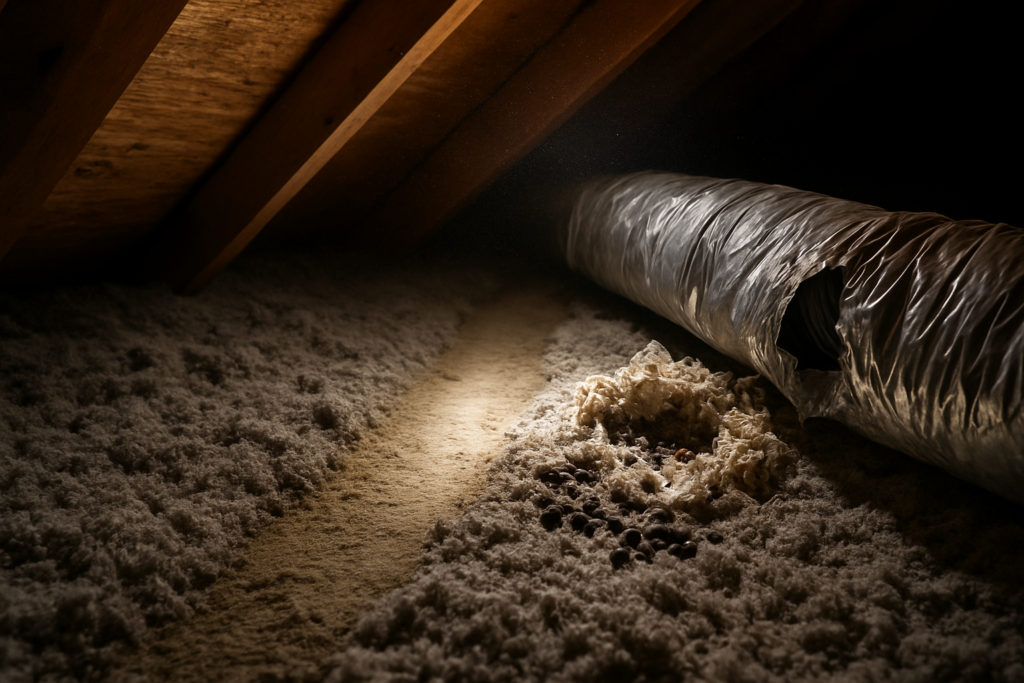
- Widespread Evidence: You find droppings or damage in multiple rooms. This shows that a large population has spread throughout your home.
Pests That Need a Professional
While you can manage some pests with simple traps, others carry risks that make DIY attempts dangerous.
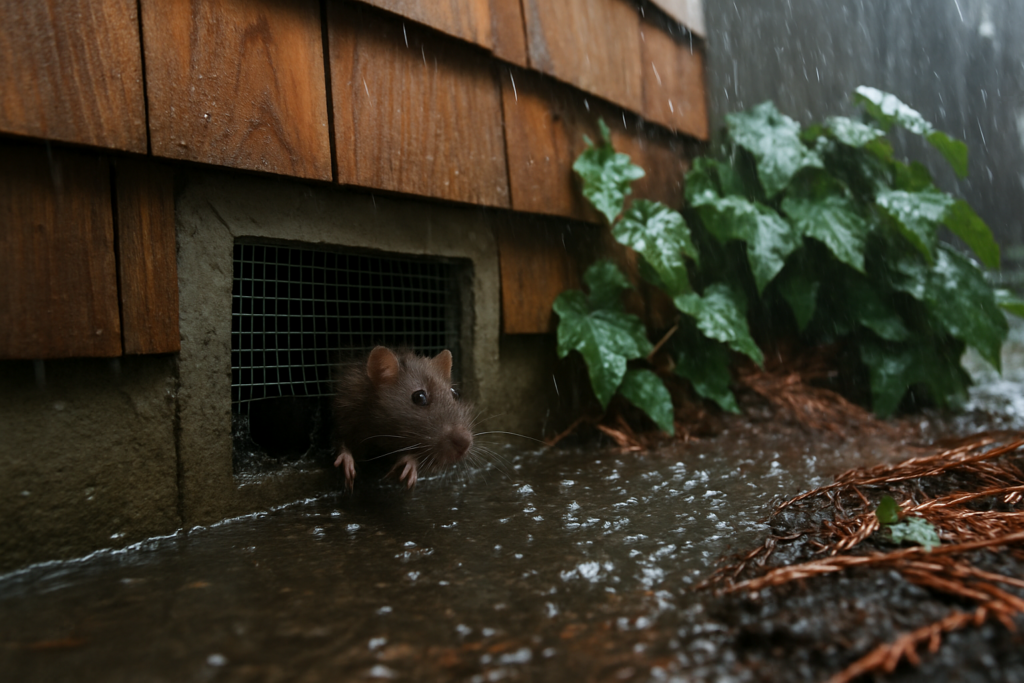
Rodents are more than just a nuisance. According to the CDC, they can carry over 35 diseases that can spread to humans. A professional is needed for safe and complete removal.
It’s time to call an expert if you’re dealing with:
- Rodents: That scratching in your walls is a sign of a rodent family. They cause serious damage by chewing through wood and wires, which is a fire hazard.
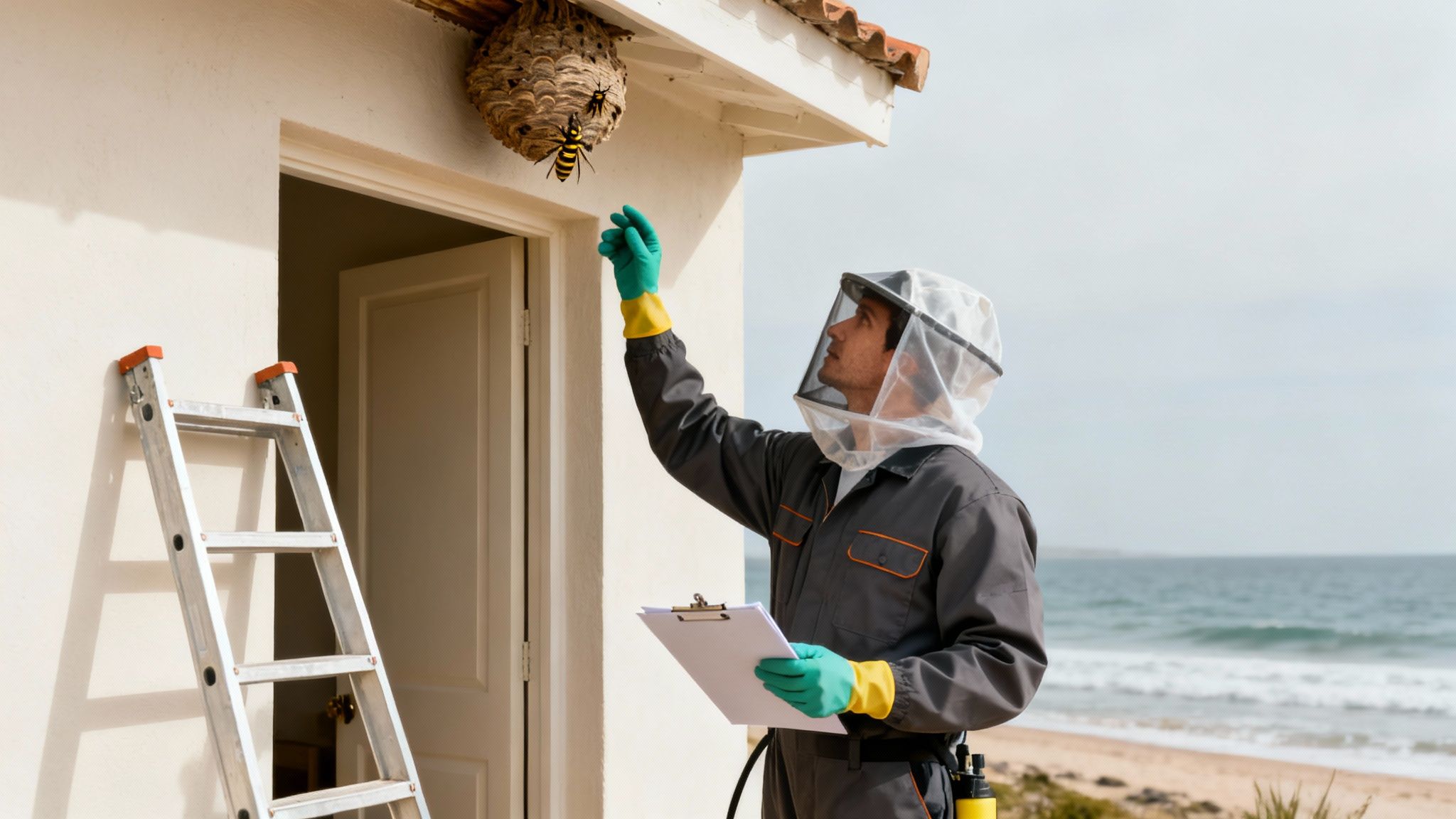
- Stinging Insects: Wasps building nests near doorways or under the eaves of your roof are a direct threat. Trying to remove a nest yourself can lead to painful stings.
- Persistent Ant Colonies: Our local Argentine ants form massive colonies. If your traps and sprays are not working, you need a strategy that can target the hidden queens.
Knowing when to call pest control is part of being a responsible homeowner. When DIY fails, an expert can solve the problem correctly and safely.
Frequently Asked Questions
How often should I reapply natural DIY pest remedies?
For natural remedies, consistency is key. Barrier treatments like diatomaceous earth (DE) must be reapplied whenever they get damp from our coastal fog. Scent-based repellents like peppermint oil fade quickly and should be re-sprayed every few days. Liquid bait traps for ants should be refreshed every 2-3 days to stay effective.
Are essential oils like peppermint oil safe for my pets?
"Natural" doesn't always mean "safe" for pets. Many essential oils, including peppermint, can be toxic to cats and dogs if they ingest them or get them on their skin. The ASPCA notes that cats are particularly sensitive to essential oils. Always check with your vet before using scent-based products and keep them in places your pets cannot reach.
Can I really get rid of rodents on my own?
For a single mouse, a trap might work. But rodents breed very quickly, and seeing one often means there are many more hiding. DIY methods usually fail to get the entire nest and seal all the tiny entry points they use to get in. For any real rodent problem, we strongly recommend calling a professional for safe and complete removal.
Why did my DIY ant spray make the problem worse?
This is a common issue. Most store-bought ant sprays are repellents. When you spray a trail of social ants like our local Argentine ants, you can cause the colony to split into multiple new colonies. This is called "budding" and it turns one problem into several. Professional, non-repellent baits are much more effective because they are carried back to the nest.
What is the most important first step for any DIY pest control?
The most important first step is proper identification. You cannot choose the right solution if you don't know exactly what pest you're dealing with. Treating all ants the same way, for example, is a recipe for failure. Before you do anything, take a clear photo of the pest to identify it correctly. A proper ID is the foundation of any successful pest control plan.
When DIY pest control in Santa Cruz leaves you with more questions than answers, it's time for a professional solution. For pest problems that go beyond a quick fix, Santa Cruz residents can count on West Pest Co. for eco-friendly, effective treatments tailored to their home and lifestyle. Contact us today to learn what’s safe to try—and when to bring in the pros.