Discovering that awful, gut-wrenching smell is a nightmare for any homeowner. Your first thought is likely about immediate dead animal odor removal, and you're right to be concerned. The key is to stay calm and use a step-by-step approach to find the source without tearing your Santa Cruz property apart.
This isn't just about a bad smell; it's about handling a potential health risk safely and effectively.
What to Do When You Smell That Awful Odor

Dealing with a mysterious, foul odor in your home can be deeply unsettling. As an animal decomposes, it releases powerful gases that can quickly spread through your house, making the situation feel overwhelming. That smell is a clear sign that a pest, usually a rodent, has died somewhere inside your home.
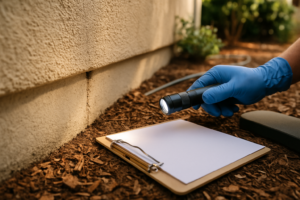
Your first move is to play detective. The strength of the smell is your biggest clue, so follow your nose to the room or area where it is strongest. In many Santa Cruz homes, pests look for quiet, sheltered spots, especially during our cooler, foggy seasons.
Common Hiding Spots in Santa Cruz Homes
Pests are experts at finding ways into the most hidden parts of your house. When you start your search, these are the most common places to check first:
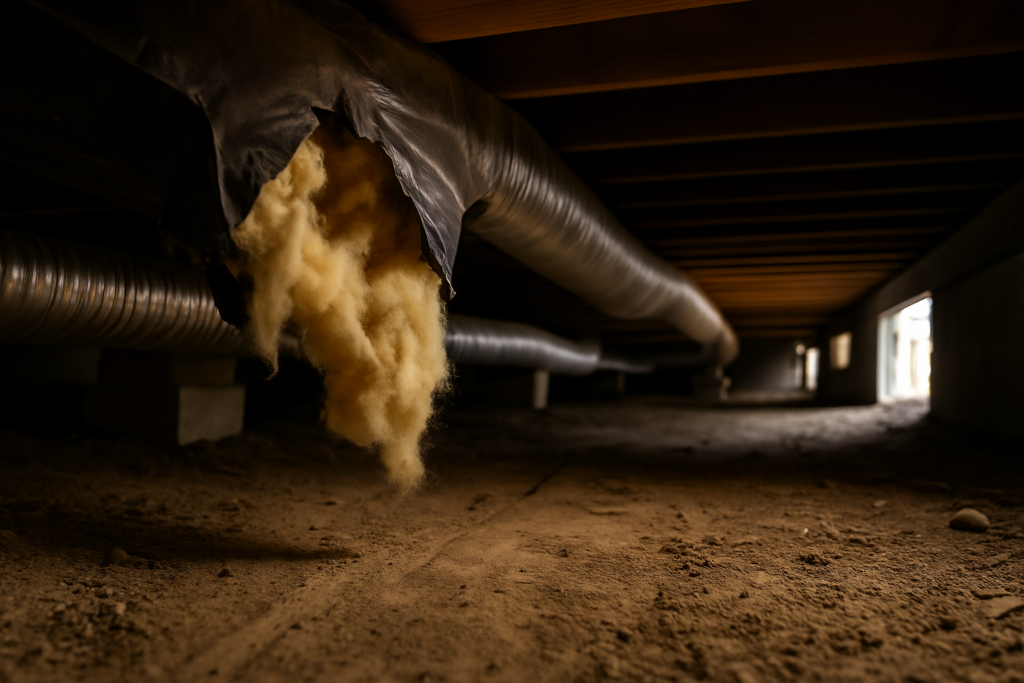
- Attics and Crawl Spaces: These are the number one spots. They are dark, quiet, and easy for rodents to access.
- Wall Voids: It is common for pests to travel—and get trapped—between walls. If the smell seems to come directly from a wall, you have likely found the spot.
- Under Decks or Porches: The space under outdoor structures is a perfect shelter for animals like raccoons, skunks, or opossums.
- Behind Appliances: Large appliances like refrigerators or washing machines provide warmth and cover, making them attractive hiding places.
A dead animal can attract other pests like flies, maggots, and beetles, which creates a new set of problems. According to wildlife experts, a decomposing carcass can also harbor dangerous bacteria, making safe removal and cleaning essential.
Have you noticed more flies than usual in one specific spot? That’s another strong clue that can lead you right to the source.
Tackling this issue quickly is vital for your home's health. If the situation feels too complex, professional pest control in Santa Cruz can provide a complete and lasting solution.
Finding The Source Without Damaging Your Home

Before you can fix the problem, you have to find it. The thought of cutting into walls or floors can make any homeowner nervous. However, a careful search can help you find the source with very little damage. Your most powerful tool is your own nose.
Start by walking through your home, room by room, and try to figure out where the odor is strongest. The smell of decay is heavy and tends to be concentrated near the source. Get down and sniff along baseboards, vents, and even electrical outlets.
If the scent gets stronger as you move up a wall, the problem is likely in the attic. If it’s more powerful near the floor, a crawl space or the space inside a wall is the probable spot.
Following Visual Clues and Pest Behavior
Your nose isn't the only sense that can guide you. Keep an eye out for other signs that can point you in the right direction. These visual clues are often even more accurate than the smell itself.
You should look for:
- Increased Insect Activity: A sudden group of flies, maggots, or beetles on a wall or ceiling is a major red flag. These insects are drawn directly to decaying matter.
- Stains or Discoloration: A damp, brownish, or oily stain on your drywall or ceiling can be a sign that fluids have leaked through from the other side.
- Unusual Pet Behavior: Your dog or cat has a much better sense of smell than you do. If your pet is sniffing or pawing at a particular spot, they might be alerting you to the source.
Here in Santa Cruz County, our mild climate encourages pests like rodents to seek shelter indoors all year. They almost always find their way into quiet, undisturbed areas. When you search, try to think like a pest and check behind large furniture or deep within a cluttered garage.
Professional Tip: A common mistake is thinking the smell is strongest exactly where the animal died. Air currents from your HVAC system can carry the odor to a different room. Try turning off your heat or AC for a few hours. This lets the smell settle and can make finding the true source easier.
Of course, the best strategy is to prevent this problem from happening at all. Learning how to secure your property is key. You can find more information in these best rodent prevention tips for Santa Cruz homes. A proactive approach can save you a lot of trouble later.
Safe Removal and Cleanup Procedures
Once you’ve found the source of that awful smell, handling the situation safely is your top priority. This is about more than just getting rid of an odor. It's about protecting your family from health risks. A dead animal can carry harmful bacteria and attract other pests, turning one problem into many.
Before you touch anything, you need the right personal protective equipment (PPE). Never handle a dead animal with your bare hands.
At a minimum, you will need:
- Heavy-duty, waterproof gloves to create a barrier between you and the carcass.
- A high-quality face mask, like an N95, to stop you from breathing in airborne bacteria.
- Long sleeves and pants to protect your skin from any contact.
Removing and Disposing of the Carcass
Gently place the animal into a thick, sealable plastic bag. We recommend double-bagging it for extra security and to prevent leaks. Tie the bags up tightly.
Next, you have to dispose of the carcass correctly. Rules for animal disposal can vary, so it is a good idea to check with the Santa Cruz County Animal Shelter or local authorities for specific guidelines. Usually, you can place the double-bagged carcass in your outdoor trash bin for pickup. Do not bury the animal in your yard, as it can attract other animals and contaminate the soil.
The deep clean is the next step, and this is where many people make mistakes. A quick wipe-down will not be enough. Body fluids can soak into materials like wood, drywall, and insulation, leaving behind a lasting smell and dangerous germs.
A common mistake is using bleach. While bleach disinfects, it doesn't break down the organic materials causing the smell. It might cover the odor for a little while, but the smell will return.
This infographic breaks down the essential steps for a successful cleanup.

This visual simplifies the process into three clear phases: detection, cleaning, and deodorizing. Following these steps ensures you don't miss anything.
The Power of Enzymatic Cleaners
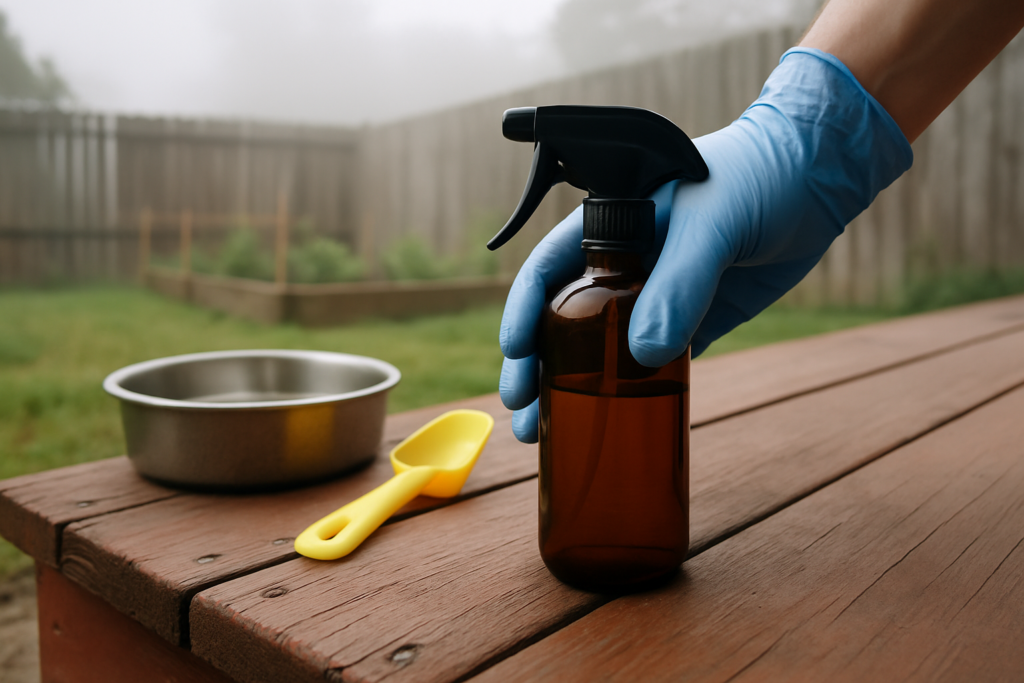
For a truly effective cleanup, you need an enzymatic cleaner. These products are game-changers. They contain special enzymes that are designed to break down the proteins found in organic waste. Instead of covering up the smell, they completely eat the source of the odor.
Soak the contaminated area with the enzymatic cleaner and let it sit according to the product's directions. This gives the enzymes time to work deep into the surface. After you have cleaned the area, open some windows to help it dry completely.
For very tough odors, it is often best to call in professionals. Using professional deep cleaning services ensures every trace of the problem is gone for good.
Eco-Friendly Ways to Eliminate Lingering Smells

So, you have removed the source of the problem and cleaned the area. But that foul, lasting odor is still in the air. What can you do?
This happens when odor molecules have soaked into materials like wood, drywall, or carpet. Spraying an air freshener is only a temporary fix. It won’t solve the real issue.
To truly get rid of that dead animal smell, you need something that neutralizes the organic compounds causing it. Thankfully, for those of us in Santa Cruz who prefer green solutions, there are several powerful, non-toxic options that are safe for your family and pets.
Natural and Non-Toxic Odor Absorbers
Before you reach for a chemical spray, start with simple, natural odor absorbers. These methods don't just cover up the smell; they trap the bad-smelling molecules from the air.
- Activated Charcoal: This is a powerhouse for trapping odors. Just place a few bags or bowls of activated charcoal around the room, and it will start pulling the smell from the air.
- Baking Soda: It works great in your fridge, and it will do the same here. Sprinkle it on carpets, let it sit for a few hours, and then vacuum it up. You can also place open bowls of it around the room.
- Coffee Grounds: The strong smell of coffee does more than just cover bad odors; the grounds also absorb them. Put some dry, unused coffee grounds in a few bowls and set them around the area.
The global market for eco-friendly cleaning products has grown significantly, with a market size valued at over USD 90 billion in 2023. This shows a real consumer shift toward sustainable and safe products for a clean home.
Using Enzymatic Sprays for Deep Odor Removal
Sometimes, a smell has seeped deep into a surface, and a simple absorber won't be enough. This is where enzymatic sprays are your best friend.
These cleaners contain enzymes designed to break down the proteins in organic waste—the very things causing the bad smell.
Unlike harsh chemicals, these sprays are targeted and effective. They literally "eat" the source of the odor, eliminating it for good. Just be sure to follow the product’s instructions, which usually means soaking the area and letting it air dry.
For anyone committed to green solutions, exploring eco-friendly pest control treatments in Santa Cruz County can provide more ways to keep your home healthy without harsh chemicals.
Comparing Odor Neutralizing Methods
Here’s a quick breakdown of common methods to help you choose the best one for your situation.
| Method | Effectiveness | Safety (Pets & Kids) | Best For |
|---|---|---|---|
| Baking Soda | Moderate | Very High | Light odors on carpets & upholstery. |
| Activated Charcoal | High | Very High | Lingering airborne odors in enclosed spaces. |
| Enzymatic Sprays | Very High | High (when used as directed) | Deeply penetrated odors in porous surfaces. |
| Vinegar Solution | Moderate | High | Hard, non-porous surfaces and some fabrics. |
| Air Fresheners | Low (Masking Only) | Varies | Temporary relief; not a real solution. |
While natural methods are great, enzymatic cleaners are often the most reliable choice for stubborn odors.
The Importance of Ventilation and Air Purification
Never underestimate the power of fresh air. Good air circulation is one of the most important steps to speed up the deodorizing process.
Open your windows and use fans to create a cross-breeze. This will push the smelly air out and pull fresh air in. Here in Santa Cruz, our coastal breezes can be a big help.
For any remaining airborne particles, you might want extra help. Advanced air purification systems can make a big difference. A good purifier with a HEPA filter and an activated carbon layer will trap tiny particles and odor-causing molecules, quickly improving your home's air quality.
How to Prevent Future Pest Problems
Dealing with a dead animal in your home is an experience you don’t want to repeat. The best way to handle dead animal odor removal is to make sure it never happens again. Taking steps to pest-proof your property is the only effective long-term strategy.
This process is called exclusion. It’s all about creating physical barriers that stop pests before they can get inside.
Pests can squeeze through tiny cracks and holes you might not even notice. A thorough walk-around of your home's exterior is the first step to finding these weak spots.
Sealing Entry Points Around Your Home
Think of your home's foundation as its first line of defense. Small cracks can form in concrete, and gaps can appear around pipes or utility lines. For a mouse, a hole the size of a dime is an open door. For a rat, it’s a quarter.
Start by walking around your house and looking for any potential entry points. Pay close attention to:
- Cracks in the foundation: Use caulk or cement to fill any visible cracks.
- Utility lines: Seal the gaps around pipes and cables with steel wool and expanding foam. Rodents hate chewing through steel wool.
- Vents and openings: Cover attic vents, crawl space openings, and chimneys with a sturdy wire mesh.
These small fixes make a huge difference. Remember, our coastal climate in Santa Cruz means pests are always looking for a dry, warm place to shelter.
Managing Your Yard and Landscaping
Your beautiful garden can sometimes act as a bridge for pests, giving them an easy path to your home. Simple yard maintenance can eliminate these pest highways and make your property less attractive to animals.
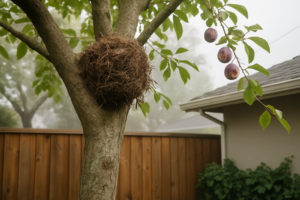
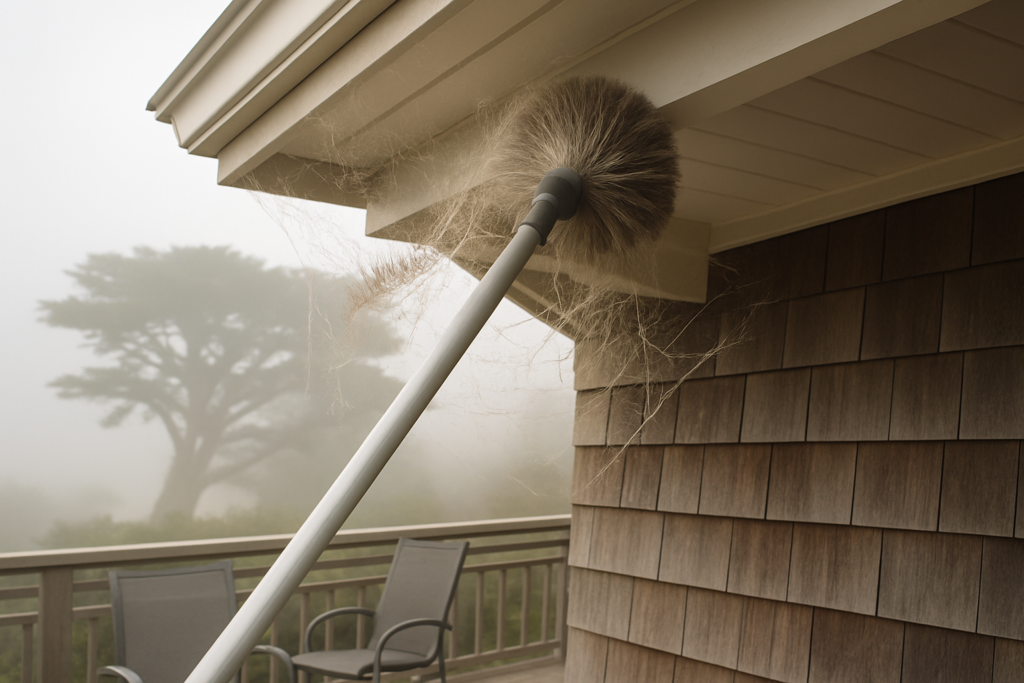
A key mistake homeowners make is letting tree branches touch the roof or siding. This is like building a ladder for raccoons and rats, giving them direct access to your attic.
Make it a habit to trim back any plants so there is at least a three-foot gap between them and your house. It’s also smart to keep firewood piles off the ground and away from your home, as these are popular hiding spots for pests.
For a deeper look at making your property less inviting, West Pest Co. has a detailed guide on how to keep rats and other rodents away, which offers more strategies for local homes.
By sealing entry points and managing your yard, you create a strong defense that protects your home from future problems.
Frequently Asked Questions About Odor Removal
Finding a dead animal in your Santa Cruz home is upsetting and brings up many questions. We've put together some simple answers to the most common concerns homeowners have about dead animal odor removal.
How long will the smell last if I leave it?
This is the most common question we hear. The honest answer is that it depends on the animal's size and the conditions in your home.
A small mouse might only create a bad smell for a week or two. But a larger animal, like a raccoon, is a different story. That powerful odor can last for weeks or even months. Here in Santa Cruz County, our coastal humidity can trap moisture and make the smell much worse. Waiting it out is never a good plan.
Are there health risks involved?
Yes, absolutely. A dead animal is more than just a bad smell; it's a real health hazard. The carcass can become a breeding ground for bacteria and parasites that can become airborne. This poses a risk to everyone in your home, especially children or people with allergies or asthma.
The carcass also attracts other pests. Flies and maggots will show up first, followed by larger animals. These new pests can spread disease and turn one problem into a major infestation.
Key Takeaway: Proper removal and cleaning are not just about getting rid of the odor. They are critical for protecting your family’s health and preventing more pest problems.
Can't I just use bleach to clean up the smell?
While it seems like a good idea, bleach is not the right tool for this job. It is a good disinfectant, but it does not break down the organic materials causing the bad smell. At best, you are just temporarily covering up the odor.
You really need an enzymatic cleaner. These products have special enzymes that target and digest the source of the foul odor. Instead of just masking it, they eliminate the smell completely.
What if the animal is inside a wall?
This is one of the toughest situations a homeowner can face. The smell is awful, but you don't know where it's coming from. This is where calling a professional is a smart move.
An experienced pest control technician has tools to find the location with minimal damage. We can often find the source by drilling a tiny hole before making a clean cut to remove it. This avoids the messy demolition that homeowners often fear.
When should I call a professional?
Knowing when to call an expert is key. If you feel unsure or overwhelmed, the safest choice is to call for help.
You should definitely call a professional if:
- You can't find the source of the smell after a thorough search.
- The animal is in a hard-to-reach spot like a crawl space or inside a wall.
- You are not comfortable handling a dead animal and the cleanup process.
- You have removed the animal and cleaned, but the smell will not go away.
A professional doesn't just solve the immediate problem. We also find out how the pest got in and seal those entry points to prevent it from happening again. If you're not sure, our guide on when to call pest control can help you decide.
Don't let a dead animal odor take over your home or risk your family's health. If you're dealing with this unpleasant situation in Santa Cruz County, the team at West Pest Co. is ready to help. We provide fast, safe, and effective dead animal odor removal to get your home back to normal.
Contact West Pest Co. today for a free estimate and professional assistance!