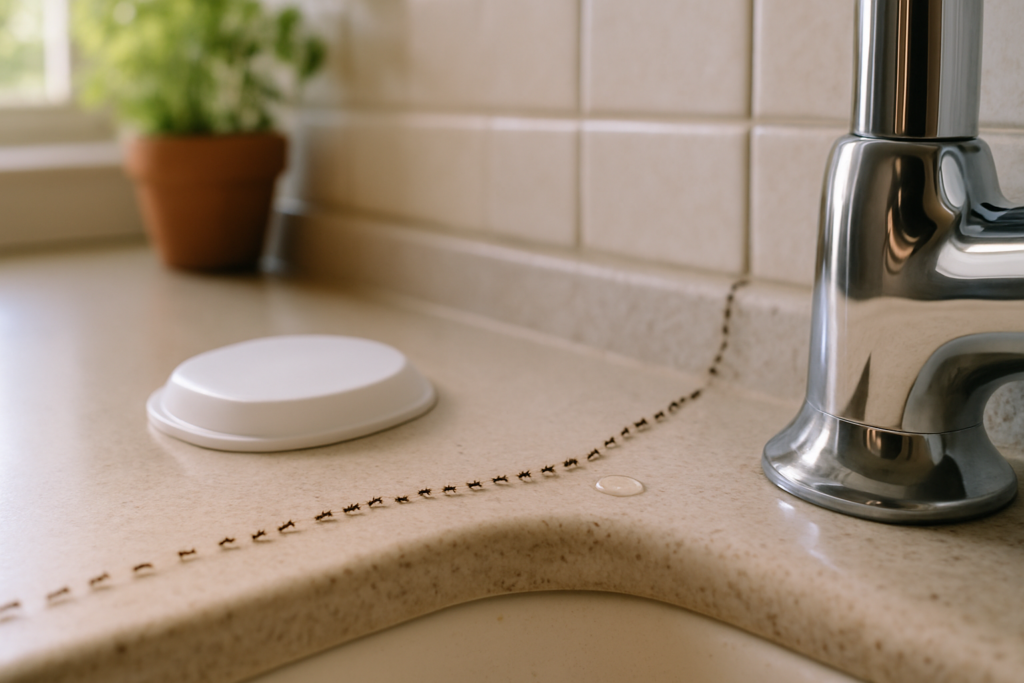
Direct Answer: The first fall rain floods the shallow outdoor nests Argentine ants live in, so the colony moves toward warm, dry ground. That is usually your foundation, not your housekeeping.
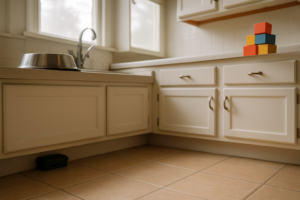
You wiped the counters every night all summer. Then the first real storm rolls through, and by the next morning there is a thin brown line of ants running from the window frame to the sink.
I get these calls every year, usually starting late October and running through the winter storm season. Almost every caller opens with some version of “we keep a clean house, I don’t understand what we did wrong.”
The honest answer is that you probably did nothing wrong. The trigger was weather in your yard, not crumbs in your kitchen, and this article covers what that means, what to do in the first 48 hours, and how to tell a short weather move from a problem that has settled in.
Why Ants After Rain in Santa Cruz Show Up Literally Overnight
The ant behind almost every kitchen invasion here is the Argentine ant. It is dull brown, about 1/8 inch long, and it moves in an orderly single-file line rather than wandering.
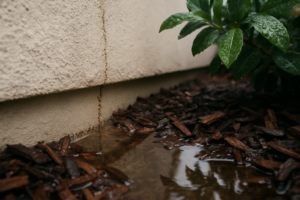
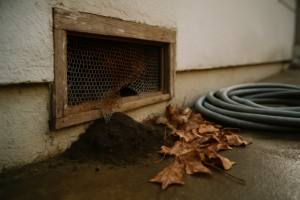
These ants do not build deep underground cities. They nest in the top few inches of soil, under bark mulch, beneath pavers and stepping stones, under potted plants, and in damp leaf litter along the foundation.
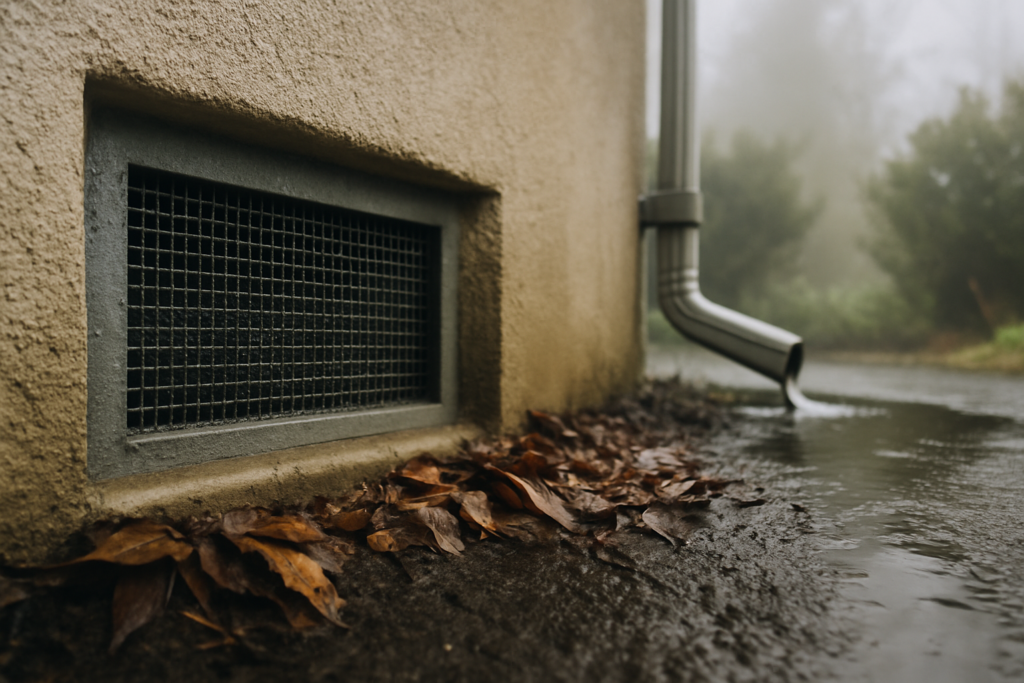
That shallow habit is fine for eight dry months. When the first storm saturates the ground, the nest floods, and the colony picks up its brood and relocates toward the nearest warm, dry ground.
On a typical Santa Cruz County lot, the nearest warm dry ground is:
- The soil right against a heated foundation
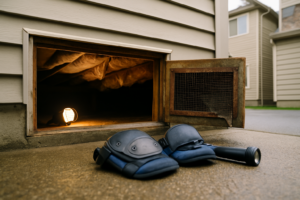
- A crawl space edge or the gap under a door threshold
- Wall voids behind a kitchen or bathroom
- Planter boxes and mulch beds within a few feet of the house
- Under slabs, patios, and walkways
Older homes on the Westside, in Soquel, and around Aptos tend to feel it first. Wood siding, original window frames, and mulch beds pushed right up against the wall give a relocating colony a dozen easy ways in.
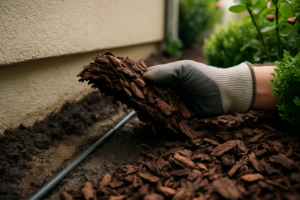
If your landscaping changed recently, that matters too. Fresh bark is exactly the kind of damp, loose cover these ants prefer, which is why new mulch often brings new ant trails.
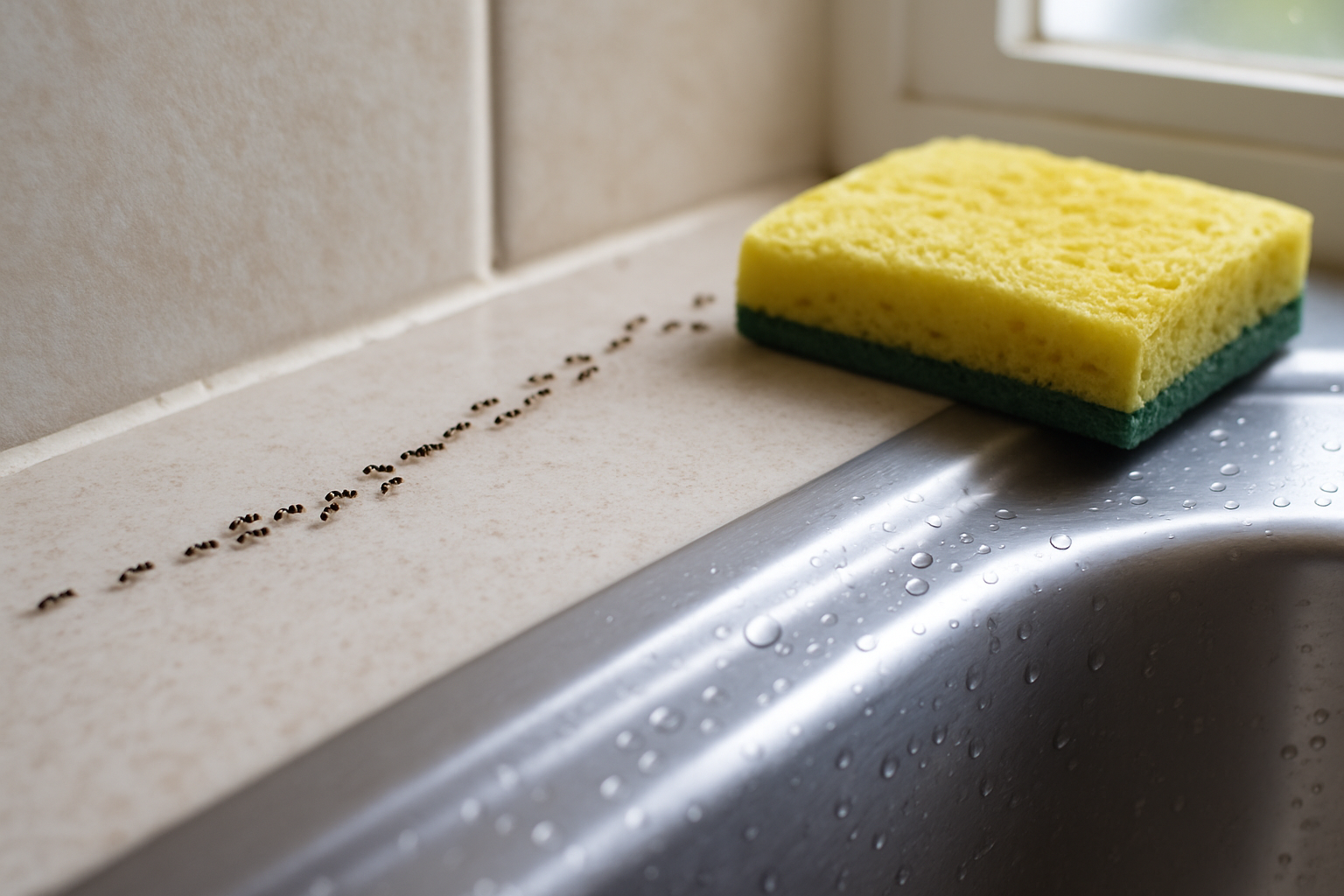
The First 48 Hours: What Actually Helps
What you do in the first two days shapes the next two weeks. Most of it is free.
- Wipe the trail, not just the ants. Warm soapy water or a vinegar and water mix breaks the scent trail they follow. Paper towel alone just smears it.
- Watch where the line enters. Follow it back to the window sill, the baseboard gap, the pipe under the sink. That entry point is the most useful piece of information anyone can have.
- Pull the easy food. Pet bowls off the floor between meals, dry food in sealed containers, honey and syrup jars wiped and bagged.
- Dry the sink at night. During a wet week, a lot of these ants are hunting water as much as sugar.
- Do not spray the trail. More on that below, because this is where most homeowners lose ground.
If the invasion is weather driven and nothing indoors is worth staying for, foragers usually thin out on their own once the ground dries. Ants are also better at finding food than people expect, which is worth understanding before you decide how fast they can locate a single spill.
Why Spraying the Visible Trail Backfires
Grabbing an aerosol can and hosing the counter line feels productive. You watch fifty ants die.
The part you cannot see is the problem. Argentine colonies hold multiple egg-laying queens, and the ants on your counter are a tiny share of the total. Killing foragers does nothing to the queens, and the colony keeps sending replacements.
Repellent sprays can make it worse in a second way. They push the colony to split and move, so instead of one trail you end up with three in rooms you had not seen ants in before.
The bigger mistake I see is spraying on or near bait. Bait only works if live workers carry it back to the nest and share it around. Kill the carriers and you have bought a bait station that does nothing.
University of California IPM guidance is clear on both points: sort the problem by severity first, do not spray over bait, and expect baits to take a week or more to show real results.
That patience part is where most people quit. If your bait seems to be doing nothing after three days, this walk-through of why ant baits fail in local kitchens is worth reading before you switch products again.
Reading the Severity in Week One
This is the most useful judgment call you can make on your own. What you see in the first seven to fourteen days tells you whether to wait it out or bring someone in.
| What you’re seeing | What it usually means | Reasonable next step |
|---|---|---|
| One or two trails, fading within a week as the ground dries | A temporary storm relocation. Foragers scouted, found nothing, drifted back out | Clean the trails, remove food and standing water, wait it out |
| Trails returning daily for one to two weeks, dozens of ants at a time | Something indoors is worth the trip: water, pet food, or a warm void | Bait at the actual entry points, keep all sprays away from bait, give it 7-10 days |
| Hundreds of ants, multiple rooms, trails return after food is gone and gaps are closed | Nesting pressure is now against or inside the structure | An inspection to trace trails and entry points before more product goes down |
| Winged ants at windows, or coarse wood shavings near trim | Possibly a different species, including carpenter ants | Get the species identified first, because the treatment approach is not the same |
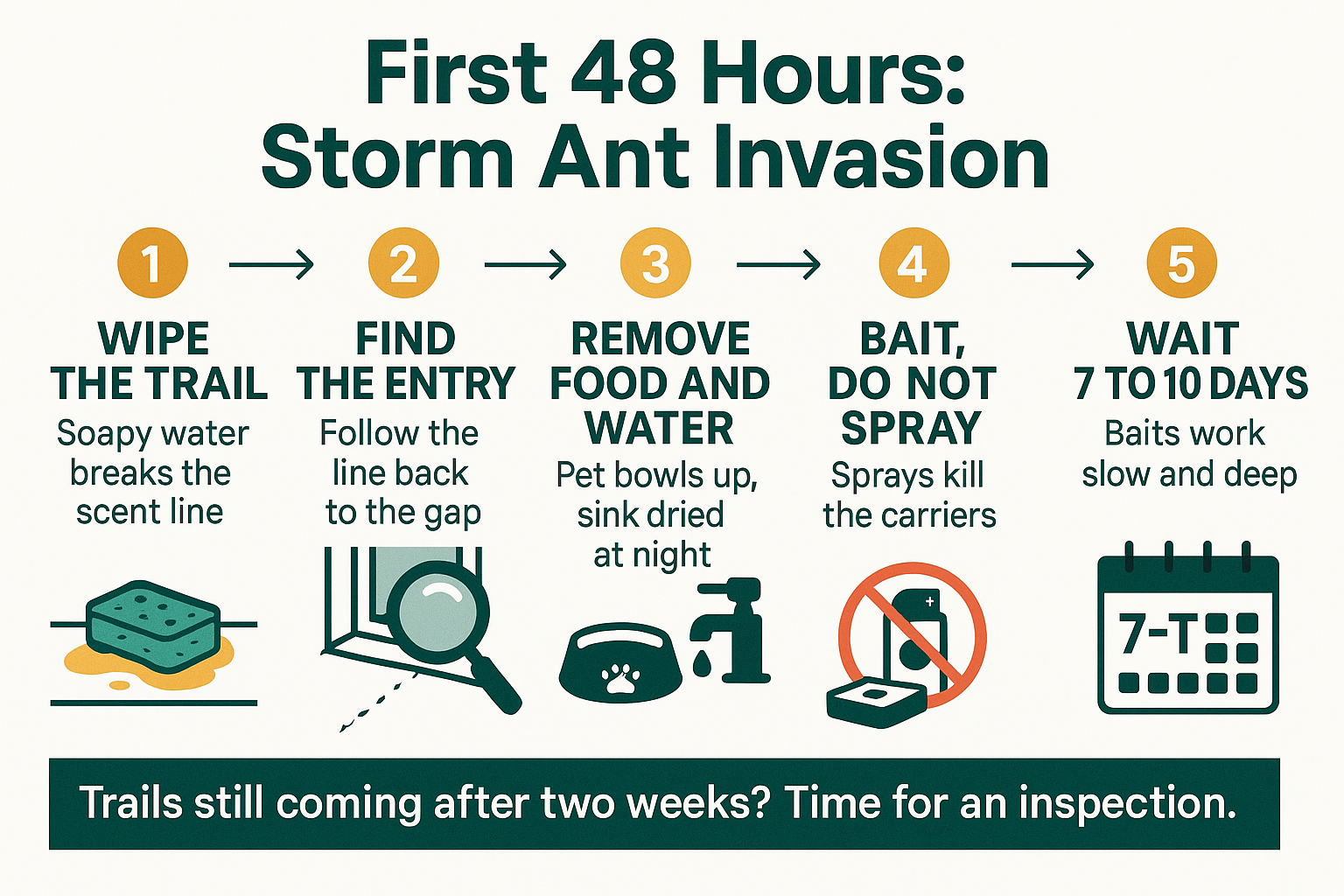
The First 48 Hours After a Storm Ant Invasion
A quick sequence for the two days right after you spot that first line on the counter.
Kids, Pets, and Where the Bait Should Actually Go
This question comes up on nearly every ant call in this county. One homeowner with a new Labrador puppy asked specifically whether we could work with targeted baits and entry point work instead of routine perimeter spraying, and what precautions to take with the dog underfoot.
That is a fair question and a reasonable ask. A few things I tell people:
- Placement beats volume. A small amount of product exactly where the trail enters does more than a wide band of product everywhere.
- Bait goes away from bowls and hands. Not near pet feeding stations, not on toddler-height surfaces, not on open counters where a kid can reach it.
- Outdoor placement is often the better spot. Where the trail starts outside, in the mulch bed or along the foundation, is usually higher value than anything indoors, and it keeps product out of living space.
- Competing sugar ruins bait. If there is a syrup ring on the counter and a bowl of kibble on the floor, the bait is the third best option on the menu.
We work low-toxicity where the situation allows it, and one local reviewer mentioned that recommendations got adjusted on the spot for a household member with lung sensitivity. That kind of adjustment should be a normal conversation, not a favor.
Why a Calendar Spray Schedule Keeps Missing the Rain Window
Here is a pattern I hear constantly. A Watsonville homeowner wrote in about a kitchen ant problem that came back every year starting the previous summer. Another said their old every-other-month service was affordable, but the ants were back inside before the next scheduled visit almost every time.
A billing cycle and a rain-triggered relocation rarely line up. The colony moves when the soil floods, which might be three weeks after the last visit and five weeks before the next one.
One message we received said it plainly: “We’ve had a terrible ant infestation for months and our own efforts to get rid of them have failed. They are everywhere.”
Treatment timed to what is actually happening in the yard behaves differently than treatment timed to a schedule. That is also why a fall storm invasion is a different question from ants that survive a treatment and return.
On cost, ant work in Santa Cruz County varies quite a bit depending on lot size, how many active trails there are, whether the issue is one room or the whole house, and whether it is a single visit or ongoing management during storm season. Rather than trusting a number you read online, it is worth getting an actual quote for your property.
Frequently Asked Questions About Ants After Rain in Santa Cruz County
Does a sudden ant invasion mean my house is dirty?
Usually not. Argentine ants nest in the top few inches of soil outside, and when the first storm floods that soil the colony moves toward warm dry ground. Plenty of spotless kitchens get hit the morning after a big rain.
How long do ants stay inside after a storm?
If it is a pure weather move and there is nothing worth eating, foragers often thin out within a week or so as the ground dries. When trails keep coming past two weeks and reappear after food is gone, the situation has changed from temporary to established.
Should I spray the ants I see on the counter?
I would not. You kill the visible foragers while the queens keep producing more, and repellent sprays can scatter the colony into new rooms. Spraying anywhere near bait also kills the workers that would have carried it home.
Is bait safe with a dog and small kids in the house?
It comes down to placement. Bait kept away from pet bowls and off toddler-height surfaces, with the highest-value placements outdoors near where the trail starts, keeps product out of the spaces your family actually uses. Ask any technician to show you exactly where they are putting things and why.
When does ant season really start on the Central Coast?
Ants are active here nearly year round because of soil moisture, but the indoor spike tends to hit with the first real storm in late October and continues through the winter rain window. Most people have stopped thinking about ants entirely by then, which is why it catches them off guard.
What if the ants came back right after I closed up the gaps?
Closing gaps helps, but Argentine ants are small enough to find another route within a day or two. Trails that keep returning after you have removed food and closed the obvious openings point to nesting pressure tight against the structure, and that is worth having someone trace in person.
Trying to Tell a Storm Move From a Settled Ant Problem?
West Pest Co. is owner-operated by Matthew West, who typically inspects and treats the home himself and walks homeowners through where the trails start before anything gets applied. Reviewers here in Santa Cruz County tend to single out that trail-tracing habit over blanket spraying, including one who wrote: “In less than 24 hours my nightmare ant infestation was over! Matt texted when he was on his way, arrived promptly, completed the paperwork, traced the ant trails and got to work.” If the trails at your place are still running two weeks after the rain, questions are welcome at (831) 430-8402 or westpestco.com.