Direct Answer: Scratching or thumping in heating vents usually means rats. Roof rats are most active just before dawn and after dusk, which is why homeowners hear them first thing in the morning.
You wake up around five in the morning and hear it. A scratch, then a pause, then something heavier moving through the vent or behind the wall. By the time you sit up in bed, it stops.
I get this call constantly in Santa Cruz County. One homeowner wrote in saying they had been hearing sounds in the heating vents and figured they most likely had a rat problem. Another said they were hearing something “in the mornings in the walls” and thought it had burrowed under the foundation.
Those two descriptions are almost word for word what I hear on the phone every fall. So let me answer the questions people actually ask, in the order they usually ask them.
Why do I only hear it in the morning?
Timing is one of the most useful clues you have, and most people do not realize it.
Roof rats, which are the dominant rat in our coastal neighborhoods, are most active in the couple of hours before dawn and again after dusk. They are moving out to forage or moving back to a nest site, and a duct run or a wall cavity is the highway they use to get there.
So when someone tells me the noise wakes them up at 5 a.m. and then goes quiet by 7, that lines up with rat behavior almost perfectly.
The other timing question is seasonal. Our fog and mild fall temperatures mean rodents push indoors earlier here than in drier inland counties. Homes in Aptos, Soquel, and the Westside start producing rodent calls in September, while inland areas may not see the same push until late fall.
Here is the part worth sitting with: by the time you hear the first sound, the rat has usually been working on that entry point for two to six weeks. Chewing, testing, widening. The noise is not the beginning of the problem. It is the point where the problem got comfortable enough to stop being careful.
Is it rats or mice? Can you really tell from the sound?
You can get pretty close, and it matters, because the two are handled differently.
Mice make a lighter, faster, more continuous sound. Think of fingernails skittering. It tends to happen at night and it often stays in one general area, because a mouse lives its whole life within about 10 to 30 feet of its nest.
Rats are heavier and more intermittent. You get a thump, a drag, a short scramble, then nothing for a while. Rats travel much farther, so the sound moves across the house: vent to wall to ceiling.
A few other tells I use:
- Sound directly overhead in the ceiling usually means roof rats, not mice
- Droppings the size of a rice grain point to mice, while droppings closer to a small raisin point to rats
- Gnawing on wood framing or wire insulation is far more common with rats
- Repeated grease smudges along a baseboard or duct edge mean a heavily used rat runway
If you want to work through it in more detail, I wrote a longer breakdown on how to tell mice from rats in your walls and another on what the sounds in an attic actually mean.
Sound clues: what each one usually points to
This is the mental checklist I run through when someone describes what they are hearing. It is not a diagnosis, but it narrows things down fast.
| What you hear | Usually points to | Why |
|---|---|---|
| Light, fast, continuous scratching at night | Mice | Small body, constant movement, small territory |
| Heavy thumps and dragging before dawn | Rats | Roof rats are most active at dawn and dusk |
| Sound moving from vent to wall to ceiling | Rats | Rats travel long routes through duct and wall runs |
| Gnawing that sounds like a small saw | Rats | Rats chew framing, ducting, and wire sheathing |
| Sound only in one small spot, every night | Mice | Nest is almost always within 30 feet |
| Daytime scurrying in the attic or ceiling | Something other than rats | Worth an in person look before assuming |
How are they getting into the ductwork in the first place?
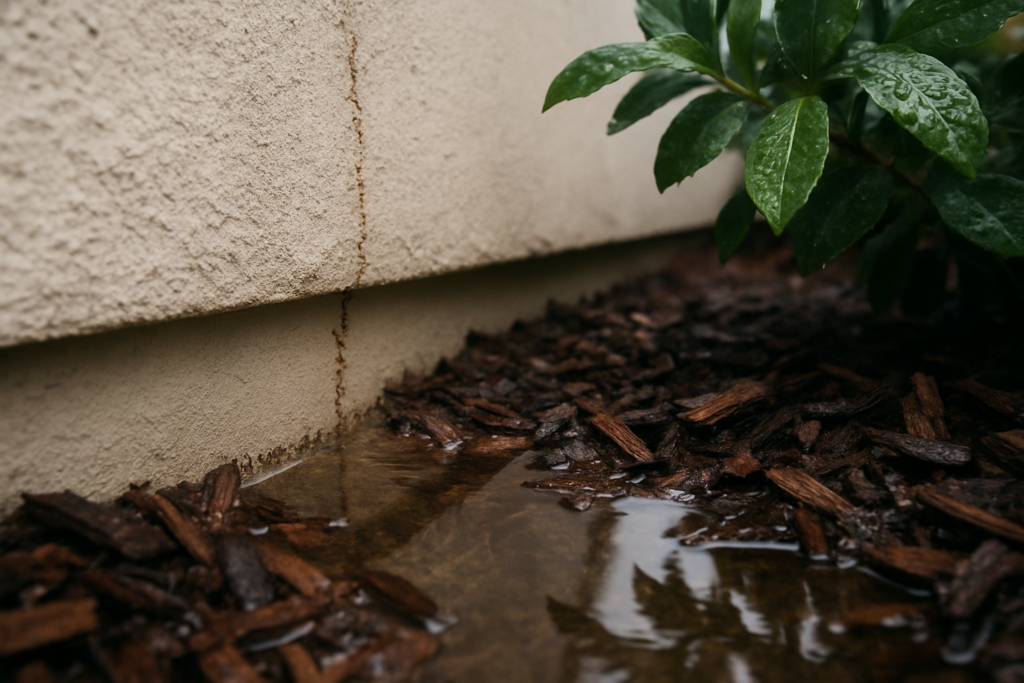
This is where Santa Cruz County housing stock works against you. A lot of our homes sit on raised foundations with ducting running through the crawlspace, and that crawlspace is often only as sealed as its oldest vent screen.
The structural pathways I find most often:
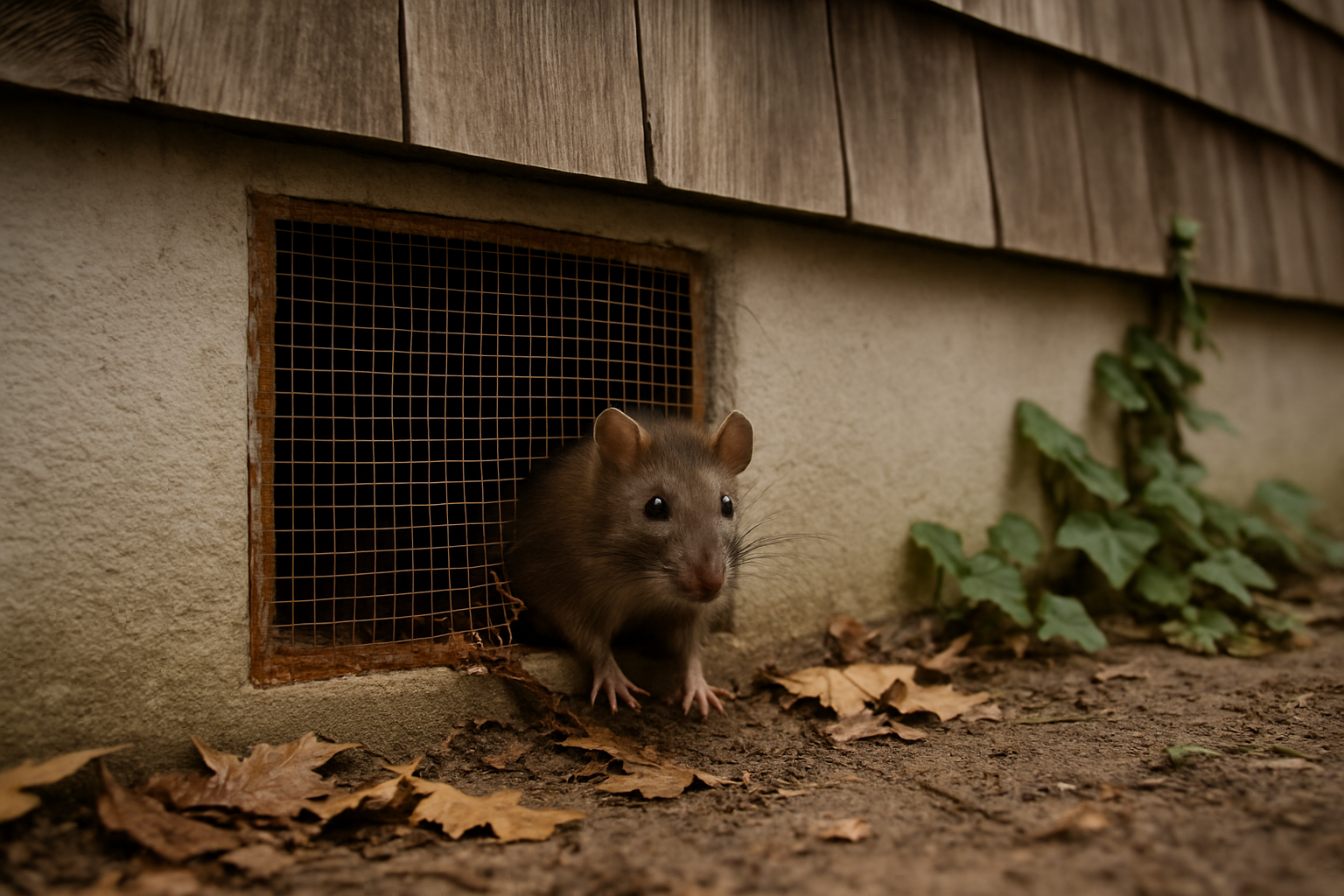
- Deteriorated crawlspace vent screens, rusted through from decades of coastal moisture
- Gaps where HVAC or mini-split lines enter the structure, especially at the roofline where the original installer left the sleeve open
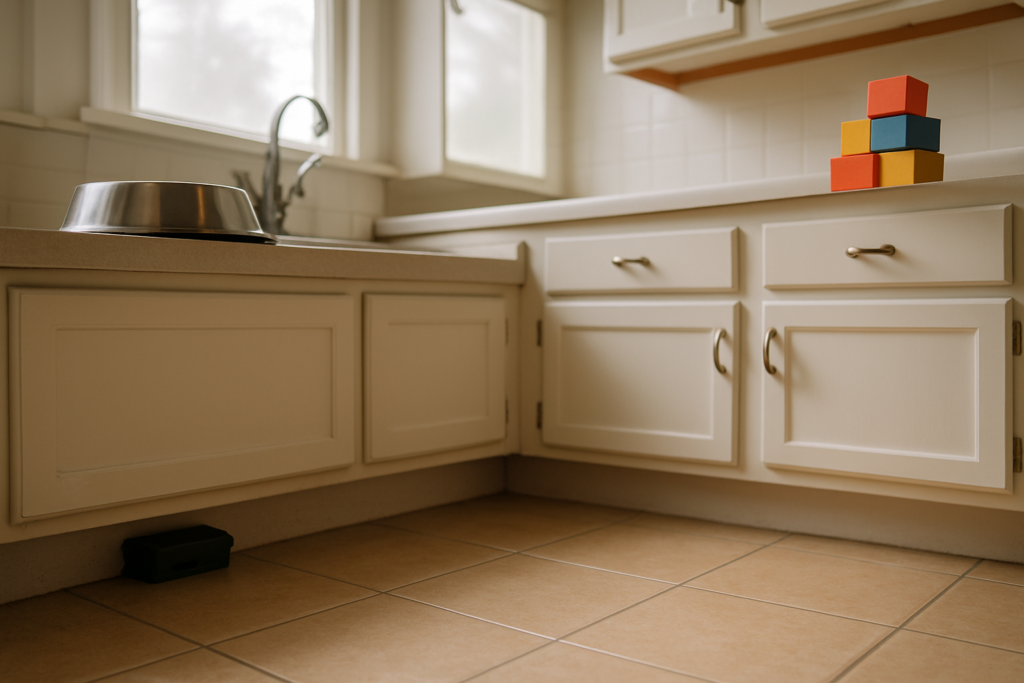
- Unsealed plumbing penetrations under sinks, at water heaters, and behind washer hookups
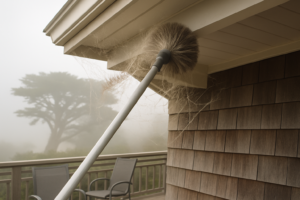
- Aging roof vents and eave gaps on homes with mature trees or overhanging branches
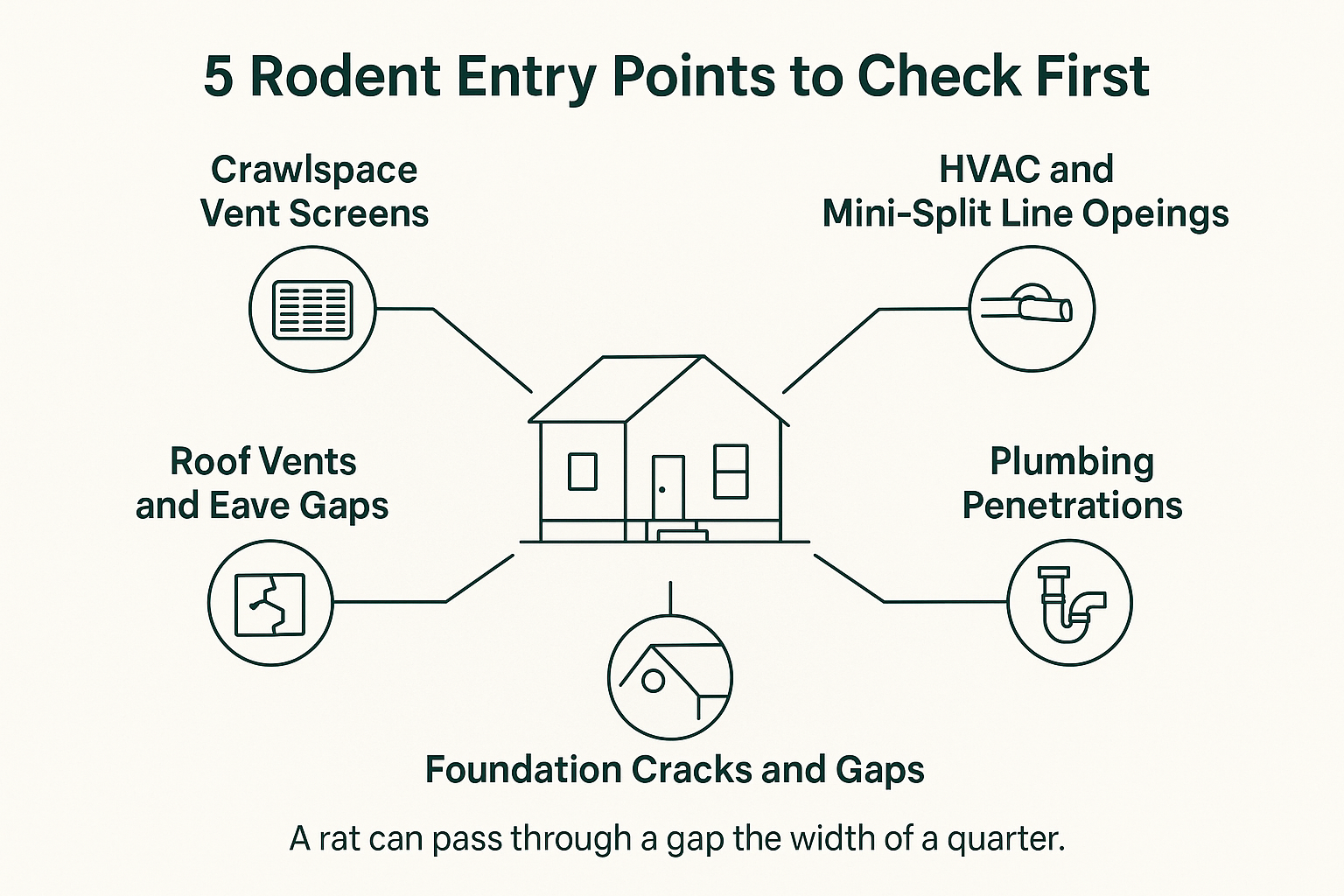
- Foundation gaps and settling cracks wide enough for a rat to squeeze through, which is roughly the width of a quarter
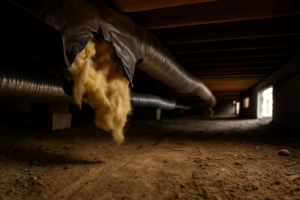
Once a rat is in the crawlspace, damaged duct insulation gives it a warm, hidden route straight through the middle of your house. That is why the sound seems to come from the vents. It is not a coincidence, it is the route.
One homeowner described it exactly right when they said they thought something had burrowed under the foundation and gotten into the walls through an open cavity. That is a textbook path here. I covered the attractant side of this in more depth in what draws rats into your home in the first place.
The five entry points I check first
When I walk a property with duct noise, these are the areas I look at before anything else.
Is my insulation or ducting contaminated?
This one comes up a lot, and I am not going to soften it. Rat urine and droppings in insulation are a legitimate health concern, not a scare tactic.
One homeowner asked specifically for an inspection of their insulation and ducting to determine whether replacement was needed. That is the right question to ask.
What an honest assessment looks like:
- Checking whether droppings and urine staining are isolated to a runway or spread across a nesting area
- Looking at whether duct insulation has been chewed open or compacted into nesting material
- Noting odor, because a persistent ammonia smell usually means urine saturation rather than surface soiling
- Being clear about what is cosmetic versus what genuinely warrants removal and replacement by the appropriate trade
Light droppings along a joist are a very different situation than a nest built inside batt insulation. The first gets cleaned. The second usually means material has to come out.
The CDC’s guidance on rodents is worth reading before you start pulling anything apart yourself, particularly around dry sweeping and disturbing droppings. If you are not sure what you are looking at, leave it alone and have someone assess it first.
What does a real inspection actually involve?
A reviewer once mentioned they had two other pest control companies out with no success before the problem was traced. That happens more than it should, and it usually comes down to whether anyone actually got under the house.
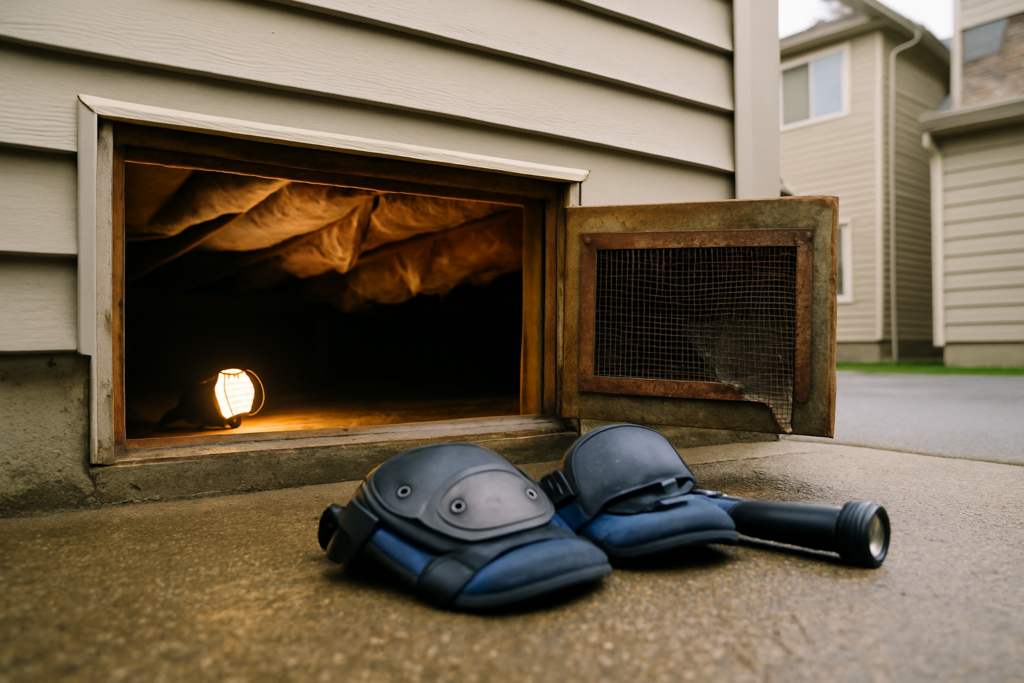
A proper inspection means going into the crawlspace and the attic, not walking the perimeter with a clipboard. It means finding the specific openings, mapping the travel routes, and telling you which pest you are dealing with before anything gets set.
Then there is a plan you can understand. Where traps go and why. What conditions on the property are keeping the activity going. What repairs the structure needs, and who does that work.
One customer put it plainly in a review: “His inspection found one unknown access point for rodents.” That is the whole job. Find the actual door they are using, because treatment without that is just a temporary population dip.
If you have already dealt with rats once and they came back, there is usually a structural reason.
Frequently Asked Questions About Rats in Heating Vents and Walls
Should I just put traps in the vents myself?
Please do not put traps inside the ductwork. You end up with a dead rodent somewhere you cannot reach, and the odor lasts weeks. Snap traps belong along runways in the crawlspace, attic, or garage, placed against a wall where rodents actually travel.
How much does rodent work cost in Santa Cruz County?
It varies a lot, and anyone quoting you a firm number over the phone before seeing the house is guessing. The real drivers are crawlspace accessibility, how many entry points exist, whether an attic is involved, and how long the activity has been going. Ask for an on site assessment and a written scope so you can compare honestly.
Is it safe to use rat poison if I have kids and dogs?
California has tightened the rules on second generation rodenticides significantly, and for good reason given how they move through local wildlife. Trapping and addressing the structure are the better path in a home with children or pets. I broke down what the current rules mean for homeowners in a separate post.
How long until the noise stops?
In a straightforward case with good crawlspace access, activity usually drops off within the first one to two weeks of trapping. But if the openings that let them in are still there, new rodents will find the same route. That is why the structural side matters more than the trap count.
Could the sound be something other than rats?
Yes. Daytime activity in a ceiling, especially loud scampering in the middle of the afternoon, often points to something other than a rat. Birds nesting in a vent hood is another one I run into. That is part of why an in person look beats guessing from a description.
Still hearing something in the vents?
If you are somewhere in Santa Cruz County and the morning scratching has not let up, an in person look at the crawlspace and roofline will tell you far more than another week of guessing. West Pest Co. handles rodent inspections and treatment across the county, from the Westside to Aptos and Watsonville. The number is (831) 430-8402, or you can read more at westpestco.com.