Direct Answer: Mobile homes let ants in through skirting gaps, utility penetrations, and moisture-damaged flooring instead of foundation cracks. That means baiting the colony usually works better than a routine perimeter spray.
In one stretch of a few weeks, I heard from three separate households in Watsonville with the same problem. All three lived in mobile or manufactured homes, all three had ants, and one of them had already been fighting a returning ant problem for the better part of a year.
That is not a coincidence. Manufactured housing is built differently than a slab home in Live Oak or a raised-wood-foundation cottage on the Westside, and ants take advantage of those differences.
So I want to walk through what actually changes when the structure sits on piers and skirting instead of a poured foundation. If you live in a park off Freedom Boulevard, out toward Interlaken, or down near the Pajaro line in Monterey County, this one is for you.
Why ant control in a Watsonville mobile home works differently
A traditional home has a continuous foundation. Ants come in at predictable spots: a hairline crack in the stem wall, the gap under a door, a weep hole, a window frame.
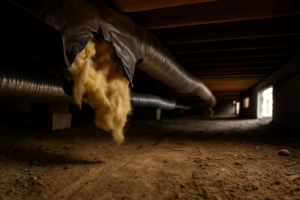
A manufactured home does not have that continuous barrier. It sits above the ground on piers, with skirting around the perimeter and a belly wrap underneath. What you get is a semi-enclosed crawl space that stays cool, dark, and damp, with dozens of small openings cut into the floor for plumbing and wiring.
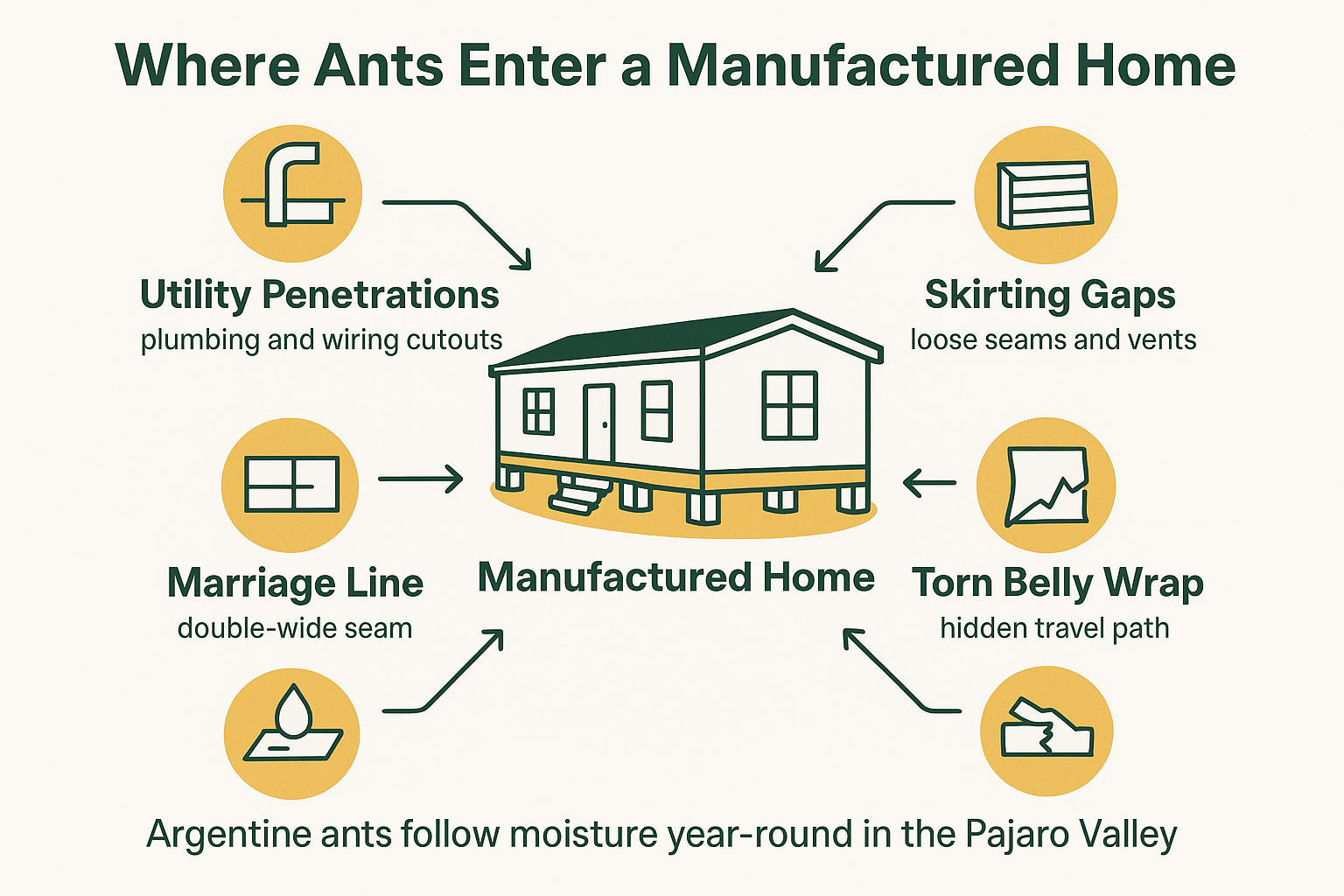
Here are the entry routes I check first in a manufactured home:
- Utility penetrations where water lines, drain pipes, and electrical runs pass up through the subfloor
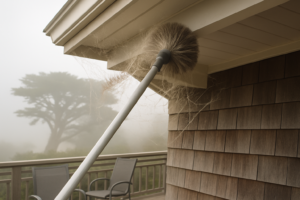
- Skirting seams and vents, especially where a panel has been bumped, bent, or pulled loose by a hose or a lawnmower
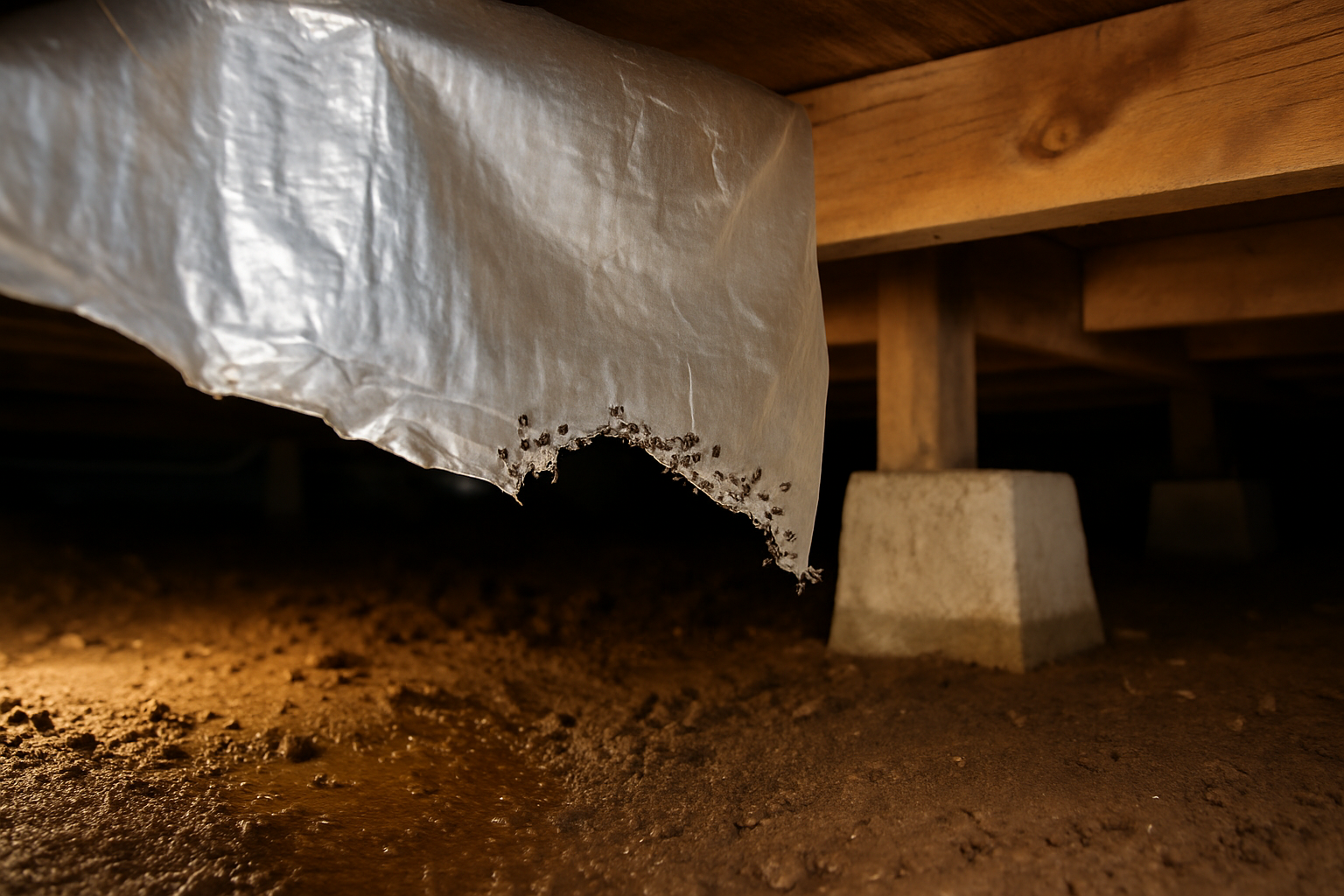
- Torn belly wrap, which lets ants move freely between the insulation and the floor decking
- Soft or water-damaged subfloor under sinks, tubs, and washer hookups
- Marriage line gaps in double-wides where the two halves join
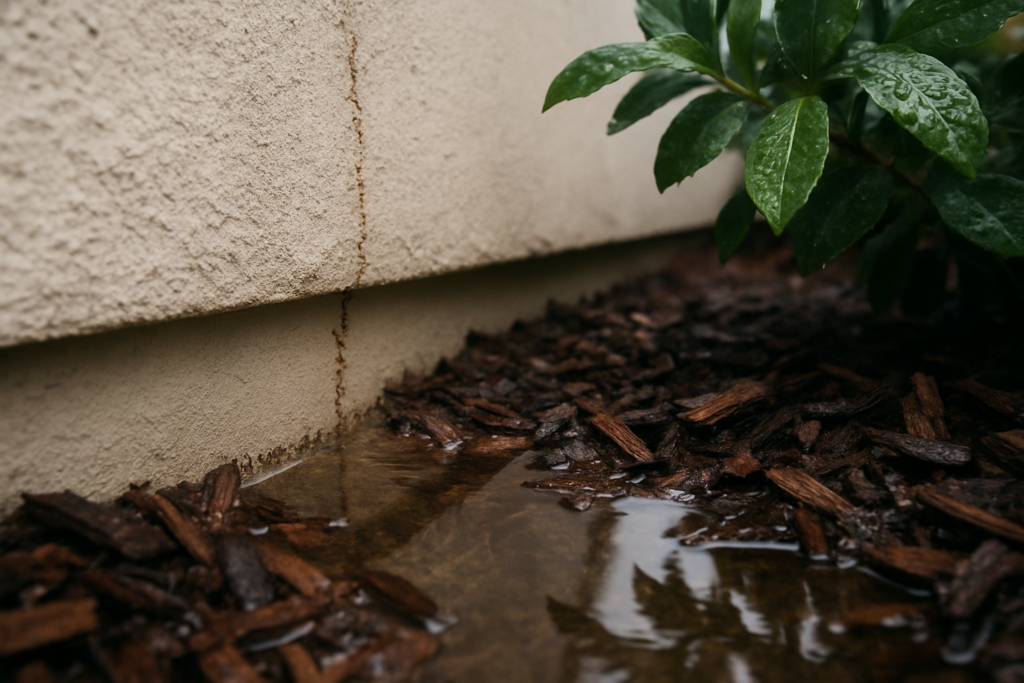
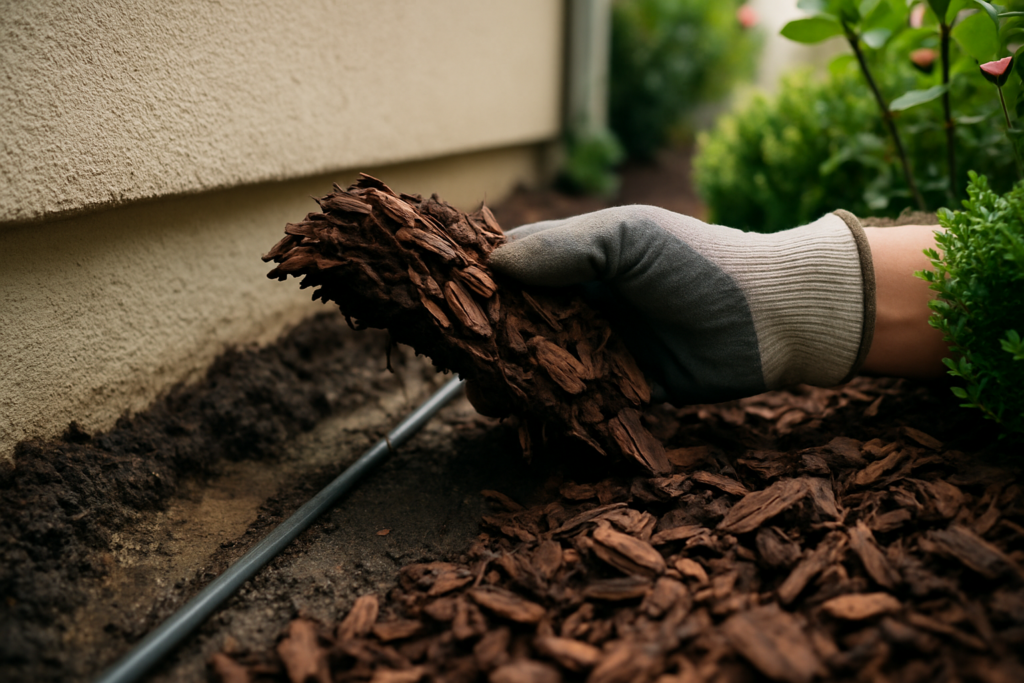
- Skirting that sits directly on soil with vegetation or mulch pressed against it
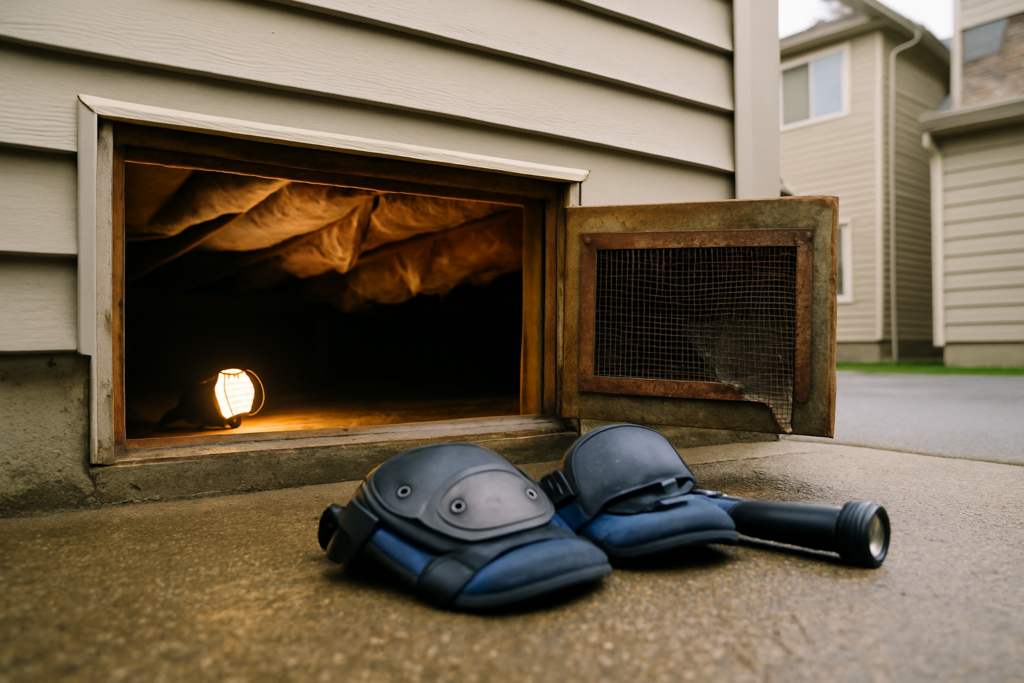
Notice that most of those are on the underside of the house. That is the part almost nobody inspects, and it is exactly where the trail usually starts.
Pajaro Valley soil moisture keeps the pressure on year-round
The species behind most of these calls is the Argentine ant. It is the dominant ant in Santa Cruz County and across the Pajaro Valley, and it behaves nothing like the single-nest ants people picture.
Argentine ants form connected colonies with many queens spread across a wide area. According to UC statewide IPM research, these colonies can link up into enormous networks, which is why killing the ants you see does almost nothing to the population.
What makes Watsonville and the surrounding farm country tougher is water. Between field irrigation, a naturally high water table, and coastal fog that keeps things damp most of the year, the soil around many mobile home parks never really dries out.
That matters because Argentine ants follow moisture. Steady soil moisture means:
- Colonies stay active in December and January, not just June through September
- Foraging trails run shorter and hit the house sooner
- Nests can sit inches from the skirting rather than out in a dry yard
- Heavy rain pushes ants up into the warm, dry floor cavity fast
Neighbors on higher ground with raised foundations often report ants for a few weeks in summer. In a low-lying park, it can feel like the ants never left. That is not bad luck, it is groundwater.
Manufactured home vs. traditional foundation: where the ants actually come in
Same ant, different building. Here is how the entry points compare.
| Entry route | Manufactured or mobile home | Slab or raised-wood home |
|---|---|---|
| Perimeter | Skirting panels with seams, vents, and soil contact | Continuous concrete stem wall or slab edge |
| Plumbing | Open cutouts in the subfloor under sinks and tubs | Sealed or mortared penetrations at the slab |
| Insulation | Belly wrap that tears and creates a hidden highway | Batt insulation in an accessible crawl space |
| Moisture point | Damp soil directly beneath the floor structure | Vented crawl space or dry slab surface |
| Best treatment focus | Baiting at interior trails plus underfloor access points | Perimeter treatment plus targeted interior work |
The five spots I check first in a manufactured home
This is the inspection order I follow before recommending any treatment in a mobile or manufactured home.
What a pet-safe approach looks like in a skirted home
One caller told me she had just moved in, had pets, and wanted a safe resolution to annoying ants. That request comes up constantly, and in a manufactured home it actually shapes the whole plan.
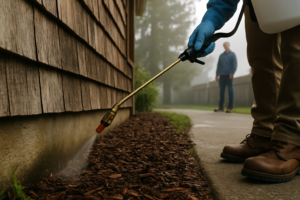
Broad perimeter spraying is the default in a lot of the industry. In a skirted structure, I think it is the weaker option for two reasons. You cannot apply it evenly to a surface that is mostly thin metal or vinyl panels, and a good share of the ant activity is happening above the treated band anyway, inside the floor cavity.
Targeted baiting makes more sense here. Bait gets carried back and shared through the colony, which is the only way to reach the nests and queens you cannot see under the home.
In practice, a lower-toxicity plan in a mobile home usually means:
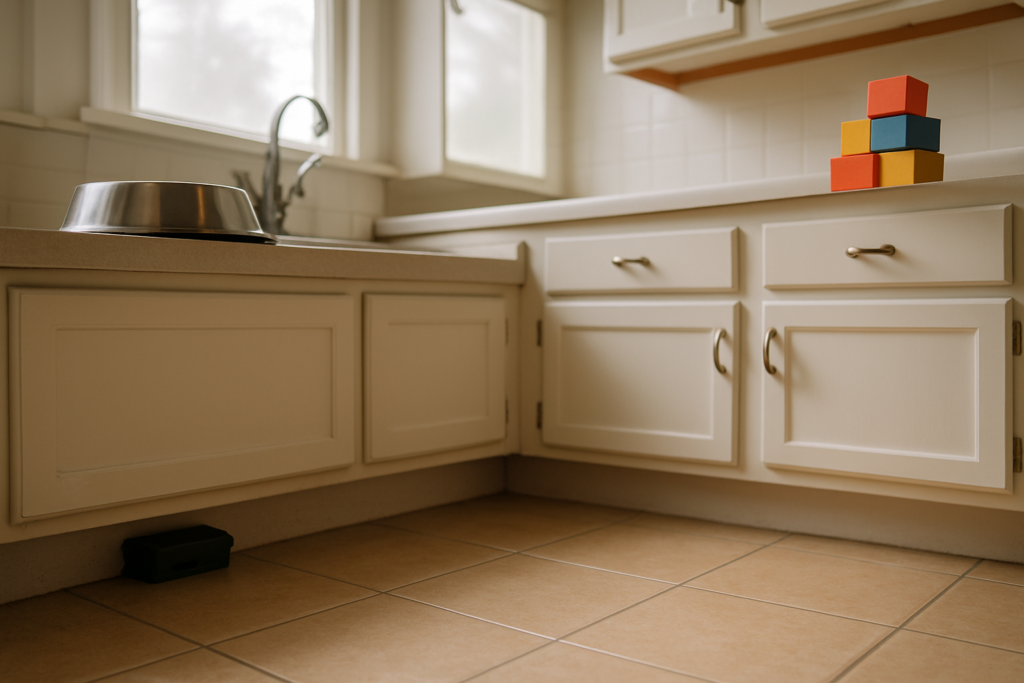
- Placing bait right on active trails, in cracks and voids where pets and kids cannot reach
- Using the smallest amount of material in the fewest places that will still do the job
- Treating specific underfloor access points rather than fogging or blanketing an area
- Cutting off food and water sources inside while the bait does its work
- Checking back to see whether trail activity actually dropped
If you want the longer version of that philosophy, I wrote about what IPM pest control means for homes with kids and pets. The short version is that placement beats volume.
When ants keep coming back, it is usually structural
Several people who called had already spent months on sprays, powders, and home remedies. The pattern is almost always the same: ants disappear for a week or two, then reappear in the same corner of the kitchen.
That is not a product failure. It means the entry route was never found. A treatment applied to the countertop trail does nothing about the moisture-damaged spot under the sink where the ants are actually coming through the floor.
In manufactured housing, a repeating problem usually traces back to one of these:
- A plumbing leak keeping the subfloor damp
- Skirting that has settled or separated on one side of the home
- Soil and irrigation grading that pushes water toward the perimeter
- A neighboring unit or shared landscaping feeding the same colony network
That last one matters in a park setting. Argentine ant colonies do not respect lot lines, so pressure from three units over can land in your kitchen.
Cost varies quite a bit depending on the size of the home, how many active trails there are, and whether the underside is accessible. Ant work in Santa Cruz County generally runs in a modest range for a one-time targeted treatment, with ongoing plans priced higher, but the honest answer is that nobody can quote a manufactured home accurately without looking at the skirting and the floor. I would rather inspect than guess.
If you have been at this a while, this piece on ants that keep coming back after treatment covers what is happening biologically.
Frequently asked questions about ants in mobile and manufactured homes
Why do the ants in my mobile home come back every couple of weeks?
Because the visible trail is a tiny fraction of the colony. If treatment only hits the ants on your counter, the nest under the home keeps producing foragers. Reaching the colony through bait is what changes the pattern, and finding the entry route is what keeps it changed.
Is it safe to treat for ants with a dog or cat in the house?
Yes, when the material is placed where pets cannot get to it. In a manufactured home that usually means cracks, voids, and enclosed stations rather than open surfaces. I always walk through the specific placements before anything goes down.
Do ants get in through the skirting or through the floor?
Usually both. They travel under the skirting into the crawl space, then come up through plumbing cutouts or torn belly wrap into the floor cavity. That is why treating only the outside perimeter tends to disappoint people.
Why does my neighbor with a regular house have fewer ants than I do?
Foundation type and ground moisture. A slab or raised-wood home has fewer openings low to the ground, and homes on higher ground in Aptos or Scotts Valley dry out between rains. Low-lying parks in Watsonville and near Pajaro hold soil moisture year-round, which keeps Argentine ants foraging.
Can I handle this myself with store products?
Sometimes, for a single fresh trail. But if you have been at it for months without progress, the problem is usually diagnosis, not product. This article on when to stop DIY pest control lays out the tipping point.
Dealing with ants in a manufactured home?
If you are in a park in Watsonville, out near Interlaken, or anywhere along the Pajaro Valley into Monterey County, an inspection of the skirting and underfloor area usually tells the whole story in about twenty minutes. West Pest Co. covers all of Santa Cruz County and the surrounding communities, and Matthew often answers the phone himself. You can reach the office at (831) 430-8402 or read more at westpestco.com whenever you are ready.