When you spot a pest in your home, grabbing a DIY fix from the store feels like the fastest solution. While some home remedies can help with a very minor issue, most store-bought products don’t solve the real problem. This leads to a frustrating cycle where pests just keep coming back.
It’s a common story we hear from homeowners in Santa Cruz County. A majority of people—about 54%—try to handle pest issues themselves before calling a professional. But this often leads to temporary results and recurring infestations.
Why Many DIY Pest Fixes Fall Short
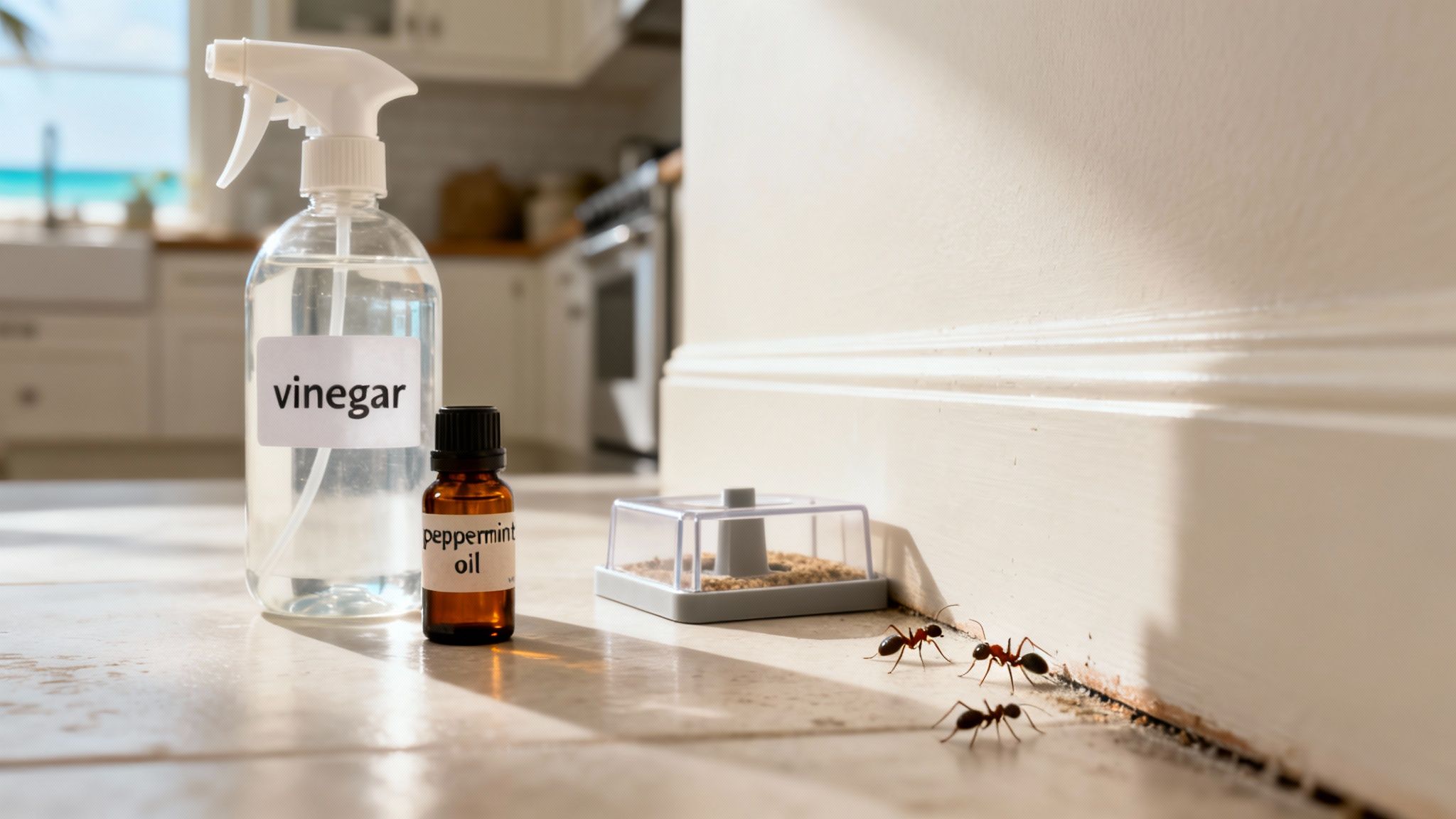
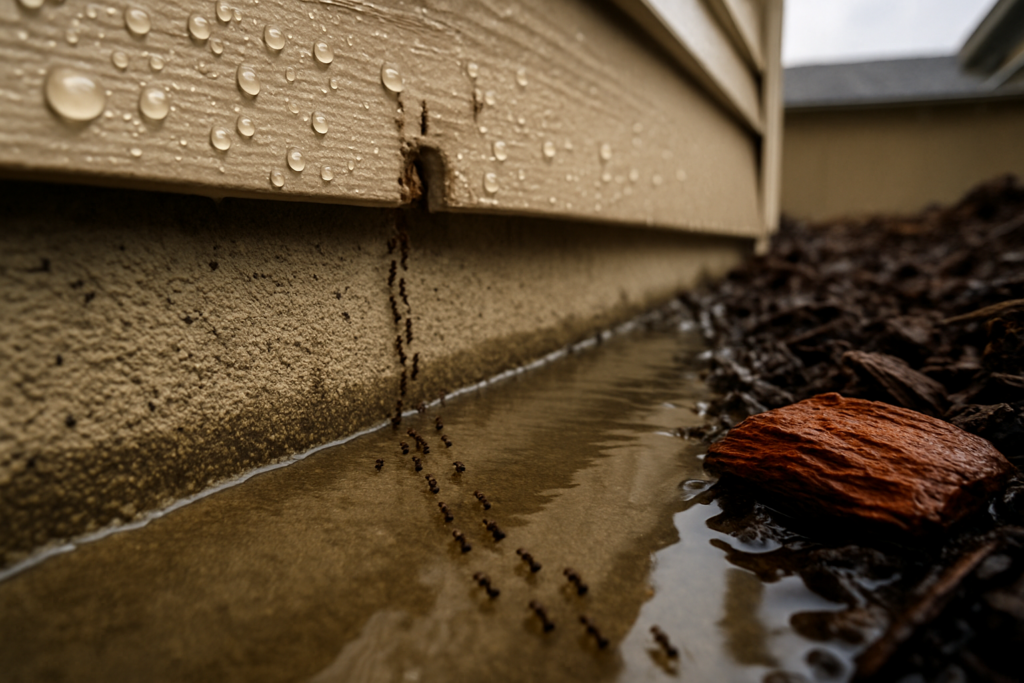
You see a line of ants in your kitchen, you spray them, and they disappear for a day. Then they’re back. This happens because most DIY efforts only attack the pests you see, not the hidden colony or the tiny cracks they use to get inside.
Effective pest control is more than just spraying bugs. It requires understanding how pests live, nest, and behave. Without that knowledge, you’re only treating a symptom, not the actual problem.
The Problem with Surface-Level Solutions
Store-bought sprays, traps, and foggers are made for general use. They almost never get into the hidden spaces where pests really live.
- Hidden Nests and Colonies: A spray might kill a few foraging ants, but it won’t touch the thousands of others hiding in a wall or under your foundation.
- Wrong Pest Identification: Using the wrong product can backfire. For example, some baits cause Argentine ants, which are common in Santa Cruz, to split their colony into several new ones. This makes your problem much worse.
- Missed Entry Points: Pests can get into your home through tiny openings, like cracks in the foundation or gaps around pipes. Unless you seal these spots, new pests will just keep coming in.
The biggest mistake in DIY pest control is focusing only on the pests you see. True success comes from eliminating the source—the nest, the colony, and the entryways.
Misuse Can Make Things Worse
Over-applying products doesn’t solve an infestation. It can also introduce unnecessary chemicals into your home. This is why many homeowners eventually give up the DIY cycle of temporary fixes, which often costs more in the long run. You can see how certain products have their limits in our guide on whether foggers work on bedbugs.
Living along the coast in places like Capitola or Aptos means dealing with specific pest pressures. Our damp, mild climate lets pests like ants and spiders thrive all year. A simple DIY approach often isn't enough to create a lasting barrier against these local invaders.
Comparing DIY Fixes for Common Santa Cruz Pests
When pests appear, your first thought is probably a quick DIY fix. But not all home remedies work, especially against the pests that thrive in our coastal region. Let's look at popular DIY methods used from Aptos to Scotts Valley and see what actually works.
Argentine Ants: The Unstoppable March
Argentine ants are the top pest complaint in Santa Cruz County for a reason. These tiny invaders create huge supercolonies. The trail you see in your kitchen is just a small part of the problem.
- Vinegar Sprays: Wiping an ant trail with vinegar erases their chemical path. This confuses other ants for a while, but it does nothing to the nest. New scouts will make new trails within hours.
- Peppermint Oil: Like vinegar, peppermint oil is a repellent. Ants avoid the strong smell, but this is just a temporary roadblock. They'll find another way into your home.
- Store-Bought Baits: This is where it gets tricky. Some baits can work, but using the wrong one for Argentine ants can cause the colony to split. This process, called budding, turns one infestation into several.
Short-term DIY fixes often lead to higher long-term costs. Misapplied sprays and traps may hide larger issues. Improper ant baiting can cause colony splitting, making infestations worse.
Rodents: Masters of Hiding
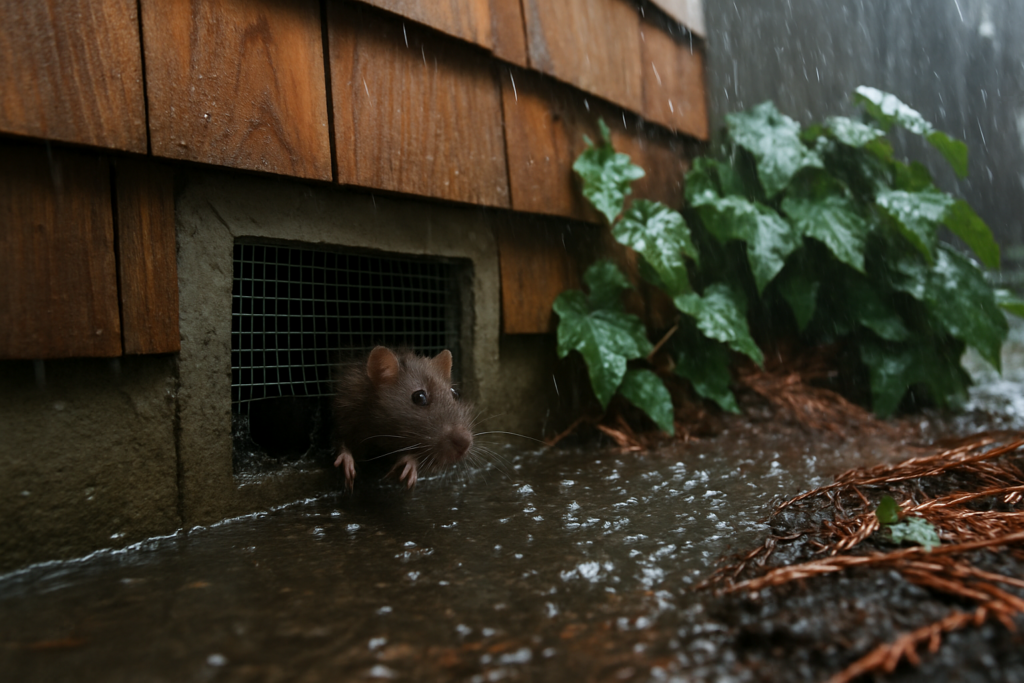
From the redwood forests of Felton to the coastal bluffs of Santa Cruz, rats and mice are always looking for food and shelter. They can squeeze through tiny openings, making them a year-round threat.
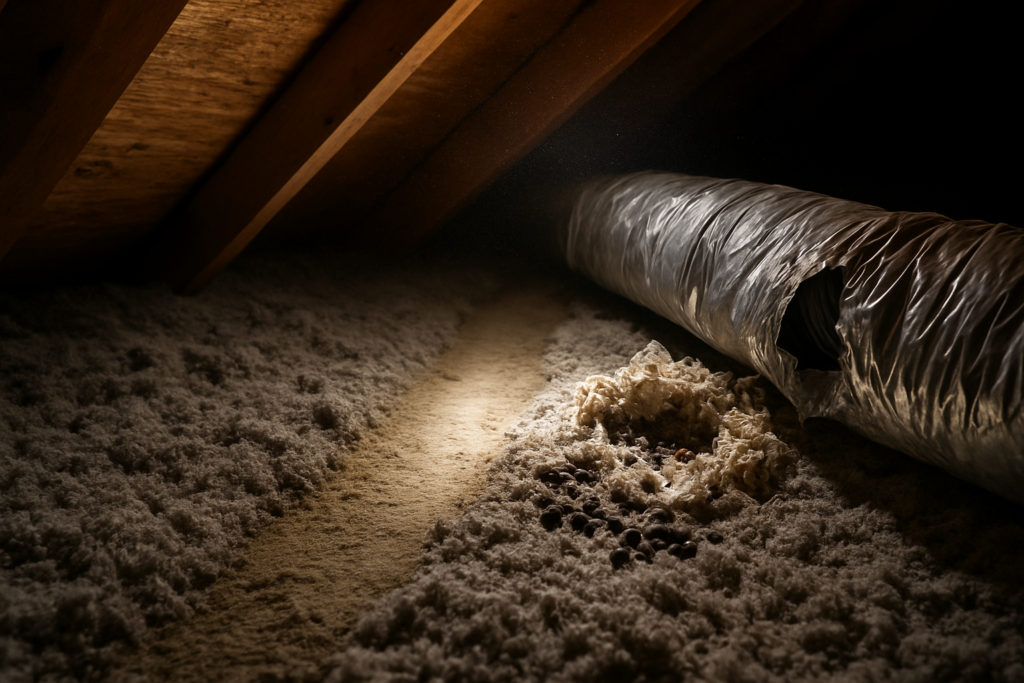
- Snap Traps: A snap trap is effective for catching one mouse or rat. But where there's one, there are usually more. Trapping a single rodent rarely stops a family living in your attic.
- "Humane" Live Traps: These traps create new problems. Relocating a rodent often just makes it someone else's problem, and the animal is unlikely to survive. Plus, new rodents will find the same entry points.
- Ultrasonic Repellers: These devices claim to emit a sound that drives rodents away. However, studies show they have little to no long-term effect. Rodents just get used to the noise.
A single pair of mice can produce up to 60 offspring in one year. Trapping one or two at a time is a losing battle against their rapid reproduction rate.
The cycle of DIY pest control failures is a frustrating one, as the visual below shows.
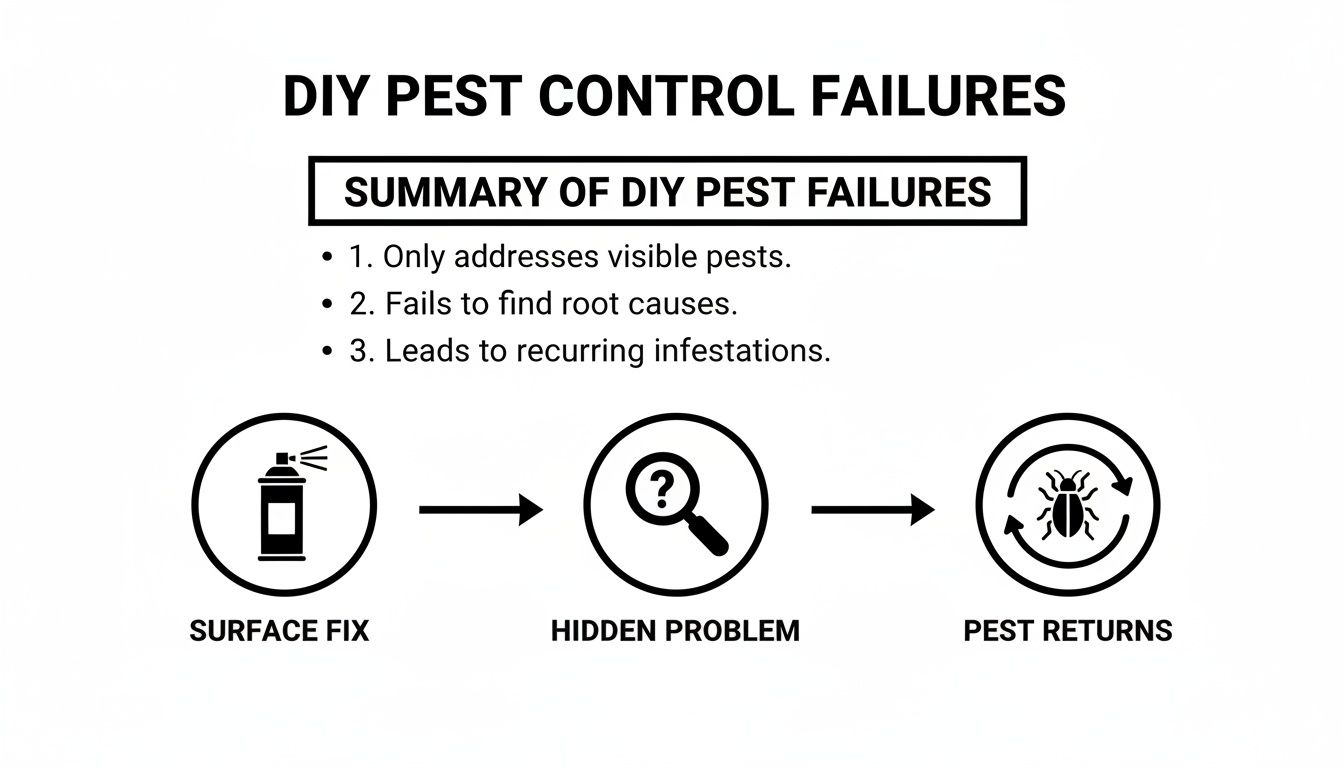
As you can see, a surface fix rarely gets to the root of the issue, which is why pests keep coming back.
Spiders and Yellow Jackets: Unwelcome Guests
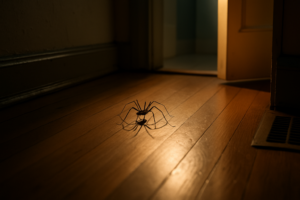
Spiders are common in California, but you don't want them in your living room. Yellow jackets are an aggressive danger that can quickly take over a yard.
- Spider Sprays: A store-bought spray will kill a spider on contact. The problem is it has no lasting effect. A new spider can build a web in the same spot the next day. Real control means managing their food source (other insects).
- DIY Yellow Jacket Traps: You can make traps that will catch some yellow jackets. But a single nest can house thousands of aggressive insects. Trying to remove a nest yourself is very dangerous and can lead to many painful stings.
When looking at DIY methods, it’s important to understand the science behind what works, like the effectiveness of common DIY solutions like baking soda. While these remedies have their place, they often can't handle an established infestation.
The Hidden Risks of Store-Bought Pest Products
Grabbing a can of spray at the hardware store feels like an easy win. But these products have serious downsides that go beyond just not working.
Here in Santa Cruz County, we see homeowners get stuck in a frustrating cycle. They try a product, it doesn't work, so they use more. Soon, they are overusing chemicals in their homes, putting family and pets at risk without solving the problem.
You're Treating Symptoms, Not the Source
The biggest flaw with most DIY pest products is that they only kill pests on contact. Spraying a line of ants is satisfying for a moment, but you haven't touched the hidden nest. This starts an expensive and maddening loop. You spray, the pests disappear for a day, and then they're back.
- Sprays and Aerosols: These products have almost no lasting effect. Once they dry, they're done. A new bug can crawl over the same spot unharmed minutes later.
- Foggers or "Bug Bombs": A bug bomb releases a pesticide mist that settles on open surfaces. It rarely gets into the deep cracks and wall voids where pests live and breed.
- Limited Scope: DIY products are a one-size-fits-all solution for a problem that is unique to your home.
The limits of many DIY fixes are like other household remedies. For example, looking into the effectiveness of common household solutions like bleach for mold shows that an easy fix often fails to solve the underlying issue.
The Dangers of Misapplication
Using store-bought pesticides the wrong way can also create bigger problems. One of the most significant is pest resistance. When you use a low-dose chemical that only weakens a colony, the survivors can build up immunity. This makes them much harder to get rid of later, even for professionals.
Making an Informed Choice for Your Home
It comes down to weighing the convenience of a DIY product against its real effectiveness and safety. For a tiny issue—a single spider or a few ants—a simple store-bought fix might work.
But for anything persistent or widespread, these products usually just waste your time and money. Choosing a safer, more strategic path is key. To learn about modern, safer options, check out our guide on the rise of sustainability in pest management.
DIY Fix vs. Professional Plan: The Strategic Difference
When you find pests, you face a choice: grab a spray bottle or call a professional. While the DIY route feels fast and cheap, it often turns into a frustrating cycle. Understanding the difference between a quick fix and a strategic plan will help you make the right call.
A DIY solution is almost always reactive. You're treating a symptom, not the cause. These methods rarely account for hidden issues like unseen entry points or a hidden nest in a wall.
Professional pest management, on the other hand, is a proactive strategy. It’s not just about getting rid of the pests you see today. It’s about figuring out why they’re there and making sure they don’t come back.
The Integrated Pest Management (IPM) Approach
At the heart of professional service is a method called Integrated Pest Management (IPM). This is a science-based approach that combines inspection, identification, and long-term prevention. While a store-bought spray might kill a few ants, an IPM strategy identifies the specific ant species, tracks them to the colony, seals their entry points, and applies targeted, eco-friendly treatments.
This approach breaks the cycle of pests returning season after season. You can learn more about this smart, eco-friendly solution by exploring what Integrated Pest Management is.
Research shows that the provider who educates a homeowner first often wins their business when DIY fails. West Pest Co. aims to be that trusted expert by guiding customers honestly.
DIY Pest Fixes vs. Professional IPM: A Head-to-Head Comparison
To make the choice clearer, let's put these two approaches side-by-side. This table shows the real differences between a quick fix and a real solution for homeowners in Santa Cruz County.
| Factor | DIY Pest Fixes | Professional IPM |
|---|---|---|
| Effectiveness | Often provides temporary, surface-level results. Kills visible pests but rarely eliminates the source. | Targets the root cause for long-term elimination and prevention. Aims to stop the entire pest life cycle. |
| Safety | High risk of misapplication, overuse of chemicals, and accidental exposure for children and pets. | Uses targeted, low-impact products applied by licensed technicians. Prioritizes eco-friendly and non-toxic options. |
| Cost | Low upfront cost. Can become expensive over time due to repeated treatments and potential property damage. | Higher initial investment but often more cost-effective by preventing recurring infestations and costly repairs. |
| Prevention | Offers little to no long-term prevention. Pests often return once the product wears off. | Focuses heavily on prevention by sealing entry points, removing attractants, and providing expert advice. |
| Knowledge | Relies on generic labels. Often leads to misidentification of pests and using the wrong solution. | Based on expert knowledge of local Santa Cruz pest biology, behavior, and seasonal patterns for precise treatment. |
The fundamental difference is simple: DIY pest control is about reacting to the pests you see today. Professional IPM is about creating a pest-free environment for tomorrow.
The goal isn't just to get rid of pests for a week but to protect your home for the long haul. A professional IPM strategy from West Pest Co. provides the expertise, safety, and peace of mind that store-bought products can't match.
When to Call in a Santa Cruz Pest Expert
Trying a few DIY pest fixes is a normal first step. When you see a line of ants or a spider, it’s natural to want to solve the problem right away. But how do you know when it's time to call a professional?
Recognizing that moment is about making a smart decision to protect your home. Sticking with a failing DIY approach can waste money and let a small issue become a serious infestation.
Clear Signs Your DIY Efforts Aren’t Working
If you see any of the signs below, the root of the problem is likely beyond what a store-bought product can handle. A recurring problem almost always points to a hidden nest that requires professional tools to eliminate.
Here are five key signs that it's time to call an expert:
- Recurring Infestations: You treat the pests, they vanish for a few days, but they always come back. This is the classic sign you’re only treating the pests you see, not the source.
- Pests in Multiple Locations: Seeing ants in the kitchen is one thing. But seeing them in the kitchen, bathroom, and bedrooms suggests a large colony is spreading through your home.
- Visible Property Damage: Have you found gnawed wires, droppings in the pantry, or holes in your walls? These are clear signs of rodents. In the yard, fresh mounds of dirt signal a gopher problem.
- The Problem is Getting Worse: Despite your best efforts, you’re seeing more pests now than when you started. This often happens with certain ants when a disturbed colony splits into multiple new colonies.
- You Can't Identify the Pest: Using the wrong treatment can make things worse. If you’re not 100% sure what pest you have, a professional can give you an accurate ID.
Calling a professional isn’t giving up—it’s leveling up your strategy. When pests have established themselves inside your home, you need a solution that gets to the source of the problem.
Living here in Santa Cruz County means dealing with unique coastal pest pressures. If your home remedies just aren’t working, the team at West Pest Co. is here to offer honest advice and eco-conscious solutions. We can help you understand the signs of a bigger problem and figure out when it makes sense to call for professional pest control.
Frequently Asked Questions About DIY Pest Control
Are natural DIY pest remedies safer for my pets and family?
Natural remedies like essential oils or vinegar are less toxic than chemical pesticides. However, they often don't work well. Most are just temporary repellents that do little to get rid of an entire nest. Professional eco-friendly options are tested to be both effective and safe for your family and pets when applied by a trained technician.
Can I save money by handling pests myself?
The upfront cost of a spray can is cheaper than a professional service. But those savings can be misleading. When a pest problem comes back, the costs of more products and your time add up. A professional plan focuses on long-term prevention, which is often more cost-effective than an endless cycle of DIY fixes.
Why did the pests come back after I used a store-bought spray?
Store-bought sprays only kill the pests you can see. They have no effect on the hidden nest where pests are living and breeding. Foragers you spray are quickly replaced by new ones. For some pests like Argentine ants, certain sprays can make the problem worse by causing the colony to split.
How do I know if I have a serious infestation?
It's time to call for help when you see these signs:
- Seeing pests daily: This means the population is well-established.
- Finding them in multiple rooms: This suggests the infestation has spread.
- Discovering property damage: Chewed wood or frayed wires are clear evidence of a problem.
- Noticing strong, unusual odors: Many pests leave behind distinct, unpleasant smells.
What is a recurring service plan and is it necessary?
Only about 10–14% of pest control clients are on a recurring service plan. This means most people are stuck in a reactive cycle—treating visible pests but missing hidden colonies or entry points. A recurring plan offers long-term prevention, addressing root causes to keep pests from coming back. It’s a proactive approach to protect your home year-round.
Living in Santa Cruz means dealing with coastal pest pressures—from ants to gophers. If your home remedies aren’t cutting it, West Pest Co. offers eco-conscious solutions and honest advice to help you break the DIY cycle safely and effectively. Schedule your free estimate today.