That sinking feeling when you hear a late-night scratch in the walls or find tiny, tell-tale droppings in the pantry? It’s a dread every homeowner understands. When it comes to rats, reacting after they've already moved in is a losing battle. A truly effective solution isn't about setting more traps—it's about making your property a place they can't and won't enter in the first place.
The most successful and permanent way to keep rats away boils down to a four-part strategy that pros use: inspect your property for their secret highways, exclude them by sealing every last gap, sanitize to remove the welcome mat, and deter any stragglers from getting comfortable.
The Blueprint for a Rat-Free Property
Forget about temporary fixes. To win this fight for good, you need to think like a pest control expert and build a solid, proactive defense. This guide lays out the exact roadmap we use in the field every day, turning your home or business into a fortress that rodents will simply pass by.
This isn’t just about dealing with an infestation; it’s about making sure one never happens again. We'll walk you through how to:
- Find Their Hidden Highways: You'll learn to spot the subtle, often-missed entry points rats use as their personal doorways. A hole the size of a quarter is all they need.
- Cut Off Their Supply Lines: Rats are driven by a primal search for food, water, and shelter. We’ll show you exactly how to remove these resources, making your property a barren wasteland from their point of view.
- Create a Hostile Environment: We’ll cover how to make your property so uninviting that rats actively want to avoid it, using a combination of physical barriers and strategic deterrents.
At the heart of a successful pest control strategy are a few core principles that work together. When you understand these pillars, you move from just reacting to pests to preventing them from ever becoming a problem.
Here's a quick look at the four pillars of effective rat prevention that we'll be covering.
The Four Pillars of Effective Rat Prevention
| Pillar | Objective | Key Actions |
|---|---|---|
| Inspection | To identify all potential entry points and areas of activity. | Checking foundations, attics, rooflines, and utility penetrations. |
| Exclusion | To permanently block rodent access to the structure. | Sealing gaps with steel wool, copper mesh, and concrete. |
| Sanitation | To eliminate food, water, and nesting materials. | Securing trash, cleaning spills, and managing vegetation. |
| Deterrence | To make the environment unattractive to rodents. | Using traps, baits, or natural repellents strategically. |
By building your defense on this simple yet powerful framework, you create a comprehensive barrier that gets to the root cause of the problem.
Expert Insight: From my experience, the biggest mistake people make is only focusing on one thing, like throwing down a few traps, while completely ignoring how the rats got in. Sealing entry points is, without a doubt, the most critical and permanent step you can take to keep rats away for good.
This approach puts you firmly in control. Instead of waiting for the next rustle in the dark, you'll have a system in place that protects your home around the clock. This is your definitive guide to taking back your space and enjoying long-term peace of mind.
Conducting a Thorough Home Inspection
Before you can block a single entry point, you have to learn to think like a rat. Where would you go to find a warm, sheltered spot with a reliable food source? That mindset is key, because the first and most important step in keeping rats away is a meticulous, hands-on inspection of your entire property. You aren’t just looking for obvious holes; you’re hunting for subtle vulnerabilities.
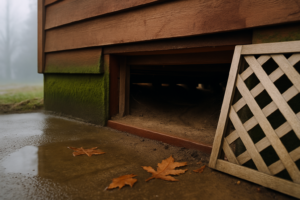
Start with the exterior, walking the perimeter slowly and looking both low and high. You might even have to get on your hands and knees. Pay close attention to the foundation. Are there small cracks in the concrete? What about gaps where the siding meets the foundation? It's easy to dismiss a tiny opening, but remember, a mature rat can squeeze through a hole the size of a quarter.
Next, shift your focus to every single point where a utility line enters your home. This includes plumbing pipes, gas lines, electrical conduits, and even the refrigerant lines for your air conditioning. The holes drilled for these utilities are often much larger than the pipes themselves, leaving a perfect, rat-sized gap that’s an open invitation. Check for these openings in your crawl space, under the eaves, and all along your exterior walls.
Finding Hidden Entry Highways
Don't make the mistake of only looking at ground level. Rats are shockingly good climbers. You’ll need to inspect your roofline, especially for any gaps where the walls meet the eaves. Check that all roof vents are properly screened and capped. A missing or damaged screen on a gable or attic vent is like rolling out the welcome mat for them. And don't forget the chimney—a missing cap provides a direct, unguarded route right into your home.
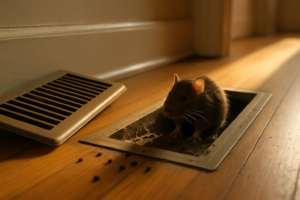
Moving inside, the search continues. Now you’re looking for the tell-tale signs of rodent activity, which often show up long before you ever see an actual rat. The most common clues I see in the field include:
- Greasy Rub Marks: Rats have oily fur that leaves dark, greasy smudges along the paths they travel over and over. Check for these streaks along baseboards, walls, and in the corners of your pantry or garage.
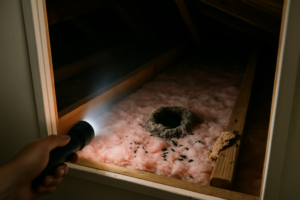
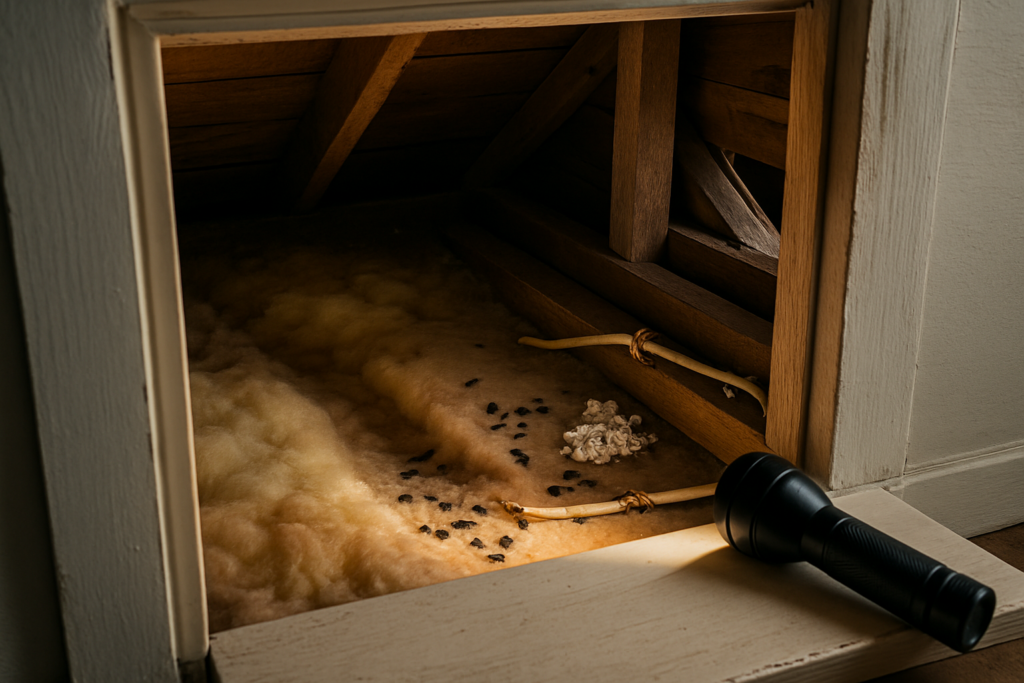
- Shredded Materials: Finding little piles of shredded paper, fabric, or insulation tucked away in quiet, hidden corners—like the back of a closet or behind the washing machine—is a dead giveaway of nesting activity.
- Gnaw Marks: Look for small, parallel grooves on wood, plastic, or even electrical wiring. A rat's teeth never stop growing, so they have to chew constantly to wear them down.
This image shows the simple but incredibly effective process for sealing one of the small gaps you might find during your inspection.
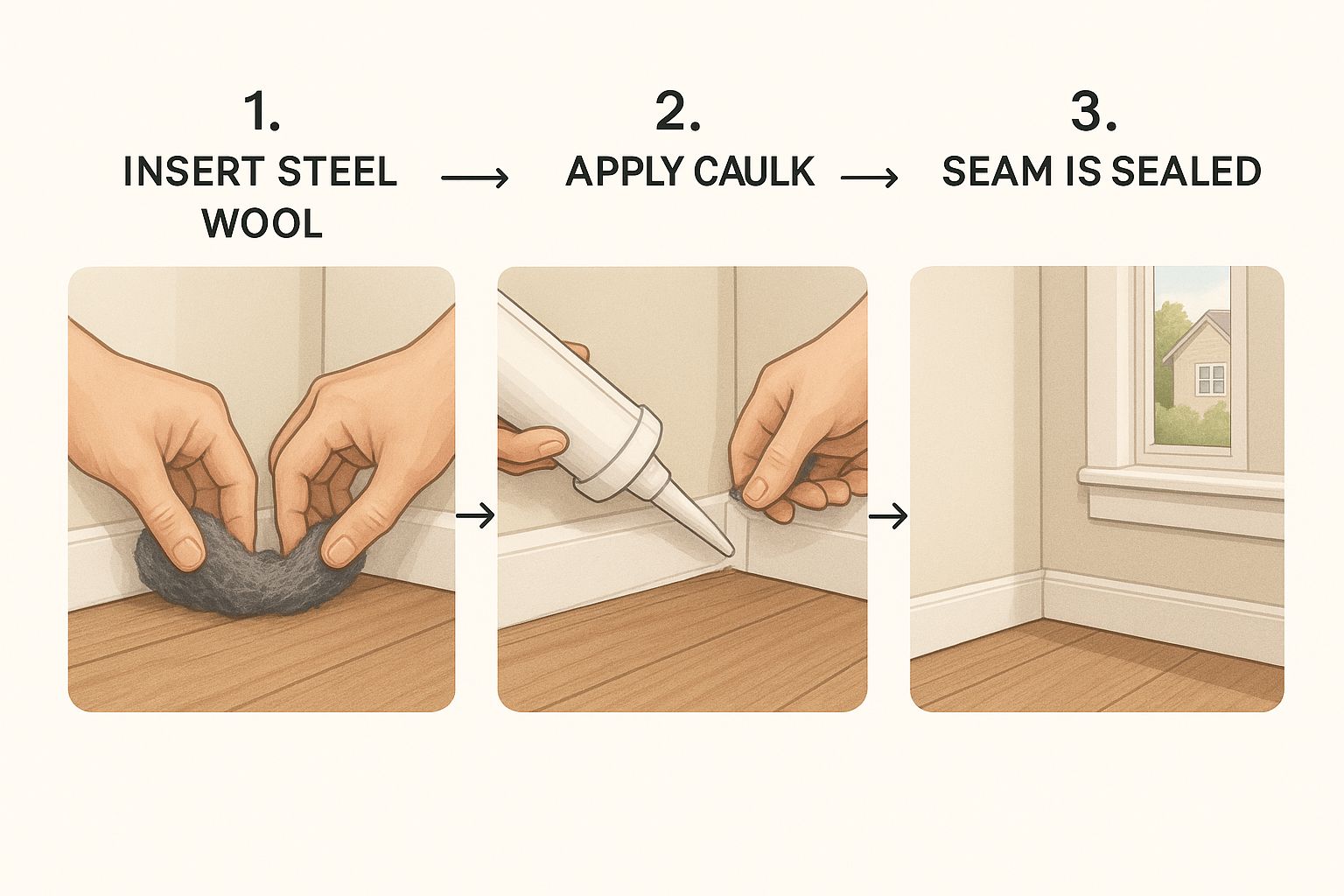
As you can see, the secret is using materials rats can't chew through, like steel wool, and then backing it up with a durable sealant.
Your Interior Inspection Checklist
Your interior inspection needs to be just as methodical. Zero in on the areas that offer rats the three things they crave: food, water, and shelter. From my experience, the kitchen, pantry, laundry room, garage, attic, and crawl space are the most critical zones.
Pro Tip: When you’re inspecting, always carry a good flashlight and a small mirror. That mirror is a game-changer for seeing up under cabinets, behind appliances, and around pipes where you can't get a direct line of sight.
Check under every sink for gaps around the plumbing. Pull out your refrigerator and stove to inspect the wall behind them—it's a common hiding spot. In the garage, look for gaps around the garage door seal and check behind any items stored against the walls that could provide cover.
For a deeper dive into what we professionals look for, you can review these expert home pest inspection tips to make sure you don’t miss a thing. A truly thorough inspection is the foundation for a rat-free home.
Fortifying Your Home by Sealing Entry Points
With your detailed inspection map complete, you now know every weak spot in your home's armor. It’s time to shift from investigator to builder and permanently fortify your defenses. This is where the real, hands-on work of keeping rats out begins—creating a physical barrier they simply cannot get through.
Your success here depends entirely on using the right materials. Rats are incredibly persistent chewers, and common fillers like wood, plastic, standard caulk, or expanding spray foam offer almost no resistance. To a determined rodent, those materials are just minor inconveniences, not roadblocks. They'll chew right through them in a night or two and be back inside.
Choosing Your Fortress Materials
To create a seal that actually lasts, you need materials that are impenetrable to rodent teeth. I always tell my clients to think in terms of a two-step process: fill, then seal. Your primary arsenal should include a combination of tough, chew-proof fillers and a durable sealant to lock it all in place.
- Steel Wool or Copper Mesh: These are your absolute go-to fillers for stuffing into gaps and holes. Rats hate the feeling of the sharp metal fibers on their teeth and will give up almost immediately.
- Hardware Cloth: For larger openings like vents or the gaps under a deck, a sturdy half-inch or quarter-inch gauge steel hardware cloth is essential. It allows for critical airflow while creating an unbreakable grid.
- Mortar or High-Quality Sealant: Once you've packed a hole with steel wool, you need to seal it in place. Use mortar for foundation cracks and a high-quality, silicone-based sealant for gaps around pipes and siding to create a permanent, weatherproof plug.
A common mistake I see is homeowners only patching the most obvious, ground-level holes. Don't forget that rats are fantastic climbers. Beyond walls and foundations, you have to look up. Remember to check and secure your soffits, as these roof-line areas often provide hidden, elevated highways for rats to get into attics.
A Note on Weather: This sealing work is becoming more critical than ever. Extreme weather patterns are a major driver of increased rodent activity. A sudden cold snap or heavy storm will force rats indoors seeking warmth and shelter.
Sealing Common Vulnerabilities
Your goal is a complete lockdown, leaving no gap unchecked. For those smaller holes around pipes or wiring, tightly pack them with steel wool and then apply a generous layer of sealant over the top. It’s a simple but incredibly effective combo.
For larger foundation cracks, you'll want to use mortar to create a solid, permanent patch. And don't forget the doors—install tight-fitting door sweeps on all exterior doors, especially the garage, to close that inviting gap at the bottom.
If this process feels overwhelming or you just want the peace of mind that comes with a professional job, getting expert help is a smart move. Our team has years of experience in rodent control and prevention in Santa Cruz County, and we know exactly where to look and how to build an impenetrable barrier. This isn’t just about patching a few holes; it’s about building a fortress that gives you lasting peace of mind.
Removing Attractants Through Sanitation

So, you’ve sealed up every last crack and crevice, turning your home into a fortress. That's a huge step. But even the strongest fortress can be tempting if there’s a feast waiting inside.
The next critical phase in keeping rats away is to remove everything that screams “free food, water, and shelter.” This goes far beyond just wiping down counters; it's about making your entire property a barren landscape from a rodent's perspective. Rats are driven by pure survival instinct. If you cut off their life support, they have no reason to stick around.
Securing Your Indoor Food Supply
Your kitchen and pantry are ground zero for rats. The flimsy cardboard boxes and thin plastic bags your groceries come in are no match for a rat’s sharp, persistent teeth. To truly protect your food, you have to upgrade your storage game.
- Invest in Airtight Containers: Transfer all your dry goods—cereal, grains, pasta, flour, you name it—into containers made of thick glass, hard plastic, or metal. This not only keeps rats out but also keeps your food fresher, longer.
- Manage Pet Food Wisely: This is a big one. Don't leave pet food out overnight. Feed your pets at scheduled times and clean up any uneaten food and water right away. Storing a giant bag of kibble in its original paper bag in the garage is like sending out a written invitation. Get a sealed, chew-proof container for it.
This same discipline helps with other pests, too. For instance, the same sanitation rules that deter rats are a huge part of how to keep ants away, since they’re also on the hunt for crumbs and spills.
Extending Sanitation to Your Yard and Exterior
Your yard can easily become a 24/7 rodent buffet if you’re not careful. The goal here is to eliminate both food sources and the hiding spots that make rats feel safe enough to explore.
Key Takeaway: A cluttered yard provides the perfect habitat. By keeping your landscaping clean and tidy, you remove the cover rats rely on to travel unseen, making them feel exposed and vulnerable.
Start with your garbage and compost bins. Make sure they have tight-fitting, secure lids that can't be easily knocked over. If you can, store them on a paved surface away from the house. A fallen apple from a tree or veggies left too long in the garden is a gourmet meal for a rat, so harvest produce promptly and clean up any fallen fruit daily.
Finally, think like a rat looking for a five-star hotel. Woodpiles, leaf litter, and overgrown shrubs are all prime real estate for a rodent family. Keep woodpiles elevated off the ground and away from your home’s foundation. Trim back any overgrown vegetation, especially branches touching your house that could serve as a bridge to your roof.
Beyond regular tidying, a thorough deep clean can drastically reduce attractants. For a guaranteed reset, you might even consider professional deep cleaning services to ensure no crumb is left behind.
This meticulous approach is more important than ever. Rats are thriving, and studies show that milder winters have led to a spike in rat complaints in major cities. In fact, slightly over 40% of this trend is linked to warmer weather extending their breeding seasons. By removing their resources, you make your home the exception.
Choosing the Right Rat Deterrents
Alright, you've sealed the gaps and cleaned up the property. Now for the final layer of your defense: active deterrence. This is all about making your home so unappealing to a rat that it would rather be anywhere else. But let's be real—not all deterrents are created equal. It's crucial to know what actually works versus what’s just wishful thinking.
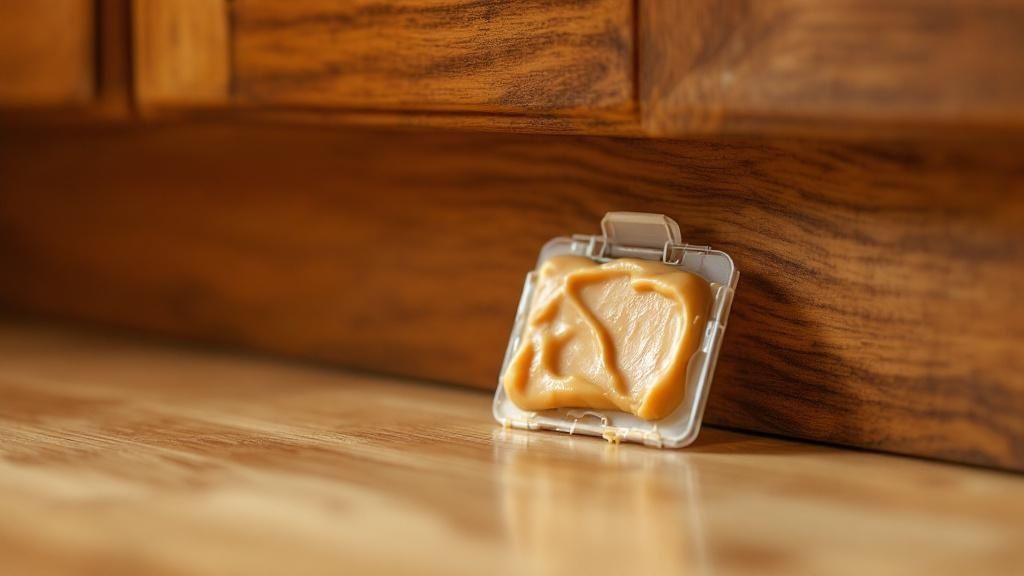
Many homeowners I talk to are drawn to natural, scent-based repellents. The idea is to overwhelm a rat’s sensitive nose, signaling danger and convincing them to move on.
- Peppermint Oil: This is easily the most popular natural option. Soaking cotton balls in pure peppermint oil and tucking them into quiet corners or near old entry points can help. The catch? It's a very temporary fix. The scent fades fast, often within a couple of days, so you have to be relentless with reapplication for it to have any effect at all.
- Ammonia: The sharp smell of ammonia can mimic predator urine, making it a decent short-term deterrent. Small, open containers in places like attics or deep in a crawl space can make rats hesitant. But the fumes are potent and can be pretty unpleasant for people and pets, so this is a method best reserved for unoccupied areas you rarely enter.
What About Commercial and Electronic Solutions?
Beyond natural scents, there's a whole market of commercial products promising to keep rats at bay. The most common are ultrasonic repellers—those little plug-in devices that emit high-frequency sound waves rodents supposedly can't stand.
While the concept sounds fantastic, our field experience and independent studies tell a different story. These devices have very limited long-term effectiveness. Rats are incredibly adaptable creatures. They might be startled by the noise at first, but if there's still food and shelter available, they'll often just get used to it.
Expert Takeaway: Real deterrence isn't about a temporary annoyance; it's about creating a fundamentally inhospitable environment. Relying on an ultrasonic device or a few peppermint-soaked cotton balls without first sealing every single entry point is, frankly, a recipe for failure.
The Role of Traps in Your Defense
Even with the best sealing and sanitation, a particularly stubborn rat might still find its way inside. This is where traps come in. Think of them not as your primary prevention tool, but as the final line of control for any stragglers. The key is strategic placement.
Here are the three main types you'll encounter:
- Classic Snap Traps: They’re inexpensive and highly effective when you place them correctly—flush against walls where you know rats travel.
- Electronic Traps: These deliver a quick, humane electric shock. I often recommend them for homes with pets or small children since they are more contained and generally safer.
- Live Traps: These capture the rat unharmed. The big consideration here is that you are now responsible for dealing with it, which means releasing it far from your property (and your neighbors').
This layered approach to deterrence is more critical now than ever. Changing environmental conditions are making rodent control a bigger challenge. For example, as urban temperatures rise, rat populations are thriving with easier winter survival and more frequent breeding cycles. If you want to dig deeper into this, you can explore how climate change is impacting rats worldwide. It really drives home why a multi-faceted defense—sealing, sanitizing, and deterring—is absolutely essential.
Common Questions About Keeping Rats Away
Even with the best game plan, you're bound to have questions when figuring out how to keep rats out for good. Getting straight, real-world answers is what turns a plan into a confident, long-term solution. Let's tackle some of the most common things we hear from property owners.
One question that comes up all the time is about natural repellents. Can plants like mint or garlic really keep rats away? You'll find a ton of articles online swearing by it, but from a professional standpoint, there’s almost no scientific evidence to back it up. A determined rat looking for a warm place to spend the winter isn't going to be stopped by a few mint leaves.
Then there are the ultrasonic devices. You plug them in, and they're supposed to blast a high-frequency sound that drives rats nuts. In our experience, these gadgets have very limited success, if any. Rats are incredibly smart and adaptable; while the noise might startle them at first, they quickly learn it's not a real threat and go right back to what they were doing.
Do I Still Need Traps If I Sealed Everything?
This is a fantastic and logical question. You’ve put in the hard work to seal up every crack and crevice, so why would you still need traps? The key is to think of trapping not as your first line of defense, but as your cleanup crew. If a rat was already living inside your home when you sealed it up, you’ve just trapped it in with you.
Plus, no home is a perfect fortress forever. A door left propped open for a minute or a new gap from a settling foundation can create an unexpected opportunity.
- For Trapped Intruders: Traps are crucial for catching any rodents that were already inside before you finished your exclusion work.
- For Monitoring: Placing traps in key spots like your attic, crawl space, or garage acts as an early warning system. It's the best way to know if a new breach has happened.
The most effective approach is a one-two punch: sealing and trapping. Sealing keeps new rats from getting in, while trapping takes care of any that are already there. It's about creating a complete, airtight defense.
How Do I Keep Rats Away If My Neighbors Are the Problem?
This is a tough and frustrating situation. You can do everything right on your property, but if the house next door is a "rat reservoir," you're fighting an uphill battle. A cluttered yard, overflowing garbage, or general neglect can create a constant source of rodents that puts immense pressure on your own defenses.
Your first step should always be a friendly, open conversation. Your neighbor might not even realize how bad the problem is or how it's impacting you. You could even share some of the tips from this guide as a helpful, non-confrontational way to bring it up.
If diplomacy doesn't work, your next move is to make your property the Fort Knox of the block. Double down on your own efforts. Keep your yard pristine, make sure your sanitation is flawless, and consider active deterrents along the shared property line. The goal is to make your home so unappealing and difficult to enter that rats simply choose the easier target next door.
If you're dealing with a stubborn infestation or just want the peace of mind that comes with a professional-grade defense, West Pest Co. is here to help. Our team provides expert, eco-friendly rodent control services all across Santa Cruz County. Schedule your inspection today and let us build a lasting solution for your property.