Feeling like all your hard work in the garden is being undone by pests? You're not the only one. The real secret to winning the war on garden pests isn't just about grabbing the nearest chemical spray. It’s about building a smarter, more resilient garden from the ground up—one that focuses on prevention, knowing your enemy, and choosing the right tool for the job.
Your Guide to a Pest-Resilient Garden
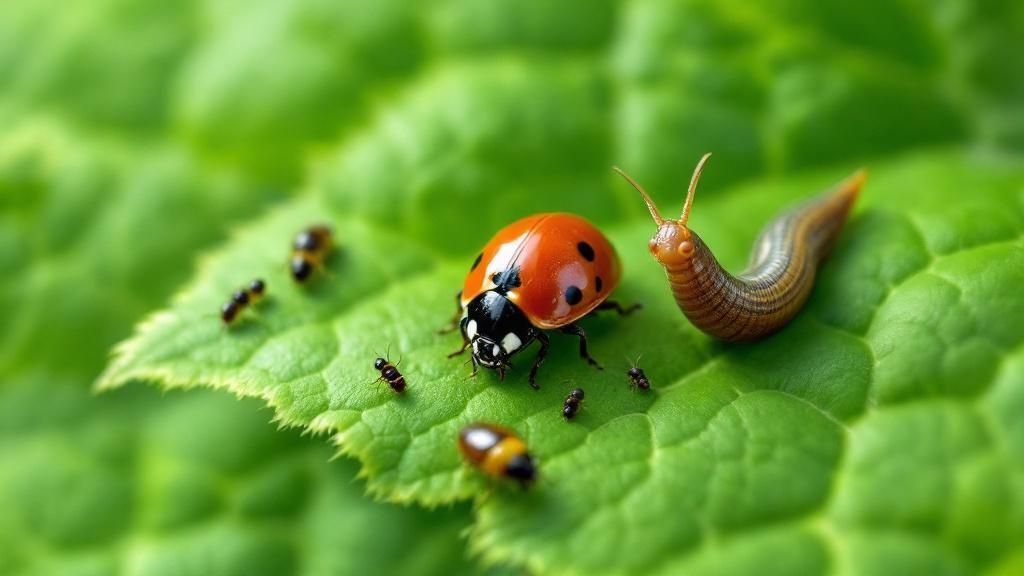
There's nothing quite like a lush, thriving garden. But watching your prize-winning tomatoes or beautiful roses become a six-legged buffet is beyond frustrating. The knee-jerk reaction for many gardeners is a chemical blitz, but that often just puts you on a frustrating treadmill of repeat infestations while harming the good guys—the beneficial insects that help keep your garden in balance.
This guide is built on a different philosophy, something the pros call Integrated Pest Management (IPM). Instead of just reacting to damage, you’ll learn to create a garden ecosystem that pests just don't like very much. This proactive mindset is the cornerstone of successful, long-term garden pest control.
This isn't just a backyard problem; it's a big deal. The demand for healthy, green spaces has fueled major growth in the pest management world. The global pest control market was valued at around $24.7 billion in 2024 and is expected to climb to $26.8 billion in 2025. You can explore more about the pest control market's growth and what's driving it.
Now, let's look at the philosophy that will help you build a stronger, more self-sufficient garden.
Core Principles of a Resilient Garden
A pest-resilient garden isn’t built by accident. It’s the result of a few core ideas working together to create an environment where your plants can thrive and defend themselves. Think of these principles as the foundation of your entire pest management strategy.
| Principle | What It Means for Your Garden | Example Action |
|---|---|---|
| Prevention First | Your best defense is a good offense. The goal is to make your garden an unappealing place for pests from the start. | Planting marigolds around tomatoes to deter nematodes. |
| Accurate Identification | Not all bugs are bad for business. You need to know if you're looking at a destructive aphid or a helpful ladybug. | Using a magnifying glass to compare a pest to an online insect ID chart before taking action. |
| Informed Treatment | When you do need to step in, you have options. Knowing the pros and cons of organic vs. conventional methods lets you make a smart call. | Choosing insecticidal soap for a localized aphid issue instead of a broad-spectrum pesticide. |
| Ecosystem Health | A healthy garden is a strong garden. Plants growing in rich, living soil are naturally tougher and more resistant to pests and diseases. | Amending your soil with compost each season to boost microbial life and plant vigor. |
Adopting this framework is what separates the gardeners who are constantly fighting fires from those who have built a thriving, balanced ecosystem. It’s a shift in mindset, but it’s one that pays off season after season.
A pest-free garden is an impossibility. Pests are simply evidence that you're growing your plants well—that they're organic and delicious. An attack might feel like an insult, but it's really a compliment.
By embracing this approach, you stop being a reactive firefighter and become a strategic garden architect. This guide will give you the practical steps and insider tips you need to create a garden sanctuary you can be proud of, year after year.
Identifying the Intruders in Your Garden
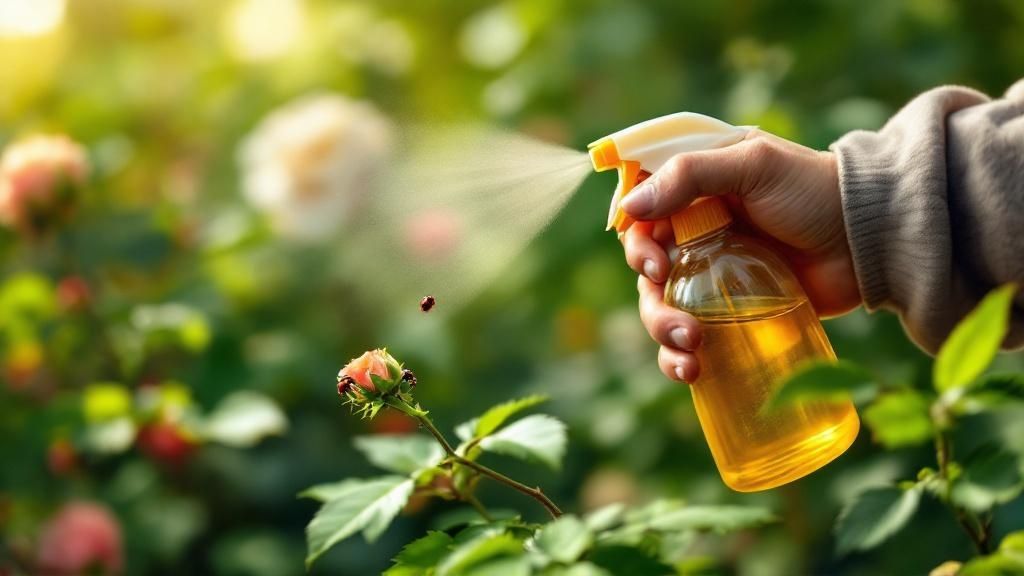
Before you can win the battle for your garden, you have to know who you’re fighting. Rushing in with a generic spray is a rookie mistake—it’s not only ineffective but can wipe out the beneficial insects that are on your side. To get ahead, you need to put on your detective hat and learn to read the signs the pests leave behind.
It’s not about memorizing a textbook of bugs. It’s about recognizing patterns. Is that yellowing on your tomato leaves a disease, or is it the tell-tale stippling from spider mites? Are those ragged holes in your kale from caterpillars or slugs? Getting the diagnosis right is the first real step toward a healthy, thriving garden.
Decoding the Damage
Pests aren't exactly subtle. They leave a trail of evidence, and your plants are the primary witnesses. If you learn to look closely, they’ll tell you exactly what’s been going on.
Let's break down some common calling cards and the culprits behind them.
-
Tiny Yellow or White Spots: Seeing fine, pale speckles on the tops of leaves? Flip one over. If you find delicate, almost invisible webbing, you’ve got spider mites. These tiny arachnids suck the sap right out of the plant cells, leaving foliage looking bleached or bronzed.
-
Sticky, Sooty Leaves: If you touch a leaf and it feels sticky, that’s a substance called "honeydew"—a dead giveaway for aphids. This sugary waste often attracts a black fungus called sooty mold, which can block sunlight and hinder photosynthesis. The aphids themselves are tiny, pear-shaped bugs, usually clustered on new growth.
-
Ragged Holes and Chewed Edges: Waking up to find big, irregular holes chomped out of your cabbage or kale leaves? This is classic caterpillar damage, often from cabbage loopers. But if the damage seems to appear overnight and is accompanied by a slimy residue, slugs or snails are your prime suspects. Look for their silvery slime trails in the morning dew.
-
Skeletonized Leaves: Some pests are such ravenous eaters they leave nothing behind but the leaf's veins, creating a delicate, lace-like pattern. This is the signature work of Japanese beetles. These metallic green-and-copper bugs often feed in groups, and they can defoliate a rose bush or grape vine in no time.
Here's a pro tip: The single most important part of garden pest control is daily observation. A quick walk-through to check on your plants—especially the undersides of leaves and new shoots—lets you catch problems before they explode. Early detection is everything.
Friend or Foe: Distinguishing Pests from Predators
One of the biggest blunders a new gardener can make is accidentally killing the good guys. Many predatory insects are your garden’s built-in security force, and wiping them out will only make your pest problem ten times worse.
This is where a little knowledge pays off big time. Before you squish that weird-looking bug, take a second to identify it. For example, a ladybug larva looks like a tiny, spiky alligator and eats aphids like it’s its job—because it is. The same goes for lacewing larvae, which are so good at their job they’re nicknamed "aphid lions."
A quick search for "ladybug larva" can save you from firing your best employees. Recognizing your allies is just as critical as identifying your enemies. Of course, if you're facing a stubborn outbreak that your allies can't handle, you may need to call in reinforcements. You can learn more about professional aphid control for plants in Santa Cruz if you find yourself in over your head.
Common Garden Pests and Their Characteristics
To make it even easier, here’s a quick-reference table to help you identify some of the usual suspects you'll find in your garden.
| Pest | Primary Target Plants | Key Identifying Feature |
|---|---|---|
| Aphids | Roses, tomatoes, milkweed, new growth | Small, pear-shaped insects in clusters; produce sticky honeydew. |
| Spider Mites | Beans, cucumbers, tomatoes, houseplants | Fine webbing on undersides of leaves; causes yellow stippling. |
| Slugs/Snails | Leafy greens, hostas, strawberries | Silvery slime trails; large, irregular holes in leaves. |
| Japanese Beetles | Roses, grapes, beans, fruit trees | Metallic green/copper body; skeletonize leaves. |
| Cabbage Worms | Kale, cabbage, broccoli, collards | Small green caterpillars; create large, ragged holes in leaves. |
Once you master identification, you stop being a reactive gardener and start being a strategic one. This knowledge gives you the power to pick precise, effective treatments that solve the actual problem without causing collateral damage to your garden's ecosystem.
Choosing Your Garden Pest Control Method
You’ve identified the culprit—now what? The next step is picking your weapon, and this is where your personal gardening philosophy really comes into play. The path you take, whether it's eco-friendly or conventional, depends on how bad the infestation is, your long-term vision for your garden, and your comfort level with different substances.
This isn’t about "good vs. bad." It’s about making a smart, informed choice that solves your immediate problem while safeguarding the future health of your garden. Both approaches have their place, and knowing when to use each is the hallmark of an experienced gardener.
The Eco-Friendly Arsenal
For most gardeners I know, the first line of defense is always an organic one. These methods are all about protecting the health of your soil, pollinators, and the surrounding ecosystem. They’re less disruptive and, when used correctly, are surprisingly effective for mild to moderate pest issues.
Here are some of the most reliable options in my experience:
- Neem Oil: This is a true multitasker. Derived from the neem tree, it works as a repellent, an anti-feedant (making leaves taste awful to pests), and a growth disruptor for insects like aphids and mites. It's most powerful when you apply it before an infestation spirals out of control.
- Insecticidal Soap: This is a pure contact killer, meaning it has to physically coat the pest to work. It breaks down an insect's outer shell and causes it to dehydrate. It’s fantastic for soft-bodied pests like spider mites and whiteflies, but it has almost zero residual effect—which is actually a good thing for beneficial insects that arrive later.
- Beneficial Insects: Why not hire a microscopic army to do the work for you? You can buy ladybugs, lacewings (often called "aphid lions"), and predatory nematodes to release into your garden. This biological control method is incredibly effective and helps you build a more resilient, self-regulating garden over time.
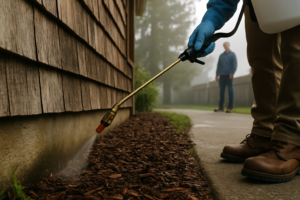
A critical tip for applying any spray, including neem oil and insecticidal soap, is timing. Always apply in the cool of the early morning or late evening. This prevents the sun from burning the treated leaves and, just as importantly, minimizes contact with active pollinators like bees, who are less active during these times.
This infographic breaks down the core differences between a common organic method and a conventional one.
As you can see, while chemical options might give you a faster knockdown, organic solutions like neem oil offer a much lower environmental impact, often at a similar or even lower cost.
When Conventional Treatments Make Sense
Let's be realistic. Sometimes, despite your best eco-friendly efforts, an infestation just becomes overwhelming. A severe Japanese beetle invasion that skeletonizes your roses overnight or a deeply entrenched squash bug problem can threaten to wipe out your entire harvest. In these crisis moments, a conventional pesticide might be the most practical tool to save your plants.
The market for these products is huge for a reason. Globally, the garden pesticides segment was valued at around $829.3 million in 2025 and continues to grow. This tells us there's a consistent need for these powerful solutions. You can read more research on garden pesticide market trends if you're interested in the data.
If you decide this is the route you need to take, it’s absolutely crucial to understand what you're using.
Contact vs. Systemic Pesticides
Choosing the right type of conventional pesticide is vital for both effectiveness and safety. They generally fall into two camps:
- Contact Pesticides: Just like their organic cousin, insecticidal soap, these have to physically touch the pest to kill it. They are great for spot-treating visible pests on a plant's surface. They break down fairly quickly but require you to be thorough with your spray coverage to get the job done.
- Systemic Pesticides: These products are absorbed by the plant, either through the roots or leaves, and then transported throughout its entire vascular system. When a pest takes a bite, it ingests the pesticide and dies. This provides much longer-lasting protection, but it also means the chemical is present in all parts of the plant—including the pollen and nectar.
Because of the serious risk to pollinators, systemic pesticides should be used with extreme caution and never on flowering plants that attract bees, butterflies, or other beneficials. Always read the label. It is the law, and it's your best guide for safe and effective application.
If a situation gets too complex or widespread, don't hesitate to call in the pros. Considering professional pest control treatment options can provide a safe, targeted, and effective resolution.
Before you reach for a bottle, take a moment to weigh your options. This table breaks down the key differences to help you decide.
Organic vs. Conventional Pest Treatments
Here's a straightforward comparison of common pest control methods to help you choose the right one for your situation.
| Treatment Type | Best For | Pros | Cons |
|---|---|---|---|
| Organic (Neem Oil, Soaps) | Mild to moderate infestations; preventative care; sensitive areas with kids/pets. | Low environmental impact; safe for pollinators when used correctly; improves soil health over time. | Slower to act; may require more frequent applications; less effective on severe infestations. |
| Conventional (Contact) | Targeted spot treatments for visible pests; quick knockdown of surface insects. | Fast-acting; readily available; effective for specific, localized problems. | Can harm beneficial insects; requires thorough coverage; little to no residual protection. |
| Conventional (Systemic) | Severe, widespread infestations; hard-to-reach pests; long-lasting protection. | Highly effective; protects the entire plant from within; fewer applications needed. | Can be toxic to pollinators (bees, butterflies); chemical is present in all plant parts; higher environmental risk. |
| Biological (Beneficial Insects) | Long-term, sustainable control; building a resilient garden ecosystem. | Completely natural and safe; self-perpetuating; targets specific pests without harming plants. | Slower to establish; effectiveness depends on environmental conditions; initial cost can be higher. |
Ultimately, making the right choice comes down to balancing effectiveness with responsibility. An organic approach builds a healthier garden for the long haul, while a conventional one can be a powerful tool for saving a garden in crisis. Knowing when and how to use both makes you a truly strategic and successful gardener.
Building Your Garden's Best Defense
The most powerful pest control tool you have isn't a spray bottle—it’s a garden that pests simply don't want to visit. The real secret is shifting your mindset from reactive to proactive. Instead of scrambling to treat damage after it happens, you can build a resilient ecosystem where plants thrive and pests struggle to gain a foothold.
This is where we move beyond just cleaning up messes and start building a fortress. Every decision, from the soil you cultivate to the plants you choose as neighbors, strengthens your garden’s walls against invaders.
It All Starts with the Soil
A plant’s immune system is rooted in the ground it grows in. If your soil is weak and nutrient-poor, your plants will be stressed and vulnerable—basically sending out an open invitation to every pest in the neighborhood. Healthy, living soil, on the other hand, grows vigorous plants that are naturally equipped to fend off attacks.
Before you even think about planting, focus on enriching your soil with high-quality compost. This does more than just add nutrients; it introduces a whole world of beneficial microorganisms that boost plant health from the roots up. A well-fed plant is a strong plant, and a strong plant is far less susceptible to the stress that attracts pests.
A plant knows how to fight for itself; it has built-in defense systems. All you have to do is give it the ideal conditions so that it can focus on fighting. Healthy soil is the single most important condition you can provide.
The importance of pest management isn't just a backyard concern. Projections show the global pest control market is on track to exceed USD 30 billion by 2025. This massive figure highlights a universal need to protect everything from our food crops to our home gardens, reinforcing that a strong defense is always a worthwhile investment. You can dig deeper into the global pest control market analysis at Arizton.com.
Use Companion Planting to Your Advantage
Some plants are natural-born allies, working together to keep pests at bay. This time-tested technique, known as companion planting, uses certain plants to shield others, creating a beautiful and functional barrier.
It's a surprisingly simple yet powerful form of pest control. The trick is knowing which plants make the best partners.
- Marigolds and Tomatoes: The pungent scent of marigolds is legendary for deterring nematodes, those tiny soil-dwelling worms that love to munch on tomato roots. A border of marigolds around your tomato patch is a classic for a reason.
- Nasturtiums and Squash: Think of nasturtiums as a "trap crop" for aphids and squash bugs. These pests are drawn to the nasturtiums, sacrificing them for the greater good of your squash harvest.
- Rosemary and Carrots: The fragrant oils in rosemary can confuse the carrot rust fly, which lays its eggs near carrot crowns.
- Basil and Hornworms: Planting basil near your tomatoes can help deter the dreaded tomato hornworm. The strong aroma of the basil makes it much harder for the hornworm moth to find its target.
Weaving these combinations into your garden layout is an easy win for building an active defense system that works 24/7. If you find these methods still aren't cutting it for a stubborn pest problem, professional eco-friendly pest control treatments in Santa Cruz County can offer a targeted solution without harming your garden's delicate balance.
Put Up Physical Barriers
Sometimes the simplest solution is the most effective. Physical barriers are a fantastic, chemical-free way to block pests from ever reaching your plants, especially when they're young and at their most vulnerable.
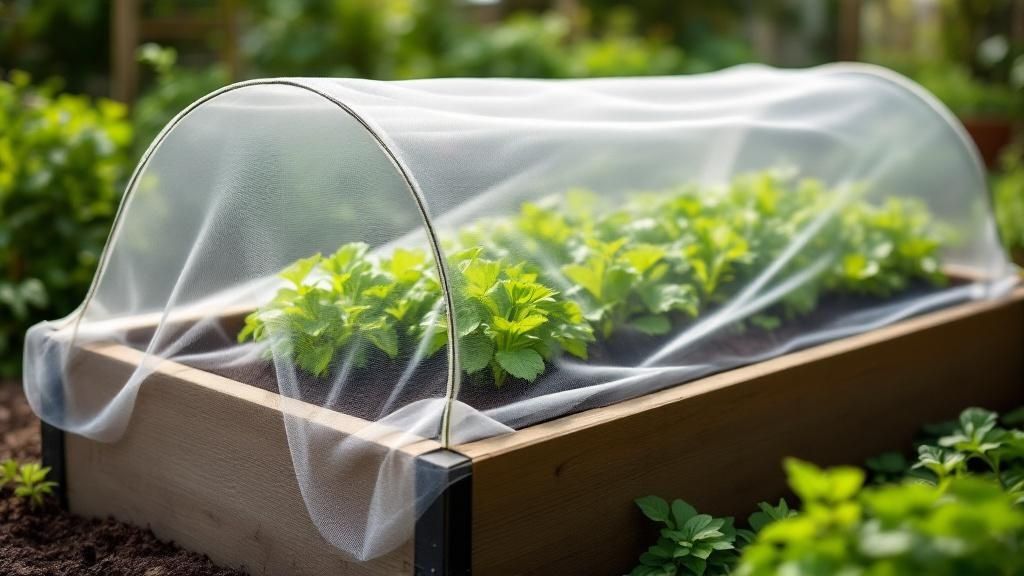
- Row Covers: These lightweight fabric covers, often draped over hoops, are a gardener's best friend. They let sunlight, air, and water in but physically block pests like cabbage moths, flea beetles, and squash vine borers. Just be sure to install them right after planting so you don't accidentally trap any pests inside!
- Copper Tape: For slugs and snails, copper tape is a surprisingly effective deterrent. When these slimy critters try to crawl over it, the copper creates a tiny electrical charge they can't stand. Stick the tape around the rims of your pots or the edges of raised beds to create a "no-go" zone.
- Cloches and Collars: A simple cardboard or plastic cup collar placed around the base of a young seedling can stop cutworms dead in their tracks, preventing them from severing the stem at the soil line.
Disrupt Pest Life Cycles
Finally, a few smart gardening habits can throw a major wrench in pest reproduction, stopping populations before they explode.
- Rotate Your Crops: Don't plant the same thing in the same spot year after year. Pests that target specific plants (like tomato hornworms or squash bugs) often overwinter in the soil. By moving their favorite food source, you force them to start over, making them much more vulnerable.
- Water Wisely: Water your plants at the base, directly on the soil, instead of spraying the leaves from overhead. Wet foliage is a breeding ground for fungal diseases, which weaken plants and make them pest magnets. Watering early in the morning is ideal, as it gives the leaves plenty of time to dry before nightfall.
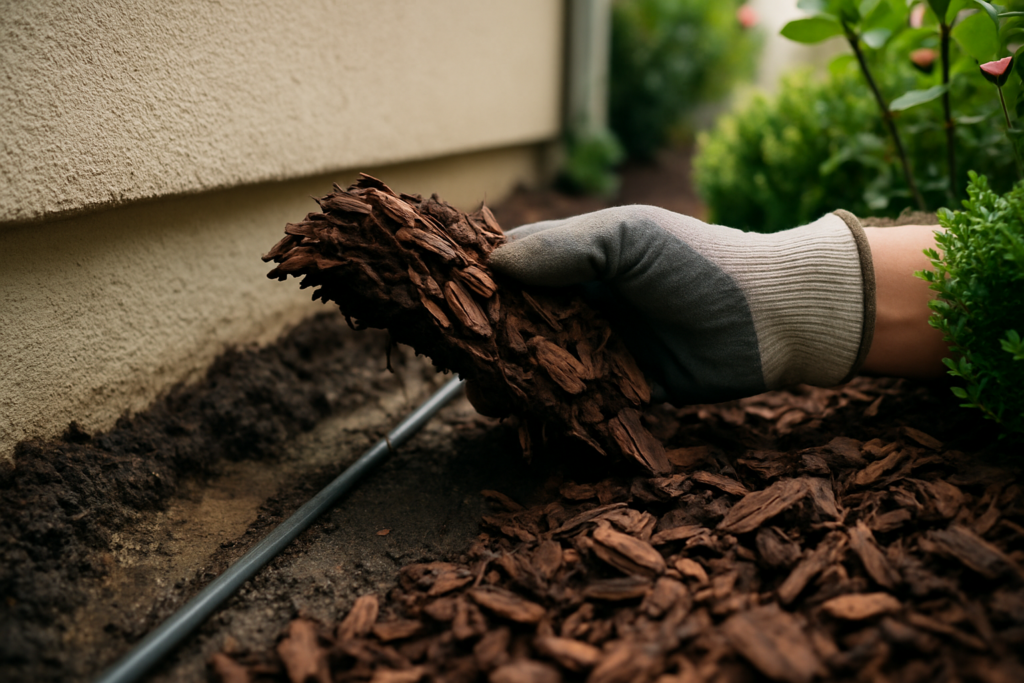
- Mulch Strategically: A layer of clean mulch, like straw or shredded leaves, is great for retaining moisture and suppressing weeds. But be careful with thick, woody mulches in vegetable gardens—they can become a cozy hiding spot for slugs and other unwanted guests.
By layering these preventative strategies, you create a multi-faceted defense that makes your garden a much tougher target. This proactive approach doesn't just cut down on your workload; it leads to a healthier, more productive, and much more enjoyable garden.
Maintaining a Healthy Garden Year-Round
Truly effective garden pest control isn’t a one-and-done task. It’s more of a continuous rhythm, a cycle of observation and action that flows with the seasons. A vigilant gardener who gets this can stop major infestations long before they have a chance to take hold.
When you weave a few key habits into your yearly routine, your garden becomes a place where pests just can't get comfortable. This proactive mindset means your defenses stay strong, adapting as pest behaviors change from the first spring thaw to the dead of winter. Each season offers a unique chance to build up your garden's natural resilience.
Spring Awakening and Inspection
As your garden stretches and wakes from its winter nap, you can bet the pests are doing the same. Spring is your moment to set the tone for the entire growing season and get ahead of problems before they multiply.
Your very first job is to be incredibly picky about what you bring home. Before any new plant from the nursery touches your soil, give it a full-body inspection. Flip over the leaves, sift through the soil, and check the base of the stem for hitchhikers like aphids or spider mites.
A classic mistake is getting swept up in the beauty of a new plant and rushing it into the ground without a proper quarantine check. I’ve seen it happen time and again: a single infested plant introduces a problem that you'll be battling all summer. A few minutes of inspection now can save you weeks of frustration later.
Summer Monitoring and Support
Summer is primetime for your garden, but it’s also primetime for pests. During these warm, busy months, your main role is to be a diligent scout and a champion for your garden's natural allies.
Get into the habit of taking a walk through your garden every couple of days, specifically looking for the first signs of trouble. This kind of active monitoring is how you catch issues when they're small and easy to manage.
- Check the Hot Spots: Focus your attention on the undersides of leaves and fresh, tender new growth. These are the five-star restaurants for most garden pests.
- Support Your Allies: Encourage beneficial insects like ladybugs and lacewings. Planting flowers they adore, such as dill, fennel, and yarrow, is like rolling out the welcome mat for your personal pest control army. Crucially, avoid broad-spectrum sprays that will wipe out these predators along with the pests.
- Water with Purpose: Water your plants at their base early in the morning. This simple trick helps the leaves dry quickly, preventing the damp conditions that invite fungal diseases—which, in turn, weaken plants and make them a magnet for pests.
Fall Cleanup and Prevention
Just because the growing season is winding down doesn't mean your pest control work is done. Far from it. Fall presents a golden opportunity to throw a wrench in the life cycles of pests looking to shack up in your garden for the winter. A thorough cleanup is one of the most powerful preventative moves you can make.
Make sure to remove and dispose of all spent plants and garden debris, especially in your vegetable beds. Pests like squash bugs and cucumber beetles love to lay their eggs on old plant material or hide in the litter to ride out the cold. By clearing it all out, you’re serving them an eviction notice.
This is also the perfect time to top-dress your beds with a fresh layer of compost. Nourishing your soil now gets it prepped and ready for spring, giving your future plants the strong, healthy start they need to fend off pests from day one.
Winter Planning and Preparation
Even when the garden is asleep under a blanket of snow or frost, your job as a garden strategist continues. Winter is the time for scheming and planning your defenses for the upcoming season.
Use this quiet downtime to map out your crop rotation schedule. The golden rule is to avoid planting the same crop family (like tomatoes and peppers, or broccoli and cabbage) in the same spot for at least three years. This simple practice thoroughly confuses soil-borne pests and diseases that zero in on specific plants, effectively starving them out.
While you're at it, take the time to clean and sharpen your tools. Disinfecting your pruners, trowels, and shovels with a simple bleach solution is a pro move that stops you from accidentally spreading diseases from one plant to another next season. A well-maintained toolkit is the sign of a gardener who is ready for anything.
Of course. Here is the section rewritten to sound completely human-written, following all the provided guidelines and examples.
Common Questions About Garden Pest Control
Even with a solid game plan, gardening can throw you a curveball. Pest control, in particular, always seems to generate questions, especially when you’re staring down a problem right in front of you. Let's tackle some of the most common ones I hear from fellow gardeners.
Think of this as your go-to guide for those "what on earth do I do now?" moments. These are the real-world questions that come up in the thick of it, and the answers come from years of trial, error, and success.
How Often Should I Inspect My Plants for Pests?
Forget marathon inspections—consistency is what really matters here. While a quick, two-minute walk-through every day is the gold standard, a thorough check 2-3 times per week is a much more realistic and effective habit.
When you do your walk-through, you need to put on your detective hat. Don't just admire the blooms.
- Look Underneath: Pests are sneaky. Flip over a few leaves, especially on favorites like tomatoes, squash, and roses. The undersides are a five-star resort for aphids and spider mites looking to hide from the sun and predators.
- Check New Growth: Aphids, in particular, are drawn to tender, new shoots like moths to a flame. This is often ground zero for a new colony.
- Examine the Base: Get down low and look at the soil line. This is where you'll spot evidence of cutworms or find slugs hiding out for the day.
Catching an infestation when it's just a few bugs is a world away from fighting a full-blown invasion. In the garden, early detection is everything. It's your single biggest advantage.
Can I Use Household Soap for Pest Control?
I get this one all the time, and my answer is always a firm no. This is one of those garden myths that just won't die, and it can cause way more harm than good. It feels like an easy, cheap fix, but your dish soap is not the same as a proper horticultural soap.
Household soaps and detergents are packed with degreasers and other harsh additives. They’re designed to strip baked-on grease from a casserole dish, and they’ll do the exact same thing to your plants by stripping the protective waxy layer—the cuticle—right off their leaves.
Without its protective cuticle, a plant's leaves can quickly dehydrate and get scorched by the sun. You might kill a few aphids, but you risk killing the entire leaf or even the whole plant. It's just not worth the gamble.
Always, always invest in a real insecticidal soap that’s actually formulated for garden use. It's specifically designed to knock down soft-bodied pests without causing that kind of collateral damage to your plants.
What Is the Best Time of Day to Apply Treatments?
Timing your treatments is crucial, not just for making them work but for protecting the good guys in your garden. The absolute best time to apply any foliar spray—whether it's neem oil, insecticidal soap, or something else—is either early in the morning or late in the evening.
There are two massive reasons for this:
- To Prevent Leaf Scorch: Spraying oils or soaps in the midday sun is like putting a magnifying glass on your plant's leaves. The combination of the spray and intense sunlight can cause them to burn, a condition called phytotoxicity.
- To Protect Pollinators: Our most important garden allies, like bees and butterflies, are out foraging during the warmest, brightest parts of the day. By spraying when they're back in their hives and homes, you dramatically reduce the risk of harming them.
Making this small scheduling adjustment is one of the pillars of responsible pest management. It ensures your solution fixes one problem without creating a whole new one.
When a pest problem feels like it's spiraling out of control, don't be afraid to call in the pros. The experts at West Pest Co. offer reliable, eco-friendly solutions that can protect your plants and bring your garden back into balance. Learn more about our customized pest management services.