Ever heard scratching behind the walls at night or found chewed-up packaging in your pantry? You’re not alone. Rodents are more than a nuisance—they carry diseases, damage property, and reproduce rapidly. Worse, once they find a cozy hiding spot, they rarely leave on their own.
If you’re tired of battling rats or mice around your house or garden, this blog is for you. We’ll walk you through the best rodent prevention for homes & gardens, explain common mistakes to avoid, and break down eco-friendly vs. conventional treatments so you can make the right choice for your space.
By the end, you’ll have expert-backed strategies that keep rodents out—for good.
Rodent Problems and Misconceptions Homeowners Should Know
Are Rats and Mice Really That Harmful?
Yes. Rodents are known carriers of salmonella, leptospirosis, and hantavirus. They can also chew through electrical wiring, increasing fire risks. What’s worse? A single pair of mice can produce over 100 offspring in a year.
Common Myths About Rodent Prevention
- Myth: Cats alone can solve a rodent problem.
Fact: While cats may catch the occasional mouse, they’re not a substitute for comprehensive prevention. - Myth: Cheese is the best bait.
Fact: Peanut butter, nesting material, or grains are often more effective. - Myth: Rodents only infest dirty homes.
Fact: Clean homes can still attract mice or rats, especially during colder months or droughts.
How to Prevent Rodents in Homes and Gardens
Eco-Friendly Rodent Prevention Strategies
More homeowners are choosing eco-conscious options that reduce risk to pets, kids, and the environment. West Pest Co. offers several effective treatments:
- Seal entry points using steel wool and caulk
- Use scent-based repellents like peppermint oil or garlic spray
- Install rodent-proof barriers around garden beds and compost bins
- Place live traps to relocate rodents humanely
Conventional Rodent Control Options
In more severe cases or high-traffic areas, conventional treatments may be necessary:
- Snap traps or bait stations for immediate elimination
- Rodenticides used with caution and placed in tamper-proof containers
- Professional-grade perimeter treatments for ongoing protection
DIY vs. Professional Services: What’s Best?
While some homeowners can manage minor rodent issues with over-the-counter products, infestations often require expert help. Here’s why:
DIY Pros:
- Lower upfront cost
- Flexible timing
DIY Cons:
- Often ineffective for nests hidden in walls or crawlspaces
- Increased risk of improper bait or trap use
Professional Pros:
- Species identification and targeted approach
- Long-term prevention plans
- Access to stronger, safer tools
Professional Cons:
- Higher initial investment—but better long-term results
Benefits of the Best Rodent Prevention for Homes & Gardens
Why It Pays to Act Fast
- Prevent costly damage to electrical wiring, insulation, and stored food
- Protect health by reducing exposure to droppings and disease
- Reduce stress by eliminating recurring infestations
Real-World Success Story
One homeowner noticed mice chewing through outdoor cushions and digging in garden beds. After hiring West Pest Co., a mix of eco-friendly repellents and sealing work was completed. Within two weeks, the rodent activity stopped—and hasn’t returned since.
Long-Term Outcomes
With regular monitoring and seasonal treatments, you can:
- Maintain a pest-free home year-round
- Grow food safely in rodent-free garden beds
- Avoid the use of harsh chemicals in sensitive areas
Special Considerations and Expert Pro Tips
What Attracts Rodents to My Garden?
- Open compost bins
- Pet food stored outside
- Bird seed and fruit trees
- Untrimmed vegetation and clutter
Pro Tip: Think Like a Rodent
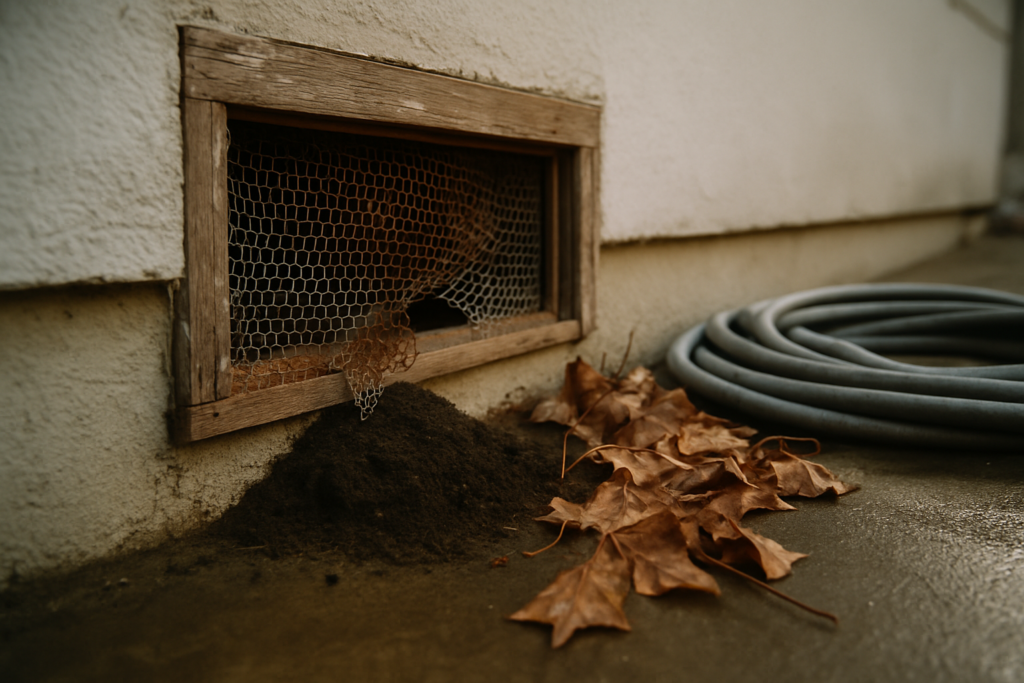
Expert Tip: If you were a mouse, where would you hide? Look for dark, undisturbed corners, holes the size of a dime, or gaps under doors. Block them all.
When Should You Schedule Preventive Service?
Late summer to early fall is ideal—before rodents seek winter shelter. But prevention can start anytime, especially after spotting early signs like droppings, gnaw marks, or nesting materials.
Related Questions and Quick Expert Answers
What smells keep rats and mice away?
Peppermint oil, ammonia, vinegar, and garlic are known to repel rodents. These work best as part of a broader prevention plan, not on their own.
Can rodents climb into attics?
Yes—mice and rats are excellent climbers and can access attics through vents, pipes, or even along branches near your roofline.
How do I keep mice out of my garden shed?
Seal cracks, store items in plastic bins, remove food sources, and set traps. Installing door sweeps and screens on vents is also effective.
Do ultrasonic repellent devices work?
Some short-term effects have been reported, but most experts agree they are not a reliable long-term solution for rodent prevention.
What’s the fastest way to get rid of rodents?
Professional service using a mix of traps, sealing, and targeted treatments is the fastest and most effective way to eliminate rodents.
Final Thoughts: Don’t Wait for Rodents to Take Over
Whether you’ve seen a single mouse or suspect a hidden infestation, it’s smart to take action now. Rodents won’t leave on their own—and they multiply fast.
If you’re looking for the best rodent prevention for homes & gardens in Santa Cruz, West Pest Co. is your go-to local expert. From eco-friendly treatments to conventional options, we deliver safe, lasting solutions tailored to your property. Contact us today and stop rodents before they take over.