Direct Answer: California’s AB 2477, signed September 18, 2026, lets supervised unlicensed applicators perform outdoor-only pest spraying for up to 60 days starting January 1, 2028. Indoor work still requires a licensed applicator.
A homeowner in Soquel asked me last spring whether the guy spraying her foundation line was the same person who held the license. It was a sharper question than she realized, and in about a year it’s going to matter more.
California just changed part of how pest control work gets staffed. Assembly Bill 2477 creates a supervised route for an approved, unlicensed applicant to do certain outdoor-only pesticide applications.
I want to walk through what the law actually says, where the hard line sits between outdoor and indoor work, and what that means if you’re hiring somebody in Santa Cruz County. No panic needed. Just worth knowing before 2028.
What the california pest control license rules 2026 change actually says
Governor Newsom announced he had signed AB 2477 (Chen), Structural pest control, on September 18, 2026. That came after the Assembly concurred in Senate amendments on August 28, 2026, which moved the bill to engrossing and enrolling.
You can read the signing announcement directly from the Office of Governor Gavin Newsom.
Here is the mechanism in plain terms:
- It creates a one-time supervised route, not a permanent alternative to licensing.
- The person has to be an approved, unlicensed applicant employed by a registered company.
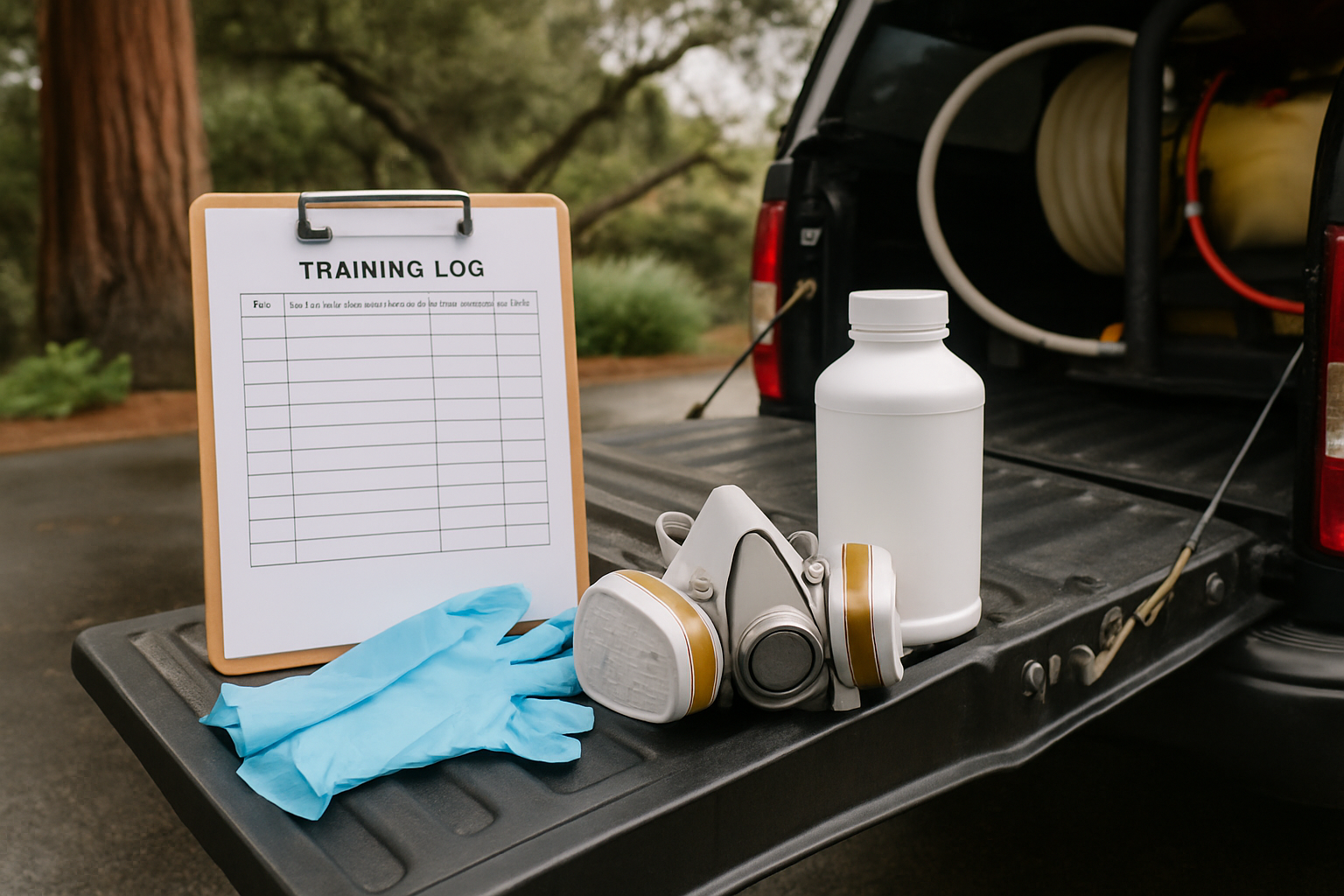
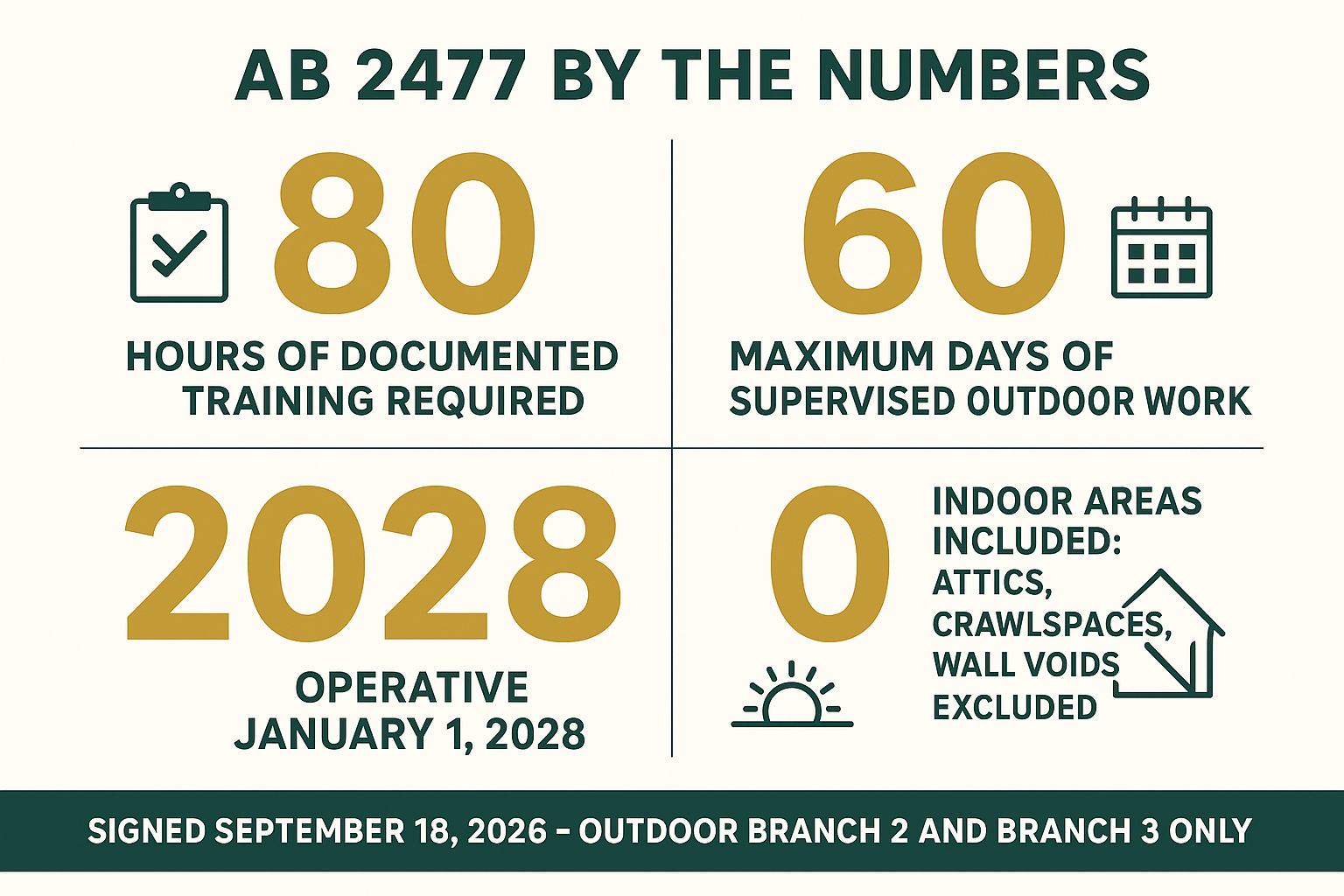
- They must complete 80 hours of documented training first.
- They can then perform outdoor Branch 2 and Branch 3 pesticide applications for up to 60 days.
- Reporting on the bill text indicates the new section becomes operative January 1, 2028.
Branch 2 is the general pest work most homeowners think of, things like ants, spiders, roaches, and rodents. Branch 3 covers wood-destroying organisms, which is not work I take on.
Until that operative date, existing licensing rules continue to apply exactly as they do now. Nothing about your next service call changes this year or next.
The indoor exclusion is the part Santa Cruz County homeowners should care about
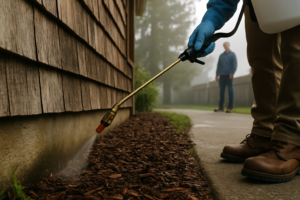
Here is where I’d focus if I were reading this as a homeowner. The trainee pathway stops at your exterior walls.
The following stay excluded from the supervised route:
- Indoor work of any kind
- Occupied spaces
- Food handling areas
- Attics
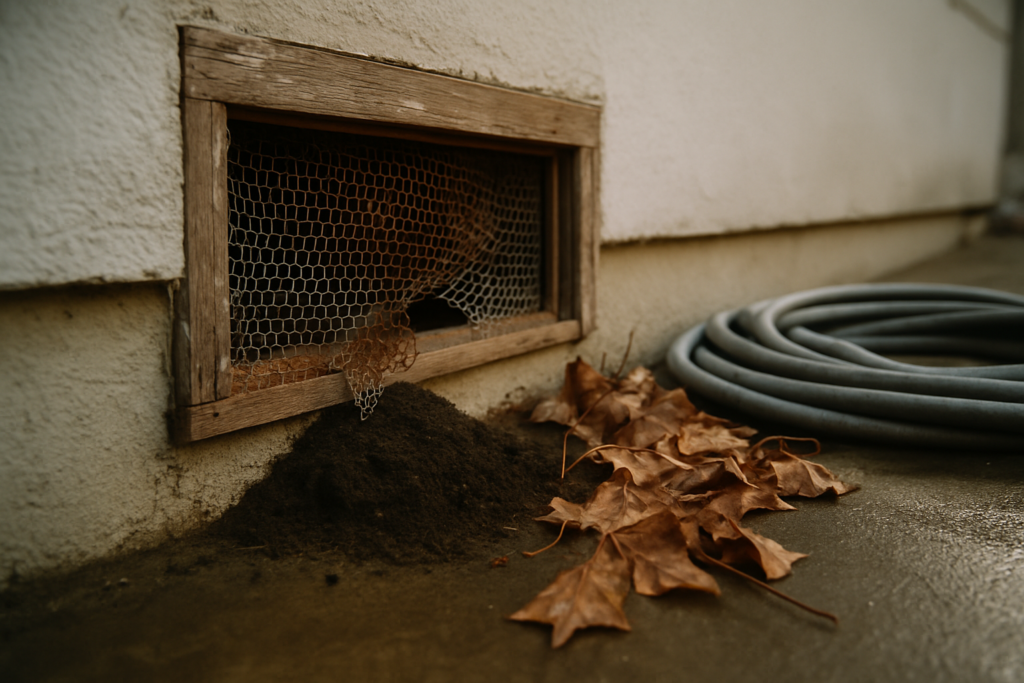
- Crawlspaces
- Wall voids
That list is not random. Those are the spots where the judgment calls live, and in this county that’s where most of the real work happens.
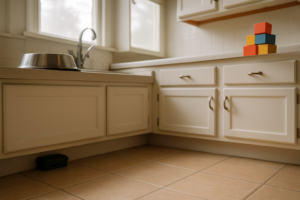
Think about the calls I get. Someone has rodents in the garage and under the house before fall insulation work. Someone hears scratching above a bedroom ceiling. Someone has a roach sighting in a kitchen and two cats and a dog in the house.
None of that is perimeter spraying. Reading sign in a tight crawlspace under a 1940s Westside home, figuring out whether activity is current or leftover, that takes time in the field. It’s the same skill set I describe in what pest inspectors actually look for inside your home.
So the practical read is simple. Starting in 2028, the person treating your landscape, hardscape, or exterior perimeter may be a supervised trainee. Anything inside your home or business still requires a licensed applicator.
Outdoor-only trainee work vs. work that still needs a licensed applicator
Based on the bill as reported, here is the split homeowners and property managers will see once the section becomes operative.
| Type of work | Supervised trainee allowed (from Jan 1, 2028) | Still requires a licensed applicator |
|---|---|---|
| Exterior perimeter application around the foundation | Yes, within the 60-day window | Yes, outside that window |
| Landscape and hardscape treatment for outdoor ants or spiders | Yes | Yes, outside that window |
| Interior kitchen or bathroom treatment | No | Yes |
| Attic work | No | Yes |
| Crawlspace work | No | Yes |
| Wall void application | No | Yes |
| Occupied rooms and food handling areas | No | Yes |
The four numbers worth remembering
If you only keep four details from this law, keep these.
Will this change what you pay for pest control?
This is the question I expect to hear most, so let me be straight about it. Nobody knows yet, and anybody telling you a firm number is guessing.
The honest answer is that labor is only one input into a price. What actually drives the cost of a job around here:
- Property size and lot coverage. A 1,900 square foot house on nearly an acre with ant activity in the grass, dirt, and garden is a different job than a condo in Capitola.
- Which pest and how established it is. A single visible wasp nest is a contained problem. Rats that have moved into raised garden boxes are not.
- Access conditions. Tight crawlspaces, steep Ben Lomond lots, and older homes all add time.
- Product selection. Low-toxicity and eco-friendly approaches around an organic vegetable bed or a household with lung sensitivity take more planning.
- One-time treatment vs. ongoing management. Different scopes, different pricing structures.
For general market context, Santa Cruz County homeowners often report one-time treatments for a defined problem landing somewhere in the low hundreds, with ongoing plans priced per visit. Treat that as a ballpark, not a quote. Costs vary a lot by property, and the only way to get a real number is a look at the actual conditions.
What I’d watch for instead is scope creep. If a company suddenly pitches you a bigger recurring contract and points at new rules as the reason, ask them to explain the connection. A trainee pathway for outdoor spraying is not a reason your interior needs more frequent service.
What I’d ask the person who shows up in 2028
You don’t need to interrogate anybody. But a few short questions tell you a lot, and they’re the same ones I’d want answered at my own house.
- Who is doing the work today, and are you licensed or a supervised applicant? Both are legal under the new rules for outdoor work. You’re just entitled to know.
- Is any of today’s work indoors, in the attic, or in the crawlspace? If yes, that work needs a licensed applicator.
- Who is supervising, and are they on site or reachable?
- What product is going down, and where exactly? Anyone treating your property should be able to tell you what it is and why that spot.
- What happens after the 60 days?
That last one matters for continuity. If a trainee starts your exterior service in March, you want to know who’s handling it in June.
I’d also keep rodent work in its own mental category. Rodent problems here are mostly a crawlspace, attic, and garage story, not a spray story, and California already tightened the rules on certain rodenticides. If that’s your situation, California’s rat poison rules are more relevant to you than AB 2477 is.
And if your main concern is chemical exposure around kids and pets, the bigger lever is method, not licensing tier. That’s the whole premise behind IPM pest control in homes with kids and pets: reduce the conditions, then treat the active problem with the least disruptive approach.
Why the outdoor-only limit makes sense on the Monterey Bay coast
Pest pressure here doesn’t follow inland California’s calendar. Fog, soil moisture, and mild winters keep things moving almost year round.
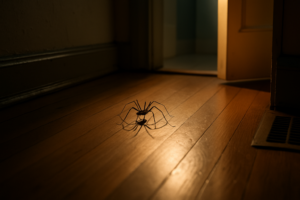
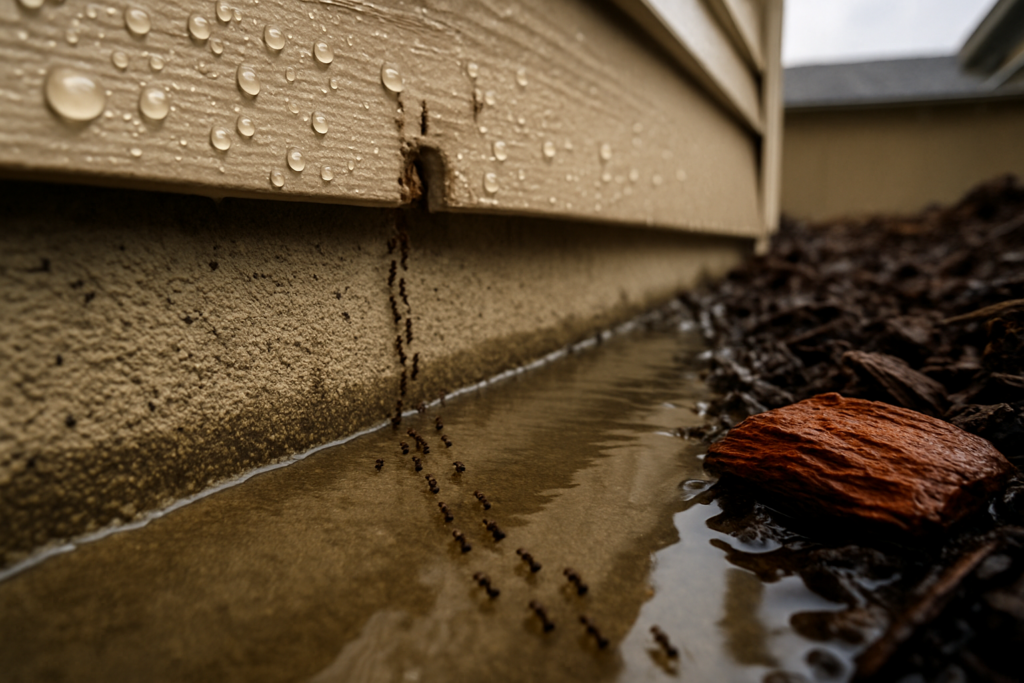
Ants stay active in Watsonville and Aptos long past when they’d quiet down in the valley. Spiders rebuild webs on windows and outdoor furniture through the cool months, which is why I get the “I’m constantly cleaning webs off the house” message in August and again in January.
Exterior perimeter and landscape work is the most repetitive, most seasonal part of the job. That’s the part this law opens up, under supervision, with a hard stop at the door. It leaves the harder diagnostic work, the crawlspace crawl and the attic inspection, with licensed applicators.
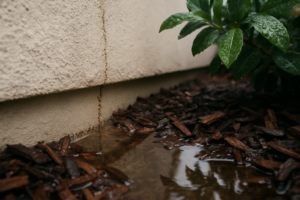
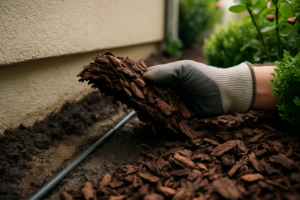
If you want a sense of how much of this is driven by local conditions, new mulch and new ant trails is a good example. A landscaping change in a Santa Cruz yard can trigger an ant problem that never existed before.
Frequently Asked Questions About California’s 2026 Pest Control Licensing Change
Does this mean an unlicensed person can spray inside my house?
No. Indoor work, occupied spaces, food handling areas, attics, crawlspaces, and wall voids stay excluded from the supervised route. The pathway covers outdoor Branch 2 and Branch 3 applications only.
When does this actually take effect?
The bill was signed September 18, 2026, but reporting on the bill text indicates the new section becomes operative January 1, 2028. Until then, existing licensing rules continue to apply.
Is 80 hours of training enough?
It depends entirely on what the person is doing. For supervised exterior perimeter and landscape application, with a licensed applicator responsible for the work, that’s a defensible starting point. It is nowhere near enough for crawlspace or attic diagnosis, which is exactly why the law keeps those areas off the list.
I’m a landlord with units in Watsonville. Does this change my compliance obligations?
The licensing requirement falls on the pest control company, not on you as the property owner. The practical change is that starting in 2028, exterior service at your properties may be performed by a supervised trainee. Interior treatments in occupied units still require a licensed applicator, so if a vendor proposes interior work, that’s worth confirming.
Should I wait until 2028 to deal with my ant or rodent problem?
No. Nothing about this law gives you a reason to wait, and active problems get more expensive the longer they run. A rodent issue heading into the rainy season is a good example of something to handle now rather than later.
Want a straight answer about your own property?
Licensing rules are changing in 2028, but the conditions in a Santa Cruz County crawlspace or an Aptos yard haven’t changed at all. If you have active ants, rodents, spiders, or wasps and you’d rather talk it through with someone who works the Monterey Bay coast every week, West Pest Co. is reachable at (831) 430-8402 or westpestco.com. Matthew usually answers the phone himself.