Natural garden pest control in Santa Cruz isn't about fighting a war with chemical sprays. It's about building a tough, healthy garden that naturally keeps pests away. Think of it as creating a strong defense from the ground up.
This starts with healthy soil and choosing plants that resist pests and love our coastal climate. When you add physical barriers and welcome good insects, you create a yard that's safe for your family and full of life.
Your Guide to a Pest-Free Yard in Santa Cruz
Welcome to your guide for a thriving garden anywhere in Santa Cruz County. Our special climate, from the cool hills of Scotts Valley to the sunny coast of Capitola, brings its own challenges. Harsh chemicals can create more problems than they solve.
This guide is about a smarter approach that works with our local environment, not against it. Instead of just reacting to pests, the goal is to build a garden that keeps them in check naturally. And it all begins with the soil.
A garden with rich, living soil grows strong plants that are less appealing to pests. You can learn more about this by mastering home composting for a thriving garden. It's a great way to boost your yard's natural defenses.
Building a Strong Foundation
Creating a pest-resistant garden is a process, not a quick fix. It’s about understanding the link between soil, plants, and insects. This simple idea shows how healthy soil is the first step to a pest-free garden.
This shows that pest management isn't just about what you spray. It's about what you grow. This is more important than ever when you think about the impact of chemical pesticides.
Homeowners in the U.S. use about 136 million pounds of pesticides on lawns and gardens each year. This huge amount harms wildlife and pollutes our local water.
Key Ideas for Natural Pest Control in Santa Cruz
Here is a clear plan with key strategies for a healthy, pest-resistant garden in Santa Cruz. Think of these as the basic rules of the game.
| Strategy | Why It Matters for Santa Cruz Gardens |
|---|---|
| Prevention First | Focus on creating a balanced garden that naturally stops pests from settling in. |
| Healthy Soil | Rich soil from compost and mulch grows strong plants that are less likely to be attacked by pests. |
| Welcome Good Bugs | Attracting helpful insects like ladybugs and lacewings provides a natural defense against pests like aphids. |
| Use Physical Barriers | Simple tools like gopher wire, bird nets, and row covers offer effective, non-toxic protection. |
By sticking to these ideas, you can create a garden that is beautiful and mostly takes care of itself. It’s a smart model that reduces your work and worry over time. You can enjoy your outdoor space without thinking about toxic chemicals.
Of course, some pests—like a tough gopher problem or a sudden bug invasion—might need more than these preventive steps. When that happens, professional help is the next smart move. West Pest Co. offers targeted, eco-friendly garden pest control services that follow these values, keeping your garden safe and healthy.
Common Garden Pests in Santa Cruz County
To win the battle against garden pests in Santa Cruz, you need to know your enemy. Before you can choose the right natural solution, you have to identify the pest munching on your plants.
Our coastal climate is the perfect home for certain pests. Some are tiny bugs that suck the life out of your tomatoes. Others are burrowing animals that can ruin a lawn overnight.
It’s about reading the signs. Learning to spot the difference between a bad pest and a helpful insect is key. This lets you take focused action instead of spraying everything and harming the good bugs, like bees and ladybugs.
Sap-Sucking Insects
Some of the most annoying pests are the ones that feed on plant sap. They might be small, but their numbers can grow quickly, stressing your flowers, veggies, and shrubs.
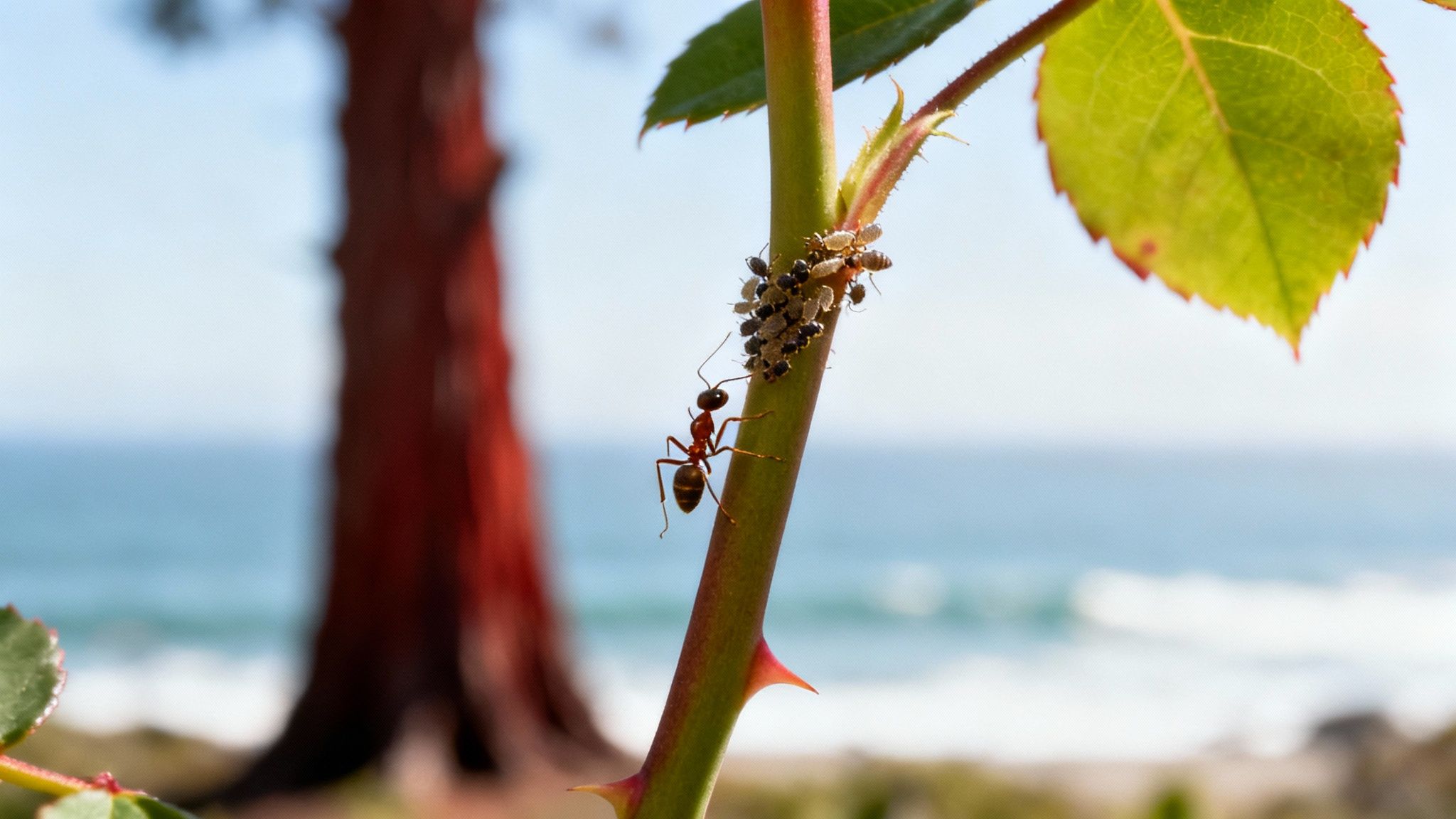
Aphids are the most well-known of this group. These tiny, pear-shaped bugs can be green, black, or yellow. They love to gather on new growth, like rosebuds or the undersides of kale leaves.
- Signs of Aphids: Look for curled, yellowing, or stunted leaves. You might also see a sticky, clear substance called "honeydew" on leaves and stems.
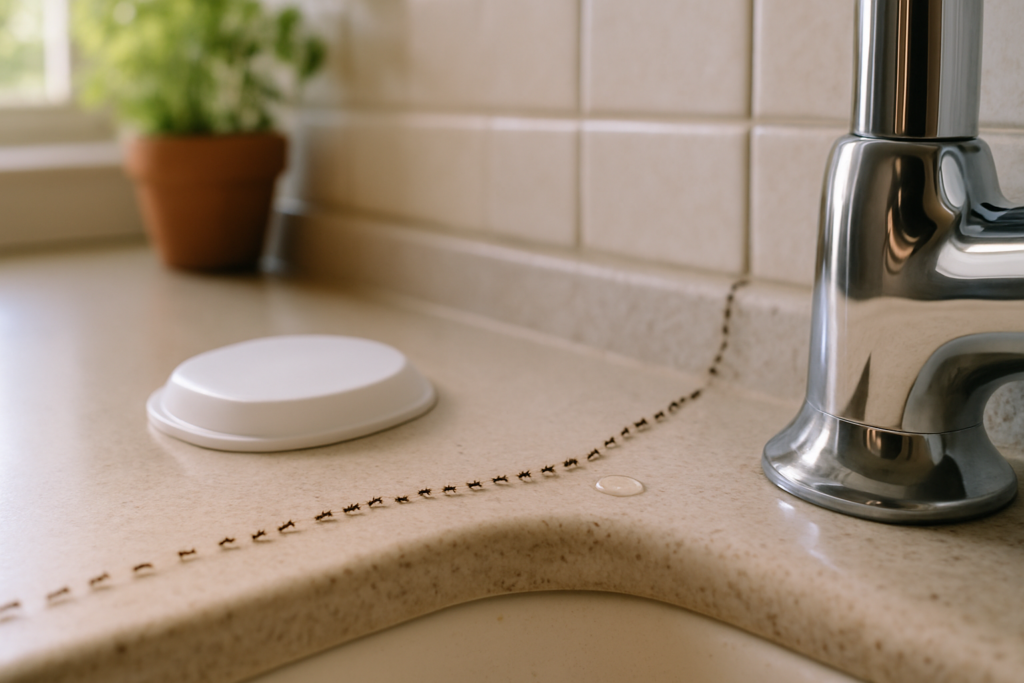
- The Ant Connection: That honeydew is a favorite food for Argentine ants, another major local pest. You’ll often see ants "farming" the aphids, protecting them in exchange for the sweet honeydew.
Key Takeaway: An ant problem in your garden often signals an aphid problem. Control the aphids, and the ants will usually go away.
Chewing Pests
Other pests cause more obvious damage by chewing on leaves, stems, fruits, and roots. This group can strip a plant or ruin a harvest if not controlled.
The cabbage looper is a big headache for local gardeners. These are small green caterpillars that make a "loop" with their bodies as they move. They love to eat plants like broccoli, cabbage, and kale. You'll know they're around when you see ragged holes chewed in the leaves.
Burrowing Mammals
The most destructive pests in Santa Cruz County might be the ones you rarely see. Gophers are a constant problem for anyone trying to maintain a nice lawn or garden.
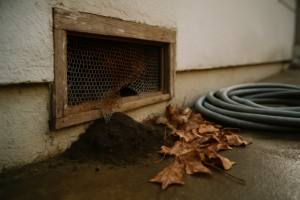
Gophers are rodents that dig tunnels just below the ground. The classic sign is a fan-shaped mound of fresh dirt they push to the surface. This can turn a neat lawn into a mess quickly.
But the damage is more than just cosmetic:
- Root Damage: They eat plant roots from below, often killing shrubs and vegetables without warning.
- Infrastructure Threats: Their tunnels can damage irrigation lines and create tripping hazards in your yard.
Because they live underground, gophers are hard to manage and need special strategies. To learn more about what's active in your area, check out the top pest problems in Santa Cruz this season.
Building Your Garden's First Line of Defense
The secret to natural pest control in Santa Cruz isn’t about spraying after pests appear. It’s about creating a garden that can defend itself. A proactive approach that builds a healthy garden is always more effective than just reacting to a problem.
It all starts with healthy soil. Think of it like a strong immune system. Plants grown in rich, living soil are stronger and less stressed. This makes them naturally more resistant to pests and diseases.
Build Strong, Pest-Resistant Soil
Healthy soil is the foundation of a thriving garden. Here in Santa Cruz, our soil can be sandy or heavy clay, so adding organic matter is a must.
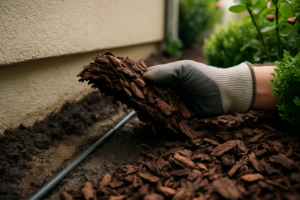
Compost is the best thing you can add. It improves soil structure, helps it hold water during our dry summers, and provides nutrients. Mulch is your soil’s protective blanket. A 2-3 inch layer of mulch, like wood chips, helps in several ways:
- Suppresses Weeds: Mulch blocks sunlight, stopping weed seeds from growing.
- Regulates Soil Temperature: It keeps soil cooler in summer and warmer in winter.
- Retains Moisture: Mulch slows down evaporation, so you need to water less.
Use Companion Planting
Companion planting is an old technique that uses smart plant placement to help plants help each other. Some plants repel pests, while others attract helpful insects that eat the bad bugs.
A classic example is planting marigolds around your tomato plants. Marigolds release a substance that deters nematodes, tiny worms that can damage tomato roots.
Local Tip: Planting herbs like rosemary, mint, and lavender can confuse and repel pests like aphids. They also grow well in our coastal climate.
Here are a few other powerful plant pairs for Santa Cruz gardens:
- Nasturtiums: Plant these near squash. They act as a "trap crop" for aphids, drawing them away from your vegetables.
- Borage: This herb attracts helpful wasps and bees, which boosts pollination and provides natural pest control.
- Garlic and Onions: Their strong smell helps deter a wide range of pests. They work great near roses and lettuce.
Create Smart Physical Barriers
Sometimes, the simplest solution is the best one. Physical barriers are safe, non-toxic ways to create a healthy yard and keep pests from reaching your plants.
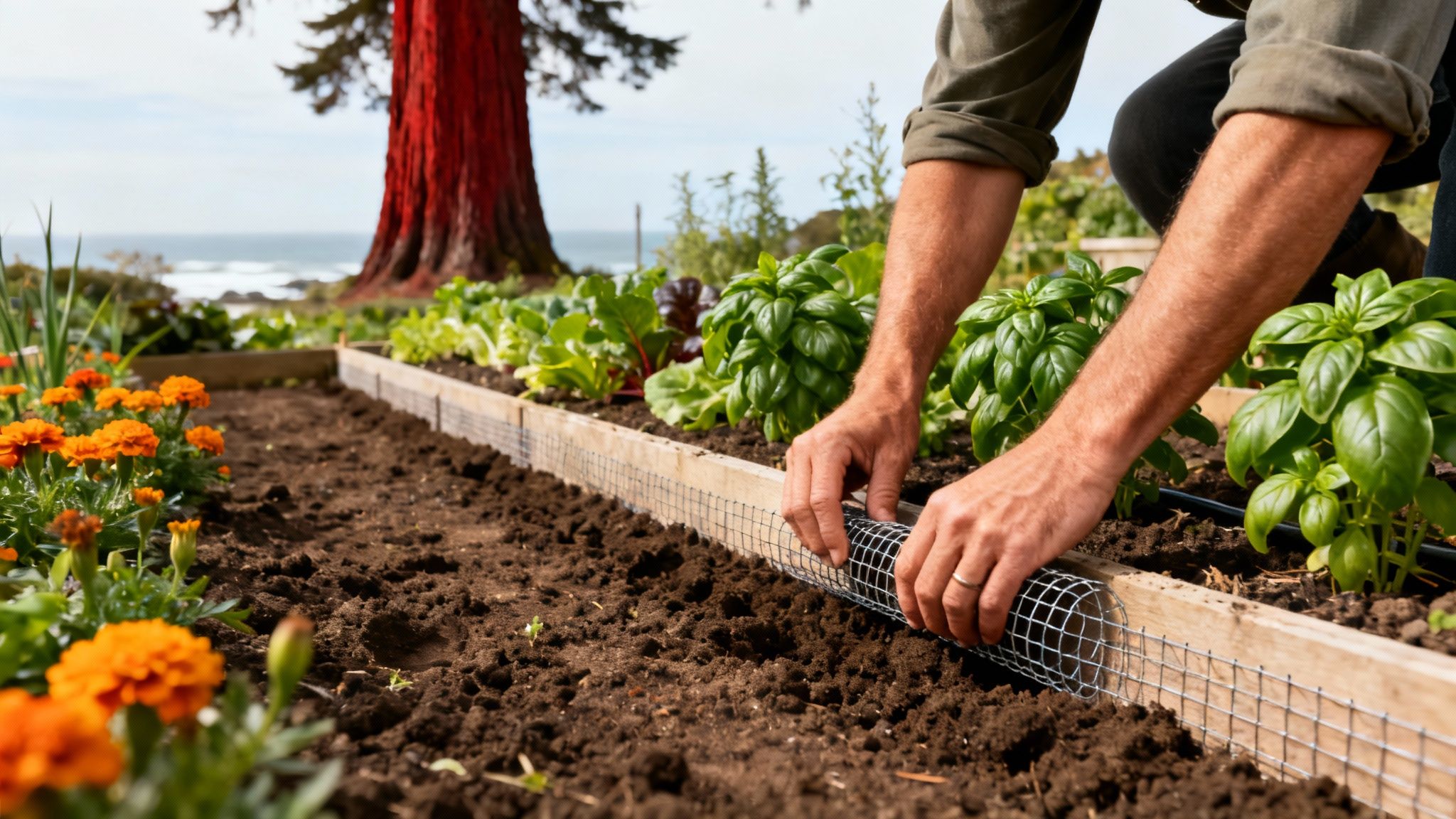
For Santa Cruz gardeners dealing with gophers, this is a must. Installing gopher wire at the bottom of raised beds is the only guaranteed way to protect plant roots.
Other effective barriers include:
- Row Covers: Lightweight fabric placed over vegetable beds to protect young plants from insects.
- Bird Netting: Drape this over fruit trees or berry bushes to protect your harvest from birds.
These strategies are all part of a larger philosophy you can learn more about in our guide to Integrated Pest Management techniques. By creating an environment where plants thrive, you reduce the need for future action.
Safe and Effective Natural Pest Control Treatments
Even with the best defenses, pests sometimes get into your Santa Cruz garden. When prevention isn't enough, you need safe treatments that control pests without risking your family, pets, or the local environment. There are powerful, eco-friendly options that work well on common garden pests.
These treatments target pests directly and break down quickly, leaving no harmful chemicals behind. This approach fits well with our community's values in Santa Cruz County.
Using Horticultural Oils and Soaps
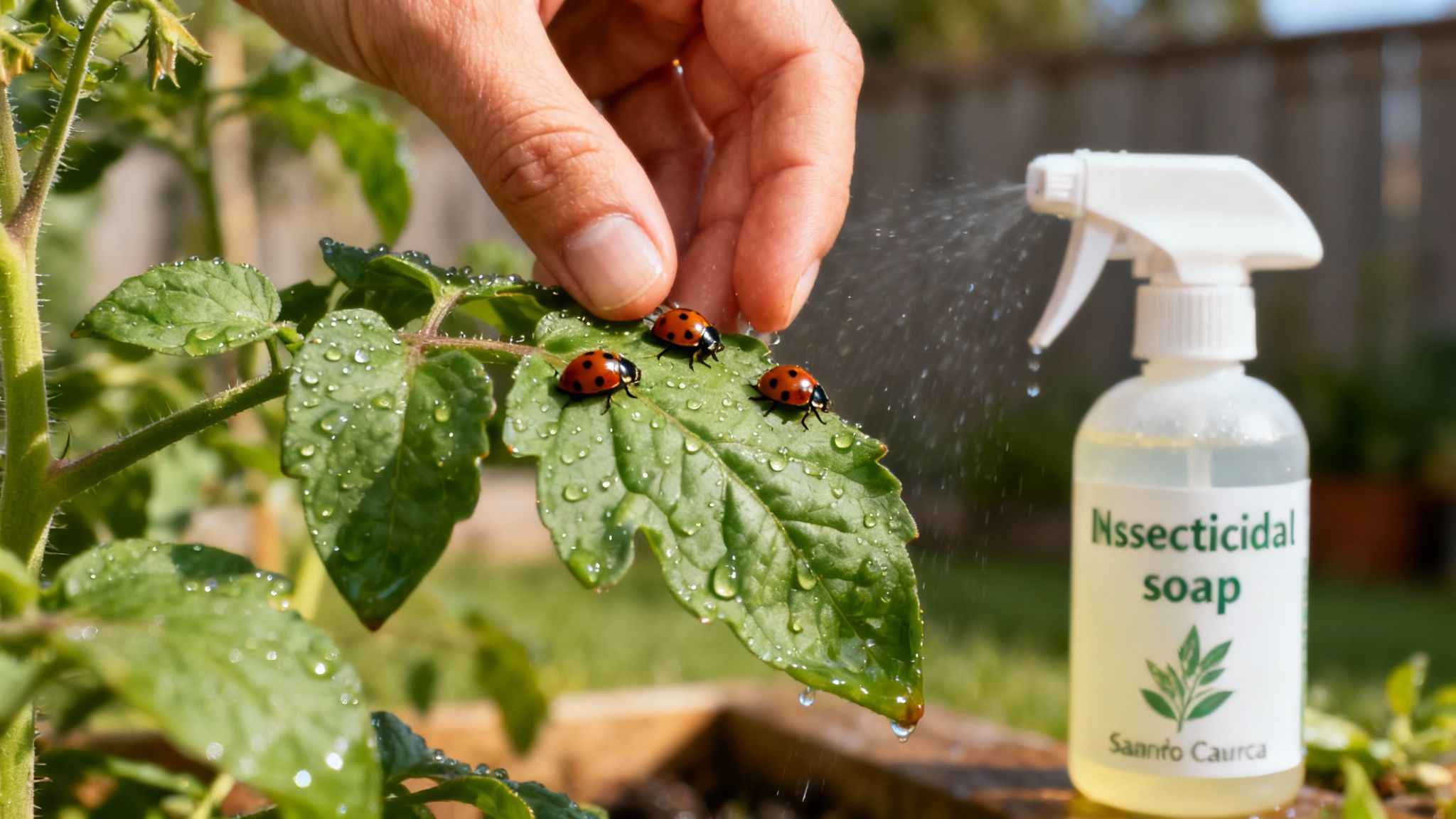
Horticultural oils and insecticidal soaps are two of the most trusted tools for a natural gardener. They work on contact, meaning they have to be sprayed directly on soft-bodied insects like aphids, mites, and whiteflies to be effective.
- Horticultural Oils: These refined oils work by smothering insects and their eggs.
- Insecticidal Soaps: These special soaps break down the outer layer of soft-bodied insects, causing them to dry out and die.
The best part about these treatments is their low impact. Once dry, they have no lasting effect. This makes them safe for bees and other helpful insects that arrive later. Be sure to spray in the early morning or late evening to avoid harming active bees.
Using Biological Control
Why do all the work yourself when you can get help? Biological control is about using natural predators to manage pest populations. This helps create a garden where the "good bugs" keep the bad ones in check.
You can buy and release these helpful insects into your garden.
Local Pro Tip: To keep helpful insects around, you need to create a welcoming home for them. Plant a variety of flowers that provide nectar and pollen, and have a shallow water source nearby.
Top Helpful Insects for Santa Cruz Gardens
- Ladybugs: Famous for eating aphids. A single ladybug can eat up to 5,000 aphids in its lifetime.
- Lacewings: Their young, called "aphid lions," are amazing predators of aphids and other small pests.
- Beneficial Nematodes: These tiny organisms live in the soil and attack soil-dwelling pests.
This method is a key part of sustainable gardening. You can learn more in our article, The Green Gardener's Guide to Sustainable Pest Solutions That Actually Work in Santa Cruz County.
Applying Treatments Safely
Even natural treatments must be applied carefully. Getting the timing and technique right is important. For example, knowing if you're also dealing with white fuzz on cactus can help you choose the right approach.
Here are some best practices:
- Read the Label: Always follow the instructions on the product.
- Test a Small Area: Before spraying a whole plant, test it on one leaf and wait 24 hours to check for damage.
- Get Full Coverage: Pests hide on the undersides of leaves, so spray everywhere.
- Avoid the Midday Sun: Spraying in the heat of the day can burn plant leaves.
When to Call for Professional Eco-Friendly Help
Doing your own natural pest control in Santa Cruz is great, and it often works for small problems. But sometimes, even the best gardener needs to call for backup. Knowing when a pest problem is too big to handle is key to protecting your garden from serious damage.
Sometimes, the size or toughness of an infestation requires special tools and knowledge. If you feel like you’ve tried everything and the problem is getting worse, a professional can help. They can use targeted, eco-friendly solutions to fix the issue without harming your non-toxic yard.
When Infestations Are Overwhelming
A few aphids on one rose bush is one thing. An entire garden swarming with them is another. When a pest population explodes, it can quickly damage your plants. If your best efforts aren’t working, it's a clear sign to get help.
Think about these situations:
- Stubborn Aphid Outbreaks: You've used soaps and ladybugs, but the aphids keep coming back in huge numbers.
- Widespread Damage: You see major leaf damage on many plants and can't figure out how to stop it.
- Recurring Problems: An issue keeps returning season after season. This often points to a deeper problem.
A professional can find the root cause of the problem. From there, they can create a much more effective plan.
When Pests Cause Major Damage
Some pests, especially gophers, do more than just cosmetic harm. Their activities can threaten your entire landscape. This is especially true for gophers, one of the most destructive pests in Santa Cruz County.
Gopher activity often requires professional help. Their tunnels can damage irrigation lines, weaken retaining walls, and destroy the roots of mature trees, leading to costly and unsafe situations.
If you see gopher mounds multiplying quickly or notice healthy plants suddenly dying, it’s time to act. West Pest Co. uses special, eco-friendly equipment to manage gophers without dangerous poisons that can harm pets and wildlife. This is a powerful use of safe solutions for a healthy yard. Deciding when to call pest control is a critical step in protecting your property.
Calling a professional doesn't mean you've failed at natural gardening. It means you're making a smart choice to protect the beautiful, thriving space you’ve worked so hard to create.
Your Top Questions About Natural Pest Control Answered
We get many questions from Santa Cruz homeowners who want healthy gardens without harsh chemicals. Here are simple answers to the questions we hear most often.
Are Natural Pest Control Methods Really Safe?
Yes, but “natural” doesn’t always mean “harmless.” Using the right method correctly is key. For example, even a simple horticultural oil can burn leaves if applied in hot, direct sun.
The trick is to follow instructions carefully. Always use food-grade diatomaceous earth where needed and properly dilute any sprays. The whole point of natural garden pest control in Santa Cruz is to target the pest with the least impact on everything else.
How Well Do DIY Solutions Work Compared to Professional Treatments?
DIY natural solutions can work well, but they need more patience and consistency than a chemical spray. A homemade soap spray can handle a small aphid problem, but you’ll likely need to reapply it every few days.
Natural methods are about long-term prevention. They aim to disrupt pest life cycles, not just kill them instantly. This idea is becoming more popular. Recent data shows that over 30% of pet owners now specifically look for natural pest control because they see it as a safer, better solution.
Key Insight: Natural methods build your garden's health over time. They help create a garden that is less likely to have major pest problems in the future.
Can I Use Diatomaceous Earth Directly on My Pet?
It's best to avoid putting diatomaceous earth (DE) on your pet's fur. Even food-grade DE is a very fine powder. It can dry out their skin and cause irritation if they breathe it in.
A safer way is to apply DE to their environment, where pests like fleas live. This includes places like:
- Pet Bedding: Lightly dust their bed, let it sit for a few hours, then vacuum it up.
- Carpets and Rugs: Sprinkle a thin layer where your pet spends time to target flea larvae.
- Outdoor Areas: Apply it to dry soil in kennels or on patios where pests might hide.
What Are the Most Common Garden Pests in Santa Cruz?
Our coastal climate is a perfect home for a specific group of pests. For local gardeners, the most common ones are:
- Aphids: These tiny sap-suckers are everywhere, often farmed by ants on roses and vegetables.
- Gophers: Perhaps the most destructive pest in the county. Their tunnels can destroy lawns and kill plants overnight.
- Cabbage Loopers: Small green caterpillars that love to eat broccoli, kale, and other similar plants.
- Slugs and Snails: Our damp, mild weather is a paradise for these leaf-chewing pests.
Will Natural Methods Harm Good Insects Like Bees and Ladybugs?
This is a big concern. One of the main benefits of a smart natural approach is protecting our helpful pollinators and predators. But you still need to be careful.
Treatments like horticultural oil and insecticidal soap only work on contact. They only harm the insects they are sprayed on directly. Once they dry, they are harmless. To protect bees, apply these sprays early in the morning or late in the evening when bees aren't active.
Better yet, methods like releasing beneficial nematodes or ladybugs actually increase the number of "good bugs." This creates a healthier, more balanced garden. This is especially important given the concerns about chemical use in our community. From May 2022 to May 2023, data showed nearly 7,000 pesticide applications occurred near schools in Santa Cruz County. You can learn more about these local pesticide findings to understand why safer options are so important.
When Should I Call a Professional for Help?
DIY methods are great for small issues. You should call for professional help when a problem gets too big or is causing major damage.
It’s time to call an expert when:
- The Problem is Spreading Fast: An infestation moving from one plant to the whole garden needs a better plan.
- Gopher Activity is Increasing: If you see more than a couple of new mounds each week, the gopher population is likely growing fast.
- Your Efforts Aren't Working: You’ve tried different natural solutions, but the pests keep winning.
A professional can find the root cause and use targeted, eco-friendly solutions. This ensures you can solve the problem while still keeping safe solutions for a healthy yard.
Your garden is your sanctuary, and keeping it healthy shouldn't mean giving up your values or safety. When pest problems are too big to handle, West Pest Co. is here to help. We specialize in effective, eco-friendly garden pest solutions that bring balance back to your yard without harsh chemicals. Contact us today for a free estimate and partner with a local expert who puts your garden's health first. Learn more at https://westpestco.com.