Direct Answer: California’s AB 1603, signed September 28, 2026, requires state regulators to flag which pesticides contain PFAS in a public database and track usage trends. It is disclosure, not a ban.
Almost every week, someone asks me a version of the same question before I even open the truck. What exactly are you putting down, and is it safe around my kids, my cats, and my vegetable beds?
That question just got a little easier to answer. On September 28, 2026, Governor Newsom signed AB 1603, a bill that makes California disclose which pesticides contain PFAS, the group of compounds people call forever chemicals.
I want to walk through what this law actually does, what it does not do, and how I’d use it if I were the homeowner instead of the guy holding the sprayer. Nothing is banned, and nothing about your current treatment plan or pricing changes because of it.
What the PFAS pesticides California new law actually requires
AB 1603 was authored by Assemblyman Nick Schultz (D-Burbank) and signed into law on September 28, 2026. It takes effect January 1, 2027, with the reporting pieces phasing in as the state builds them out.
Here is the short version of what it does:
- Requires the California Department of Pesticide Regulation (DPR) to indicate whether a pesticide contains PFAS when reporting its use in a public database
- Requires DPR to track PFAS pesticide use trends statewide
- Creates the first-time public disclosure of which pesticides contain PFAS active ingredients
And here is what it does not do:
- It does not ban any product
- It does not place a new rule on individual applicators like me
- It does not change what is legal to apply at your house tomorrow
Reuters framed it around agricultural pesticides, which matters in a county that grows as much as ours does. The reporting duty sits with the state agency, not with the person spraying your baseboards. You can read the signing coverage from U.S. News and World Report, the Environmental Working Group, and Inside EPA.
AB 1603 at a glance: dates, duties, and what it costs you
I get asked about compliance deadlines by landlords and property managers more than anyone else. Here is the plain breakdown.
| Question | Answer | Who it affects |
|---|---|---|
| When was it signed? | September 28, 2026 | Statewide |
| When does it take effect? | January 1, 2027, with DPR reporting phasing in after | DPR reporting systems |
| Is anything banned? | No. Tracking and disclosure only | No one, for now |
| Does it regulate my pest control tech? | No. The duty falls on DPR reporting, not applicators | State agency |
| What does it cost homeowners? | Nothing. No new fees, permits, or filings | Homeowners and renters |
| What does it cost landlords or small businesses? | No new compliance step tied to this bill | Property managers |
Why forever chemicals get extra attention around the Monterey Bay
PFAS get their nickname because of how they are built. Their chemical structure makes them break down very slowly, so they stick around in soil and water far longer than most pest control products.
That has a specific weight here. We sit between farm ground in the Pajaro Valley and the bay itself, and a lot of homes in Corralitos, Las Lomas, and the hills above Watsonville pull from wells.
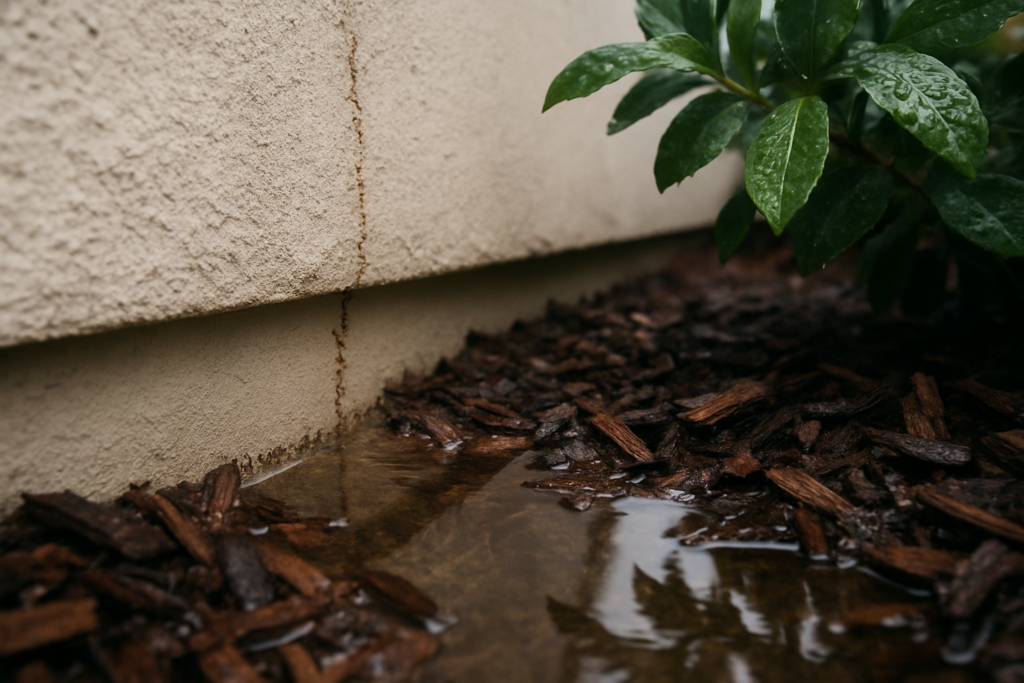
Add our climate to it. Fog, damp soil, and mild winters mean moisture is almost always sitting in the top few inches of ground around your foundation, which is exactly where product ends up when someone treats a perimeter.
So a disclosure database is genuinely useful to people here. If you garden, keep chickens, or have a well, being able to look up whether a product carries a PFAS flag gives you a real piece of information instead of a guess. The state’s regulator keeps its public pesticide use data at the California Department of Pesticide Regulation, which is where the new flags are headed.
What I’d ask before anyone treats your house
Here is the honest part. Most residential work I do around Santa Cruz, Soquel, and Scotts Valley uses low-toxicity products chosen for homes with kids and pets, and the PFAS conversation has leaned heavily toward agricultural use.
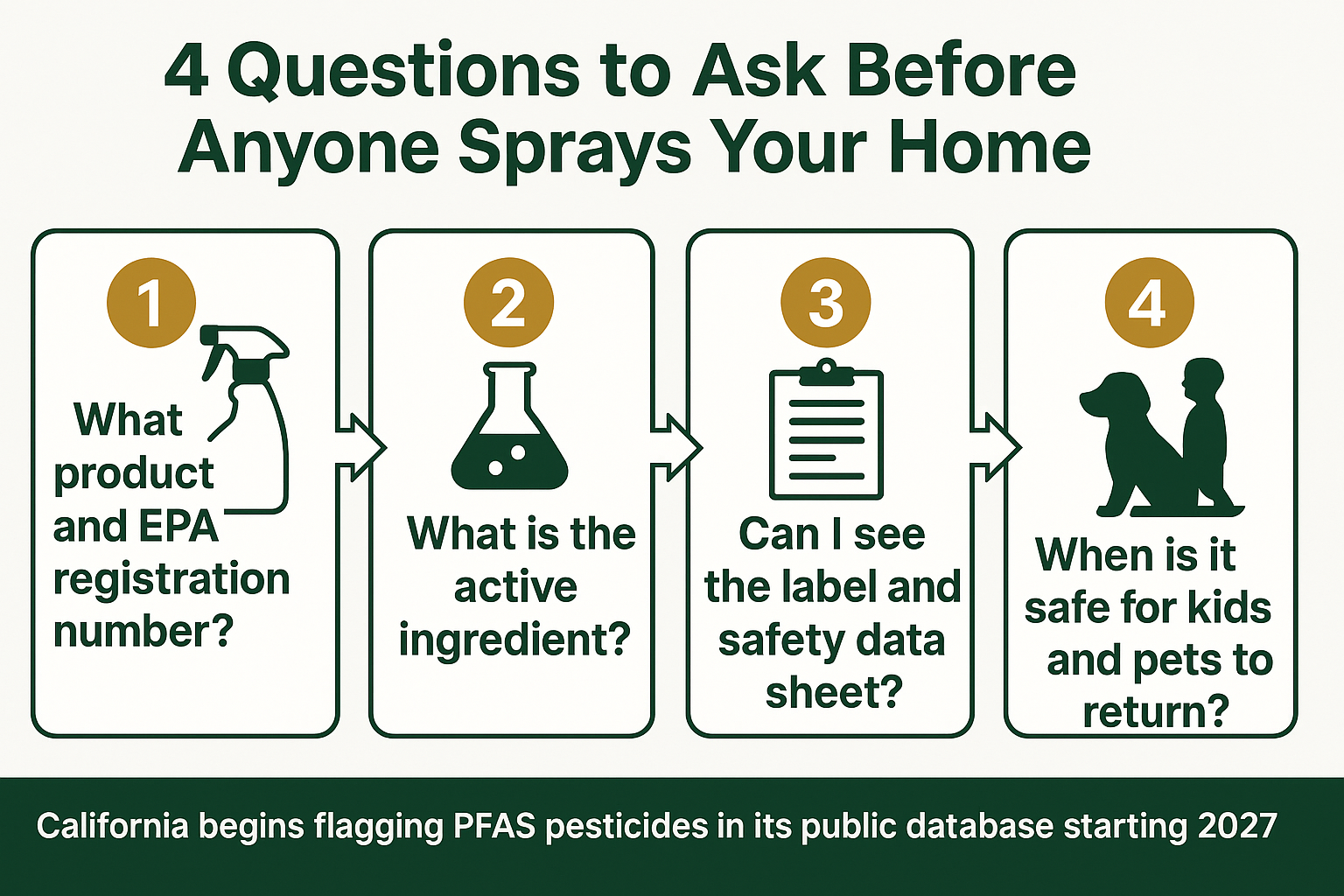
But you should not have to take anyone’s word for it. Ask these four things, every time, of whoever you hire:
- What is the product name and EPA registration number? That number is the key to looking anything up.
- What is the active ingredient? Not the brand, the actual chemistry.
- Can I see the label and the safety data sheet? Both are public documents and any honest tech will hand them over.
- Where exactly are you applying it, and when is it safe for my kids and pets to be back in that area? The label gives a re-entry time. It should be stated out loud.
One customer here told me her husband’s recommendations had to be adjusted because of her lung sensitivity, and she ended up with what she described as a “safe, effective treatment that’s used in hospitals and veterinary clinics.” That only happens when someone asks the question first.
The four questions above already work. Starting in 2027, the database answer gets added to the pile.
Four questions to ask before anyone sprays your home
This is the checklist I’d keep on the fridge. It works with any company, not just mine.
Does this change what pest control costs in Santa Cruz County?
No. There is no fee, permit, or filing attached to AB 1603 for homeowners, landlords, or small commercial properties. If a company tells you prices are going up because of a PFAS law, ask them to show you the line item.
What actually drives your price has not changed:
- Pest and severity. A single visible wasp nest is a different job than ants running through four rooms of a 1,900 square foot house.
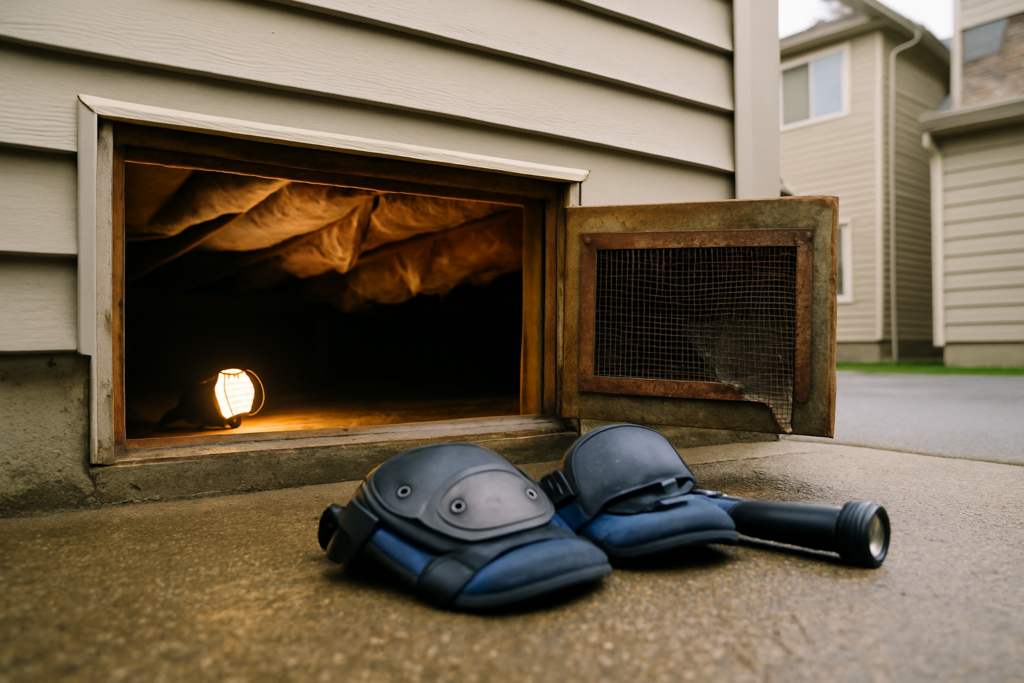
- Property size and access. Crawlspaces, steep lots, and large yards take longer.
- One-time treatment versus ongoing management. A fresh ant trail may need one visit. Recurring conditions in older coastal homes usually need follow up.
- Product choice. Low-toxicity and botanical options sometimes cost more per application and may need a return visit.
Costs swing a lot by job, but around here many homeowners find a straightforward one-time interior treatment lands in the low hundreds, with ongoing plans priced per visit. Treat that as general market context, not a quote, and get a real number from whoever inspects your property.
It is also worth separating this from the other state change this year, which added a trainee pathway for outdoor-only pest spraying. That one affects who is allowed to hold the sprayer. AB 1603 affects what the state publishes about the product inside it.
Where this shows up in real calls
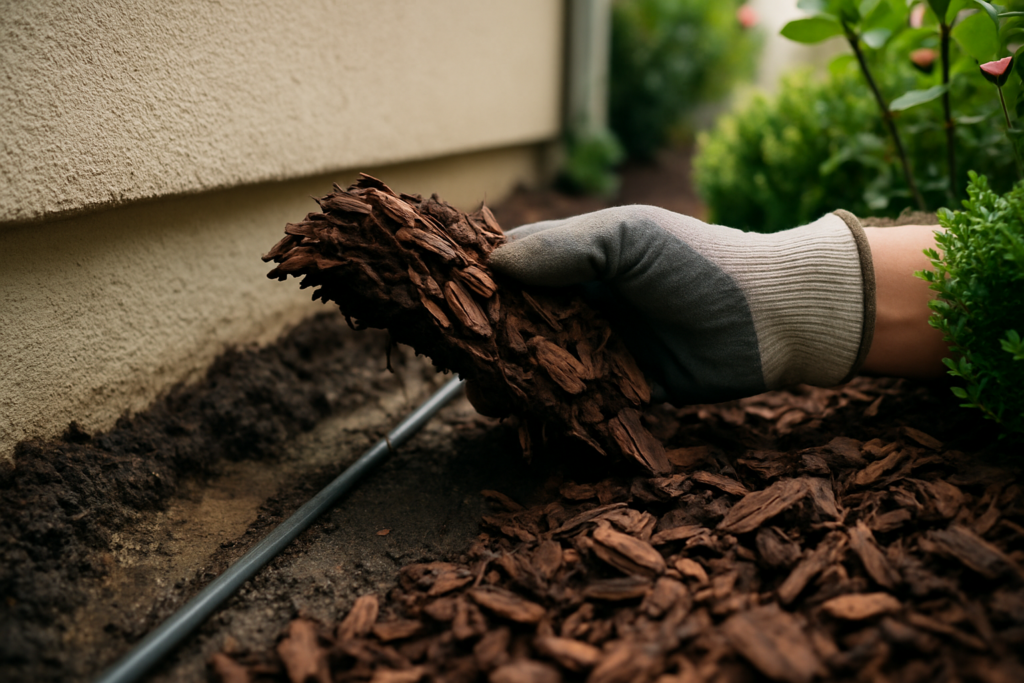
The people most likely to care about a PFAS flag are the same people already asking me careful questions. A homeowner with an organic vegetable garden in back wanted to know how much that limited treatment options after new mulch brought ants into her front yard. Fair question, and the answer shaped the whole job.
Same with gardeners watching aphids and plant pests after the county’s garden pest warning this year. When food is involved, product choice is the entire conversation.
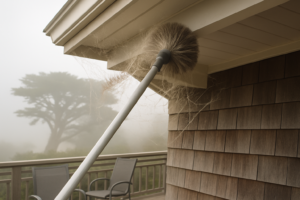
And it comes up with routine exterior work too. Folks in Aptos Hills who are tired of clearing webs off windows and patio furniture still want to know what is going on the eaves, which is why I usually start by sorting out which spiders are actually a concern before anything gets treated.
More disclosure helps all of those conversations. It does not replace them.
Frequently Asked Questions About the PFAS Pesticide Disclosure Law
Does AB 1603 ban PFAS in pesticides?
No. It is a tracking and disclosure law. It requires the Department of Pesticide Regulation to indicate whether a pesticide contains PFAS when reporting its use publicly, and to track statewide use trends. Nothing is pulled off the market by this bill.
When can I actually look up whether a product contains PFAS?
The law takes effect January 1, 2027, and the reporting pieces phase in as DPR implements them. Until the flags are live, the practical move is to ask for the product name, EPA registration number, and label, and review those directly.
Does this apply to the products used at my house, or just farms?
The bill is written around DPR’s public reporting of pesticide use, and Reuters coverage framed it around agricultural pesticides in the state. Residential products are a smaller slice of that picture, but the database is public either way, so homeowners can use it.
Will my pest control company have to file anything new?
Not under this law. The obligation falls on the state agency’s reporting, not on individual applicators. Licensing and application rules are separate from AB 1603.
I have kids and pets. What should I do right now?
Keep doing the thing that already works. Ask what product is going down, ask for the label and safety data sheet, and ask how long before kids and animals can be back in the treated area. Low-toxicity and botanical options exist for ants, spiders, rodents, and garden pests, so say up front if that is what you want.
Want to know exactly what is going on your property?
If you are dealing with an active pest problem around the Monterey Bay, from Santa Cruz County down the coast toward Monterey County, CA, you are allowed to ask what is being applied and why before anyone starts. That conversation should happen at the front door, not after the fact. West Pest Co. is reachable at (831) 430-8402 or westpestco.com if you want someone local to take a look and walk you through the options.