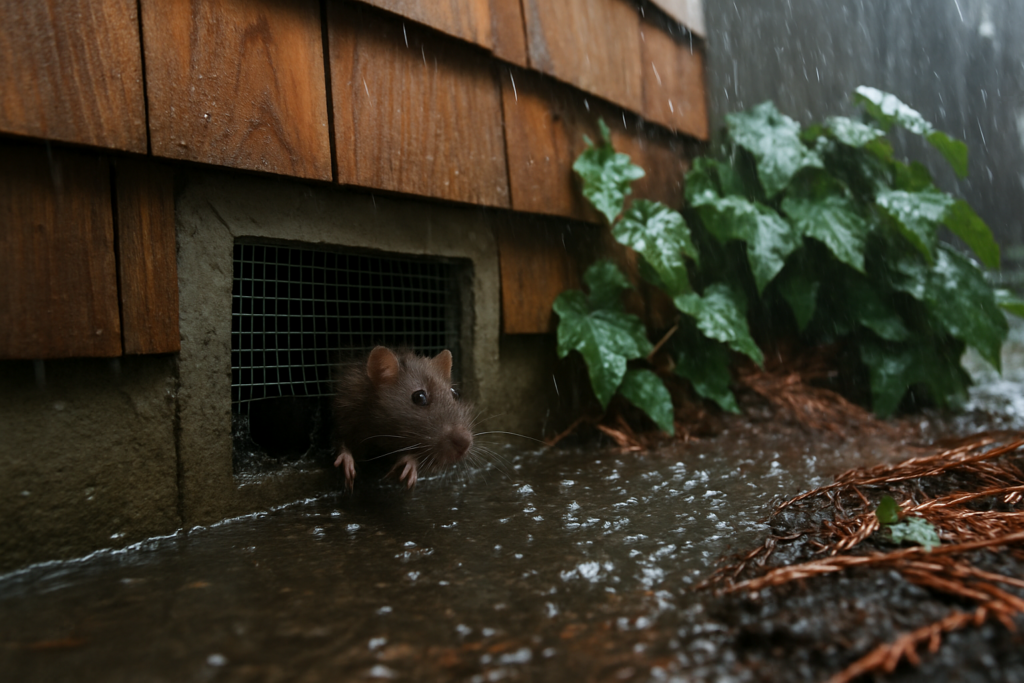
As the holiday season picks up and the coastal air gets cooler, you might notice some uninvited guests trying to move in. When temperatures drop, rodents invade Santa Cruz houses in winter looking for warmth, shelter, and food. Your cozy home, full of holiday treats, looks like the perfect place to hide.
Understanding why mice and rats are drawn to your home is the first step in keeping them out. It’s a simple mix of survival instincts and the perfect opportunity your house provides.
Why Rodent Activity Spikes in Santa Cruz During Winter
When the weather cools down, rodents face a challenge. Their natural food sources, like seeds and insects, become harder to find. That familiar coastal chill also makes a warm nesting spot their top priority.
This is why you might suddenly hear scratching in the walls or find droppings in your pantry. To a mouse or rat, your home is a five-star hotel, especially with the extra food and warmth of the holiday season. They aren't just visiting; they want to move in for the entire season.
The Three Main Reasons for a Winter Invasion
Let's look at your home from a rodent's point of view. It has everything they need to survive and thrive during the colder months. Their decision to invade is driven by three basic needs:
- Warm Shelter: Your attic, crawl space, and walls offer a safe, dry hideout from the damp Santa Cruz winter.
- Easy Food: A pantry, a pet food bowl, or a few crumbs are a feast compared to what’s outside. Holiday baking makes your home even more tempting.
- Nesting Materials: Rodents look for soft materials for their nests. Insulation, shredded paper, or old fabrics are perfect for raising a family.
Dealing with a rodent problem is common. In fact, an estimated 11.6% of U.S. households report issues with rodents each year, which adds up to over 16 million homes. Discover more insights about national rodent trends.
This table breaks down exactly what rodents are thinking as the weather turns.
Top 3 Reasons Rodents Enter Santa Cruz Homes in Winter
| Driving Factor | Why It Matters in Winter | What Rodents Are Looking For |
|---|---|---|
| Cooler, Damp Weather | Santa Cruz winters are mild, but the dampness drives rodents to find dry, insulated spaces. | Warmth and protection from rain. Your attic or walls are ideal spots. |
| Scarce Food Outdoors | Natural food sources like seeds and plants become much harder to find. | A reliable food supply. Your kitchen, pantry, and pet food are a jackpot. |
| Nesting Instincts | Winter is a key time for rodents to find a safe place to breed and raise their young. | Secluded, soft materials like paper, fabric, or insulation to build a hidden nest. |
These three factors create a "perfect storm" that pushes rats and mice from the outdoors right into our homes. Once you understand their simple goals, you can start to make your house a much less attractive target.
Why Santa Cruz Is a Unique Winter Haven for Rodents
To understand why rodents appear in our homes each winter, you have to look at our unique coastal climate. In many parts of the country, a harsh winter with freezing temperatures acts as a natural control for rodent populations.
That’s not how it works here in Santa Cruz County.
Our mild, damp winters don't stop rodents—they welcome them. We rarely get a long, hard freeze needed to reduce their numbers. This means the local rat and mouse populations stay active all year, constantly searching for food and shelter. Santa Cruz’s weather doesn’t get cold enough to suppress them.
Our Landscape Is a Perfect Staging Ground
The things we love about living here also contribute to the problem. Our lush gardens, compost bins, and redwood groves create an ideal outdoor home for rodents. These natural spaces act as perfect staging grounds, keeping the population healthy just a few feet from our doors.
Think of it this way: your property is surrounded by a thriving rodent community. As soon as the temperature dips and the winter rains start, your warm, food-filled home looks like the best option on the block. The region’s unique microclimate makes December and January high-risk periods for infestations.
The combination of a mild climate and abundant natural habitats creates a unique challenge for Santa Cruz homeowners. Rodent prevention isn't just a seasonal chore here; it’s a year-round necessity.
This constant pressure is why so many people from Aptos to Scotts Valley see more rodents indoors during the winter. These pests aren't just fleeing the cold; they're upgrading from a crowded yard to a five-star hotel.
The Holiday Season Adds to the Problem
Timing is also a key factor. When we head into the holiday season, our homes become even more of a magnet for pests. All the extra cooking and baking sends delicious smells outside, and there are more food scraps to be found. Holiday decoration boxes also give rodents perfect hiding spots and nesting material.
This creates a "perfect storm" scenario specific to our area:
- No Deep Freeze: Rodent populations stay high all year.
- Abundant Outdoor Habitats: Our local greenery supports large numbers of rats and mice.
- Increased Indoor Appeal: Holiday activities provide extra food and shelter when they need it most.
When you put these local conditions together, it’s clear why Santa Cruz is a hotspot for winter rodents. Your home offers a convenient and luxurious escape.
Common Entry Points Rodents Use to Get Inside
It’s amazing how creative rodents can be when finding a way into your home. A mouse can squeeze through an opening the size of a dime, while a rat only needs a gap the size of a quarter. They are masters at finding small, overlooked flaws in a home’s exterior.
To protect your home, you have to think like a rodent. Where are the weak spots? Most are in places you rarely look—like where pipes enter the house or where the foundation meets the siding. Residents getting ready for holiday guests often overlook these rodent entry points until it’s too late.
This concept map shows how Santa Cruz’s climate creates constant pressure from active rodent populations, making any small opening in your home a major risk.
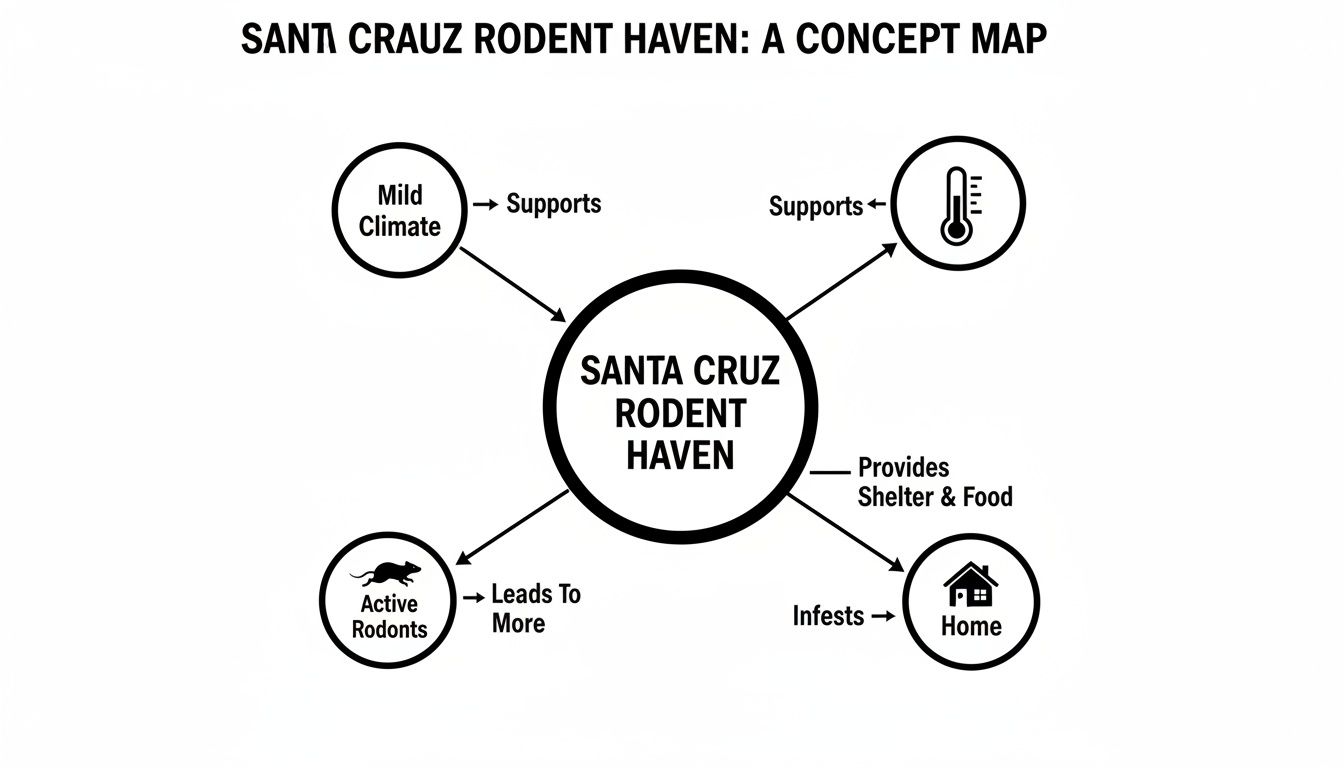
As you can see, our mild weather keeps rodent populations thriving year-round. That means any gap in your home's defenses is a potential doorway for them.
Your Home Inspection Checklist
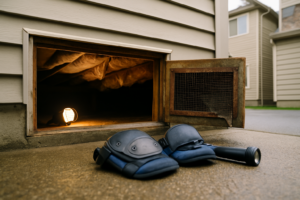
Grab a flashlight and walk around the outside and inside of your property. Pay close attention to the foundation, siding, and roofline. These are the spots where rodents almost always find a way in.
- Utility Lines: Check every spot where pipes for plumbing, gas, and electricity enter your home. The holes are often bigger than the pipe, leaving a perfect gap.
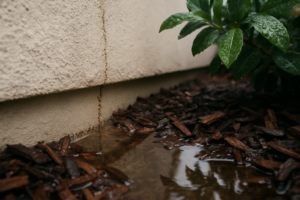
- Foundation Gaps: Look for cracks in the foundation or small holes in the siding. These openings can appear as a house settles over time.
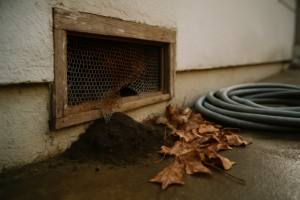
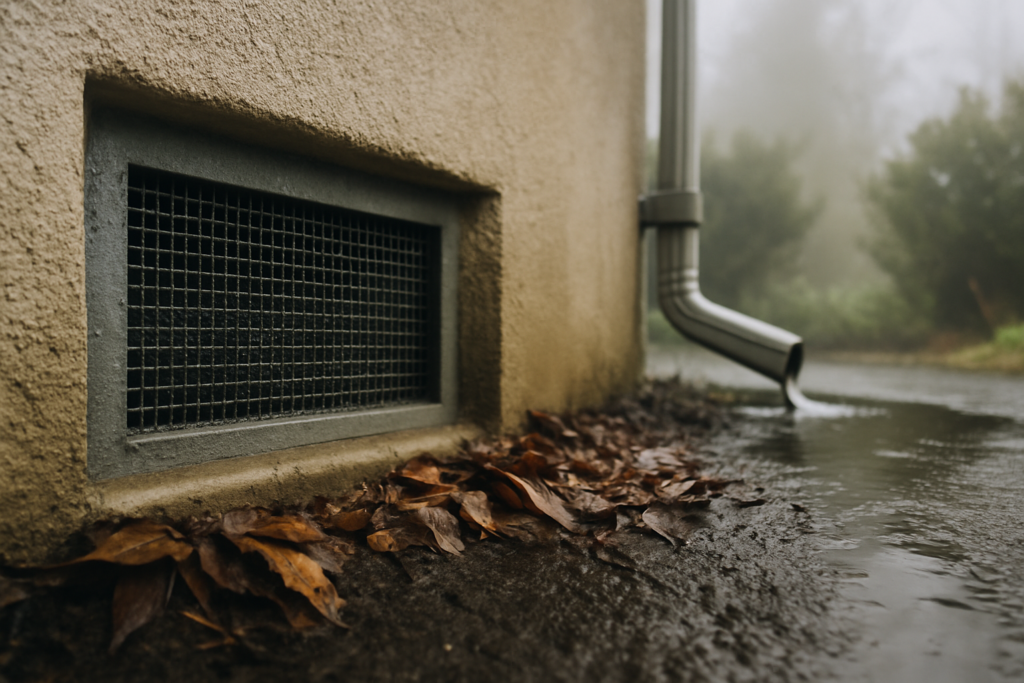
- Unsecured Vents: Make sure your crawl space and attic vents are covered with a sturdy metal screen. A torn screen is like an open door for rats and mice.
- Gaps Under Doors: The space under a garage door is a classic entry point. If the weather seal is worn out, it creates an easy access route.
- Roof and Eaves: Don't forget to look up. Roof rats are great climbers. Check for holes near the eaves or where tree branches touch the house.
Sealing these entry points is the most effective form of non-toxic pest control. By physically blocking their way in, you make your home a fortress without using chemicals.
To properly block these spots, a good guide to caulking large gaps can give you practical steps. Be sure to use materials that rodents can’t chew through, like steel wool, wire mesh, and cement. Once you’ve sealed these weak spots, you’ve taken away their welcome mat.
Signs You Might Have a Winter Rodent Problem
Long before you see a mouse or rat, they leave clues that they've moved in. Rodents are nocturnal and great at hiding, so you’re more likely to find the evidence they leave behind. Learning to spot these signs is key to catching an infestation early, especially when rodents invade Santa Cruz houses in winter.
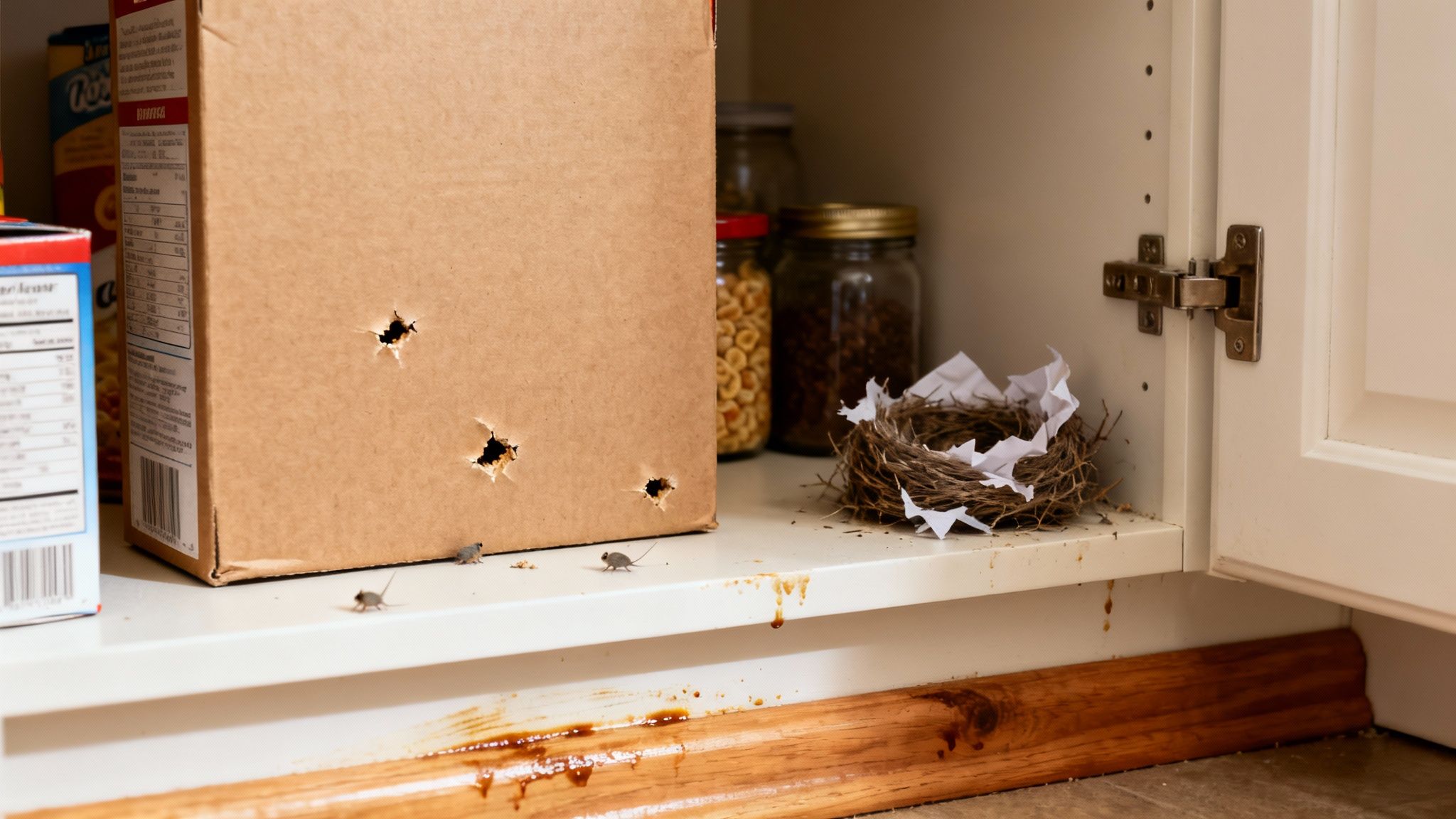
We often assume a quiet house is a pest-free house, but that's rarely true with rodents. By the time you see one, a much larger family is likely already living in your walls or attic. Acting on the first signs stops a small problem from becoming a major one.
What to Look and Listen For
Think of yourself as a detective. It’s simple once you know what to look for. You’ll want to use your other senses, too. The quiet of the late evening is the perfect time to notice their activity.
Here are the most common signs that rodents have moved in for the winter:
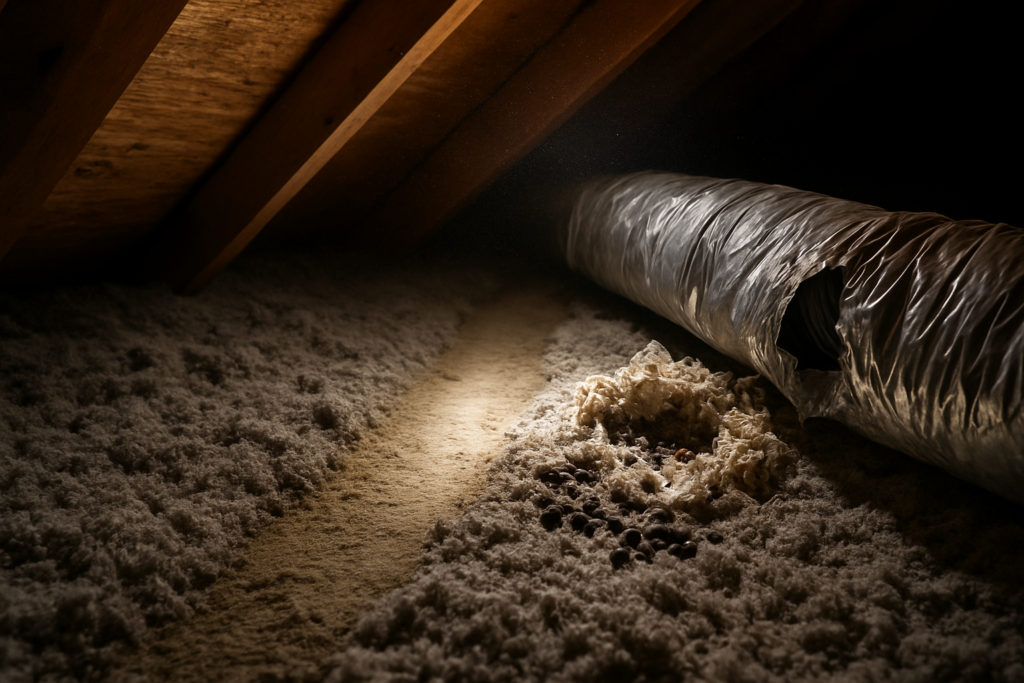
- Droppings: This is the classic sign. Mouse droppings are tiny and look like grains of black rice. Rat droppings are bigger with rounded ends. You’ll find them in pantries, under sinks, or along baseboards.
- Gnaw Marks: A rodent's teeth never stop growing, so they chew constantly. Look for small chew marks on food packaging, furniture, and especially electrical wires—a serious fire hazard.
- Scratching Noises: When the house is quiet at night, listen closely. Faint scratching or scurrying sounds from inside the walls or ceiling are a clear sign of activity.
- Nests: Rodents build nests out of any soft material they can find. Check dark corners in closets, the garage, or the attic for small piles of shredded paper, fabric, or insulation.
- Greasy Rub Marks: Rats and mice use the same routes every day. The dirt and oil from their fur leave dark, greasy smudges along walls and baseboards.
Finding just one of these signs means you are not alone. Rodents reproduce quickly, so a single clue often points to a hidden population that needs to be addressed.
By regularly checking these high-activity spots, you can stay one step ahead of a potential infestation. Catching the problem early is the best way to keep your home clean, safe, and stress-free.
Eco-Friendly Ways to Protect Your Home This Winter
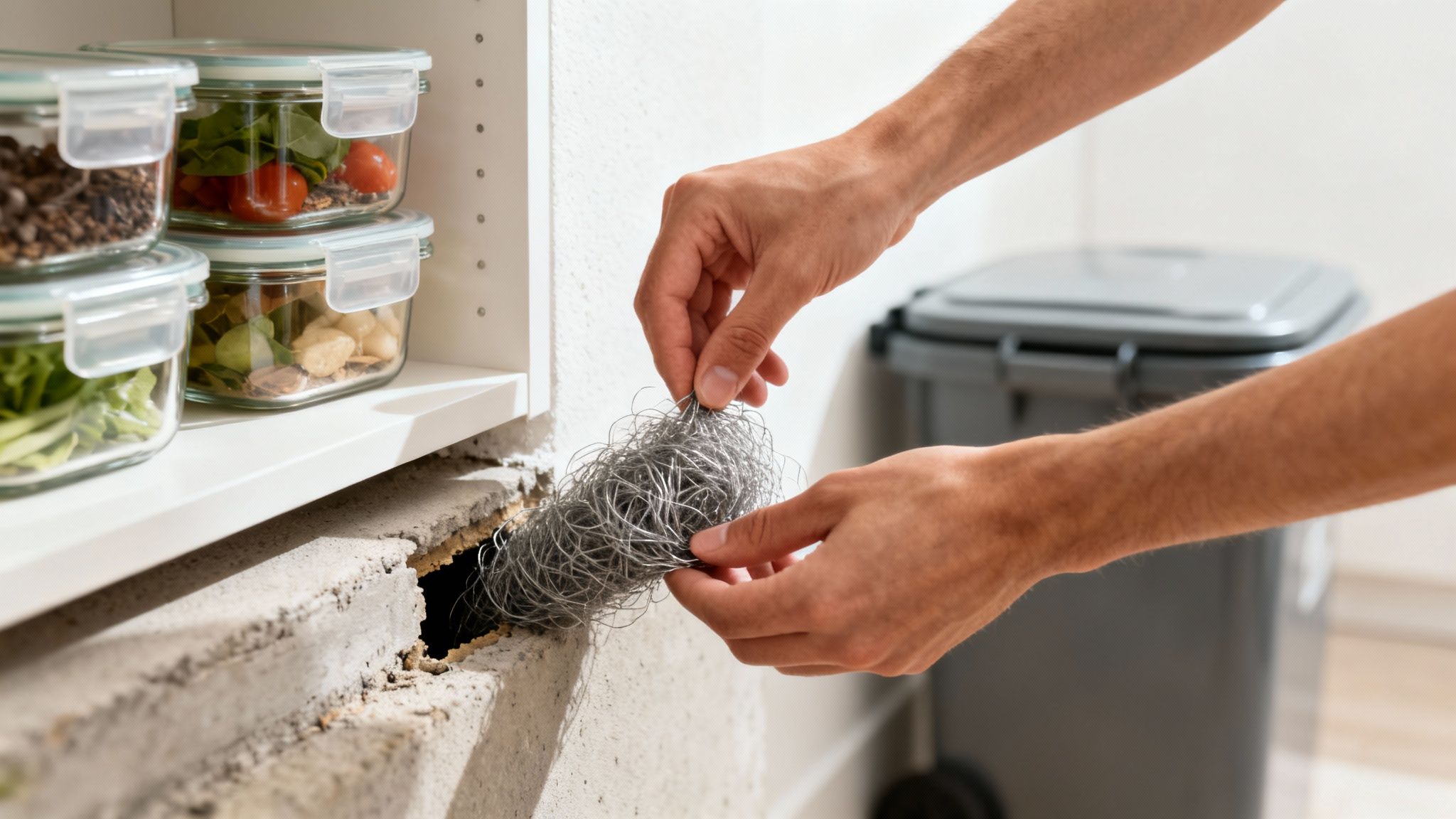
Keeping your home safe from rodents doesn't have to mean using harsh chemicals. The most effective, long-term solutions are eco-friendly and safe for your family and pets. Your best defense is prevention, which comes down to two simple strategies: exclusion and sanitation.
Exclusion is like locking your doors to block rodents from getting in. Sanitation is about removing the temptations that invited them in the first place. By focusing on these two areas, you can make your home as uninviting as possible.
Step One: Exclusion and Sealing Your Home
The first and most important step is to turn your home into a fortress. Rodents will use any tiny opening they can find. A thorough sealing project is the foundation of any family-safe pest control plan.
To block them, you must use materials they can’t chew through. A dab of caulk won't stop a determined rat. Instead, focus on these methods:
- Seal Gaps with Steel Wool: Stuff steel wool into small cracks and holes around pipes. It irritates their teeth, so they can’t chew through it.
- Install Door Sweeps: Place durable rubber sweeps on the bottom of all exterior doors, especially the garage door. This closes a common entry point for mice.
- Repair Damaged Screens: Check every vent screen in your attic and crawl space. Repair any rips with sturdy wire mesh.
Guidance from the Santa Cruz County Mosquito and Vector Control highlights how important these actions are. They recommend sealing all openings larger than 1/4 of an inch to block the main routes rodents use.
Step Two: Sanitation and Removing Attractants
Once you’ve sealed the entry points, the next job is to remove anything inside that might attract rodents. This is all about mindful food storage and cleanliness, especially during the busy holiday season. Homeowners should store food securely and look for signs like droppings before hosting guests.
Your goal is to make your home a "food desert" for pests. If there’s nothing to eat, they have no reason to stay.
A few consistent habits can make all the difference:
- Store Food Securely: Keep pantry items like grains and cereal in airtight containers made of glass, metal, or hard plastic.
- Clean Up Immediately: Wipe up crumbs and spills from counters and floors right away. Don’t leave dirty dishes in the sink overnight.
- Secure Trash: Use trash cans with tight-fitting lids, both inside and outside your home.
- Don't Forget Pet Food: Avoid leaving pet food out overnight. Store unused kibble in a sealed container after your pet eats.
By combining exclusion with smart sanitation, you create a powerful, non-toxic defense. These habits are the best way to ensure your home stays pest-free all winter.
When to Call a Professional for Rodent Control
While sealing entry points is the best first step, some rodent situations are too big for a DIY fix. Knowing when to call an expert is key to protecting your home and family.
If you’ve tried to block their routes but still find fresh droppings or hear noises, it’s time to call for backup. An established infestation can be tricky and even risky to handle on your own.
Clear Signs You Need an Expert
A professional can spot the entry points you might have missed and create a long-term strategy for your property.
Here are signs that your rodent issue needs professional help:
- Persistent Noises: Hearing scratching or scurrying day after day means rodents have built nests inside your home's structure.
- Widespread Evidence: Finding droppings in multiple areas—like the kitchen, attic, and garage—points to a large population.
- Visible Damage: If you find gnawed electrical wiring or shredded insulation, the problem is already serious. This damage can cause fire hazards and expensive repairs.
- You’ve Seen a Rat: Seeing a single rat, especially during the day, is often a sign of a major infestation. It can mean their nests are overcrowded.
At West Pest Co., we specialize in non-toxic, family-safe rodent control. Our methods are perfect for homes full of kids, pets, and guests during the busy holiday months. Our rodent exclusion techniques and eco-conscious monitoring make us a smart choice.
Choosing a professional ensures the problem is handled safely and effectively. An expert not only removes the pests but also helps you create a lasting defense for real peace of mind.
Ultimately, calling a professional saves you time and stress. Scheduling a pre-holiday rodent inspection ensures your home stays clean and safe. Let us handle the pests so you can focus on your visitors, not uninvited ones.
Frequently Asked Questions
We get a lot of questions from Santa Cruz County homeowners about winter rodent problems. Here are answers to the ones we hear most often.
Are the rats in Santa Cruz different from other areas?
Not really, but their behavior is. Santa Cruz County is home to Roof Rats and Norway Rats, the same species found across California. The difference here is our mild coastal climate.
Unlike areas with harsh winters, our rats stay active all year. This means preventing them isn't just a seasonal chore—it's a year-round necessity.
Is it safe to use poison baits inside my home?
We strongly advise against it. Rodent poison is a serious danger to children, pets, and local wildlife like owls.
There's another problem, too. A poisoned rodent often dies inside your walls, leading to a terrible smell that can last for weeks. We stick to non-toxic, family-safe methods like trapping and exclusion.
I only saw one mouse. Do I still have a problem?
Unfortunately, yes. If you’ve seen one mouse, there are almost certainly more hiding nearby. It's just the tip of the iceberg.
Mice reproduce very quickly. One mouse can turn into a major infestation before you know it. It’s always best to act immediately.
How can I prepare my home for holiday guests to keep rodents away?
Think clean and sealed. Before guests arrive, focus on sanitation and exclusion. Store all food in airtight, chew-proof containers. Clear out clutter from storage areas where rodents hide.
Then, walk around your house and look for any obvious gaps. For real peace of mind, a professional pre-holiday inspection ensures your home is secure so you can enjoy your guests.
Planning to host in Santa Cruz County this season? Call West Pest Co. for a quick, eco-friendly rodent checkup. We'll make sure your home is clean and safe so you can focus on your guests. Schedule your free estimate today.