Effective pest control for spiders is more than just knocking down webs. It's about figuring out why they are in your home and using smart prevention. For bigger spider problems, a professional, eco-friendly approach is your safest and most reliable choice.
Why You Are Seeing Spiders in Your Santa Cruz Home
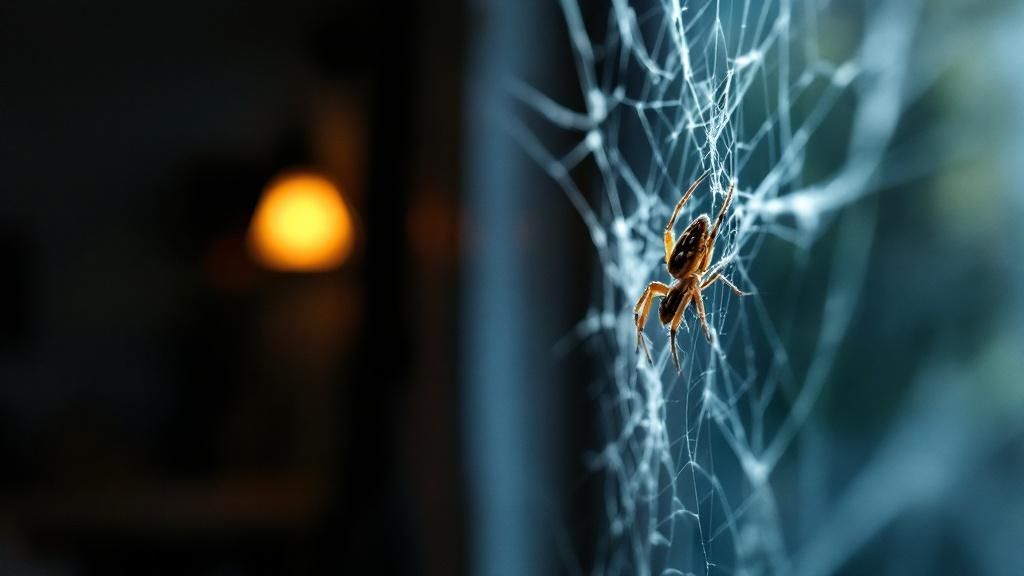
Finding spiders in your house can be unsettling. But it’s a common experience for every homeowner in Santa Cruz County. From Capitola to the hills of Scotts Valley, our beautiful area is also a perfect home for spiders.
Dealing with spiders is one of the top reasons people call us. In fact, the U.S. structural pest control industry is expected to reach $12.65 billion in 2024. That is an increase of nearly 8% from the year before (IBISWorld, 2024). This shows how common spider and other pest problems are for homeowners like you.
Our Local Climate Creates a Spider Haven
Let's face it: Santa Cruz’s mild, coastal climate is an ideal, year-round bug buffet. And insects are a spider's main food source. Where there's plenty of food, you're going to find a healthy spider population.
Our local landscape also plays a big role. The lush gardens and nearby forests give spiders endless places to live outdoors. But when the weather changes, your house suddenly looks like the best place to be.
Spiders often move indoors for the same reasons we do: to find shelter, food, and a comfortable place to live. A spider in your house is usually a sign that your home is a better spot than the outdoors at that moment.
Common Reasons Spiders Move Indoors
Several things can push spiders to leave the garden and head into your living room. Understanding these reasons is the first step toward controlling them.
Here are a few of the biggest reasons you might be seeing more of them:
- Seeking Shelter: Extreme weather is a major cause. Whether it's a cold winter or a summer heatwave, spiders will head indoors looking for a more stable climate.
- Following Their Food: This is a big one. If you have other pests like flies or ants in your home, spiders are sure to follow. They're just chasing their next meal.
- Mating Season: In the fall, many spiders get more active as they search for mates. This often leads them to wander right into our homes and garages.
At West Pest Co., we understand the unique pest pressures our community faces. Our approach to pest control for spiders in Santa Cruz is built to tackle these local factors. We offer solutions that work without harming the environment.
Identifying Common Spiders in Santa Cruz County
Knowing what kind of spider is in your corner is the first step toward peace of mind. While most spiders you see are harmless, a few in Santa Cruz County need more caution. This guide will help you spot the common types you might run into.
You can learn to spot different spiders by their webs, body shapes, and where they like to hang out. For instance, a messy, tangled web in a dark corner of your garage is a classic sign of a Black Widow. Knowing this helps you react with confidence instead of fear.
The Most Common Spiders You Will See
While our area has many spider species, you are most likely to see just a few. Let’s look at three of the most common ones found in homes from Aptos to Scotts Valley. Understanding their habits is key to effective pest control for spiders.
-
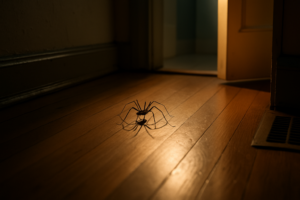
The Common House Spider: This is your everyday spider, usually brown or gray with spotty markings. They build their classic tangled webs in window corners, basements, or cluttered areas. They are harmless and actually help you by catching other small pests.
-
The Black Widow: Famous for its strong venom, the Black Widow is one to watch out for. You can identify the female by her shiny, black body and the red hourglass shape on her belly. They prefer dark, dry places like woodpiles and cluttered garages.
-
The Yellow Sac Spider: Often found indoors, these small, pale yellow spiders don't build webs to catch prey. Instead, they create small silk sacs in corners where walls meet the ceiling. They hunt at night and are responsible for many indoor spider bites, which can be painful but are not dangerous.
To make it even easier, here's a quick guide to the spiders you're most likely to find.
Quick Guide to Common Santa Cruz Spiders
| Spider Name | Key Features | Web Type | Common Locations | Venomous Concern |
|---|---|---|---|---|
| Black Widow | Shiny black body, red hourglass on belly (females) | Messy, irregular, strong silk | Woodpiles, garages, dark corners | High – Medically Significant |
| Yellow Sac Spider | Pale yellow to beige, no clear markings | Small silk sacs for shelter, not catching prey | Wall/ceiling corners, behind pictures | Low – Bite is painful but not dangerous |
| Common House Spider | Brown or gray with spotty patterns, round belly | Tangled, messy "cobwebs" | Window corners, basements, closets | None – Harmless to humans |
| Wolf Spider | Large, hairy, brown/gray. Moves fast. | No web for catching prey; they hunt on the ground | Gardens, basements, garages | Low – Bites are rare and not dangerous |
| Cellar Spider (Daddy Long-Legs) | Very long, thin legs with a small body | Irregular, tangled webs | Basements, cellars, damp areas | None – Harmless to humans |
This table shows that the most common spiders you'll see are typically the least threatening.
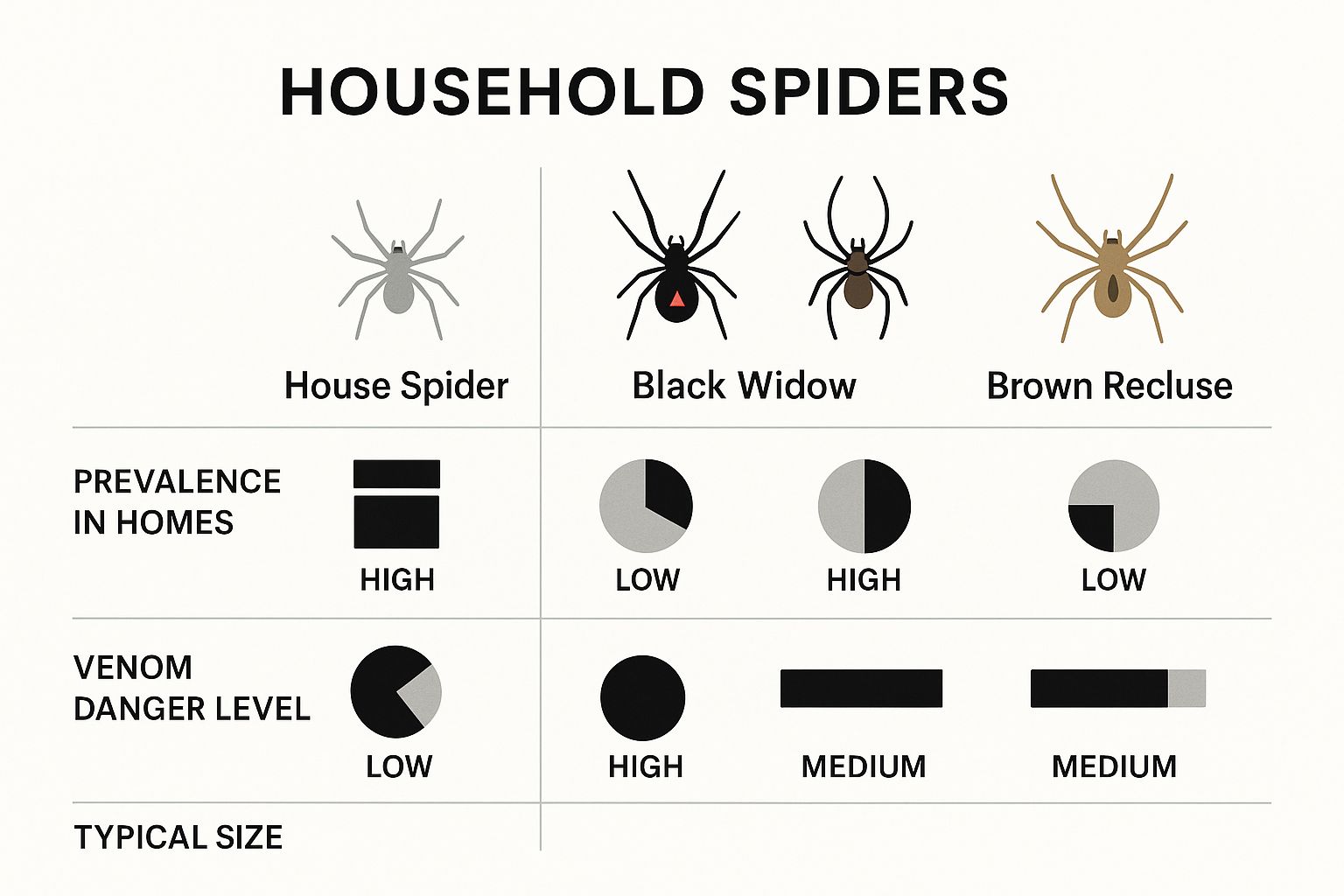
As you can see, House Spiders are very common, but their venom poses a very low risk. The more dangerous Black Widow is less often found inside our homes.
Should You Be Worried?
It’s normal to feel uneasy when you spot a spider in your home. But it's important to remember that most spiders are actually helpful. They are nature's pest controllers, eating many other insects that are a real pain.
The presence of a few spiders is often a sign of a healthy environment around your property. The goal of spider control isn't to get rid of every single one. It is to manage them and keep them out of your living spaces—especially the harmful ones.
If you find a Black Widow, it's wise to be cautious. They are not aggressive and will only bite to defend themselves. But their venom is a serious health concern. This is when calling a professional is always the safest choice.
For other common spiders, their presence is more of an annoyance than a threat. Seeing them often might even be a clue that you have another pest problem that is feeding them. Learning how to prevent spiders from getting inside is an excellent long-term plan.
Practical Prevention Tips to Keep Spiders Away
Honestly, the best pest control for spiders is making your home a place they just don’t want to be. Think of your property like a castle. If you secure the outside and get rid of their food, spiders have no reason to stay.
This is the key to smart, long-term pest management. These steps not only keep spiders out but also make your home less attractive to the other insects they eat. It's a win-win that reduces your need for chemical treatments.
Seal Up All Entry Points
Spiders are masters at squeezing through tiny cracks and gaps. The first and most important step is to walk around your home's exterior and block off their favorite entryways.
Start by checking these common spots:
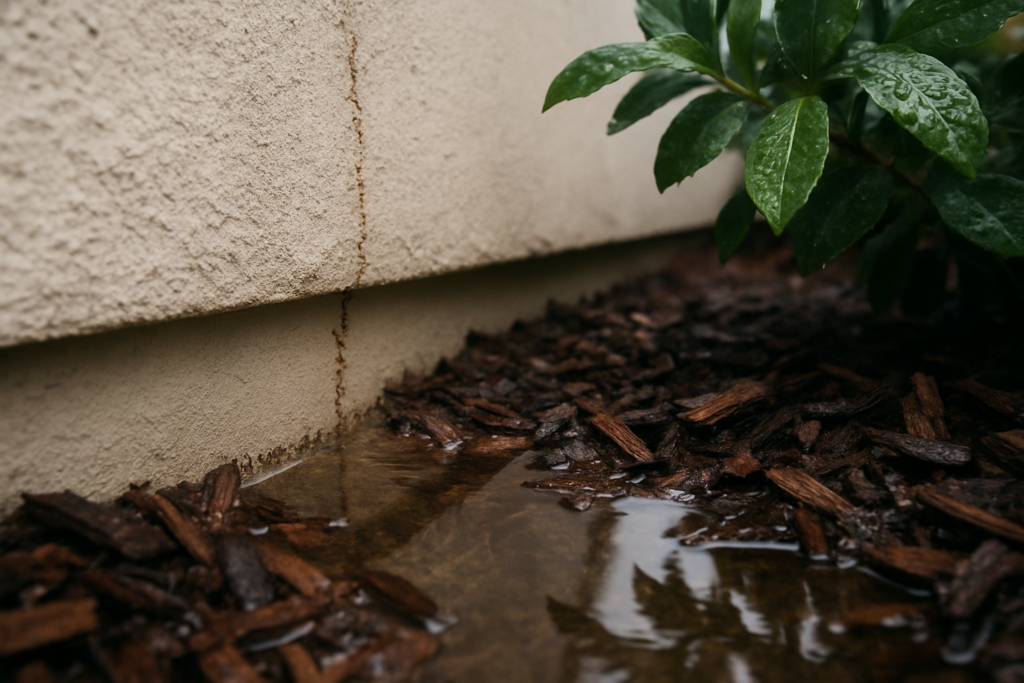
- Foundation and Walls: Look for any cracks, especially where pipes enter the house. A little bit of caulk can fix this easily.
- Windows and Doors: Make sure your window screens are in good shape, with no rips. Adding weather stripping around doors creates a tight seal.
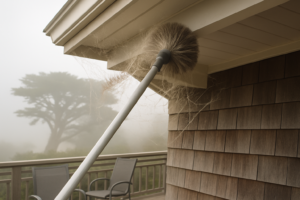
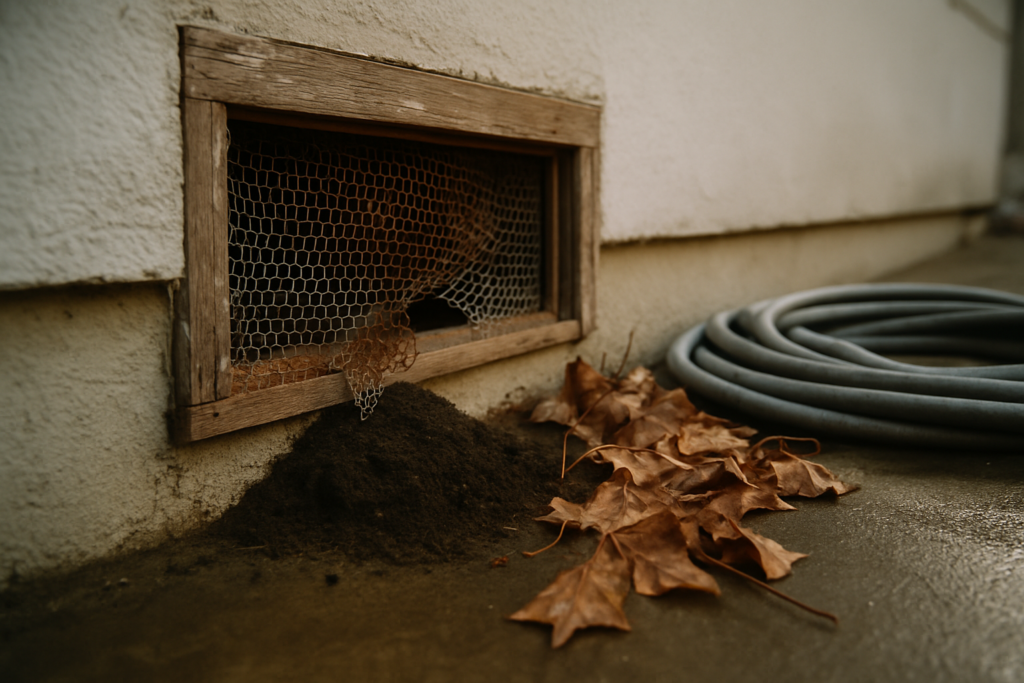
- Vents and Chimneys: Cover any open vents or chimneys with a fine mesh screen. This blocks access without messing up airflow.
By making it harder for spiders to get inside, you've already won half the battle.
Manage Your Outdoor Lighting
Your outdoor lights are like a giant "EAT HERE" sign for moths and other insects. And for a spider, that’s a free buffet right next to your door. If you control the insects, you control the spiders that hunt them.
Consider swapping your outdoor bulbs for yellow lights, as they're less attractive to most flying bugs. This encourages spiders to build their webs somewhere else.
A spider builds its web where it has the best chance of catching a meal. By reducing the insect population around your home's entryways, you are telling spiders to find a new hunting ground.
Create a Clean Zone Around Your Home
The area right around your house can either be a bridge for pests or a buffer that keeps them out. Keeping a clean perimeter is a key part of spider prevention.
Here are a few things you can do right away:
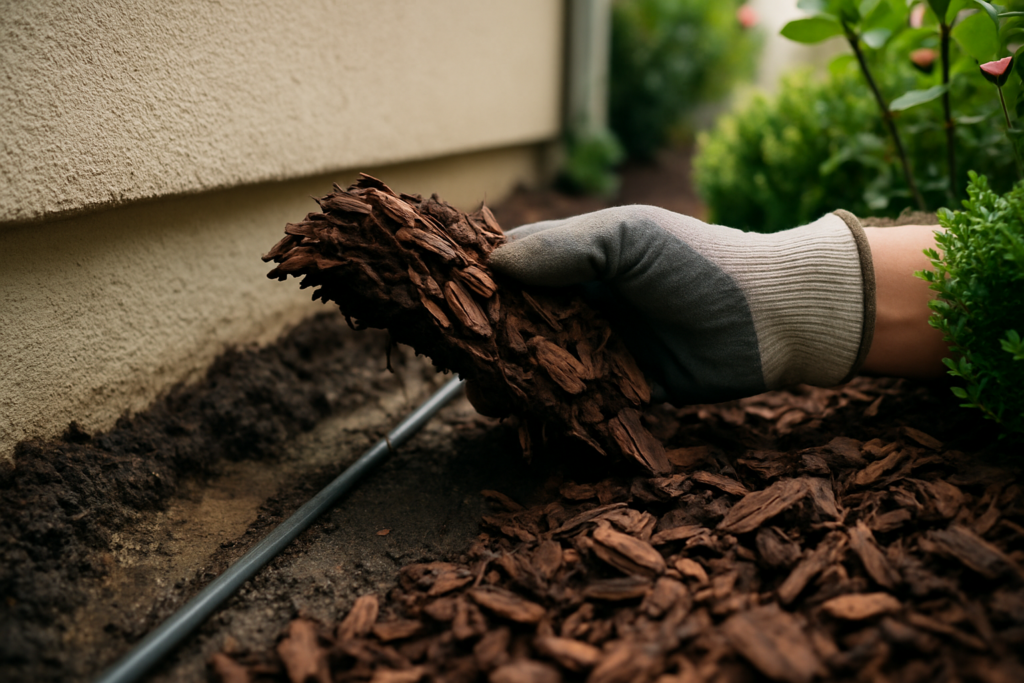
- Clear Debris: Move woodpiles and leaf piles away from your foundation. These are perfect hiding spots for Black Widows.
- Trim Vegetation: Keep shrubs and trees trimmed back so they aren't touching your siding or roof. Spiders use these as ladders to climb onto your house.
- Regular Maintenance: Make a habit of sweeping away webs from porches and window frames. This discourages spiders from rebuilding in the same spot.
For more room-specific advice, check out our guide on how to keep spiders out of your room.
This isn't about creating a sterile yard—it's about smart maintenance. For property owners managing rentals, a pest-free space is a huge part of safety. Our prevention tips are a great start, and you can find more resources like these host tips on how to keep your Airbnb rental safe to ensure a secure property.
When DIY Spider Control Is Not Enough
While prevention is a great first defense, some situations are too big for DIY methods. Knowing when to call for professional help is about making the smartest, safest choice for your home and family.
The real goal of pest control for spiders isn't just getting rid of the spiders you can see. It's about figuring out the root cause and making sure they don't come back in a few weeks.
There are a few clear signs that a spider problem has gone beyond a simple clean-up job. A sudden increase in spiders, for instance, often points to a larger issue, like a new insect infestation that's feeding them.
Also, if you are stuck in a cycle of infestations that return every season, that’s a big red flag. It means the entry points or whatever is attracting them have not been properly handled.
Key Signs You Need Professional Help
Knowing when it's time to call an expert can save you time and stress. Store-bought sprays might offer a temporary fix, but they rarely solve the bigger problem.
Here are a few times when calling an expert is the right move:
- You've Found a Potentially Dangerous Spider: If you think you’ve spotted a Black Widow, the risk isn't worth it. Professionals are trained to safely handle and remove dangerous pests without putting you in harm's way.
- The Infestation Is Widespread: Seeing a spider here or there is one thing. Finding them in multiple rooms or seeing new webs every day suggests a bigger problem that DIY methods won't fix.
- You Have a Persistent Problem: You've sealed every crack and cleaned everything, but spiders are still taking over. It's time for a professional to take a look. We can spot hidden entry points you might have missed.
A professional pest control technician does more than just spray. We're like detectives, finding clues to figure out why the spiders are there and what it will take to keep them out for good.
The Value of a Professional Pest Control Plan
Choosing professional help means you're getting a custom, long-term solution. At West Pest Co., our approach is the opposite of a one-size-fits-all treatment.
We start with a full inspection to identify the spider species and the unique conditions on your property that invite them in.
This allows us to build a targeted plan that's both effective and safe for your household. We focus on integrated pest management techniques, which means we try non-chemical solutions first.
When a product is needed, we use eco-friendly options. They are carefully applied to reduce risk to your loved ones and the Santa Cruz environment. You can learn more about our methods in our guide to spider control and extermination in Santa Cruz County.
Our Eco-Friendly Approach to Spider Control
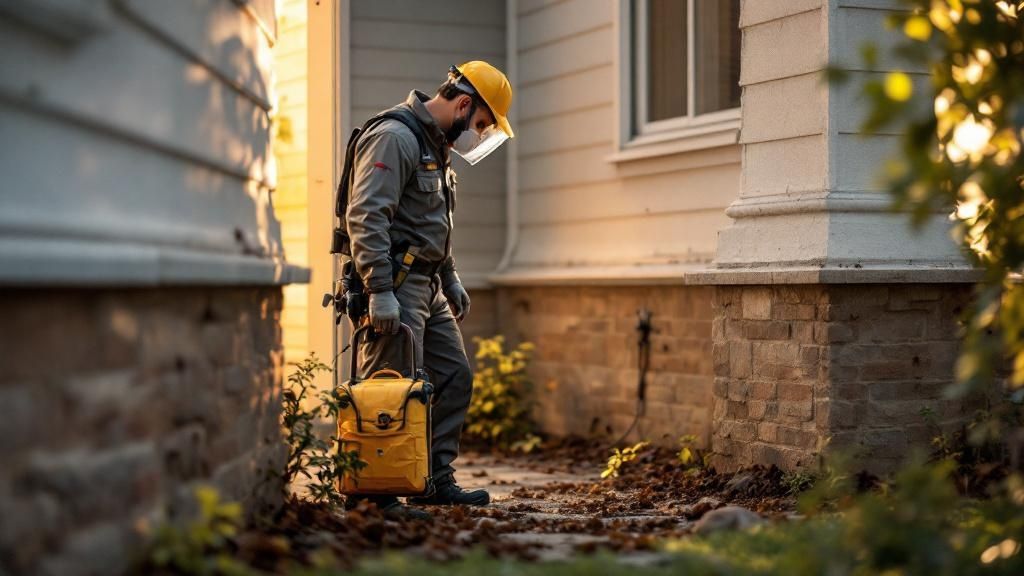
At West Pest Co., we believe effective pest control for spiders shouldn’t harm your family's health or our beautiful Santa Cruz environment. Our work is built on responsible practices that deliver long-term results. We don't do one-size-fits-all sprays. Instead, we create a thoughtful, custom plan for every home.
This focus on greener solutions is part of a bigger change in our industry. Homeowners are looking for safer options. In fact, the global market for natural pest control is projected to grow over 70% between 2025 and 2035 (Future Market Insights, 2024). You can explore the full market report to learn more about this trend.
Step 1: A Thorough and Detailed Inspection
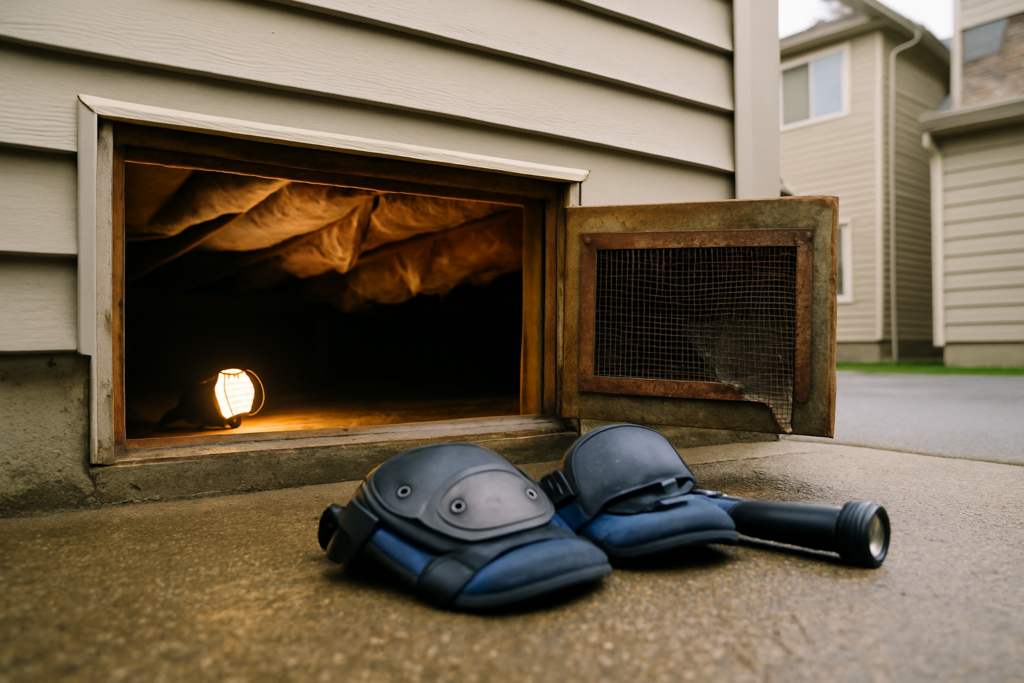
Our process always starts with a full inspection of your property. This is more than a quick walk-around. Our technicians are trained to think like pests, hunting down the conditions that invited them in.
We look for key factors, including:
- Specific Spider Species: We identify exactly what’s there.
- Entry Points: We find the tiny cracks and gaps spiders use to get inside.
- Food Sources: We check for other insects. An abundance of flies or ants is often the real reason you have a spider problem.
- Environmental Conditions: We check moisture levels, clutter, and outdoor landscaping that might be creating a spider habitat.
This detailed review lets us build a precise plan that gets to the root cause of the issue.
Step 2: A Customized and Integrated Treatment Plan
Once we have the full picture, we design a custom Integrated Pest Management (IPM) plan for your home. IPM is a smart approach that uses a combination of methods to manage pests with the least possible impact.
Our plan is layered, always starting with the simplest, non-chemical solutions first. This might mean physically removing webs or giving you specific tips for changing their habitat.
Our goal is to solve your spider problem with the least invasive methods possible. We see chemical products as a last resort, not a first response.
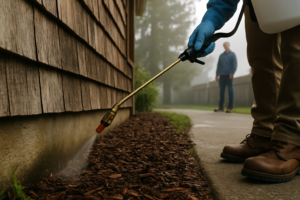
When a product is necessary, we are very selective. We use targeted, low-impact applications precisely where they’re needed, like treating a nest directly. This is far more effective than broad spraying.
Step 3: Transparency and Partnership with You
We believe in keeping you informed. After our inspection, we’ll walk you through what we found and explain our plan in clear, easy-to-understand language.
Our partnership also means giving you the knowledge to help prevent future problems. We’ll offer practical tips on yard maintenance and reducing indoor clutter. This transparent approach is at the core of our eco-friendly pest control treatments in Santa Cruz County.
Choosing West Pest Co. means choosing a partner dedicated to protecting your home and our local environment.
Frequently Asked Questions About Spider Control
It's normal to still have questions. Homeowners across Santa Cruz County often ask us about safety and effectiveness. We've gathered the most common questions and answered them in a clear way to help you feel confident.
Are all spiders in Santa Cruz dangerous?
No, the vast majority of spiders you'll find in your Santa Cruz home are completely harmless. Many common house spiders are actually helpful. They eat annoying insects like flies and gnats.
However, our area is home to the Black Widow, and its bite is medically significant. So, caution is important. Letting a professional identify a spider is always the safest choice if you're unsure.
How often do I need spider control services?
There is no single answer because every property is different. How often you need service depends on your home's location and how bad the current infestation is. A house in a wooded part of Aptos will likely need more attention than a newer home in a neighborhood.
For a minor issue, a single treatment might be all you need. But for homes with constant pest pressure, a recurring service plan is often the most effective solution.
Recurring services act like a shield for your home. They don't just solve the current problem; they create a protective barrier that stops new infestations before they can even start.
These plans—often quarterly—allow us to maintain that protective barrier and stay ahead of seasonal pest trends.
Is your pest control for spiders safe for my pets and children?
Absolutely. The safety of your family, including your furry members, is our top priority. This is at the very core of how we operate at West Pest Co.
We achieve this high standard by following Integrated Pest Management (IPM) principles. This means we always start with non-chemical solutions first, like sealing entry points.
When a product is necessary, we are very selective. We use targeted, low-impact products and apply them with precision, only where needed. We always keep you informed so everyone feels safe.
Why am I seeing more spiders in the fall?
If you notice more spiders as the weather cools down, you're not imagining it. Fall is prime time for spiders in Santa Cruz County for two main reasons.
First, late summer and early fall are the peak mating season for many local spiders. As males leave their webs to find a partner, they become much more active and visible. They often wander into our homes during this search.
Second, as temperatures drop, spiders look for warm spots to spend the winter. Your cozy home looks like a five-star hotel to them.
Can I get rid of spiders myself?
For a small spider issue, you can often handle it yourself with consistent cleaning. Regularly vacuuming corners and sealing cracks can make a huge difference.
However, DIY methods have limits. Professional pest control for spiders is the safest option in a few key situations:
- When you find a potentially dangerous spider, like a Black Widow.
- When you're dealing with a large infestation that keeps coming back.
- When you notice a sudden increase in spiders, which could point to another pest problem.
In these cases, a professional can solve the immediate threat and fix the root cause for good.
Feeling confident and ready to take the next step? The team at West Pest Co. is here to provide the safe, effective, and eco-friendly spider control solutions your Santa Cruz home deserves. Contact us today for a free estimate and enjoy the peace of mind that comes with a protected home.
Learn more at https://westpestco.com.