It’s a moment every homeowner dreads: finding pests inside. Whether you live in Aptos, Capitola, or Scotts Valley, the feeling is the same. So, when is it time to stop using store-bought sprays and call in the pros?
The short answer is to call for help the moment you feel overwhelmed. If you see the same pests over and over, notice damage to your home, or find signs like droppings, your DIY efforts probably aren’t enough. Waiting usually lets a small problem turn into a much bigger, more expensive headache.
Knowing When to Call for Help
Deciding between a hardware store trap and a professional can be tricky. Here in Santa Cruz County, our coastal climate means pests like rodents and ants are a constant threat. A single spider isn’t a big deal, but a steady trail of ants marching to your pantry? That’s a different story.
Those are signs of a bigger issue that surface-level treatments just can’t fix. The goal is to get ahead of the problem before it gets out of hand. Recognizing the early warning signs is key to protecting your home. This is where a professional can make all the difference—we don’t just treat what you see; we find the root cause of the problem.
This chart breaks down the key signs that mean it’s time to call an expert.
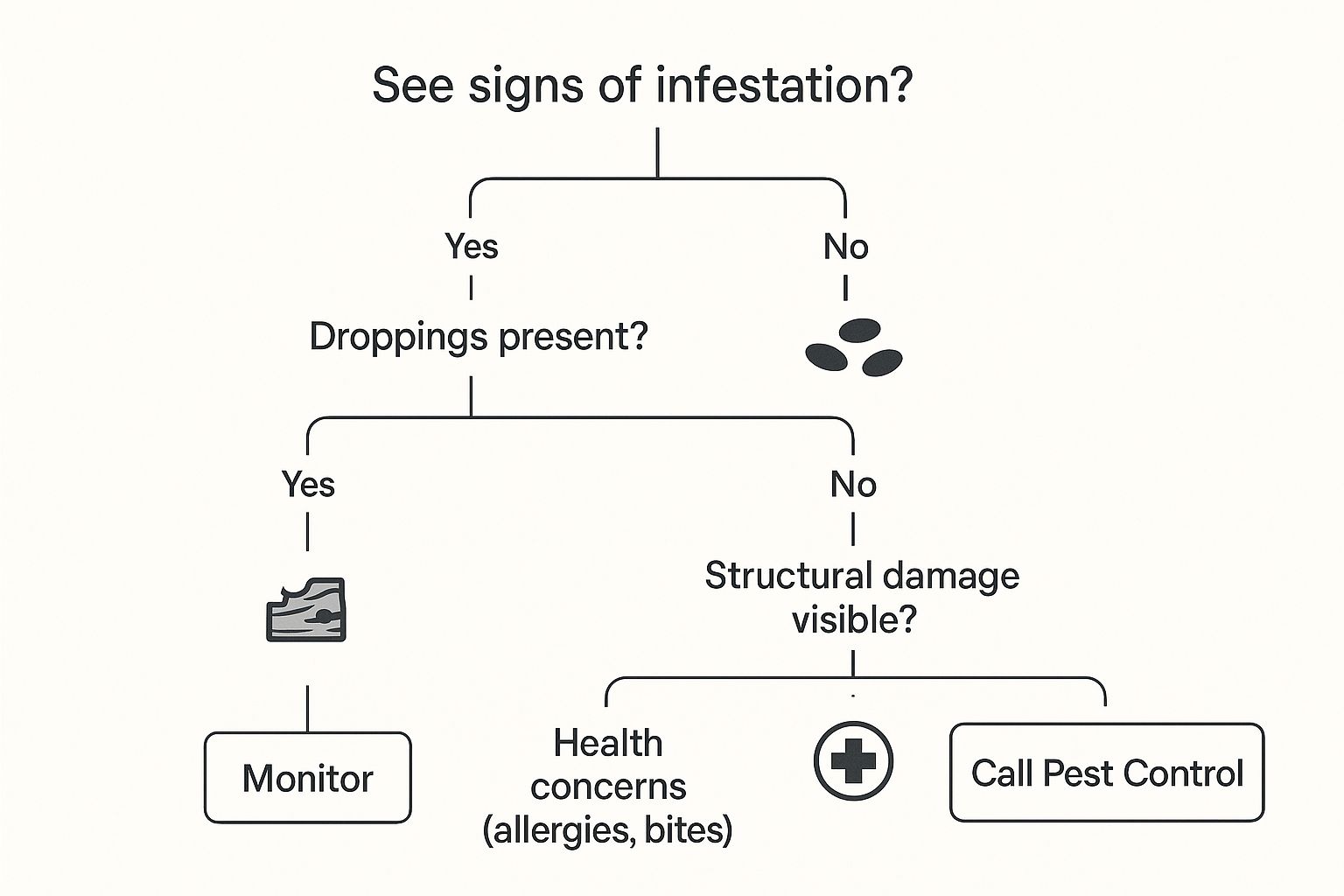
As you can see, recurring pests, visible damage, or health worries are clear signals that you need a professional on your side.
Quick Guide: DIY vs. Professional Help
Use this table to quickly check common pest signs and decide if a DIY approach is enough or if it’s time to call a professional for a guaranteed solution.
| Warning Sign | When a DIY Approach Might Work | When to Call a Professional (Recommended Action) |
|---|---|---|
| A few ants on the counter | You just had a spill. Clean it up and see if they return. | A constant trail of ants appears daily, no matter how much you clean. |
| One or two spiders | A common sight. You can safely remove them. | You’re finding multiple spiders every day or spot a Black Widow. |
| Scratching noises at night | Could be anything. Monitor it for a day or two. | The noises are consistent, loud, or you also find droppings or chewed wires. |
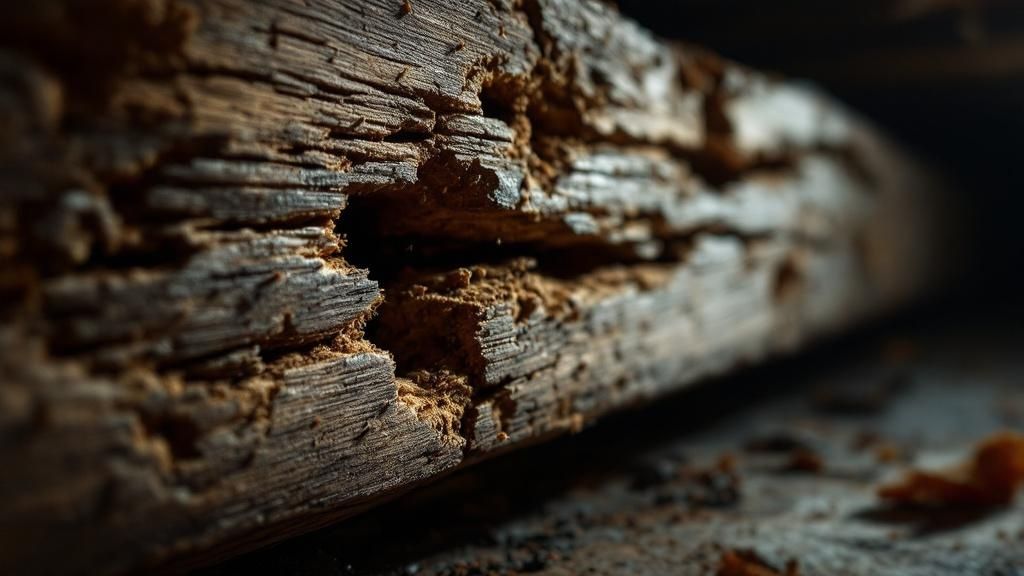
| Visible property damage | N/A – any damage is a serious sign. | You find gnawed wood, frayed wires, or holes in walls or furniture. |
| Pest droppings | N/A – droppings mean pests are actively hiding nearby. | You find droppings in the pantry, under sinks, or in the attic. |
If a problem feels too big to handle or keeps coming back, a professional solution is the most effective and stress-free path forward.
Why Professional Pest Control Matters
Let’s be honest, dealing with pests is a major concern for homeowners. In fact, the global pest control market is projected to reach $32 billion by 2026, growing steadily each year (MarketsandMarkets, 2021). This shows that more people are recognizing the serious health and safety risks that come with infestations.
A professional service offers more than a DIY approach ever could:
- Accurate Identification: We pinpoint the exact pest to create a plan that works. You can’t solve a problem if you don’t know what you’re fighting.
- Targeted, Eco-Friendly Solutions: Professionals use specific methods that get to the source of the infestation, not just the few you see.
- Long-Term Prevention: We don’t just fix the current problem. We help you understand why it happened and take steps to prevent it from happening again.
If you think there’s an issue but aren’t sure how bad it is, a professional pest inspection provides clear answers. Think of it as a smart step toward keeping your Santa Cruz home safe and pest-free.
Five Clear Signs It’s Time for a Professional Pest Inspection
Sometimes the clues a pest problem leaves behind are small. Other times, they’re impossible to miss. Knowing what to look for helps you decide when to call in the pros before a minor issue becomes a major infestation.
Here are five signs that it’s time to schedule a professional inspection for your Santa Cruz County home.

1. Pest Droppings and Urine Trails
Finding pest droppings is one of the clearest signs you have unwelcome guests. You’ll usually find them in quiet spots like the back of a pantry, under the kitchen sink, or along baseboards.
For example, rodent droppings look like small, dark pellets. Seeing them is a sure sign that rats or mice are active in your home, likely looking for food while you sleep. This is a clear signal that you need professional attention.
2. Unexplained Property Damage
Pests almost always leave a trail of destruction. This damage can be your first real alert that something is wrong.
Keep an eye out for these signs of damage:
- Gnaw Marks: Rodents chew constantly. You might find their marks on wood trim, furniture, or dangerously, on electrical wiring. Frayed wires are a major fire risk.
- Holes in Fabric: Moths or carpet beetles can create mysterious holes in clothing, rugs, and furniture.
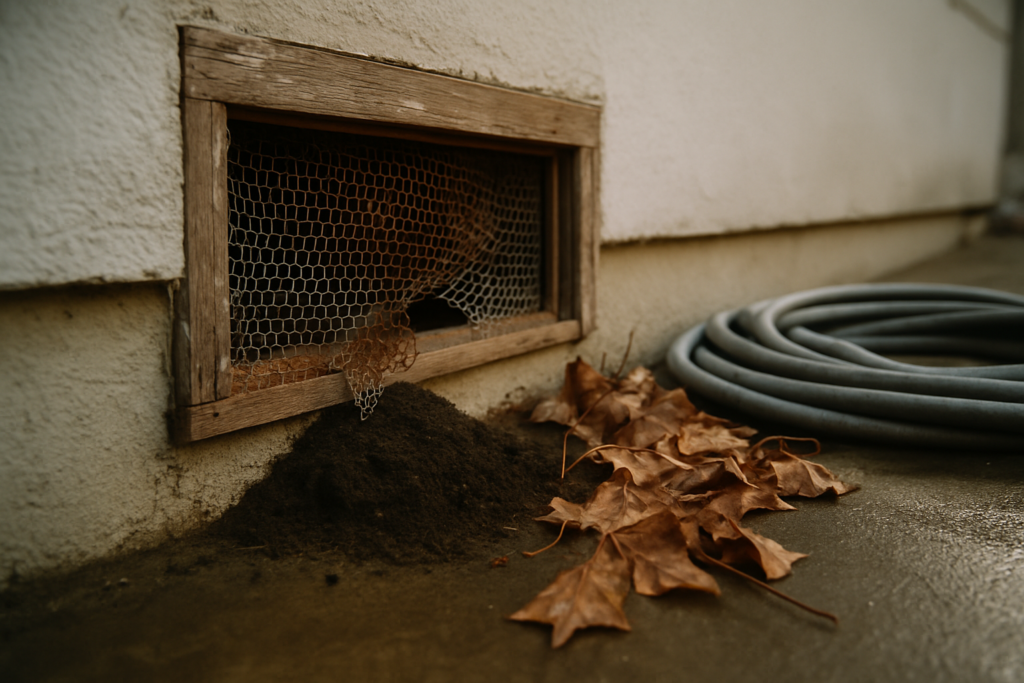
- Damaged Plants: Gophers and moles are common in Santa Cruz County and can wreck a garden from below, leaving mounds of dirt and dead plants.
Finding damage like this means pests have moved in and are making themselves at home.
3. Strange Noises or Smells
Often, you will hear or smell a pest problem before you see it. Unexplained sounds and odors are frequently the first clues that something is wrong, especially with creatures like rodents.
Listen and smell for these hints:
- Scratching or Scurrying Noises: Hearing these sounds from inside your walls or ceilings is a classic sign of rodents.
- A Musty or Oily Odor: Many pests, including rodents, leave behind a distinct, unpleasant smell. If the odor gets stronger, it often means a growing infestation.
4. Seeing Pests Regularly
Seeing one ant or a single spider isn’t usually a cause for alarm. However, seeing them repeatedly is a huge red flag that tells you when to call pest control.
If you start seeing pests during the day, it can mean you have a much larger population than you think. Pests like rodents are nocturnal, so a daytime sighting suggests that overcrowding has forced them out to find food. A consistent trail of ants across your kitchen counter means a massive colony is nearby.
A professional can figure out the true scope of the problem. A thorough inspection will uncover entry points, nest locations, and the infestation’s real size. You can learn more about what’s included in a home pest inspection in Santa Cruz to get a better idea of the process.
5. Finding Nests
Discovering a nest is the most direct evidence of an active infestation. Pests build their homes in sheltered, out-of-the-way places where they can live without being disturbed.
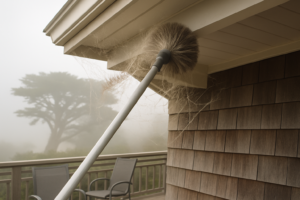
Common nesting spots include attics, crawl spaces, and inside dense garden bushes. Finding a wasp nest under your eaves or a rodent nest made of shredded paper in your garage is an immediate sign to call for professional help.
Common Pests in Santa Cruz County
To protect your home, you need to know your enemy. Here in Santa Cruz County, our beautiful coastal environment attracts specific pests that are perfectly adapted to live here. Learning to spot these local intruders is the first step in knowing when it’s time to call in the pros.
Think of this as your guide to the most common pests you’re likely to find, from the redwoods of Aptos to the gardens in Scotts Valley.
Rodents: Rats and Mice
Rodents are more than just a nuisance—they bring serious health risks and can chew through your property. Rats and mice are resourceful and can squeeze through tiny cracks you’d probably never notice.
The key is to catch them early. Look for small, dark droppings in your pantry or under the sink. You might also find gnaw marks on food boxes or furniture. One of the classic signs is scratching sounds coming from inside the walls at night. If you spot any of this, that’s absolutely when to call pest control.
Rodents aren’t just destructive; they can carry diseases. According to the Centers for Disease Control and Prevention (CDC), rodents can spread over 35 diseases to humans worldwide (CDC, 2017). This fact alone makes fast, professional control essential for protecting your family.
We have solutions to get them out and keep them out. You can learn more about our professional rodent control services.
Argentine Ants
If you live in Santa Cruz County, you’ve probably seen Argentine ants. These tiny invaders form massive “super-colonies” that can stretch across entire neighborhoods. Their colonies have multiple queens, which is why most DIY treatments don’t work.
That single line of ants in your kitchen is a signal that a large, organized colony has found a food source in your home. Store-bought baits rarely solve the problem, and the ants just come right back.
When you see those persistent ant trails, it’s time for professional ant control.
Spiders
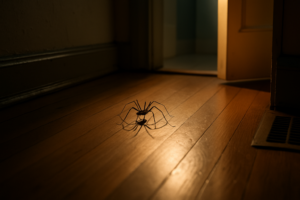
While most local spiders are harmless, a few can pose a health risk. The black widow loves hiding in dark, quiet spots like woodpiles, sheds, and cluttered garages. If you start seeing a lot more spiderwebs, it usually signals a growing population.
Often, more spiders mean there are more other insects for them to eat, pointing to a bigger pest problem. If you’re constantly clearing away webs or you spot a spider you think might be venomous, a professional inspection is your safest bet. West Pest Co. offers effective spider control to keep your home safe.
Gophers
For anyone who loves their garden in Scotts Valley or Soquel, gophers are a major problem. These burrowing pests can wreck a lawn or vegetable patch in just a few days.
You can spot their work by the crescent-shaped mounds of dirt they leave behind. Gophers create complex tunnel systems that tear up plant roots and make the ground unstable. The moment you see these mounds pop up is the moment to call for professional gopher control before the damage gets worse.
How Santa Cruz Seasons Affect Pests
Pest activity is driven by the seasons. Here in Santa Cruz County, our coastal climate creates a year-round cycle for pests. Understanding these patterns helps you know when you might need to call for help.
This seasonal rhythm means the pests bothering you will change throughout the year.
Spring Awakening
Once the weather warms up, so do the pests. Rising temperatures tell them it’s time to find food and reproduce.
This is the time of year you’ll see more:
- Ants: Argentine ants expand their territories, sending scouts into your kitchen.
- Gophers: As the soil warms up, it becomes prime digging territory. You’ll see their mounds popping up in gardens and lawns.
Summer Intruders
Summer in Santa Cruz brings warmer, drier conditions. This drives many pests indoors searching for water and cooler temperatures.
During these months, keep an eye out for spiders building more webs. Wasps and yellow jackets also become more active as their colonies grow, which can make a backyard barbecue a challenge.
Fall Migration
When the air gets crisp, many pests start looking for a warm place to spend the winter. Unfortunately, your home is at the top of their list.
Fall is primetime for rodents like rats and mice to move indoors. They can squeeze through tiny openings to find shelter in your attic, crawlspace, or walls. This is a critical time for prevention.
This is when you might start hearing those scratching sounds at night. Taking action now can stop a small problem from becoming a massive one. It’s a good time to explore a plan for seasonal home pest control in Santa Cruz.
Winter Residents
You might think pests disappear in the winter, but our mild coastal climate keeps many of them active. Rain often forces pests out of the wet ground and straight into your home.
Pests like earwigs and silverfish are drawn to moisture in basements and bathrooms. Any rodents that moved in during the fall will continue to cause problems. Staying watchful is important even in the colder months.
When DIY Pest Control Isn’t Enough
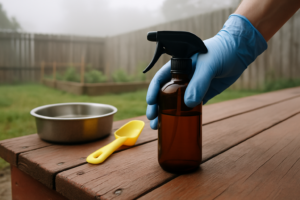
It’s tempting to grab a can of bug spray at the first sign of a pest. A DIY approach feels like a fast, cheap solution. Sometimes, for a very small problem, it might work. But more often, it’s a temporary fix that doesn’t solve the real issue.
Most store-bought products only kill the pests you see, which is just a fraction of the actual problem. It’s like pulling the top off a weed—it looks better for a moment, but the roots are still there. If you find yourself in a cycle of spraying and trapping the same pests, your efforts aren’t working.
The Limits of Store-Bought Solutions
The biggest problem with DIY pest control is knowing what you’re up against. Using the wrong product on the wrong pest is a common mistake. For example, using a generic spray on an Argentine ant colony does very little, because you aren’t targeting their multiple queens.
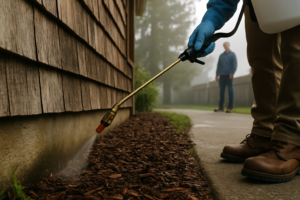
Even more important is the safety of your family and pets. Using treatments incorrectly can be risky, especially with kids or animals around. This is where professional help makes a difference. We use targeted, eco-friendly methods that are both effective and safely applied.
Choosing professional pest control isn’t just about getting rid of pests—it’s about peace of mind. Our licensed technicians are trained to select the safest, most effective methods for your home.
When Professional Help Is the Smart Choice
So, when is it time to call an expert? The signs are usually clear.
It’s time to call a pro when:
- The Infestation is Widespread: Seeing pests in more than one room is a red flag.
- You’re Unsure of the Pest: Guessing is a gamble that gives pests more time to multiply.
- The Problem Keeps Coming Back: A professional is needed to find and seal entry points and eliminate the source.
- You Prioritize Safety: For homes with children or pets, professional, eco-conscious solutions offer the highest level of safety.
Getting an expert involved early ensures the job is done right the first time. You can feel confident and ready for our visit by learning more about how to prepare for pest control.
Frequently Asked Questions
Making the call for professional pest control can feel like a big decision. To help, we’ve gathered answers to the most common questions we hear from homeowners across Santa Cruz County.
How quickly can you come for an inspection?
We get it—when you find pests, you want them gone fast. We make it a priority to respond quickly. In most cases, we can schedule a free inspection for your home in Santa Cruz, Aptos, or Capitola within 24 to 48 hours of your call.
Are your eco-friendly treatments safe for my kids and pets?
Yes. Keeping your family and the environment safe is our top priority. Our eco-friendly treatments are tough on pests but gentle on everyone else. We use products with natural ingredients and targeted methods to keep your home protected without putting your kids or pets at risk.
What should I do to prepare for your visit?
Getting your home ready for our visit is simple. A few basic steps make a big difference:
- Clear the Area: Tidy up spots where you’ve seen pests, like under sinks or along baseboards.
- Secure Food: Make sure all food is in sealed containers and countertops are clean.
- Keep Pets Safe: It’s best to keep pets in a separate room while we’re working.
How does your pricing work?
We believe in being upfront and clear. That’s why we always start with a free, no-obligation estimate. Our price depends on the type of pest, the size of the infestation, and the treatment plan your home needs. We’ll walk you through every detail before we start, so there are no surprises.
Do I really need a professional for just a few ants?
A few ants may not seem like a big deal, but in our area, it’s often a sign of something much bigger. We have a major issue with Argentine ants, which build huge, hidden colonies. DIY sprays only get rid of the few ants you see, leaving the queens and the nest untouched. A professional treatment is the only way to get lasting results by targeting the entire colony.
Ready to protect your Santa Cruz home? The team at West Pest Co. is here with safe, effective, and eco-conscious solutions designed for you.
Contact us today to schedule your free estimate and get your peace of mind back. https://westpestco.com