A pest inspection is more than just a service—it’s a critical health check-up for your home, designed to uncover hidden threats before they escalate into costly emergencies. Think of it as a proactive step that protects your property's value, your family's health, and gives you essential peace of mind.
Why A Pest Inspection Is Your Home's Best Defense
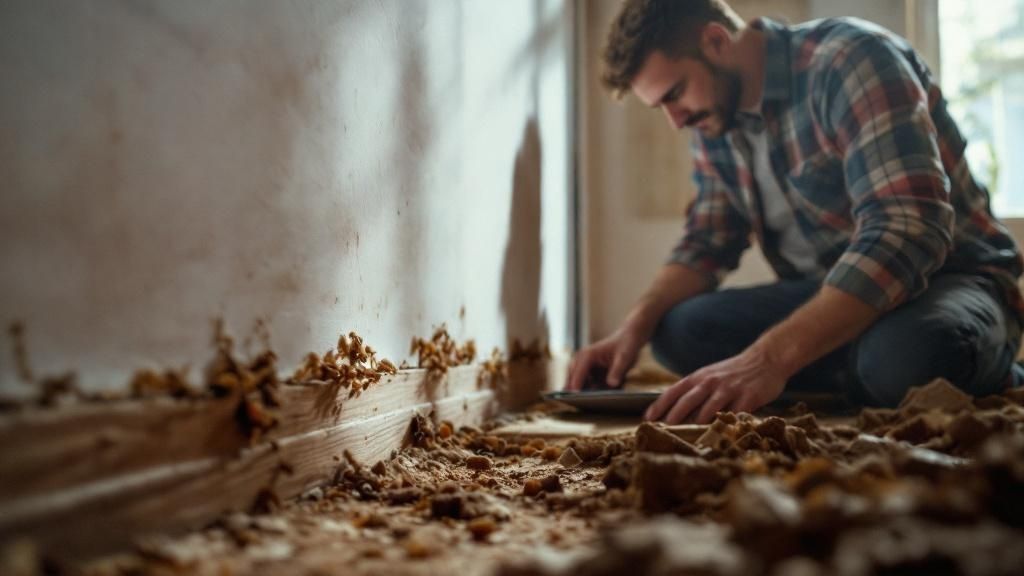
It’s best to view a pest inspection as a detective’s investigation into your home’s unseen corners. Where you see walls and floors, a trained inspector sees a complex network of potential entry points, hiding spots, and food sources for unwanted guests. They’re trained to spot the subtle, almost invisible clues that signal a much bigger problem lurking just out of sight.
This proactive approach is so important because most destructive pests do their dirty work in secret. Termites, for instance, can silently chew through your home's structural supports for years before you ever notice the damage. Likewise, rodents can nest in attics or wall voids, spreading contaminants and posing significant health risks long before you ever spot one scurrying across the floor.
Safeguarding Your Investment And Health
A professional pest inspection is one of the smartest ways to protect your property’s value. By catching infestations early, you can sidestep the need for expensive repairs and preserve your home’s equity. This preventative mindset is key to maintaining any large asset, and understanding the importance of regular home inspections is a big part of that.
Beyond the financial aspect, an inspection delivers invaluable peace of mind. There's a real comfort in knowing your living space is free from pests that carry diseases or trigger allergies, allowing your family to feel truly safe and secure. It's no surprise that public awareness is growing; the global pest control market was valued at $20.1 billion in 2019 and is projected to hit $44.3 billion by 2034, largely driven by health concerns.
Let’s quickly summarize the core benefits.
Key Reasons for a Regular Pest Inspection
This table breaks down the main advantages of scheduling routine pest inspections for your property.
| Benefit | Description |
|---|---|
| Early Detection | Identifies pest issues before they become widespread and cause major damage. |
| Property Value Protection | Prevents structural damage from pests like termites, preserving your home's equity. |
| Health and Safety | Reduces the risk of diseases, allergies, and contamination from pests like rodents and roaches. |
| Peace of Mind | Provides assurance that your home is a safe and healthy environment for your family. |
| Cost Savings | Avoids the high cost of repairs and extensive extermination needed for advanced infestations. |
Ultimately, a pest inspection turns uncertainty into a clear, actionable plan.
For both current homeowners and prospective buyers, a thorough pest inspection is a non-negotiable step. It establishes a baseline of your home's condition and serves as the foundation for a secure, healthy living environment.
This detailed assessment empowers you with knowledge. It's the difference between reacting to a full-blown crisis and preventing one from ever happening in the first place.
What to Expect During The Inspection Process
A professional pest inspection can feel a bit mysterious, but it’s actually a systematic investigation of your home. Knowing what the inspector is looking for helps you ask the right questions and feel confident in their findings. The entire process is designed to be thorough, leaving no stone unturned.
It all starts with a simple conversation. The first thing our inspector will do is talk with you about any specific concerns you have. Have you heard scratching in the walls at night? Seen strange droppings in the pantry? This initial chat gives us crucial clues and helps us focus our search where it matters most.
After our talk, the real detective work begins outside your home.
The Exterior Foundation Sweep
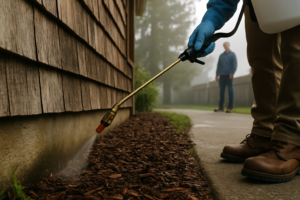
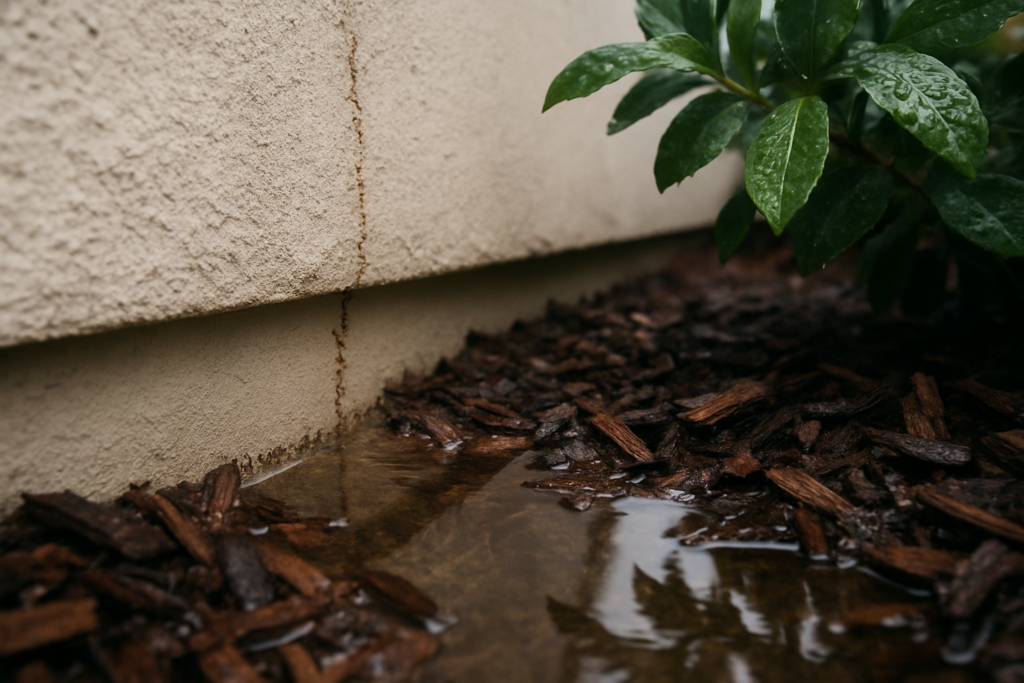
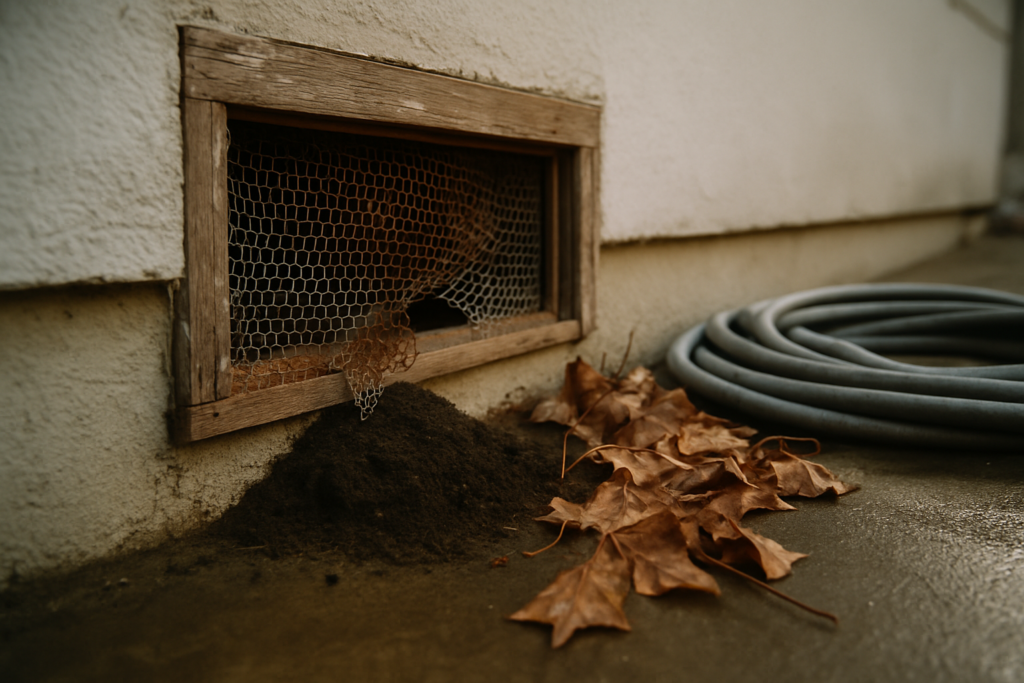
Your property’s perimeter is its first line of defense, so that’s where we start. The inspector will meticulously examine the entire exterior, paying close attention to the foundation. We’re looking for cracks, gaps around pipes, and any other potential entry points that pests are hardwired to exploit. Siding, window frames, and eaves are also closely scrutinized.
Think of it as a security audit for your home's exterior. We're on the hunt for the same vulnerabilities that pests are programmed to find, aiming to identify issues before they become an inside problem.
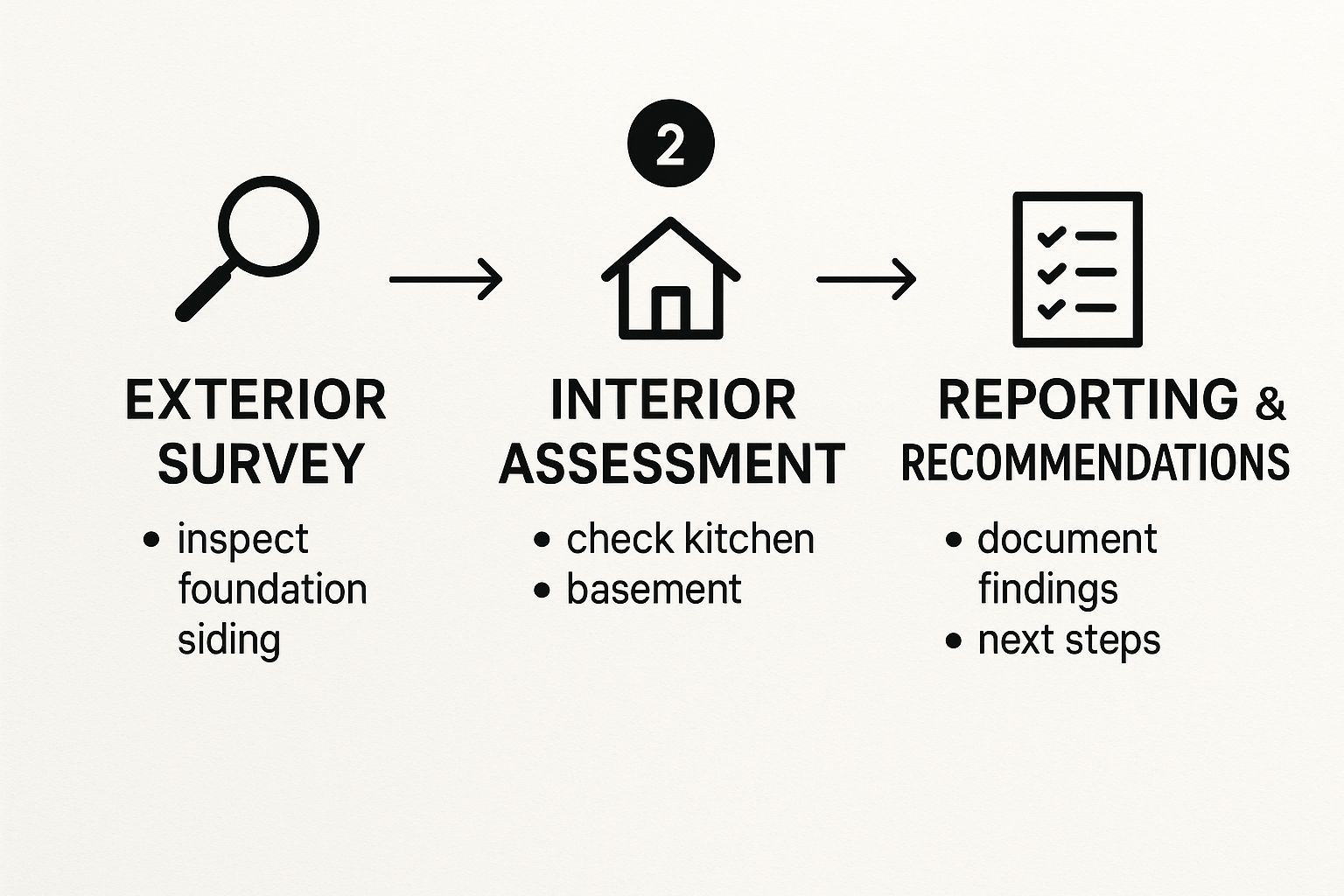
As you can see, the process logically moves from the outside in. This ensures we have a complete picture of your property’s condition before creating a final report.
The Interior Deep Dive
Once the exterior is cleared, the inspection moves indoors to the places pests love to hide. This isn’t a random search; it’s a targeted hunt through high-risk zones that provide the food, water, and shelter pests need to thrive.
Our inspectors will typically cover these key areas:
- Kitchens and Bathrooms: These rooms are hotspots because of moisture and food crumbs. We’ll check under sinks, behind appliances, and deep inside cabinets for any evidence of cockroaches, ants, or rodents.
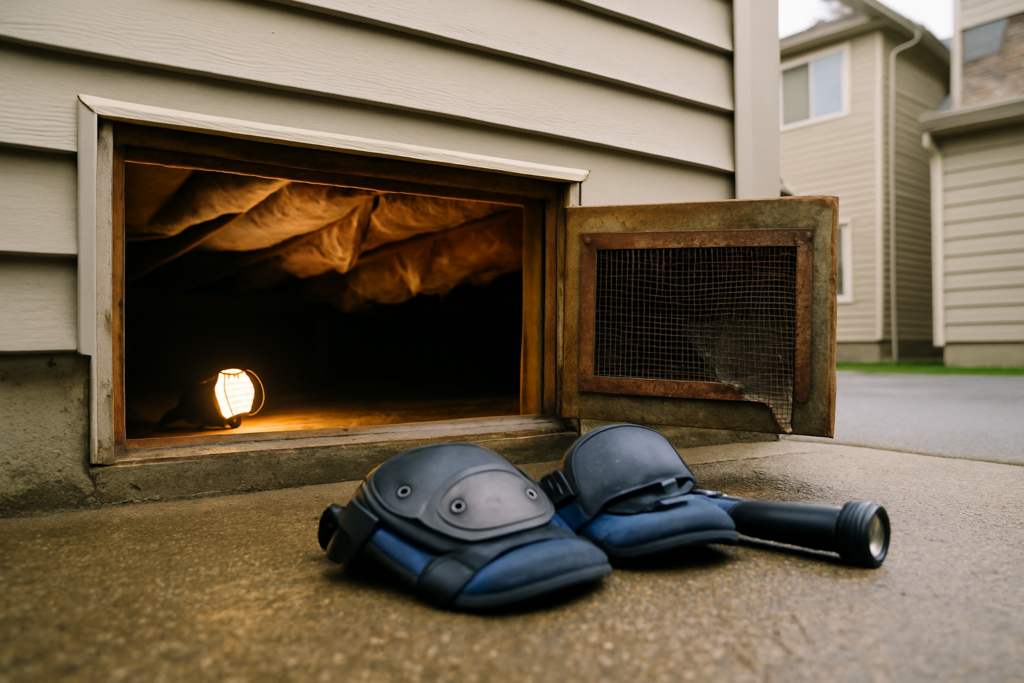
- Attics and Crawl Spaces: Dark and often undisturbed, these spaces are perfect nesting sites for everything from rodents to wasps. We look for droppings, nests, damaged insulation, and hidden entry points.
- Basements and Garages: These areas offer easy access from the outside and plenty of clutter for pests to hide in. The focus here is on foundation walls, storage boxes, and the sill plate where termites often first appear.
A huge part of a professional interior inspection is spotting the subtle clues most homeowners miss. This could be faint gnaw marks on wood, greasy rub marks along baseboards left by rodents, or the papery nests of yellow jackets tucked away in a quiet corner.
Modern inspectors also bring specialized tools to the job. Moisture meters can detect damp conditions that attract pests like carpenter ants, while thermal imaging cameras can sometimes spot hidden nests behind walls by picking up the heat they generate. To see how this all comes together, you can learn more about what a complete home pest inspection in Santa Cruz entails.
Finally, after completing this comprehensive sweep of your property, the inspector will pull all their findings together. They’ll walk you through exactly what they discovered, explain the severity of any infestations, and give you clear, straightforward recommendations for what to do next—whether that’s immediate treatment or preventive measures for the future.
Uncovering Your Home's Unwanted Guests
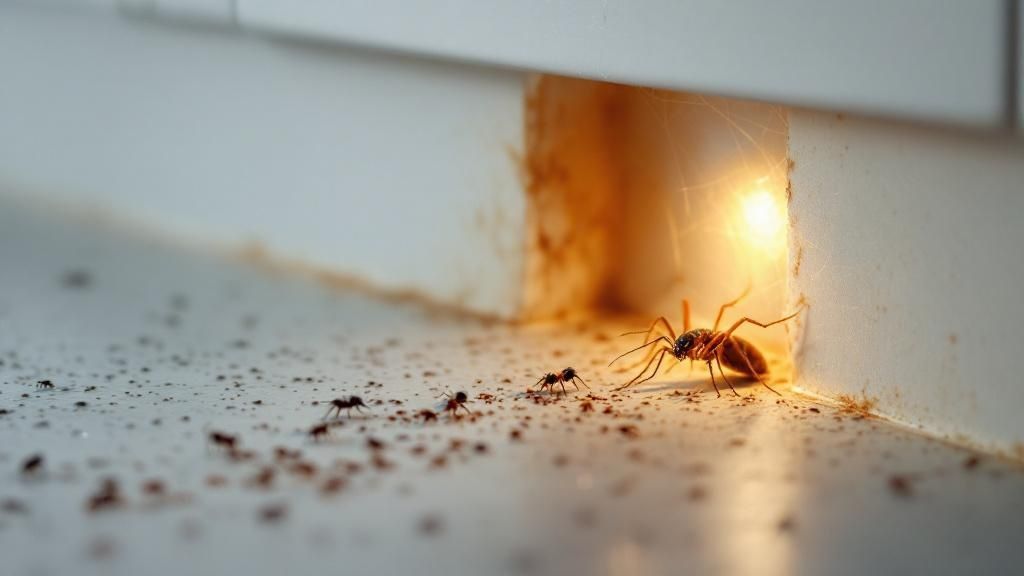
A professional pest inspection isn't just about finding a stray bug. It's about uncovering the story of what’s really happening inside your walls. Pests aren’t random visitors; they're opportunists, and each type leaves behind a unique trail of clues that a trained eye can follow. They fall into distinct categories based on the threat they pose to your home and health.
The pest control market in North America is massive, making up about 37% of global revenue. It's on track to hit $9.48 billion in 2025, a growth driven by homeowners becoming more aware of the health risks tied to infestations and the rise of smarter inspection technology.
The Silent Destroyers
First up are the pests that can quietly dismantle your home from the inside out. These are the silent destroyers, and the most infamous members of this group are termites and carpenter ants. An experienced inspector isn’t just looking for the insects themselves—they’re searching for the subtle, often-missed evidence they leave behind.
This could be faint, pencil-thin mud tubes climbing up a foundation wall, which termites use as protected highways. Or it might be tiny piles of what looks like fine sawdust near a windowsill—a classic sign of carpenter ants excavating a nest within the wood. Most people would walk right past these signs without a second glance.
By spotting these early red flags, an inspector can stop structural damage that could otherwise cost you thousands to repair. It’s a proactive defense against a threat that thrives in secrecy, protecting the very core of your investment.
The Health Hazards
Next, we have the health hazards—the pests that can turn your safe space into a source of illness. This category is dominated by rodents and cockroaches, two invaders notorious for spreading bacteria, contaminating food, and triggering allergies and asthma. A thorough inspection focuses on their tell-tale signs of activity.
Our experts are trained to spot the nearly invisible clues these pests leave behind.
- Tiny Droppings: Cockroach droppings often look like scattered black pepper or coffee grounds, a clear indicator of a nearby hiding spot.
- Greasy Rub Marks: Rodents have poor eyesight, so they navigate by running along walls. This leaves greasy, dirty smudges from their fur along baseboards.
- Faint Odors: A large infestation of cockroaches or rodents creates a distinct, musty odor that a trained nose can easily detect, often long before you see a single pest.
The Persistent Nuisances
Finally, there are the persistent nuisances. Pests like spiders, silverfish, and earwigs might not cause structural damage or major health crises, but their constant presence can absolutely ruin your peace of mind. More importantly, they often signal other underlying issues, like excess moisture or gaps in your home's exterior.
An inspector connects their presence to the root cause, identifying the entry points they use to get inside. You can dive deeper into what our technicians look for with our detailed pest control inspection checklist. By sealing these vulnerabilities, we don't just get rid of the current problem; we stop future ones from ever starting.
Breaking Down Pest Inspection Costs
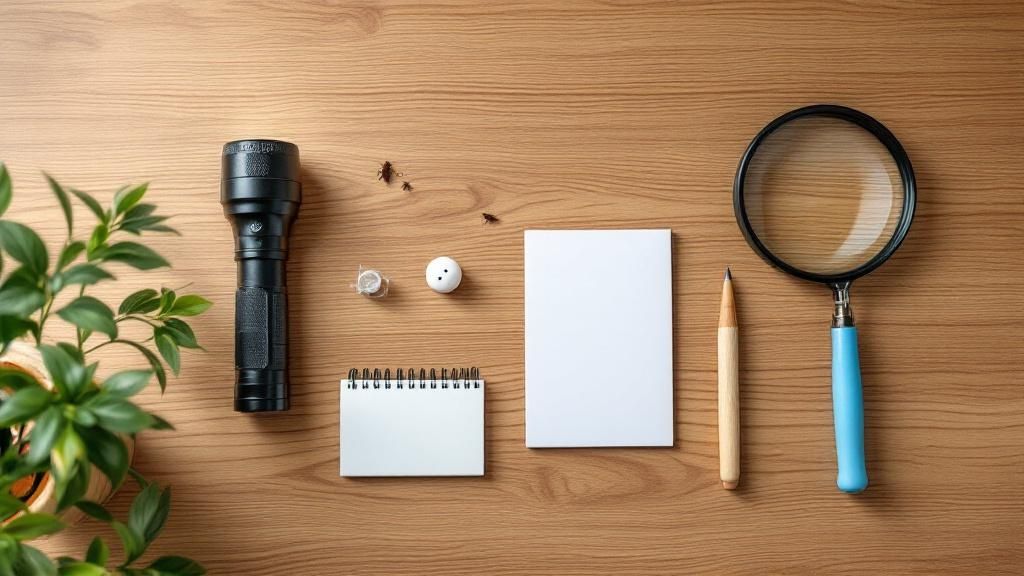
Talking about the cost of any professional service can feel tricky, but it really doesn't have to be. When you understand what goes into pricing a pest inspection, you can see it for what it is: a strategic investment in your property's long-term health, not just another bill to pay. The final price isn't a random number—it’s a reflection of the specific work needed to protect your home.
Think of it this way: ordering a custom-built table will always be different from buying one off a showroom floor. The size, materials, and complexity all shape the final cost. It's the same with pest inspections. The biggest factor is almost always the size of your property. A sprawling commercial building with multiple floors is going to take a lot more time and effort to inspect thoroughly than a cozy, single-story home.
The layout and complexity of your property also play a huge role. A house with intricate architecture, multiple attics, and hard-to-reach crawl spaces simply demands a more intensive inspection than a modern, open-plan home.
The Type Of Inspection Matters
Beyond the size of your property, the specific kind of inspection you need is a major driver of the cost. A general pest inspection gives you a solid overview of common household pests like ants, spiders, and rodents. It's an excellent starting point for routine home maintenance.
However, sometimes you need to look for something specific, and that's where specialized inspections come in.
For example, a dedicated termite inspection—which is often required for real estate transactions—involves a much more detailed search for any sign of wood-destroying organisms. This requires specific training and a more rigorous process, which naturally affects the price.
If you have a particular pest in mind, our team can walk you through the differences. You can learn more in our essential guide to termite and pest inspections. At the end of the day, the scope of the work directly shapes the final cost.
To make things clearer, let's break down the common variables that influence the price of a professional pest inspection.
Pest Inspection Cost Factors
| Factor | How It Affects Cost | Typical Impact |
|---|---|---|
| Property Size | Larger homes and commercial buildings require more time and labor to inspect thoroughly. | High |
| Type of Inspection | Specialized inspections (e.g., termite, bed bug) are more intensive and costly than general ones. | High |
| Level of Infestation | A severe or widespread infestation requires more detailed investigation to assess the full extent of the problem. | Medium |
| Property Complexity | Hard-to-access areas like crawl spaces, multiple attics, or cluttered basements increase inspection time. | Medium |
| Bundled Services | Combining an inspection with a treatment plan often results in a lower overall cost. | (Savings) |
| Location | Travel time and regional pest pressures can sometimes be a minor factor in pricing. | Low |
As you can see, the final quote is a tailored figure based on your unique situation, not a flat fee.
Smart Ways To Manage Costs
While a quality inspection is a worthy investment, there are definitely ways to get the most value for your money. Many homeowners find that bundling services offers significant savings. When you combine an initial inspection with a quarterly or annual treatment plan, the package rate is often much lower than scheduling each service on its own.
This approach doesn't just save you money; it provides continuous protection that stops problems before they have a chance to start. Here at West Pest Co., we're all about transparent pricing. We’ll always walk you through the factors influencing your quote so you know exactly what you’re paying for: a thorough, professional assessment that delivers lasting peace of mind.
The Shift to Smarter Pest Management
The world of pest control has come a long way. Gone are the days when the only solution was to grab a sprayer and hope for the best. Today, the industry is moving toward a much more thoughtful and strategic approach known as Integrated Pest Management (IPM), which puts long-term prevention and your family's safety first.
Think of it this way: IPM is less about fighting off invaders one by one and more about building a fortress around your home. It’s a complete strategy that gets to the root cause of an infestation by understanding how pests think and behave. The real goal is to make your property an unwelcome place for pests to begin with, which naturally reduces the need for chemicals.
The Principles of Modern Pest Control
This forward-thinking approach is built on a multi-layered defense. When a professional from a company like West Pest Co. inspects your home, they’re looking for proactive, non-chemical solutions first. It’s a total flip from the old, reactive methods.
Some of these modern tactics include:
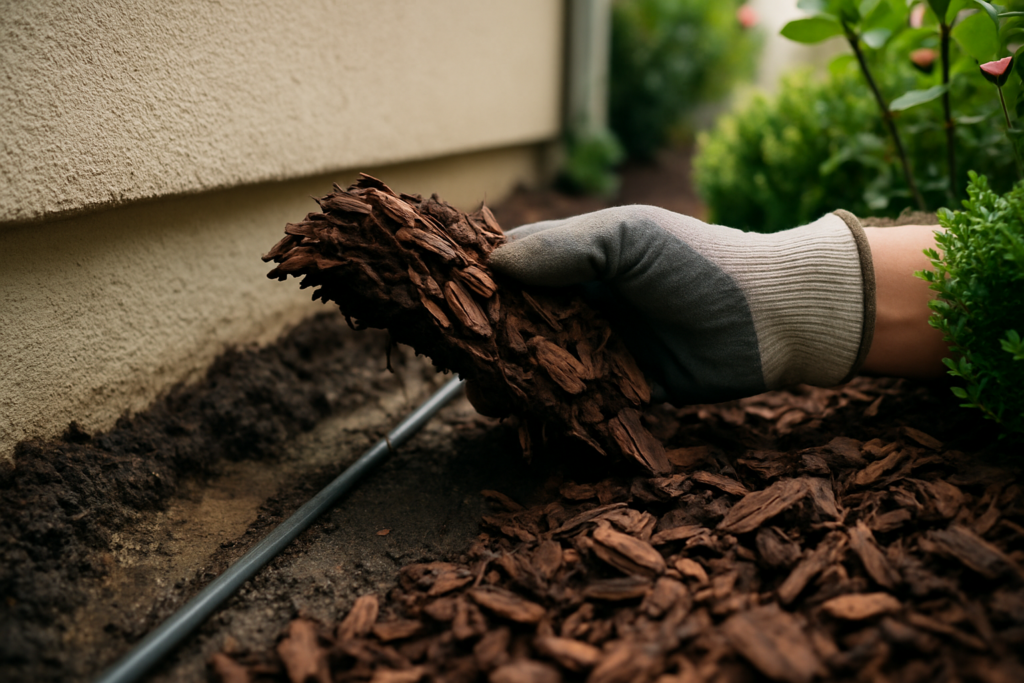
- Sealing Entry Points: We meticulously find and block off the tiny cracks in your foundation, the gaps around pipes, and worn-out weather stripping that pests use as their personal superhighways into your home.
- Managing Moisture: We locate and advise you on fixing leaky faucets, improving poor drainage, or handling areas with high humidity that are magnets for pests like cockroaches and carpenter ants.
- Removing Food Sources: We’ll recommend simple sanitation fixes or better storage solutions to get rid of the crumbs and spills that pests depend on to survive.
The core idea of Integrated Pest Management is to create an environment where pests simply cannot thrive. It’s about being smarter than the pests, using knowledge of their biology against them to achieve lasting results that are safer for your family and pets.
This change is part of a much bigger trend. The global pest control market is on the rise, thanks largely to the growing demand for eco-friendly methods and digital monitoring. If you're interested in the nitty-gritty, you can explore the market dynamics and growth projections detailed in this recent pest control market report.
This proactive mindset is being embraced across many fields. As our industry evolves, understanding smarter management strategies with AI and automation from other sectors gives us valuable insights for creating even better pest control solutions. By choosing a company like West Pest Co. that fully embraces IPM, you’re not just getting pest control—you’re getting a modern partner dedicated to protecting your home and the environment.
How to Choose the Right Pest Inspector
Picking the right company for your pest inspection is just as important as the inspection itself. Anyone can show up with a flashlight and a clipboard, but not all services are created equal. Choosing a trustworthy partner ensures your investment delivers real value and, more importantly, lasting peace of mind.
Your goal is to find a true expert—someone who is not just qualified but also transparent, thorough, and genuinely dedicated to solving your specific issues, not just selling you a generic service.
The first and most critical step? Verifying their credentials. A reputable pest control company absolutely must be fully licensed by the state and carry adequate insurance. This is non-negotiable. Licensing proves they meet professional standards, while insurance protects you from any liability if an accident happens on your property. Don't be shy about asking for proof before you book anything.
Key Qualities of a Top-Tier Inspector
Beyond the basic licenses and insurance, you’ll want to dig a little deeper to gauge their expertise and reliability. A great pest inspector is more than a technician; they are a problem-solver who communicates clearly and respectfully.
Look for a company with a proven track record right here in Santa Cruz County. Check online reviews on platforms like Google or Yelp to see what past customers are saying. A long history of positive feedback is a huge green flag. Experience really matters, especially with local pests. An inspector who knows the specific pest pressures in our area will know exactly what to look for and where.
Choosing an inspector isn’t just about credentials; it’s about trust. You’re inviting someone into your home to assess its health. The right partner is a professional who takes the time to answer your questions, explain their process clearly, and provide a detailed, easy-to-understand report.
Questions to Ask Before You Hire
To help you make a confident decision, here’s a simple checklist of questions to ask any company you're considering:
- What does your pest inspection actually include? A good answer will detail a thorough process covering both the inside and outside of your property, from the attic to the crawlspace.
- What kind of report will I receive? You want a written report with photos and clear, actionable recommendations, not just a verbal summary.
- Do you offer eco-friendly or low-impact options? This shows a commitment to modern, responsible pest management and respect for your family’s health and our local environment.
- Can you provide references or show me customer reviews? A confident, established company will be proud to share their successes.
Choosing a company like West Pest Co., voted Best Pest Control for two years running, ensures you get an expert partner dedicated to protecting your home.
Of course. Here is the rewritten section, designed to match the expert, natural, and locally-focused voice of the provided examples.
Still Have Questions About Pest Inspections? We Have Answers.
Even after you understand the basics, a few questions always pop up. It's completely normal. We've put together answers to some of the most common things homeowners ask us about professional pest inspections, so you can feel confident and ready.
How Often Should I Really Get A Pest Inspection?
For most homeowners here in Santa Cruz County, scheduling a pest inspection once a year is the perfect rhythm. Think of it as a yearly check-up for your house—it’s the best way to spot trouble before it turns into a full-blown, expensive infestation. An annual plan keeps you one step ahead of pests all year long.
That said, if your property is in an area with high pest activity (like near a greenbelt or agricultural land) or you’ve had pest problems before, bumping that up to twice a year offers an extra layer of protection and priceless peace of mind.
Is An Inspection Actually Necessary For A Brand-New Home?
Absolutely, and this is a big one. It's a common myth that a new house is automatically pest-free. Construction sites are hives of activity that stir up local pests, and it’s not unheard of for building materials to arrive with unwelcome passengers like termites already on board.
A pest inspection for a new build isn't just about finding problems; it's about confirming there aren't any from the get-go. It gives your home a clean bill of health and sets a critical baseline for the future, protecting your massive new investment from day one.
What’s The Difference Between A Home Inspection And A Pest Inspection?
This is a great question because the two roles are often confused. A general home inspector and a pest inspector are two completely different specialists looking for different things. The home inspector is focused on the big picture: the roof, the plumbing, the foundation, and the electrical systems. They might point out obvious signs of pests if they see them, but it’s not their area of expertise.
A licensed pest inspector, on the other hand, is a trained expert whose only job is to hunt for evidence of insects and rodents. We have the specific training to spot the subtle, hard-to-see clues of an infestation that a generalist would almost certainly overlook.
Ready to make sure your home is protected by the best in the business? The team at West Pest Co. brings together deep local knowledge with a commitment to effective, responsible pest solutions. As the company voted Best Pest Control for two years straight, we deliver the thorough inspections and peace of mind you deserve. Schedule your professional pest inspection with us today!